How to Grow Moss Indoors: Simple Steps for Lush Green Results
Wondering how to grow moss indoors without much fuss? Start by choosing moss that thrives inside, like sheet or cushion moss. These types stay green and grow well in low-light spots.
Keep the moss moist and in the right light. You’ll get lush green growth fast.
Pick a container or surface that stays damp, such as a shallow tray or a piece of bark. Use clean water and let tap water sit 24 hours first to lose chlorine.
This process helps moss absorb water better and prevents damage. Keep humidity above 50% since moss loves moist air.
Give moss gentle light with a fluorescent or LED light about 12 inches above it. That mimics natural daylight without burning the moss or drying it out.
Keep the temperature comfy, around 60 to 70°F, which suits most moss types indoors. Avoid sudden drafts and direct heat sources like vents.
Key Takeaways
- Choose moss types suited for indoors, like sheet or cushion moss.
- Use containers that hold moisture but allow some air circulation.
- Let tap water sit for 24 hours before watering moss.
- Keep humidity around 50% to 70% for best moss health.
- Position fluorescent or LED lights 12 inches above moss for 10, 12 hours daily.
- Maintain indoor temperatures between 60°F and 70°F for ideal growth.
How to Grow Moss Indoors Successfully
- Choose an indirect light spot with stable temperatures around 65°F (18°C).
- Prepare a shallow container or surface that holds moisture well but drains excess.
- Place your moss on the container or surface without soil; moss doesn’t need it.
- Spray the moss gently with distilled water to avoid mineral buildup every other day.
- Maintain humidity by setting a tray of water nearby or using a humidifier close to moss.
- Check moss moisture daily; moss should feel damp but not soggy to touch.
- Keep moss out of direct sun to prevent drying or yellowing.
- Re-spray or mist moss more often if indoor air feels dry, especially in winter.
Growing moss indoors works because moss thrives in shade and moist air. It doesn’t require soil or heavy care, which makes it perfect for beginners.
You want steady moisture around the moss without waterlogging it. That’s why misting and nearby water trays help.
To keep moss healthy, give it indirect light only. Direct sunlight dries it out fast. Keep air humidity between 50 and 70 percent.
This helps moss stay lush. It keeps moss nice and green. Using distilled water prevents minerals from clogging moss leaves.
Daily care is simple. Feel the moss’s surface to keep it evenly moist but firm. Spray again when moss looks dry or crispy.
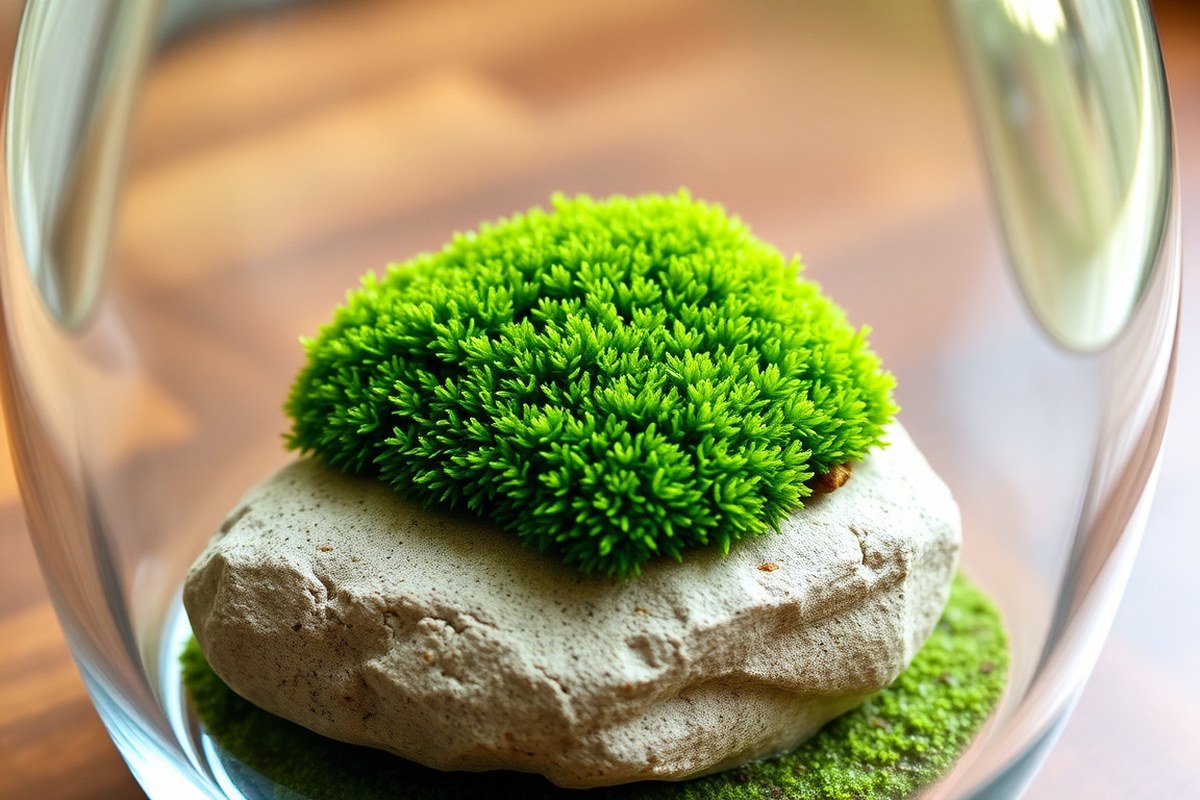
A humidifier or open water container nearby raises humidity in your room. For less fuss, growing moss inside a sealed glass terrarium holds moisture well.
Choosing the Best Moss Species for Indoor Growth

Choosing the right moss species makes indoor growing easier and looks better. Some mosses like low light, while others need more humidity. Your indoor conditions affect which moss fits best and how much care it will need.
| Moss Species | Light Needs | Care Level | Appearance | Growth Habit | Ideal Setting |
|---|---|---|---|---|---|
| Sphagnum Moss | Low to Medium | Medium | Soft, spongy with tight clusters | Forms thick mats | Terrariums, moist pots |
| Sheet Moss | Low | Low | Flat, broad, bright green | Spreads evenly on surfaces | Desks, wood, stones |
| Cushion Moss | Low to Medium | Low | Rounded, puffed clumps | Grows in small mounds | Bathrooms, shaded shelves |
| Spanish Moss | Medium | High | Stringy, grayish-green hanging strands | Epiphytic, hangs from wood | Attached to wood or branches |
Look at the light and humidity where you want to place moss. Low-light rooms with moderate moisture suit sheet or cushion moss.
Sphagnum moss likes small terrariums because they stay moist inside. Spanish moss needs more attention and space to hang on wood pieces.
Each moss type needs different care. Sphagnum moss likes very moist soil. Sheet moss needs damp soil, not soaking wet.
Cushion moss can handle dry periods better. Spanish moss is not a soil-based moss and won’t grow on the ground or pots.
Choose moss based on your available light and moisture. Match moss type to avoid extra care or poor growth.
You can buy moss adapted for indoor use at garden centers. Starting with healthy moss that is damp helps it adjust quicker to your home.
Keep moss on rocks or wood to reduce mess and match natural growth habits. Closed terrariums keep humidity high, which helps most moss types thrive indoors.
Ideal Environmental Conditions for Indoor Moss
Indoor moss grows best in cool, humid places with mild light and steady airflow. It needs gentle light, moisture around 80%, and air that moves slightly to stay healthy. Creating these conditions helps moss thrive without drying out or turning brown.
Light Requirements: Natural and Artificial
Moss prefers low to moderate light indoors. North-facing windows provide indirect sunlight that is perfect for moss gardens. Direct sunlight may dry out moss quickly and cause damage.
Your room might not get much natural light. Use a fluorescent or LED grow light. Put the light about 12 inches above the moss.
Run it for 8 to 12 hours a day. This mimics natural conditions without overheating or drying the moss.
- Place moss near a north-facing window for indirect sunlight.
- Use soft LED or fluorescent grow lights if natural light is weak.
- Keep grow lights 12 inches above moss surface.
- Provide 8, 12 hours of artificial light daily.
- Avoid direct sunlight to prevent dry, brown patches.
Artificial lights help if your space is dark, maintaining growth without stress. Too much light makes moss brittle and brown, so avoid overly bright setups.
Humidity and Air Circulation Guidelines
Moss needs high humidity to stay green and soft. Aim for surrounding air humidity close to 80%. Keeping moss moist but not soaked keeps it healthy indoors.
You can mist moss once or twice a day with water during dry indoor seasons. Over misting risks fungal growth, so let air circulate around the moss.
- Maintain humidity near 80% for healthy moss.
- Mist moss lightly once or twice daily in dry spaces.
- Use a humidifier if indoor air is very dry.
- Ensure gentle air movement to prevent mold or mildew.
- Avoid enclosing moss in airtight containers without ventilation.
Good airflow stops fungus but watch for drafts that dry moss quickly. A container type affects humidity, open terrariums allow airflow. Closed ones keep moisture longer.
Temperature Range Best for Moss
Cool, stable temperatures suit indoor moss best. Keep your room between 60 and 75 degrees Fahrenheit most of the time. Avoid hot spots near heaters or cold drafts near windows or doors.
Moss reacts poorly to sudden temperature drops or rises. Pick a place in your home with mild, steady weather for moss to thrive all year. This consistency prevents stress and keeps moss lush.
- Maintain indoor temperatures between 60°F and 75°F.
- Avoid placing moss next to heaters or air conditioners.
- Prevent cold drafts or heat spikes near moss.
- Choose a spot with stable temperature throughout the day.
Setting Up Moss Indoors: Containers, Surfaces, and Substrates
Moss can grow indoors without soil. It needs a moist surface to attach to. Keep the surface damp for best results.
Use rocks, wood, or acidic soil for moss to anchor. Moss attaches with tiny hair-like roots. This helps it stay in place.
Pick the right container to keep moss healthy. Prepare the surface well before placing moss. This helps moss spread evenly across it.
Containers with open tops work best because they allow air circulation and easy misting. Shallow trays and glass dishes work well for moss. Wooden boxes also make a good flat space.
They let moss grow like a green carpet. Avoid deep pots filled with soil, which can trap too much water and cause problems.
Before planting, clean the surface of any debris or competing plants. Moss doesn’t root in soil but needs a firm spot where moisture stays steady. Press moss firmly onto the surface to help it stick and start growing quickly.
When using wood or rocks, skip the soil. Just keep the moss moist to help it survive. Dry conditions will harm the moss quickly.
Follow these steps to set up your indoor moss area:
- Choose a shallow, open container like a wooden or ceramic tray for good air flow.
- Remove any leaves, dirt, or old plants from the container or surface.
- Select clean rocks, wood pieces, or a thin layer of slightly acidic soil for the base.
- Place the moss on the prepared surface and press it down gently but firmly.
- Mist the moss with a fine spray bottle to moisten without soaking the base.
- Keep the container in a humid spot away from direct sunlight to maintain moisture.
- Check daily and mist again whenever the moss looks dry or dull in color.
- Avoid overwatering by focusing mist on the moss surface, not flooding the substrate.
Good moss setup feels damp but not soggy. Moss looks healthy when soft, bright green, and spreads evenly. Dry, brown patches mean it needs more moisture or better humidity.
Moss that smells bad or decays is too wet. You probably overwatered or trapped moisture in the container. Let the moss dry slightly between waterings.
Watering and Moisture Maintenance for Indoor Moss
Moss indoors needs just the right amount of water to thrive. Mist your moss once or twice a week, depending on the humidity and moss type. Keep the moss moist.
Avoid soaking or making it soggy. Too much water can cause rot or mold.
Tap water often has chlorine and minerals that might harm moss over time. Letting tap water sit for 24 hours helps chlorine evaporate, making it safer for your moss. Use rainwater or distilled water for watering moss.
This prevents mineral buildup. Mineral buildup blocks nutrients.
Soak moss in room-temperature water for 10 to 15 minutes. Do this when it feels dry or brittle.
Remove excess water well, so the moss sits moist but not in standing water. Open containers need more frequent checks because they dry out faster.
- Mist moss gently with water once or twice a week.
- Let tap water sit 24 hours before use.
- Use rainwater or distilled water if available.
- Soak dry moss for 10 to 15 minutes.
- Ensure no standing water remains after watering.
- Check moss daily in dry or warm rooms.
- Avoid fertilizer or harsh chemicals on moss.
Keep an eye on moisture levels to prevent drying or overwatering. Too little water makes moss crisp, and too much invites mold and decay.
Touch the moss often. It should feel damp and lush but not muddy or slimy.
Standing water kills moss quickly, so always drain excess moisture right away.
Lighting Options and Artificial Light Setup
You’ll need artificial light if your indoor moss doesn’t get enough natural light. LED grow lights work well, especially with low heat and daylight settings. Position lights about a foot above the moss and run them 8 to 12 hours daily.
Choosing the Right Grow Light Type
LED grow lights are best for moss because they use little power. They also stay cool, which is safer for the plant. These features make them ideal for indoor moss care.
They provide full-spectrum light, which mimics natural daylight and supports moss growth. Fluorescent lights with a color temperature between 5000K and 6500K also work well.
Avoid high-heat bulbs because moss is sensitive to temperature changes. LEDs with adjustable intensity help you dial in the perfect amount of light. Look for lights labeled specifically for plant growth for best results.
Recommended Light Distance and Duration
Keep your grow light 12 to 18 inches above the moss. This distance avoids heat damage and keeps moss moist. Run the light 8 to 12 hours daily to mimic daylight.
When your moss looks dry, try moving the light farther away. You can also cut back how many hours it shines each day.
Use a simple timer to keep the lighting consistent every day. Proper light duration promotes healthy green moss without stressing it.
Signs Your Moss Needs More or Less Light
When moss grows slowly or looks pale, it probably needs more light. A faded color or dry moss means the light may be too strong.
Try lowering the brightness or raising the light above the plant. Watch for brown edges too, which often means light or heat stress.
Try adjusting the light position or duration in small steps to see what works best. Too little light causes moss to thin out.
Too much shrinks or burns it. Keep moss misted regularly for moisture even under artificial light.
- Use full-spectrum LED grow lights or 5000K-6500K fluorescent bulbs
- Keep lights 12 to 18 inches above moss to avoid heat damage
- Provide 8 to 12 hours of light daily for consistent growth
- Adjust light distance if moss looks dry or bleached
- Run a timer to maintain steady light cycles
- Watch moss color and growth rate to adjust lighting
- Keep moss moist with regular misting, especially under lights
Common Indoor Moss Problems and How to Fix Them
Browning or yellowing often means your moss isn’t moist enough. Moss needs frequent misting or a humid environment to thrive indoors.
Dry spots dry out quickly. So check moisture levels daily and spray with water as needed.
Mold can grow when moss stays too wet. It also happens in containers with no airflow. Keep moss dry and let air circulate around it.
To stop mold, open the container often to air it out. Remove moldy parts immediately with scissors to avoid spreading it.
Dry, brittle moss looks crispy and shriveled. Soak the moss in clean water for 10 to 15 minutes. This helps bring it back to life.
Make sure the water is fresh and clean. After soaking, place it somewhere humid and mist it regularly to prevent drying out again.
- Trim brown or dry areas with sharp scissors to encourage fresh growth.
- Avoid direct sunlight, which can scorch and dry moss.
- Use LED grow lights to provide gentle, steady light indoors.
- Check containers for good drainage and air exchange to prevent mold.
- Keep humidity high with regular misting or a humidity tray nearby.
- Soak dry moss in water for 10, 15 minutes before placing it back indoors.
- Remove dead or yellow parts promptly to keep moss healthy.
Moss growth slows or stops because of low moisture or light. Check that your moss is getting enough water and sunlight. Adjust conditions to help your moss grow.
Increase misting and move moss closer to indirect light or add an LED grow light. Also, check the substrate; it should hold moisture but not stay soggy.
Managing these issues keeps moss green and lively. Pay close attention to moisture, light, and airflow. Letting moss dry out, stay soggy, or become moldy can quickly ruin your indoor moss display.
Maintaining and Pruning Moss for Indoor Longevity
Indoor moss benefits from regular upkeep to stay healthy and vibrant. Prune it lightly and remove any dead bits regularly.
Keep humidity steady in your container. Air out closed containers sometimes to stop mold from growing.
When and How to Prune Moss
Pruning moss indoors isn’t about heavy trimming but tidying up. It keeps moss dense and encourages new growth by removing old or oversized sections. Aim to prune every 2 to 3 months depending on how quickly your moss spreads.
Use scissors or small gardening shears to trim near the base carefully. Focus on uneven patches or moss growing beyond its container edges.
- Check moss for uneven or long growth spots.
- Use clean, sharp scissors to snip those sections just above the base.
- Dispose of clippings to prevent decay in the container.
- Gently mist the moss after pruning to help it recover.
Cleaning Dead or Problematic Moss
Dead moss and debris block light and trap moisture, which leads to rot or mold. Remove fallen leaves, twigs, and any brown or slimy moss at least once a month. This cleaning keeps the growth area fresh and prevents disease.
Use tweezers or your fingers to pick out debris carefully. This helps avoid disturbing healthy moss.
- Look closely to identify dead moss or debris on the surface.
- Use tweezers or gently lift with your fingertips to remove unwanted material.
- Check for any moldy spots, and remove them too.
- Wipe container edges or tray to keep the space clean.
Dead material left in place can cause moss to turn gray and die quickly.
Humidity Maintenance Tips
Maintaining humidity is key since indoor air tends to be dryer than moss’s natural habitat. Use closed terrariums or clear lids to hold moisture, especially with delicate moss types. Aim for at least 60% humidity around your moss for the best results.
Spray the moss with water every few days to keep the surface damp but not soaking. Avoid leaving puddles in the container, which can invite fungus.
- Use a spray bottle to mist moss every 3 days or when it feels dry.
- Choose closed terrariums for delicate moss to keep humidity steady.
- Check for condensation inside the container; wipe excess moisture if it pools.
- Keep indoor temperatures stable between 65°F and 75°F to help humidity levels.
Too little humidity causes moss to brown; too much leads to rot.
Air Circulation Practices for Closed Containers
Closed containers trap moisture but need fresh air monthly to stop mold and mildew. Open your terrarium for 10 to 20 minutes every 3 to 4 weeks. This refreshes the air and balances humidity without drying moss out.
Remove the lid, let the container breathe, then close it again after airing. Notice foggy glass or a sour smell? Increase airing slightly more.
- Lift or remove the container lid once per month.
- Leave it open for 10 to 20 minutes to allow fresh air flow.
- Look for signs of excess moisture or mold after airing.
- Close the container securely to maintain a humid environment.
Neglecting to air out a closed moss garden can lead to mold growth inside the container.
Step-by-Step Action Plan for Growing Moss Indoors
Follow these steps to get your indoor moss growing strong and healthy. Check each stage for signs of growth or any issues.
- Before You Start: Choose a moss species suited for indoor growth like cushion moss. Confirm it thrives in low light and high humidity.
- Day 1: Get your container ready with a moist substrate. Use peat moss or a soil mix for this. Keep it damp but not soaked. It should feel damp but not soggy.
- Week 1: Place moss on the substrate and spray it lightly with water twice a day. Look for the moss to start settling and attaching.
- Week 2: Change the lighting so moss has indirect natural light. You can also use fluorescent lights. Provide 12 hours of light each day. Moss should appear vibrant and not dried out.
- Week 3: Maintain consistent moisture by misting daily. Check for no yellowing or browning, which signals proper hydration.
- Week 4: Inspect moss surface for any dust or debris and gently clean it. This keeps moss healthy and prevents fungus.
- After 1 Month: Begin pruning dry or overgrown areas with scissors. Moss should show steady growth and stay lush.
Frequently Asked Questions
Can I Grow Moss Indoors Without Soil?
Yes, moss doesn’t need soil to grow indoors. It can attach to rocks, wood, or any moist surface, making it easy for indoor setups.
How Often Should I Mist Moss to Keep It Healthy?
Mist moss once or twice a day to keep moisture consistent. Avoid overwatering since moss thrives in damp, not soggy, conditions.
Can Moss Survive Under Artificial Light Only?
Moss can survive well under fluorescent or LED lights. Position the light about 6 to 12 inches above for about 12 hours daily.
How Do I Prevent Mold When Growing Moss Inside?
Keep airflow around your moss to prevent mold growth. Using a sealed container helps control moisture but avoid airtight traps.
Is Moss Safe to Keep Around Pets and Children?
Yes, moss is non-toxic to pets and children. It’s a safe and natural green decoration for your home.
How Long Does It Take for Moss to Grow Visibly Indoors?
You can see moss growth within two to four weeks indoors. Growth depends on moisture, light, and the moss species chosen.
Wrapping Up
Moss gives your indoor space a fresh, natural look with little fuss. Start by picking a moss type that fits your light and moisture conditions. Keep it moist and check on it weekly to enjoy its green beauty for months.