How to Grow Plants in Water: A Complete Guide for Healthy Growth
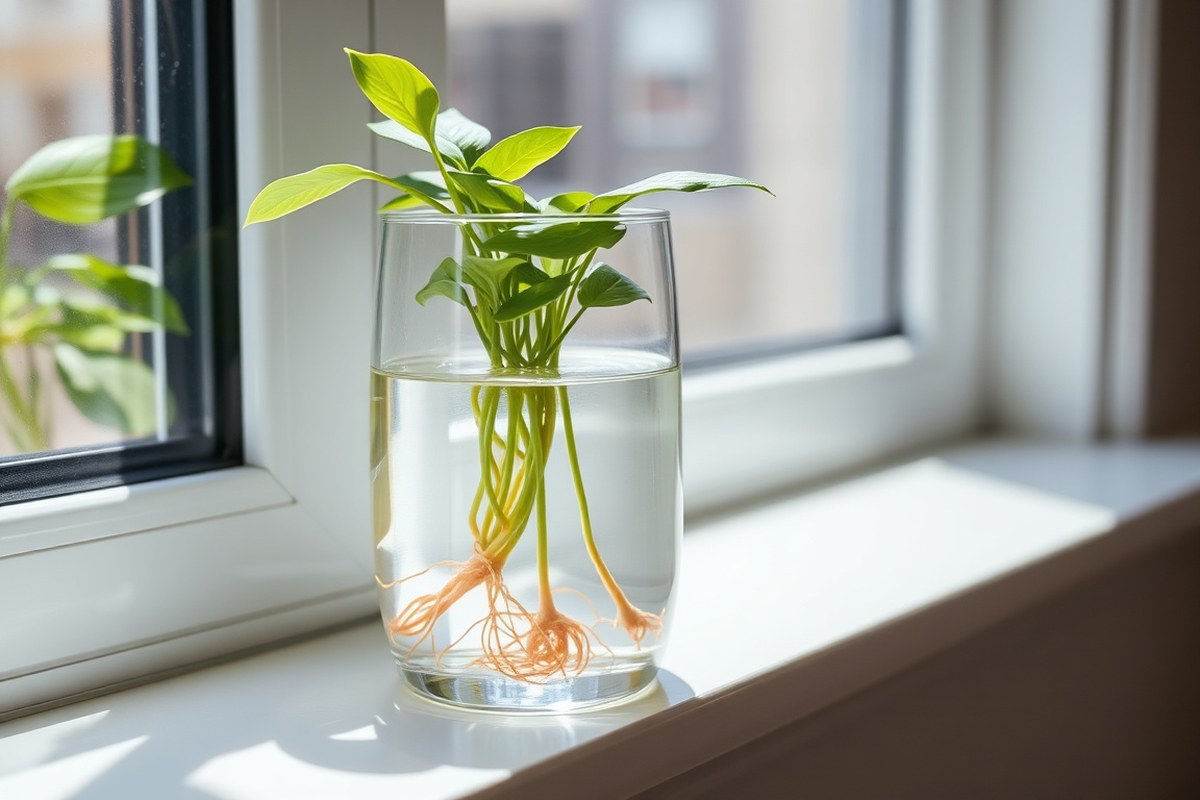
How to grow plants in water is simpler than you might think. Just cut a healthy stem several inches long and place it in water.
Make sure at least one node is below the water surface because roots grow from nodes. Using clean, clear containers helps you watch root development and keeps water fresh.
Keep the water at room temperature and put the plant where it gets bright, indirect light. Avoid direct sunlight, which can overheat the water and harm the roots.
Some plants take 2 to 4 weeks to start rooting. So patience is key during this early phase.
Change the water every week or two to reduce bacteria and prevent root rot. Adding a few drops of liquid fertilizer once a month can supply needed nutrients. This care routine helps your plants grow strong, healthy roots and thrive in water alone.
Key Takeaways
- Submerge a stem node fully to start root growth in water.
- Keep water at room temperature between 60 and 80 degrees Fahrenheit.
- Place plants in bright, indirect light matching the parent plant’s conditions.
- Change water completely every 7 to 14 days to prevent bacteria and algae.
- Expect roots to form in 2 to 4 weeks; woody stems may take longer.
- Remove lower leaves before placing cuttings in water to avoid rot.
How to Grow Plants in Water Successfully

Growing plants in water only calls for careful steps and steady conditions. Begin by choosing a plant that roots easily in water, such as pothos or philodendron.
Your cutting should have healthy leaves and several nodes, the spots where roots will form. Avoid woody stems at first; they take longer to root and need more care.
Keep your water at room temperature and match the light your original plant needs. Your cuttings should submerge one or two nodes in water. Change the water every one to two weeks to avoid bacteria.
Use a clear container so you can watch roots grow. But keep it away from direct sunlight to prevent algae.
Water alone won’t feed your plant long-term. Add a weak liquid fertilizer monthly once roots develop.
You’ll see roots appear in 2 to 4 weeks, sometimes longer for certain plants. Avoid disturbing the water too much as roots grow.
- Snip a healthy stem about 4 to 6 inches long below a node.
- Remove leaves on the bottom 2 inches of the cutting.
- Place the cutting in a clean container with room temperature water.
- Submerge at least one node beneath the water surface.
- Put the container in a spot with indirect bright light.
- Change water every 7 to 14 days to keep it fresh.
- Add a small amount of liquid houseplant fertilizer after roots develop.
- Wait patiently for roots to grow, typically 2 to 4 weeks.
Water growth prioritizes roots, slowing new leaves and stems. Be patient, as leaves might not grow quickly until roots get strong.
A cutting without roots in a month may not survive. If water turns cloudy or smells bad, replace it right away to avoid root rot.
Best Plants for Growing Long-Term in Water

Some plants take just a week or two to root in water. Herbs like mint, basil, and oregano often sprout strong roots fast. These kitchen herbs are great if you want quick success and fresh leaves all winter long.
Other plants can live in water for a long time without soil. Lucky Bamboo and Chinese Evergreen do well without switching back to soil. They don’t need soil because their roots get oxygen and nutrients from water with extra fertiliser.
| Plant | Rooting Speed | Suitable for Long-Term Water Growth | Notes |
|---|---|---|---|
| Mint | 1-2 weeks | Short-term only | Fast rooting, needs nutrients and light for healthy leaves |
| Basil | 1-2 weeks | Short-term only | Roots quickly but usually moved to soil for best growth |
| Oregano | 1-2 weeks | Short-term only | Grows fast, requires occasional nutrient boosts |
| Lucky Bamboo | 3-4 weeks | Long-term | Thrives fully in water; add occasional fertilizer |
| Chinese Evergreen | 4+ weeks | Long-term | Prefers water with added nutrients and filtered light |
| Pothos | 2-3 weeks | Long-term possible | Common water plant that adapts well to water culture |
| ZZ Plant | Slow or poor rooting | No | Single central root system makes water growth hard |
Woody or flowering plants often struggle when grown just in water. Many need soil to support their roots and supply minerals. Woody stems, such as rose stems or woody herbs, rot in water.
They do not last long when kept submerged. Avoid leaving them in water too long.
To match plant choice with your goals, pick fast-rooting herbs for quick starts. Switch popular houseplants like Pothos or Lucky Bamboo for long-term displays in water. Avoid palms or plants with bulky root systems; they often fail without soil.
Don’t forget to change water weekly and add plant fertilizer to keep roots healthy.
Adding a bubbler or aerator helps large or fast plants in water. It keeps the water oxygen-rich. That makes plants grow better.
This keeps oxygen in the water and stops roots from drowning. It’s useful for bigger plants you want to keep growing water-only.
Choosing Containers, Water, and Environment
Choose containers that keep your plants steady and water clean. Use filtered or tap water that’s been left out overnight. Bright, indirect light and room temperature between 60 and 80°F create the best growing environment.
Ideal Containers and Supports
Clear glass jars or vases work well for water-grown plants. Glass is easy to clean and lets you watch roots develop. Growing long-stem cuttings works best in tall vases that hold them upright.
Opaque containers block light, stopping algae growth and keeping water fresher longer. Bottles or narrow-necked jars support the stems and prevent them from falling over. Replace water every 7 to 14 days and rinse roots if you see slime or cloudiness.
- Glass jars for most small plants
- Vases for long stems needing support
- Bottles to keep cuttings upright
- Opaque containers to reduce algae
- Sizes that fit your plant roots without crowding
- Easy-to-clean materials like glass or BPA-free plastic
Choosing the Best Water Type
Filtered water or tap water left out for 24 hours works best. Letting tap water sit allows chlorine to evaporate, which helps plants avoid leaf browning. Tap water with a strong chemical smell should be replaced by distilled or filtered water.
Water should be room temperature, around 68°F, to avoid shocking the roots. Avoid cold water right from the fridge. Change the water fully every week or two to keep it clean and fresh.
Light and Temperature Recommendations
Place your water-grown plants in bright, indirect sunlight to avoid leaf burn. South or east-facing windows with filtered light are ideal spots. Limited sunlight means a grow light can offer steady and consistent light.
Keep room temperature steady between 60 and 80 degrees Fahrenheit. Avoid cold drafts or hot, dry air from HVAC vents. Stable temperature helps roots stay healthy and supports steady growth.
Providing Nutrients and Maintaining Water Quality
Your plants need mineral nutrients to grow well in water. Soil usually provides these.
So you must add a liquid fertilizer designed for hydroponics or houseplants. Use a weak solution, mixing about one-quarter to half the strength recommended on the label.
Add nutrients every time you change the water. Changing water every 7 to 10 days helps stop bacteria and algae from building up. You can change water every 2 weeks or stretch to 4 weeks.
Make sure the water stays clear. It should also smell fresh.
When changing the water, remove it completely and rinse the container and roots gently. This prevents stagnation and reduces the chance of root rot or fungal diseases. Keep the top part of plants like peace lilies above water.
This helps stop stem rot. It also prevents root rot.
Algae often grow in water exposed to light. Keep containers in indirect sunlight and clean the glass or plastic regularly. Spot algae on roots or container walls?
Change water sooner. Wipe the container gently to clean it.
Over time, nutrients can build up as salts, which may harm roots. Replacing the water regularly flushes out excess salts and refreshes nutrients. Adding a fresh nutrient mix during water changes gives your plants what they need without overload.
Healthy roots look white and crisp, not slimy or rotten. Water that smells bad or looks cloudy needs changing right away. Brown or black roots often show bad water quality.
The plant crown might also stay underwater too long. Check both closely.
How to Identify Healthy vs Unhealthy Water-Grown Plants
Healthy roots in water are white or light tan. They feel firm to touch. Roots spread evenly from stem nodes into the water.
Thin, black, or mushy roots usually show rot or poor health. Roots growing in clumps or turning brown means trouble.
This shows oxygen shortage or overwatering. These conditions harm your plant fast.
Leaves and stems tell a lot about plant health too. Strong, green leaves that hold their shape mean you have enough light and nutrients.
Yellowing leaves or pale color often mean your plant lacks nutrients like nitrogen or phosphorus. Weak, bending stems point to not enough light or too much heat around the water.
You want to watch for early signs of trouble instead of waiting. Leaves dropping suddenly or shriveling roots are red flags to check water quality and light setup.
Cloudy water with algae growth means too much light is hitting the water’s surface. This reduces nutrients for the roots and slows growth.
- White, sturdy roots with fine hairs show good health
- Yellow or brown leaves suggest low nutrients or poor light
- Soft or black roots mean root rot and need quick action
- Algae on water surface signals excess light or dirty water
- Stems should stand upright, not bend or droop
- Regular water changes help maintain oxygen and nutrients
Keep your container in bright, indirect light for 8 to 12 hours daily. Use clean water at room temperature for your plants. Change it every two weeks for small to medium plants.
Regular changes help prevent problems. Add a liquid fertilizer made for hydroponics at half the recommended dose. This boosts root and leaf growth without burning them.
Yellow leaves can mean you need more nutrients, less light, or healthier roots.
Cut off rotting roots right away. Then replace the water immediately to protect the plant. Smaller or younger plants often need more frequent water changes to avoid buildup of waste.
Healthy plants grow new root tips in two to three weeks. They also show fresh leaves in this time. This means your cutting is doing well.
Common Mistakes and How to Fix Them When Growing Plants in Water
Many beginners choose the wrong plants or forget that water quality matters. Plants like succulents don’t thrive in water, while pothos and lucky bamboo do well.
Avoid using stagnant or dirty water to prevent oxygen depletion and root rot. Changing water weekly keeps roots healthy and stops bacteria build-up.
Root rot often happens because the water lacks oxygen or stays too still. You can fix this by refreshing the water every seven days. Use room-temperature filtered water.
Add a little water-soluble plant food every time. Change the water regularly to keep your plant healthy.
Trim any slimy roots with clean scissors. Then put the plant in fresh water.
- Use a clear container to watch root growth and spot problems early
- Place plants where they get bright, indirect sunlight for at least 6 hours daily
- Change water weekly and clean the container to prevent algal growth
- Trim roots every 2 to 3 months to remove dead or rotting tissue
- Avoid overfeeding plants; follow label directions for water-soluble fertilizer
- Don’t submerge stems too deeply to prevent stem rot
- Remove algae manually with a soft cloth or sponge if it appears
Algae grows when water is exposed to too much light or isn’t changed often. Stop it by trimming algae and moving the plant away from direct light. Overfeeding creates salt build-up that harms roots, so use fertilizer sparingly.
Yellow leaves or a bad smell mean trouble. Cut off affected roots and change the water fast. This gives your plant a second chance.
Mistakes with light are common, too. Bright indirect light suits most water-grown plants. Too little light causes weak, leggy growth.
Too much direct sun may burn leaves or promote algae. Adjust plant location based on these signs. Taking small steps daily makes your water plants strong and healthy.
Advanced Tips for Long-Term Water Plant Care
Large or woody plants need steady oxygen, trimmed roots, and seasonal care to thrive in water. You’ll boost root health with bubbling aeration. Prune roots to avoid crowding.
Adjust care as seasons change. These steps help your plants grow strong in water over the long term.
Using Aeration and Bubblers
Roots need oxygen to avoid rot and grow well. You can add an aquarium air pump and bubbler to your container. This equipment costs about $15 to $30 and runs quietly on electricity.
Place the bubbler’s air stone near the roots for steady oxygen flow. Use a small tank or container for a large plant and increase air bubbles accordingly. Stop the bubbles if you see excessive algae forming on the water surface.
When and How to Prune Roots
Roots can get tangled or crowded in water, causing slowed growth. Every three to six months, take the plant out.
Trim thick or brown roots with clean scissors. Cut back to healthy white or light-colored tips.
Do root pruning gently to avoid stressing the plant. Rinse roots in fresh water after trimming to reduce bacterial buildup. Avoid cutting more than 20% of roots at once to keep the plant safe.
Adjusting Care by Season
Plants slow growth in cooler months, so reduce feeding and water changes. For woody plants like rosemary, feed half-strength nutrient solution.
Do this every 3 to 4 weeks from spring to fall. Stop nutrients in winter if growth nearly stops.
In winter, keep water temperature between 65 and 75°F to help roots survive. Lower light means trimming older leaves and checking for root health more often. Keep bulbs or heaters nearby if room temperature falls below 60°F.
How to Transition Plants Between Soil and Water Growth
Moving plants between soil and water takes a careful step-by-step approach. You must clean the roots well, then help the plant adjust slowly. Avoid transition if the plant shows stress or damage.
Removing Soil and Cleaning Roots
Start by gently removing the plant from soil, being careful with roots. Rinse all soil off under cool running water to stop rot. Trim any damaged roots with clean scissors before you put the plant in water.
Try to remove every bit of soil to prevent bacteria growth in water. Use lukewarm water around 70°F to keep roots calm and avoid shock. This washing step prepares roots to absorb oxygen and nutrients properly in water.
Always wash soil off roots before putting the plant in water. Soil causes rot. Algae can grow fast if soil stays on roots.
Acclimating Plants to Water
Transitioning needs a slow introduction for best success. Start by putting the cleaned roots in a container with water. Change the water every 3 to 5 days to prevent buildup of waste and algae.
Keep the water temperature around 65°F to 75°F and place the plant away from direct sun. Check roots for new growth or damage weekly. After about two to three weeks, you can try moving the plant completely into water culture.
Switch gradually from soil to water to avoid shock. Reverse the process or add mild liquid fertilizer to water for struggling plants. Long roots (1 inch or more) are a good sign to allow full transition.
- Remove plant from soil and rinse roots thoroughly.
- Place roots in clean container filled with fresh, room-temperature water.
- Change the water every 3 to 5 days to keep it clean.
- Keep the plant in indirect light and stable temperatures.
- Monitor roots and leaves for healthy growth or signs of distress.
- After two to three weeks of adjustment, move plant fully to water.
- Add diluted fertilizer or switch the plant back to soil if shock appears.
Signs to Avoid Transitioning
Avoid moving plants with yellowing or dropping leaves. These signs show stress that might worsen in water culture. Also, don’t switch plants when roots look mushy, slimy, or smell bad.
Plants with very thick roots or some bulbs don’t do well in water. Check your specific plant species first.
Some plants grow slower or weaker when moved to water. Keep soil-grown plants happily thriving if water culture is not suited.
Step-by-Step Action Plan to Start Growing Plants in Water
Follow this plan to get your water-grown plants healthy fast. It breaks down clear steps with signs of success.
- Day 1: Choose a cut or plant with white roots forming. Place it in clean water covering the base. The roots must stay submerged but not leaves.
- Week 1: Change the water every 3 days to avoid slime. Look for new root growth and firm stems.
- Week 2: Add a small amount of liquid fertilizer. Use about a quarter of the full dose on the label. Watch for greener leaves and steady root length.
- Week 3: Check water clarity and remove any plant debris. Healthy plants will have no yellowing or soft spots.
- Week 4: Move the container to a brighter spot with indirect sunlight. Leaves should brighten and grow fuller.
- After 1 Month: Trim any brown or dead roots and add fresh water with fertilizer. Your plant should look lively and strong.
- Ongoing: Repeat water changes weekly, monitor nutrients monthly, and watch for leaf or root changes. Quick response prevents problems.
Frequently Asked Questions
Can I Grow Flowering Plants in Water?
Yes, some flowering plants like begonias can grow in water. Keep them in bright, indirect light to encourage blooms and change water regularly.
How Often Should I Change the Water for Plants Growing in Water?
Change water every one to two weeks to prevent bacteria growth. Clean the container before refilling for a fresh environment.
Can I Use Tap Water to Grow Plants in Water?
Yes, but let tap water sit overnight to let chlorine evaporate. This helps protect roots from chemicals.
Do I Need to Add Fertilizer When Growing Plants in Water?
Yes, use liquid fertilizer diluted to half strength every 2-4 weeks. It supplies nutrients missing in plain water.
What’s the Best Temperature for Water When Growing Plants?
Use room temperature water, around 65-75°F. Avoid cold water as it can shock roots.
Can I Use Saltwater or Ocean Water for Hydroponic Plants?
No, saltwater damages freshwater plants’ roots and stops growth. Use fresh water only.
Before You Go
Growing plants in water needs steady care, right water, and nutrients. Start with a simple plant and watch new roots and leaves. Adjust your routine when you see changes and enjoy easy, soil-free growing.