What Is a Perennial Plant Mean? A Complete Guide for Gardeners
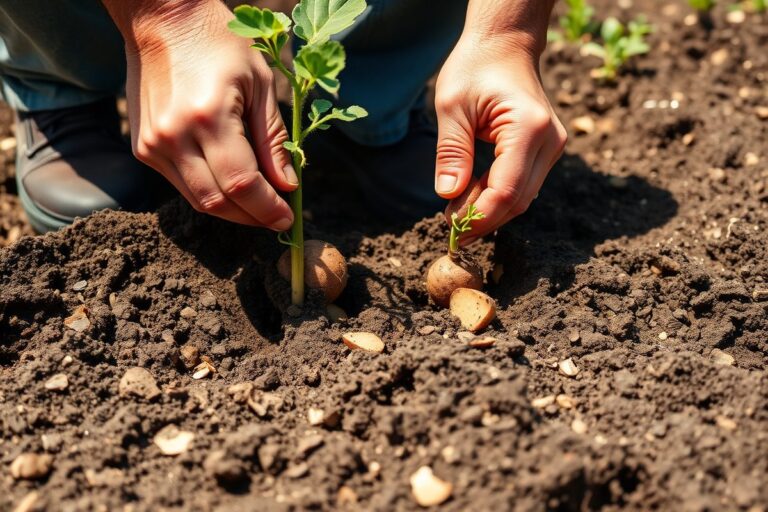
A perennial plant lives for more than two years, coming back each season. Unlike annuals that complete their life cycle in one year, perennials regrow from roots or stems. They usually bloom every year, adding consistent color to your garden.
Perennials flower for a few weeks before entering dormancy to save energy. During this time, growth slows, but the plant stays alive underground. This cycle helps them survive cold and harsh weather conditions.
Perennials don’t need reseeding or replacement every year, saving you time and money. Their strong roots also help stabilize garden soil and improve its quality. This makes them a practical choice for low-maintenance gardening.
There are herbaceous perennials that die back in winter and woody ones that keep their stems. This difference changes how you prune and protect them in cold weather. Knowing your type helps you care for the plant properly.
Key Takeaways
- Perennials live for more than two years and regrow each season.
- They usually bloom for two to six weeks a year.
- Herbaceous perennials die back in winter; woody ones keep stems.
- You don’t need to replant perennials yearly, unlike annuals.
- Perennials provide garden stability with established root systems.
- Check your plant hardiness zone to pick the right perennials.
What Does Perennial Plant Mean?

A perennial plant is one that lives for more than two years. This means it grows back each growing season without needing to be replanted. Unlike annuals or biennials, perennials don’t complete their life cycle in one or two years.
Perennials often put a lot of energy into growing strong roots when they first start. These roots help the plant survive through different seasons and come back year after year. Some perennials live and grow for many decades.
The century plant is one example. It flowers once and then dies.
They usually bloom for a few weeks each year, depending on the species. Most perennials go dormant during colder months or unfavorable conditions. Then, they start growing again when the weather warms up or improves.
How long a perennial lives depends on your local climate and care. In harsher regions, gardeners sometimes treat perennials like annuals and replant them yearly. In milder places, the same plant may thrive for many years without replanting.
Recognizing whether a plant is perennial helps you plan your garden better. Perennials reduce the need for frequent replanting and can provide continuous blooms as different types flower. This makes them a good choice if you want a lasting and low-maintenance garden.
How Perennials Differ from Annuals and Biennials
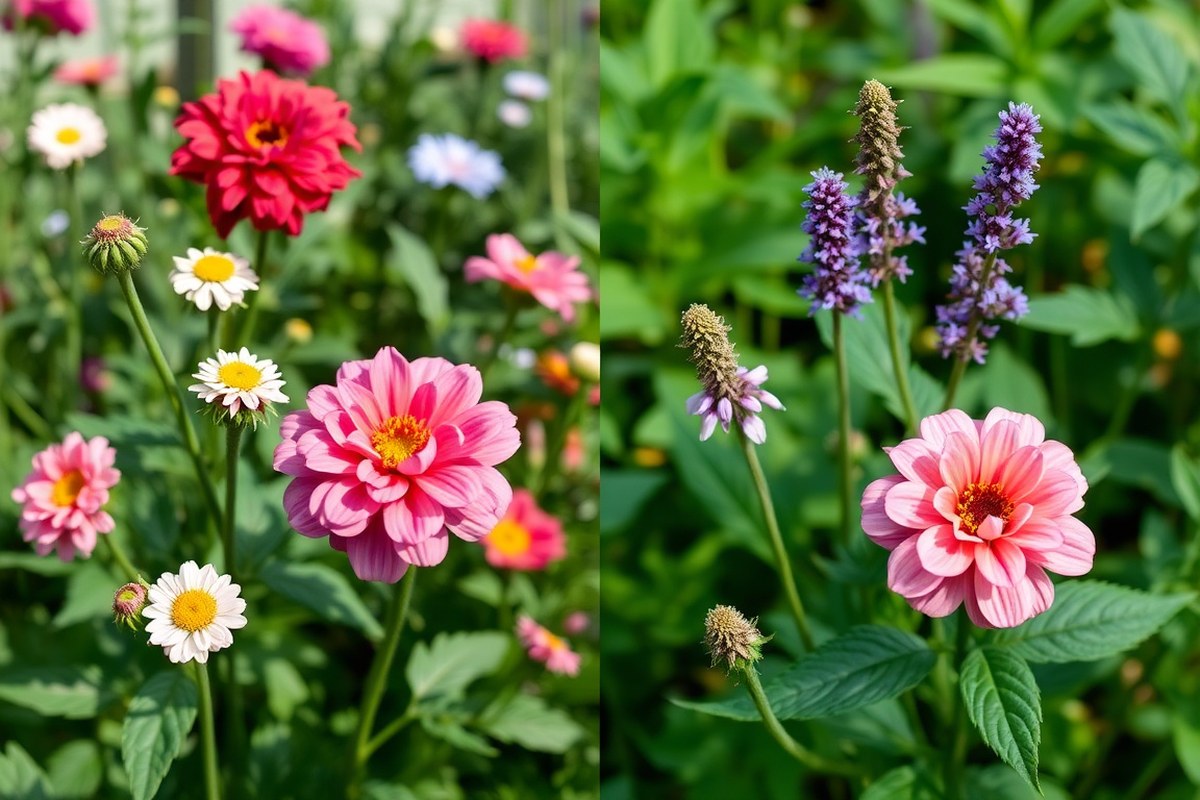
Perennials live for more than two years, returning each spring from their root systems. They usually have shorter bloom times than annuals but keep coming back without replanting. By contrast, annuals complete their life cycle in one growing season, requiring new planting every year.
Biennials take two years to complete their life cycle. The first year focuses on leaf and root growth. Flowering and seed production happen in the second year, after which the plant dies.
Perennials live for decades or even hundreds of years. They repeat growth, flowering, and dormancy in cycles. These stages happen again and again through their life.
| Plant Type | Life Span | Bloom Time | Replanting Needed |
|---|---|---|---|
| Annuals | One growing season | Several weeks, often longer than perennials | Every year |
| Biennials | Two years | Blooms only in second year | Every two years, though seeds often self-sow |
| Perennials | More than two years, often decades | Two to six weeks, shorter than annuals | Rare, usually only for division or propagation |
Choosing perennials can reduce yearly planting work and cost. Most herbaceous perennials die back in winter but regrow quickly in spring. Their shorter flowering period means you may want to add annuals for continuous color.
Understanding these differences helps you plan your garden better. Plant perennials in April or May for the best establishment. Your garden will gain size and strength over time without buying new plants every year.
Cutting perennial foliage too early in late summer can weaken the plant the next year.
Types of Perennial Plants and Their Characteristics
Perennial plants fall into three main types: herbaceous, woody, and evergreen perennials. Each has distinct features that affect growth and care. Knowing these types helps you pick the right plants for your garden’s look and maintenance.
Herbaceous Perennials
Herbaceous perennials have soft, green stems that die back to the ground each winter. They survive winter by their roots and crown, which remain alive underground. Come spring, they sprout fresh leaves and flowers from the base.
These perennials often bloom from late spring through summer. They don’t have woody stems and need space to grow their root systems.
- Peonies
- Hostas
- Coneflowers
- Daylilies
- Bleeding hearts
- Astilbe
- Salvia
Herbaceous perennials usually live from 3 to 10 years. You may need to divide them every few years to keep them healthy.
Woody Perennials and Subshrubs
Woody perennials keep their stems year-round. Shrubs and trees are classic examples. Their woody branches stay above ground and get thicker with each season.
These plants often provide structure to garden beds through winter. Their wood holds moisture and protects buds that will bloom in spring.
- Lilacs
- Rhododendrons
- Azaleas
- Boxwoods
- Hydrangeas (woody types)
You don’t need to cut woody stems back completely in fall. Light pruning in late winter or early spring works better.
Evergreen and Tender Perennials
Evergreen perennials keep their leaves all year, not dying back like herbaceous plants. Their foliage stays green even in cold or dry seasons. This trait adds constant color and texture to your garden.
Tender perennials may act evergreen in mild climates but die back in hard freezes. Plant them in protected spots or bring containers indoors during colder months.
- Bergenia
- Heuchera (some varieties)
- Coral bells
- Lavender (in warm zones)
- Some ferns
Evergreens may need less frequent watering in winter. Watch for leaf burn or frost damage in exposed areas.
How Perennials Survive Winter and Dormancy
What Dormancy Means for Perennials
Perennials enter dormancy to survive cold or dry seasons. Their above-ground parts may look dead, but roots stay alive underground. This resting phase helps them weather winter until conditions improve.
Without dormancy, perennials would struggle to survive freezing temperatures. They store energy in rootstocks or crowns, so new growth can start in spring. Dormancy is a survival strategy, not the end of the plant.
Herbaceous Perennials and Winter Dieback
Most herbaceous perennials have soft stems that die back after the first fall freeze. Their leaves and stems wither, clearing the garden of old growth. The roots and underground parts patiently wait for warmer weather.
This dieback prevents damage to delicate tissues from cold and wind. It also reduces water loss during winter when frozen soil limits water uptake. You’ll know dormancy is working if fresh shoots appear by late spring.
Variation in Perennial Survival Strategies
Not all perennials lose their foliage in winter. Some types have woody stems like shrubs that keep their branches year-round. These plants don’t die back to ground level but instead rest with protected buds.
Others have crowns or thickened stems just above soil to shield growing points. These structures store carbs and nutrients, powering regrowth when the season changes. Knowing your plant type helps you care for it properly.
When Dormancy Happens and How to Respond
The dormancy period usually starts with cooler fall temperatures and continues through winter. In the U.S., USDA Hardiness Zones show when freezes arrive, helping you predict dormancy timing. Watch for browning or dying leaves as signs to stop fertilizing and watering heavily.
Cutting most herbaceous perennials back after dormancy starts helps prevent disease and encourages healthier regrowth. Avoid cutting too early or late, right after the last frost is best for many species. This maintenance supports long-term plant health.
Why Understanding Dormancy Helps Your Garden
Knowing dormancy prevents mistakes like overwatering or pruning at the wrong time. It also guides what to expect when your perennial disappears under snow or dead leaves. You’ll spot healthy roots under the soil, even when the plant seems gone.
Recognizing dormancy means you won’t worry if top growth dies back in winter. This knowledge helps your garden stay low-maintenance and successful year after year. Your perennials will return once their rest period ends.
Choosing the Right Perennials for Your Garden
Picking the right perennials depends on your garden’s climate, soil, and design needs. Knowing your USDA hardiness zone helps you avoid plants that won’t survive winter outdoors. Matching bloom time to your space keeps your garden looking lively all season.
Check Your Hardiness Zone
Your zone marks the coldest winter temperature where plants survive. Use the USDA Plant Hardiness Zone Map to find yours. Choose perennials rated for your zone to avoid winter kill or slow growth.
Even hardy plants die if they aren’t suited to your zone number. A tag or plant info sheet will list the zones it grows in. Stick to those recommendations for reliable annual returns.
Match Soil and Sun Conditions
Soil type affects root health and water drainage. Clay soils hold water, while sandy soils drain fast. Check if the perennial prefers well-drained or moist soil before buying.
Sunlight also matters. Some perennials need full sun, about 6 or more hours daily.
Others thrive in shade or part shade. Make sure the spot in your garden matches these sunlight needs.
Plan Bloom Time and Garden Design
Knowing when perennials bloom helps keep color in your garden longer. Choose plants that flower at different times, from early spring to fall. Space plants based on size to prevent crowding.
Consider height and texture for a balanced look. Place taller plants toward the back or center of beds. Lower-growing plants work well at the front or borders.
Good Perennials for Beginners
Start with hardy, low-maintenance perennials for easy care and reliable growth. Coneflowers, daylilies, and hostas handle many soil types and light conditions well. They also resist pests and diseases quite well in most zones.
These plants usually cost $5 to $15 each, available at local nurseries. Plant in early spring or fall for the best root establishment.
What to Check Before Buying
Look for strong, healthy plants with no signs of pests or disease. Check roots if possible, they should be white or light-colored, not brown or mushy. Ask about watering needs and winter care before purchase.
- Confirm zone rating matches your area
- Match plant with soil moisture and type
- Check sunlight needs and garden placement
- Note bloom time for staggered flowering
- Choose beginner-friendly species if new to gardening
- Inspect plant health before buying
- Know when to plant for best start
Following these steps helps your perennials thrive and reduce replacement costs. It also means less time fixing problems caused by wrong plant choices.
Choose perennials marked for your USDA zone to avoid winter damage and disappointment.
Proper Planting and Long-Term Care of Perennials
Growing perennials takes planning and steady care. You want to get them off to a strong start.
So they establish deep roots. Soil, watering, planting time, and feeding all affect how well they do over the years.
Good soil and the right spot help perennials settle in quickly. You should check your soil’s pH and loosen it before planting.
Also, giving them space to grow keeps air moving and cuts the chance of disease. Perennials thrive best when planted in early spring or early fall, avoiding the hottest months.
Follow these steps to plant and care for your perennials properly:
- Test and prepare the soil: Check soil pH. Most perennials like pH 6 to 7. Add compost or organic matter to improve structure and drainage.
- Choose the right spot: Match the plant’s light needs (full sun or part shade). Avoid crowding; leave enough space for mature size.
- Dig the planting hole: Make it twice as wide as the root ball. The hole should be as deep as the root ball. This gives the roots room to grow. This loosens soil and lets roots spread easily.
- Plant at proper depth: Place the root ball so its top equals the soil surface. Avoid planting it too deep or too shallow. Proper depth helps the plant grow well. Too deep or shallow can stress the plant.
- Water thoroughly: Soak the area right after planting. Keep soil moist for the first few weeks but not soggy.
- Apply mulch: Use 2, 3 inches of organic mulch to keep moisture and reduce weeds. Keep mulch a few inches away from stems.
- Fertilize carefully: Use a balanced fertilizer (like 10-10-10) in spring once growth starts. Avoid high nitrogen; it encourages leaves but weak roots.
- Support tall plants: Put stakes or cages in place before plants get tall. This helps protect from strong wind or rain. Add support early to avoid plant damage.
Watch soil moisture levels during dry spells. Too little water slows growth, but too much can cause root rot.
You’ll see healthy perennials with steady growth, vibrant leaves, and regular blooms. Weak or yellowing plants often mean too much water or poor soil.
How and When to Divide Perennials for Healthy Growth
Dividing perennials helps keep them healthy and blooming well. It spreads the plants out and refreshes their soil space.
Most perennials need dividing every 3 to 5 years. This happens when the center dies or growth slows.
The best time to divide perennials depends on the type of plant. Early spring works for most, just before new growth starts.
Fall division works well for plants that bloom in spring or summer. It lets roots settle before winter.
Follow these steps to divide perennials and encourage strong growth:
- Dig around the plant 6 to 8 inches from the base. Do it gently to avoid hurting the roots.
- Lift the whole plant clump from the soil carefully. Keep most of the root ball firm and intact.
- Shake or wash off extra soil from the roots. This helps you see where to divide the clump.
- Use a sharp knife or spade to cut the root ball. Each section needs healthy roots and shoots.
- Trim broken or dead roots and remove any old, woody stems before replanting.
- Replant each division right away at the same depth. Give them space so they can grow well.
- Water the new plants well and add mulch to keep moisture and protect roots.
Dividing perennials reduces crowding, which stops the center of the plant from dying. It also spreads new shoots and keeps flowering strong.
Watch for plants that look tired, have fewer flowers, or are growing smaller. These signs mean it’s time to divide.
Some perennials, like hostas and daylilies, respond well to dividing. Others may not need it often or at all.
Follow specific care instructions per type to avoid stressing the plant. Dividing too often or badly can damage roots and weaken plants.
Common Mistakes with Perennials and How to Fix Them
Perennials often fail because they don’t get the right conditions. Planting a perennial in the wrong zone or soil type can stop it from coming back. Over- or underwatering causes stress, making your plants weak or dead before winter.
Improper planting depth is another common slip. Planting too deep or too shallow prevents roots from establishing well. Plant at the soil level suggested on the tag or trusted sources.
This helps plants settle quickly. It also encourages strong growth.
- Match the plant to your USDA hardiness zone before planting
- Use well-draining soil to prevent root rot
- Water newly planted perennials regularly for the first few weeks
- Avoid heavy mulch layer right after planting; allow air circulation
- Plant perennials at the recommended depth, typically with crown at soil surface
- Cut back dead foliage after the first frost to encourage new growth
- Supplement with fertilizer if the soil is poor but avoid overfeeding
Sometimes, treating perennials as annuals is a good choice. Your zone might be too cold for some plants. Treat those as annuals.
You’ll need to replant them every year. This is common with tender perennials or borderline plants in colder climates.
Always check your zone and plant label before deciding to grow a perennial or annual.
Fixing drainage or watering issues can turn struggling perennials into garden stars. Also, avoid the temptation to move plants frequently as they need time to settle. Changing your watering schedule can help your perennial thrive next year.
Adjust it carefully. This simple step impacts growth.
Step-by-Step Action Plan for Starting with Perennials
Follow these steps to choose and care for perennials in your garden from day one. This plan helps you see your plants thrive.
- Before planting: Pick perennials suited to your climate and soil type. Check the plant tags for growing zones and sun needs.
- Day 1: Prepare your planting spot by loosening soil and mixing in compost. This improves drainage and adds nutrients.
- Day 2: Plant your perennials at the right depth. Cover roots fully but avoid deep burying to prevent rot.
- Week 1: Water new plants deeply twice a week. The soil should stay moist but not soggy.
- Month 1: Mulch around your plants with 2-3 inches of bark or straw. This keeps moisture in and weeds out.
- After first season: Watch for crowded growth and divide clumps as needed. Healthy divisions will grow strong next year.
- Every spring: Cut back dead growth and check for pests. Early care sets the stage for good blooming.
Frequently Asked Questions
How Do Perennials Spread in a Garden?
Perennials spread through seeds, underground stems, or roots. This helps them fill space and create stable garden spots.
Can Perennials Survive in Pots or Containers?
Many perennials grow well in containers if given enough soil and water. Choose smaller types for easier care.
Do Perennials Attract Pollinators?
Yes, many perennials attract bees, butterflies, and hummingbirds. Adding them helps support local wildlife and garden health.
When Will a New Perennial Start Blooming?
Most perennials take about one to two years to bloom fully. It depends on the plant and growing conditions.
Can You Grow Perennials Indoors?
Some perennials can grow indoors with enough light and humidity. Choose houseplant varieties like herbs or small flowering types.
Why Do Some Perennials Die Back in Winter?
They die back to protect their roots from cold temperatures. This dormancy helps them survive harsh winters and regrow in spring.
Final Thoughts
Perennials are plants that come back year after year with proper care. Starting with the right choices and attention helps them thrive long-term. Begin by selecting a few hardy types and planting them well today.