How to Get Rid of Weeds in Garden: 8 Proven Natural Methods That Work
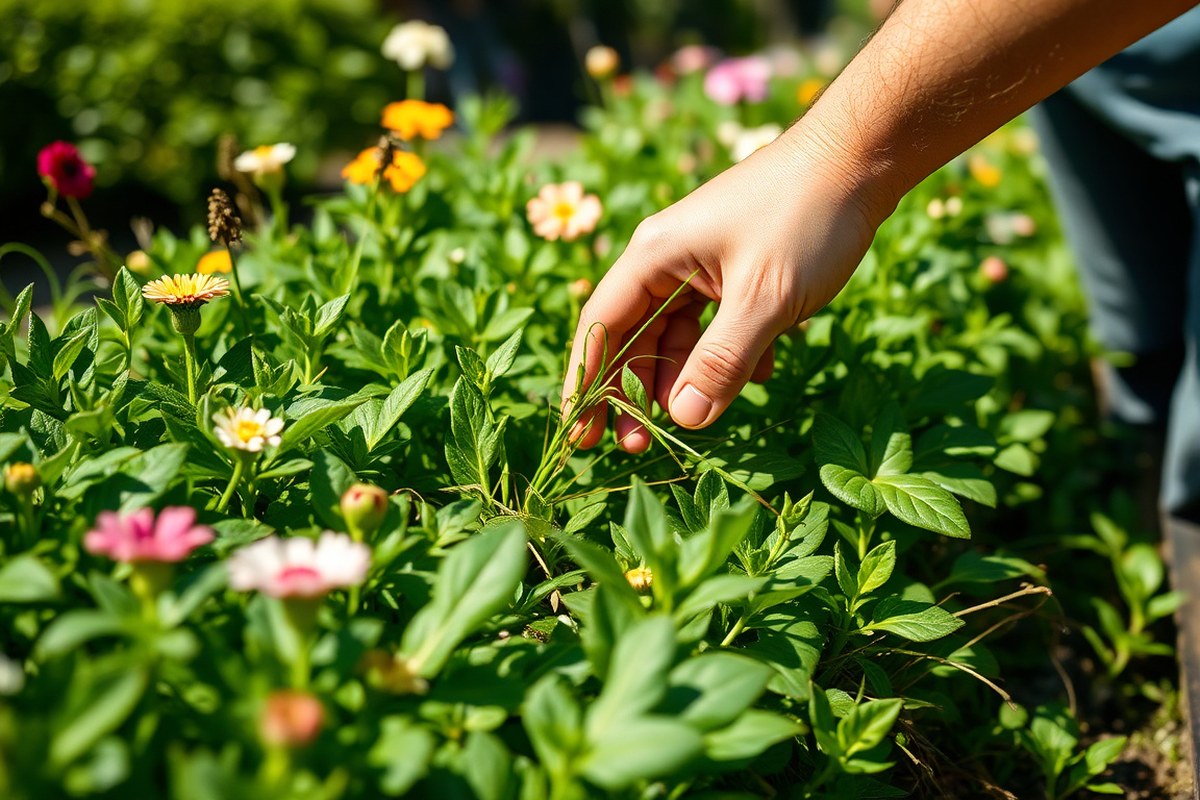
Finding out how to get rid of weeds in garden is a common challenge. The quickest way is to pull them out by hand before they spread seeds. You’ll want to get the roots too, or they’ll keep growing back.
Using natural methods like mulching or boiling water can also control weeds without chemicals. Mulch blocks sunlight, starving weeds and helping your plants stay healthy. Start by clearing large weeds and then covering the soil well.
Be careful with homemade herbicides like vinegar, use only young weeds and avoid your vegetables. Persistence is key; weeds with deep roots can take several tries to remove fully. Regular care keeps your garden cleaner and reduces weed growth over time.
Key Takeaways
- Pull weeds early before they set seeds to prevent spread.
- Remove roots completely to avoid regrowth, especially for deep-rooted weeds.
- Apply mulch thickly to block light and reduce new weed growth.
- Use boiling water or vinegar only on young annual weeds cautiously.
- Repeat treatments to handle tough perennials with deep root systems.
- Check frequently; regular small weeding sessions save big time later.
1. Effective Natural Ways to Remove Weeds from Your Garden
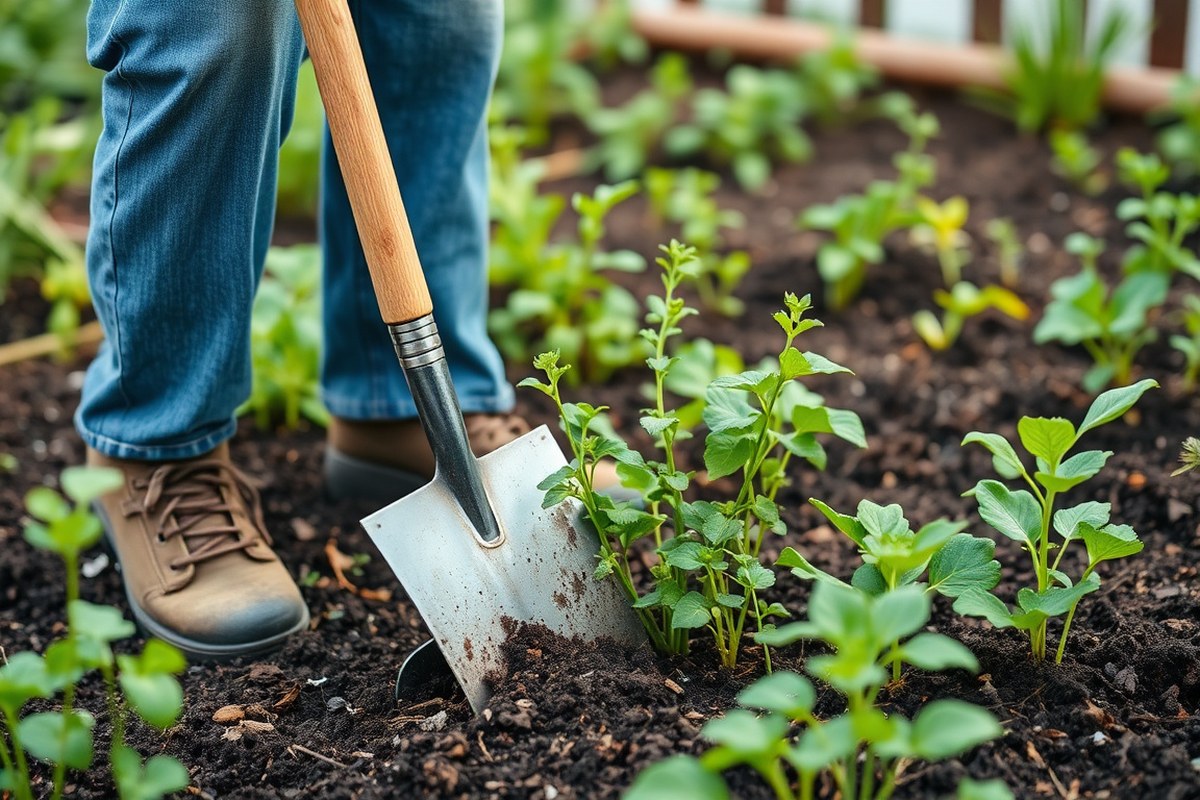
Removing weeds naturally means pulling them out by hand or using simple tools. This method works well because it avoids chemicals. It stops weeds before they spread seeds.
This keeps your garden cleaner and safer. Doing it right takes care and speed to stop weeds from growing back.
Some weeds have shallow roots while others run deep. So choosing the right tool makes a difference.
For annual weeds with shallow roots, a hoe or hand pull works fine. For deep-rooted perennials, use a hori hori or hand weeder to get the entire root system.
Pulling weeds when the soil is moist helps get the whole root out. After rain or watering, weeds come out easier. Removing the whole root is key to avoid regrowth.
This is true for tough weeds like dandelions. Couch grass also needs the root pulled out fully.
- Water your garden soil well before you start. Wet soil loosens roots and reduces breakage.
- Pick the right tool for your weeds. Use a hoe for annuals and a hori hori or hand weeder for perennials.
- Firmly grip the weed at the base. Pull gently to avoid breaking the root.
- Dig around the root carefully with your tool if the weed resists. Remove all root fragments.
- Shake off excess soil
- Dispose of weeds properly
- Repeat regularly, especially after rains. New seedlings appear fast and should be removed quickly.
For large areas such as lawns, use weed pullers with claws. These claws dig down when you step on the tool. This helps remove deep roots easily.
They save time and get weeds’ roots out better than hand-pulling alone. Using the right tools and timing keeps your garden clear with less effort.
Hand-weeding can be slow but gives immediate results. You’ll see weeds gone right after.
It takes daily or weekly checks when weeds grow fast. Pulling weeds early is easier than waiting for them to seed.
2. How Mulching Prevents Weeds and Improves Soil Health
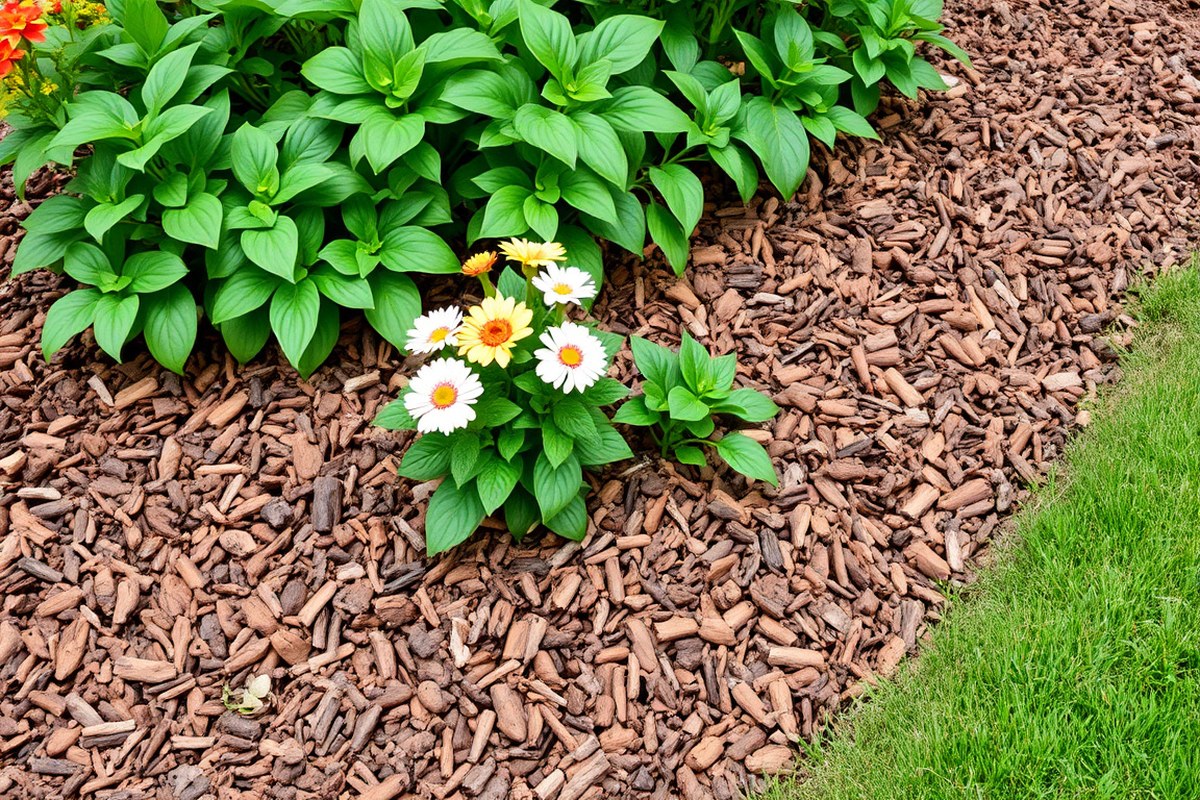
Mulching is a strong method to stop weed growth and keep soil healthy. It blocks sunlight that weed seeds need to sprout and holds moisture in the soil. Applying mulch properly can cut weeds by up to 90% while feeding your plants.
Types of Mulch and Their Benefits
Organic mulches like wood chips, straw, and shredded leaves work best for weed control. They decompose slowly, adding nutrients back into the soil. Compost or rotted manure also nourishes soil while keeping weeds down.
Around trees or in garden beds without grass, mulch stops weeds where turf won’t grow well. Synthetic mulches like black landscape fabric block light longer but don’t improve soil health.
Proper Mulch Depth and Application
Apply mulch about 1 to 2 inches thick to stop weeds from growing. Too thin, and light reaches seeds. Too thick, over 3 inches, can suffocate soil and harm roots.
Clear existing weeds before mulching. Spread mulch evenly without disturbing the soil to avoid bringing weed seeds up. Spring is ideal when soil reaches about 50°F at 4-inch depth, just before weeds start germinating.
Maintaining Mulch to Maximize Weed Control
Keep mulch around 2 inches deep by topping it off once or twice a year. Check garden beds every few weeks for weed sprouts and pull them promptly. Mulch breaks down over time, so replenishing is key.
Mulching works best when mixed with other weed control methods. Remove seedlings early to stop weeds from growing.
Plant cover crops in fall to keep weeds down. This keeps weed pressure low and soil healthy year-round.
- Clear weeds before laying mulch.
- Use 1-2 inches of organic mulch for best results.
- Top up mulch in spring and fall.
- Don’t pile mulch against plant stems or tree trunks.
- Remove weeds appearing through mulch early.
- Combine mulch with cover crops in off-seasons.
Mulch thicker than 3 inches can block oxygen and harm plant roots, so keep it balanced.
3. Identifying Common Garden Weeds and Their Growth Habits
Knowing how to spot common garden weeds helps you stop them before they spread. Most weeds either live for a single season or stick around for years.
Annual weeds grow fast, flower, and drop seeds, all within one year. Perennials come back year after year with tough roots that need digging out.
Annual weeds like crabgrass or speedwell sprout quickly and spread through seeds. They are usually easier to kill when young, often within two weeks of sprouting. For example, 5% vinegar works best on annual weeds at the 1-2 leaf stage.
Perennials like dandelions and bindweed grow deeper roots and produce seeds year after year. These need digging or cutting to drain their energy and stop new shoots.
Some weeds spread quicker by producing massive amounts of seeds. Dandelions can make up to 15,000 seeds from one plant.
Canada thistle spreads by seeds and roots, reaching up to 15 feet wide underground. Knowing each weed’s growth habit helps you pick the right control method and timing for removal.
| Weed Type | Life Span | Spread Method | Seed Production | Control Tips |
|---|---|---|---|---|
| Annuals (e.g., crabgrass) | 1 year | Seeds only | Moderate | Control early; vinegar effective at 1-2 leaves |
| Dandelions | Perennial | Seeds and roots | Up to 15,000 seeds per plant | Dig out before seed heads form |
| Canada Thistle | Perennial | Seeds and roots | High | Remove roots; spread can be 15 feet wide |
| Cleavers | Annual or biennial | Sticky stems/seeds spread by contact | Low to moderate | Pull before seeding; watch clothes and pets |
| Bindweed | Perennial | Roots and seeds | Moderate | Cut tops to use root energy; dig roots |
Being able to identify weeds lets you act fast and choose the right method. For annual weeds, pulling or using vinegar early stops seed spread.
Perennials need digging out roots or cutting to stop regrowth. Watch out for sticky seeds on clothes and animals to reduce spread.
Try checking your garden regularly in early spring and pull weeds when small. Use a garden fork to dig out stubborn roots, especially before weeds flower.
Spotting the weed and its stage saves you time and effort. Missing the seed phase can mean weeks or months more work to get rid of weeds.
4. Using Boiling Water, Vinegar, and Homemade Herbicides Safely
Boiling water and vinegar can kill weeds but won’t stop them forever. These natural methods work best on young annual weeds or weeds in cracks. You have to reapply regularly since weed seeds keep coming from the wind and birds.
Effectiveness and Limitations of Boiling Water
Pouring boiling water over weeds causes instant shock and kills top growth. It works well on small weeds growing in cracks or paths. However, boiling water often doesn’t reach deep roots of perennial weeds like dandelions.
To stop older weeds, boiling water might only kill their leaves. You can use leftover pasta water to kill weeds cheaply and quickly. Be careful around other plants because boiling water kills anything it touches.
Safe Homemade Vinegar Sprays Recipes
Vinegar kills weeds by burning their leaves and stems on contact. Use horticultural vinegar with 20% acetic acid for the best results on young annuals. Mix one part vinegar with one part water.
Add a few drops of dish soap. The soap helps the mix stick better.
Spray the mixture directly on the weeds’ leaves during a sunny, dry day. Vinegar doesn’t harm the soil or seeds but can burn nearby plants if it drifts. Avoid spraying on windy days or too close to your garden plants.
Precautions and Timing for Best Results
Both boiling water and vinegar target surface growth and won’t kill all roots. You’ll need to retreat weeds every 5 to 7 days until they weaken or die. Apply treatments before weeds flower to reduce seed spread.
Keep pets and children away during and after applications since vinegar can irritate skin. Avoid using boiling water near delicate garden plants to prevent damage. Using tarps or cardboard can help starve tough weeds when combined with these treatments.
5. Soil Solarization and Thermal Weed Control Explained
Heat-based methods control weeds by killing seeds and shoots in the soil. Soil solarization uses the sun’s heat trapped under plastic to raise soil temperature. Flame and thermal weeders apply direct heat to kill existing weeds quickly.
Step-by-Step Soil Solarization Process
Soil solarization reduces weed seed banks by heating the top few inches of soil. It takes about 3 to 8 weeks in summer to work well. You can prepare beds that have heavy weed problems using these steps.
- Clear the garden bed of plants and debris, then smooth the soil surface.
- Water the soil thoroughly to moisten it about 12 inches deep.
- Cover the bed with a clear plastic sheet at least 1 mil thick.
- Seal the edges by burying them in soil or using rocks to hold down the plastic.
- Leave the plastic in place for 3 to 8 weeks during hot, sunny weather.
- Check the soil temperature. Aim for it to reach at least 110°F (43°C) for several hours daily.
- Remove the plastic once the solarization period is complete.
- Rake the soil to break up any dead plant matter before planting.
Solarization works best in midsummer and needs several weeks of full sun to kill weed seeds.
Flame vs Thermal Weeders: Pros and Cons
Flame weeders use a small propane flame to burst weed cells, killing them quickly. Thermal weeders heat weeds up to about 1,112°F (600°C) using electric elements without flames. Both are effective for young annual weeds but less so on deep-rooted perennials.
Flame weeders cost around $40 to $100 and need propane refills. Electric thermal weeders can cost $100 to $300 and require a power source.
Flame weeders pose fire risks on dry days. Electric devices avoid flames but depend on electricity access.
Heat works best on small weeds. These weeds have shallow roots.
It burns them so they die in days. Tough weeds with thick roots may regrow and need repeated treatments or other control methods.
Safety Tips for Heat Weed Control Methods
Work when soil and air are damp to reduce accidental fires. Keep a water source or fire extinguisher nearby if you use flame weeders. Avoid using heat methods near dry mulch, shrubs, or structures that can catch fire easily.
Wear gloves and long sleeves to protect your skin from burns. Never leave heat weeders unattended while operating. Follow all product instructions carefully and check local fire regulations before starting.
Heat methods kill weeds but can ignite fires; always stay alert and prepared.
6. Preventing Weeds with Cover Crops and Garden Planning
Planting cover crops helps cut weed seeds in your garden. These crops grow tightly and stop weed growth. This method lowers weed numbers naturally.
Clover, rye, and hairy vetch work well because they grow fast and create thick ground cover. This blocks sunlight from reaching weed seeds, which stops them from sprouting. You plant cover crops in fall after harvesting main crops.
Or, you sow them in early spring before planting. This timing helps protect your soil.
Cover crops improve soil too. They add nutrients, prevent erosion, and boost organic matter. This makes your garden soil richer and healthier, which helps your plants outcompete weeds.
Cut down cover crops after they grow fully. Leave leaves on the ground to break down naturally. This process feeds your garden soil well.
How you design your garden can cut down weeds a lot. Close spacing of vegetables or flowers means less open soil. This leaves little room for weeds to get started.
Raised beds or containers tighten control by keeping soil healthy and less disturbed. Dense planting creates natural shade and keeps weed seeds from germinating.
You can also plan planting in rows or clusters to crowd out weeds. Interplant fast-growing crops with slower ones, so they shade the soil sooner. Adding ground covers like creeping thyme or low-growing perennials around plants keeps weeds from spreading.
- Plant cover crops like rye or clover in fall or early spring
- Cut cover crops before they set seed, then mulch with them
- Space plants close to leave little bare soil exposed
- Use raised beds to reduce weed seed buildup in soil
- Interplant quick growers with slow crops to shade soil early
- Add ground covers or creeping perennials to block weeds
Good results show less weed growth and richer soil with less effort. Poor results happen when cover crops go to seed. Also, leaving bare soil wide open causes problems.
Both let weeds grow more easily. Keep soil shaded and don’t dig it up often.
This stops most weeds from getting a foothold. Undisturbed soil helps your garden stay healthy.
7. Maintaining a Weed-Free Garden: Timing, Watering, and Routine
Regular garden checks and weeding keep problems from growing out of control. Aim to inspect and weed every week or at least every two weeks.
Checking your garden often keeps weeds from spreading seeds. It also makes later cleanup easier.
Watering right affects both your plants and weeds. Too much water helps weeds thrive alongside your garden plants. Water only where your plants need it, ideally at the soil level.
Early morning watering is best. It reduces moisture on leaves, cutting disease risk and discouraging weed seed sprouting.
Pick a good time of day and season to weed. Late morning, after dew dries, is ideal. Soil is softer, and tools work better.
Pulling weeds is easier, and fewer seeds scatter. Weed often during the growing season to stay ahead.
In warm places, weed year-round. Cooler zones need more weeding from spring to early fall.
- Check garden beds weekly for new weed growth
- Weed for about 10 minutes every other day if possible
- Water plants early in the morning, at soil level only
- Use a hand weeder or hoe on dry, sunny days
- Cut tough weeds like bindweed every 10-14 days during growth
- Clear out pulled weeds instead of leaving them to reseed
- Stay consistent with fertilization and pest control
Making regular weeding part of your routine keeps weeds from gaining ground. Consistent removal weakens tough weeds over time.
A sharp hoe or weeding knife on a sunny day pulls annual weeds faster than hand-pulling. Remember to remove or compost the weeds safely to prevent seeds from spreading.
Good maintenance costs little time but pays off. Try short, regular sessions rather than long, occasional ones.
This approach controls weed growth better and protects your garden soil and plants. Your garden will stay healthier and cleaner with less effort.
8. Common Weed Control Mistakes and How to Avoid Them
Pulling weeds too fast or too early often causes them to grow back stronger. Many weeds like couchgrass regrow from tiny root pieces left behind.
Pull weeds slowly from the base and remove the entire root to prevent this. Use gloves for prickly weeds like thistles to avoid injury and pull cleaner.
Over-tilling can break weed roots into smaller bits that sprout more plants. Buried weed seeds can come up to the surface. They get sunlight there.
This makes them start to grow. Limit tilling to new garden beds or areas without plants to avoid spreading seeds. Use tools like a hand trowel to target specific spreading weeds instead.
Too much mulch can create soggy soil and harm plants by restricting airflow or trapping moisture. Keep mulch about 3 inches thick. This blocks most weed seeds.
It also lets the soil breathe. Organic mulches like bark chips or pine straw work well for this balance.
Excess mulch also slows natural soil warming. So adjust thickness according to your plants’ needs.
Weed seeds spread easily when you pull or dig. Seeds can stay alive in soil for 20 years. They spread by wind.
Tools can spread them too. To avoid spreading, clean your tools after use and remove weeds before they seed. Dispose of weeds in a trash bag, not in compost, to prevent accidental regrowth.
- Pull weeds slowly near the base to get roots out.
- Use gloves when handling spiny or prickly weeds.
- Limit tilling to weed-heavy bare soil only.
- Keep mulch around 3 inches thick, not deeper.
- Clean tools after weeding to prevent seed spread.
- Dispose of weeds away from garden compost.
- Use fabric weed blocks under mulch for extra protection.
Removing every bit of root is key; even small fragments can regrow weeds.
By avoiding these common mistakes, your garden will need less work over time. Taking care with how you pull and mulch weeds protects your plants and soil. Regularly cleaning tools and careful disposal help keep your space clear of stubborn weed seeds.
Step-by-Step Action Plan to Tackle Garden Weeds
Use this plan to clear existing weeds and keep your garden clean. Follow each step and check the results before moving on.
- Before planting: Clear the garden bed using mulch. Then, cover the soil with plastic. Let it solarize for 4-6 weeks. You’ll know it worked when the soil is warm and most weed seedlings are gone.
- Day 1: Hand-pull any visible weeds or use boiling water carefully on small patches. Remove roots completely to prevent regrowth.
- Week 1: Spread 2-3 inches of organic mulch. Use straw or wood chips. Place it around your plants to block weeds. Check that mulch covers the soil fully with no bare spots.
- Week 2: Plant cover crops in bare areas not in use. Watch for healthy sprouting and no gaps in coverage.
- After rains: Water your garden beds deeply but only when needed. This helps keep plants healthy. It also limits weeds. Observe if weeds start to dry up and stop growing.
- Weekly: Check your garden every week. Pull out new weeds by hand. Do it before they flower or drop seeds. Ensure you dig out the roots each time.
- Monthly: Rotate cover crops and refresh mulch to keep soil strong and weed growth down. Look for consistent soil moisture and fewer weeds.
Frequently Asked Questions
What Tools Work Best for Removing Perennial Weeds from Garden Beds?
A hori hori knife or hand weeder is ideal for perennial weeds with deep roots. These tools help you dig out roots without moving much soil.
This stops weeds from growing back fast. You avoid disturbing the soil too much.
Can Saltwater Effectively Get Rid of Garden Weeds?
Saltwater can kill weeds but use it with caution near plants you want to keep. Saltwater can harm soil by raising its salt levels.
Don’t use it on big garden areas or by veggies. It can damage your growing plants.
How Often Should I Weed to Prevent Regrowth?
Weeding every one to two weeks stops weeds before they spread seeds. Regular removal keeps your garden tidy and prevents weeds from taking over during the growing season.
What’s the Best Method to Remove Weeds in a Large, Bare Garden Bed?
Tilling the soil with a power cultivator quickly removes annual weeds in bare areas. Tilling breaks up soil enough to pull weeds out.
Don’t do it near many perennials. It may hurt their roots or growth.
Can Garden Soil Types Affect Weed Control Methods?
Yes, sandy soils let water drain quickly, so weed seeds may die faster. Clay soils hold moisture longer, which can help some weeds survive. Adjust watering and mulching based on your soil to manage weeds.
Are There Any Natural Ways to Stop Weed Seeds from Germinating?
Using a thick layer of organic mulch blocks weed seeds from sunlight, stopping germination. You can also try soil solarization in summer to kill weed seeds with heat.
Before You Go
Weeds won’t disappear overnight, but steady, natural efforts work well. Start by clearing weeds with hand-pulling or mulch this weekend. Keep watching your garden and adjust care to keep weeds out safely and naturally.