
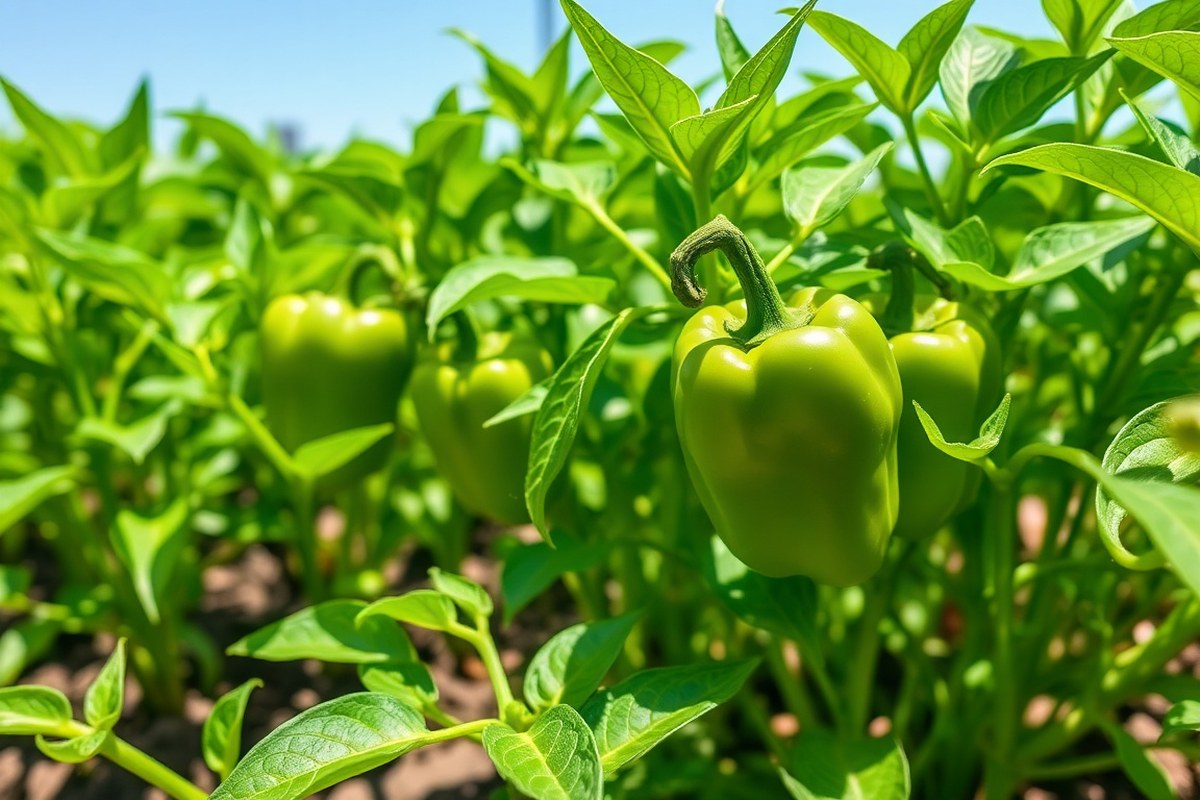
When to Grow Bell Peppers: Complete Timing Guide for Best Harvests
When to grow bell peppers is a common question for garden lovers. The best time is after the last frost date when soil warms above 60°F. This timing helps peppers avoid cold damage and encourages strong growth. Planting too early can stunt peppers or kill young plants from frost.
Start seeds indoors about 8 weeks before your last frost date. You’ll give the young plants a good head start in warm, controlled conditions.
This also means they’ll be ready to move outside when the weather stabilizes. Using peat pots or small containers makes transplanting easier.
Make sure peppers get 6 to 8 hours of direct sunlight daily. Full sun gives peppers the energy needed to develop healthy fruits on compact bushes.
Keep soil warm and moist but not soggy to avoid stress that slows growth. Adding mulch helps retain moisture and regulate soil temperature.
Key Takeaways
- Start bell pepper seeds indoors about 8 weeks before last frost date.
- Transplant peppers outdoors after soil temperature stays above 60°F.
- Peppers need a minimum of 6 hours of strong sunlight daily to thrive.
- Space bell pepper plants 18 inches apart with rows 2 to 3 feet wide.
- Use containers at least 12 inches wide and 8 to 14 inches deep.
- Bell peppers take 60 to 90 days to mature from transplanting.
When Is the Best Time to Plant Bell Peppers Outdoors?

Wait until two or three weeks past your last frost date. Only then move seedlings outside. This timing helps protect young plants from cold weather.
The soil should warm to 65°F (18°C) or higher to help peppers settle in. Nighttime air temperatures need to stay above 50°F (10°C) to avoid cold stress on the plants.
Check soil temperature with a soil thermometer in your garden’s sunniest spot. Ideal soil temperature for planting bell peppers is around 70°F. Soil that’s too cold, below 60°F, can stunt growth and reduce yields.
Choose a planting day when daytime highs reach the 70s or low 80s Fahrenheit. Nights cooling to the 50s Fahrenheit are okay if consistent. Avoid sudden temperature drops or putting plants out too early, which can shock their roots.
Pick a sunny location with at least six hours of direct sunlight daily. Dig holes just a bit larger than each seedling’s root ball. Position each plant with roots spread out evenly and fill the hole firmly with warm soil.
Keep track of your local last frost date as a guide. But rely more on soil and air temperatures.
For example, planting too soon after the frost date with cold soil slows growth. Waiting for warm soil and stable night temperatures helps pepper plants grow strong and produce well.
How to Start Bell Pepper Seeds Indoors at the Right Time
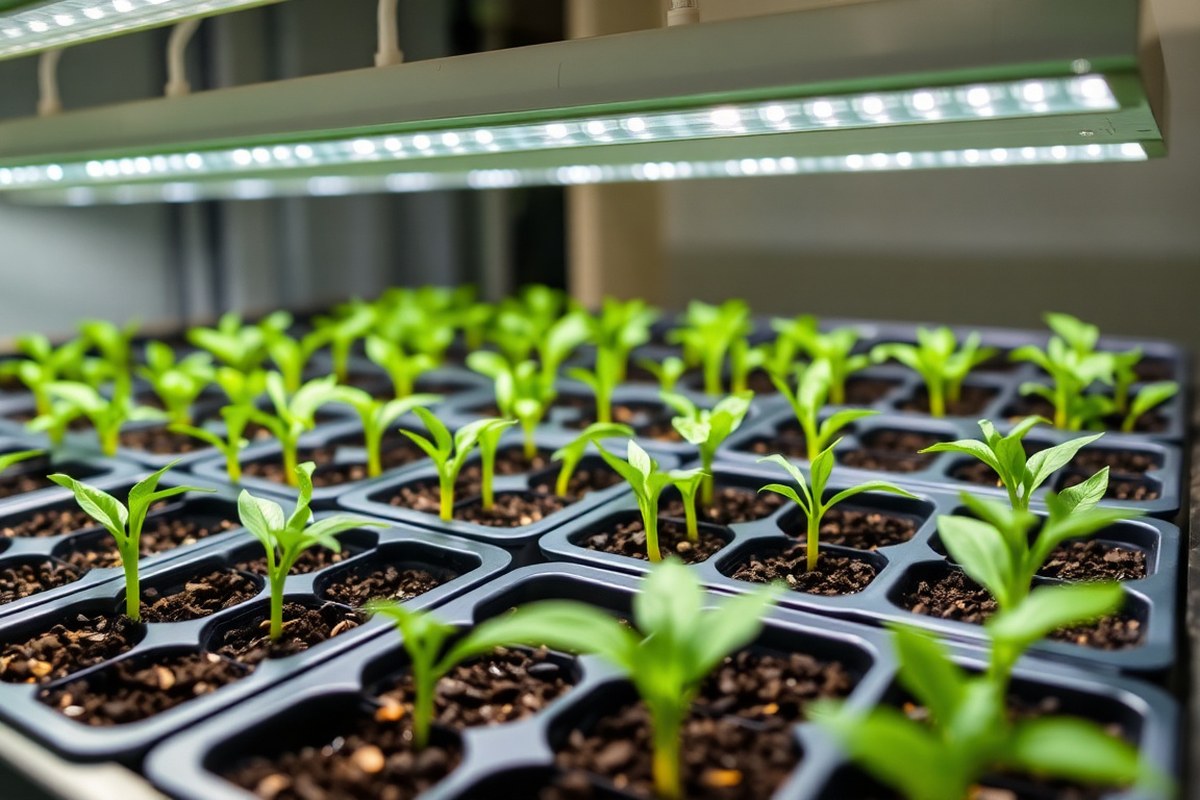
Begin sprouting bell pepper seeds inside 8 to 10 weeks ahead of frost. Plant each seed ¼ inch deep in soil warmed to 80 to 85°F. Give seedlings 14 to 16 hours of light daily to build strength before moving outdoors.
Choosing Seed Start Date Based on Frost
Work backward from your last frost date to set the seed-starting time. Starting 8 to 10 weeks before gives peppers enough time to grow indoors. This timing helps them be strong and ready to move outside after frost risk ends.
Counting weeks correctly avoids stunted plants from rushing the process. Starting too early or late can cause weak seedlings or delay harvest. Choose a start date that matches your local frost schedule for best results.
Providing Soil Warmth and Moisture
Bell pepper seeds need warm soil of 80 to 85°F for good germination. Use a heat mat under your seed trays to maintain this temperature reliably. Keep the soil moist but not soggy; dry soil can stop germination.
Warmth speeds up sprouting, which usually takes 10 to 14 days. Avoid soil temps under 75°F as germination slows or fails. Monitor moisture carefully to prevent damping-off disease while roots form.
Ensuring Adequate Light Duration
Once seeds sprout, they need 14 to 16 hours of light daily. Use fluorescent or full-spectrum grow lights placed 2 to 3 inches above seedlings. This prevents them from becoming leggy and weak.
Keep temps between 65 and 75°F while lighting grows plants steadily. Turn lights off at night to mimic natural cycles. Regular light helps peppers develop healthy leaves and stems.
Monitoring Seedling Emergence and Growth
Expect seeds to sprout within 10 to 21 days under proper warmth and moisture. Thin out weaker seedlings if overcrowded to improve air circulation. Watch for damping-off, a fungal problem that kills young plants.
Seedlings should develop true leaves before transplanting outdoors. Handle young plants gently and harden them off for 1 to 2 weeks before moving. Healthy seedlings stand firm with thick stems and bright green leaves.
Follow these steps for successful indoor start of bell pepper seeds:
- Calculate your last frost date and subtract 8 to 10 weeks.
- Fill seed trays with seed-starting mix and moisten the soil.
- Plant seeds ¼ inch deep and cover lightly with soil.
- Place trays on a heat mat set to 80 to 85°F for warmth.
- Keep soil moist using a spray bottle or gentle watering.
- When seeds sprout, place trays under grow lights 14 to 16 hours per day.
- Maintain air temperature around 65 to 75°F for steady growth.
- Thin seedlings if needed and prepare for transplant after 8 to 10 weeks.
Using a heat mat is a must. Peppers usually won’t sprout well below 75°F soil temperature.
Ideal Growing Conditions to Ensure Timely Pepper Development
Bell peppers require six to eight hours of direct sunlight each day. They also do well with some indirect light throughout the daytime. Direct sun encourages peppers to flower and produce fruit on schedule.
Ideal daytime temperatures range from 70°F to 85°F for steady growth. Night temperatures should stay above 55°F but below 70°F. Temperatures below 50°F slow growth and can damage the plants. Heat above 90°F causes flowers to drop and stops fruit from developing.
Give bell peppers one to two inches of water weekly through deep watering. Allow the soil to dry for one or two days before watering again. Too much water can cause diseases like bacterial spot and water mold.
Spacing plants about 18 to 24 inches apart helps keep air flowing. Good airflow reduces disease risks and encourages stronger plants. Crowded peppers compete for light and water, which delays flowering and fruiting.
Cover peppers with row covers during cool nights if temperatures drop below 55°F. This helps keep them warm and growing well. Do not plant peppers where temperatures often exceed 90°F. Provide shade during hot afternoons to protect plants. This helps peppers avoid heat stress and damage.
Timing Differences for Growing Bell Peppers in Containers
Bell peppers in containers need slightly different timing and care than those in the ground. Pots warm up earlier in spring.
So you can plant earlier but must watch soil moisture closely. Smaller containers limit root space, which slows growth and may delay harvest.
Container Size and Planting Depth Impact
Smaller pots restrict root growth, which slows down pepper development. Use containers at least 12 inches wide. They should be 8 to 14 inches deep.
This size works best for your peppers. Shallow or cramped pots cause stress and smaller fruit, especially if many peppers grow at once.
Plant peppers deeper in containers to protect roots and support stability. Fill pots with amended soil at planting. Mix 2 to 4 inches of aged compost into the top 6 to 8 inches.
This helps peppers grow well. This feeds roots slowly and improves water retention, helping peppers grow steadily.
Temperature and Heat Retention Differences
Containers warm faster in early spring, letting you start bell peppers sooner than in ground soil. This early warmth encourages quicker root growth and earlier flowering. Pots can get too hot in summer sun.
This often happens on balconies or patios. Keep an eye on pot temperature.
Pots that get too hot can dry out roots. Heat stress slows your peppers’ growth. Protect roots from overheating.
Move containers to partial shade in the hottest hours or use light-colored pots that reflect sunlight. The soil in ground beds stays cooler and holds moisture better for steady growth.
Watering Frequency and Soil Moisture Control
Containers dry out much faster than garden soil, so watering needs are higher. Check moisture daily by sticking your finger an inch or two into the soil. Keep it moist but not soaked to avoid root rot and stress on the plant.
Water thoroughly to reach deep roots; light watering won’t do. A good practice is to water until excess trickles out of drainage holes, ensuring saturation. Frequent watering combined with fertilizing every 2 to 3 weeks supports healthy pepper production in pots.
Here’s a quick breakdown of container versus ground planting care for bell peppers:
| Aspect | Container | Ground |
|---|---|---|
| Earliest planting time | Early spring, due to faster warming | Late spring or early summer depending on region |
| Recommended pot size | At least 12″ wide, 8-14″ deep | Not applicable |
| Watering frequency | Daily or every other day; dry fast | Every 2-3 days; retains moisture longer |
| Soil temperature control | Warms quickly but risks overheating | More stable and cooler |
| Nutrient feeding | Fertilize every 2-3 weeks | Fertilize less frequently, nutrients in soil |
| Root space limitation | Restricted by pot size | Unlimited |
Choosing containers gives you flexibility on patios or balconies. You can chase the sun for better warmth and longer growing days. Water your peppers regularly to keep soil moist.
Avoid using small pots to stop stunted growth. This helps with better harvest timing.
How Long Does It Take from Planting to Harvesting Bell Peppers?
Bell peppers usually take about 60 to 90 days from transplanting to harvesting. Most green bell pepper varieties start producing full-size fruit around 60 to 70 days.
You want ripe colored peppers like red, orange, or yellow. Expect to wait 2 to 3 weeks longer than the green stage.
Variety plays a big role in timing. Sweet bell peppers often mature faster, closer to 70 days. Some hotter types can take 90 days or more.
Temperature and climate also affect how fast peppers grow. Warmer, stable conditions speed development, while cooler weather slows it down.
Tracking growth starts when flowers appear. Fruit set follows soon after, and you should see small peppers growing. Check peppers every few days starting about two months in.
Harvest green peppers when they’re full size. They should feel firm. Check if their shape stays consistent.
For colored peppers, wait until the fruit changes color fully for more sweetness and nutrients. Cut peppers every 3 to 4 days. Use scissors or a sharp knife.
This helps peppers keep growing. Picking green peppers earlier yields more fruit but less sugar than waiting for ripeness.
Never pull peppers off the plant. Always cut them to avoid damage and promote more fruit.
Adjusting Bell Pepper Planting Times for Different Climates
Colder USDA zones delay bell pepper planting because peppers need warm soil. In zones 5 or colder, soil often stays too cold until late spring. Wait for soil temperatures to reach 65°F before planting outdoors.
In warmer zones, peppers can start earlier but may need shade during hot afternoons. Short-season areas benefit from starting seeds indoors 8 to 10 weeks before the last frost. This helps peppers mature before frost hits.
Using local frost dates helps time your planting. Find the average last frost date in spring first. Count back at least eight weeks from this date.
Start indoor seeds around that time. Soil temperature sensors are a good investment for exact timing. Aim for consistent 65°F soil.
You can use this simple decision table to adjust planting times by zone. It shows when to start seeds indoors, transplant outdoors, and expect harvest. Use it with your local frost date and soil temp as a guide.
| USDA Zone | Indoor Seed Start (weeks before last frost) | Transplant Outdoors (after last frost, when soil ≥ 65°F) | Days to Maturity (approx.) |
|---|---|---|---|
| 5 or below | 10-12 | Late May to early June | 80-90 |
| 6-7 | 8-10 | Mid to late May | 70-80 |
| 8-9 | 6-8 | Mid April to early May | 65-75 |
| 10 and warmer | 4-6 (or direct sow) | March to April | 65 or fewer |
In colder zones, adding black plastic mulch can warm soil faster. This trick speeds seedling growth by keeping soil near 70°F. In warmer areas, avoid planting in full sun until evenings cool because heat slows pepper growth.
Adjust your watering and fertilization based on local weather to avoid stress. Balanced nutrients and steady watering help seedlings grow without delay. Monitoring soil temperature remains your best tool for perfect timing and better harvests.
Common Timing Mistakes and How to Avoid Them
Planting bell peppers before the soil reaches 70°F (21°C) can stunt growth and invite disease. Cold soil delays root development and slows seedling progress.
Spotting pale, leggy seedlings indoors usually means they started late. It can also mean they didn’t get enough light.
To fix leggy seedlings, give them more light first. Then gently pinch off the top leaves to keep them shorter. Move seedlings closer to a sunny window for better light.
Or use a grow light 2 to 3 inches above the plants. Harden them off gradually outdoors for a week before planting to avoid shock.
Watering bell peppers unevenly slows fruit growth. It can cause blossom end rot, which shows as soft black spots.
Young plants need 1, 2 inches of water weekly with deep soaking to encourage strong roots. Once established, tolerate mild drought to get hotter peppers but don’t let soil dry out completely.
- Check soil temperature before planting: wait for 70°F (21°C) or warmer.
- Give seedlings 12, 16 hours of light daily, using a grow light if needed.
- Pinch off seedling tops if they grow tall and thin indoors.
- Water young peppers deeply once or twice weekly, depending on rainfall.
- Harden off seedlings slowly by moving them outdoors a few hours daily for 7 days.
- Protect peppers from late frost with row covers or move container plants indoors.
- Shade plants when temperatures climb above 85°F (29°C) to avoid heat stress.
Late frost can kill young peppers, so cover them if frost threatens after planting. Heat stress wilts plants and drops flowers, reducing your harvest. Use shade cloth or water plants early in the day to cool the soil and leaves.
Steps to Prepare and Transition Bell Pepper Seedlings Outdoors
Start hardening off your bell pepper seedlings 7 to 10 days before transplanting. This process helps them get used to outdoor conditions, reducing shock. Transplant only when soil reaches 65°F and nighttime air stays above 50°F.
Hardening Off Process over 7-10 Days
Begin by placing seedlings outdoors in a shaded spot for a few hours. Increase the time outdoors daily, slowly adding sun exposure each day. Cut back watering slightly during this period to toughen the plants.
Bring them indoors overnight or cover if temperatures drop. Avoid harsh midday sun at first to prevent leaf burn. By day 10, seedlings should handle full sun and wind for a full day.
Checking Soil and Air Temperature
Test soil temperature with a garden thermometer before transplanting. The soil must warm to 65°F or higher for roots to grow well. Nighttime air temperatures should stay above 50°F to avoid cold stress.
Choose planting days with steady warm weather in the forecast. Early mornings and evenings are best for checking temperatures. Avoid planting before the soil or nights reach these levels.
Proper Transplanting Techniques
Space bell pepper plants 18 to 24 inches apart to allow good airflow. Select a sunny location with well-draining soil and a pH near 6 to 7. Dig holes slightly larger than root balls to ease transplanting.
Water seedlings well before and immediately after planting to settle soil. Support stems gently with loose ties if plants look top-heavy. Mulching around plants helps maintain soil moisture and temperature.
- Start hardening off seedlings outdoors in shade, 2-3 hours daily.
- Gradually increase sun exposure by 1-2 hours every day.
- Cut back watering during hardening off to toughen plants.
- Check soil temperature, wait until it reaches 65°F.
- Check that nighttime temps stay above 50°F for several days.
- Dig holes 18-24 inches apart in full sun, loosen soil.
- Transplant seedlings gently, water thoroughly after planting.
- Use loose ties or stakes if plants need extra support.
Keep an eye on sudden temperature drops during hardening off. Cover seedlings if frost threatens.
Monitoring After Transplant for Stress
Look for wilting and droopy leaves during the first week after transplanting. These signs show transplant shock or water stress. Adjust watering to keep soil moist but not soggy.
Protect young plants from strong winds or harsh sun if they show stress. Gradually remove any shade after a few days once plants settle. Healthy bell peppers quickly bounce back and keep growing.
Step-by-Step Action Plan for Growing Bell Peppers
Follow this plan to time your bell peppers perfectly and get healthy plants.
- 8 weeks before last frost: Start seeds indoors in seed trays or pots with moist soil. They should sprout within 7 to 14 days.
- 4 weeks before last frost: Check seedlings for strong, true leaves and healthy growth. When seedlings look sturdy, start hardening them off.
- 2 weeks before last frost: Start moving seedlings outside. Do this for a few hours each day. Gradually increase their time outdoors. Increase outdoor time each day without direct sun.
- Last frost date: Plant hardened seedlings outdoors after nighttime temperatures stay above 50°F. Use well-draining soil and full sun spots.
- First month after planting: Water peppers regularly but avoid soggy soil. Expect to see steady growth and flower buds forming.
- 6 to 8 weeks after planting: Watch for fruit development. Bell peppers typically take 60 to 90 days from transplant to harvest.
- Harvest time: Pick peppers when they reach full size and color for your variety. Check often to avoid overripe or splitting peppers.
Frequently Asked Questions
How Do You Know When Bell Pepper Seedlings Are Ready to Move Outside?
Seedlings are ready when they have 2 to 3 sets of true leaves. Harden them off by gradually exposing them to outdoor conditions for 7-10 days before planting.
Can You Plant Bell Peppers Too Early Outdoors?
Yes, planting too early can stunt growth or kill plants. Soil and air temperatures should stay above 50°F to avoid cold damage.
How Does Day Length Affect Bell Pepper Growth Timing?
Bell peppers need at least 12-14 hours of light during the growing season. Short days slow flowering and fruit set, delaying harvest.
When Should You Fertilize Bell Peppers for the Best Results?
Start fertilizing when plants develop their first flowers. Use balanced fertilizer every 2-3 weeks to support steady growth and fruit production.
What’s the Best Time of Day to Water Bell Peppers?
Water in the morning to reduce disease risk. Morning watering lets leaves dry quickly, keeping plants healthy.
Can Weather Forecasts Help You Decide When to Plant Bell Peppers?
Yes, avoid planting before a hard frost or extreme heat. Use forecasts to time planting for stable, warm weather.
The Bottom Line
Timing your bell pepper planting makes a big difference in how well they grow. Start seeds inside early and move plants outdoors carefully. Today, check your local last frost date to plan your next bell pepper planting step.


