How to Germinate Strawberry Seeds Quickly: 8 Proven Strategies for Fast Sprouts
How to germinate strawberry seeds quickly? Start by soaking the seeds in lukewarm water for 24 hours. This jumpstarts the seed’s growth by breaking dormancy and softening the seed coat.
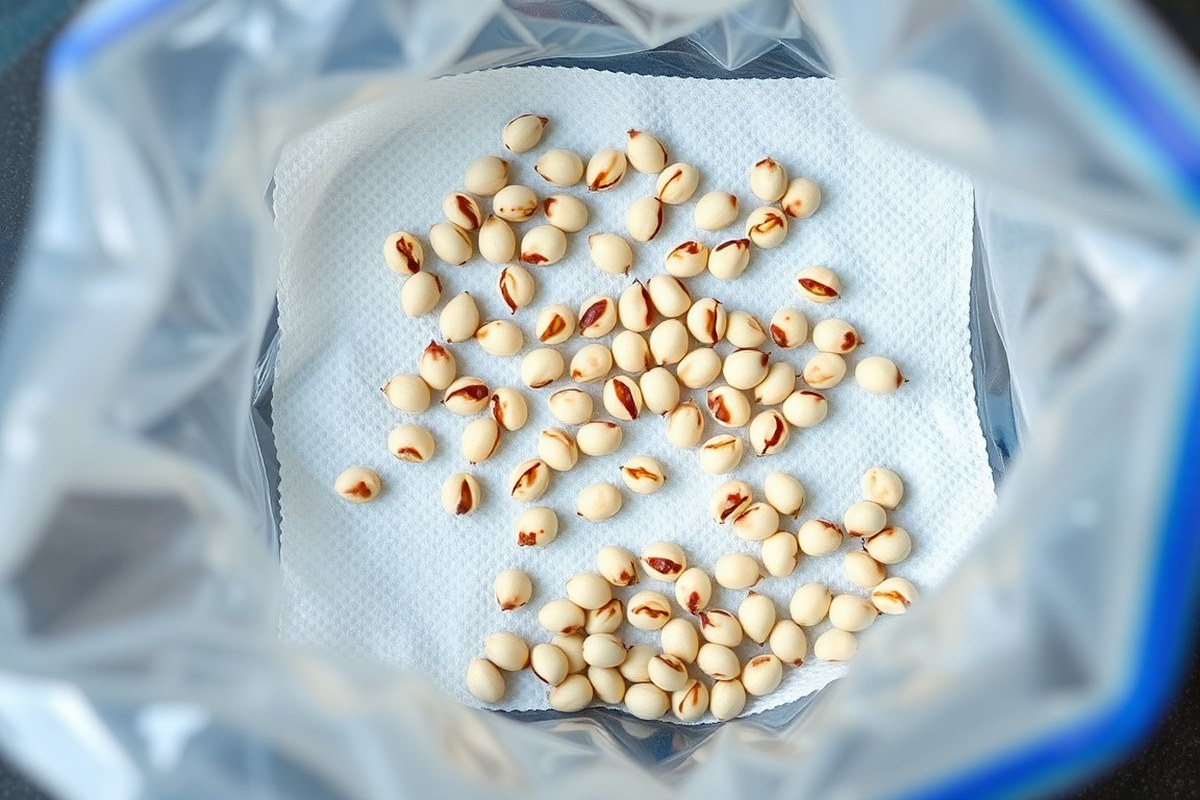
Next, keep the seeds warm between 70 and 75°F. Maintain consistent moisture but avoid soaking, as too much water can drown the seeds and slow growth. After soaking, spread the seeds on a wet paper towel and put it in a sealed plastic bag. Store this bag in the refrigerator for 2 to 4 weeks to mimic cold winter conditions.
This cold treatment, called stratification, signals the seeds to prepare for sprouting faster when warmed again. After stratifying, move the seeds to a warm, bright spot to start germination quickly.
Key Takeaways
- Use lukewarm water near 90°F for a 24-hour soak to activate seeds.
- Keep seeds moist but avoid pooling water to prevent rotting.
- Maintain soil or growing medium at 70-75°F for ideal sprouting.
- Stratify seeds in the fridge for 2-4 weeks in a damp towel.
- Provide 14-16 hours of light daily after seeds start to sprout.
- Choose seeds less than 2 years old for better germination rates.
1. Essential Steps to Germinate Strawberry Seeds Quickly
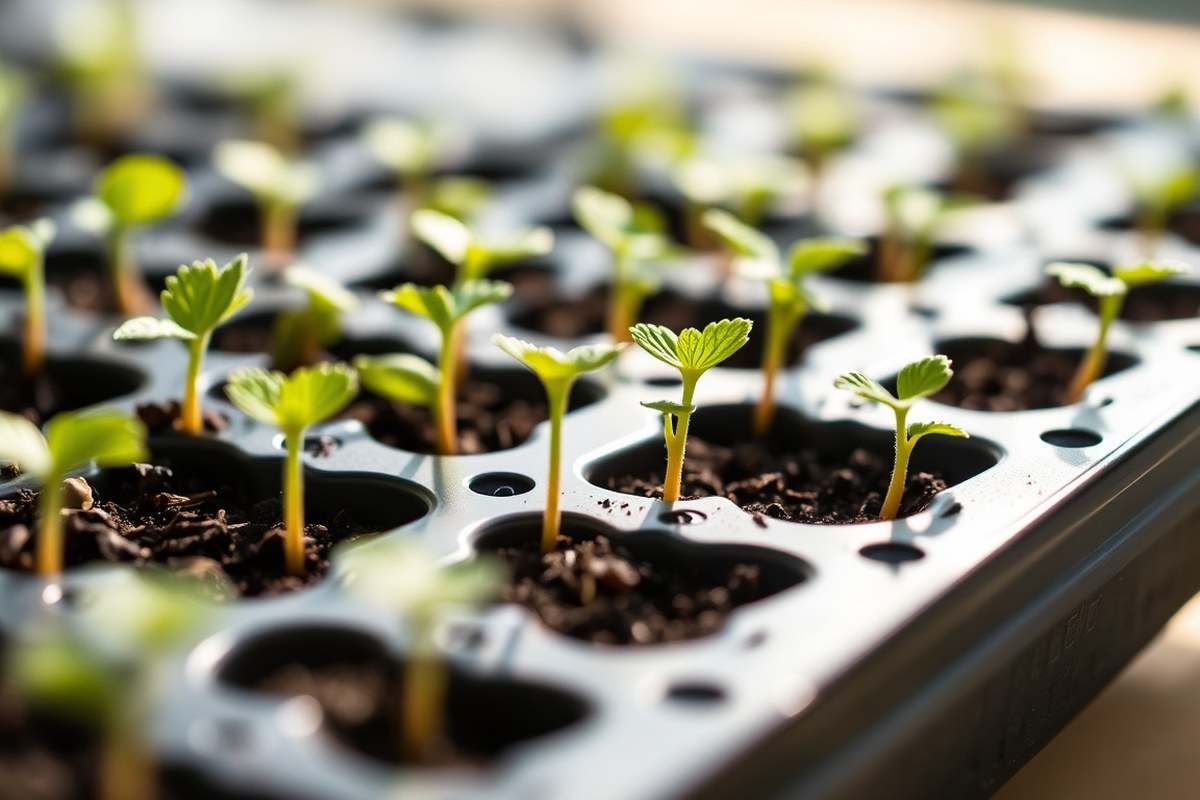
Starting strawberry seeds off right cuts germination time dramatically. You need to soak the seeds, keep them warm, and maintain steady moisture. These basics create the perfect start for your strawberry sprouts.
- Gather fresh strawberry seeds. Use 10 to 20 seeds that are no older than two years. Older seeds take longer or fail to sprout at all.
- Prepare lukewarm water for soaking. Heat water to about 90°F. Too hot or cold water will shock or delay the seeds.
- Soak the seeds for 24 hours. This breaks dormancy, waking them up to start growing. Place the bowl somewhere warm, like near a kitchen light, for the last 30 minutes.
- Use a shallow container with moist soil. Plant seeds about 1/4 inch deep. Keep the soil damp, not soggy, to avoid drowning the seeds.
- Control temperature between 60 and 70°F. This warmth speeds sprouting, usually between 7 and 14 days. Cooler or hotter spots slow or halt growth.
- Provide indirect light daily. Give the seeds 14 to 16 hours of light once they start to emerge. This light triggers faster sprouting but avoid direct sun that dries soil quickly.
- Check moisture daily and adjust. Soil should stay evenly moist. Too dry stalls germination, too wet promotes mold or rot.
- Watch for small white sprouts. This signals successful germination. It usually happens 7 to 10 days after planting with the right setup.
Skipping soaking will slow or block sprouting. Soaking is a must for quick, even growth. Using a warm spot during soaking gives seeds a faster start.
Keep the soil just a quarter inch deep. Make sure it stays moist. Keep the temperature steady for the best environment.
Light helps once sprouts appear but is not needed during soaking or initial planting. Follow these precise steps. You’ll see roots ready to plant in about a week.
2. How to Break Strawberry Seed Dormancy for Faster Sprouting

What Dormancy Means for Strawberry Seeds
Dormancy in strawberry seeds is a natural pause before they start growing. This survival trick keeps seeds from sprouting until conditions are right for new plants. Without breaking dormancy, seeds can sit inactive for weeks or longer.
Strawberry seeds must experience certain triggers, like cold, to wake them up. This delay helps the seeds avoid sprouting in bad weather or too soon after planting.
Step-By-Step Cold Stratification Guide
Cold stratification tricks seeds into thinking winter passed. It resets dormancy and prepares the seeds for quick growth when warm weather arrives. You can do this easily at home with common supplies.
Follow these steps to cold stratify strawberry seeds:
- Moisten a paper towel until damp, not soaking wet.
- Spread the strawberry seeds evenly on the towel surface.
- Fold the towel to cover the seeds without overlapping heavily.
- Place the towel inside a sealed plastic bag or airtight container.
- Put the bagged seeds in your refrigerator at 34, 40°F (1, 4°C).
- Leave the seeds cold for 2 to 4 weeks, checking occasionally to keep the towel damp.
- After cold stratification, sow the seeds promptly in soil at 65 to 75°F (18 to 24°C).
Don’t let the towel dry out or the seeds will fail to wake up.
Timing and Temperature for Best Stratification
Keep seeds refrigerated for 2 to 4 weeks for reliable dormancy break. Shorter periods might not fully prepare seeds, and longer may reduce seed viability. Cold stratification temperatures between 34 and 40°F (1 to 4°C) mimic natural winter conditions.
Once seeds experience cold, placing them in warm soil speeds up sprouting. A soil temperature between 65 and 75°F (18 to 24°C) encourages seeds to germinate.
This warmth helps seeds break dormancy and begin growing shoots. If you see no sprouts after three weeks, consider cold-treating fresh seeds once more.
3. Optimal Temperature and Moisture Conditions for Rapid Germination
Strawberry seeds sprout fastest when kept warm but not overheated, around 60 to 70°F. They need consistently moist soil without excess water that drowns them. Using a heat mat helps keep temperature steady, speeding sprouting without adding too much moisture.
Ideal Soil and Ambient Temperature Ranges
Strawberry seeds germinate best with soil temperatures between 60 and 70°F. Cooler temps slow down sprouting. Above 75°F can harm seeds or seedlings.
Your indoor air should stay close to this range. This matters more when you don’t have a heat source.
Seeds won’t sprout in cold soil. Soil temperature below 50°F delays or stops germination.
Keep trays away from chilly windows or drafty spots. Use indoors on a counter or shelf that stays warm and stable.
Moisture Control Techniques for Seeds
Keep seed medium moist like a wrung-out sponge. Too dry stops sprouting, but soggy soil suffocates seeds and invites rot. Check moisture daily by feeling the top layer.
Use a spray bottle to mist gently. Avoid pouring water directly.
Cover trays with plastic wrap to hold humidity but lift it occasionally for air. This balance stops drowning and keeps seeds happy.
- Use a peat moss and perlite mix to hold moisture and air
- Water lightly only when surface starts feeling dry
- Spray seed trays rather than soaking them
- Cover with clear plastic, but allow air circulation daily
- Avoid standing water or flooded trays
- Check soil moisture consistently, especially in warm rooms
Seeds that dry out slow or die. Overly wet seeds turn mushy or moldy. Focus on keeping a steady, gentle dampness.
Using Heat Mats Effectively for Germination
A thermostatically controlled heat mat helps keep soil warm and steady. Set it around 75°F to speed germination without overheating. Check mats daily to ensure they don’t dry out the soil.
Place seed trays directly on the mat for even warmth. A heat mat works well when your room temperature drops below 60°F. It also helps if your temperature changes often. Turn off the mat after seeds sprout or their first leaves appear.
Heat mats cost about $20 to $40 and plug into any outlet. Use one with a built-in thermostat or pair with a controller. Avoid DIY setups that risk overheating or uneven heat.
4. Light Exposure’s Role in Speeding Up Strawberry Seed Sprouting
Strawberry seeds do not need light to start germinating. They sprout best with the right warmth and moisture first. Once you see tiny sprouts, introducing light helps seedlings grow stronger and faster.
After seedlings emerge, they need 10 to 12 hours of indirect light daily. Too little light makes stems stretch and grow weak, a problem called legginess. Bright, prolonged light keeps sprouts compact and healthy.
Use a grow light when natural light is insufficient for your plants. Position the light 2 to 4 inches above the seedlings. Keep the grow light on around 16 hours daily.
Take breaks too. For example, 8 hours on and 8 hours off works well.
This light cycle mimics natural daylight and stops seedlings from stretching too much. Adjust the light’s height as plants grow to avoid burning or legginess. A setup with LED or fluorescent grow lights commonly costs between $20 and $50.
Placing seedlings near a sunny windowsill with indirect light works well if available. Avoid direct sunlight at first as it can dry out young seedlings. Your home with little sun needs grow lights to speed up growth.
Using grow lights allows you to control light exposure reliably. This control leads to faster, healthier strawberry plants. Watch for sturdy green leaves and firm stems as signs of good light conditions.
5. Comparing Germination Methods: Soil, Water Soak, and Paper Towel Techniques
Three common ways to germinate strawberry seeds are planting in soil. You can also soak seeds in water. Another way is to use a paper towel.
Soil planting gives stable support but can take longer. Soaking seeds in water can soften seed coats and speed sprouting. Using paper towels is quicker and easier to monitor.
Soil germination involves placing seeds on a seed-starting mix. This mix drains well and avoids sogginess that can rot seeds.
Keep it moist but not soaked, watering once a week and letting the top inch dry. Seeds may take 2 to 3 weeks to sprout this way.
Water soaking means placing seeds in warm water for 12 to 24 hours before planting. This softens the seed coat, improving germination speed.
After soaking, plant seeds in moist soil or the paper towel method. Don’t soak longer or seeds may drown.
The paper towel method puts seeds on a damp towel inside a sealed plastic bag. It keeps humidity high and lets you check seeds daily.
Spray water lightly if the towel dries. Seeds often sprout in 1 to 2 weeks in this setup.
| Method | Time to Sprout | Setup | Care | Cost |
|---|---|---|---|---|
| Soil Planting | 2, 3 weeks | Plant seeds on seed-starting mix | Keep moist, water weekly, avoid soggy soil | Low (seed-starting mix cost) |
| Water Soak | Plant after 12, 24 hour soak | Soak seeds in warm water 12, 24 hrs | Plant in soil or paper towel after soaking | No extra cost |
| Paper Towel | 1, 2 weeks | Place seeds on damp towel in plastic bag | Keep towel moist with spray bottle | Very low (paper towels, plastic bag) |
Using paper towels inside a sealed bag works best for fast sprouting. It also makes checking progress easier.
Soil works well for starting seeds that can grow straight in pots, but it takes longer. Soaking helps seeds get ready and can be combined with either soil or paper towel planting.
Don’t let seeds sit in water too long; soggy conditions can cause rotting.
6. Common Mistakes Slowing Strawberry Seed Germination (and How to Fix Them)
Strawberry seeds might not sprout because of poor seed quality, wrong temperature, or too much water. Seeds that are old or stored improperly often fail to germinate. Also, inconsistent temperatures below 60°F or above 85°F slow down seed sprouting.
Overwatering creates soggy soil, which suffocates seeds and causes mold growth. Mold appears as fuzzy spots on the soil surface or seeds.
That mold can kill seeds or seedlings if you don’t act quickly. You want the soil damp but not soaked, with good air flow.
Here are some common mistakes slowing germination and what to do:
- Temperature swings: Keep seeds in a stable 65°F to 75°F area.
- Overwatering: Water lightly when the soil surface feels dry.
- Poor seed quality: Buy fresh, untreated seeds from a reliable source.
- Poor drainage: Use a seed-starting mix that drains well.
- Ignoring mold: Remove moldy soil gently and improve airflow.
- Planting seeds too deep: Press seeds lightly on the surface or cover thinly.
To fix mold, remove the top layer with the fuzzy spots carefully. Let the soil dry slightly before watering again. Running a small fan nearby helps air circulate and keeps the surface dry.
If your seeds are old or didn’t sprout after three weeks, start fresh. Some seeds lose their viability fast, especially if stored warm or humid. Use new seeds stored in a cool, dry place for best results.
7. How to Tell Strawberry Seeds Are Sprouting and What to Expect Next
Strawberry seed germination begins with tiny root hairs within days. Sprouts usually appear between 7 and 10 days under good conditions. Soon after, seedlings will develop their first true leaves, signaling that they need more care.
Recognizing Root Hairs and Sprouts Early
You’ll spot tiny whitish root hairs breaking from the seed within 2 to 3 days. These hairs anchor the seed and absorb moisture, showing germination has started. After about a week, small green shoots push through the soil surface.
These green sprouts grow slowly at first. Look for signs of life carefully since sprouts can be just a few millimeters tall. This early growth is fragile, so avoid moving or disturbing the soil.
Expected Timeline from Seed to Seedling
Most strawberry seeds sprout between 7 and 28 days. Some types might take up to 6 weeks, depending on temperature and freshness. The first true leaves usually show within 2 weeks after sprouts appear.
True leaves look different from seedlings’ initial cotyledons; they are larger and lobed. Once these leaves appear, seedlings start photosynthesizing and growing faster. Around late winter or early spring is the best time to prepare seedlings for outdoor planting.
Post-Germination Seedling Care Steps
Keep seedlings in bright, indirect light to help leaves grow strong and green. Maintain soil moisture without overwatering; soil should feel damp but not soggy. Avoid cold drafts or high heat, keeping temperature steady around 65 to 75 °F.
As seedlings develop more leaves, thin them if overcrowded so roots have space to grow. Use a gentle spray of water to avoid washing away soil. Start feeding seedlings once a week when they have true leaves.
Use diluted liquid fertilizer. Begin feeding when seedlings have 3 to 4 true leaves.
8. Seed Quality and Selection Criteria for Fast Germination
Seed age strongly affects how quickly and well strawberry seeds sprout. Fresh seeds, less than one year old, usually germinate faster. Older seeds lose viability and may take longer or fail to sprout.
Keep them dry and cool to slow aging. Store seeds in a sealed container in a fridge set to 32, 41°F (0, 5°C). Avoid fluctuating temperatures, or seeds may go dormant and delay sprouting.
Variety matters because some strawberry types are bred to germinate quickly. Day-neutral varieties often sprout faster than June-bearing ones, making them a good pick for quick starts. Alpine strawberries sometimes take longer but offer unique flavors.
Choose from seed suppliers who label varieties clearly. Buying seeds from a trusted source helps with fast germination.
Their seeds are usually fresh and tested for quality. This improves your chances of healthy plants.
Using seeds from grocery store strawberries generally isn’t the best idea. Those fruits come from hybrid plants and store conditions can harm seed quality. Seeds may appear immature or damaged, leading to slow or no germination.
For faster results, buy seeds designed for planting. They cost around $3 to $7 for a packet and usually provide 30 to 50 seeds.
Want to speed up success? Check your seeds for firmness and color, healthy seeds feel firm and dark. Avoid shriveled, pale, or soft ones.
Label seed packets with the purchase or harvest date, so you track their age. New seeds do better if refrigerated for at least one week first. This process is called stratification and helps them sprout faster.
Keep seeds in the fridge before planting. Use a small, clean glass container with moist paper towel inside for stratification.
Don’t expose seeds to warm, humid storage. It reduces germination rates and promotes mold growth.
Step-by-Step Action Plan for Quick Strawberry Seed Germination
Follow these steps to sprout your strawberry seeds fast and start growing healthy plants.
- Before you start: Choose fresh, quality seeds and soak them in water for 24 hours. The seeds should swell slightly, meaning they’re ready to sprout.
- Day 1: Place seeds on a damp paper towel. Seal them in a plastic bag to keep moisture consistent without drying.
- Day 2, 7: Keep the bag in a warm spot at 65-75°F. Check daily to keep the towel moist, not wet. Look for tiny white sprouts.
- Week 1: Once tiny roots appear, carefully transfer seeds to seed-starting mix or potting soil. Cover lightly with soil.
- Week 2: Place your seedlings where they can get bright, indirect light. Seedlings should grow their first leaves.
- After 2 weeks: Start watering gently but keep soil moist. Avoid overwatering to prevent seed rot.
- Week 3, 4: Once seedlings have true leaves, thin them out by removing the weaker ones. This gives stronger plants space.
- Week 5+ Gradually give plants more direct sunlight each day. Increase exposure by one hour daily. Do this until plants can stay outside all day.
Frequently Asked Questions
Can You Start Germinating Strawberry Seeds Directly Outdoors?
You can, but it’s slower and riskier due to weather and pests. Indoors offers controlled warmth and moisture for faster sprouting.
Does Freezing Strawberry Seeds Help Germination Speed?
Yes, cold stratification mimics winter and breaks dormancy. Store seeds in the fridge at 34-40°F for 2-4 weeks first.
Is Soaking Strawberry Seeds in Water Before Planting Necessary?
Soaking softens the seed coat and helps faster germination. Soak for 12-24 hours, but avoid longer to prevent rotting.
Can You Reuse Soil from a Previous Strawberry Crop for New Seeds?
It’s not advised as leftover diseases can affect new seeds. Fresh, sterile soil or seed-starting mix works best for quick germination.
How Important Is the Freshness of Strawberry Seeds for Germination Speed?
Very important, fresher seeds germinate faster and more reliably. Old seeds often need more time or may fail to sprout.
Should You Cover Strawberry Seeds with Soil or Leave Them Exposed?
Cover lightly or just press seeds onto the soil surface. Too thick a layer can stop light and slow sprouting.
Final Thoughts
Strawberry seeds need steady warmth, moisture, and light to sprout fast. Start soaking and warming your seeds today to see quick results. Keep nurturing seedlings well for thriving strawberry plants soon.