How to Plant Strawberries in a Planter: Simple Steps for a Bountiful Harvest
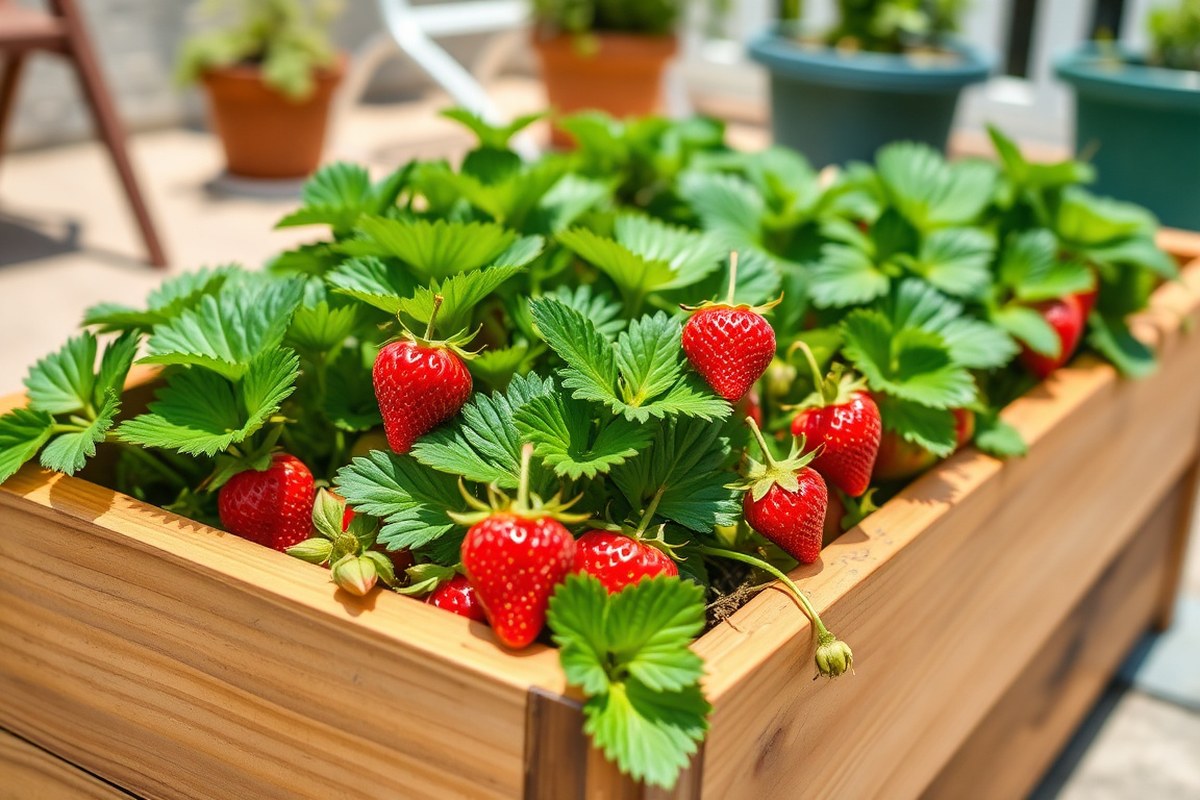
Knowing how to plant strawberries in a planter starts with picking the right container. Strawberries need shallow soil since their roots go only about 3 inches deep. Pick a planter at least 5 to 6 inches deep.
This gives roots enough space. It also helps with good drainage.
Next, prepare the soil with rich, well-draining potting mix. Fill the planter but leave 2 inches from the top. This space helps with watering and feeding.
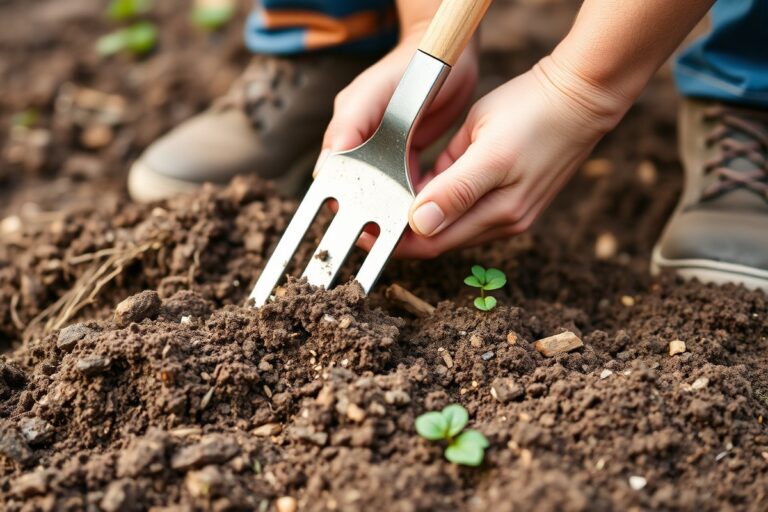
Don’t fill it all the way. Plant 2 to 3 strawberries on top of the soil.
Add soil around them carefully. Make sure the plants stay steady.
Keep in mind, strawberries produce best in the first three years in a planter. Feeding them every three weeks with organic liquid fertilizer will help keep the berries coming. This step-by-step approach gives you a bountiful strawberry harvest right on your patio.
Key Takeaways
- Use a planter at least 5 to 6 inches deep for strawberry roots.
- Fill the planter with rich potting soil, leaving 2 inches at the top.
- Plant 2 to 3 strawberry plants per planter for best results.
- Feed plants with organic liquid fertilizer every three weeks.
- Replace strawberry plants after three years for a fresh harvest.
- Ensure your planter has good drainage to prevent root rot.
Choosing the Best Planter for Strawberries

Strawberries need a planter that keeps soil moist but not soggy. Terra cotta pots work well because they breathe, reducing mold issues. Plastic planters hold moisture longer but risk root rot without good drainage.
Fabric planters drain well and let air reach roots. They dry faster, so watering is more often.
Choose a planter size wide and deep enough for the roots to spread. At least 8 to 12 inches deep and wide fits 2 to 3 plants comfortably.
Small containers dry out quickly and might hold fewer plants. Bigger planters or vertical designs fit more but take more space and soil. Match the planter size to how many strawberries you want and how much room you have.
| Planter Type | Pros | Cons | Recommended Size |
|---|---|---|---|
| Terra Cotta | Breathable, good moisture balance, reduces mold | Can dry out fast; heavier and fragile | At least 12″ deep and wide for 2-3 plants |
| Plastic | Keeps moisture longer, lightweight, affordable | Risk of mold if drainage poor, traps water | 10″ to 12″ deep and wide for small groups |
| Fabric | Great airflow, lightweight, good drainage | Dries out faster, needs frequent watering | 12″ deep, wider for multiple plants |
| Vertical/Tiered | Saves space, fun to mix varieties | Harder to water evenly, smaller soil volume | Each pocket 6-8″ deep, total height 3-6 feet |
Check for drainage holes to prevent water build-up. Use saucers under terra cotta to catch drips. Larger vertical planters let you plant types that fruit at different times.
Think about your watering habits. Terra cotta suits less frequent watering. Fabric needs daily checks during hot weather.
Planter weight matters if you move it. So plastic or fabric may suit balconies better.
Preparing Soil and Planter for Planting

Prepare your planter with well-draining potting mix and layers that help water flow out easily. Use lightweight potting soil rich in organic matter to feed strawberry roots. Add a base layer that drains well.
It stops water from sitting around roots. This helps prevent root rot.
Choosing and Mixing the Potting Soil
Pick a potting mix designed for containers, one that holds moisture but drains well. You can mix peat moss, compost, and perlite in equal parts for a good balance. This mix keeps roots moist but prevents overwatering problems common in planters.
Adding a slow-release fertilizer designed for fruits helps strawberries get nutrients steadily. Avoid regular garden soil, it’s too dense and may hold too much water in planters. The right mix keeps roots healthy and encourages more fruit production.
Setting Up Drainage for Your Planter
Drainage is key so strawberry roots don’t get soggy and start to rot. Put a 1- to 2-inch layer of coarse gravel in the container bottom.
Use small rocks for good drainage. This layer catches excess water and stops soil from blocking drainage holes.
Make sure your container has several drainage holes. Strawberries don’t like “wet feet,” so any standing water can cause root loss. Some planters have mesh-covered holes to keep soil in while letting water out freely.
Layering Soil Correctly in the Planter
Cover the gravel with potting mix. Fill it just below the first plant pocket or hole.
Position your first strawberry plant with roots spread out and crown above the soil. Fill soil around it gently, then repeat with each plant pocket.
Add soil up to about 2 inches below the next holes or container rim. This helps roots grow evenly and drains water well. Leave space at the top so water won’t spill over when watering.
Soil Preparation Checklist for Container Strawberries
- Use a light, loose potting mix with organic matter and perlite
- Add slow-release fertilizer to soil mix before planting
- Place 1-2 inches of gravel or small rocks at planter bottom
- Ensure planter has multiple drainage holes, ideally mesh-covered
- Fill soil to 2 inches below top or next hole, layer plants evenly
- Keep soil moist but not soggy once planted
Following these steps gives strawberries the right environment to grow strong. Well-prepared soil and drainage help avoid common problems like root rot or stunted growth.
Adjustments for Different Containers and Situations
Use loose soil in shallow containers. It holds moisture better for strawberry roots. Strawberry roots only grow about 3 inches deep.
So shallow planters work well if drainage is good. Fill vertical planters or strawberry towers’ pockets with potting mix. Add soil gently to avoid packing it down.
In hot or dry areas, put mulch like straw on soil. This keeps moisture in and protects the roots.
Hanging baskets with good drainage work well for strawberries. They usually hold about 38 quarts of soil, enough for several plants.
Tip: Avoid heavy garden soil in containers. It compacts easily and drains poorly, leading to root problems in strawberries.
Selecting Strawberry Varieties for Planters
Choosing the right strawberry variety for your planter matters a lot. It affects how many berries you get. It also changes when your strawberries appear.
Some types produce fruit once a year. Others give you berries several times from spring through fall. The right choice lets you enjoy fresh strawberries longer.
You can grow them on your patio or balcony. This extends your fresh strawberry season.
Strawberries do well in containers because they need warm roots and good sun. But these plants don’t grow well if you crowd too many in a small pot.
Dark pots can heat the roots too much, which might reduce fruit yield. Planters that stay cooler and have room for roots help keep your strawberries healthy and productive.
Here’s a comparison table of common strawberry varieties grown in containers. It shows the pros and cons.
This helps you pick the best fit. You choose by your space and taste.
| Variety | Fruit Timing | Yield in Containers | Notes |
|---|---|---|---|
| June-bearing | Once a year, early summer | High, big harvest all at once | Best for large pots, needs space |
| Ever-bearing | Two to three times per year | Moderate, spaced out harvest | Fits well in medium pots, easy care |
| Day-neutral | Continuous until frost | Lower per pick, but steady | Ideal for small containers, keeps berries coming |
June-bearing varieties give you a big bowl of berries all at once. These do best in bigger pots that can handle several plants. Ever-bearing types are good if you want a couple of harvests without needing a large planter.
Day-neutral strawberries are the best choice for year-round picking. They keep producing fruit as long as temperatures stay between 35°F and 85°F. For colder regions, you might bring planters indoors or cover them to stretch the harvest season.
Buy quality plants for your container garden. Remove them from nursery pots gently. This helps the roots settle in well.
Keep your planter in a sunny spot and water regularly. Avoid crowding, and you’ll get tasty berries for several years before needing to replant.
Step-by-Step Guide to Planting Strawberries in a Planter
Plant strawberries in your planter during early spring or late summer. Space the plants six to twelve inches apart. Follow these steps for a smooth start and healthy growth.
Prepare the Planter and Soil
Choose a planter with good drainage and at least 12 inches deep. Use fresh, rich soil mixed with compost. This helps strawberries get the nutrients they need right away.
Make sure the soil isn’t compacted. Loosen it slightly to allow roots to spread easily and prevent waterlogging. Planting in well-drained soil avoids root rot and poor growth.
Plant the Strawberry Seedlings
Plant strawberry seedlings so the crown sits just above the soil surface. Crowns buried too deep can rot, while those too high can dry out. Space plants six to twelve inches apart to give runners room.
Here’s a simple step-by-step:
- Dig holes twice as wide as the roots.
- Set each seedling into a hole ensuring the crown stays above soil.
- Cover the roots gently with soil, firming lightly around the base.
- Leave space between plants; usually 6 to 12 inches works well.
- Check plant positioning; they should stand upright without bending.
- Add a thin layer of mulch to keep soil moist and reduce weeds.
Using dwarf strawberries lets you fit more plants in a smaller space. For a 12-inch pot, two to three plants is ideal. Larger planters or tiered planters can hold six or more.
Initial Watering and Placement
Give your newly planted strawberries a thorough watering right after planting. Water until soil feels damp about 2 inches down. Avoid soaking, which can drown roots and wash away soil.
Place the planter in a sunny spot that reaches six to eight hours of sunlight daily. Morning sun helps dry dew and reduces disease chances. Healthy sunlight supports good fruit production.
Recheck soil moisture every two days in warm weather. Newly planted strawberries need steady moisture until firmly rooted, usually two to three weeks. Adjust watering as soil dries out to keep roots happy and strong.
Watering and Feeding Your Strawberry Plants
Strawberries in containers need steady moisture but not wet soil. Water when the top inch of soil feels dry to the touch. In hot weather, check daily, because heat can dry soil quickly and stress the plants.
Pour water on the soil surface of your planter. Also, pour water into the PVC pipe if it has holes. This helps water reach the deeper roots of your strawberries.
This pipe waters the roots inside the pot and keeps lower plants hydrated. Avoid overwatering by letting excess water drain out. Overly wet soil causes root rot and weak plants.
Strawberries benefit from extra water early on to help roots grow strong. After that, watering every two to three days usually works well. Slightly spraying the leaves and soil can cool plants on hot days as water evaporates.
- Start watering daily for the first two weeks after planting
- Then water every 2, 3 days, adjusting for heat and rain
- Water early morning or late afternoon to reduce evaporation
- Use water at room temperature to avoid shocking roots
- Ensure your planter has good drainage to prevent soggy soil
Feeding your strawberries properly ensures tasty berries. Use a balanced fertilizer like 10-10-10 or one formulated for fruiting plants.
Apply it once the plants start flowering to support berry growth. Repeat feeding every three to four weeks during the fruiting season for best yield.
Avoid heavy feeding early in spring as it can promote leaf growth over fruit development. Use slow-release pellets or dilute liquid fertilizer to avoid burning roots. Regular feeding with the right amount helps keep strawberries productive all season long.
Check soil moisture with your finger before watering. Soggy soil kills roots faster than dry soil.
Managing Strawberry Runners and Plant Maintenance
Strawberry runners are long stems that grow out from your main plant. These runners try to root and make new plants. In containers, it’s best to snip runners early to keep plants focused on fruit.
Cut runners off as soon as they appear using small scissors or garden shears. This stops the plant from wasting energy on making baby plants. Instead, your strawberries spend energy growing bigger and producing more fruit.
To get more plants, let some runners root in small pots separately. Otherwise, remove all runners before they root to keep your container tidy. This also prevents overcrowding, which can reduce fruit size and cause diseases.
Look for signs your plants need maintenance like yellowing leaves, fewer flowers, or weak runners. These mean plants may need fresh soil or more nutrients. Add a thin layer of compost on the soil every few weeks to keep soil healthy.
Check your plants weekly. Remove any dead or brown leaves by snapping them off close to the base.
Healthy runners grow straight and have firm green leaves. Weak or dry ones should be trimmed back to help plant energy.
Adjust your support sticks as runners grow longer so they don’t droop or tangle. This improves air circulation and prevents mold.
When your container gets crowded, thin smaller plants out. Keep crowns about 6 inches apart.
Regular watering and feeding help runners and plants stay strong. Feed your strawberries with a balanced fertilizer every four weeks during growing season. Avoid overfeeding, which encourages more leaves but fewer fruits.
Managing runners well keeps your strawberries productive and healthy in small spaces. It takes about 10 minutes a week to check and prune.
You get bigger, juicier berries from this. Your plants also last more than one season.
Protecting Strawberries from Weather and Seasonal Changes
Strawberries in planters need protection from heat, cold, and too much water. Heat can stress the plants. So move planters to shade when temperatures rise above 85°F. Avoid direct afternoon sun in summer.
You can ease heat stress by misting the leaves. Another way is to put a shallow tray of water nearby. This helps cool the air around your plants.
Cold weather can kill your strawberries if you do not prepare. Planter strawberries can overwinter if you protect their roots against frost. Move the planter to a sheltered spot when it’s cold.
Good places are a garage or a porch. Do this when temperatures drop below 32°F. Wrap the planter with burlap or bubble wrap to insulate it. Mulching with straw on top of the soil keeps crowns warm and prevents freezes.
Strawberries start forming buds for next year’s flowers by early fall. Don’t fertilize late in the season because the plants focus on survival, not growth. In winter, water sparingly to keep roots moist but not soggy.
- Keep planter soil moist but not waterlogged all year long.
- Provide at least 6 hours of sunlight daily for good berry production.
- Move the planter to indirect light during very hot summer afternoons.
- Cover your planter with an insulating fabric when frost threatens.
- Mulch around plants with straw or pine needles in late fall.
- Avoid feeding plants after August to encourage bud formation.
- Bring planters indoors or to protected areas if winter is severe.
Sunlight and location also affect strawberry growth. Sunny spots with morning sun and afternoon shade work best. Planters placed on patios or balconies usually get plenty of light.
Notice leaves wilting under the strong sun? Try shading the planter with shade cloth. You can also use nearby plants for shade.
Watch for signs of trouble like yellow leaves or wilting. They often point to heat stress or water issues.
Regularly check your planter strawberries, especially during summer heatwaves and winter freezes. So you can adjust care quickly.
Creative Planter Options and DIY Strawberry Towers
Vertical and tiered planters work well for strawberries because they use less ground space. You can also make a DIY strawberry tower from simple materials at home. These options boost your yield by fitting more plants in a small area.
Benefits of Vertical Planters
Vertical planters save space and improve air circulation around the plants. Better airflow helps reduce mold and fungal problems on your strawberries. These planters also make it easier to water and harvest without bending down.
The tower style maximizes your fruit production in a limited area. You can grow several strawberry plants stacked vertically to harvest more fruit per square foot. Many gardeners notice their berries ripen faster in these setups due to better light exposure.
Materials Needed for DIY Towers
Basic tools like a drill and a screwdriver come in handy for building your planter. You can use cedar planks, fence boards, or plywood, no need to buy special wood. Old fence boards or recycled wood also work well if you want to keep costs low.
For a different look, try repurposing a plastic barrel or keg by drilling holes for plants. Some use cinder blocks and PVC pipes to create a sturdy vertical structure. Gather screws or nails, sandpaper, and a saw to cut wood pieces to size.
Basic Steps to Build a Strawberry Tower
Start by cutting your wood into even rectangles around 12 inches by 12 inches. Drill holes along the edges for slots where you will place each board. Stack these boards with 6 to 8 inches of space apart.
This space helps hold soil and plants. Keep the layers steady as you go.
Use screws or nails to join the boards firmly. Build them into a tower shape. Make sure it is stable and easy to move.
Put well-draining soil in each layer. Plant one strawberry in each hole or pocket.
Fill carefully so the plants fit well. Water gently after planting to settle the soil and keep roots moist.
Make sure your tower is stable and won’t tip over, especially when watered.
Step-by-Step Action Plan for Growing Strawberries in Planters
Follow these steps to get your strawberry planter thriving. Each phase helps you check your progress clearly.
- Before planting: Choose a planter with good drainage and fill it with nutrient-rich soil. Check the soil drains well by watering once and ensuring no puddles form.
- Day 1: Plant strawberry seedlings about 12 inches apart in the soil. Confirm roots are covered but crowns are above soil.
- Week 1: Water the plants gently every day to keep the soil moist. If soil feels damp 1 inch below surface, watering is working.
- Week 3: Start feeding with a balanced fertilizer every two weeks. Watch leaves for vibrant green color as a sign of good nutrition.
- Month 1: Remove any runners to focus the plant’s energy on fruit. Check runners by looking for new baby plants and pinch them off.
- Month 2: Monitor leaves for signs of disease or pests. Healthy leaves should be free of spots and holes.
- Every season change: Protect plants from cold or heat using shade cloth or moving planters indoors. Check plants daily in extreme weather to adjust protection.
- Throughout growing season: Harvest ripe strawberries regularly to encourage more fruit. Pick berries when fully red and firm.
Frequently Asked Questions
How Deep Should the Planter Be for Strawberries?
The planter should be at least 6 inches deep to fit strawberry roots comfortably. This depth allows roots to spread and hold enough moisture without waterlogging.
Can I Grow Strawberries Indoors in a Planter?
Yes, strawberries can grow indoors if they get 6 to 8 hours of sunlight daily. Use a south-facing window or add grow lights to help fruit production.
How Often Should I Replace Soil in a Strawberry Planter?
Replace the soil every 2 to 3 years to maintain nutrients and avoid diseases. Fresh soil helps strawberries stay healthy and produce better fruit.
Can I Mix Other Plants with Strawberries in the Same Planter?
Avoid planting strawberries with large or nutrient-heavy plants as they compete for resources. Stick to low-growing herbs or flowers that share similar light needs.
Why Are My Strawberries Not Producing Fruit in a Planter?
Lack of sunlight or too much shade can stop fruit production. Make sure your planter gets at least 6 hours of direct sun daily.
When Is the Best Time to Harvest Strawberries from a Planter?
Pick strawberries when they are fully red and ripe for the best taste. Harvesting in the morning keeps berries fresh and firm longer.
Final Thoughts
Growing strawberries in planters works well with good soil, regular care, and proper protection. Try adding a DIY strawberry tower for more growing space. Your next step: pick the right planter and get your soil ready today.