How to Harvest Lavender Seeds: A Complete Guide for Successful Seed Saving
Knowing how to harvest lavender seeds helps you grow your own plants. Start by waiting until the flower heads have fully dried on the plant. This signals the seeds inside are mature and ready to collect for planting.
Look closely at the flower heads to find tiny oval seeds about 1-2 millimeters long. Gently break apart the dried flower heads.
Handle them carefully to avoid damage. Collect them carefully to avoid losing any of the small seeds.
After gathering the seeds, drying them further helps prevent mold and boosts their shelf life. Keep the seeds in a cool, dry spot. Store them safely until planting time.
Plant seeds indoors 6 to 8 weeks before the last frost. Remember, cooler storage and drying affect seed quality and germination.
Key Takeaways
- Harvest lavender seeds only when flower heads are completely dry.
- Look for tiny, dark brown or black oval-shaped seeds inside dried flowers.
- Gently break flower heads to release seeds without damaging them.
- Air dry seeds further for 2-4 weeks to prevent mold formation.
- Store seeds in a cool, dry container to maintain viability.
- Sow seeds indoors about 6 to 8 weeks before spring’s last frost. This timing helps seedlings grow strong before going outside. Start early for better results.
When to Harvest Lavender Seeds for Best Results

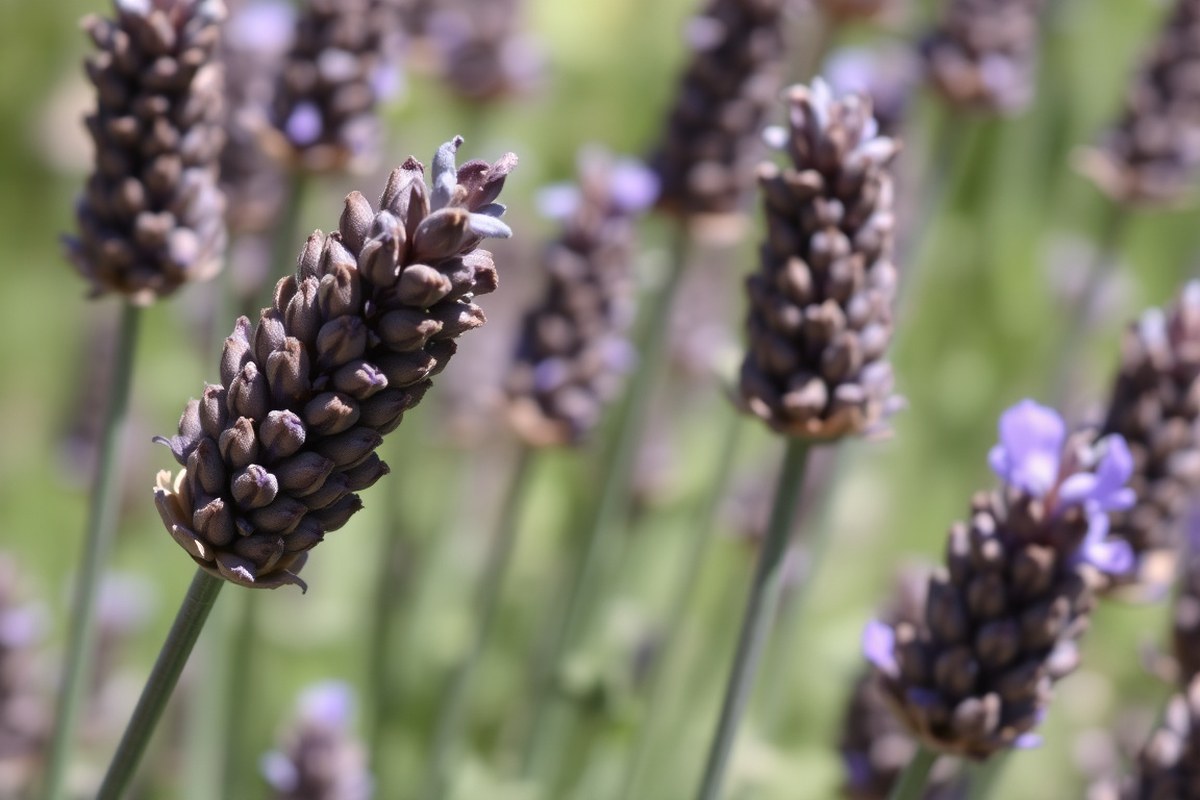
Harvest lavender seeds in late summer, after the flowers stop blooming. You’ll see the flower heads turn brown and dry, a clear sign the seeds are ready. This usually happens about 6 to 8 weeks after flowering ends.
Seeds that aren’t mature yet look green or soft inside the dried flower heads. Wait until those pods are grayish-brown and firm. Harvesting too early can produce seeds that won’t sprout well, so patience is key.
Here’s a simple checklist to spot ripe lavender seeds:
- Flower heads are dry and gray or brown.
- Seed pods feel firm when gently squeezed.
- No green color remains inside the seed capsules.
- The lavender flowers have completely finished blooming.
- Late summer timing, typically August or September, depending on climate.
After those signs appear, clip the flower heads with sharp pruners. Then gently shake or rub the pods to release the tiny seeds. Using a container like a bucket makes this easier and less messy.
Good results mean the seeds will be dark brown to black and dry. Wait longer if you notice any green on the seeds. Seeds need 2 to 3 months or more to mature.
Watch the flower heads closely during this time. This helps you know when seeds are ready.
Remember, proper timing helps you avoid seeds that dry out too much or drop off early. Waiting too long can lose some seeds to wind or animals. Watching the flower heads stay firm and dry without leftover green is your best guide.
What Do Lavender Seeds Look Like and How to Identify Them
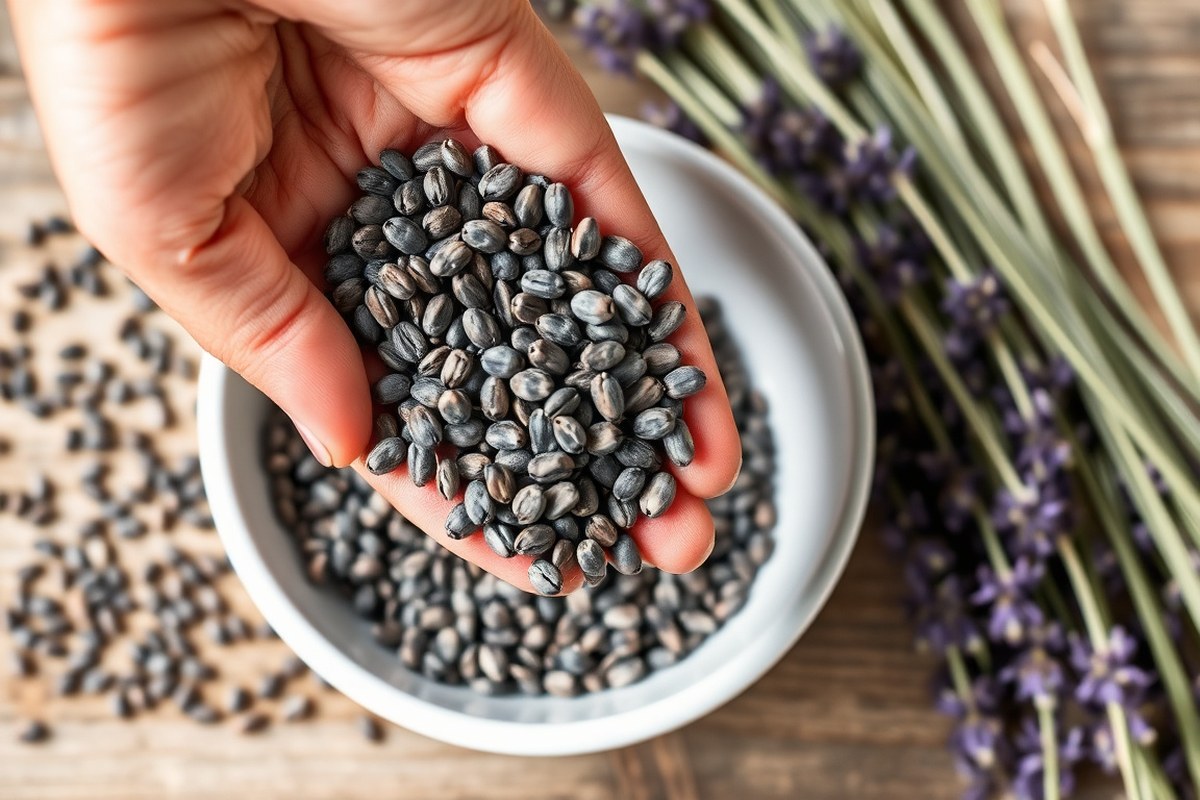
Lavender seeds are tiny, dark brown to black, and about the size of ground pepper. They come from the dried flower heads, which turn brown and brittle when ready. You’ll find seeds mixed with small dried petals and husks.
This can make spotting the seeds tricky at first. Take your time to look closely.
Seeds have a smooth, slightly shiny surface and a firm feel when pinched. In contrast, chaff and husks are lightweight, papery, and often pale or faded brown. The seeds will not crumble easily like the dry flower debris does.
| Feature | Lavender Seeds | Chaff/Husks |
|---|---|---|
| Size | About 1, 2 mm, pepper-sized | Varies, usually larger or flaky |
| Color | Dark brown to black | Light brown to grayish |
| Texture | Smooth, hard | Thin, papery, brittle |
| Weight | Heavier, sinks in water | Lighter, often floats |
| Shape | Oval, slightly pointy | Irregular, flat flakes |
To separate seeds from husks, rub dry flower heads gently between your fingers over a bowl. The seeds usually fall free with light pressure. You can also use a fine mesh sieve to shake off chaff while keeping seeds inside.
Clean seeds look dry and firm. They should be mostly free of cracked petals or thin husks. This helps ensure good quality seeds.
Spot lots of fluffy or dusty debris? Give the mix a gentle rub or sift before storing or planting. This cleans the seeds better.
Only harvest lavender seeds when flowers are fully dry. Wet seed bunches can mold easily. This prevents losing your seeds to mold.
How to Collect Lavender Seeds from Flower Heads
Collecting lavender seeds from flower heads is simple once the flowers dry and turn brown. You carefully rub or shake the dried stalks to release the tiny seeds inside. Using a small basket or paper bag makes gathering the seeds easier and less messy.
Preparing the Lavender Stems for Harvesting
Wait until the lavender flower heads are dry, brown, and papery before harvesting. You want the seeds fully formed inside the spent flower heads. Leave some stalks on the plant to dry fully.
This usually takes a couple of weeks during fall. Wait until they are completely dry before harvesting seeds.
Pick the dried lavender stems in the morning after any dew has evaporated. This prevents moisture, which can harm seed quality. Let the picked stems dry more if they still feel slightly soft or damp.
Tools and Equipment Needed
Gather a small basket or paper bag to catch the seeds as they fall. A shallow bowl works well for rubbing flower heads and catching loose seeds too. Wear gloves if you want to protect your hands from scratches or the stickiness of sap.
You might use scissors or garden shears to cut stems. A fine mesh sieve helps separate small seeds from chaff.
These tools make seed gathering easier. A well-ventilated, dry spot helps if you need to air-dry flower heads further before collecting seeds.
Techniques to Effectively Shake or Rub Seeds Loose
There are two common ways to get seeds from the dried flower heads. Put the flower heads in a paper bag. Shake the bag gently but firmly.
This loosens the seeds from the heads. Alternatively, rub the flower buds between your fingers over a bowl to release seeds.
Be gentle to avoid crushing seeds while rubbing or shaking. Rub in a circular motion or tap the bag lightly until the seeds fall out. Spread the seeds on a tray afterward to remove any stem bits or debris.
Harvesting Seeds in Humid vs Dry Conditions
Dry air helps seed release because the flower heads are brittle and easy to break apart. With humid weather, dry flower heads indoors on a screen. Or hang them upside down in bundles to dry.
This prevents mold and seed rot. This drying can take about two weeks but prevents mold and seed spoilage.
Sticky or damp seeds need more time to dry. Wait until they feel crisp before you harvest them. This improves seed quality and storage.
In dry weather, harvest seeds directly from the plant. Or air dry the flower heads a day before harvesting.
Both work well for seed collection. Storing seeds immediately after collection in a sealed container keeps moisture out.
- Choose fully brown, dry lavender flower heads on the plant or after cutting.
- Pick the flower heads on dry days, avoiding morning dew or rain.
- Place flower heads in a paper bag or over a bowl for seed collection.
- Shake the bag gently or rub the flower heads between your fingers.
- Collect the seeds as they fall and remove any remaining stem bits.
- Dry the seeds further if they feel moist before storing.
- Store seeds in a cool, dry container ready for future planting.
Best Methods to Extract and Clean Lavender Seeds
Extracting lavender seeds from dried flower clusters requires gently rubbing the flower heads to loosen seeds. Separating seeds carefully prevents damage and removes debris. Cleaning seeds before storage helps maintain their quality and viability.
Manual Rubbing and Sieving Techniques
Rubbing dried flower heads between your fingers loosens seeds from their husks. Using a bowl underneath catches seeds and debris. After you rub, pass the mixture through a fine sieve.
This separates smaller seed pieces from larger debris. It keeps your seeds cleaner and easier to handle.
For best results, ensure the lavender is fully dry before rubbing. Seeds separate easier when flower heads feel brittle. This usually happens 2 to 4 weeks after harvesting.
The seeds also stay intact during this time. Avoid pressing too hard; gentle friction is enough to release seeds without crushing them.
Using a Fan or Gentle Breeze to Separate Chaff
Lightly blowing on the seeds helps remove light debris. You can also use a fan set to low speed. This keeps the heavier seeds behind.
Hold the rubbed sample in front of the fan and gently shake it. The dust and small husks blow away while the seeds drop into your container.
Choose a spot with minimal airflow if you do this outdoors. Too strong a wind can scatter your seeds.
Indoors, a small desk fan or natural breeze through an open window works well. Repeating this step a few times improves seed cleaning without extra effort.
Avoiding Contamination or Seed Loss
Work over a large bowl or tray to catch all seeds and debris you remove. This prevents seeds from falling on the ground and getting lost. Clean workspace surfaces before starting to avoid mixing old seed debris or dust with new seeds.
Handle seeds with clean, dry hands or gloves to protect them from oils or moisture. Avoid storing seeds with plant debris or pest eggs. Using airtight containers after cleaning keeps seeds safe and ready for storage.
Follow these steps to extract and clean your lavender seeds carefully:
- Check that lavender flower heads are fully dried and brittle.
- Remove flower stalks and hold a cluster over a clean bowl.
- Gently rub the flower heads between your fingers to release seeds.
- Collect the seeds and chaff mixture in the bowl.
- Pass the mixture through a fine sieve to separate seed size differences.
- Use a low-speed fan or blow gently to remove light debris.
- Sort leftover debris by hand, picking out any non-seed materials.
- Transfer clean seeds to a dry, airtight container for storage.
How to Properly Dry Lavender Seeds Before Storage
After collecting your lavender seeds, drying them thoroughly is key to stopping mold. Spread the seeds on a clean paper towel or screen in a warm, dry spot. Avoid direct sunlight to keep seeds from drying too fast or losing viability.
Good airflow helps seeds dry evenly and cuts mold risk. Pick a place where the temperature stays around 70°F. Humidity stays low, ideally under 50%. Check the seeds daily and gently turn them to spread out moisture.
Drying time usually takes 1 to 2 weeks depending on conditions. Seeds feel dry when they snap or feel crisp instead of bending.
Mold or rot can start if lavender seeds stay soft or damp. It will ruin your harvest.
- Use a clean, dry container or tray to avoid contamination.
- Place seeds in a shaded spot with good air circulation.
- Keep seeds away from pets and dust.
- Turn seeds every couple of days for even drying.
- Don’t rush drying by using a heater; it can kill seed germination.
- Label your drying batch with the date for tracking.
Some homes may have high humidity, which slows drying and brings mold. In those cases, use a fan on low or dehumidifier nearby. Do not seal seeds in a plastic bag or airtight container until fully dry.
Store lavender seeds only when fully dry. Damp seeds invite mold and reduce seed life.
Properly dried lavender seeds keep their ability to grow for up to five years. Drying seeds properly protects your hard work.
It helps you grow new plants later. Take your time to dry the seeds right.
How to Store Lavender Seeds to Keep Them Viable
Store your lavender seeds in a container with a tight-fitting lid. Mason jars and seed storage boxes work well because they seal out moisture and air. Keeping the seeds dry prevents mold and loss of viability.
Place the sealed container in a cool, dry spot with a stable temperature around 70°F (21°C). This temperature helps maintain seed health and encourages future germination. Avoid areas with temperature swings or high humidity, like near a stove or window.
Check your seeds every few months to ensure they stay dry and mold-free. Spot condensation inside the jar?
Open it briefly to let air in. You want the seeds to stay crisp, not damp, which helps them last longer.
Lavender seeds typically stay viable for up to three years when stored properly. Past that, germination rates drop.
So plan to sow your seeds within two to three years of harvest. Label each container with the harvest date to keep track.
When deciding which container to use, pick something sturdy and airtight to keep moisture out. Avoid thin plastic bags or loosely covered containers, as these allow air and humidity inside. A small glass jar with a screw lid costs around $5 and lasts for years.
Living in a humid climate means adding silica gel or dry rice helps absorb moisture inside the jar. Replace or dry these moisture-absorbers periodically to keep the container dry. This extra step lowers the chance of your seeds rotting.
Start by drying seeds well, then put them in a sealed, airtight container. Then store that container in a cool, dry place at about 70°F (21°C).
Check the seeds occasionally and replace moisture-absorbers if needed. This method helps you get the best possible growth when planting.
Cold Stratification and Preparing Lavender Seeds for Planting
Lavender seeds need cold stratification to break dormancy and germinate well. This mimics winter by exposing seeds to cold, moist conditions. It helps speed up germination and makes it more even.
Understanding Seed Dormancy in Lavender
Lavender seeds have a hard outer coat that keeps them dormant. This coat prevents water absorption and stops the seed from growing too soon. Cold stratification softens the coat and signals the seed to start growing.
Without this cold period, lavender seeds might sprout very slowly or unevenly. They also won’t grow if soil is too hot, because heat keeps seeds dormant. Giving seeds a chill breaks their natural winter pause.
Cold Stratification Duration and Methods
You want to keep seeds cold and moist for 2 to 4 weeks. This should be done in late winter or early spring before planting. The temperature needs to stay between 34 and 41°F (1 to 5°C).
Here’s how to cold-stratify lavender seeds at home:
- Moisten a clean paper towel or coffee filter lightly. It should be damp, not dripping wet.
- Spread the seeds evenly on the damp towel. Fold it gently to cover the seeds.
- Place the wrapped seeds in a sealable plastic bag to keep moisture in.
- Label the bag with the date so you know when stratification started.
- Store the bag in your refrigerator, away from fruits like apples to avoid ethylene gas.
- Check weekly to make sure towel stays moist but not soggy.
- Remove the seeds after 2 to 4 weeks and prepare to plant them.
Post-Stratification Sowing Preparation
After stratification, your seeds will be ready for planting. Scratch their hard shells lightly with sandpaper or a nail file to help water penetrate. This is called scarification and boosts germination chances.
Use a fine, well-draining seed-starting mix. Sow seeds shallowly, about 1/8 inch deep. Keep the soil moist, but don’t let it get soaked.
Put the container in a warm, bright spot. This will help the seeds sprout.
Sow more seeds than the number of plants you want. Lavender doesn’t always sprout quickly or evenly.
This improves your chance for enough healthy plants. Monitor moisture and temperature to keep conditions just right.
Common Mistakes When Harvesting Lavender Seeds and How to Avoid Them
Harvesting lavender seeds too early is a frequent mistake. Seeds need to be fully mature on the plant before picking. Immature seeds often won’t grow or have weak sprouts.
Drying seeds roughly or in direct sunlight can cause mold or spoilage. You want to store seeds in a dry place. Pick a shaded spot with good airflow.
Keep them there for about one to two weeks. This slow drying stops moisture that encourages mold.
Some lavender varieties don’t produce viable seeds, especially hybrids. Grosso lavender, for example, is sterile and won’t grow new plants. English lavender varieties like ‘Hidcote’ or ‘Munstead’ tend to give better seeds you can grow.
- Harvest seeds only when flower heads turn brown and dry on the plant
- Use a paper bag or breathable container to dry seeds out of sunlight
- Store dried seeds in a cool, dry place to avoid moisture damage
- Avoid seeds from French or Spanish lavenders if you want reliable sprouting
- Check seed batch for mold or discoloration before storage
- Mark seed packets with harvest date and lavender variety for tracking
Harvest seeds from healthy plants to minimize contamination risk. Keep an eye out for pests or fungal issues that might affect seed quality. Right care helps keep your seeds strong and ready for planting later.
Don’t dry seeds in direct sun; it can damage them and lower germination rates.
Step-by-Step Action Plan for Harvesting and Storing Lavender Seeds
Follow these steps to harvest and store your lavender seeds the right way. This plan helps you keep seeds fresh and ready for planting.
- Late summer: Watch for flower heads turning brown and dry. This means seeds are mature and ready to collect.
- After flowering ends: Cut dry flower heads from the plant using clean scissors. Handle gently to keep seeds intact.
- Immediately after cutting: Place flower heads in a paper bag or basket. Let them dry in a warm, dry place for a week to loosen seeds.
- One week later: Rub flower heads gently between your hands. Use a screen to separate seeds from chaff. Look for tiny, dark lavender seeds.
- Right after extracting: Clean seeds by blowing away debris or using a fine sieve. Only store fully dry, clean seeds to prevent mold.
- Within two days of cleaning: Spread seeds on a paper towel. Air dry them for 3 to 5 days. Keep them in a cool spot with good airflow.
- Once thoroughly dry: Put seeds in an airtight container, like a glass jar or sealed bag. Store it in a cool, dark place or in the fridge.
- Before planting season: Prepare seeds by cold stratification. Store seeds in moist sand or peat. Keep them in the fridge for 3 to 4 weeks. This helps improve germination.
Frequently Asked Questions
What Is the 8-8-8 Rule for Lavender?
The 8-8-8 rule means fertilizing lavender with balanced nutrients. Use a fertilizer with 8% nitrogen, phosphorus, and potassium to improve growth and flowering.
Is Lavender Easy to Grow from Seeds?
Lavender is somewhat easy to grow but slow from seeds. You need patience because seeds can take two weeks to three months to sprout.
How Long Will Lavender Seeds Last?
Lavender seeds usually stay viable for 2 to 3 years. Store them in a cool, dry place to keep their germination ability.
Can I Eat Lavender from My Yard?
Yes, you can eat lavender from your yard if it’s pesticide-free. Use culinary lavender sparingly to add flavor to dishes or drinks.
What Is the Best Way to Collect Seeds from Lavender Flower Heads?
Gently shake dried flower heads over a container to collect seeds. This avoids losing tiny seeds and keeps them clean for storage.
Should I Scarify Lavender Seeds Before Planting?
Scarification is usually not needed; cold stratification helps germination better. Keep seeds in the fridge for at least 30 days before planting.
Final Thoughts
You can now collect, dry, and store lavender seeds properly for future growing. Start by checking your plants for dry flower heads this season. Take action early to enjoy fresh seeds next year.