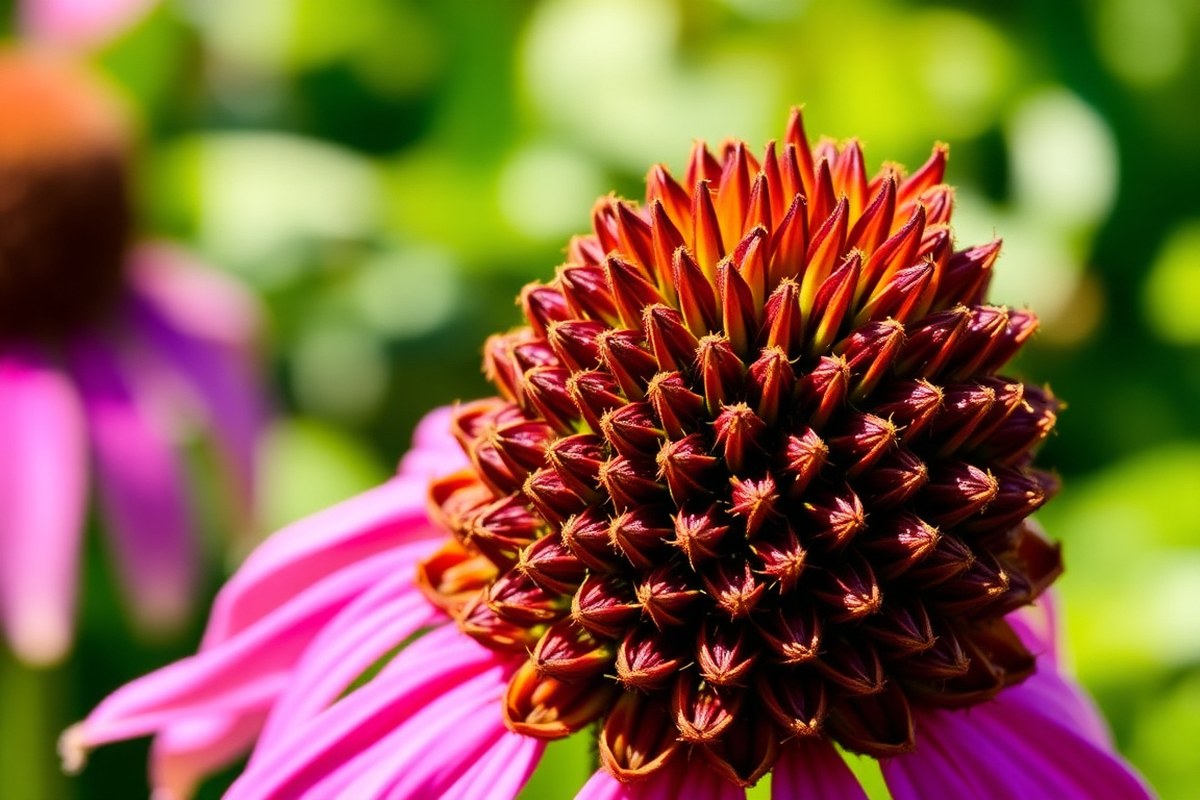
How to Harvest Purple Coneflower Seeds: Simple Steps for Fast Results
Knowing how to harvest purple coneflower seeds starts with timing. Wait until the seed heads turn brown and dry, usually late summer or early fall. This means the seeds are mature and ready to collect.
Cut the stem about 4 to 6 inches below the seed head. This gives you enough stem to handle the seed head easily while avoiding damage. Handle the heads gently to keep seeds intact.
Let the cut seed heads dry completely in a warm, dry spot for several days. Drying helps prevent mold and prepares seeds for storage. Make sure the seeds are fully dry before storing or cleaning.
Once the seed heads are dry, you can remove the seeds by rubbing the head between your fingers. Store seeds in a paper envelope or breathable container to avoid moisture buildup. Label the seeds with the date for easy tracking when planting next season.
Key Takeaways
- Harvest purple coneflower seeds when seed heads are dry and brown.
- Cut stems 4 to 6 inches below the seed head for easy handling.
- Dry seed heads in a warm, ventilated spot for several days.
- Ensure seeds are fully dry before cleaning or storing them.
- Keep more than one plant for cross-pollination and viable seeds.
- Store seeds in airtight containers at 32, 41 °F for long-term viability.
When and How to Harvest Purple Coneflower Seeds
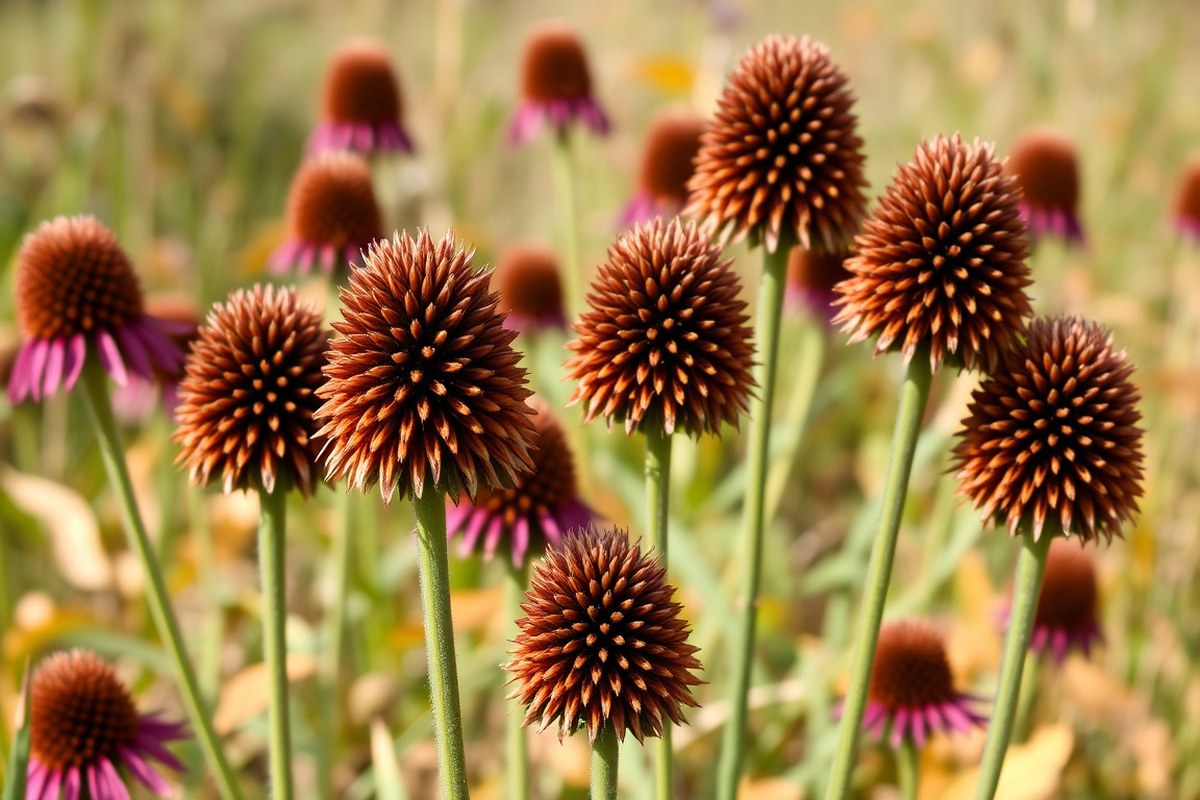
The best time to harvest purple coneflower seeds is late summer to early fall. Usually, this happens about two weeks after the flowers bloom. By then, the seed heads will have faded from bright purple to brown.
Look for seed heads that are dry and brown, not green or soft. The seeds inside will turn black and hard, which means they are mature. Avoid harvesting when seed heads are still moist or green.
Seeds won’t be good then. Wait until seed heads dry out.
Check the seed heads on dry days before any rain if possible. Rain can cause the seeds to rot or sprout too early on the plant.
Check the seed head to see if it feels firm. Look for black seeds that separate easily from the cone.
Once seed heads dry, the seeds can often fall off with a slight shake. That is a good sign that harvesting is timely.
Wait a few more days if seeds don’t come loose easily. Keep an eye out for frost that can harm seed quality.
Keep an eye on your plants starting in late summer. The timing can vary depending on local weather conditions like wind and humidity. Seed heads may dry faster in hot, dry areas and slower in cool, damp climates.
To sum it up, wait until the blooms have completely faded and turned brown. The seed heads must feel dry and firm with black seeds visible. Harvesting during this window ensures you collect seeds that will grow well next season.
Tools and Preparation Needed for Seed Harvesting
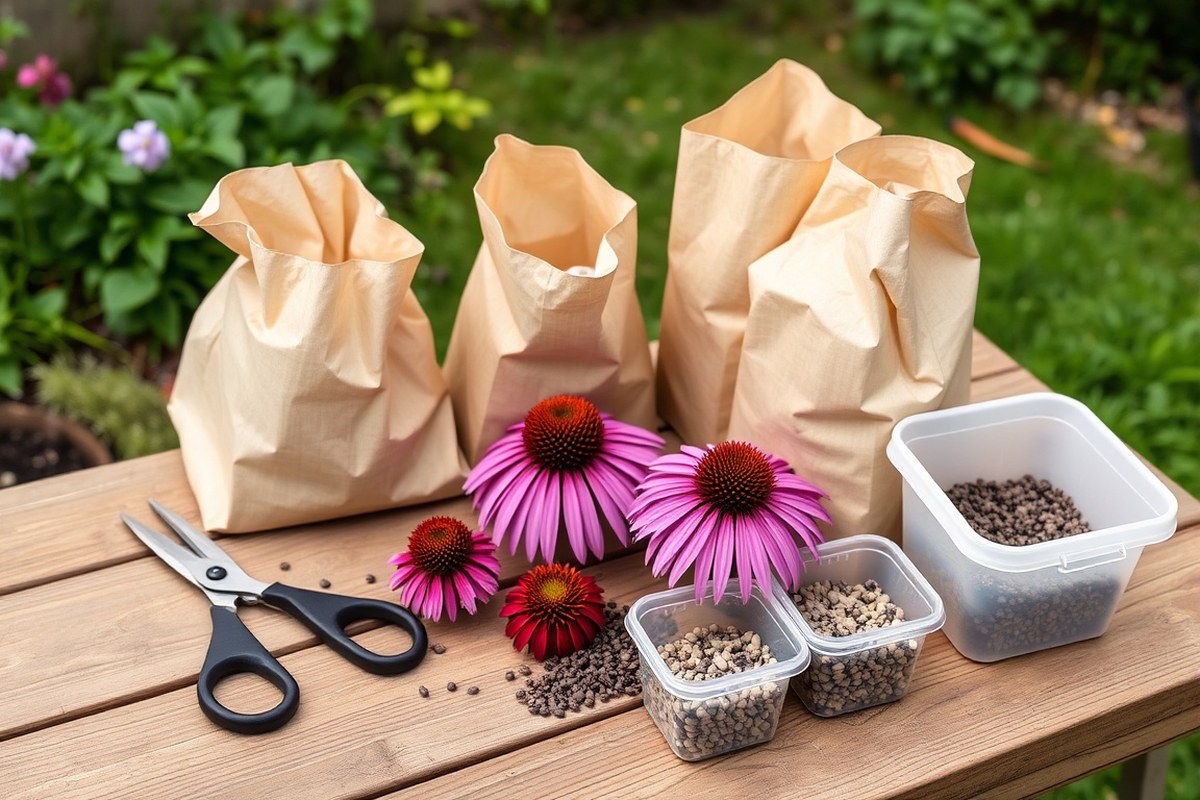
Gathering purple coneflower seeds needs a few basic tools to work well. Sharp garden shears or scissors cut the seed heads 4-6 inches below the flower.
Gloves help protect your hands from prickers. A small hand brush can gently clean off debris.
Setting up a workspace makes collecting seeds easier and less messy. Pick a dry, shaded spot with a flat surface where you can spread seed heads out. Use a clean paper bag to catch seeds as you work.
A shallow tray lined with paper towels also works well. These methods help keep seeds from scattering.
- Sharp garden shears or scissors
- Gloves to protect hands
- Paper bags or shallow trays for drying seeds
- Paper towels to line drying surfaces
- Small hand brush to remove debris
- Labels to note harvest dates
Dry containers keep seeds safe after drying. Use glass jars with tight lids. You can also use sealed plastic bags.
Label each container with the harvest date to track freshness. Avoid airtight containers during drying since moisture traps could cause mold.
Make sure the seed heads are completely dry before storage to avoid rot later. Drying in a well-ventilated area for about a week usually works. Clear any dead leaves or stems before placing seeds into jars for storage.
Don’t store seeds while still damp; trapped moisture invites mold and spoilage.
How to Cut and Collect Purple Coneflower Seed Heads
Cutting and collecting purple coneflower seed heads carefully keeps seeds safe and ready for drying. Use sharp scissors or pruners and leave some stem on each cut. Handle the seed heads gently to avoid losing seeds during collection.
Choosing the Right Stem for Cutting
Select seed heads that are fully brown and dry, with petals dropped off naturally. The woody stem should feel dry and sturdy, not green or soft. These signs mean seeds inside are mature and ready to harvest.
Avoid cutting seed heads that still have green or fresh petals. Immature seeds might not germinate well or could rot during drying. Wait until the seed test confirms seeds rub off easily with your fingers.
Proper Cutting Angle and Length
Use sharp scissors or pruners for clean cuts. Cut 4 to 6 inches below the seed head.
Cut the stem at a diagonal angle to reduce moisture buildup and mold risks during drying. Leaving about 6 inches of stem helps handle the seed heads easily.
This extra stem length gives you a better grip while you collect and dry the heads. Cutting too close can make seeds spill out.
It can also break the seed head. A diagonal cut also promotes airflow around the stem during drying.
Collecting and Transporting Seed Heads
Hold the cut stems upright immediately after cutting to prevent seeds from falling out. Put seed heads into a bag or basket. Make sure the heads point upward.
This helps keep the seeds secure. Avoid shaking or dropping the seed heads while moving them.
Collecting seed heads carefully avoids losing seeds, especially if the heads start to crack open. Moving them too roughly can scatter the seeds onto the ground. Transport them to a dry, ventilated area where you can start the drying process.
Follow these steps to cut and gather purple coneflower seed heads:
- Check seed heads for brown color and dried petals.
- Choose a sharp pair of scissors or pruners.
- Cut 4 to 6 inches below the seed head at a diagonal.
- Ensure the stem piece is about 6 inches long for handling.
- Immediately hold the cut stem upright to keep seeds in place.
- Place seed heads into a container with stems pointing up.
- Carry the container carefully to the drying location.
Best Methods to Dry Purple Coneflower Seeds Safely
Drying purple coneflower seeds well is key to stopping mold and keeping seeds alive. A cool, dry spot with good airflow works best to dry the seeds without baking them. Avoid places that hold moisture or get too warm, as these cause mold or spoil seeds.
You can dry seeds indoors or outdoors, each with pros and cons. Indoor drying works year-round and stays safe from rain. Outdoor drying speeds up with sunlight and breeze but needs dry weather to avoid dampness.
| Drying Method | Best Conditions | Drying Time | Notes |
|---|---|---|---|
| Paper Bag with Holes | Indoors, cool, dry air | 1-2 weeks | Check daily, good airflow stops mold |
| Screen or Mesh Tray | Outdoors, sunny, breezy days | 2-5 days | Keep covered from rain, turn seeds daily |
| Open Air in Shade | Cool, well-ventilated spot indoors | 1-2 weeks | Avoid direct sunlight, slows seed damage |
For indoor drying, place seed heads in a paper bag with small holes. The holes let air move, cutting down mold risk.
Set bags in a room with steady air and temperatures around 50°F or a bit warmer. Drying usually takes one to two weeks this way.
Outdoor drying is faster. Spread seeds thinly on a screen or mesh tray during dry, sunny weather. Bring them inside at night or if rain shows up.
Turn the seeds regularly to dry them evenly and stop mold. This takes about two to five days depending on weather.
Choose shade drying by keeping seeds indoors in breezy, shaded spots. Sunlight can cook seeds, damaging germination ability. This slower method also takes about one to two weeks to finish.
Always watch for dampness or a musty smell during drying. Mold shows up as fuzzy white or gray growth.
Spotting means spread seeds further or find a drier place for them. Good seed drying means seeds feel hard and dry to touch, not soft or sticky.
How to Clean Seeds After Harvesting
Cleaning purple coneflower seeds means gently separating seeds from the dried seed heads. You want to avoid damage and keep seeds viable.
Using simple rubbing and shaking helps you harvest clean seeds. This way, you don’t lose the seeds’ ability to grow.
Gentle Rubbing and Shaking
Start by letting the seed heads dry until they’re brittle. This usually takes about a week on a breathable surface. Dry seed heads let seeds separate easily with gentle handling.
Rub the dried seed heads gently between your hands over a clean surface. This loosens the seeds without crushing them. Shake the heads in a container to knock free the remaining seeds.
Using a Container to Collect Seeds
Choose a clean, dry container with a wide mouth for collecting seeds. This helps catch the seeds and keeps debris contained. Hold the seed heads inside the container to avoid spills.
Shake the seed heads inside the container firmly but gently. This dislodges seeds without breaking them. Spread seeds out on a breathable surface to dry further for about a week.
- Let seed heads dry on a breathable surface until brittle (about 7 days).
- Hold dried seed heads over a clean, wide-mouthed container or paper bag.
- Gently rub seed heads between your hands to loosen seeds.
- Shake seed heads inside the container to release seeds.
- Spread collected seeds on a breathable surface to dry more.
- Store fully dried seeds in a sealed container in a cool, dry place.
Handle seeds gently to avoid rubbing off the seed coat, which harms germination.
Removing Remaining Debris
Once seeds separate, chaff and small pieces of plant material remain mixed in. You can sift seeds through a fine mesh screen to remove debris. Lightly blowing on the seeds also helps separate lighter chaff from heavier seeds.
Cleaning seeds thoroughly slows mold growth during storage. Clean seeds look smooth and firm, not dusty or broken. Keeping only whole seeds gives you the best chance for strong plants.
Proper Storage Conditions for Seed Longevity
Store purple coneflower seeds in dry, airtight containers to keep them viable. Glass jars, sealed plastic containers, and paper envelopes inside a plastic box work well. Label the container with the seed type and harvest date to stay organized.
Keep seeds in a cool, dark place to extend their life. For storing seeds up to a year, keep them dry. Room temperature between 15 and 20°C (59 to 68°F) works well.
Make sure seeds are completely dry before storing. For long-term storage, aim for 0 to 5°C (32, 41°F), like in a refrigerator.
Plastic bags can work but only if seeds are 100% dry before storing. Any moisture inside a sealed plastic bag can cause condensation and mold, ruining your seeds. Use plastic bags with silica gel packets added.
Or place the bag inside another sealed container. This helps keep seeds dry.
Paper envelopes are a good first layer for seed storage because they absorb moisture. You can then place these envelopes into airtight containers or plastic photo storage boxes. This two-step system helps protect seeds from humidity and temperature swings.
Seeds kept in ideal cool and dry conditions stay viable for 2 to 3 years. Germination rates gradually fall over time.
So plant older seeds sooner to get better sprouts. Always check seeds visually before planting, shriveled or moldy seeds usually won’t grow.
For a budget option, use clean baby food jars or small pill bottles with tight lids. They keep seeds away from air and moisture for long life. Avoid clear containers if you can, since sunlight can reduce seed viability.
Store seeds for a few months in a labeled paper envelope. Keep the envelope in a dry cupboard. This method works fine for short-term storage.
Avoid areas near heat sources or where temperature changes a lot, like kitchens or garages. Consistency is key for seed health.
Cold Stratification and Germination Tips for Coneflower Seeds
Cold stratification helps purple coneflower seeds germinate better by simulating winter conditions. You should cold stratify seeds for 30 to 60 days. Keep temperatures near 34 to 41°F (1 to 5°C).
This helps the seeds germinate better. This process breaks seed dormancy and improves the chances that seeds will sprout.
Preparing Seeds for Stratification
Start by cleaning your purple coneflower seeds to remove any debris. Dry them just enough to avoid mold during stratification but keep some moisture for the process. Put the seeds in a damp paper towel.
Or mix them with moist sand or peat moss. Store them this way until ready to plant.
This helps maintain the right moisture level around the seeds during cold storage. Avoid soaking seeds because excess water can cause rot or mold during stratification.
Cold Stratification Process Timeline
Most gardeners keep purple coneflower seeds in cold stratification for 30 to 60 days. You can use your refrigerator for cold stratification. Keep seeds at about 34 to 41°F (1 to 5°C).
This creates the right conditions for germination. Check seeds every couple of weeks to prevent mold and ensure moisture stays steady.
Seal seeds in a plastic bag or container that lets some air circulate. After the stratification period, seeds are ready for planting right away for best results.
Ideal Soil and Temperature for Germination
Plant coneflower seeds in well-drained soil with moderate moisture. They prefer loose, sandy, or loamy soil with pH between 6.0 and 7.0 for best results. Sow seeds about 1/8 inch deep and water gently but thoroughly to settle the soil.
Keep soil temperatures between 65 and 75°F (18 to 24°C) for optimal germination. Keep the soil evenly moist after planting seeds.
It should be damp but not soggy. Seedlings usually appear within 10 to 20 days.
- Clean seeds by removing chaff and debris.
- Moisten paper towel, sand, or peat moss, not soaking wet.
- Mix seeds gently with the damp medium.
- Place the seed mix in a sealed plastic bag with tiny air holes.
- Store bag in the refrigerator at 34 to 41°F (1 to 5°C).
- Check moisture and any mold every 1 to 2 weeks.
- After 30 to 60 days, remove seeds and plant immediately.
- Plant seeds 1/8 inch deep in well-drained soil, keep moist.
Common Mistakes and Troubleshooting Seed Harvesting
Harvesting purple coneflower seeds too early is a common mistake. Seeds from green or only partly brown heads usually don’t sprout well. Let the seed head turn mostly brown and dry on the plant before collecting.
Drying seeds improperly often causes mold or poor seed quality. Store seeds in a cool, dry spot with airflow after drying them fully.
Mold can form, so spread seeds flat to dry in fresh air. Stir seeds gently while drying to stop mold growth.
Another error is saving seeds from hybrid coneflowers. These often produce weak or unpredictable plants. Stick to seeds from pure, non-hybrid plants for better garden results.
- Don’t harvest seeds if heads are still green.
- Inspect the seed head for dryness and browning.
- Dry seeds in a room under 70°F with good airflow.
- Store seeds in paper envelopes or breathable containers.
- Avoid plastic bags that trap moisture and cause mold.
- Keep stored seeds in a cool area, around 40 to 50°F.
- Test seed viability by soaking a few seeds before planting.
Seeds might fail to germinate due to poor storage or drying. Sometimes, cold stratification is necessary to break seed dormancy. Chill seeds in a damp paper towel.
Put it in a sealed bag. Keep in the fridge for 4 to 6 weeks.
Never store purple coneflower seeds in airtight plastic right after harvest to prevent mold growth.
Step-by-Step Action Plan for Saving Purple Coneflower Seeds
Follow these steps to harvest, dry, clean, and store your purple coneflower seeds properly. This plan will help you grow healthy plants next season.
- Late Summer or Early Fall: Cut seed heads when petals fall off. Make sure the seeds look full and mature. Check for dark brown or black seeds.
- Same Day: Place seed heads in a dry, well-ventilated spot. Avoid direct sunlight for proper drying.
- After 1 Week: Break apart seed heads by rubbing gently between your fingers. Remove chaff by blowing lightly or using a fine sieve.
- After Cleaning: Inspect seeds for damage or mold. Discard any soft or discolored seeds.
- Right Away: Store seeds in a cool, dry spot. Use a paper envelope or glass jar with a tight lid.
- Before Planting: Cold stratify seeds in damp peat or paper towels. Put them inside a sealed bag before planting. Refrigerate for 30-60 days.
- After Stratification: Sow seeds in seed trays or pots with well-draining soil. Keep soil moist but not wet.
Frequently Asked Questions
How Can I Tell When Purple Coneflower Seeds Are Fully Mature?
Purple coneflower seeds are mature when the seed heads turn black and dry. Once they look shriveled and dark, they are ready to be harvested for best viability.
Should I Leave Some Seed Heads on the Plant After Harvesting?
It’s fine to leave some seed heads on the plant for wildlife feeding. Birds enjoy eating leftover seeds in your garden.
Keeping a few supports local birds. It helps attract more wildlife to your space.
Can I Harvest Purple Coneflower Seeds from a Single Plant?
You need at least two purple coneflower plants for viable seeds. Cross-pollination is required to produce seeds that will grow successfully the next season.
What’s the Best Way to Tell Viable Seeds Apart from Chaff?
Viable seeds are firm and dark, unlike light or soft particles that are chaff. You can gently rub seeds between fingers to feel for firmness before storage.
Can I Sow Purple Coneflower Seeds Directly in the Garden?
Yes, you can direct sow seeds in early spring or fall. The seeds usually sprout within two to three weeks under good soil conditions.
Does Storing Seeds in the Refrigerator Help Them Last Longer?
Storing seeds in a cool, dry place like a fridge slows aging and maintains viability. Avoid moisture to prevent mold during storage.
Before You Go
You’ve got the tools and steps to save purple coneflower seeds successfully. Start by cutting mature seed heads at the right time. Healthy seeds stored properly will brighten your garden next year.