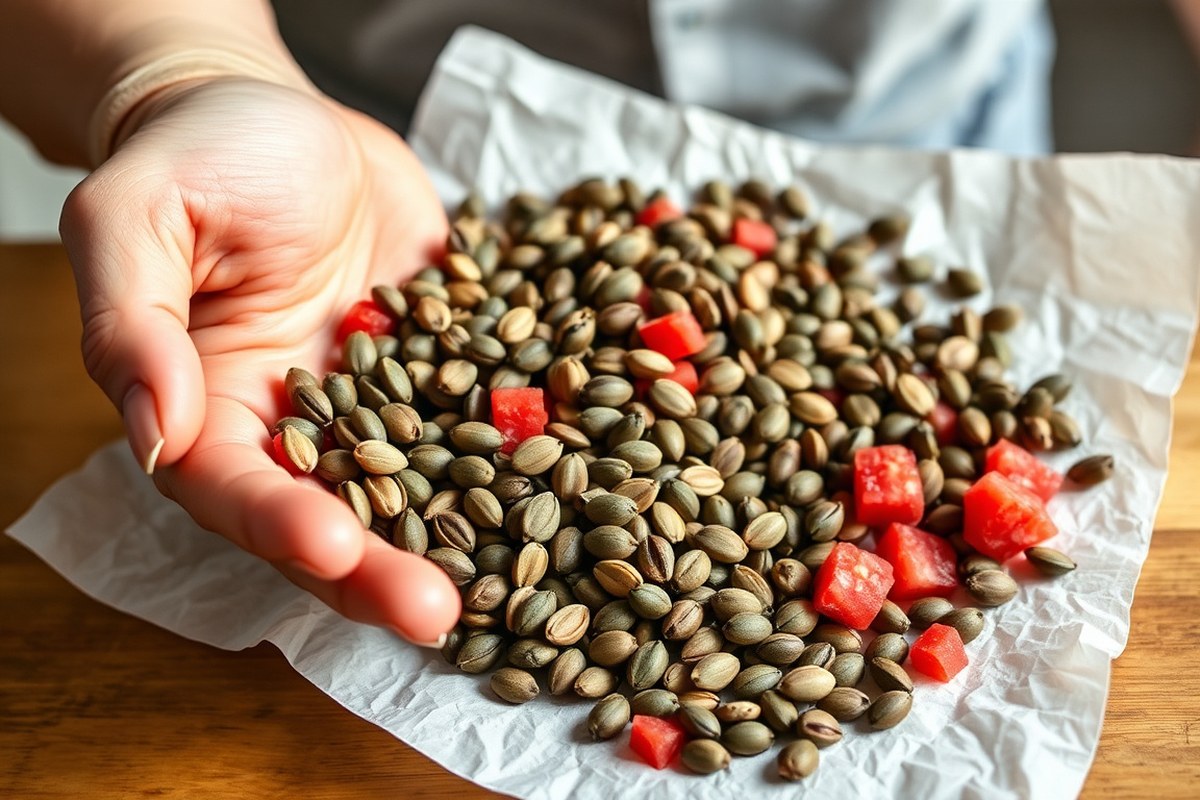
How to Save Seeds from Watermelon: A Complete Guide for Beginners
Knowing how to save seeds from watermelon lets you grow your favorite melon again next year. To do this, harvest seeds from fully ripe fruit, then rinse and dry them completely. The drying step is key because wet seeds spoil quickly and won’t sprout well.
Start by collecting seeds from 5 to 10 ripe watermelons to get the best traits. Soak the seeds in fresh water for about two minutes. Then, spread them out on a flat surface to dry.
Let them dry fully before storing or planting. Make sure the seeds reach around 8% moisture before storing.
Keep your dried seeds in a cool, dry place to keep them viable for years. Storing seeds between 32°F and 41°F slows aging and maintains germination power. You can test seed viability by sprouting a few before planting the whole batch.
Key Takeaways
- Choose ripe watermelons to harvest healthy seeds with good growing traits.
- Soak cleaned seeds in fresh water for two minutes before drying.
- Dry seeds completely for 1, 2 weeks to reach 8% or less moisture content.
- Store seeds at 32°F to 41°F to keep them viable up to four years.
- Test seed viability by sprouting 10 seeds; 7 sprouts means good batch.
- Freeze only bone-dry seeds sealed with oxygen absorbers to avoid damage.
How to Save Seeds from Watermelon Step-by-Step

Saving watermelon seeds needs clear steps. These keep seeds healthy and ready for planting. Follow each step carefully to ensure good results.
You start by harvesting fully ripe fruit, then cleaning and drying the seeds carefully. This keeps them from rotting and helps them sprout well later.
Here is how to save watermelon seeds correctly:
- Cut the watermelon open and scoop out seeds from the ripest fruit. Choose 5 to 10 fully ripe watermelons to gather enough seeds.
- Separate the seeds from the pulp by rubbing them under cold running water. Keep working until all the sticky fruit bits are gone.
- Rinse the seeds thoroughly to remove all debris and sugar residue. This step stops mold from forming during drying.
- Lay cleaned seeds flat on a dry paper towel or screen. Avoid piling seeds thickly to stop moisture from building up. Let them air dry fully for best chances.
- Let the seeds dry completely in a warm, well-ventilated spot for about 7 to 10 days. The seeds should feel hard and brittle when fully dry.
- Check seeds daily, removing any that look damaged or moldy. Discarding bad seeds keeps the healthy batch strong.
- Once dry, store seeds in a breathable container like a paper envelope or cloth bag. Avoid plastic bags unless you are sure seeds are perfectly dry.
- Write the seed type, when you harvested, and where you store them on a label. Store seeds in a cool, dry place with temperatures from 32 °F to 50 °F. Keep the container away from damp or hot spots.
Drying the seeds fully before storage is important. Seeds with moisture inside may swell or rot. This lowers how many seeds will sprout later.
Make sure seeds dry completely before storing. Proper drying takes about one week but can vary with temperature and humidity.
After drying, the seeds should be hard and snap easily. Soft or damp seeds need more drying time. Keeping humidity below 50% stops mold from growing on seeds.
Low moisture means seeds can last longer and stay good. Check your storage area regularly to avoid damp conditions.
Which Watermelons Are Best for Saving Seeds?
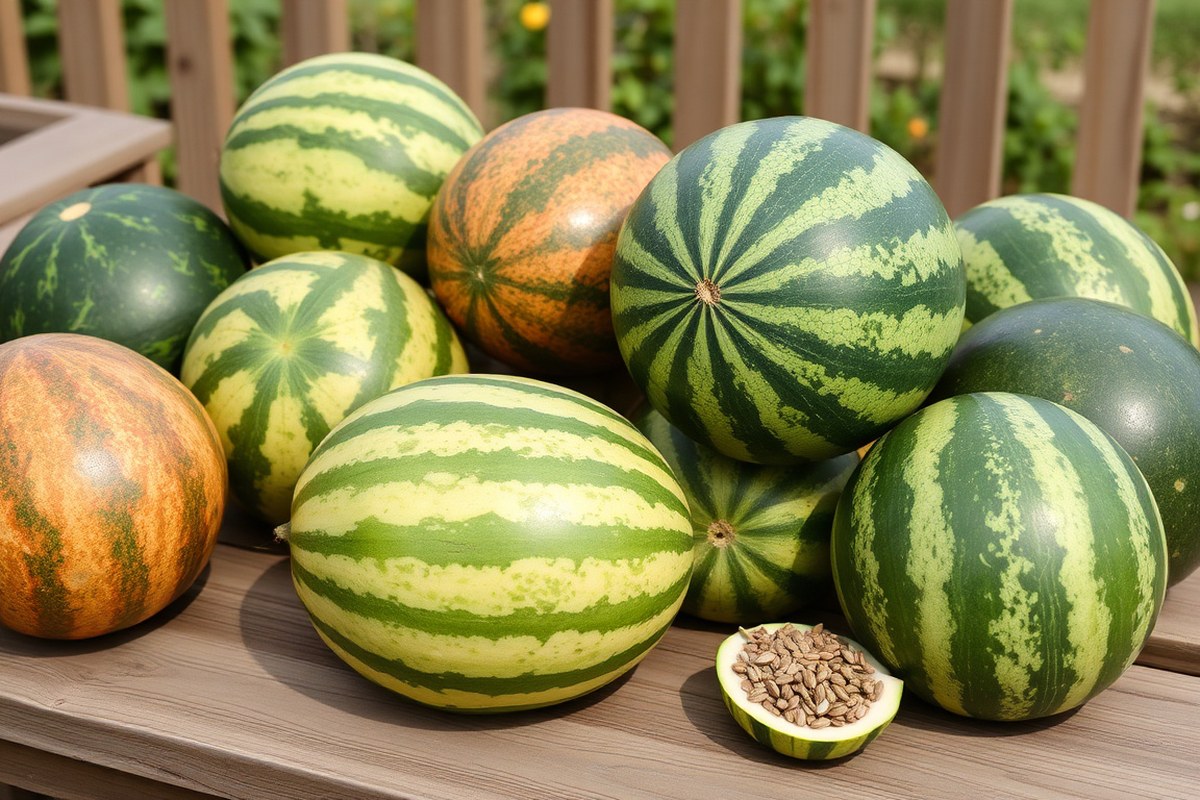
Choose watermelon fruits carefully to get viable seeds for saving. Only seeded varieties, either heirlooms or open-pollinated types, produce seeds that will sprout. Avoid seedless or hybrid watermelons because their seeds usually won’t grow into healthy plants.
It matters to pick watermelons that are fully ripe. Ripe fruits have mature seeds inside, increasing your chance of success with saving and later planting. Check the melon for a creamy yellow spot on the rind.
Make sure it feels firm. Tap it and listen for a deep sound.
Keeping genetic diversity helps your seed stock stay strong. Save seeds from 5 to 10 watermelons of the same kind. Don’t collect from just one fruit.
This helps keep good seed quality. This variety keeps a good gene pool, improving plant performance and health next season.
- Pick watermelons you grew or got from a trusted source
- Choose open-pollinated or heirloom seeded varieties only
- Confirm the fruit is ripe, not underripe or overripe
- Use several fruits (5, 10) to keep genetic diversity
- Keep seeds of each variety separate and labeled
- Do not save seeds from seedless watermelons
- Discard seeds from hybrid fruits if identified
Saving seeds from store-bought watermelons is less reliable. Most store-bought fruits are hybrids, and their seeds might not germinate well.
When unsure, save seeds from melons you’ve grown yourself. Or use seeds from trusted seed packets only.
Only save seeds from ripe, seeded watermelons to avoid wasting time on poor germination.
Labeling your seed batches keeps varieties pure. This prevents accidental mixing that can lead to weak or non-viable offspring. Keep your saved seeds in separate envelopes or containers with variety names and harvest dates.
Best Methods to Dry Watermelon Seeds Without Damaging Them
Drying watermelon seeds works best with air drying at moderate temperatures and low humidity. Avoid using ovens or microwaves, as heat can kill the seed embryo and ruin viability. Look for a cool, dry spot near 70°F with low humidity.
Keep humidity below 60%. Let seeds dry for 12 to 24 hours until bone dry.
Air Drying Advantages and Challenges
Air drying is the safest and simplest way to dry watermelon seeds. You can spread the seeds on a paper towel or screen in a well-ventilated spot indoors. This method avoids heat damage, preserving the seed’s internal structures.
Air drying takes more time, usually 12 to 24 hours. Sometimes it can take up to two weeks. It depends on your home’s humidity level.
High humidity or temperature swings boost mold risk. So keep an eye on the seeds and remove any soggy ones promptly to prevent rotting.
Why Avoid Heat Sources
Applying heat with an oven or microwave stresses watermelon seeds and often kills the embryo inside. These high temperatures dry the seed too fast and unevenly.
Heat exposure can crack the seed coat or cause premature aging, lowering germination rates. This damages your chance of growing healthy watermelons next season. So, skip the oven tricks and stick to gentle air drying.
How to Check Seed Dryness
Fully dry watermelon seeds feel hard and brittle with no gumminess or softness. Run your fingers over them; if they stick or bend, they still hold moisture.
Drying typically takes at least 12 hours on a dry surface like cardboard or paper towels. Seeds can take longer in humid rooms.
So let them dry until they snap easily. Proper dryness is key for long storage and good germination.
Here’s a handy table outlining seed condition and recommended action during drying and storage:
| Condition | Action |
|---|---|
| Fruit fully ripe (deep color, hollow sound) | Harvest immediately to preserve seed viability |
| Fruit shows soft spots or fermentation | Discard or use only seeds from firm sections |
| Seeds stuck in pulp | Soak 5, 10 minutes, then rub to release |
| Seeds moist after cleaning | Air-dry on screen for 12, 24 hours until bone dry |
Following these steps helps keep seeds viable for years. Store seeds in airtight containers once fully dry. Keep them cool, between 32°F and 41°F. Maintain humidity around 40 to 50 percent.
How to Store Watermelon Seeds for Long-Term Viability
To keep watermelon seeds viable for years, store them in airtight containers. Glass jars with rubber seals or high-quality plastic containers with tight lids work best. These prevent moisture from getting in and keep seeds dry.
Temperature and humidity control matter a lot. Keep seeds in a cool spot between 32°F and 41°F (0°C to 5°C).
Avoid areas with light exposure to protect seed quality. Make sure humidity stays under 8% to prevent mold or rot.
Seeds stored under these conditions usually stay good for up to five years. Check them every year for any signs of damage or sprouting before planting. Watch for problems and toss those seeds to prevent poor germination.
| Storage Condition | Recommendation |
|---|---|
| Temperature | 32°F, 41°F (0°C, 5°C) |
| Light Exposure | Keep in a dark place |
| Moisture | Keep dry (Humidity < 8%) |
| Container | Airtight container |
| Storage Duration | Up to 5 years |
A sealed glass jar costs about $5 to $10 and holds few seeds well. For larger batches, use plastic containers made for food storage labeled airtight.
You could store these in your refrigerator or a cool basement. Avoid freezer storage unless seeds are completely dry, as moisture can freeze and damage seeds.
Periodic checks help catch problems before planting season. Label seed containers with the date of storage to track age.
Older seeds may need a viability test before use. This effort helps you grow healthy watermelons without wasting seeds.
How to Test Watermelon Seed Viability Before Planting
You can test watermelon seed viability by doing a simple germination test. This checks how many seeds sprout under controlled conditions. A good batch should have at least a 70% germination rate.
Setting Up a Germination Test
Get a few seeds to test from your saved batch. Use damp paper towels, which provide moisture without drowning the seeds. Then seal the towels inside a plastic bag to keep humidity stable.
- Take 10 seeds from your saved watermelon seed batch.
- Place the seeds evenly on a damp paper towel.
- Fold the paper towel over the seeds to cover them.
- Put the folded towel inside a sealed plastic bag.
- Keep the bag warm, ideally around 80°F (27°C).
- Place the bag somewhere without direct sunlight but warm.
- Check the seeds daily for signs of sprouting.
Use a thermometer if needed to keep the test area close to 80°F for best results.
Monitoring Germination Progress
Sprouts usually appear within 5 to 10 days when using paper towels. Check the seeds once every day so you don’t miss early growth. Mark or count which seeds have sprouted as you go.
Don’t disturb seeds while checking. Keep the towel moist but not soaked during this period. The total wait time should be about 7 to 14 days before deciding.
Interpreting and Acting on Results
Seven or more seeds out of ten sprouting means 70% viability or more. That means you can confidently plant those seeds in your garden. A lower rate suggests you should plant more seeds than usual or find fresher seeds.
Seed batches with less than 50% germination usually don’t perform well in the garden. It’s often best to discard these seeds. Testing helps you avoid wasting time and space on poor seeds.
Low germination rates mean you should buy new seeds. Test a different batch you saved before planting.
How to Avoid Common Mistakes When Saving Watermelon Seeds
Mold on watermelon seeds mostly comes from trapped moisture during drying or storage. Seeds that aren’t completely dry by the time you store them can develop mold quickly. Air dry the seeds for 5 to 7 days.
Turn them every couple of days. This helps them dry evenly and stops moisture buildup.
Missing full drying means mold can form inside the container. Avoid sealing seeds in an airtight jar until they feel dry and brittle.
Use a breathable container like a paper envelope or mesh bag so moisture can escape. Also, don’t store seeds in damp or humid places like a kitchen counter near the sink.
Cross-pollination changes seed quality by mixing genetic traits from different watermelon types. This can affect size, sweetness, and overall plant health the next year. Plant one watermelon variety at a time.
Keep different varieties 800 feet apart. This prevents pollen from mixing between plants.
Partially dried or damaged seeds rarely sprout. These seeds may have weakened seed coats or internal rot.
Pick only plump, fully formed seeds with no cracks or shriveling. Discard any seeds that look mushy, broken, or hard to separate from the fruit.
- Check seeds for firmness before drying, they shouldn’t feel soft or squishy
- Turn seeds during drying every 2 or 3 days to avoid clumps and mold
- Store seeds in a cool, dry spot away from sunlight, like a paper envelope
- Label seed packets with variety and date to avoid confusion later
- Use gentle hand-pollination to ensure purity of seed varieties
Following these tips stops mold, maintains seed quality, and keeps varieties true to type. The main cost is your time during drying and patience to avoid rushing storage. Good seeds last for several years if kept dry and cool.
They stay viable longer this way. Healthy watermelon plants come from these seeds. Skip damaged or damp seeds to save yourself from poor germination or plant disease later on.
Starting Watermelon Seeds Indoors for Best Germination Results
Start your watermelon seeds indoors about 4 to 6 weeks before the last frost date. Keep soil temperature around 70°F (21°C) for best germination.
Provide 14 to 16 hours of light daily to encourage strong seedlings. Transplant outdoors only after the soil warms enough.
Preparing Seedlings 4-6 Weeks Early
Choose containers at least 3 inches deep with drainage holes. Use a light, well-draining seed-starting mix rather than garden soil. Starting seeds 4 to 6 weeks early gives seedlings a head start.
This early start helps your plants grow strong before planting outside. You get healthier seedlings ready for the outdoor season.
Watermelon seeds take about 4 to 12 days to sprout indoors under good conditions. Seedlings grow ready to transplant once they have 2 to 3 true leaves. Too early or crowded seedlings tend to become weak or root-bound.
- Fill clean containers with moist seed-starting mix.
- Plant seeds 1 inch deep, covering lightly with soil.
- Label containers with watermelon variety and start date.
- Place containers in a warm location or use a heat mat.
- Keep soil moist but not waterlogged by misting or gentle watering.
- Check daily for germination and thin seedlings if crowded.
- Provide light with a grow lamp or bright window.
Ideal Temperature and Lighting
Maintain soil temperature near 70°F (21°C) for quick, even sprouting. Use a soil thermometer to check consistently. Cooler soil slows germination, while hotter soil may stress seeds.
Watermelon seeds need 14 to 16 hours of light daily to prevent legginess. Artificial grow lights on a timer work better than window light alone. Keep lights 2 to 4 inches above seedlings, adjusting as they grow.
Keep nighttime room temperature above 65°F (18°C) for healthy growth. Avoid drafts that can chill young plants and cause stunted growth.
Transplanting and Thinning Guidelines
Thin seedlings to one strong plant per container by cutting weaker ones. Crowded roots can stunt watermelon seedlings fast. Wait to transplant outdoors until soil temperature stays above 70°F (21°C).
Harden off seedlings by placing them outside a few hours daily for 7 to 10 days. Increase time outside gradually while avoiding strong sun or wind. Full sun exposure prepares seedlings for their permanent outdoor spot.
Space transplants 3 to 6 feet apart in rows, depending on the watermelon variety size. Proper spacing prevents disease and allows air circulation. Water seedlings well after transplanting but avoid soggy soil.
How Hybrid and Heirloom Seeds Differ for Saving Watermelon Seeds
Saving seeds from heirloom watermelons keeps their traits consistent over years. These seeds come from open-pollinated plants.
They breed true, meaning the new plants will look and taste like the parent. This lets you grow watermelons with the same size, sweetness, and color each season.
Hybrid watermelon seeds come from crossing two distinct parent varieties. You can save seeds from them. But the offspring may not match the original fruit.
These seeds often show a mix of traits because genetic recombination changes the plants. You might get smaller fruits or less sweet melons.
The texture could also change from your hybrid. These differences come from seed saving.
Saving seeds from store-bought hybrid melons is possible. But it’s uncertain which traits will come through. The next generation can vary widely in quality.
For that reason, saving seeds from hybrids suits experimentation, not consistent crops. Heirlooms offer a reliable choice when you want predictability in your garden each year.
Only save seeds from watermelons that fully ripened on the vine. This helps keep the best genetics. Starting with unripe fruit reduces seed quality.
To decide which seeds to save, first identify if your watermelon was an heirloom or hybrid. Heirlooms often have a detailed variety name and come from seed catalogs specializing in open-pollinated types. Hybrid seeds often say “F1” on their packets.
They also come from store-bought melons without clear variety names. This means the seeds may not grow true.
Saving seeds from heirlooms requires less guesswork. Planting these seeds next season nearly guarantees familiar fruits. Hybrid seed-saving demands testing and selecting which offspring plants grow well.
You might need to save seeds from many fruits to find a good one. This process can take extra time and space in your garden.
When you save seeds, the goal is to keep traits you like. For heirlooms, just collect, clean, dry, and store seeds properly. For hybrids, save seeds from several fruits, then plant them all.
Watch the plants next year. Pick seeds only from the best performers.
This selection helps improve fruit quality over time. But it’s slower and less certain than using heirloom seeds.
Step-by-Step Action Plan for Saving Watermelon Seeds
Follow these steps to save watermelon seeds that will grow well next season. Each step shows when to do it and how to check your success.
- At Harvest: Pick a fully ripe watermelon with mature seeds. Check if the flesh is sweet and the seeds are dark brown or black.
- Right After Harvest: Scoop out the seeds carefully. Rinse them under cool water to remove pulp without damaging the seed coat.
- Within 2 Days: Spread the seeds on a paper towel to dry. They should not stick or clump after drying for 3 to 5 days.
- After Drying: Store seeds in a paper envelope or glass jar. Keep in a cool, dry spot, like a basement or fridge, to maintain viability.
- 1 Week Before Planting: Soak a few seeds in water for 24 hours. Test if those seeds sink or float to check viability. Use only seeds that sink for better growth. Good seeds will swell and sprout tiny roots.
- Start Indoors 4 Weeks Before Last Frost: Plant the viable seeds in warm soil. Keep soil moist and warm to encourage germination.
- Throughout Storage: Check seeds for mold or dampness every month. Remove any bad seeds to keep the batch healthy.
Frequently Asked Questions
Can You Save Watermelon Seeds from Store-Bought Fruit?
Yes, but they are often hybrid seeds. These seeds might not produce fruits like their parent.
How Many Watermelons Should I Pick Seeds from to Keep Good Genetic Variety?
Choose seeds from 5 to 10 ripe melons. This helps preserve genetic diversity and healthier plants in your garden.
Can I Save Seeds from a Watermelon That’s Not Fully Ripe?
No, seeds from unripe watermelons are usually immature. This reduces germination rates and the chance of healthy plants.
Is It Okay to Save Seeds from Seedless Watermelons?
No, seedless watermelons rarely produce viable seeds. Their genetics don’t support regular seed development.
How Do I Know If My Saved Watermelon Seeds Are Fully Dry Before Storing?
Seeds should snap easily and feel hard, not bendy. Make sure no moisture remains to prevent mold or sprouting.
How Long Can You Keep Watermelon Seeds Viable If Stored Correctly?
Properly dried and stored seeds last 4 to 5 years. Keep them cool, dry, and away from light to maintain viability.
Before You Go
Saving your own watermelon seeds saves money and preserves the fruit you like best. Start with ripe fruit and dry seeds well. Your next step is to store seeds properly in a cool, dry place.