What Flowers Are Good for Landscaping: A Complete Guide with Seasonal Picks
What flowers are good for landscaping depends on your garden’s site conditions. The best ones suit your sun exposure, soil, and water availability. Many popular landscaping flowers prefer full sun, needing at least six hours of direct light daily.
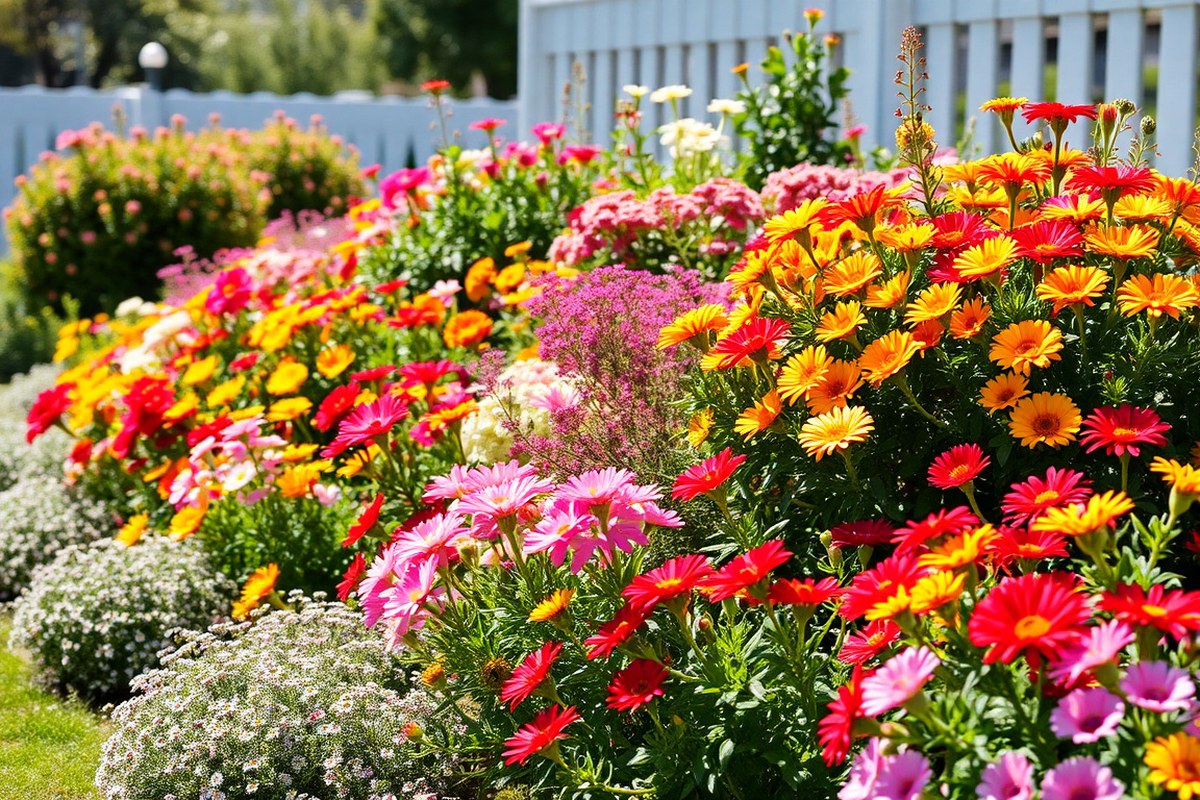
Choose flowers that bloom in different seasons to keep your yard colorful year-round. Early bloomers like dwarf Korean lilac brighten spring with fragrant purple flowers. Summer perennials and flowering shrubs add layers and interest through warm months and fall.
Start by testing your soil and observing light patterns throughout the day. This helps pick flowers that will thrive instead of struggle. Avoid planting too many tall flowers densely since they can flop over without proper spacing.
Key Takeaways
- Dwarf Korean lilac grows 4 to 5 feet tall, perfect for smaller gardens.
- Winter jasmine blooms yellow flowers for up to 8 weeks, ideal for early spring color.
- Most landscaping flowers need at least six hours of full sun daily.
- Taller plants above 3 feet need proper spacing to avoid flopping over.
- Mix flower types to extend bloom times from spring through fall.
- Test soil pH and moisture before choosing your flower varieties.
Best Flowers to Use for Landscaping and Their Key Features

Choosing the right flowers for landscaping depends on bloom color, height, and sunlight needs. Many popular landscaping flowers do best in full sun. They need six or more hours of direct sunlight each day.
Sun exposure helps them grow strong and bloom well. Plant heights vary a lot.
Some stay around one foot tall in borders. Others grow as shrubs or small trees over 10 feet.
Flower colors vary widely, offering bright yellows, pinks, whites, and reds. You’ll find some plants bloom all spring.
Others bloom sporadically through summer or fall. It’s smart to match flower height and color to your garden’s style and space.
| Flower or Plant Type | Bloom Color(s) | Height Range | Sun/Shade Tolerance |
|---|---|---|---|
| Bright Yellow Flowers (e.g., some shrubs) | Bright yellow | 1 to 20 feet tall | Full sun to partial shade |
| Pink & White Blooms Shrub | Pink, white | 1 to 15 feet tall | Full sun to light shade |
| Spidery White/Pink Flowers Plant | White, pink | 3 to 10 feet tall | Full sun to full shade |
| Small Evergreen Shrub | Various | About 5 feet tall | Full sun to part shade |
| Calla Lilies | Red, yellow, pink, white | 12 to 36 inches tall | Full sun |
| Foxtail Lily (Desert Candle) | White, yellow, orange, pink | Tall spike | Full sun |
Plan the tallest plants in the back of beds, with shorter ones in front. Shrubs that grow 5 to 10 feet tall give strong structure. Smaller perennials reaching around 1 to 3 feet fill in borders well.
Pay attention to sunlight needs exactly. Some flowers do fine in partial shade, but many bloom best in full sun. A plant in too much shade might grow leaves but won’t flower well.
How Seasonal Bloom Times Affect Your Landscape Design

Seasonal Blooms Create Constant Color
Choosing flowers that bloom in different seasons keeps your landscape lively year-round. You gain color and texture every few months as new flowers open. This avoids long dull periods when nothing blooms.
Start with early spring bulbs like crocus and daffodils. Next, add summer flowers like coneflowers or daylilies.
This sequence gives your garden color all season. Finish with late bloomers such as asters or chrysanthemums to stay colorful into fall.
Using a Seasonal Bloom Calendar
A bloom calendar helps you pick flowers to cover all seasons. It shows when each plant blooms, helping you plan which to plant together. This tool saves trial and error and ensures continuous flowering.
In temperate North American gardens, plant tulips or hyacinths for spring. Add Black-eyed Susans or phlox for summer blooms.
Choose goldenrod for fall color. In milder climates, include winter bloomers like camellia.
Year-Round Interest from Layered Plant Types
Combine flowering plants with evergreen shrubs for lasting appeal. Shrubs like oakleaf hydrangea offer seasonal blooms, fall color, and attractive bark in winter. This adds texture and interest even when flowers fade.
Evergreens like Korean barberry keep your garden from looking bare in cold months. Adding conifers or winter berries ensures something stays green or colorful throughout the year.
Adapting to Your Local Climate
Your region’s climate affects which flowers bloom when and how long they last. Cold regions have shorter bloom periods; warm climates can support blooms nearly year-round. Choose plants suited to your zone for success.
In cool northern areas, focus on spring and summer bloomers and fall foliage plants. Southern gardens can add winter-hardy blooming types like camellias and pansies to fill cooler months.
Starting and Maintaining Seasonal Flowers
Plant flowers so their blooms happen at different times. Keep the soil moist during their first one to two seasons. This helps the plants grow strong.
This helps roots grow deep and strong, supporting longer bloom periods. Consistent care improves curb appeal.
Expect initial costs for bulbs or shrubs plus watering during establishment, but payoffs last years. Avoid overcrowding plants or planting all at once, or blooms might peak simultaneously then fade early.
Pick a mix of early, mid, and late bloomers to keep flowers sparkling for months. Avoid planting only spring bulbs for continuous interest.
Selecting Flowers for Sun, Shade, and Soil Conditions
Choose flowers based on how much sun your garden gets and the soil type. Full sun means at least six hours of direct sunlight.
Shade means less or filtered light. Soil needs vary from well-drained to moist or acidic, which affects which plants will thrive.
Matching Flowers to Sun Exposure
Flowers like cone flowers and lavender need full sun to bloom well. They do best with at least six hours of direct light each day.
Plants such as holly and oakleaf hydrangea handle partial shade well. They tolerate from three to six hours of sunlight daily.
Some flowers, like boxwoods, adapt to full shade but prefer well-drained soil. Choose shade-loving flowers for north-facing or tree-covered areas.
Picking Flowers by Soil Type
Well-drained soil suits many flowers, including obedient plants and platycodons. Check soil for good drainage by digging a hole and filling it with water. Soil that drains within a few hours likely works well for these plants.
Acidic or moist soils benefit plants like hollies or oakleaf hydrangeas. Test your soil pH with inexpensive kits. Use peat moss to adjust acidity.
Heavy clay or poor-drainage soil needs amending with compost or sand before planting. This prevents root rot and helps drought-tolerant plants establish.
Hardiness Zones and Flower Choices
Hardiness zones tell you which plants survive your winters. Living in zone 3 to 8? Try platycodons or coneflowers for steady growth.
Zones 6 to 10 offer more flower options, like lantanas and roses that handle warmer climates. Choose flowers rated for your zone to avoid plant loss in cold spells.
Look at local extension services or nursery tags for zone info. This helps plan your garden for lasting success.
Watering and Maintenance Tips by Location
Drought-tolerant flowers like butterfly bush or lantana need less water after establishing roots. Water deeply but less often to encourage strong roots.
In moist or shady areas, water only when the top soil feels dry to avoid overwatering. Overwatering causes root rot and unhealthy plants.
For new plantings, water daily or every other day for two weeks to help roots settle. After that, follow the low-water instructions for your specific flower.
Flowering Shrubs vs. Perennials: Choosing the Right Plant Type
Flowering shrubs and perennials serve different landscaping needs depending on your space and maintenance preferences. Shrubs usually grow larger and live longer, offering structure and height. Perennials are usually smaller plants.
They come back each year with new blooms. They often need pruning more often.
Pruning flowering shrubs involves cutting back old or dead wood once or twice a year. This keeps the plant healthy and encourages bigger blooms.
Perennials generally need you to trim dead flower stalks and old leaves each season. This helps the plant focus energy on new growth and maintain its shape.
| Characteristic | Flowering Shrubs | Perennials |
|---|---|---|
| Size | 3 to 5 feet tall and wide | About 16 to 18 inches wide |
| Bloom Time | Weeks to months, often seasonal | Summer to fall, with some rebloom |
| Care Needs | Annual pruning of old wood | Deadheading and dividing every few years |
| Lifespan | Several years to decades | Perennial but may need division after 3-5 years |
| Light Requirements | Full sun to part shade depending on species | Full sun to part shade |
| Zones | 3-9 depending on type | Varies widely but often 3-8 |
Large shrubs like hydrangeas and red twig dogwood create a steady backdrop in your yard. They reduce the need for frequent plantings and unify spaces between trees and flower beds. Perennials add color and texture close to the ground, making your patios or walkways more inviting.
When caring for shrubs, prune after flowering ends to avoid cutting new buds. For perennials, deadhead flowers every few weeks during bloom to extend their season.
Dividing perennials every few years stops overcrowding and keeps plants vigorous. Both types thrive when chosen for your zone and sun exposure.
Incorporating Native and Pollinator-Friendly Flowers for Sustainable Landscaping
Using native flowers in your landscape supports local ecosystems and reduces upkeep. These plants thrive in your area’s soil and climate.
So they need less water and fertilizer. They also provide food and shelter for local pollinators, which improves plant health and garden productivity.
Some native flowers attract butterflies, bees, and hummingbirds. These pollinators help your other plants produce seeds and fruit. Plus, a pollinator-friendly garden adds natural beauty and lively activity.
- Butterfly weed: bright orange flowers that attract butterflies and bees
- Showy pincushion: summer blooms that draw butterflies, moths, and beneficial insects
- Summersweet: white flowers in mid to late summer that lure pollinators
- Blue-eyed grass: spring blooms in soft blue or lavender for pollinators
- Evening primrose: yellow blooms useful for wildflower gardens and pollinators
- Lemon balm: fragrant herb flowers popular with pollinators
- Butterfly bush (summer lilac): long-blooming lilac flowers with sweet scents
Plant native flowers in well-drained soil and add crushed gravel if you have heavy clay soil. Space is tight? Choose shrubs like butterfly bush or summersweet.
They add color and attract pollinators. Group plants with similar water and sunlight needs close together to reduce watering hassles.
Planting into unamended native soil can cause poor growth. Always prepare the soil before planting.
Most native flowers need full sun for at least six hours daily to bloom well. Water new plants regularly during the first season until established. After that, many natives survive on rainfall alone, saving time and money.
Your garden will attract more pollinators by midsummer. This creates a lively, sustainable space for your yard.
Planning and Preparing Your Landscape Site for Flower Planting
Preparing your landscape site well ensures flowers grow strong and healthy. Soil quality, spacing, and watering all play key roles. Taking time before planting pays off with lasting blooms.
Testing and Amending Soil
Check your soil’s pH and type before planting. Most flowers prefer soil pH between 6.0 and 7.0 for best nutrient uptake.
Clay soils hold water but drain poorly. Sandy soils drain fast but lose nutrients quickly.
Amend the soil according to its current condition. Adding organic matter like compost improves drainage and adds nutrients. For clay soil, add 2 to 3 inches of compost on top.
Then till it 6 to 12 inches deep. This helps improve the soil texture and drainage. For sandy soil, add compost to help retain moisture and nutrients.
Clearing and Preparing Planting Beds
Remove weeds, debris, and rocks from flower beds. This prevents competition and makes planting easier. Clear the area with a rake or hoe for a smooth surface.
Loosen soil 8 to 12 inches deep using a garden fork or tiller. This breaks hard clay layers and helps roots spread. Level the soil afterward to avoid water pooling in low spots.
Estimating Plant Spacing and Layout
Correct spacing helps plants get enough air and light. Consult plant labels for spacing recommendations, usually 12 inches to 3 feet apart. Crowded plants risk disease and stunted growth.
Lay out your planting plan on the ground before digging. Use string or stakes to mark rows and spots. Leave more space between bigger plants like shrubs or tall perennials.
Space them about 3 to 4 feet apart. This gives them room to grow healthily.
Watering and Mulching Tips
Start watering right after planting to settle the soil and hydrate roots. Use gentle watering to avoid washing soil away. Keep soil moist but not soggy during the first few weeks.
Apply 2 to 3 inches of mulch like shredded bark or straw around plants. Mulch keeps soil temperature steady and reduces weeds. Leave a small gap near stems to prevent rot.
Follow these steps to prepare your landscape site for flower planting:
- Test soil pH using a home kit or send a sample to a lab.
- Amend soil with 2 to 3 inches of compost, mixing it into the top foot.
- Clear the area of weeds, rocks, and debris with a rake or hoe.
- Loosen soil 8 to 12 inches deep using a garden fork or tiller.
- Level the soil surface with a rake to avoid water pooling.
- Measure plant spacing according to plant size and label directions.
- Mark spots with stakes or string for accurate planting.
- Water plants gently immediately after planting and mulch around them.
Design Tips for Grouping and Arranging Flowers in Landscaping
Group flowers by height to create layers in your landscape. Place taller flowers like irises in the back of beds. Use shorter flowers like balloon flowers.
They grow 12 to 16 inches tall. Place them near the front or in containers. This setup draws the eye naturally and shows off each plant well.
Color coordination highlights your design. Pick blooms that contrast or complement each other. Mix early bloomers with late bloomers to keep color flowing through the season.
Pair blue irises with pink balloon flowers. This creates a fresh look. The colors change over time.
Knowing flower growth habits helps prevent overcrowding. Clumping perennials need space to spread, while compact plants fit well in tight borders. Dividing crowded plants every few years, like perennials, keeps them healthy and bushy.
Hardy shrubs like winter creeper work well along borders. They fill gaps nicely. These shrubs add evergreen texture.
- Group tall plants like irises at the back of beds.
- Use compact balloon flowers near walkways or in containers.
- Mix bloom times to ensure continuous color.
- Combine contrasting flower colors for visual interest.
- Plant ground covers or hardy shrubs along borders.
- Divide crowded perennials every 2 to 3 years for health.
For borders, choose flowers that stay neat and don’t grow too tall. Balloon flowers are ideal here because they’re low maintenance and add a playful touch. Beds allow more variety in height and color.
So layer plants and mix bloom times. Containers suit compact plants and can brighten dark corners or patios.
Visual balance is key. Avoid squeezing tall and short plants together without space.
Give each plant enough light and room to thrive. This encourages strong stems and bright blooms instead of messy growth or pest problems.
Common Mistakes in Landscaping Flowers and How to Avoid Them
Choosing the wrong flowers can hurt your landscape’s look and health. Many people pick plants without checking sun, soil, or size needs. This often leads to slow growth or even dead plants.
Landscaping flowers usually take a few weeks to establish and show blooms. Some perennials might take a full growing season to develop fully. Knowing how fast flowers grow helps you plan planting and expect results.
- Plant flowers suited to your climate zone to avoid stress.
- Match flower sun needs to your spot, full sun or shade.
- Avoid overcrowding; give plants room to grow to avoid disease.
- Water new plants consistently, about 1 inch per week in summer.
- Know mature size; small spaces need compact or dwarf varieties.
- Choose kid- and pet-safe flowers, like sunflowers or snapdragons.
- Don’t forget soil type; some flowers prefer acidic, others alkaline.
Picking flowers safe around children and pets matters. Some common landscaping plants can cause mild to serious poisoning.
Stick to flowers known as non-toxic to keep your family safe. Good choices are pansies, nasturtiums, and marigolds.
Over- or underwatering are common care errors. New flowers need even watering until roots set, usually a few weeks after planting. Using mulch helps keep moisture steady and cuts weeds, which compete for water.
Check plant labels and local guides for safety and growing advice before planting.
Plants will look better and live longer when you avoid these mistakes. Give flowers the right conditions from the start. This saves time, money, and keeps your landscape inviting all season.
Step-by-Step Action Plan for Planting Flowers in Your Landscape
Follow these easy steps to choose and plant the right flowers for your landscape. You’ll see healthy growth and beautiful blooms by the season.
- Before You Start: Test your soil to check pH and nutrients. Use a simple kit or send a sample to a lab. Knowing soil health helps pick flowers that will thrive.
- Week 1: Pick flowers suited to your sunlight and soil type. Check tags or ask your local nursery. The plants look healthy and match your garden’s light.
- Week 2: Prepare your garden beds by clearing weeds and loosening soil. You should see a soft, crumbly soil texture. This step helps roots grow deep.
- Week 3: Group flowers by bloom time and height. Place taller plants at the back or center. Your garden will have a layered, balanced look.
- Week 4: Plant your flowers, spacing them as the tags recommend. After planting, water well but don’t flood. The soil stays moist but not soggy.
- After 4 Weeks: Mulch around plants to keep moisture and control weeds. The mulch layer should cover soil without touching stems. It keeps your garden tidy and healthy.
- After 6 Weeks: Monitor plant health and check for pests or signs of stress. Leaves look green and blooms open regularly. Act fast if you see bugs or wilting.
Frequently Asked Questions
What Flowers Are Best for Attracting Pollinators in a Home Garden?
Native wildflowers and many perennials are best for pollinators. They provide food and shelter for bees, butterflies, and other helpful insects. Choosing native species makes your garden friendlier to local pollinators.
Can I Plant Flowering Shrubs Near My Home’s Foundation Without Causing Damage?
Yes, but choose smaller shrubs with non-invasive roots like dwarf lilac. Avoid large shrubs that might disturb foundations over time. Proper planting distance helps prevent damage while adding beauty.
How Do I Maintain Flowering Plants to Keep Them Blooming Longer?
Deadheading spent flowers encourages new blooms and extends flowering time. Regular watering and feeding with balanced fertilizer also help. Removing old flowers keeps plants healthy and looking fresh.
Are There Low-Maintenance Flowers Suitable for Front Yard Landscaping?
Yes, white-flowered shrubs and perennials like Japanese pieris are low-maintenance. They tolerate various soils and require minimal pruning. These add charm without much work.
Can Red Twig Dogwood Shrubs Survive Cold Winters in Zone 3?
Yes, many red twig dogwood varieties are hardy in zones 3 to 9. Their red bark adds winter interest when flowers are gone. Mulching helps protect roots during harsh winters.
Is It Better to Plant Flower Seeds or Use Live Plugs for Quick Landscaping Results?
Live plugs grow faster and bloom the same season, skipping seed wait time. Seeds take longer and need extra care at first. Live plugs are often better for instant color and quicker establishment.
Key Points to Remember
Choosing flowers for landscaping is about matching plants to your conditions and style. Starting with good soil and the right care leads to a thriving garden. Begin by testing your soil and picking flowers that fit your yard’s sunlight and soil type.