What Flowers to Plant Now by Zip Code: A Complete Guide for Home Gardeners
Wondering what flowers to plant now by zip code? The best flowers to plant depend on your local climate, soil, and last frost date. Enter your zip code in an online planting calendar.
It gives real-time advice on flower types and planting times. Check it before you plan your garden.
Flower seeds need soil temperatures above 40°F for cool-season types like pansies and sweet alyssum. Warm-season flowers like zinnias need soil at 65 to 75°F. The weather should stay warm and steady for two days. This helps them grow well.
Knowing your zip code’s regional climate zone helps you plan when to plant. Begin warm-season seeds indoors 2 to 4 weeks before planting outside.
This jumpstarts the growing season. It helps your flowers bloom sooner.
Key Takeaways
- Check soil temperature before planting cool-season flowers; aim for 45, 60°F.
- Wait for 48 hours of stable 65°F+ air temps before planting warm-season flowers.
- Use zip code-specific frost dates to schedule safe planting windows.
- Start warm-season flower seeds indoors 2, 4 weeks before outdoor planting.
- Plant cool-season flowers 8 to 12 weeks before your area’s first fall freeze.
- Consider local microclimates that can affect soil and air temps by several degrees.
Which Flowers Can You Plant Now Based on Your Zip Code?

Your zip code gives you the most accurate planting window. It ties directly to your area’s USDA Hardiness Zone and frost dates. These frost dates tell you when to plant cool-season or warm-season flowers.
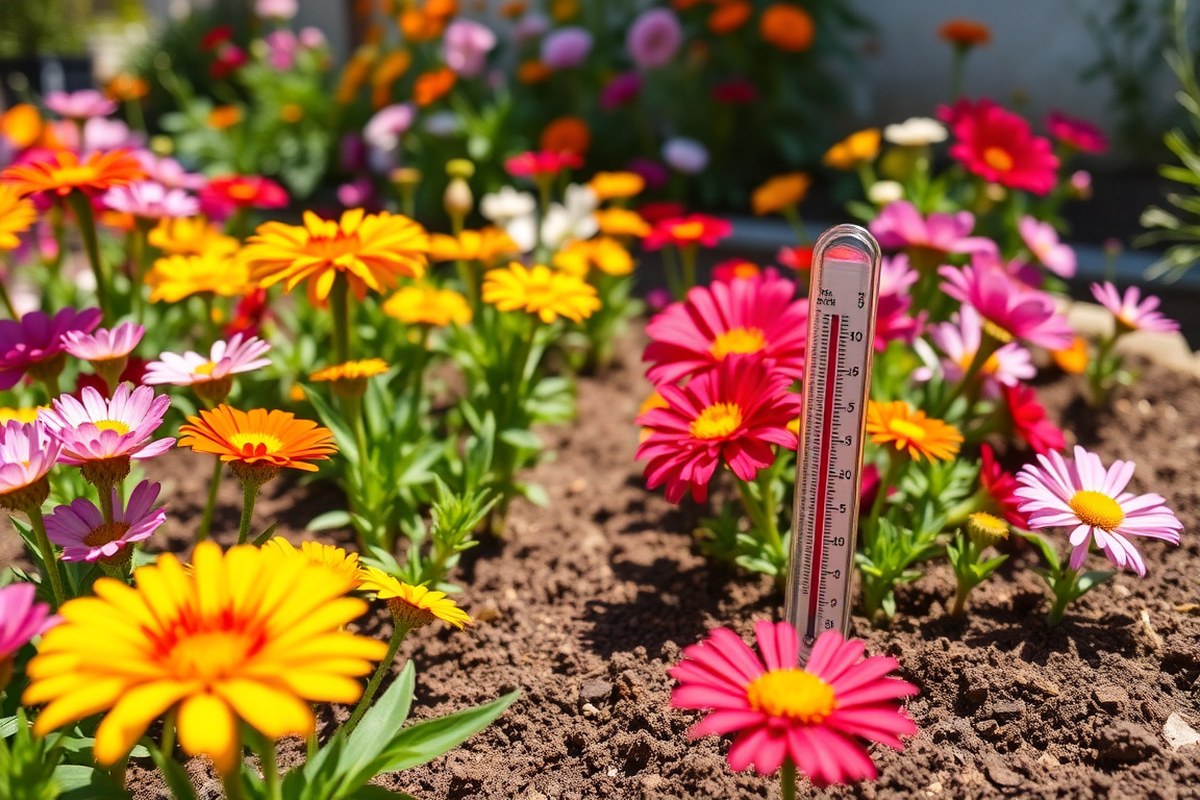
Cool-season flowers like pansies and snapdragons do well when soil temperatures reach 45 to 60°F. Warm-season flowers such as zinnias and marigolds need warmer soil, 65 to 75°F. You can check soil temperature with a simple soil thermometer at 2 to 4 inches deep. Here is a table showing common U.S. Regions by zip code ranges, their soil temperature ranges now, and flower types you can plant. It includes tips to help you decide based on your local conditions.
| Zip Code Range / Climate | Soil Temp Range (°F) | Flowers to Plant This Week | Key Notes |
|---|---|---|---|
| 33131 Miami, 77002 Houston, 75201 Dallas (South & Gulf Coast) | 65, 80 | Zinnias, celosia, portulaca, vinca, cosmos, lantana (transplants) | Start heat-tolerant annuals now; expect blooms by June. |
| 20001 Washington DC, 46201 Indianapolis (Mid-Atlantic & Lower Midwest) | 55, 68 | Pansies, violas, sweet alyssum, dusty miller, snapdragons (transplants) | Transplant cool-season annuals now; they bloom through May. |
| 10001 New York City, 60601 Chicago (Northern Zones) | 45, 60 | Cool-season flowers like pansies, violas, sweet alyssum (start seeds indoors) | Wait to transplant outside until after last frost. |
Use your zip code on local gardening sites. Find your exact last spring frost date. Also check the first fall frost date nearby.
Soil temps above 50°F usually mean it’s safe to plant cool-season flowers outside. You want to avoid planting warm-season flowers until soil is 65°F or warmer.
Some gardeners start heat-tolerant flowers like zinnias indoors before transplanting. Others use raised beds to warm soil faster. Watching daily weather trends near you helps you avoid cold snaps that can kill tender flowers.
How Your Zip Code Determines the Best Planting Dates
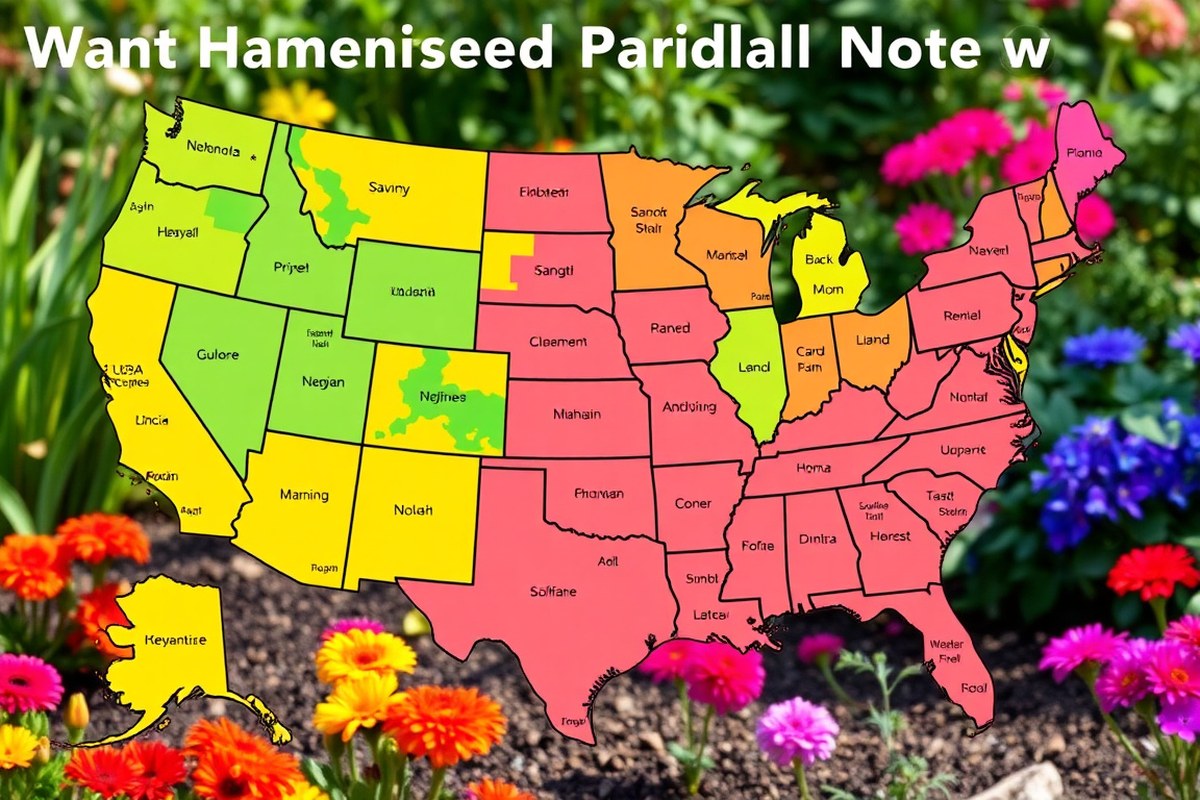
Your zip code links directly to planting dates through USDA hardiness zones and local frost data. Each zip code matches a USDA zone from the 2023 map. It shows the coldest temperatures your plants can handle.
This helps you know what plants will survive. It connects to nearby NOAA weather stations for local data.
You get average last spring frost and first fall frost dates. This info matches your exact area.
These frost dates matter most when deciding when you can safely plant flowers outside. You want to avoid planting before the last spring frost to keep young plants from freezing. The plant hardiness zone helps you pick flowers for your climate.
It shows what plants survive your winters. It also guides you through hot summers. For example, zone 5 means winters can drop to −20°F to −10°F. So you’d pick more cold-hardy flowers.
Enter your zip code into a frost date calculator. Use tools like the National Gardening Association’s or the USDA Zone Map. This starts your planting plan.
This tool shows your nearest NOAA station’s 30-year frost averages. If no station is close, it estimates based on your zone. That gives you reliable frost info.
Use your spring frost date as a planting guide. Wait about two weeks after to plant frost-sensitive flowers.
This reduces the chance they’ll get frost damage. Sturdier flowers can go in earlier, depending on soil temperature and growth stage.
Using frost dates and zones by zip code is safer. It’s more accurate than citywide averages. This helps you avoid guesswork in your garden.
These tools mix USDA zone data with NOAA climate normals. They also include advice from university extensions. This makes planting info reliable and well-rounded.
They turn a simple calendar into a personalized planting guide for your garden. You’ll see how much planting windows vary even between zip codes just a few miles apart. Gardeners in zone 7 near the Gulf Coast plant earlier.
Inland zone 7 gardeners wait later. Frost dates and humidity cause these differences.
This method helps pick the right time for each flower. It stops you from planting too early or too late. You get better growing results.
It can prevent losses from frost or heat stress. Your zip code’s frost date is April 15. Count back to early March to start hardy seeds indoors.
This gets seedlings ready on time. Plan to move seedlings outdoors after April 29 or later.
This waits until frost risk has faded. It protects young plants from cold damage.
When Is It Safe to Plant According to Soil and Air Temperatures?
Safe flower planting depends mainly on staying above certain soil and air temperature thresholds. Soil temperature guides seed germination, while air temperature helps avoid frost damage. Knowing how to check these temps gives you real assurance to plant at the right time.
Measuring Soil Temperature Correctly
Soil temperature affects seed sprouting and root growth most. Flower seeds often need soil temps between 50°F and 70°F to germinate well. You want to measure soil temperature about 2 to 4 inches deep, where seeds actually grow.
Use a soil thermometer for an accurate reading. Insert it gently to the right depth. Then wait a couple of minutes.
Watch for a steady number to appear. Avoid plastic or cheap kitchen thermometers, they don’t handle soil moisture well.
For example, if your soil reads 55°F, it’s usually safe to plant hardy annual flowers. For more tender flowers, wait until soil hits 60°F or more.
Monitoring Air Temperature and Frost Forecasts
Air temperature affects the risk of frost, which can kill young plants. Keep track of the local forecast over a week to two weeks after planting. A sudden night below 32°F means frost risk.
Check daily temperatures using local weather apps or websites tailored by zip code. Many offer frost date predictions and alerts, helping you avoid costly mistakes. Outdoor digital thermometers also give you a live snapshot of your garden’s microclimate.
Focus on the low temperatures at night. Frosts usually happen after sunset. That’s when temperatures drop quickly.
Interpreting Temperature Readings for Planting
Combine soil and air temperature readings to decide the best planting date. You should delay planting heat-loving flowers when soil is warm.
Nights still get cold during this time. Safer choices include cold-tolerant flowers or starting seeds indoors.
Tracking temperatures several days in a row avoids surprises. For example, soil at 60°F with consistent nights above 40°F usually signals a safe planting window. Ignore brief warm spells if frost risk returns soon after.
Keep in mind your zip code tells you the general timing. But your garden’s exact location can vary a lot in warmth and frost exposure. Follow these steps to check soil and air temperature before planting flowers:
- Buy a soil thermometer priced around $10 to $20 at garden centers or online.
- Choose a spot representative of your flower bed’s sun and shade conditions.
- Insert the thermometer about 3 inches deep and wait 2 minutes to get the soil temp.
- Record the soil temperature at the same time each morning for 3 to 5 days.
- Check nightly air temperature forecasts using your zip code on weather websites or apps.
- Watch for frost alerts and nights dropping below 32°F in your area.
- Only plant flowers when soil temps meet the seed packet recommendations and frost risk is low.
How to Start Flower Seeds Indoors and When to Transplant
Starting flower seeds indoors lets you get a jump on the growing season. You should start seeds about six to ten weeks before outdoor planting. Transplant seedlings outside after hardening them off and when frost danger passes.
Ideal Timing to Start Seeds Indoors by Flower Type
Fast-growing flowers like marigolds and zinnias need about six weeks indoors before going outside. Slow starters such as snapdragons or sweet peas take eight to ten weeks indoors. Check your zip code’s frost date to count backwards and pick your seed-start date precisely.
Warm-season flowers like petunias and geraniums prefer starting indoors six to eight weeks before transplant. Cool-season flowers can go outside earlier.
So start those only four to six weeks ahead. Seed packets often list indoor start times matching these windows.
Hardening Off Seedlings for Outdoor Transplant
Move seedlings outside about a week before planting them in your garden. Start with placing them for 30 minutes in shade, then increase time and sun exposure daily. This process lowers transplant shock and prepares plants for changing weather.
Keep seedlings protected if the temperature dips below 50°F during hardening. Bring them indoors each night until they adjust fully. After 7 to 10 days of this routine, seedlings are ready to plant outside safely.
Using Frost Dates to Schedule Transplanting
Your local last frost date guides when to transplant seedlings outdoors safely. Use zip code-specific tools to see average frost dates from 30 years of climate data. Planting too early risks frost damage, which can kill young plants.
Plan to transplant your plants outdoors after the last expected frost. For many zones, this means mid-April to mid-May.
Check seed starting windows and transplant timelines for your area. So you don’t miss the optimal planting window.
How to Use Local Frost Dates for Precise Planting Decisions
First and last frost dates mark the typical times when temperatures drop to 32°F. The last frost date happens in spring. The first frost date happens in fall. Knowing these dates helps you avoid planting too early.
Planting too late can also harm flowers. This protects them from freezing damage.
Your zip code gives precise frost dates because it relates to your local climate. You can find these dates through online local gardening calendars or agricultural extensions. For example, your last frost date might be April 15.
Wait until after that to plant frost-sensitive flowers. This prevents damage from frost.
To plan with frost dates, pick your last frost date. Add 7 to 14 days for safer planting. This reduces risk to your flowers.
This buffer accounts for unpredictable weather. Say your last frost date is April 10. Wait until April 17 to April 24 for planting tender flowers.
Cold-tolerant flowers like pansies or snapdragons are tough. You can plant them 1 to 2 weeks before the last frost date. They handle chill better.
They handle a light frost without damage. If your last frost is April 20, plan plants earlier.
Plant hardy flowers between April 6 and April 13. This gives them time to settle.
Late frosts still happen even after average dates. Always watch local weather forecasts before planting. Cover flowers with frost cloth if a frost warning appears.
Move potted plants indoors overnight to protect them. This helps avoid frost damage. This can save them from freezing harm.
When frost dates vary year to year, track local long-term averages but adjust as spring arrives. You might plant a week earlier in a warm year.
Or delay planting if cold spells persist. This flexibility helps avoid common problems like stunted growth or root damage.
Use frost dates as a general guide, not a rule. Watch current weather to protect new plants. This keeps your garden safer during changes.
Adjusting Flower Planting for Regional Climate and Microclimates
Local conditions can change when to plant and what flowers thrive. Urban heat islands raise temperatures around cities by 2 to 5 degrees Fahrenheit. That can speed flower growth.
It lets you plant 1 to 2 weeks earlier. This is before the average last frost date.
Raised beds warm up faster than ground soil. They drain well and keep roots from sitting in cold, wet dirt.
You can start planting hardy annuals like pansies or violas a week earlier. Check soil moisture often because raised beds dry out quicker, especially in sunny spots.
Microclimates form from sun exposure, wind protection, and soil type. A south-facing slope gets more sun and warms quicker. So flowers like petunias do well earlier.
A shaded, low area might stay cooler and wetter longer, delaying planting. Observe your yard’s spots to pick the best flowers for each.
Short growing seasons in zones 1 to 3 last 80 to 110 days. You should pick fast-blooming flowers like marigolds and zinnias.
Start seeds indoors about 6 weeks before last frost and transplant after frost danger passes. In these zones, establishing plants quickly is key to seeing blooms.
Zones 7 to 9 offer 180 to 250 frost-free days. You can plant both spring and fall flowers, like sunflowers early and mums later.
Plan for longer flower seasons by planting in stages. Use your zip code to find average frost dates, then adjust early for warmer spots.
For windy areas, protect young flowers with temporary windbreaks like garden fabric or small fences. Wind dries soil and stresses plants, delaying growth. In a city garden, pick flowers that handle heat and pollution.
Try lantana or cosmos. They do well in tough microclimates.
To adjust planting, compare your garden’s conditions with zip code data. Your area might warm faster or trap cold air in spots. Shift your planting dates one week earlier or later.
This helps flowers grow better. Keep notes on what worked each year to refine your timing.
Taking local conditions seriously means healthier flowers and less risk. Planting too early in a cold spot can kill seedlings. Overlooking a warm microclimate misses chances to add extra blooms.
Your flowers will show more color and grow well. This happens when you match their needs with your local climate. Adjust for your area’s unique conditions.
Succession Planting and Extending Your Flowering Season
Succession planting means setting up flower plantings at different times. You’ll get blooms for longer through the season. Planning this needs careful timing based on your zip code’s frost dates and climate.
Scheduling Plantings Based on Frost Dates
Frost dates show the time when cold can harm your plants. Planting too soon or too late might kill young blooms. Check your area’s last spring and first fall frost dates to plan.
Start your first flower planting after the last spring frost. Schedule the final planting 6 to 8 weeks before the first fall frost. This gives your flowers enough time to bloom fully before cold arrives.
Choosing Flowers for Early and Late Season Planting
Some flowers thrive in cool soil and air, perfect for early spring or fall. Pansies, violas, and snapdragons do well in cool weather. Marigolds and zinnias grow best in warmer months after frost danger passes.
In colder zones by zip code, pick tough flowers for fall. These hardy plants help you enjoy blooms longer. This extends your garden’s growing season.
In warmer areas, you can grow tender flowers almost year-round by shifting the plant times. Know your zone’s temperature ranges to select well.
Planning for Continuous Blooming with Succession Rows
Setting rows or sections of flowers every few weeks keeps your garden colorful longer. This approach replaces fading blooms with new flowers regularly. It takes some tracking and replanting as flowers finish blooming.
Start by picking flower types that bloom at different lengths and times. Space plantings about 3 to 4 weeks apart depending on the flower’s growth speed. Keep notes on planting dates and expected bloom times for each row.
Follow these steps to plan your succession planting for continuous blooms:
- Check your zip code’s average last and first frost dates online or with local extension services.
- List flowers suitable for your region with varied bloom times.
- Decide how many planting rounds to fit between last frost and first frost dates.
- Space plantings every 3 to 4 weeks, adjusting for flower growth speed.
- Mark your garden or beds to keep track of each planting’s location and date.
- Water and care for each planting to encourage steady growth.
- Replace fading flowers with new plantings as needed throughout the season.
- For fall planting, pick cool-tolerant flowers 6 to 8 weeks before the first frost.
Preparing Soil and Companion Planting Tips for Healthy Flowers
Start by testing your soil’s texture and pH with a kit from your local garden center. Most flowers prefer soil with a pH between 6.0 and 7.0. Your pH is too low.
Add lime to fix it. Your pH is too high. Add sulfur as the package says.
Mix in 2 to 3 inches of compost. Use well-rotted manure too. This loosens heavy clay or sandy soil.
This improves drainage and nutrient hold. Till or turn the soil to 6 to 8 inches deep.
Use a hoe or garden fork. This prepares the soil for planting.
You can plant flowers alongside vegetables or herbs to boost growth and repel pests. For example, marigolds planted near tomatoes reduce nematodes and attract pollinators. Many annuals like nasturtiums act as sacrificial plants, drawing pests away from veggies.
Choose companion flowers based on your hardiness zone. In zones 5 to 9, zinnias, cosmos, and sunflowers grow well with summer vegetables. Perennials like lavender and echinacea attract beneficial insects all season.
Planting flowers in full sun benefits both flowers and crops. Most companions need at least 6 hours of sun daily.
Pay attention to spacing to avoid overcrowding, which can cause disease. Leave 12 to 18 inches between plants depending on mature size.
Water newly planted flowers deeply after planting and keep the soil moist but not soggy. Adding mulch helps retain moisture and suppress weeds. Organic mulches like straw or shredded bark break down slowly and improve soil quality.
Don’t add too much fertilizer before planting. Excess nutrients can burn new roots or promote leafy growth over blooms.
Step-by-Step Action Plan for Planting Flowers by Zip Code
Use your zip code to guide planting times and flower choices. Follow these clear steps to get started safely and successfully.
- Before planting: Check your local frost dates using your zip code. This tells you the safe planting window for your flowers.
- Week 1: Choose flowers suited to your zone and current season. Pick fast-growing or cold-tolerant types if you plant early.
- Week 1: Prepare the soil with compost and test its temperature. Wait until soil reaches 50°F to 60°F for most flowers.
- Week 2: Start seeds indoors if planting outside is not safe yet. Use grow lights or a sunny window and keep soil moist.
- Week 3 or after last frost: Start hardening off seedlings gently outdoors. Do this every day for one week. This helps them adjust to the outside weather. This reduces shock when planted outside.
- Week 4: Transplant seedlings outdoors in raised beds or containers. Water well and mulch to keep soil moist and cool.
- Ongoing: Practice succession planting by sowing new seeds every 2 to 3 weeks. This extends flowering and adds color throughout the season.
- After 4 weeks: Watch your flowers’ growth and check soil moisture regularly. Thriving plants show bright leaves and steady growth.
Frequently Asked Questions
How Do I Find My Last Spring Frost Date by Zip Code?
You can find your last spring frost date online. Just enter your zip code on trusted websites. These tools will show your area’s average frost date.
This date helps you know when it’s safe to plant frost-sensitive flowers in your area. It varies widely, even within the same state.
Can I Plant Warm-Weather Flowers Before the Last Frost in My Zone?
It’s best to avoid planting warm-weather flowers before your last frost date. Doing so risks damage from cold snaps. Start seeds indoors or choose hardy flowers until temperatures stay steady.
How Do I Adjust Planting Times for Microclimates Within My Zip Code?
Microclimates mean small areas may be warmer or cooler than your general zone. Check local conditions like sun exposure and wind patterns. Shift your planting dates earlier or later depending on those differences.
What Are Some Heat-Tolerant Flowers to Plant Now in Warm Zones?
In warm zones like South & Gulf Coasts, plant zinnias, celosia, and cosmos now. They thrive in 65, 80°F soil temperatures and bloom by early summer. Avoid planting frost-sensitive types too early for best results.
How Long Should I Wait to Transplant Flower Seedlings Outdoors?
Usually, wait until soil temperatures match your plant’s needs and after the last frost. For cool-season annuals, transplant when soil hits around 55, 68°F. Harden off seedlings by gradually exposing them to outside conditions first.
Can I Plant Successions of Flowers for Continuous Blooms by Zip Code?
Yes. Use your local frost dates to space out flowers like pansies or snapdragons. Plant a new batch every few weeks to keep flowers blooming longer in your exact area.
Final Thoughts
Planting flowers according to your zip code’s climate and frost dates boosts your chances for success. Start by checking your local frost dates now to pick the best flowers. This small step helps you grow a healthy, colorful garden.