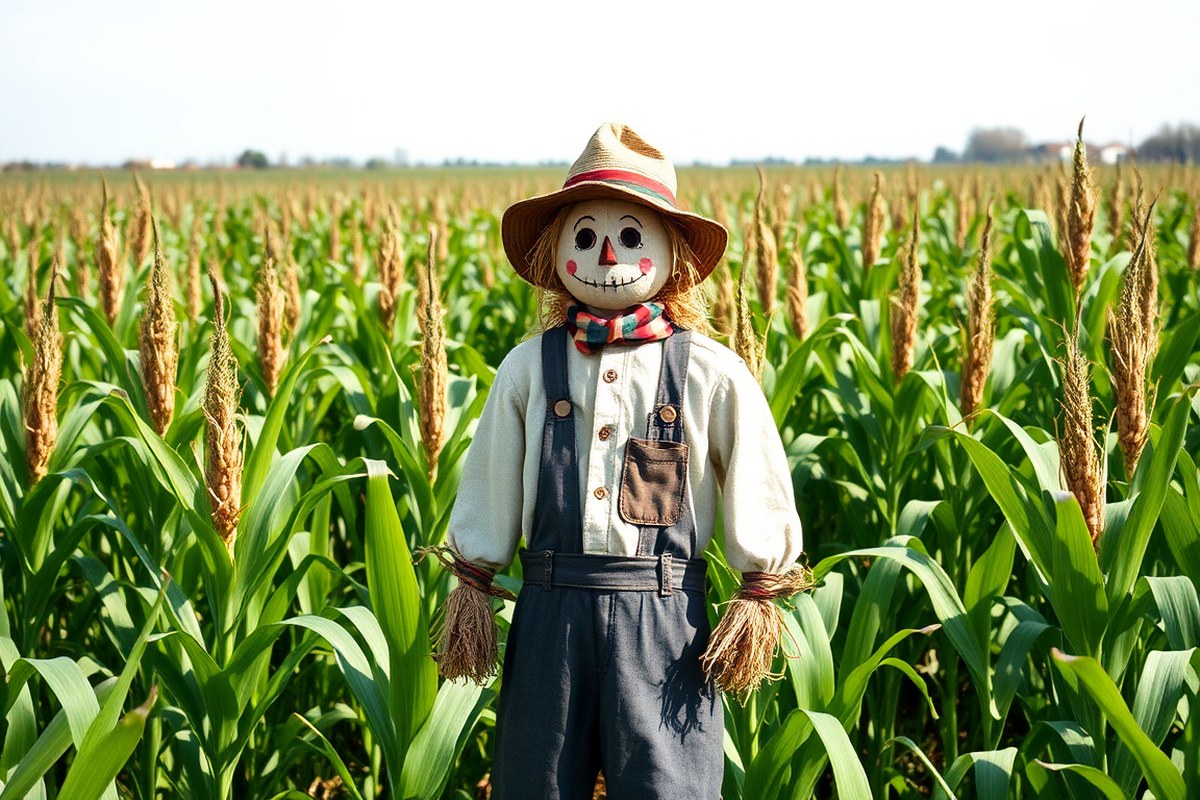
What Is Scarecrow: A Complete Guide to History, Types, and Effectiveness
What is scarecrow? It is a figure placed in fields to scare away birds.
Its main goal is to protect crops from being eaten or damaged. Scarecrows work because they look like a human presence to birds and pests.
To be effective, a scarecrow should be placed where birds gather most. Moving it occasionally helps keep birds from getting used to it. Birds quickly learn to ignore a scarecrow that never changes position.
Common materials include old clothes, straw, and wood for framing. You can easily build one using items you already have at home. The figure needs to look roughly human and change enough to frighten birds away.
Adding reflective objects or noise makers can improve its effectiveness further. Even simple additions like aluminum foil strips can help scare birds. Regularly maintaining the scarecrow keeps it doing its job well over time.
Key Takeaways
- Place scarecrows near vulnerable crops like corn, berries, and grains.
- Use clothing and straw to create a human-like shape for your scarecrow.
- Move or reposition your scarecrow regularly to keep birds wary.
- Replace worn materials each season to maintain the scarecrow’s appearance.
- Target specific bird types, like crows for corn or sparrows for grains, with your scarecrow design.
- Position scarecrows early in the season, before birds become a major problem.
What Is a Scarecrow and Its Primary Purpose
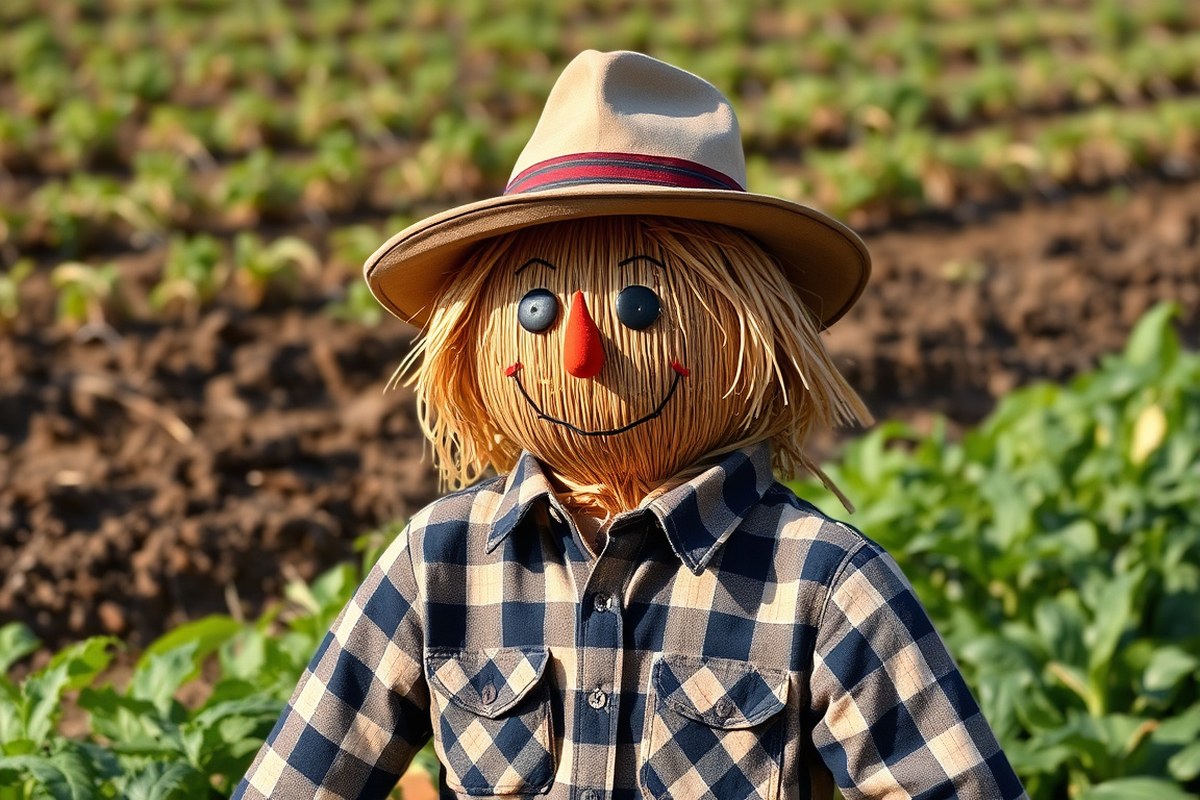
A scarecrow is a human-like figure placed in fields or gardens. Farmers use it to keep birds and other animals away from their crops. It looks like a person to fool pests into thinking someone is nearby.
The main purpose of a scarecrow is to protect crops from hungry birds. Birds like crows and sparrows can quickly eat seeds and damage young plants. Scarecrows act as a visual warning, scaring away these animals before they can do harm.
Besides birds, scarecrows can also help deter small mammals such as rabbits or deer. These animals are attracted to tender vegetables and fruits. Seeing a scarecrow often makes them stay away, giving the plants a better chance to grow.
This tool dates back about 3,000 years, with farmers using them to guard fields. They are a low-cost option compared to fences or chemicals. You only need simple materials like sticks, old clothes, and straw to build one.
Setting up a scarecrow involves placing it where animals usually enter the field. A spot with good visibility is best so the figure can be spotted from far away. Moving or changing the scarecrow’s position sometimes helps keep animals from getting used to it.
Although scarecrows are simple, they perform psychological work by making pests feel watched. This “psychological warfare” discourages animals without using harm.
Over time, some animals may ignore it. So farmers sometimes add noise or shiny tape to improve results.
How Scarecrows Work to Deter Birds and Pests
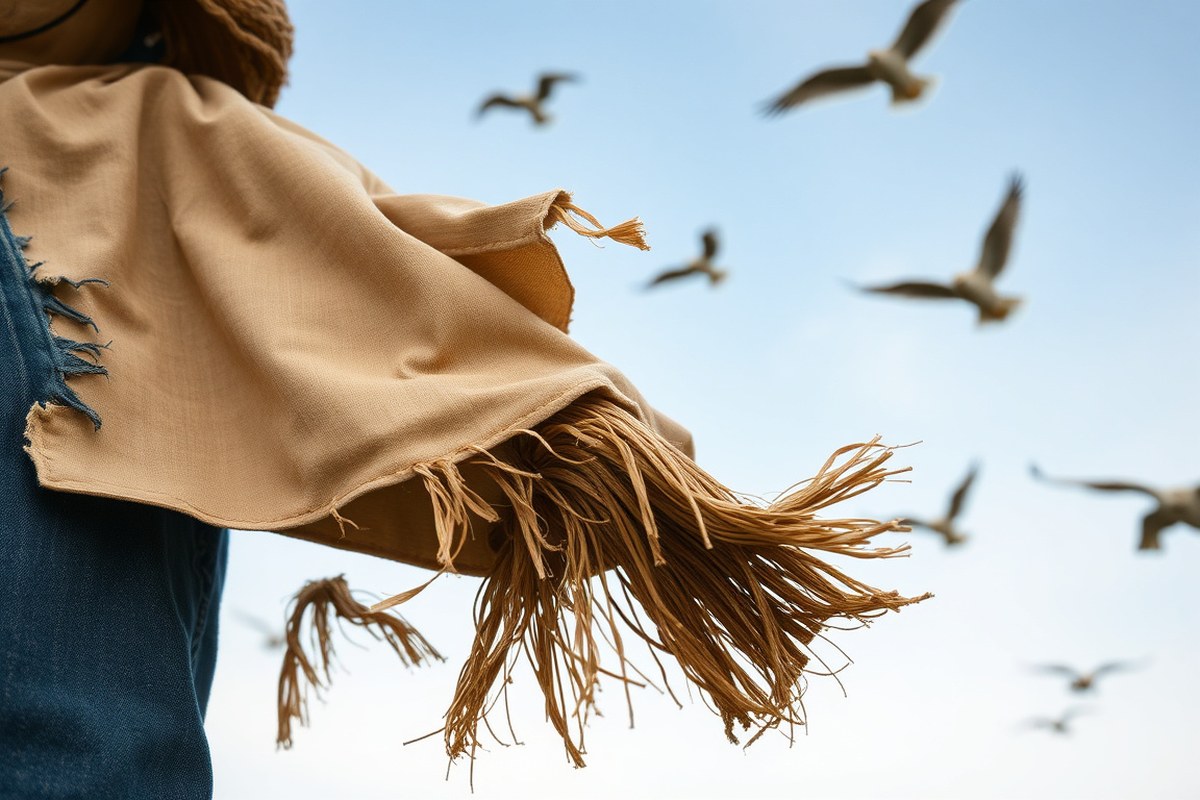
Scarecrows work mainly by using the sense of sight to scare birds away from crops. Birds see the figure as a human or predator standing guard.
The old clothes, hat shapes, and upright posture mimic a person’s shape and presence. This triggers birds’ natural caution, making them avoid the area to stay safe.
Besides the human form, scarecrows sometimes include shiny or moving parts to add extra warning signals. For example, ribbons or reflective tape flutter when the wind blows. These flashes catch birds’ eyes.
They make birds more alert. Birds then stay away from the field.
You can add movement by moving the scarecrow every few days. This stops birds from getting used to it.
Human scent on the scarecrow’s clothes helps scare birds away a little. The smell can make birds hesitate.
Animals sense this odor and associate it with people, who might chase them away. Still, this smell fades over time, so it doesn’t work long without refreshing.
| Bird Perception Cues | Static Scarecrow Features | Dynamic Scarecrow Features |
|---|---|---|
| Visual shape of human figure | One fixed figure wears old clothes and hat | Rotated or replaced figures; changed clothes |
| Movement | No movement, stays in same spot all season | Moved every 3, 7 days to appear alive |
| Reflective and fluttering signals | None or few | Uses ribbons, reflective tape, or moving parts |
| Human scent | Clothes with human smell worn once | Regularly refreshed scent; new clothes added |
| Bird reaction | Birds get used to it and perch nearby | Birds remain cautious and avoid the area |
Birds sometimes ignore scarecrows because they quickly learn the figure causes no real harm. The static, still shape does not move or behave like a real person. Birds get used to the scarecrow if it doesn’t change for weeks.
They feel safe landing and feeding nearby. This loss of fear limits the scarecrow’s effectiveness.
Using a scarecrow alone may only keep birds from a few acres at best. Larger farms use scarecrows with shiny objects or sound-makers. These extra methods help keep pests away.
Change the scarecrow’s look and area often. This keeps birds unsure and cautious about it.
Keep your scarecrow moving and update its clothes weekly to avoid birds getting used to it.
Common Types of Scarecrows and Their Materials
Scarecrows come in different types, from traditional straw figures to high-tech models. Each design uses different materials and works in unique ways.
Knowing how they differ by cost and use will help you decide. Choose the one that fits your garden or farm needs.
Traditional Straw Scarecrows
Traditional scarecrows are simple figures stuffed with straw and dressed in old clothes. They mimic a human shape to scare birds away.
These scarecrows usually have wooden frames with cloth or burlap bodies. Farmers often find these materials easily at home.
Making one costs about $10 to $30, depending on materials. They are easy to build and maintain but don’t move.
So birds can get used to them quickly. Their strength lies in being a low-cost, stationary bird deterrent for small plots or vegetable gardens.
Reflective and Visual Deterrents
Reflective scarecrows use shiny tape, CDs, or mirrors to frighten birds with flashes of light. These simple materials cost under $20 and can work alongside traditional scarecrows. They add an element of movement when the sun hits them, which increases their effectiveness.
They don’t need batteries or power, making them low tech and easy to set up. However, they only work in sunny conditions and may lose effectiveness on cloudy days.
These scarecrows work well during the day to scare some pests. But they don’t keep all kinds of pests away.
Motion-Activated and Electronic Models
Modern scarecrows often have sensors that detect motion and trigger noise, lights, or movement. Prices start near $50 but can rise to a few hundred dollars.
Cost depends on features like ultrasound or flashing lights. They actively scare birds and pests by startling them with sudden changes.
These models require batteries or solar power and some electronic know-how to set up. They suit places where bird issues happen often and need upkeep. Sensors and power must be checked and kept working well.
Sometimes, animals can get used to the noises. So moving or upgrading the device every few weeks helps.
| Type | Mechanism | Cost Range ($) | Weaknesses |
|---|---|---|---|
| Traditional Straw | Static human form | 10, 30 | Birds habituate quickly, no movement |
| Reflective Visual | Shiny surfaces reflect light | Under 20 | Limited to sunny days, no noise |
| Motion-Activated Electronic | Noise, lights triggered by motion | 50, 300+ | Needs power, maintenance, habituation risk |
Factors That Affect a Scarecrow’s Effectiveness
Scarecrows work because birds see them as threats. But birds quickly figure out a scarecrow doesn’t move, so they lose fear. This is called habituation, birds realize the scarecrow poses no real danger after days or weeks.
Placement matters a lot. Putting one scarecrow just in the middle of a large field leaves edges unprotected. Birds will target those corners or sides first, ignoring the scarecrow’s presence.
To keep birds guessing, you need to move your scarecrow every few days. Moving it resets how birds interpret threats. This simple tactic can extend the scarecrow’s usefulness.
- Use wind-blown sleeves or loose clothing for erratic movement.
- Add reflective ribbons to flash light and confuse birds.
- Wear tattered clothing to break up the scarecrow’s outline.
- Move the scarecrow every 3 to 5 days to prevent habituation.
- Place multiple scarecrows around edges, not just center.
- Choose open spots with good visibility, avoiding sheltered corners.
These tips create the illusion of a living threat. Erratic sleeves look like reaching arms.
Flashing reflections simulate sudden, unusual activity. Ripped clothing hides the shape so birds hesitate.
Costs vary: reflective tape might cost $5 for a 25-foot roll. Crafting sleeves from old sleeves or fabric scraps is usually free. Moving the scarecrow every few days only takes minutes but pays off with fewer bird visits.
Strategies to Improve and Maintain Scarecrow Efficiency
Keeping your scarecrow effective means moving it often, adding surprises, and fixing it regularly. These methods stop birds and pests from getting used to it. Following simple steps will help your scarecrow protect your crops longer.
Regular Relocation and Movement
Move your scarecrow every two to three days within your garden or field. Changing its location confuses birds, making them less likely to ignore it. Shift it around different areas to cover the whole crop.
Adding slight physical movement boosts its effect. Fix a loose arm or hang reflective tape on strings so it sways with the wind. Even small, natural motions attract attention and increase unpredictability.
Adding Visual and Auditory Stimuli
Bright colors and sparkling objects increase your scarecrow’s power. Add old CDs, ribbons, or shiny foil pieces that flutter in the breeze. Reflective materials catch sunlight and bounce light, startling pests.
Use sound carefully. A recorded hawk scream or a sudden bang can scare birds away. Devices that pop air bursts or flash LED strobes help a lot.
Birds feed most early morning or late afternoon. These devices work best during those times.
Seasonal Maintenance and Repairs
Check your scarecrow weekly for wear and tear. Repair worn clothes, restuff the body, and fix broken limbs. Replace faded parts to maintain a lifelike look.
Refreshing your scarecrow’s outfit using old clothes can also fool birds better. Throw in a hat or sunglasses for extra human-like details. Regular cleaning avoids spider webs and bugs that ruin the illusion.
Follow these steps to set up and maintain an efficient scarecrow:
- Pick a visible spot near threatened plants but safe from weather damage.
- Dress the scarecrow with bright, worn clothes and add reflective items.
- Install any sound or light devices on or near the scarecrow.
- Secure the scarecrow firmly to avoid tipping during wind.
- Move the scarecrow to a new nearby location every 2-3 days.
- Observe its effect on pests and adjust decorations or sounds as needed.
- Inspect your scarecrow weekly, repairing clothes, limbs, and replacing accessories.
Changing your scarecrow’s position regularly prevents birds from becoming used to it.
A Historical Timeline of Scarecrows Across Cultures
Scarecrows first appeared thousands of years ago, with ancient Egyptians using reed figures along the Nile. Farmers placed these early figures in fields to protect crops from birds. The first use of “scarecrow” in English was in the 1500s.
Records show it appeared between 1545 and 1555. This shows scarecrows have a long history in Europe.
Over time, scarecrow designs changed in line with local materials and beliefs. In ancient Greece, scarecrows took symbolic and divine roles, not just practical use. Japan’s kakashi scarecrows are made from straw.
They often wear traditional clothes to reflect local culture. They also connect to farming practices.
Throughout Europe, traditions included burning scarecrow effigies during harvest festivals. These acts mixed scarecrow use with ritual and celebration beyond crop protection alone. Native American groups had their own scarecrow versions.
These tied closely to the land and local wildlife. This shows scarecrows differ worldwide.
Today, scarecrows appear in fall festivals across the United States and the United Kingdom. Communities create artistic scarecrows to celebrate history rather than merely scare birds. Scarecrows appear in stories like Nathaniel Hawthorne’s “Feathertop.”
This tale shows a scarecrow coming to life. It reveals scarecrows’ roles beyond farming.
Scarecrows evolved from simple crop protectors to cultural symbols. Their materials range from reeds and straw to old clothes and wood. To place a scarecrow, dress a frame with materials.
Then set it in open fields or gardens. This helps keep birds away effectively.
Following local traditions affects a scarecrow’s look and use. Some festivals and regions design scarecrows with bright faces or funny poses. This approach connects people with farming history while keeping the scarecrow’s practical or artistic role alive.
Scarecrows in Culture, Festivals, and Literature
Scarecrows are more than farm tools. They have a place in festivals, stories, and decorations.
In autumn, many farming communities in the U.S. And Britain celebrate scarecrow festivals. These events often link to the harvest season, highlighting local farming traditions and community creativity.
In England, the villages of Cotherstone, Staindrop, and Middleton-in-Teesdale hold annual scarecrow festivals. These draw crowds who enjoy seeing scarecrows made in unusual or artistic ways. People use these festivals to honor rural heritage and bring neighbors together before winter.
Scarecrows also appear in stories and folktales, symbolizing protection or harvest blessings. They might represent figures who watch over fields or even ghosts and spirits in some cultures. This storytelling aspect gives scarecrows a role beyond their physical use in farming.
- United Kingdom hosts dozens of scarecrow festivals every year in farming villages
- U.S. Farming communities often celebrate scarecrows during local harvest events
- Scarecrows appear in children’s books and Halloween stories as harvest symbols
- Autumn decorations frequently combine scarecrows with gourds, pumpkins, and leaves
- Scarecrow festivals usually feature crafting contests and public displays
Decorating with scarecrows is common around Halloween and harvest time. You can find scarecrow lawn ornaments or build simple ones from old clothes and straw. Combine them with pumpkins and corn stalks to get a classic autumn look.
Making your own scarecrow for decoration is cost-effective and fun. Old clothes, straw, wood, and string typically cost under $20. Set one up on your porch for a festive feel.
Put it in the garden too. It brightens October and November.
How to Build, Place, and Use a Scarecrow Effectively
Building and placing a scarecrow takes a few key materials and smart choices. You need a sturdy frame, clothes, and a spot where birds first see it. Keeping it updated stops birds from getting used to it and ruining your crops.
Gathering Supplies and Materials
Use materials that are easy to find and weather resistant. Use a wooden or metal cross to build the frame. It helps the scarecrow stand firm in strong wind and rain.
This support keeps it upright for longer. Old clothes and straw work well for stuffing to give the scarecrow a human shape.
Find a hat and gloves to make it look more like a person. Using bright colors or shiny objects can scare birds better. Supplies usually cost $10 to $30.
You can find them at a thrift store or use leftover materials from home. This keeps your budget low.
Building the Scarecrow Frame
Start by joining two sturdy sticks in a cross shape about 5 to 6 feet tall. This height helps the scarecrow appear human-sized and visible to birds. Tie the sticks tightly with twine or wire for stability.
Stuff the old clothes with straw or leaves to fill out the arms and legs. Attach the clothes firmly to the frame so no stuffing falls out with wind or rain. Place the hat on top and add gloves and boots to complete the look.
- Cut one stick 6 feet and another 3 feet.
- Tie the shorter stick horizontally on the taller stick 4 feet from the bottom.
- Dress the frame with shirt and pants, loosely stuffed.
- Secure the clothes with twine through sleeves and pant legs.
- Place a hat on top and gloves on the ends of sleeves.
- Optionally, tie shiny ribbons or hang reflective tape.
- Plant the bottom 1 foot of the frame deeply in soil.
Choosing the Ideal Location
Put the scarecrow near the garden edges where birds first land or fly over. It should face areas with young crops or seeds recently planted. Changing its position every 3 to 5 days keeps birds from ignoring it.
Pick a spot in full sun to keep the materials dry and visible. Avoid locations blocked by tall plants or trees, as birds can sneak in from behind. Try placing it close to where birds are most active.
Move the scarecrow regularly; crows learn it is fake if it stays still.
Maintaining and Updating the Scarecrow
Check the scarecrow weekly for wear or damage after rain or strong wind. Replace old clothes or straw stuffing as needed to keep a realistic appearance. Brighten dull colors with washable paint or add new shiny bits.
Every few weeks, switch the scarecrow to a new location inside your garden. This prevents birds from growing used to one spot. Consider adding motion by hanging small noisy objects to increase its scare effect.
Step-by-Step Action Plan to Set Up Your Scarecrow
Follow these steps to build your scarecrow for your garden. Place it in a good spot where it can scare birds. Keep it in shape so it works well all season.
- Before you start: Choose materials like old clothes, straw, and a sturdy frame. Make sure the clothes are weather-resistant.
- Day 1: Build your scarecrow by stuffing clothes with straw or leaves. Attach it to a tall post firmly stuck in the ground.
- Day 2: Place the scarecrow near high-risk crops where birds often gather. Watch the area for a couple of hours to check visibility.
- Week 1: Add movement by hanging shiny objects or tying fabric strips to catch the wind. Confirm birds keep their distance over this week.
- Week 2: Change the scarecrow’s position or outfit slightly to avoid birds getting used to it. Note if pest activity reduces after changes.
- Monthly: Inspect the scarecrow for damage and replace worn parts. Make sure it still looks human-like and stands upright.
- After 2 months: Observe if you need to add new features like noise-makers or lights. Track how the pest visits shift with these additions.
Frequently Asked Questions
What Is a Scarecrow Traditionally Made Of?
A traditional scarecrow is usually made of old clothes stuffed with straw. This gives it a human shape to scare birds away.
Do Scarecrows Work on All Types of Pests?
Scarecrows mainly scare birds but do not stop all pests. Mammals like deer often ignore them. You might need other pest control for those.
Why Do Some Scarecrows Wear Hats or Bright Clothes?
Hats and bright clothes help scarecrows look more human. This tricks birds into thinking someone is nearby. Changing clothes often keeps birds from getting used to them.
Can Scarecrows Be Harmful to Wildlife?
Properly made scarecrows usually don’t harm wildlife. They just look like humans to birds. Avoid using chemicals or traps with scarecrows to stay safe.
How Long Does a Scarecrow Stay Effective in a Garden?
A scarecrow can work for weeks but often loses effect over time. Birds get used to it, so moving or changing it helps. Regular updates keep it working longer.
What Cultural Significance Do Scarecrows Have Besides Pest Control?
Scarecrows often symbolize harvest, protection, and folk stories. Festivals in places like Scotland celebrate these meanings with fun contests. They can be community art as much as tools.
Wrapping Up
A scarecrow can protect your crops by making birds and pests think twice. Start by building one with simple materials you have around. Keep an eye on its effect and adjust as needed to keep your garden safe.