How to Use Diatomaceous Earth for Pest Control: Simple Steps for Fast, Safe Results
How to use diatomaceous earth for pest control is simpler than you’d think. Just apply a thin, dry layer where pests travel or hide. It works by drying out insects over 12 to 24 hours, which stops pests without chemicals.
Start with small amounts along baseboards, carpets, or garden beds. Reapply every 2 to 3 weeks during pest season to keep bugs away. Make sure to choose food-grade diatomaceous earth for safety around pets and kids.
Apply it on windless, dry days so it stays where you put it. Keep pets off treated spots for at least 4 to 6 hours to avoid irritation. You’ll see fewer bugs in 3 to 5 days and can vacuum after a few days.
Key Takeaways
- Use food-grade diatomaceous earth indoors to make sure it’s safe for family and pets.
- Apply a thin, even layer to pest-prone areas like baseboards and under furniture.
- Pick calm, dry days with no forecasted rain for the best application results.
- Keep pets away from treated areas for 4 to 6 hours after application.
- Expect pests to die within 12 to 24 hours after contact with diatomaceous earth.
- Reapply diatomaceous earth every 2 to 3 weeks during peak pest seasons.
How to Apply Diatomaceous Earth for Pest Control Effectively
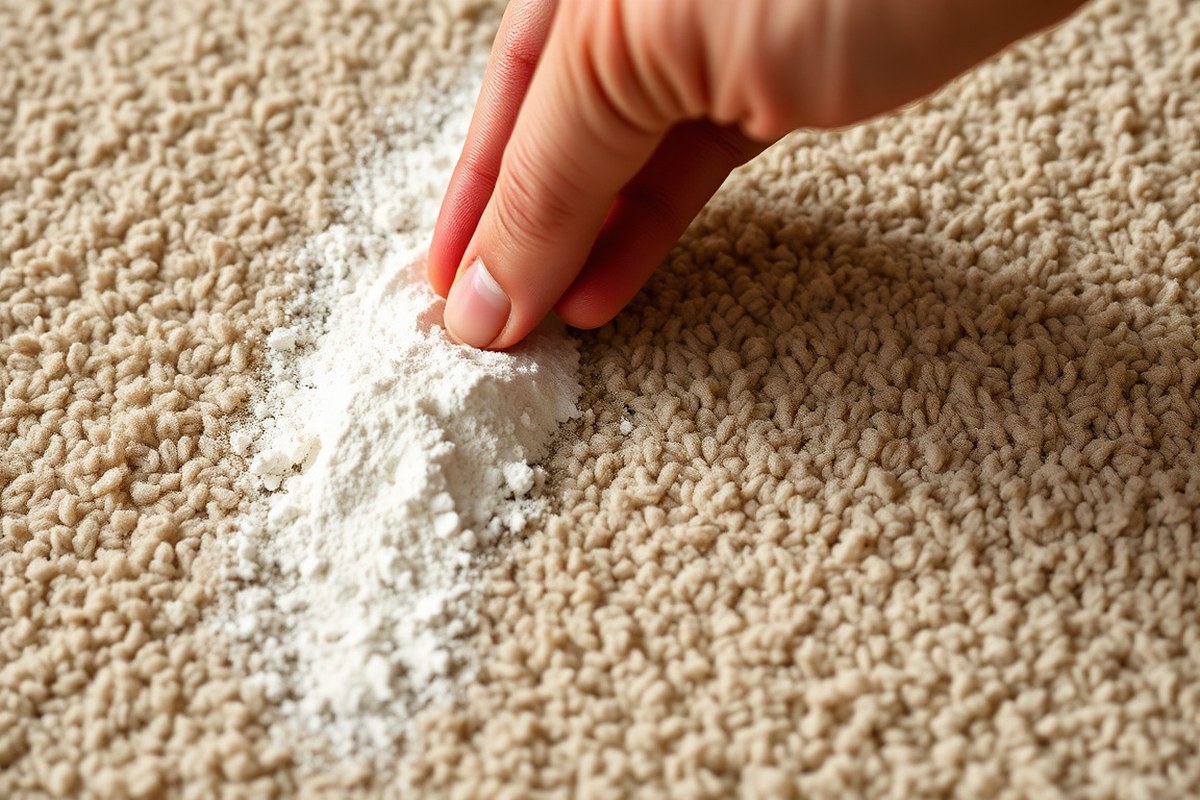
Applying diatomaceous earth well means placing it where pests travel. Use a thin, dry layer so it sticks but stays active. Dusting cracks, baseboards, and entry points traps insects without wasting material.
Tools help spread the powder evenly. A duster or shaker bottle works best to avoid clumps.
You want just a fine layer. Wet or thick piles reduce its pest-killing power.
Focus on common pest zones indoors and outdoors. Look at baseboards, window and door frames, under sinks, and around pet bedding.
Outside, treat garden beds, patios, and near foundation cracks. Keep it dry for weeks, reapplying as needed.
- Clean the area to remove dirt and debris. This helps diatomaceous earth stick and work better.
- Put on a dust mask to avoid breathing in the fine powder.
- Fill a duster or shaker with food-grade diatomaceous earth.
- Apply a thin, even layer along baseboards, window sills, and door frames indoors.
- Sprinkle along garden beds, patios, or cracks in outdoor walls and foundations.
- Avoid applying to wet surfaces or directly before rain, since moisture reduces effectiveness.
- Check pest-prone areas once a week and reapply every 2 to 3 weeks during peak seasons.
- Keep pets’ bedding and play areas dusted lightly. But do not overapply to keep pets comfortable.
The whole process usually takes about 10 to 30 minutes, depending on your home size. One pound of diatomaceous earth covers about 300 to 400 square feet.
It costs around $10 to $20 for a basic supply. This amount suits small to medium garden areas well.
Good results show fewer insects within one to two weeks. Check the layer is thin and dry. Make sure it’s on spots with pest activity.
Look again if you don’t see any change. Thick piles or dampness can block its effectiveness.
Which Type of Diatomaceous Earth Is Safe and Best for Pest Control?
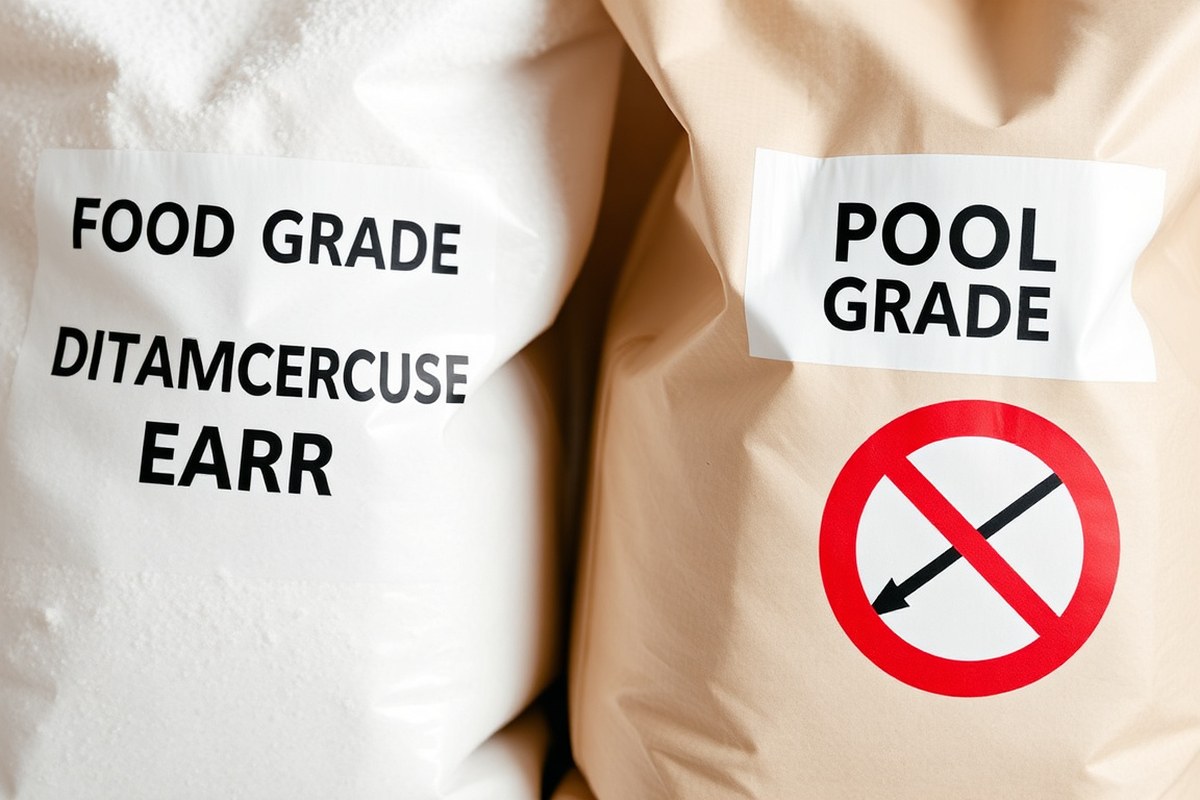
For safe pest control, use only food-grade diatomaceous earth (DE). It contains less than 1% crystalline silica and is non-toxic for humans and pets. Avoid pool-grade DE, which is hazardous and not meant for this use.
Food-Grade Diatomaceous Earth Features
Food-grade diatomaceous earth is minimally processed and purified. This keeps the crystalline silica level very low, making it safe around your family and pets. You can use it indoors and outdoors without worry if applied properly.
This type is often sold as feed-grade DE at garden centers or local feed stores. It controls pests naturally without chemical toxins. Although safe, wearing a mask during application helps avoid breathing in dust.
Pool-Grade Diatomaceous Earth Risks
Pool-grade DE is heat-treated through a process called calcining. This changes the crystalline silica structure to a high concentration that is toxic if inhaled. It’s meant only for pool filtration and should never be used for pest control.
Inhaling pool-grade DE dust can cause serious lung damage. Using it in your home or garden increases health risks to you, children, and pets. It’s not safe to handle without heavy protective gear.
| Feature | Food-Grade DE | Pool-Grade DE |
|---|---|---|
| Processing | Minimally processed, purified | Calcined under high heat |
| Crystalline Silica Content | Very low <1% | High |
| Safe as a Pesticide | Yes | No |
| Main Use | Pest control, garden | Pool filtration |
Check the label carefully before you buy DE. Make sure it says “food-grade” or “feed-grade” and lists safe use around pets and humans. Avoid any product labeled “pool-grade” or “filter-grade” as these are not safe for pest control.
How to Identify Quality Food-Grade DE
Look for certifications like OMRI listed for organic use. These products meet careful safety requirements. They usually contain less than 1% crystalline silica, safe to use around kids and pets.
Good food-grade DE comes in fine powder form, often white or off-white. It should not cause irritation if handled correctly. Wearing a dust mask is still advisable during spreading to avoid inhaling particles.
Avoid breathing the dust by wearing a mask when applying any type of DE.
How Diatomaceous Earth Kills Pests and What to Expect
Diatomaceous earth kills pests by physically damaging their outer shell. This powder is made of tiny fossilized remains of diatoms.
When insects come in contact with the sharp edges, the powder scratches their exoskeleton. It absorbs oils and moisture, causing the pest to dry out and die.
The drying effect usually causes pests to die within 12 to 24 hours. Some insects might take up to 72 hours to fall. Death depends on direct contact and the amount of powder present.
Unlike chemical pesticides, DE doesn’t poison but kills through dehydration. You’ll see dead insects near treated areas after a day or two.
To check if DE is working, look for fewer pest sightings within 3 to 5 days. Notice a drop in droppings and damage on plants or surfaces. Also, dead bugs should appear near where you applied the powder.
Keep an eye on the powder itself. It should stay dry and undisturbed to remain effective. When it gets wet or washes away, reapply the treatment.
Results vary with the pest type and the amount of DE used. For example, pests with hard exoskeletons like ants die faster than soft-bodied pests.
Timing your applications to match pest life cycles improves control. You want to apply DE when pests are active so they walk through the powder.
Good results show in about one week. You’ll see fewer pests. Damage to plants will also drop steadily.
Sometimes DE isn’t working because it got damp or wasn’t spread thick enough. Pests may avoid places with loose powder if it’s too thick, so balance coverage. Monitoring and adjusting your application helps improve outcomes.
Environmental Factors and Pest Behavior Impacting DE Effectiveness
Diatomaceous earth (DE) works best when dry because moisture reduces its pest-killing power. DE is a fine powder made of fossilized diatoms.
When wet, it clumps and loses its ability to cut through pest exoskeletons. Rain, heavy dew, or high humidity can all make DE less effective outdoors.
Apply DE on windless days with no rain expected for at least 24 to 48 hours. This timing gives the powder time to stay dry and stay active.
Rain after you apply DE means you need to reapply once dry. In planting beds, reapplying DE after rain can keep pests from crawling onto your plants.
Humidity over about 70% can soften DE’s sharp edges, which also lowers how well it works. In humid areas, apply DE after morning dew dries.
Use late afternoon too. This lets the powder stay dry longer and stay effective.
Pests like ants and beetles often travel along set paths. Sprinkle DE in those routes to maximize contact. Use a duster or puffer bottle to put a thin but visible layer.
Thicker spots trap more pests but cost more powder and can clump if damp. For planters, apply a thicker band of food-grade DE around the edges to block crawling pests.
DE doesn’t last long outside. You must apply it more than chemicals. The cost is low, about $10 to $20 per 5 pounds.
So repeat treatments after heavy rain are affordable. Dry powder must cover pest zones well. Pests must touch it when active.
Watch for clumps or dissolving powder as signs it’s time to redo the application. DE remains safe and natural. It doesn’t harm soil or water over time.
Using Diatomaceous Earth Indoors vs. Outdoors: Key Differences
Diatomaceous earth (DE) works well both indoors and outdoors. But each setting needs a different approach.
Indoors, focus on placing DE in dry, hidden spots to avoid inhalation risks. Outdoors, dust it lightly on soil and plants, avoiding windy or sunny conditions for best results.
Indoor Application Areas to Target
Spread diatomaceous earth in cracks and crevices along baseboards and window sills. Use a duster or a recycled powder container to puff DE gently without creating a cloud.
Carpet edges and pet bedding also attract pests. So sprinkle a thin layer there carefully.
Keep DE away from places where pets or kids play or roam. They can disturb or track it around inside the house. Place it in spots where it won’t get moved easily.
Avoid applying it heavily to open floor spaces, which can cause dust inhalation. A light, precise application near typical pest paths is enough to create an effective barrier.
Outdoor Usage Tips and Areas
Spread a thin coat of food-grade DE near your garden plant bases. Lightly cover the soil to reduce pesky insects and protect plants. Do this early morning or late evening to avoid pollinating bees.
Gentle winds at these times also stop the dust from drifting off. A garden duster helps spread DE evenly and saves product.
Creating a perimeter around your home foundation helps block pests from entering indoors. Don’t apply DE when plants are flowering or when it’s windy. These conditions can spread dust and harm helpful insects.
Stick to calmer, non-flowering times for best results. Re-apply after heavy rain once the area dries completely to maintain pest control.
Protecting Pets and Children
Use only food-grade diatomaceous earth to ensure safety for kids and pets. Keep pets and kids away from DE-treated spots while applying it. Wait at least 4 to 6 hours before letting them back.
This prevents accidental contact with the dust. This helps prevent them from inhaling dust or tracking it throughout the house.
After treatment, vacuum or wipe surfaces lightly to remove loose DE from places pets touch often. Store DE in sealed containers to avoid spills and keep it out of reach. These steps reduce accidental contact while still controlling pests effectively.
Apply DE when the air is still to prevent it from drifting and protect your family.
Common Mistakes with Diatomaceous Earth and How to Fix Them
Applying too much diatomaceous earth (DE) at once won’t kill pests faster. Over-application wastes product and can make the powder clump. Clumps reduce contact between pests and DE, cutting its effectiveness.
Uneven spreading can leave pest hotspots untreated. Using a shaker or duster helps spread DE finely and evenly. Focus on cracks, corners, and areas where pests travel or hide.
Many people forget to keep DE dry. Moisture ruins DE’s ability to damage pest exoskeletons. Avoid applying it before rain, watering, or in damp spaces.
- Use a dust applicator or fine sieve for even layers
- Only apply a thin, visible layer, usually 1/8 inch or less
- Reapply after heavy rain or watering if used outdoors
- Wear gloves and a mask to protect skin and lungs
- Keep pets and children away during application
- Store unused DE in a dry, sealed container
- Check and follow all label safety instructions
Not protecting your skin and lungs can cause irritation. DE is very absorbent and dries skin fast. Use gloves and a dust mask every time you apply it.
Pets can also inhale or get DE on their fur. Keep pets out of treated areas until the dust settles. Sweep or vacuum leftover DE indoors after a few days to reduce airborne particles.
Applying DE in high humidity or during rain stops it from working. Only apply when surfaces are dry and no rain is expected for 24 hours. Indoors, use DE in dry places like baseboards and closets.
Following these tips helps avoid common mistakes. You spend less product, keep yourself safe, and improve DE’s pest control power. It takes a few minutes to do it right and can keep pests down for weeks.
Safety Precautions and Best Practices for Handling Diatomaceous Earth
To use diatomaceous earth (DE) safely, protect yourself, your family, and pets during and after application. Avoid breathing in the dust. Wear protective gear when applying it.
Keep people and animals away from treated areas. Let the dust settle fully before returning to those areas.
Personal Protective Equipment Recommendations
Wear an N95 mask when applying DE to prevent inhaling fine dust particles. Avoid cloth masks, as they do not filter smaller particles well enough. Use gloves to stop skin dryness or irritation caused by DE.
Apply DE in well-ventilated spaces to limit dust buildup in the air. Open windows or use fans during and after application. After finishing, wash your hands and any clothes that have been dusted.
Pet and Child Safety Guidelines
Only use food-grade diatomaceous earth when you have pets or children at home. This type is much safer and less toxic than pool-grade DE. Keep children and pets out of the rooms.
Wait two to three hours after applying dust. Only let them back after this time.
Do not apply DE directly to your pets without advice from a veterinarian. Although it can help control fleas, improper use may cause irritation or breathing issues. Let the dust settle completely before allowing pets inside.
This usually takes 30 minutes to a few hours. Watch the area to be sure it is dry.
Safe Storage and Handling Tips
Store DE in sealed, airtight containers to prevent moisture contamination and accidental spills. Place containers on high shelves or locked cupboards away from children’s and pets’ reach. Dry storage keeps DE effective and reduces the risk of clumping.
Read all product labels carefully before use and follow all safety instructions provided. Keep DE away from food-prep areas or dishes to avoid unwanted contamination. Handle the product gently to minimize dust clouds during transfers or applications.
When to Consider Professional Pest Control Instead of DIY
Diatomaceous earth works well for small to moderate pest problems, but it has limits. It won’t solve heavy infestations where pests hide deep in walls or floors. You may still see pests after using DE for several days.
This shows you might need to call a professional. Don’t wait too long to get help.
Pests like bedbugs, termites, and carpenter ants often need professional help. These pests build nests inside structures, making DIY DE treatments less effective. A pest expert uses specialized tools and treatments to reach pests that DE can’t touch.
To decide if you need professional control, watch the pest situation closely. Apply DE indoors and leave it for 3 to 4 days.
For heavy infestations, extend this to 7 to 10 days. Pests that keep coming back or new bites mean it’s time to get help.
Also, check the pest type carefully. Can’t figure out what pest you have? A pro can help you.
They know which treatments work best. Misidentifying pests often leads to failed treatment and wasted time.
Heavy infestations show signs like seeing pests all the time. You may notice new bites on your skin at night. Wood or plants might have visible damage too.
Seeing these signs means DE won’t be enough to fix the problem. Professionals may use stronger insecticides or heat treatments that kill pests where DE can’t reach.
Consider cost and time too. DIY with DE costs under $30 for a good supply.
Hiring pros can cost hundreds or more but saves effort and stops pests faster. For severe bedbug or termite problems, the investment is usually worth it.
Remember, diatomaceous earth stops working when wet. So don’t expect it to control pests after rain without reapplying.
Step-by-Step Action Plan for Using Diatomaceous Earth
Follow these steps to start pest control with diatomaceous earth (DE) safely and effectively.
- Before You Start: Choose food-grade DE for safety. Avoid pool-grade products not meant for pest control.
- Day 1: Clean the area showing pests. Remove clutter and dry surfaces so DE sticks better.
- Day 2: Lightly dust DE on pest-prone spots like cracks, corners, and garden beds. Check for even coverage.
- Day 3: Spray around DE-treated areas to keep the environment dry. DE works best when dry.
- Week 1: Monitor pest activity daily. Look for fewer bugs and insect trails.
- After 2 Weeks: Reapply DE if it has washed away or looks damp. Keep pest pressure low with routine dusting.
- Ongoing: Use DE along with other natural methods like planting pest-repellent herbs. Combined efforts improve results.
Frequently Asked Questions
Can Diatomaceous Earth Harm Beneficial Insects?
Yes, it can harm beneficial insects like bees and ladybugs. Use DE carefully and only where pests are a problem to protect helpful insects.
Can I Use Diatomaceous Earth Around Pets Safely?
Food-grade diatomaceous earth is safe around pets when used properly. Avoid applying it in their eyes or nose, and keep the area well-ventilated.
How Often Should I Reapply Diatomaceous Earth for Pest Control?
Reapply DE after heavy rain or if it gets wet. It usually lasts a few weeks when dry, depending on environmental conditions.
Can Diatomaceous Earth Control Bed Bugs Effectively?
DE can help reduce bed bugs but works slowly and requires thorough application. Combine with other methods for best results.
Is It Safe to Breathe Diatomaceous Earth Dust During Application?
Breathing DE dust can irritate lungs even if it’s food-grade. Wear a mask and apply carefully for safety.
Can Diatomaceous Earth Be Used on Plants to Repel Pests?
Yes, applying DE as a thin layer on plant leaves and stems can repel pests. Avoid wet coatings to keep it effective.
Key Points to Remember
Diatomaceous earth is a practical way to reduce pests without harsh chemicals. Apply it carefully and keep it dry for the best results.
Start by getting some food-grade DE. Apply it to your problem spots today.