How to Grow Asiatic Lilies: Complete Steps and Expert Tips for Vibrant Blooms
How to grow Asiatic lilies successfully starts with choosing well-draining soil and a sunny spot. These lilies need about six hours of sunlight daily to bloom bright. Plant their large bulbs 5 to 6 inches deep in loose soil for best root growth.
Water Asiatic lilies moderately, making sure the soil is moist but not soggy. Asiatic lilies grow best between 60 and 75°F. They need some afternoon shade in hot places.
This helps them stay healthy and bloom well. Avoid overwatering to prevent bulb rot.
Staking tall varieties, like the orange ‘Enchantment,’ helps keep stems upright in wind or rain. Use slow-release fertilizer when planting, then feed every two weeks during summer with a high-potassium option. This supports strong growth and vibrant blooms.
Key Takeaways
- Choose a planting spot with at least six hours of sunlight daily.
- Plant Asiatic lily bulbs 5 to 6 inches deep in loose, well-drained soil.
- Water moderately, keeping soil moist but never soggy to prevent rot.
- Stake tall lilies, especially those reaching up to 4 feet like ‘Enchantment.’
- Use slow-release fertilizer at planting and feed every two weeks in summer.
- Trim lily foliage to about 2-3 inches above soil after blooming ends.
How to Plant and Grow Asiatic Lilies Successfully
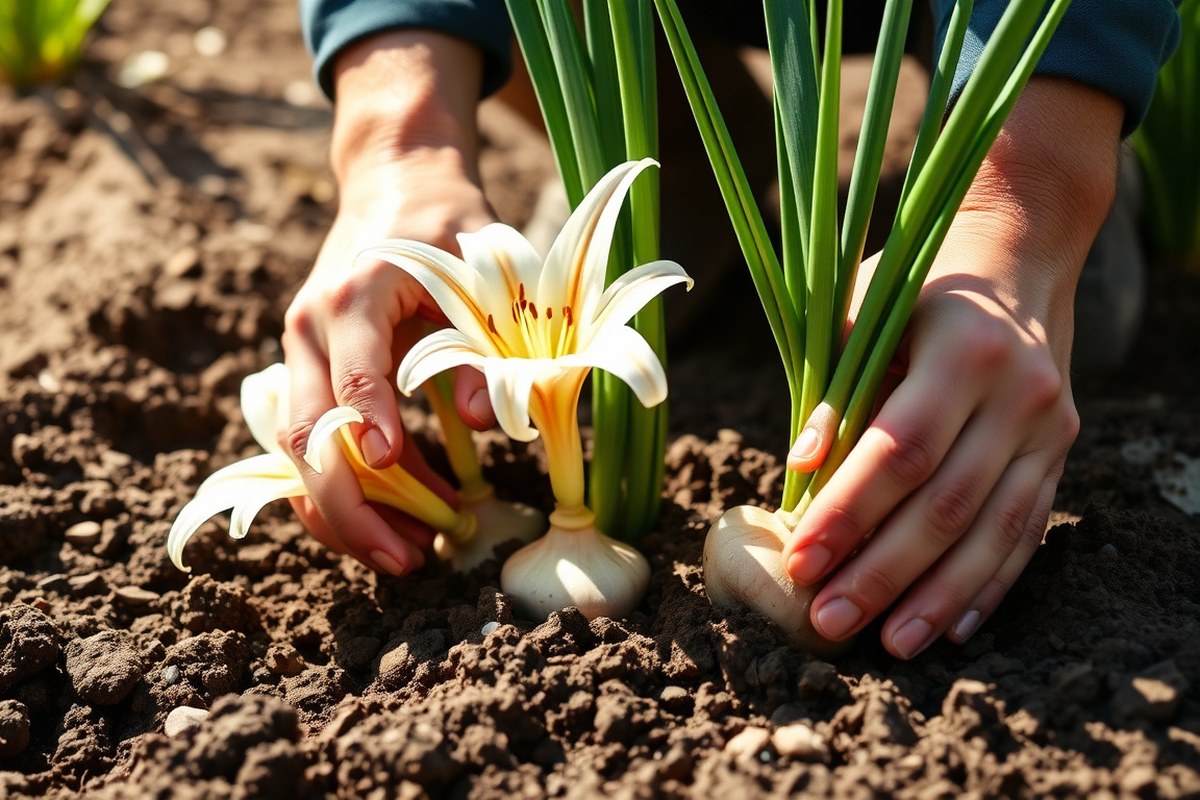
Planting Asiatic lilies the right way sets them up for healthy growth and vibrant blooms. These lilies need loose, well-drained soil that’s about 6 to 8 inches deep.
Choose a spot with full to partial sun. Plant bulbs during fall or early spring when the soil isn’t frozen or too wet.
Space the bulbs 12 to 18 inches apart to give them room to grow strong roots. Plant each bulb about 4 to 6 inches deep, depending on the bulb size.
Asiatic lily bulbs usually stand about two inches tall. So going six inches deep works well.
- Check soil drainage. Avoid spots where water pools. Dig 6 to 8 inches deep and make sure soil feels loose and crumbly.
- Prepare the soil. Loosen it with a garden fork. Mix in organic matter like compost if the soil isn’t fertile or well-drained.
- Dig holes for bulbs. Space them 12 to 18 inches apart. Make holes 4 to 6 inches deep, roughly the bulb’s height.
- Place bulbs correctly. Point the tip upward and set them at the ready depth. Cover bulbs gently with soil.
- Water lightly. Moisten the soil just enough. Avoid soggy soil but don’t let it dry out completely.
- Add mulch. A 2-inch layer of mulch helps keep moisture steady and protects bulbs during winter.
- Monitor moisture. Water when the top 1 inch of soil feels dry. This supports steady growth without rot.
Planting bulbs too shallow or too deep can harm their growth. Shallow planting risks bulbs drying out, while deep planting may delay sprouting.
Proper spacing prevents crowding and disease by allowing air flow. Mulching slows water evaporation and protects bulbs from freezing.
Choosing the Best Soil, Sunlight, and Water Conditions

Asiatic lilies prefer sandy soil that drains well and has a neutral to alkaline pH. They need at least six hours of sunlight to produce flowers. Water them enough to keep the soil moist but avoid sogginess, about one inch weekly or more in hot weather.
Soil Type and Drainage
These lilies prefer sandy soil that drains well to avoid water sitting around the bulbs. Good drainage stops root rot, which is a common cause of failure. Avoid heavy clay or constantly wet soil that holds water too long.
The soil pH should be neutral to slightly alkaline, unlike some lilies that need acidic soil. You can test your soil pH with a cheap kit at home. Add lime if the soil is too acidic.
Adjusting the pH helps lilies grow better. Well-draining sandy soil often has the right pH naturally.
Sunlight Requirements
Asiatic lilies need full sun for at least six hours daily to flower fully. Pick a spot facing east or west for your lilies. Morning or afternoon sun protects blooms from hot midday sun.
This helps keep flowers healthy longer. Less sunlight means fewer blooms and weaker plant growth.
For shady yards, plant Asiatic lilies in a sunny spot like a garden edge. Raised beds with full sun work well too. This gives lilies enough light to bloom.
Avoid planting near tall trees or buildings that block light. Their vibrant flowers depend on enough direct sun daily.
Watering and Moisture Control
Water Asiatic lilies deeply when the soil feels dry 1 to 2 inches down. Keep watering this way during their growing season. This helps roots grow strong and flowers last.
On average, they need about one inch of water weekly under normal weather. Use a drip hose to water slowly and deeply.
Keep soil moist but not soggy to prevent bulb rot. In hot, dry weather, increase watering to keep the root zone moist. Avoid watering leaves directly; water the soil around the plant base instead.
Environmental Effects on Growth
Well-drained soil and ample sunlight reduce disease risk and support sturdy stems. Poor drainage or standing water near bulbs leads to rot, which kills plants quickly. Insufficient sun causes weak growth and fewer flowers.
Asiatic lilies growing in sandy soil warm up faster in spring, which helps early growth. However, they may need extra water during hot spells as sandy soils dry out quicker. Monitor moisture closely in dry climates.
Don’t let water pool around lily bulbs, even for short periods. Wet bulbs often rot and kill the plant.
Top Asiatic Lily Varieties and How to Pick the Right One
Asiatic lilies come in many popular varieties with different heights and colors. Some are tall and best for garden beds. Others stay short and work well in containers or small spaces.
Enchantment and Other Tall Varieties
The Enchantment variety grows about 2.5 feet tall. It delivers burgundy-and-yellow blooms early in summer, brightening outdoor spaces.
Tall Asiatic lilies can reach up to 6 feet. But most range between 2 and 4 feet.
Taller varieties need staking to prevent flopping, especially in windy spots. These lilies grow tall and have bright, eye-catching colors.
They serve as great focal points in large garden beds. Their height and colors draw attention easily.
Compact Asiatic Lilies for Containers
Smaller Asiatic lilies suit pots and containers well. Their shallow roots fit into 12- to 16-inch diameter pots easily. These compact types rarely grow beyond 2 feet tall.
Shorter lilies bloom early and often, perfect for patios and balconies. Containers also make it easier to avoid pests like vine weevils, common in garden soil.
Color and Bloom Time Comparisons
Asiatic lilies come in a wide range of colors: red, pink, yellow, orange, white, and purple. They bloom from June through August, bringing a long season of color. Most varieties are unscented, unlike Oriental lilies.
Here is a comparison table to help you pick the right type:
| Variety | Height (feet) | Colors | Bloom Time | Best Use |
|---|---|---|---|---|
| Enchantment | 2.5 | Burgundy and yellow | Early summer | Garden beds |
| Buttercup Yellow | 3 | Yellow | June to August | Garden or containers |
| General Asiatic lilies | 1 to 6 | Red, pink, orange, white, purple | June to August | Garden or containers |
Choose shorter varieties for containers to keep your pots stable. Taller types fit better in open garden spaces and will show off their dramatic blooms best. Early bloomers like Enchantment give summer color right from the start.
Fertilizing, Staking, and Pruning for Healthier Lilies
Fertilize Asiatic lilies early in spring, just as shoots appear. Use a balanced fertilizer, such as a 10-10-10 or 12-12-12, following package instructions. This boosts healthy growth and encourages vibrant blooms.
Staking helps support tall lilies and prevents drooping. Insert stakes when shoots reach about 6 inches tall.
Use soft ties to gently secure stems without squeezing. Remove stakes after flowering to avoid stem damage.
Pruning and deadheading keep lilies looking tidy and promote more blooms. Cut off spent flowers right at the base of the stem. Remove any yellowing leaves in late summer to prepare plants for dormancy.
- Apply fertilizer once in early spring; avoid overfeeding.
- Choose bamboo or metal stakes slightly taller than plants.
- Tie stems loosely with garden twist ties or soft cloth strips.
- Deadhead flowers regularly to extend blooming period.
- Remove all leaves only after they turn yellow and die back.
Use stakes that cost around $1 to $3 each, depending on material. Fertilizer prices vary, but a 5-pound bag typically costs $10 to $15. Deadheading takes only a few minutes and helps lilies bloom longer.
This routine supports strong stems and more flowers every season. Without staking, tall Asiatic lilies might flop and break.
Skipping fertilizer can result in smaller blooms and weaker growth. Leaving old leaves on too long can reduce bulb energy for next year.
How to Propagate Asiatic Lilies from Seeds and Bulbs
You can grow Asiatic lilies from seeds or by dividing bulbs. Dividing bulbs is quicker and more common.
Growing from seeds takes patience but is rewarding. Both ways require proper timing for success.
Seed Sowing and Germination Timeline
Start by collecting mature seeds from spent Asiatic lily flowers. Sow the seeds in trays with well-draining seed-starting mix in late summer or early fall. Keep the soil moist and place trays in a cool spot around 65°F (18°C) for germination.
Germination usually takes 2 to 4 weeks, but seedlings grow slowly. Expect it to take 2 to 3 years before these lilies bloom from seed. This slow pace means seed propagation suits gardeners who enjoy growing plants over time.
- Collect seeds when seed pods turn brown and dry.
- Fill seed trays with seed-starting mix.
- Sow seeds on the soil surface and lightly cover with fine soil.
- Water gently to keep soil moist but not soaked.
- Place trays in a cool area that stays around 65°F (18°C).
- Keep soil moist during the 2 to 4 week germination period.
- Thin seedlings once they have a few leaves.
Seedlings need patience; they usually take years to flower after germination.
Dividing Bulbs for Propagation
Dividing bulbs is the fastest way to multiply Asiatic lilies. Do this in early spring before growth starts.
Or do it in late fall after leaves die back. Carefully dig up the bulb clumps and separate the smaller bulbs from the main one.
Each separated bulb can grow into a new healthy plant that will bloom the next season. Avoid damaging bulbs during division to prevent rot. Plant bulbs 4 to 6 inches deep.
Space them 6 to 8 inches apart. Use well-drained soil.
- Dig up mature lily bulbs in early spring or late fall.
- Brush off excess soil to see bulbs clearly.
- Separate small daughter bulbs from the main bulb with care.
- Inspect bulbs for soft spots or damage, discard unhealthy ones.
- Plant each bulb 4 to 6 inches deep and 6 to 8 inches apart.
- Water the planted bulbs well after planting.
- Mulch to protect bulbs through winter if in colder areas.
Divide bulbs carefully to avoid damaging them and increasing disease risk.
Transplanting Young Lilies Outdoors
Seedlings or newly divided bulbs need gradual transplanting outdoors. Start hardening off young plants by bringing them outside each day. Do this for a week or two.
Gradually increase the time outdoors. This step helps them adjust to temperature and sunlight changes.
Transplant seed-grown lilies after two years. Make sure their bulbs are grown but small.
Newly divided bulbs can be planted immediately in their permanent spots. Keep soil moist and provide some afternoon shade if summers get hot.
- Begin hardening off plants by placing them outside for short periods daily.
- Gradually increase outdoor time over 1 to 2 weeks.
- Choose a location with good soil, partial to full sun, and good drainage.
- Transplant young lilies carefully without disturbing roots or bulbs.
- Water well after planting to settle the soil around roots or bulbs.
- Protect plants with mulch and monitor for pests initially.
Jumping straight outside can shock lilies; always harden off first.
Protecting Asiatic Lilies from Pests, Diseases, and Pets
Asiatic lilies often get attacked by aphids and lily beetles. You can spot aphids by sticky leaves and small green or black bugs clustered near buds. Lily beetles leave bright red shells and chew large holes in leaves and flowers.
To prevent aphids, spray lilies with a strong water stream every few days. Applying insecticidal soap or neem oil works well too. Pick lily beetles off plants early in the morning.
They move slowly then. Drop beetles into soapy water to kill them.
Common diseases on Asiatic lilies include fungal spots and bulb rot. You might see brown or yellow spots on leaves or soft, smelly bulbs underground. Overwatering, especially in pots, causes these infections to worsen quickly.
Allow soil to dry between waterings to avoid fungus problems. Remove and toss infected leaves right away to stop spread. Apply a fungicide safe for edible plants if needed.
You may try a homemade spray too. Mix baking soda and water for a natural option.
Asiatic lilies are toxic to cats and can cause serious illness if chewed. Keep your lilies in a place your pets cannot reach. Use fenced beds to keep lilies safe from pets.
Growing them in containers works well too. Place containers where pets cannot reach.
After flowers fade, deadhead just below the flower to stop seeding. This keeps the plant healthy and encourages strong growth next season. Check lilies often for pests or disease signs.
Treat problems quickly to protect their beauty. Keeping an eye helps your lilies stay healthy.
Seasonal Care: Watering, Mulching, and Winter Protection
Water Asiatic lilies deeply during spring and early summer to support growth. Reduce watering as the foliage dies back in late summer, letting the soil dry out. Avoid overwatering in fall and winter to prevent bulb rot.
Bulb rot risk is higher in colder spots with slow soil drainage. Water less often in these conditions to keep bulbs safe.
Adding mulch helps keep bulbs safe from freezing and thawing shifts in winter. Use 4 to 6 inches of straw, shredded leaves, or leaf mold around the base. Apply mulch after soil cools, usually late fall.
The mulch keeps bulbs cold. Make sure the mulch does not make bulbs too wet.
- Water lilies once a week during active growth if rainfall is low.
- Stop watering when foliage yellows in late summer or early fall.
- Place 4 to 6 inches of mulch over the soil after it cools in fall.
- Remove mulch in spring when new shoots appear to prevent rot.
- Keep mulch light and loose to allow air circulation.
- In cold zones, dig up bulbs if winters are extremely wet or freeze deeply.
- Store dug-up bulbs in dry, cool, dark places at 35, 45°F during winter.
Bulbs need a winter chill to bloom well the following year. Mulch provides this chill and also shields bulbs from frost heaving. In very cold or wet areas, you might have to lift bulbs for winter.
Clean and dry bulbs well before storage. Store bulbs in peat moss or vermiculite.
Keep them cool, between 35 and 45 degrees Fahrenheit. Avoid freezing them solid or letting them stay too warm to maintain bulb quality.
Common Mistakes When Growing Asiatic Lilies and How to Fix Them
Planting Asiatic lily bulbs too deep or too shallow causes poor growth. Bulbs should sit about 4 to 6 inches deep, with the pointy end up.
If bulbs are too shallow, they dry out. Too deep, and they may rot or grow weak stems.
Overwatering is another common mistake that leads to bulb rot and yellow leaves. Water the lilies when the top inch of soil feels dry, usually once a week. Mulching helps keep soil moist without waterlogging the roots.
Weak stems often mean the plant needs support or too much water. Use a stake to prop stems before flowers get heavy, tying loosely with soft ties. Avoid overwatering, which weakens roots and stems, making staking less effective.
When your lilies stop blooming or bloom less, overcrowding is a likely cause. Dig up and divide bulbs every 3 to 4 years in fall or early spring. This gives bulbs more space and energy to produce healthy flowers again.
Check soil drainage before planting; standing water causes bulb rot even with correct watering.
Here’s a quick checklist to avoid problems: plant bulbs 4 to 6 inches deep. Water only when soil is dry 1 inch down.
Stake stems gently before buds open; and divide crowded clumps every few years. Regular feeding with a high-potassium liquid fertiliser every two weeks during growth also keeps flowers strong.
For example, if your lilies yellow early in the season, check you’re not watering every day. Skip watering for a few days and see if leaves perk up. Reposition stakes if stems fall or lean before buds form.
Step-by-Step Action Plan for Growing Asiatic Lilies
Follow these simple steps to start growing healthy Asiatic lilies. Each step helps you check that your lilies are on track.
- Before planting: Choose a spot with full sun and well-draining soil. Check soil texture by squeezing a handful; it should crumble easily.
- Day 1: Plant bulbs 4 to 6 inches deep, 8 inches apart. The bulbs should sit with their pointed ends up.
- Week 1: Water the planting area well after planting. The soil should feel moist but not soggy.
- Week 2: Add a 2-inch layer of mulch around the plants. This keeps moisture steady and blocks weeds.
- Month 2: Feed lilies with a balanced fertilizer once shoots reach 4 inches tall. Leaves will look greener and stronger.
- Throughout bloom: Stake tall stems to prevent falling over. Stems that stand straight stay healthy and show their flowers well.
- After flowering: Cut back dead flower heads but keep the leaves. Leaves help bulbs gather energy for next year.
- Late fall: Add extra mulch over bulbs to protect from winter frost. Check mulch stays dry and thick until spring.
Frequently Asked Questions
What Pot Size Is Best for Growing Asiatic Lilies?
A pot with 12-16 inches diameter works well. It gives enough room for the shallow roots to spread.
Can Asiatic Lilies Grow Well Indoors on a Windowsill?
Yes, they can grow indoors if they get enough sunlight. Place them on a bright windowsill that receives direct sun daily.
How Tall Do Asiatic Lilies Usually Grow?
Asiatic lilies grow between 1 and 6 feet tall. Taller varieties may need staking to keep them upright.
Do Asiatic Lilies Attract Pollinators Like Bees or Butterflies?
Yes, they attract bees and butterflies with their bright flowers. This helps your garden stay lively and supports local pollinators.
Is It Okay to Plant Asiatic Lilies Near Other Flowers or Vegetables?
You can plant them near other plants as long as they get enough sunlight. Keep soil well-drained and avoid crowding for best growth.
Are Asiatic Lilies Deer Resistant?
They are mildly deer-resistant but not deer-proof. You might still want to protect them with fencing in high deer areas.
The Bottom Line
Growing Asiatic lilies is rewarding when you give them the right care. Watch your plants closely during their first months. Get your hands in the dirt today and enjoy vibrant blooms soon.