How Can We Grow Plants: Complete Guide with Proven Tips and Methods
Plants grow best with the right light, water, soil, and temperature. These basics help plants produce healthy leaves, flowers, or fruit. Without them, plants may grow slowly, yellow, or even die despite some care.
Place plants where they get enough light. Sun-loving plants, like cacti and tomatoes, do well in south-facing windows.
Leafy shade plants prefer east-facing spots with gentle morning sun. Use full-spectrum grow lights for 12-16 hours daily if natural light is limited.
Water plants deeply but not too often. Let the soil dry out a bit between watering to prevent root rot. Water needs vary by plant type and season, so adjust accordingly.
Key Takeaways
- Place light-loving plants in south-facing windows for 6-8 hours of sun daily.
- Use 5000K full-spectrum grow lights indoors when sunlight is limited.
- Water plants deeply, moistening 6-12 inches of soil around the roots.
- Choose containers that are 2-3 inches wider than current pots for growth.
- Keep temperatures between 70-85°F for vegetative growth and cooler for flowering.
- Maintain humidity between 40-70%, higher for seedlings and lower for blooming plants.
What Are the Essential Conditions for Growing Plants

Plants need light, water, nutrients, air, and the right temperature to grow well. Light helps plants make food through photosynthesis. Water moves nutrients from the soil into the plant and keeps cells firm.
Nutrients like nitrogen, phosphorus, and potassium support growth and development. Air provides carbon dioxide for photosynthesis and oxygen for root respiration. Temperature affects how fast plants grow and how well they use water and nutrients.
For most plants, temperatures between 65°F and 80°F work best. Seedlings prefer 70°F to 80°F for strong starts. Flowering plants do better in cooler weather as low as 65°F, which improves color and scent.
Give plants enough space to access water, air, and light. Crowded plants compete and grow poorly. Roots should grow freely to absorb what they need from soil or pots.
Keep the soil moist but not soggy to encourage deep roots. Water deeply so roots can reach moisture well below the surface. Dry soil slows root growth and weakens plants.
Make sure indoor plants get full-spectrum light that mimics sunlight. LEDs with a range of 3000K to 6500K often work well. Proper light helps seedlings grow strong and mature plants bloom fully.
A checklist for growing healthy plants includes fresh air, steady humidity, and stable temperature. Use a thermometer and hygrometer to monitor conditions. Proper air movement prevents mold and keeps leaves healthy.
Different plants have specific needs. For example, tropical plants need steady warmth, while drought-tolerant plants prefer dry soil. Know your plant type to give the right environment.
How to Provide Proper Light for Indoor and Outdoor Plants

Plants need different types of light depending on where they grow. Outdoor plants thrive in natural sunlight that offers a full spectrum of light colors. Indoor plants often need extra light to grow well.
Normal room lighting usually isn’t strong enough. Plants need a certain light type for photosynthesis.
For indoor growing, use 5000K white full-spectrum grow lights, like Barrina T5 1ft tubes. These provide light close to natural sunlight. Most indoor plants thrive with 12 to 16 hours of light a day.
This is true when sunlight is limited. Artificial lights can replace natural sunlight. Seedlings especially benefit from grow lights to jumpstart their growth before they get enough natural light.
Light intensity matters too. The closer you place grow lights to plants, the stronger the light they get. Place lights 6 to 12 inches above the plant’s top leaves.
The distance depends on the light’s strength and plant type. Adjust as needed for best growth. Use adjustable hangers or stands to fine-tune the distance without burning the plants.
Natural light placement varies by window direction. East-facing windows give 4 to 6 hours of gentle morning sun. This suits moderate-light plants like pothos or snake plants well.
Morning sun is less harsh. South-facing windows receive the most intense light, which suits sun-loving plants like succulents. West-facing windows give afternoon light that’s warmer but less intense than south-facing spots.
| Location | Ideal Temperature Range | Lighting Options | Ventilation |
|---|---|---|---|
| Greenhouse | 70-80°F (21-27°C) | Natural sunlight or grow lights | Natural airflow or ventilation system |
| Dedicated Room | 70-80°F (21-27°C) | Grow lights | Fans or open windows |
| Laundry Room | 70-80°F (21-27°C) | Grow lights | Fans or open windows |
LED grow lights are energy efficient and provide the right light spectrum for plants. A typical set costs about $20 to $50 depending on size and brand. Position them so light hits your plants directly.
Rotate plants every few days if your setup is uneven. This keeps all sides growing well without leaning toward light.
Never place grow lights too close. More than 12 inches can scald leaves, while too far reduces benefits.
Outdoor plants need at least 6 hours of direct sunlight for optimal growth. Some shade-tolerant varieties survive with less. Following a daily light schedule helps indoor plants mimic natural conditions.
Use timers on grow lights to ensure consistent periods. Consistent lighting prevents stress and promotes healthy development.
How Much Water Should We Give Plants and When
Plants need different amounts of water depending on their type and size. Small pots dry out faster. So they need watering more often than large garden beds.
Succulents and cacti require less water, about once every two weeks. Leafy vegetables and tropical plants might need daily watering during hot weather.
Check soil moisture by sticking your finger 1 to 2 inches down. Feel if the soil feels wet or dry before watering. This helps you avoid overwatering or underwatering your plants.
The soil needs water when it feels dry at that depth. Water deeply near the plant’s base to help roots grow down.
Avoid wetting leaves to keep mold and disease away. This keeps your plants healthier.
Watering frequency changes with the seasons and environment. Hot, dry weather makes plants use water faster each day. You may need to water every day or every other day during this time.
Cooler, humid weather slows water loss. So watering once or twice a week might be enough. Indoor plants usually need less water than outdoor ones because they lose less moisture.
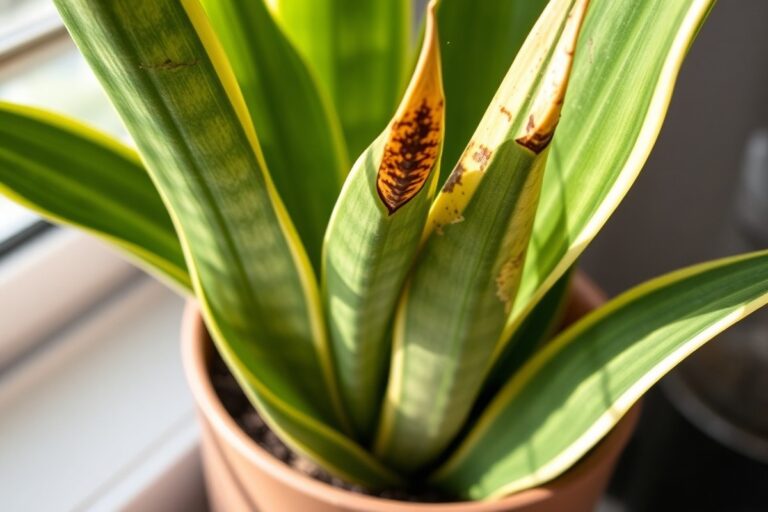
Overwatering causes leaves to yellow and soil to become soggy or smell bad, which suffocates roots. Underwatering makes leaves wilt, curl, or turn brown at the edges.
A moisture meter shows real-time soil moisture levels near roots. This tool helps you water only when your plants really need it.
Water until you see water draining from the pot’s bottom. Wait until the soil dries about 1 inch deep before watering again. This rule helps beginners avoid watering mistakes.
During hot outdoor growing seasons, daily or every-other-day watering often works. In winter or cool seasons, watering once a week or less usually suffices.
Choosing and Preparing the Right Soil and Containers
Healthy roots need soil that drains well and holds moisture. Good potting soil has 40% peat or coconut coir. It also has 40% perlite or pumice.
Add 20% compost to the mix. This blend lets roots get air and water without rotting.
Soil pH affects how your plant takes nutrients. Most plants prefer pH 6.0 to 7.0, which is slightly acidic to neutral.
To check pH, use a soil testing kit from a garden center. Adjust by adding lime to raise pH or sulfur to lower it, following package doses carefully.
Choose pots that are 2 to 3 inches wider in diameter than the current root ball. Bigger pots give roots space to spread without drying out soil too fast.
Clay pots are breathable but dry out quickly. Plastic pots hold moisture longer and weigh less, making them easier to move.
Make sure your containers have drainage holes. Proper drainage prevents water from pooling around roots and causing rot. Put small stones or broken pottery at the bottom.
This helps if you worry about drainage clogging. It keeps water flowing well. Avoid pots without holes for soil-based plants.
Before potting, moisten your soil mix but don’t soak it. Dry soil can repel water, and too wet soil suffocates roots.
Fill the pot loosely to avoid compacting. After planting, water lightly and watch for signs that the soil is too wet or dry.
For seedlings ready to transplant, gently loosen the soil around the roots. Place them at the same soil depth they grew before.
This helps roots adjust quickly and reduces transplant shock. Seedlings generally wait two to six weeks in small pots until roots look healthy and full.
Low pH suits acid-loving plants like blueberries, azaleas, and gardenias. Adjust their soil to about pH 5.0 to 5.5 with sulfur or peat moss.
Most flowers and vegetables prefer neutral soil near pH 7.0. You can create separate mixes for different plants if you container garden various species.
Finally, clean pots before reusing them to prevent disease. Soak containers in a weak bleach solution for 10 minutes. Use one part bleach to nine parts water.
Rinse the containers well afterward. This step protects your plants, especially seedlings, from fungal and bacterial problems.
Starting Seeds Indoors: A Step-by-Step Guide
Starting seeds indoors gives you control over the early growth stage. You prepare the seeds and set up proper conditions for germination. You care for the seedlings carefully.
Then, you transplant them at the right time. Doing these steps well helps young plants grow strong and healthy.
Preparing and Soaking Seeds
Most seeds do best if you soak them before planting. Soaking softens the seed coat, speeding up germination. Use clean, lukewarm water and soak for 6 to 12 hours depending on seed type.
Once soaked, drain the seeds and start planting them in seed-starting mix. Make sure the mix is moist but not soggy. Avoid using regular potting soil because it holds too much water and can cause rot.
- Choose high-quality seeds that suit your growing goals.
- Fill seed trays with seed-starting mix, moist but crumbly.
- Soak seeds in lukewarm water for 6-12 hours.
- Drain the seeds and space them evenly in the tray.
- Cover seeds lightly with a thin layer of mix.
- Label each tray with seed type and date.
Don’t soak seeds longer than 12 hours; some will rot if too wet.
Optimal Germination Conditions
Seeds germinate best between 75°F and 85°F. Use a heat mat if your home is cooler. Keep humidity high with a clear dome or plastic wrap over the tray.
Place trays under grow lights or near a sunny window. Seedlings need 12 to 16 hours of light daily. Avoid direct sun that can dry out the soil quickly.
Check moisture every day and lightly mist if the soil feels dry. Good airflow helps prevent mold but avoid cold drafts.
Seedling Care Requirements
Once seedlings sprout, remove humidity covers gradually to toughen them. Water in the early morning to keep roots hydrated without sogginess.
Thin seedlings that grow too close to give each plant space. Use full spectrum LED grow lights 2 to 3 inches above seedlings for steady growth.
Look out for leggy or pale seedlings, they usually need more light. Feed seedlings with a diluted balanced fertilizer after the first set of true leaves appear.
Safe Transplant Techniques
Transplant seedlings outdoors after they grow 2 to 3 sets of true leaves. Harden them off by exposing them to outdoor conditions gradually over 7 to 10 days.
Water seedlings before transplanting to ease root disturbance. Dig holes slightly bigger than root balls and plant at soil level.
Space plants according to their mature size needs and water immediately after transplanting. Protect new plants from strong sun or wind until they settle.
Nutrients and Fertilizers: How to Feed Your Plants Right
Plants need essential nutrients like nitrogen, phosphorus, and potassium to grow well. These help with leaf growth, root development, and overall health. Trace elements like iron, magnesium, and calcium also support key functions in plants.
Watch your plants to spot nutrient problems early. Yellow leaves often mean a nitrogen shortage. Purple or dark spots might show phosphorus is low.
Wilting or curling leaves can hint at potassium deficiency. Adjust feeding if you see these symptoms.
Use a balanced fertilizer with equal parts nitrogen, phosphorus, and potassium. For indoor plants, apply a half-strength liquid fertilizer once a week during spring and summer.
Larger outdoor gardens might need fertilizer every 4 to 6 weeks. Follow label instructions to avoid overfeeding.
Organic options like compost, worm castings, and fish emulsion feed plants gently. These improve soil health and boost microbes that support growth. Add compost in small amounts to your soil before planting or as a top dressing.
Overapplying fertilizer risks burning plant roots, causing brown leaf tips or stunted growth. If this happens, flush soil with water and reduce feeding frequency.
Underfeeding slows growth and makes plants weak. Maintain moderate, consistent feeding for best results.
Decide fertilizer frequency based on plant type and growth stage. Fast growing or flowering plants need more nutrients.
For slow-growing houseplants, feed less often. Start with a small dose, watch how plants respond, and adjust as needed.
Maintaining Healthy Plants Through Pruning and Space Management
Pruning and managing space are key for healthy plants. They help keep plants strong and stop crowding. Good air flow also lowers disease risk and boosts growth.
Types of Pruning for Growth
Cutting back dead or weak branches lets plants use energy better. Remove diseased parts quickly to stop spread. For flowering plants, trim just after blooms fade for best results.
Different plants need different pruning methods. For shrubs, cut back about a third of growth yearly.
For vines, snip older stems to encourage new shoots. Houseplants often benefit from pinching tips to grow bushier.
Use sharp, clean tools to make neat cuts. Sterilize blades between plants to avoid passing disease. Avoid heavy pruning in cold months, as plants need time to heal before frost.
Spacing Guidelines by Plant Type
Crowded plants dry slower and get less light. Space wide enough so leaves don’t touch.
For small herbs, leave 6 to 12 inches between plants. Larger vegetables like tomatoes should have 18 to 24 inches.
Indoor plants need space too. Position pots to allow at least 4 inches between pots for airflow.
Hanging plants need space to avoid blocking light to others. Use drying racks to give plants room without clutter.
Adjust spacing as plants grow bigger. Move seedlings to bigger pots or thin crowded spots. This prevents competition for water and nutrients and lowers pests.
Increasing Air Circulation Indoors
Good air movement helps leaves dry faster and keeps pests away. Place a small fan near plants to keep air moving gently. Avoid strong blasts that could stress plants.
Open windows when possible for fresh air, but watch for drafts. Removing fallen leaves and debris stops mold. Avoid overhead watering to keep leaves dry and reduce rot risk.
Space plants so air flows freely around all sides. Clumps of plants block air and trap humidity, which invites disease. Regular pruning helps maintain open canopies and airflow.
Common Pruning Mistakes to Avoid
Cutting too much at once can shock a plant and slow growth. Limit pruning to 25-30% of the plant at a time. Cutting off healthy leaves or buds shrinks your plant’s energy.
Using dull or dirty tools spreads disease and causes ragged cuts. Always clean tools with alcohol when switching between plants. Avoid pruning right before extreme heat or cold to give plants recovery time.
Don’t ignore plant type needs. Some plants flower on old wood and lose blooms if pruned too hard. Learn your plants’ habits to avoid cutting off next season’s flowers.
How Temperature and Humidity Affect Plant Growth
Seedlings thrive in warm temperatures between 65°F and 75°F. They need humidity between 65 and 70 percent. This helps keep their leaves from drying out. High humidity keeps the leaves delicate and healthy.
Vegetative stage plants prefer warmer temps from 70°F to 85°F. They like humidity levels between 40 and 70 percent. This supports strong, healthy growth.
Flowering plants prefer cooler nights around 60°F to 70°F and daytime temps up to 80°F. Lower humidity, about 40 to 50 percent, helps prevent mold and bud rot during flowering. You can use a humidifier or place trays of water nearby to raise humidity indoors. For outdoor plants, misting leaves works well for temporary humidity boosts.
Temperature swings beyond these ranges cause stress. Leaves may curl, turn yellow, or drop when too hot or too cold. Low humidity can make leaves brittle, while too much humidity invites fungus.
Watch for slowed growth or wilting. These often signal your plants need better climate control.
Use a small digital thermometer and hygrometer to monitor your plants’ conditions regularly.
In greenhouses, adjustable vents or fans help keep temperatures stable and reduce humidity when needed. At home, avoid placing plants near heaters or drafty windows.
Moving a potted plant a few feet can prevent heat stress or cold drafts. For seedlings, clear plastic covers trap humidity without overheating as long as you air them daily.
Different plants tolerate climate changes in unique ways, based on their hardiness. Tropical plants usually need warm, humid air. Desert species survive dry, hot air with lower humidity.
Know what type of plant you have. Match its humidity and temperature to its natural place.
Adjust your setup based on this information. This approach saves time and helps plants grow faster and healthier.
Recognizing and Fixing Common Plant Growth Problems
Plants show signs of stress when they don’t get what they need. You can spot problems by checking leaves, stems, and growth speed. Acting fast can save your plants from long-term damage.
Signs of Nutrient and Water Issues
Leaves that turn yellow or pale often signal a nutrient shortage. Brown leaf edges can mean overwatering or underwatering.
Watch for slow growth or thin, weak stems. These suggest the plant isn’t making enough food.
Daily checks help you catch problems early. Feel the soil, dry dirt means it’s time to water.
Also, note if leaves wilt or droop. This means it’s either thirsty or has too much water choking its roots.
Common Indoor and Outdoor Pests
Look for small insects like aphids, spider mites, or whiteflies on plant leaves and stems. Sticky residue or tiny holes can also signal pests. Outdoors, watch for caterpillars and beetles eating leaves.
Some pests are tiny and hard to see; check leaf undersides carefully. Quarantine new plants for 2 to 3 weeks to avoid spreading bugs. Crowded plants can get pests faster because they spread more easily when airflow is low.
Safe Disease and Pest Treatments
Use soapy water sprays to remove many small pests without chemicals. For fungal diseases like powdery mildew, wipe leaves gently and apply a baking soda spray. Avoid overwatering to prevent fungal growth.
Keep plants spaced for good air circulation to block diseases. Organic neem oil works well for plants. Test it on a few leaves first.
Check those leaves for any damage before applying widely. Always read product instructions and wear gloves when applying treatments.
When to Consult a Professional
Seek expert help if your plant’s condition worsens after home treatments. Persistent yellowing, wilting, or spreading spots can signal serious issues. A plant expert can provide a diagnosis and recommend stronger treatments.
Large infestations or unknown diseases also need professional care. Professionals can test soil or plant tissue for hidden problems. Don’t hesitate to call a licensed gardener or extension service if you’re unsure.
Step-by-Step Action Plan for Growing Healthy Plants
Follow these clear steps to start and care for your plants properly. You’ll see good growth by keeping an eye on their needs each phase.
- Before you start: Pick a spot with good light for your plants. Prepare soil by mixing in nutrients. This helps your plants grow healthier and stronger. The soil should look loose and drain well.
- Day 1: Plant your seeds or young plants in the prepared soil. Cover seeds lightly and water just enough so soil feels moist, not soaked.
- Week 1: Check your plants daily for light and water. Leaves should look firm and vibrant, not droopy or pale.
- Week 2: Begin feeding your plants with a balanced fertilizer following package instructions. Watch for steady leaf growth as a good sign.
- Week 3: Thin crowded seedlings or prune weak stems to avoid overcrowding. Healthy plants get more light and grow stronger.
- Weeks 4, 6: Adjust watering based on weather for outdoor plants or indoor humidity. The soil should never dry out completely or stay soggy.
- After 6 weeks: Start inspecting for pests and fix any growth problems like yellow leaves quickly. Use natural pest controls or adjust care as needed.
Frequently Asked Questions
How Do I Know When to Repot My Plant?
Repot when roots fill the current pot or grow out. Most houseplants need repotting every 1 to 2 years.
This frees space for roots to grow. It also helps them get nutrients better.
Can I Use Tap Water for My Plants?
Yes, but let tap water sit out overnight first. This lets chlorine evaporate, making the water safer and gentler for most plants, especially sensitive ones.
What Are Root-Bound Plants and How to Fix Them?
Root-bound plants have tightly packed roots circling the pot. Repot them into a larger container and gently loosen the roots for better growth.
How Do I Tell If My Plant Needs Fertilizer?
Slow growth or pale leaves often mean fertilizer is needed. Feed on a regular schedule during the growing season to keep plants healthy.
Can You Grow Plants Using Only LED Grow Lights?
Yes, full-spectrum LED grow lights work well indoors. Place them a few inches above plants to mimic sunlight and promote growth.
What’s the Best Way to Clean Indoor Plant Leaves?
Wipe leaves gently with a damp cloth to remove dust. Clean leaves absorb light better and stay healthier.
Key Points to Remember
Growing healthy plants begins with thoughtful care and steady attention to their needs. Start with good soil and light, then watch your plants daily. Start today by getting your soil ready.
Check the light where your plants will grow. This helps your plants get the right care.