What Color Is an Iris Flower? A Complete Guide to Colors and Varieties
What color is an iris flower? Iris flowers come in a wide range of colors.
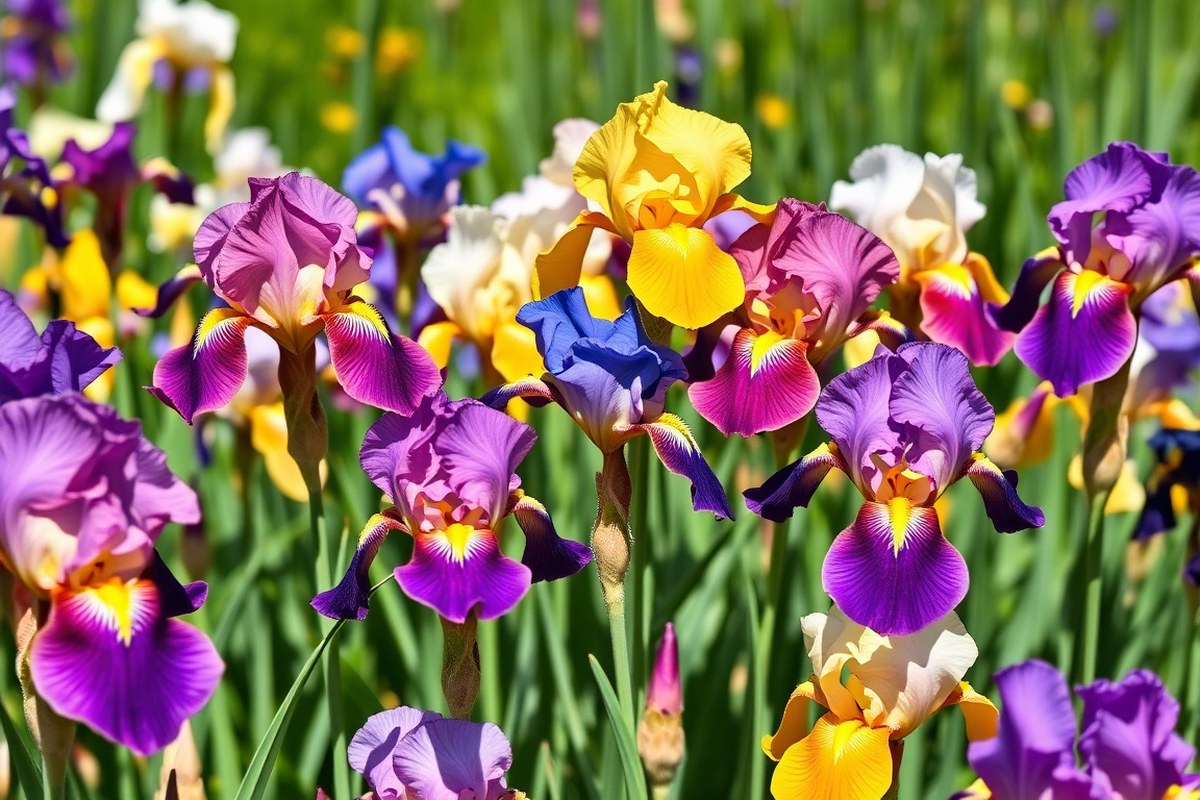
You can find reds, purples, yellows, blues, and even multicolored varieties. The color depends a lot on the species and variety you pick.
Some irises have solid colors while others show stripes, spots, or contrasting edges. They also bloom in different heights.
The flower color may vary within those groups. Soil and climate can make a subtle difference in how bright or dull the colors look.
Picking iris colors depends on the look you want in your garden. Bright yellows and purples tend to stand out best in sunlit beds. Space your plants 12 to 24 inches apart.
This helps their colors shine bright. Avoid overcrowding to keep each flower healthy.
Key Takeaways
- Iris flowers come in reds, purples, yellows, blues, and multicolor mixes.
- Species and variety play the biggest role in iris flower color.
- Soil type and climate can change the brightness of iris colors.
- Irises may have solid colors or stripes, spots, and edge markings.
- Plant iris rhizomes 12 to 24 inches apart for the best display.
- Full sun of at least 6 hours helps iris colors develop fully.
What Colors Do Iris Flowers Come In?

Iris flowers come in many colors. They include purple, blue, white, yellow, and pink. Purple and blue are the classic iris shades, often seen in gardens and floral designs.
You can find colors like lavender and orange too. Some irises are nearly black. These rare colors add unique details.
The petals may appear as solid colors or display striking multi-color patterns. Some irises show three upright petals and three that fall, with vibrant bicolor blends adding depth. Color combinations make irises look rich and lively.
Speckled or edged petals catch the eye. They stand out in any garden.
Brown and black iris flowers are possible but rarer. Brown shades usually look like bronze or mocha and tend to dull the flower’s brightness. True black irises are called “midnight” or “onyx.”
They look dramatic and elegant. Sometimes, they show purple or blue in light.
Iris colors relate to specific feelings or garden uses. Purple hues bring a royal, sophisticated vibe, while blues create calmness. Bright yellows and oranges offer cheerful warmth.
Soft whites balance intense colors in sunny beds. You can mix these shades for a vibrant or gentle floral theme.
How Iris Flower Colors Vary by Species and Variety
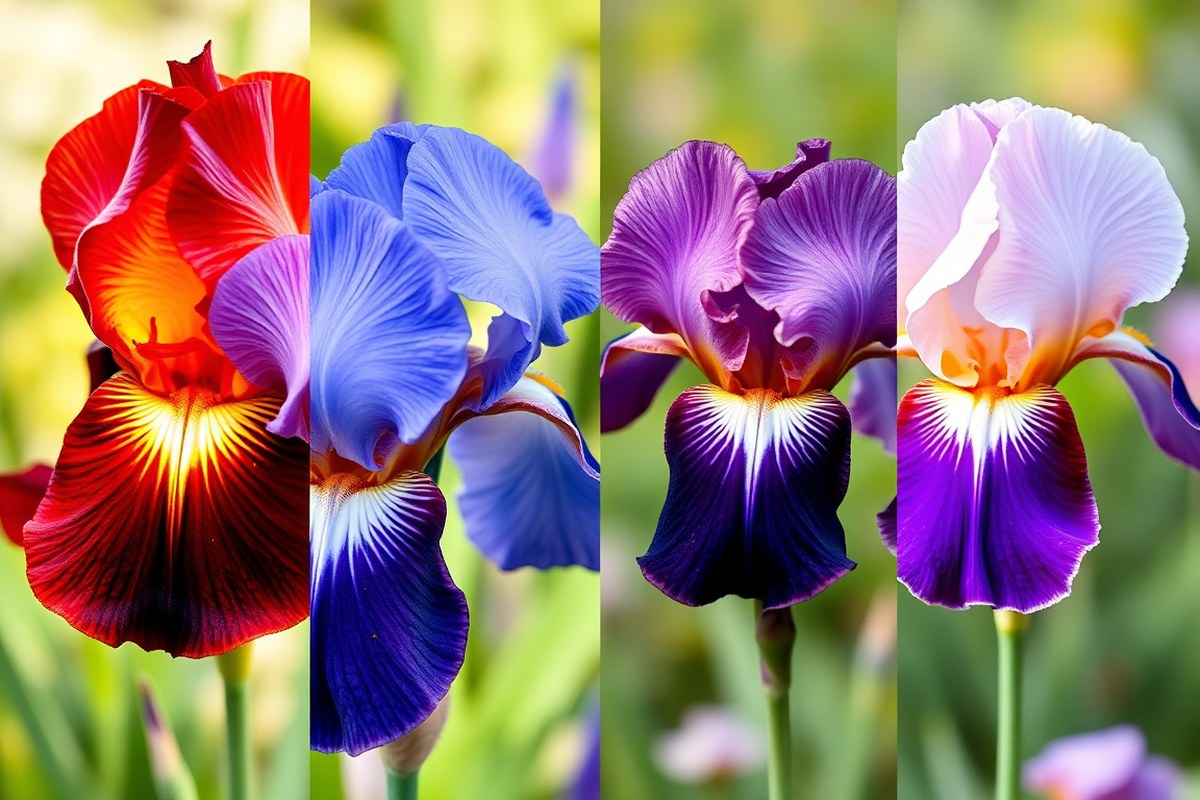
Iris flower colors differ a lot by species and variety. Bearded irises often show bold, bright shades like deep purple, white, and yellow. Beardless types tend to have softer colors and often thrive in wet or shady spots.
For instance, Tall Bearded Irises include varieties like ‘Superstition’ and ‘Beverly Sills.’ They display colors from dark violet to soft lavender. Siberian irises usually appear in blues and purples but have slimmer petals.
Japanese irises favor larger blooms with pale shades. Dutch irises brighten spring with blues, yellows, and whites.
| Species/Variety | Common Colors | Height (inches) | Flowering Season |
|---|---|---|---|
| Tall Bearded Iris | Purple, yellow, white, burgundy | 28-38 | May to June |
| Border Bearded | Mix of bright and soft shades | 16-27 | May to June |
| Siberian Iris | Blue, soft purple, white | 24-36 | Late spring |
| Japanese Iris | Pale purple, pink, white | 24-36 | Summer |
| Dutch Iris | Blue, yellow, white | 15-20 | Late spring |
| Dwarf Iris | Blue, white, yellow | 6-12 | Early spring |
The main difference between bearded and beardless iris colors is linked to flower structure and habitat. Bearded irises have fuzzy “beards” on their falls and often come in strong, eye-catching colors. Beardless irises lack these beards and usually show simpler, lighter colors, fitting wetter environments better.
Different iris varieties suit various garden styles and climates. Tall Bearded types need more space, at least 16 to 18 inches between plants, to flourish. Meanwhile, dwarf and border bearded irises are a good fit for smaller spaces.
Plant bearded irises with enough space to avoid overcrowding, which dulls their blooms and color.
What Is the Rarest Iris Flower Color and Why?
The rarest iris flower colors tend to be pure blues, near-black shades, and true greens. These shades are scarce because iris pigments mainly combine yellow, purple, and white pigments. Blue shades need just the right mix of anthocyanins.
The cell pH also affects this color. It’s tough to get these naturally in breeding.
True green iris flowers are very rare. Green comes from chlorophyll in petals. This usually fades as flowers grow older.
Near-black irises form from dense purple pigments. But achieving a pure black is tough because some light always shows through the petals. Hybridizers focus on these colors, but stability and vibrant shades take many breeding cycles.
Genetics controls iris flower colors mainly through pigment gene expression. Anthocyanins produce purples and blues, while carotenoids create yellows and oranges. A single gene mutation can alter pigment production, causing rare colors.
Breeders cross different species and varieties to combine genes and expand color options. But rare traits often weaken plant vigor.
Breeding for rare colors demands patience, testing thousands of crosses over years. Growers select seedlings with the desired shade and stability, then clone them by rhizome division.
This process can take five to ten years before a market-ready iris appears. Sometimes rare colors lack commercial appeal because they’re less vibrant or harder to grow.
Rare iris colors bring special beauty to your garden. They demand exact soil, light, and climate. These conditions help the color show fully.
For example, cooler temperatures can deepen blue tones. High phosphorus and potassium boost pigment richness. However, no nutrients or soil fix can reliably create rare colors without proper genetics.
How Soil and Climate Affect Iris Flower Color
Iris flower color can change depending on soil and climate. Soil pH affects how certain pigments show up in the petals.
For example, acidic soils might deepen blue and purple hues. Alkaline soils can make colors appear paler.
The amount of sunlight your irises get also changes their color vibrancy. Full sun helps flowers develop rich, bright colors. If your irises grow in too much shade, their colors may look washed out or dull.
Temperature plays a role in how iris colors develop. Cooler temperatures can intensify colors, especially blues and purples. Hot, dry conditions might fade colors faster during bloom.
- Use a soil test kit to check pH, aiming for slightly acidic to neutral (pH 6.0 to 7.0).
- Plant irises where they will get at least 6 hours of direct sunlight daily.
- Water deeply but avoid soggy soil to keep roots healthy and flowers bright.
- Mulch with a thin layer to keep soil temperature steady and reduce stress.
- In hot climates, provide afternoon shade to protect colors from fading.
- Fertilize in early spring with balanced fertilizer to boost bloom strength and color.
Keeping your iris bed healthy makes their colors last through the blooming season. Stress from poor soil or too much heat can dull the flowers. Paid care stays simple but requires attention to sun, water, and soil quality.
For Dutch Iris bulbs, plant them 3 to 4 inches deep in well-drained fertile soil. Good drainage prevents root rot and helps maintain strong blooms. These steps ensure color stays true and irises brighten your garden year after year.
Common Iris Flower Color Patterns and Markings
Iris flowers often show unique petal patterns and markings like veining, splashing, stippling, and bicolor effects. These features add depth and charm to their colors. You can spot irises with stripes, spots, or blended color zones, creating vibrant displays.
Veining and Its Visual Impact
Veining appears as thin lines or bands running along iris petals. Usually, these veins are darker or contrasting colors that start near the flower’s center. For example, Iris versicolor has rich bluish-purple petals with striking veins that create a detailed look.
These veins act as guides for pollinators, directing them to the flower’s nectar. Veining shows up sharp on irises with lighter base colors.
It adds texture. It also catches the eye.
Splashing and Color Blotches
Some irises show splashing, where one color spreads irregular blotches across the petals. This pattern looks like paint drops, breaking the petal’s uniform color. It creates a lively and dynamic visual effect, making each flower unique.
Bicolor or multi-colored irises typically feature splashing or blotches. You may see a petal with a pale base color.
Darker splashes appear over it. They look random but balanced.
Edges and Picotee Patterns
Picotee irises have petals edged with a different color, often forming a thin or scalloped border. These rims contrast against the main petal color. The look is sharp and eye-catching, often adding a formal elegance.
Edges may range from a few millimeters to a wider band, depending on the variety. The contrast improve the flower’s shape and definition.
Stippling and Fine Spots
Stippling features tiny, fine spots scattered across petals. These spots are often darker than the base color. They cover parts of the petals.
The covering looks speckled. The effect is subtle, adding an element of texture up close.
This pattern works well on softer pastel-colored irises. It gives the flower a delicate and intricate look that stands out in a cluster.
Here’s a simple table of iris color patterns. It shows style and pairing choices. It helps you pick.
| Pattern Type | Visual Vibe | Best Pairing |
|---|---|---|
| Pale Green Veining | Ethereal, ghostly, serene | Deep Purples |
| Chartreuse Splashing | Energetic, electric, modern | Hot Pinks or Whites |
| Mint Stippling | Fresh, cool, understated | Soft Blues |
The patterns you choose affect how iris flowers blend into your garden design. Pairing complementary colors draws out the pattern’s strength. Changing light also shifts how these patterns show on petals.
Watch for fading colors in hot sun; patterns can lose contrast quickly.
How to Choose Iris Colors for Your Garden Design
Choose iris flower colors that fit your garden’s existing style and plant palette. Think about the mood you want and how iris colors match or stand out. Avoid colors that clash with nearby plants to keep the design balanced.
Matching Iris Colors with Garden Themes
Pick iris colors that blend with your garden’s main theme to create harmony. Soft pastels like light blue and lavender suit cottage gardens well. Bold purples or yellows work better in modern, geometric designs.
For a natural or woodland theme, choose species irises with earthy tones. These colors look more authentic among ferns, hostas, or wildflowers. Match the iris height to nearby plants for a layered, natural effect.
Sunny borders call for vivid iris colors like bright yellow, deep violet, or white. These shades bring energy and draw attention to open areas. Grouping irises with plants that share similar sunlight needs simplifies care.
Complementary and Contrasting Color Tips
Use complementary colors to make iris flowers pop and add visual interest. Yellow irises pair well with purple or blue flowers nearby. Red or orange irises contrast nicely with green leaves and white flowers.
Try these useful rules to mix iris colors effectively for your garden:
- Pair cool colors like blues and purples with warm yellows for balance.
- Avoid planting bright red irises next to clashing orange or pink blooms.
- Use white or pale irises as neutral breaks between strong colors.
- Mix tall and short flowering irises to create height variety.
- Combine solid-colored irises with patterned ones for texture.
Too many bold colors grouped together can cause visual chaos. Aim for three or fewer iris colors in one bed to avoid overwhelming the eye. Think of your iris colors like a color wheel project.
Using Iris Colors to Improve Seasonal Appeal
Match iris blooming times and colors to extend your garden’s color season. Early bloomers in soft blues or whites pair well with spring bulbs. Later bloomers in gold and purple keep the garden lively through early summer.
Use iris colors that brighten shady spots to bring life in low light. Whites and pale yellows stand out where light is limited. Dark purples and blues show up best in bright sun and open spaces.
Think of iris planting like painting your garden progressively through the season. This way you keep color flowing without large empty spots.
It takes a few seasons to plan well. But your efforts will pay off with stunning views.
Symbolism and Meaning of Iris Flower Colors
Iris flower colors carry rich meanings in floral language and culture. Blue irises often symbolize faith and hope. This color closely relates to the core symbolism of the iris flower, reflecting trust and loyalty.
Purple irises represent wisdom, respect, and royalty. These shades often convey admiration and compliments in floral arrangements.
White irises stand for purity, innocence, and new beginnings. You’ll see white choices in weddings or spiritual ceremonies.
Yellow irises characterize passion, positivity, and friendship. Their bright tone adds cheerfulness and warmth to gardens or bouquets. In contrast, deep burgundy or red irises suggest courage, strong feelings, and admiration.
Understanding these colors helps when picking irises for different occasions. A simple color meaning chart can guide your selections. For example, choose blue for sympathy or purple for congratulations.
This chart highlights each main color with its typical symbolic meaning. It makes the flower’s message clear without guessing. You might list blue as standing for faith and hope.
White can mean purity. Yellow often shows friendship, and purple means wisdom.”
Cultural traditions also shape iris meanings. The link to rainbows emphasizes the iris as a bridge between heaven and earth. Victorian flower language added rich layers, using iris colors to express emotions precisely.
Because iris flowers carry deep stories, they suit many garden moods and event themes. Choosing colors thoughtfully lets you share feelings without words. That’s why iris symbolism still charms gardeners and floral fans alike.
Tips for Recognizing Iris Types by Their Flower Colors
Recognizing iris types by flower color helps your garden choices. It guides you to pick the right variety. This works well for flowers and garden beds.
Different irises show distinct color traits and patterns that hint at their kind. Paying attention to these color signs guides you to tell species and varieties apart.
Key Color Traits of Bearded Iris
Bearded irises are known for their bold, dramatic colors and complex patterns. Look for flowers with thick, velvety petals and a fuzzy “beard” on the lower petals. Their colors often include rich purples, blues, yellows, and whites.
These colors sometimes have contrasting patterns near the beard. It makes each flower look unique.
Bearded irises tend to have sturdy stems between 28 and 48 inches tall. They bloom sequentially on buds spaced along the stem, showing multiple flowers at once. Dark-toned bearded irises carry a plush, suede-like look and add strong visual weight to arrangements.
Color Markers in Siberian and Japanese Irises
Siberian irises feature softer and more delicate colors than bearded types. Their hues range from pale blues and lavenders to soft yellows and whites. The flowers are smaller and set against slender, grass-like foliage, giving a gentle overall effect.
Japanese irises show striking bi-color patterns with veining or brushstroke effects. Their shades include blue, purple, or pink. These patterns add dramatic beauty to your garden.
These irises need more water and tend to bloom a bit later than bearded ones. Look for their graceful open petals and tall, branched stems to distinguish them by sight.
Differentiating Dutch Iris by Hue and Pattern
Dutch irises show vibrant colors including bright yellows, deep purples, and sometimes white. They usually have a slender, upright shape with narrow petals that give them a delicate look. The pattern on Dutch irises is simpler, often a single solid color or slight veining.
These bulbous irises make great cut flowers because of their long stems and vivid hues. They are popular in floral arrangements for their clean, sharp color and shape. Recognizing Japanese irises by their neat, elegant form helps.
Their bright tones make them great for bouquets. Picking the best flower is easier this way.
- Bearded irises: thick velvet petals, fuzzy beards, rich color contrasts
- Siberian irises: soft colors, grass-like leaves, delicate blooms
- Japanese irises: bi-color patterns, brushstroke veining, taller stems
- Dutch irises: bright solid colors, slender shape, ideal for cut flowers
- Louisiana irises: mix of water-loving species with bold colors
- German irises: intermediate size, a blend of bearded and Siberian traits
- Look for color intensity and petal texture along with pattern
Remember, some irises may blend traits from different types due to cross-breeding. Check multiple features, not just color, to ID them correctly.
Step-by-Step Action Plan to Identify and Use Iris Flower Colors
Use this plan to recognize iris colors and pick the best ones for your garden. Each step helps you learn and apply what you know about iris flowers.
- Before planting: Choose iris varieties based on color and garden design. Pick colors that match your space and lighting.
- Day 1: Cross-check iris labels or photos to confirm flower colors. Look for patterns and rare shades to identify types.
- Week 1: Plant your irises in soil suited for their color development. Note how soil pH and drainage affect their hues.
- Week 4: Monitor weather and sunlight exposure. Observe how climate changes alter flower colors over time.
- Month 2: Record any color shifts or new markings on the flowers. Use this data to adjust care and soil if needed.
- Seasonal care: Prune and fertilize based on iris species needs. Healthy plants keep color vibrant and patterns clear.
- Before arranging: Pick flowers at peak bloom for the best color show. Handle gently to keep petals intact and colors bright.
- End of season: Review which colors thrived in your garden. Plan next year’s iris colors based on success and preferences.
Frequently Asked Questions
What Color Is an Iris Flower?
Iris flowers come in many colors like purple, blue, white, yellow, pink, and even black. Different species and varieties show these colors in various shades and patterns.
What Is the Most Common Iris Flower Color?
Purple is the most common iris flower color and symbolizes royalty and wisdom. It is popular in gardens and bouquets because of its noble look.
What Is the Rarest Color of Iris Flower?
Brown is one of the rarest iris flower colors. Its earthy tones stand out among the more common bright or pastel iris colors.
What Color Is Closest to Iris?
The color closest to iris is a mix of blue and purple shades. This blend captures the classic iris flower seen in many gardens.
Are Iris Flowers Blue or Purple?
Iris flowers can be both blue and purple depending on the variety. Some look more blue, while others have deeper purple tones.
What Color Combinations Work Best with Iris Flowers in Garden Design?
Combining iris colors like yellow with purple or blue with white creates striking contrast. These combos make flower beds more vibrant and eye-catching.
Key Points to Remember
Iris flowers come in many colors, with unique choices for every garden. Start by noticing color differences among the types you see. Then try growing a few to enjoy their varied hues and patterns yourself.