When to Prune Liriope: Timing and Tips for Healthy Growth
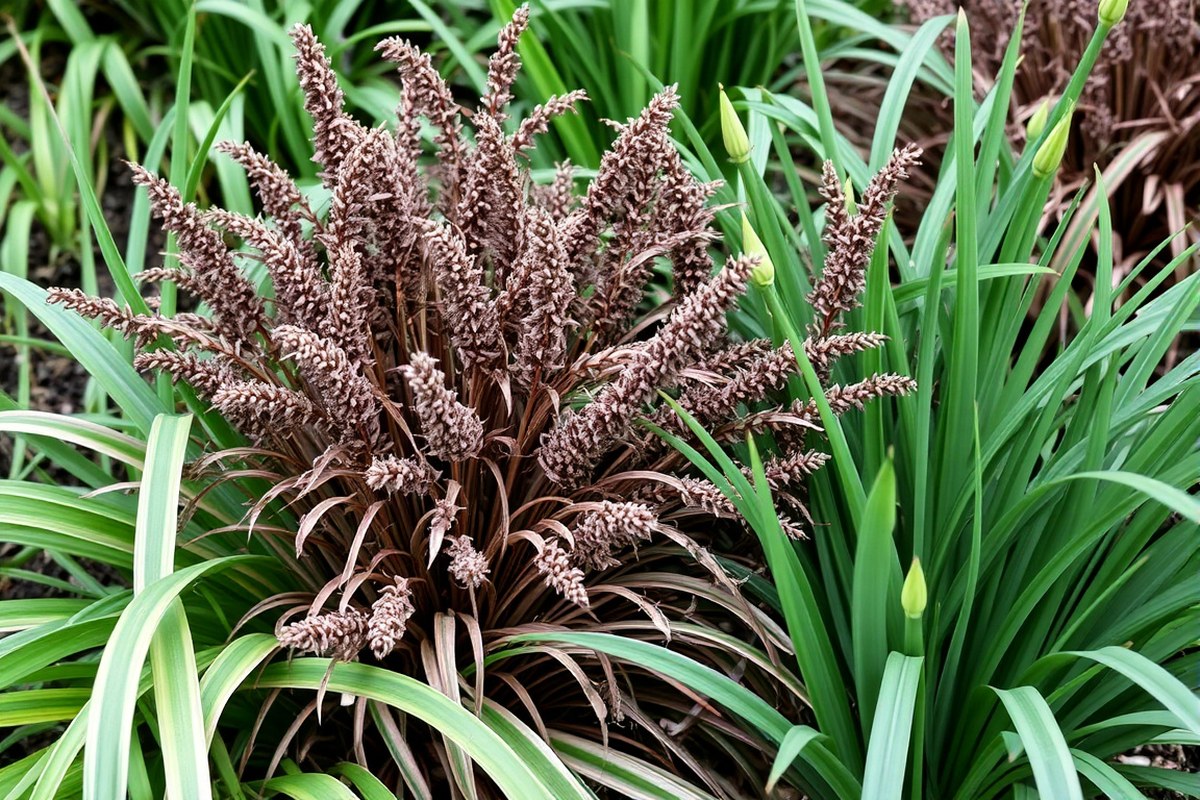
When to prune liriope is a common gardening question. The best time is late winter or early spring. This timing lets you cut back old growth before new shoots start.
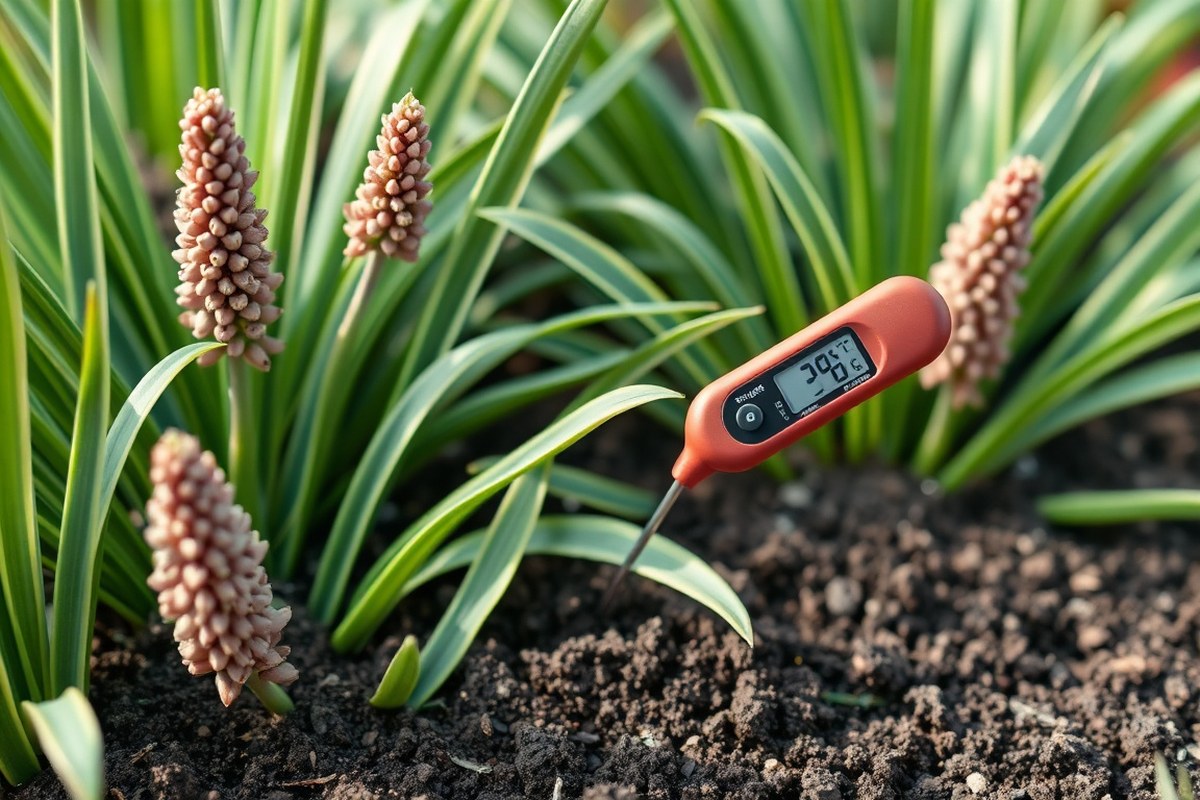
Watch the soil temperature closely. The key is when soil reaches 50°F at a 2-inch depth. Check with a soil thermometer for three mornings at 9:00 AM.
Cutting back too early or late can hurt the plant’s health and growth. Timing the prune just before new leaves appear helps liriope recover fast. You’ll want to cut the plants down to about 3 to 6 inches tall.
Use clean, sharp garden shears to make the cuts. Removing dead or brown leaves also improves airflow around the plants. This practice reduces the risk of pests and diseases in the growing season.
Key Takeaways
- Prune liriope in late winter or early spring for best growth.
- Use a soil thermometer to measure 50°F at 2 inches deep.
- Take soil temperature readings three mornings at 9:00 AM.
- Cut back liriope 3 to 6 inches tall, depending on variety.
- Prune just before new growth starts to speed recovery time.
- Avoid pruning too early or too late to protect plant health.
When Is the Best Time to Prune Liriope?

The best time to prune liriope is late winter or early spring. Cut back before new green shoots emerge from the basal crown. Clemson University recommends checking soil temperature to decide the right moment.
Insert a probe 2 inches deep at the base of the plant. Do this for three mornings in a row at 9 a.m.m.
When soil temperature stays at 50°F, it’s time to prune. This avoids shocking the plant when it starts to grow.
Prune liriope by cutting the foliage back to about 6 to 8 inches tall. For some, like Liriope gigantea, cutting to this height works best. You can also cut back to 3 inches for other types like monkey grass.
Pruning in fall isn’t ideal because old foliage can choke new growth. It may also harbor pests or diseases over winter. Early spring pruning clears space for fresh, healthy growth and keeps the plant tidy.
Watch for signs of new green shoots near the base before cutting back. Once these shoots appear, avoid pruning because it stresses the plant. Cutting too late can reduce liriope’s vigor and display.
The timing is right when no new leaves grow. The soil must be warm enough still.
This window is strict and important to follow. Prune too early or late, and you risk harming your liriope’s growth cycle.
How Soil Temperature Dictates Pruning Timing
How Soil Temperature Dictates Pruning Timing
Soil temperature signals when liriope starts to grow again. You want to prune before new shoots appear to avoid cutting fresh leaves. Measuring soil temperature gives you a better idea of when to trim.
It beats guessing by air temperature or date. You get a clearer sign of the right time this way.
Measuring Soil Temperature Accurately
Check soil temperature near liriope roots at a depth of about 2 inches. Use a soil thermometer made for gardening.
These cost around $10 to $20 at garden centers. To get a true reading, measure mid-morning or late morning when soil warms steadily.
Follow these steps to measure soil temperature correctly before pruning:
- Clear leaves and debris from the ground around liriope.
- Insert the soil thermometer 2 inches deep near several plants.
- Wait 3 to 5 minutes to let the thermometer adjust.
- Record the temperature reading shown on the thermometer.
- Repeat measurements at different spots around your planting.
- Calculate an average temperature to decide pruning time.
Do not measure soil temperature right after rain or watering. Wet soil cools and gives inaccurate readings.
Temperature Timing Guidelines for Pruning
Liriope pruning times depend on your USDA zone. They line up with soil temps near 50°F. Usually, pruning fits when temps are just below or above 50°F. For colder zones 5 and 6, prune when soil reaches about 45°F to 50°F, usually mid-March.
Warmer zones 7 and 8 require 50°F to 55°F soil, around mid-February. Zones 9 and 10 prefer soil over 55°F in January.
Prune too early if soil is below these benchmarks and you risk harming slow-to-grow liriopes. Cut too late when temps are above and plants show new shoots. You lose foliage and slow regrowth.
Handling Unstable or Early Warm Spells
Soil temperature can fluctuate near 50°F in late winter. Air temps bounce day to day, but soil warms and cools more steadily. Avoid pruning as soon as soil hits the threshold if cold snaps might return.
Soil temperatures near 50°F for only a day or two aren’t enough. Wait a few more days to see if warm conditions hold. You want a steady warm period before pruning.
This helps prevent cutting too early. Watch for signs of new growth too. Pruned liriope with green shoots may suffer damage.
Patience benefits liriope pruning. Wait for 3 to 5 consecutive days of warm soil before cutting.
Differences in Pruning by Liriope Species and Varieties
Clumping liriope (Liriope muscari) and spreading liriope (Liriope spicata) have different growth habits. That means pruning timing and methods vary to match their structure. Clumping types grow upright and dense, while spreading types branch out through rhizomes.
“Big Blue” and “Silver Dragon” also need tailored care. “Big Blue” has leaves up to 24 inches long. So you can trim it back heavily during dormancy without stress.
“Silver Dragon” stays shorter, around 6 to 8 inches. So pruning should be gentler to avoid damaging the plant’s crown.
| Feature | Liriope muscari (Clumping) | Liriope spicata (Spreading) |
|---|---|---|
| Common Varieties | Big Blue, Variegata, Monroe White | Creeping Lilyturf |
| Leaf Length | 6 to 24 inches (varies by variety) | Generally shorter and narrower |
| Bloom Color | Purple | White |
| Growth Habit | Forms clumps, upright growth | Spreads aggressively via rhizomes |
| Pruning Timing | Dormant season, full cutback | Dormant season, careful thinning |
| Pruning Method | Aggressive trimming or weed eater for large clumps | Use hedge trimmers for manageable patches |
| Pruning Goal | Refresh clumps, control size | Control spread, thin dense mats |
For clumping types like “Big Blue,” cut leaves to 3 or 4 inches. Cut all leaves down to around that height above the ground. That wake-up call encourages fresh shoots in spring.
Use a weed eater for large patches or hedge trimmers for borders. Prune “Silver Dragon” by trimming old, brown tips carefully. Don’t cut too low when pruning this variety.
Spreading liriope needs thinning to keep it contained. You can clip back dense mats during dormancy but avoid cutting every shoot hard. Treat these plants like ground cover.
Trim edges with hedge trimmers and pull out some runners if they crowd other plants. That helps reduce competition and keeps your garden neat.
How Often Should You Prune Liriope?
You can prune liriope every year or every few years, depending on its condition. Annual pruning keeps liriope looking full and healthy by removing old, dead leaves. Skipping pruning for too long makes plants look crowded and messy.
Some gardeners cut back liriope every 2 to 3 years with okay results. Others prune every 4 to 5 years.
For varieties like Liriope spicata, removing dead stems and leaves throughout the year helps maintain appearance. Frequent pruning also helps prevent disease buildup among dense leaves.
Pruning too often isn’t usually harmful. But cutting back too hard multiple times yearly wastes energy the plant needs to grow.
On the other hand, not pruning enough leads to thick, congested growth that looks unkempt. You want a balance that fits your garden’s style and the plant’s health.
- Prune liriope once a year, usually in late autumn or early spring
- Remove dead or browned leaves before spring growth starts
- Cut back crowded or overly tall clumps to about 4 inches above soil
- For Liriope spicata, trim dead parts as needed year-round
- Skip pruning only if plants look fresh and tidy
- Expect pruning to take 10 to 30 minutes for a small to mid-size bed
Keeping up with annual pruning requires little time but pays off with stronger, neater liriope beds. Trimming too late or too little allows old leaves to block new shoots and lowers vigor.
Gardeners wanting a low-effort way might prune every few years. Watch for signs that plants look crowded or start to decline.
Regular pruning also controls size. Liriope spreads over time and can take over spaces without trimming. You can do light trims yearly or deep cuts every few years.
It depends on how fast your plants grow. Regardless, clean cuts and removing old debris lead to better growth and weed-free beds.
Best Tools and Techniques for Pruning Liriope
Choose the tool based on the size of your liriope planting and your pruning goal. Hand shears suit small clumps, while hedge trimmers work well for medium beds. Use a lawn mower for large areas, but protect liriope’s crown during cutting.
Hand Shears for Small Clumps
Use hand shears or sharp scissors when pruning liriope in tight or small garden spots. This method lets you cut dead or yellowing leaves precisely without damaging healthy growth.
Before cutting, clean your shears with a bleach solution to prevent disease spread. Cut just above the damaged part, avoiding the plant’s crown near the soil. This takes more time but leaves a neat and tidy look that suits smaller borders best.
Using Hedge Trimmers Safely
A 22- or 24-inch dual-action hedge trimmer is great for liriope beds under 100 linear feet. Set the blades to cut 2.5 to 3 inches above the soil to avoid harming new grass shoots from the crown.
Go slowly and keep the blades sharp. Clean the blades before use with a bleach-water mix.
This prevents fungal diseases like anthracnose. Repeat cleaning after using the blades.
- Clear away any debris or loose leaves from the liriope bed.
- Inspect the plants for obvious damage or disease.
- Dip the hedge trimmer blades into a bleach solution (1 part bleach, 9 parts water).
- Set your cutting height at 2.5 to 3 inches above the soil line.
- Trim liriope evenly with smooth, horizontal strokes.
- Trim only once a year to avoid stressing the plant.
- Wipe the blades clean after use and store safely.
Avoid trimming liriope too low, as the crowns can easily be killed.
Lawn Mower Pruning for Large Areas
For big liriope patches, a lawn tractor or zero-turn mower can cut back dead growth efficiently. Use mower blades set to 3 inches above the ground to protect the liriope crowns.
Check the mower blades are sharp and clean them with a bleach solution before starting. Drive slowly and watch carefully to avoid hitting the plant directly with the blades.
A mower saves time on large liriope plantings. Cutting too low or too often risks damage to plants. Be careful to avoid harming your liriope.
Post-Pruning Care to Promote Healthy Recovery
After pruning, liriope usually takes about 4 to 6 weeks to bounce back fully. It looks ragged at first.
But new shoots start showing in two to three weeks. Proper watering, fertilizer, and soil care help speed this recovery and keep your liriope healthy.
Water your liriope regularly right after pruning to keep the soil moist but not soggy. Water deeply once or twice a week, depending on rainfall and heat. Dry soil will stress the plants and slow new growth.
- Water deeply 1-2 times weekly, adjusting for rain
- Apply a balanced fertilizer, such as 10-10-10, about 2 weeks after pruning
- Mix 1-2 inches of well-aged compost or manure into the top 5-6 inches of soil
- Avoid fertilizing right after pruning to prevent root burn
- Use mulch to retain moisture and reduce weeds around liriope
- Keep pruning light; avoid cutting more than one-third at a time
Start fertilizing two weeks after pruning your liriope plants. Use a balanced fertilizer with equal nitrogen, phosphorus, and potassium. This helps your plants grow healthy and strong.
This feeds the plant’s new growth without overwhelming stressed roots. Avoid fertilizing immediately after pruning, as fresh cuts can be sensitive to salts in fertilizer.
Amending the soil with compost or manure after pruning feeds microbes and provides slow nutrition. Use well-aged compost, mixing it into the top 5 to 6 inches of soil. This helps improve soil structure and water retention.
Mulching around liriope after pruning also keeps soil moist and cool. Use shredded bark or leaves as mulch around your liriope. Spread a 2-inch layer on the soil surface.
Keep mulch a few inches away from the plant base. Mulch reduces weeds, which compete for water and nutrients.
How to Avoid Common Pruning Mistakes with Liriope
Cutting liriope too low can harm the plant’s crown. Always leave enough healthy leaf base to let new shoots grow. Use hedge trimmers or sharp shears.
Cut just above old brown leaves. Avoid hitting the crown itself.
Pruning after new growth starts cuts off tender shoots you want to keep. This slows new growth and leaves you with a sparse patch. Plan to prune before you see any new green shoots, usually in late winter.
Using dull or inappropriate tools can damage liriope leaves and stems. Avoid hand pruners when trimming large areas. Hedge trimmers work best for liriope with new leaves.
They let you trim just above growth. This helps keep cuts even.
- Cut back leaves to their base, but don’t cut into the crown.
- Prune just before new shoots appear to avoid trimming fresh growth.
- Use hedge trimmers for even cuts near new sprouting points.
- Don’t leave old leaves; trim regularly to prevent liriope spreading.
- Avoid excessive foot traffic on liriope after pruning for a few days.
Cutting back old brown leaves makes the plant look tidy. You may feel like you are cutting healthy leaves, but it encourages fresh growth.
Waiting too long damages new light green leaves. This slows how fast the plant recovers.
Remember that liriope spreads if you ignore it, especially if dead leaves cling on. Regular trimming controls spread and keeps plants healthy.
Spend 15 to 30 minutes once or twice a year. This keeps your liriope neat and healthy.
Integrating Pruning with Pre-Emergent Herbicide Use
Apply pre-emergent herbicides only after pruning liriope. Cut back liriope to 3 or 4 inches high before spreading herbicides. This order helps prevent chemical damage and ensures the herbicide barrier forms correctly.
Timing Herbicide Application
Pre-emergent herbicides create a chemical seal on the top half-inch of soil to block weed seeds. Prune liriope first to remove dense, dead leaves trapping moisture. This dead foliage also blocks herbicide from reaching the soil.
Clearing it helps the herbicide work better. Apply herbicide soon after pruning to form an unbroken barrier before weeds start growing.
Balance pruning timing carefully. Do not cut liriope too early in late winter to avoid freezing the bare crown. Wait to prune only when it’s safe to do so.
Once pruned, apply herbicide right away. This stops weeds from growing back after pruning.
Avoiding Crown Damage from Chemicals
Set pruning blades to leave liriope crowns at least 3 to 4 inches tall. This protects the basal crown from contact with harsh chemicals and freeze damage. Cutting too low before applying herbicides risks injury to the plant’s growing point.
Avoid spraying herbicides directly on liriope foliage. Target only exposed soil near the base after pruning. This reduces chemical absorption by the plant and limits risk of leaf or root burn.
Prune liriope first, then quickly apply the herbicide to protect the plant and stop weeds.
Watering and Fertilizing After Herbicide and Pruning
After herbicide spreads, avoid watering heavily for 24 to 48 hours. Too much water can break the herbicide barrier and reduce effectiveness. Wait to fertilize liriope until new growth resumes to support healthy recovery.
Use light watering after herbicide sets in, especially if liriope looks dry. Overwatering can harm roots exposed by pruning. Keep soil moist but not soaked during this healing period.
Step-by-Step Action Plan for Pruning Liriope
Follow this plan to prune your liriope at the right time and keep it healthy. Each step explains what to do and how to check your results.
- Late winter (before new growth starts): Cut back old liriope leaves to ground level. Check that the old, brown foliage is fully removed.
- Early spring (soil temperature at least 50°F): Remove any debris around your plants. This helps keep the soil warm. The soil should feel comfortably warm when you touch it.
- After spring pruning: Apply a balanced, slow-release fertilizer to help new shoots grow. Watch for fresh green leaves appearing within two weeks.
- Mid-summer: Trim any flowering stalks after blooms fade. Confirm that the plant looks tidier and new leaves keep growing.
- Late summer or early fall: Lightly trim the edges if liriope sprawls beyond its space. Make sure the plant stays neat without cutting into green leaves.
- Once a year: Deep prune older liriope clumps to encourage fresh growth and prevent overcrowding. The clumps should look fuller and healthier in the following season.
- After pruning: Water the plant deeply to help it recover. Soil should stay moist but not soggy for best recovery.
- Seasonal check: Watch for signs of stress like brown tips or slow growth. Adjust pruning frequency if you notice these issues.
Frequently Asked Questions
Can I Prune Liriope in the Fall?
It’s best not to prune liriope in fall. Wait until late winter or early spring to prune new growth.
This helps avoid damaging the plant’s winter hardiness. It also protects the foliage that shields the plant.
How Deep Should I Cut Liriope When Pruning?
Cut liriope back to ground level in late winter or early spring. This removes old leaves but keeps the crown intact for healthy regrowth.
Is It Okay to Prune Liriope Flowers Separately?
Usually, you don’t prune liriope flowers separately. Cut back the whole plant in late winter or early spring.
Don’t prune only parts selectively. Selective pruning can slow down future growth.
Should I Clean Pruning Tools After Cutting Liriope?
Yes, always clean pruning tools to prevent spreading diseases. Wipe blades with rubbing alcohol between cuts for healthy plants.
Does Liriope Need Pruning Every Year?
Prune liriope every 2 to 3 years to encourage healthy growth. Annual pruning isn’t necessary unless you remove dead or damaged leaves.
Can I Prune Liriope in Hot Weather?
Avoid pruning liriope in hot weather. Late winter or early spring pruning helps new shoots grow before warmer temperatures arrive.
Before You Go
Pruning liriope right before new growth starts keeps it healthy and good-looking. Cut back old leaves, then trim as needed through the season to manage growth. Start now by checking your liriope for dead leaves and clear them away.