What Is Pot Ash Used for? Complete Guide to Its Uses and Benefits
What is pot ash used for? It mainly helps plants grow better by supplying potassium. Pot ash improves soil fertility and boosts crop yields when applied correctly.
You can add pot ash to both gardens and farms for stronger plants. It also helps with water retention and disease resistance in some crops.
Pot ash is also important beyond farming. Industries use it in products like glass and soap.
Its varied uses come from being a key source of potassium carbonate, a versatile chemical. This makes pot ash useful in manufacturing fertilizers and certain detergents too.
Start with soil testing to know how much pot ash to apply. Avoid overuse because too much potassium can harm some crops.
Using pot ash the right way helps your plants thrive and keeps the soil healthy. Proper timing and measuring doses prevent nutrient imbalances over time.
Key Takeaways
- Pot ash provides potassium essential for plant growth and fruit quality.
- It improves soil fertility by increasing nutrient availability and balancing pH.
- Test your soil first to apply pot ash at the right rate safely.
- Wood ash offers an organic potash source with additional micronutrients.
- Muriate of potash is quick-acting with about 60% potassium content.
- Sulfate of potash suits salt-sensitive crops due to lower salt buildup risk.
What Is Pot Ash and Its Primary Uses

Pot ash is potassium carbonate (K2CO3), a chemical compound once made by leaching wood ashes. Early producers soaked ashes in water. They boiled the mix in iron pots.
This left white, powdery residue rich in potassium. This old method gave pot ash its name. But today pot ash usually means refined potassium carbonate used in various industries.
The term potash is commonly used in farming and gardening contexts. It is different from pot ash in both its physical form and origin. Potash refers to fertilizers rich in potassium, such as potassium chloride (KCl) and potassium sulfate (K2SO4), which are mined from underground salt beds.
Pot ash, on the other hand, is potassium carbonate. Potash products contain either potassium chloride or sulfate, selected to match soil requirements and the crop being grown.
Soda ash, or sodium carbonate (Na2CO3), often gets confused with pot ash but serves different purposes. Soda ash appears in glass and detergent manufacturing due to its sodium content. Pot ash supports soil fertilization, soap making, and glass production with potassium’s benefits.
Pot ash has a smaller carbon footprint. It supports sustainable agriculture. This suits gardeners and farmers focused on the environment.
Pot ash mainly fertilizes soil. It gives potassium, a key nutrient for growth. Potash accounts for about 95% of global potassium fertilizer use, with pot ash as one form.
Organic gardeners may use wood ash. It naturally contains 5-7% potassium. It also adds other useful micronutrients.
Industry uses of pot ash extend beyond farming. It’s found in soap manufacturing, where potassium carbonate helps saponify fats. Glassmakers use pot ash to alter glass properties, improving durability and clarity.
You can buy potash fertilizers with 60%+ potassium. They cost about $216 per ton today. But pot ash as potassium carbonate has niche applications tied to its chemical traits.
Pot ash is potassium carbonate from wood ash. It differs from mined potash fertilizers. It also differs from soda ash.
Its main roles are fertilizing soil, aiding soap production, and supporting glass manufacturing. Knowing these differences helps you choose wisely.
Consider your garden, farm, or industry needs. Think about environmental impact and nutrient content.
How Pot Ash improve Plant Growth and Soil Fertility
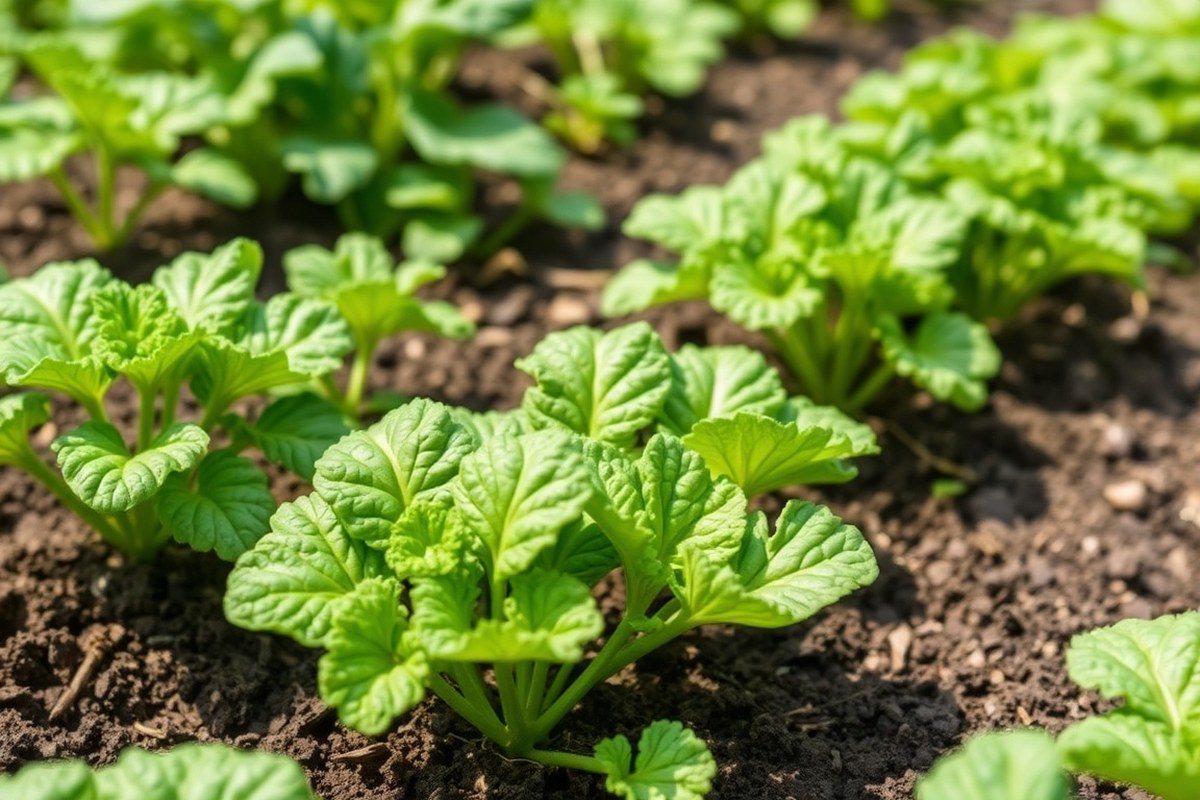
Potassium is a key nutrient that plants need for several important functions. It helps regulate water use, improves disease resistance, and supports overall plant strength. When soil doesn’t have enough potassium, plants grow weaker.
They produce lower yields. These plants also get hurt by pests and drought more easily.
Pot ash supplies potassium in a natural form as potassium carbonate, which differs from synthetic fertilizers. Potash can raise the soil pH a little. This is different from potassium chloride fertilizers.
It’s helpful for soils that are too acidic. Potash does not spread far in soil.
You should mix it into the top 2 to 3 inches. Do this near the plant roots for best results.
Crops like potatoes, tomatoes, corn, and wheat use a lot of potassium. These plants benefit greatly from potash. Higher potassium levels boost crop quality, like bigger grains or firmer fruits.
Test your soil before adding potash. This helps you apply the right amount. Usually, use 50 to 100 pounds per acre based on crop needs and soil potassium.
Potassium improves the way plants use nitrogen and phosphorus, making overall fertilization more effective. Without enough potassium, plants waste nutrients and water, reducing your crop yield.
Applying potash regularly adds back potassium lost during harvest. This helps keep soil fertile over time on farms and gardens.
Never apply potash without testing soil first. Too much potassium can upset nutrient balance and harm plants.
How to Apply Pot Ash in Gardens and Farms
Pot ash should be applied carefully according to plant type and soil needs. Use 1 to 2 pounds of pot ash per 100 square feet for vegetables. For fruit trees, apply 1 to 2 pounds per tree.
This provides proper nutrients for healthy growth. Apply once a season or as recommended to prevent damage and improve growth.
Measuring and Preparing Pot Ash
Accurate measurement of pot ash avoids overdosing your plants and soil. Use a kitchen scale or fertilizer scoop to measure doses precisely. Mix pot ash evenly with soil or water for consistent feeding.
Follow these steps to prepare pot ash for application:
- Weigh the correct amount based on your plant type and area size.
- Wear gloves to avoid skin irritation during handling.
- Use dry pot ash by spreading it on a clean surface first. This helps to mix it well before applying.
- Mix dry pot ash with soil or compost before planting when possible.
- For established plants, prepare a diluted solution by dissolving in water.
- Label any leftover pot ash clearly for future use.
Application Methods by Crop Type
Vegetables need 1 to 2 pounds of pot ash per 100 square feet. This amount supports their best growth and yield. Spread pot ash over the soil before planting.
You can also side-dress during growth. Keep the pot ash 6 to 8 inches away from stems. This distance avoids root burn and allows nutrient absorption.
Fruit trees benefit from 1 to 2 pounds applied annually in early spring. Distribute pot ash evenly around the tree’s drip line. Avoid using pot ash on acid-loving plants like blueberries.
It can raise soil pH and cause harm. Use other fertilizers better suited for these plants.
Timing and Frequency Guidelines
Apply pot ash once per growing season for vegetables, ideally at planting or early growth. Side-dress during growth if you spot deficiencies but avoid late-season use to prevent nutrient imbalance. Fruit trees receive their yearly dose in early spring before new blooms appear.
Test your soil beforehand for potassium levels to time applications properly. Plants won’t need pot ash if soil potassium is sufficient. Avoid heavy or frequent pot ash use to reduce soil salinity and prevent plant stress.
Comparing Potash Forms: Chloride vs Sulfate
Potassium chloride and potassium sulfate are the two main potash compounds used in farming. Chloride has more potassium but can lead to salt buildup. Sulfate contains sulfur and suits sensitive crops better.
Potassium Chloride Characteristics
Potassium chloride, often called muriate of potash, contains about 50% potassium. It’s the most common, affordable option for general use. This salt dissolves easily, making potassium quickly available to plants.
Chloride can build up in soil, especially sandy types. This can harm some crops sensitive to salt or chloride ions. Its strong solubility means you need to monitor application rates closely on lighter soils.
Potassium Sulfate Benefits and Drawbacks
Potassium sulfate contains around 50% potassium and also adds sulfur to soil. Sulfur helps plants like onions and garlic grow better. It’s a good choice to reduce the risk of salt buildup.
Sulfate is less soluble than chloride, so it leaches more slowly. It lacks chloride, which some fruits and nuts can’t tolerate. However, it often costs more due to extra processing.
Crop Suitability and Soil Interaction
Clay soils handle potassium chloride better because their high cation exchange capacity reduces salt issues. Sandy soils need potassium sulfate to avoid salt stress from chloride buildup. You should test your soil every year to decide which form to use.
For sensitive crops such as fruits, nuts, or vegetables like onions, potassium sulfate prevents chloride damage. Use potassium chloride on salt-tolerant crops and less permeable soils. Applying about 0.25 to 0.33 pounds per 100 square feet replenishes potassium effectively.
Check soil texture and crop type before choosing your potash source. Check soil tests to match your crop’s needs exactly.
Adjust rates carefully to avoid too much fertilizer. Timing matters to keep nutrient levels balanced for your plants.
| Property | Potassium Chloride (KCl) | Potassium Sulfate (K₂SO₄) |
|---|---|---|
| Potassium Content | About 50% | About 50% |
| Chloride Presence | Yes | No |
| Sulfur Content | No | Yes |
| Solubility | High | Moderate |
| Suitable Soil Type | Clay and heavier soils | Sandy and sensitive soils |
| Crop Suitability | Salt-tolerant crops | Chloride-sensitive crops like fruits and nuts |
| Cost | Lower | Higher |
This table shows key differences to consider before picking potash. Your soil test results and crop tolerance guide the choice between chlorides or sulfates. Managing these factors helps maintain soil health and crop productivity over time.
Industrial Uses of Pot Ash Beyond Fertilizer
Pot ash is key in glassmaking because it acts as a flux. It helps lower the melting point of silica, making glass easier to form. Using about 10 to 15% pot ash in glass batches helps.
It improves clarity and durability. It does this without adding harmful impurities.
In ceramics, pot ash adjusts the glaze composition. It creates a smooth, glossy finish and helps the glaze fuse at lower kiln temperatures. Typical use of pot ash in glazes is 5 to 12%.
This depends on surface texture and color effects wanted. Adjust to get the desired finish.
Soap makers rely on pot ash for its alkaline properties. It reacts with fats during saponification, producing soap and glycerin. At home or for small batches, dissolve pot ash in water first.
This forms lye, which is easier to handle. Use the solution for your recipes. Use pot ash solution carefully because it is caustic.
Always measure precisely. Too much makes soaps too harsh.
Water treatment benefits from pot ash by helping soften hard water. Potassium ions from pot ash replace calcium and magnesium ions, reducing scale buildup. Utilities dose pot ash in controlled amounts to balance water pH.
They use about 10 to 50 milligrams per liter. This helps improve water quality.
Always wear gloves and eye protection when handling pot ash solutions. This prevents skin burns and eye damage. Safety is a must.
These industrial uses highlight pot ash’s versatility beyond farming. It supports clear, strong glass, vibrant ceramics, effective soap, and softer water. You’ll see differences in cost and application methods based on the industry.
Glass manufacturers might pay hundreds of dollars per ton for pot ash. They do this to ensure the pot ash is very pure.
This keeps their glass quality high. Soap producers focus on chemical concentration and safety measures.
Sourcing and Production Methods for Pot Ash Today
Pot ash today mainly comes from underground mineral deposits found in salt-rich regions. Two common extraction methods are deep shaft mining and solution mining.
Deep shaft mining involves drilling into potash beds and hauling the ore to the surface. Solution mining uses water to dissolve the potash, pumping the resulting brine up for processing.
After extraction, pot ash undergoes refining to remove impurities like salt and clay. This purification uses processes such as flotation, crystallization, and drying to produce high-quality potash fertilizer. These steps ensure the potash is free from contaminants that might harm plants or soil.
Canada and Belarus lead global potash production and exports. Canada’s mines in Saskatchewan produce over 20 million metric tons yearly.
This makes Canada the top supplier globally. Belarus also plays a big role with extensive solution mining operations extracting potash from underground deposits.
The United States produces potash primarily in New Mexico. It uses both underground mining and deep-well solution mining methods. These techniques are well established and help meet domestic fertilizer needs for agriculture.
Extraction costs vary by method and region. Deep shaft mining requires heavy equipment and good ventilation, increasing expenses. Solution mining costs less on equipment but demands careful control of water injection and brine pumping.
Both methods take several weeks or months to complete. Time depends on how deep and large the deposit is.
Refined potash typically comes in granular or crystalline form. This makes it easy to handle, apply, and store in farms or gardens. Quality checks during refining confirm nutrient levels.
They focus on potassium oxide content. This content usually ranges from 50 to 60 percent.
Some countries still use older surface mining techniques or extract potash from evaporated lake beds. These methods are less common due to lower yields and greater environmental impact. Modern mining focuses on maximizing production efficiency and minimizing land disturbance.
Safe Handling, Storage, and Environmental Considerations
Pot ash can irritate your skin, eyes, and lungs if you don’t handle it right. Wearing gloves, safety goggles, and a dust mask helps avoid exposure. Always work in a well-ventilated space to limit dust inhalation.
Store pot ash in a cool, dry area away from moisture and direct sunlight. Use tightly sealed containers or bags to prevent clumping and contamination. Transport it in sturdy packaging to avoid spills and dust release during loading or unloading.
Environmental concerns include potential runoff that can raise surrounding soil potassium and affect water quality. Avoid over-application near water bodies to minimize leaching. Applying pot ash based on soil tests helps keep nutrient levels balanced and reduces waste.
Keep pot ash away from acids or strong oxidizers to prevent harmful reactions. Clean equipment promptly after use to avoid residue buildup. Washing hands thoroughly after handling stops accidental ingestion or eye contact.
Good handling and storage cut down risks of spills and health problems. A storage spot should stay below 77°F (25°C) and dry, reducing the chance of lumps forming. Always wear PPE when handling pot ash.
This includes scooping or spreading small amounts. PPE helps protect your skin and lungs.
In farming, timing application before planting or during early growth stages helps plants use potassium efficiently. Applying pot ash according to recommended rates saves money and protects the environment. Overuse can lead to soil nutrient imbalances and is a waste of product.
The cost of protective gear is low compared to treating skin or breathing irritation. Simple things like gloves cost a few dollars but prevent bigger health issues.
Keeping pot ash contained protects other workers nearby. It also prevents damage to plants you don’t want affected.
Keeping the site tidy with covered storage and no open piles reduces dust problems. Check containers regularly for leaks or damage and fix them quickly. These steps stop pot ash from spreading unintentionally and keep your operation running smoothly.
Recognizing Soil Needs and Avoiding Common Pot Ash Mistakes
Check your soil before applying pot ash to avoid wasting product or harming plants. Look for potassium shortages by testing soil and watching plant health closely. Correct mistakes fast to keep your garden or farm healthy.
Testing Soil for Potassium Deficiency
Soil testing is the best way to know if your soil needs pot ash. Use a local extension service or a certified lab to get accurate potassium levels. This lets you apply just the right amount, saving money and preventing damage.
Collect soil samples from multiple spots for a clear view of your field or garden. Test every 2 to 3 years or when you see growth issues. Potassium levels vary by crop, so be sure your test matches your plants’ needs.
Potash fertilizer usually contains about 60 percent potassium, like muriate of potash. Using soil test results helps you decide exactly how many pounds per acre to apply. Avoid blind application to prevent overuse or underuse problems.
Symptoms of Potash Deficiency in Plants
Watch for yellowing or browning leaf edges, which often signal potassium shortage. Plants may show weak stems and poor fruit or grain development too. These signs mean your plants cannot absorb enough potassium from the soil.
Deficiency can stunt plant growth and reduce yields noticeably. Crops like potatoes, tomatoes, and corn commonly show these symptoms. Acting fast by applying the right rate of pot ash helps plants recover and grow properly.
Fixes for Common Application Mistakes
Applying too much potash risks nutrient imbalances, harming plants and soil fertility. If you over-apply, leach the soil with water to reduce potassium buildup, but avoid waterlogging. Test your soil again after a season to track changes.
Under-application causes poor plant growth that slows your harvest. Add more potash gradually based on soil test advice. Split applications during the growing season can help crops absorb nutrients better.
Always start with a soil test to avoid guesswork in pot ash use.
Your First Steps: Using Pot Ash Effectively
Follow this plan to apply pot ash properly. It will help your soil. Your plants will show better results.
- Before planting: Test your soil to check potassium levels and pH. This avoids over-application.
- One week before planting: Spread pot ash evenly across beds or fields. Mix well into the top 6 inches of soil.
- At planting: Apply pot ash in furrows or with the seed if recommended. Watch for healthy seedling growth as a good sign.
- Two weeks after planting: Inspect plants for color and vigor. Yellowing leaves can mean more potassium is needed.
- Mid-season: Consider a side-dress application if plants show potassium deficiency. Use soil tests or leaf analysis to confirm.
- After harvest: Check soil potassium again. Adjust your pot ash amount for the next season based on depletion.
Frequently Asked Questions
What Is Pot Ash Primarily Used for in Agriculture?
Pot ash primarily supplies potassium to plants, important for growth and fruiting. Potassium helps improve water retention and disease resistance in crops.
Can Pot Ash Be Used in Soap and Glass Making Today?
Yes, pot ash is still used in soap and glass manufacturing. Its alkaline properties help saponify fats and act as a flux in glass production.
How Did Early Civilizations Use Pot Ash Historically?
Ancient Egyptians used pot ash for soap and glass around 1500 BC. They discovered its cleansing and glassmaking properties through wood ash processing.
Is Pot Ash the Same as Wood Ash in Gardening Use?
Pot ash comes from wood ash but is more refined as potassium carbonate. Wood ash contains potassium but also other minerals and less concentrated potassium.
What Advantages Does Pot Ash Have over Synthetic Potassium Fertilizers?
Pot ash is a natural source of potassium with fewer chemicals. It also adds micronutrients and helps improve soil structure compared to synthetic options.
Why Is Pot Ash Important for Soil pH Balance?
Pot ash raises soil pH, making acidic soils less acidic. This helps plants absorb nutrients better in soils that are too acidic for growth.
Final Thoughts
Pot ash plays an important role in plant nutrition and many industrial fields. You can manage its use safely and efficiently with simple soil testing.
Start today by testing your soil. You’ll be set for healthier crops and better yields.