
Do Marigolds Spread? What Every Gardener Needs to Know
Do marigolds spread naturally in your garden? Yes, they do, mainly by dropping seeds around them. These seeds usually sprout near the parent plants.
Sometimes they grow farther away. This spreads marigolds without extra work from you.
The spread depends on the type of marigold you grow. Smaller types like French marigolds spread less than the taller African varieties. Knowing this helps you plan how much space they’ll need and when to thin seedlings.
Plant marigolds where they get plenty of sun, at least six hours daily. That keeps them blooming and healthy while naturally spreading by seed. Watch out for crowded spots because seedlings can pop up all over if seeds fall freely.
Key Takeaways
- French marigolds usually spread 6 to 12 inches wide at peak growth.
- Signet marigolds typically spread between 10 and 14 inches wide.
- African marigolds grow 12 to 18 inches wide and need more space.
- Taller marigolds like ‘Crackerjack’ can grow 24 to 36 inches tall.
- Marigold seeds often fall near the parent plant, sprouting nearby.
- Full sun exposure supports continuous marigold blooming for several months.
Do Marigolds Spread Naturally and How?
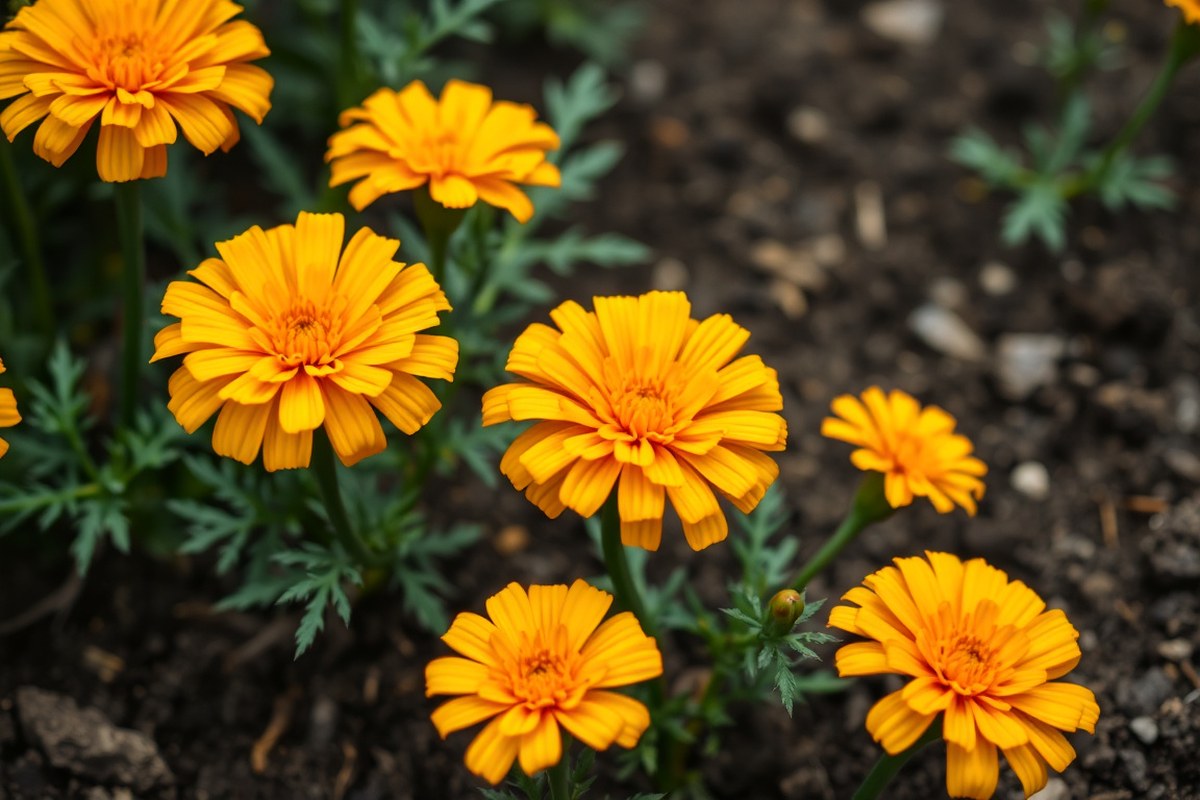
Marigolds spread naturally in gardens mainly by self-seeding. These flowers produce a large number of seeds that drop around the parent plants.
The seeds often sprout nearby the next season. So you might find new marigolds popping up without extra planting.
Seed dispersal happens through wind or water movement in your garden. A light breeze can carry marigold seeds to new spots. Rainfall can also move seeds around your garden.
This helps marigolds grow in many different areas. This natural spreading helps fill your garden space with vibrant colors and attracts helpful insects.
Besides spreading by seed, marigolds can also spread through rhizomes. Rhizomes are underground stems that grow sideways and send out new shoots. Marigolds can spread under the soil by growing sideways.
New plants then pop up close to the original ones. This lets marigolds grow in a wider area.
Marigolds don’t often spread by rhizomes, but it happens. This helps them fill empty spaces in your garden. It’s less common than seed spreading.
This growth happens slowly and steadily, unlike seeds that can appear suddenly across wider areas. Rhizome spread is influenced by soil conditions and moisture levels.
Marigolds spread by seeds and rhizomes both. Because of this, they can quickly fill your garden beds. This happens when the conditions are right.
Sunlight and well-drained soil encourage seed germination and rhizome growth. This natural spread makes marigolds a good choice for brightening a large garden area.
You should watch their spread to avoid overcrowding other plants. Marigolds that self-seed can sometimes surprise you by appearing where you didn’t expect. You can control where marigold seeds fall in your garden.
Dig out extra shoots that grow from rhizomes. This keeps your garden neat and tidy.
How Wide and Tall Do Different Marigolds Spread?

Different marigold types spread in width and height based on their variety. African marigolds grow tall and wide, French marigolds stay compact, and Signet marigolds remain small. Planting with the right spacing helps you control their growth well.
African Marigold Growth Traits
African marigolds can reach 24 to 36 inches tall and spread 12 to 18 inches wide. They have large, bushy plants and bigger flowers compared to other marigolds. Keeping them 12 to 18 inches apart lets them grow fully without crowding each other.
These marigolds need more space and nutrients. So use pots that are at least 10 to 12 inches deep and wide. Bigger pots work best for heirloom types like ‘Crackerjack’ or ‘Giant Orange.’
These plants can grow wider than others. A larger pot gives their roots room to spread. Pinching their tips when they are 4 inches tall encourages bushier growth and limits height.
French Marigold Growth Traits
French marigolds grow compact and neat. They reach about 6 to 12 inches tall. They spread roughly 8 to 12 inches wide.
Their smaller size makes them great for edging flower beds or growing in pots. Plant French marigolds spaced by their mature width to avoid overcrowding and control their lateral spread.
These marigolds are easier to manage in tight garden spaces and respond well to pinching tips. They also tolerate closer spacing after they have grown a bit.
But avoid planting too close from the start. French marigolds provide good ground coverage without taking over.
Signet Marigold Growth Traits
Signet marigolds are the smallest kind. They grow 6 to 18 inches tall. Their spread is around 8 to 12 inches wide.
They have fine foliage and small flowers, which work well in borders or containers. Spacing Signet marigolds about 8 to 12 inches apart is ideal for healthy growth.
Because they stay small, Signets fit well in compact gardens or combined plantings. They do not require much space but still need enough room for sunlight and airflow. Like French marigolds, pinching helps keep them bushy and neat.
| Marigold Type | Height Range (inches) | Spread Range (inches) | Flower Size | Recommended Spacing (inches) |
|---|---|---|---|---|
| African | 24, 36 | 12, 18 | Large | 12, 18 |
| French | 6, 12 | 8, 12 | Medium | 8, 12 |
| Signet | 6, 18 | 8, 12 | Small | 8, 12 |
Choosing the right spacing helps keep marigolds healthy and prevents overcrowding. You can control spread by following these spacing guidelines suited to each type’s growth habit. Use larger pots for African marigolds to support their size.
Pinch the tips of your marigolds when young to promote bushier growth and prevent legginess.
Do Marigolds Return Year After Year or Only as Annuals?
Marigolds grow as annuals. They don’t survive winter to grow again. You’ll need to plant new ones each year.
Their roots cannot handle frost, so the plants die once cold weather arrives. In mild climates, marigolds can behave like perennials.
They reseed themselves. They come back next spring.
Marigolds coming back depends mostly on your climate zone. In USDA Zones 7 and warmer, winters are mild.
Marigold seeds in soil sprout next year. Your garden might look filled with marigolds year after year without replanting, thanks to natural self-seeding.
Self-seeding means marigolds drop seeds that grow into new plants without you planting them again. After the flowers fade, they produce lots of seeds that scatter around.
Warm soil, enough sun, and little frost help seeds sprout. Seeds fill your garden with marigolds each spring.
To encourage this, let some flowers dry on the plant at the end of the season. Avoid clearing away all spent blooms before frost.
Seeds left on soil naturally germinate in spring. This saves you buying new seeds or seedlings.
In colder regions below Zone 7, marigolds don’t survive winter as perennials. Even self-seeded plants often fail to take hold because of freeze damage. In those places, gardeners must replant marigolds annually to enjoy their bright flowers and pest-repelling benefits.
Marigolds aren’t true perennials in most places. But self-seeding helps them come back year after year.
Self-seeding keeps your garden colorful with little care. This works if you live in a mild climate or protect the seeds through winter.
Which Marigold Varieties Self-Seed Most Reliably?
Reliable Self-Seeding Varieties
Open-pollinated and heirloom marigold types are best for self-seeding. These varieties drop seeds naturally, making them reliable for gardeners who want volunteers next year. French marigolds and certain African marigold strains are top picks for spreading through seeds.
Here are some marigold varieties that self-seed most reliably:
- French Marigold (Tagetes patula), classic, compact, spreads well
- African Marigold (Tagetes erecta), large blooms, reliable seed producers
- Signet Marigold (Tagetes tenuifolia), smaller flowers, spreads easily
- Heirloom open-pollinated varieties, older strains known for natural reseeding
- Mexican Marigold (Tagetes lucida), less common, but good at self-seeding
These types thrive in warm soil and steady moisture, which helps seeds sprout quickly. The seeds stay viable if stored dry and cool. So you might get volunteers even from past seasons’ seeds.
Varieties That Rarely Self-Seed
Modern hybrid marigold cultivars usually do not self-seed well. They often breed them for unique colors or bigger flowers.
This breeding can lower seed viability. These hybrids tend to produce fewer viable seeds or none at all, limiting natural spread.
Another group that rarely self-seeds is dwarf or specially bred compact French types. While these stay small and neat, their seed production is usually limited. You might need to buy new seeds or plants yearly with these varieties.
To get volunteers without buying seeds, skip hybrids and dwarf marigolds. Sticking with heirloom or open-pollinated types will save you time and money over several seasons.
Typical Germination Timeline
Marigold seeds sprout quickly once planted in warm soil with steady moisture. Most seeds emerge within 5 to 7 days under ideal conditions. This speed means you’ll see seedlings fast without soaking seeds beforehand.
Once they germinate, marigolds grow fast and usually bloom within 6 to 8 weeks. Dwarf French types might bloom even quicker. This quick cycle helps self-seeded plants become established early in the garden.
Direct sow seeds anytime during the growing season up to mid-summer for best results. African marigolds should be planted in spring to allow more time to develop. Sow a few seeds per group and thin to healthy plants after they sprout.
How Do Marigold Seeds Spread Throughout a Garden?
Marigold seeds spread mainly through natural forces like wind, water, and animals. Wind can carry their small, lightweight seeds short distances downhill or across open soil. Water runoff after rain moves seeds to new spots around your garden.
This helps seeds grow in moist areas. Random growth happens where water carries seeds.
Animals like birds or small mammals carry seeds. Seeds stick on their fur or feet. Mud on their feet often holds seeds too.
They might drop these seeds away from the original plant, helping marigolds colonize nearby patches. Insects rarely disperse seeds. But disturbed flower heads can release seeds directly onto the soil.
Mulch and ground cover play a big role in seed spread. Thick mulch layers block seeds from reaching bare soil, reducing new marigold growth. Mulch that is thin or patchy lets seeds reach soil.
Seeds find bare spots to start growing. Thick mulch blocks seed germination better. Ground covers shade the soil and block sunlight.
This makes it harder for seeds to sprout. Volunteer marigold growth slows down under shade.
To help marigolds spread naturally, keep soil warm and moist until seeds sprout. Sow seeds when soil reaches about 65 degrees Fahrenheit.
Regular watering in the first two weeks helps seedlings take root. You can also scatter seeds on bare patches and clear away mulch to improve seed-to-soil contact.
Remove flower heads before seeds fully mature to limit spread. This stops unwanted marigold seeds from spreading. It helps control volunteer plants.
Applying a thicker mulch layer or planting dense ground cover can block seed landing spots. Watering well and having good soil drainage helps plants grow.
These don’t increase seed spread on their own. Control seed production to limit spread.
Watch spent flowers and pull them before seeds drop. This helps control marigold volunteers in your garden. Removing old flowers prevents new seed growth.
Can Marigolds Become Invasive or Take over Gardens?
Marigolds are not considered invasive in the United States or other countries. They lack underground runners like rhizomes or stolons, which invasive plants use to spread quickly. Still, they can fill in garden spaces fast and crowd out smaller plants if unchecked.
A few garden conditions help marigolds spread more aggressively. Warm climates where marigolds bloom year-round let self-seeding happen multiple times. Gardens with rich soil, good water, and little competition also let marigolds grow large and dense.
You can spot marigold takeover early by checking for these warning signs:
- Marigolds sprouting in spots you didn’t plant
- Thick patches crowding out lower-growing plants
- Seedlings appearing just after deadheading period
- Decline of neighboring plants due to shading
- Growth beyond flower bed edges into other areas
Remove new seedlings as soon as you see them to stop spread. Deadhead spent flowers regularly to prevent seeds from dropping. Applying mulch around plants limits root expansion and seed germination near your marigolds.
Pruning also helps keep marigolds from growing too big. Dividing large clumps every growing season encourages healthy plants and less crowding. These efforts take about 10 to 15 minutes weekly during peak growth.
In colder zones, frost kills marigolds, naturally limiting spread. But in warmer zones, seeds mature fast and plants may bloom without pause.
Watch these signs closely and keep up with maintenance. Otherwise, your marigolds could take over by outcompeting others for water, light, and nutrients.
Effective Practices to Manage Marigold Spread
Controlling marigold spread depends on timely deadheading, proper spacing, and careful pruning. Managing these steps helps keep your garden neat while encouraging healthy marigold blooms. You can slow or speed up their spread based on your goals.
Deadheading to Limit Seed Spread
Deadheading means removing spent blooms right after they fade. This stops seeds from developing and spreading around your garden. The plants focus energy on making new flowers instead of seeds.
Do deadhead about once a week during the growing season. Use sharp scissors or garden shears to cut the flower stalk. Cut just above the first set of healthy leaves on the stem.
This helps the plant stay healthy and grow better. Avoid tearing the stem, which can harm the plant.
- Spot check your marigolds every 5-7 days.
- Pinch or snip off any spent flowers.
- Cut back to a leaf node or stem junction, not the bare stem.
- Dispose of old flowers away from soil to prevent seedling sprout.
- Water and feed plants lightly after deadheading to support growth.
Thinning and Spacing Guidelines
Proper spacing between plants controls spread and airflow. Crowded marigolds risk fungal diseases and become leggy.
Space French marigolds from 8 to 10 inches apart. African varieties 12 to 18 inches.
Thinning seedlings early also prevents overcrowding. Pull weaker plants carefully, leaving the strongest ones more room to grow. This improves airflow and limits unwanted root competition.
When planting, prepare your bed by clearing debris and measuring spaces. Avoid placing marigolds too close to other low growers if their height is tall. African marigolds can shade smaller neighbors if crowded.
Pinching and Pruning for Shape
Pinching back young marigolds encourages bushier, compact growth instead of tall and leggy stems. Cut the top 1 inch of new growth when plants are 4 to 6 inches tall.
This encourages branching and fuller growth for your marigolds. Make sure to do it carefully to avoid damage.
Pruning older plants helps manage size and spread. Trim away leggy branches or crowded parts using clean, sharp pruners. Set them aside or compost the cuttings to avoid spreading pests.
Regular maintenance pruning every few weeks keeps plants neat. Combine pruning with deadheading to boost flower production. Avoid removing more than one-third of the plant at once to prevent shock.
Factors Influencing Marigold Spread and Growth
Marigolds grow best in soil that drains well and has a pH from 6.0 to 7.0. Clay or very wet soil can harm roots and stop growth. Use soil that feels damp but not soaked to help roots spread.
Sunlight plays a big role in how much marigolds spread. Marigolds should get at least 6 hours of direct sunlight each day. More sun, up to 8 hours, helps them grow strong.
Enough light helps marigolds spread wide in your garden. Without enough sunlight, marigolds become weak and spindly.
Their thin stems don’t fill garden space well. Sunlight is key for healthy, bushy growth.
Temperature and watering also shape how marigolds spread. They germinate best around 70 to 75°F soil temperature.
So plant seeds when the soil reaches this warmth. Water moderately, keeping soil moist but not soaked, to support steady growth and spreading.
- Well-drained soil with pH 6.0, 7.0 favors healthy roots
- At least 6, 8 hours of full sun daily improves spreading
- Moderate watering to maintain consistently moist soil
- Soil temperature near 70, 75°F speeds seed germination
- Space plants with room to grow without crowding
- Good air circulation reduces disease risk
Plant marigolds in an open spot with enough space. Overcrowding causes competition that slows spreading and weakens plants. Let marigolds grow without nearby shade trees or dense shrubs blocking light.
Too much water in heavy soil makes marigolds rot and stop spreading.
Step-by-Step Action Plan for Managing Marigold Spread
Follow these easy steps to control marigold growth and keep your garden neat. You’ll see if each step works by checking your plants’ size and seedling spots.
- Before Planting: Choose marigold varieties known for limited self-seeding, to reduce unwanted spread. Look for tags or seed descriptions giving this info.
- Planting Day: Space marigold seedlings or seeds about 8 to 12 inches apart. This prevents overcrowding and controls how wide they spread.
- Week 1 to 4: Watch for new seedlings beyond planned spots. Pull out any seedlings growing where you don’t want them to stop spread early.
- Mid-Season: Deadhead flowers by cutting off faded blooms regularly. This reduces seed drop and keeps marigolds from spreading too much.
- End of Season: Remove all marigold debris before winter to prevent chance seedlings in spring. Compost or trash the cuttings.
- Next Spring: Look for volunteer marigolds in your garden. Remove extra plants to keep the area neat and planned.
- Ongoing: Adjust watering and soil care to match marigold needs. Healthy plants grow well but spread less aggressively with good care.
Frequently Asked Questions
Can Marigolds Spread Through Root Division?
Yes, marigolds can spread through root division by rhizomes, creating new shoots along underground stems. This slow process helps them fill garden spaces without relying only on seeds.
Do Marigolds Spread More in Certain Soil Types?
Marigolds spread better in well-draining, loose soil because roots and rhizomes grow freely. Heavy clay or compacted soil limits their outward growth. So improving soil can boost spread.
Can Marigolds Spread to Containers or Raised Beds?
Marigolds can spread in containers, but space limits their growth and seed drop. Plants stay more contained in raised beds if seeds are removed regularly.
Are Marigolds Likely to Spread in Shady Areas?
Marigolds don’t spread as well in the shade. They need at least 6 hours of sun daily.
Sunlight helps them grow healthy and strong. Less light reduces seed production and rhizome growth.
Does Watering Frequency Affect Marigold Spread?
Regular watering encourages marigolds to grow and spread well by supporting roots and seed production. Overwatering can cause rot, which limits spread.
Can Marigold Spread Help Control Garden Pests?
Yes, spreading marigolds attract beneficial insects that eat pests, benefiting nearby plants. Their spread creates a protective zone without needing extra chemicals.
The Bottom Line
Marigolds can spread by self-seeding, but you control how far they go. Regular care like deadheading helps keep them in place. Start by picking the right variety for your garden goals.