How Often Does a Peace Lily Flower? A Complete Guide for Reliable Blooming
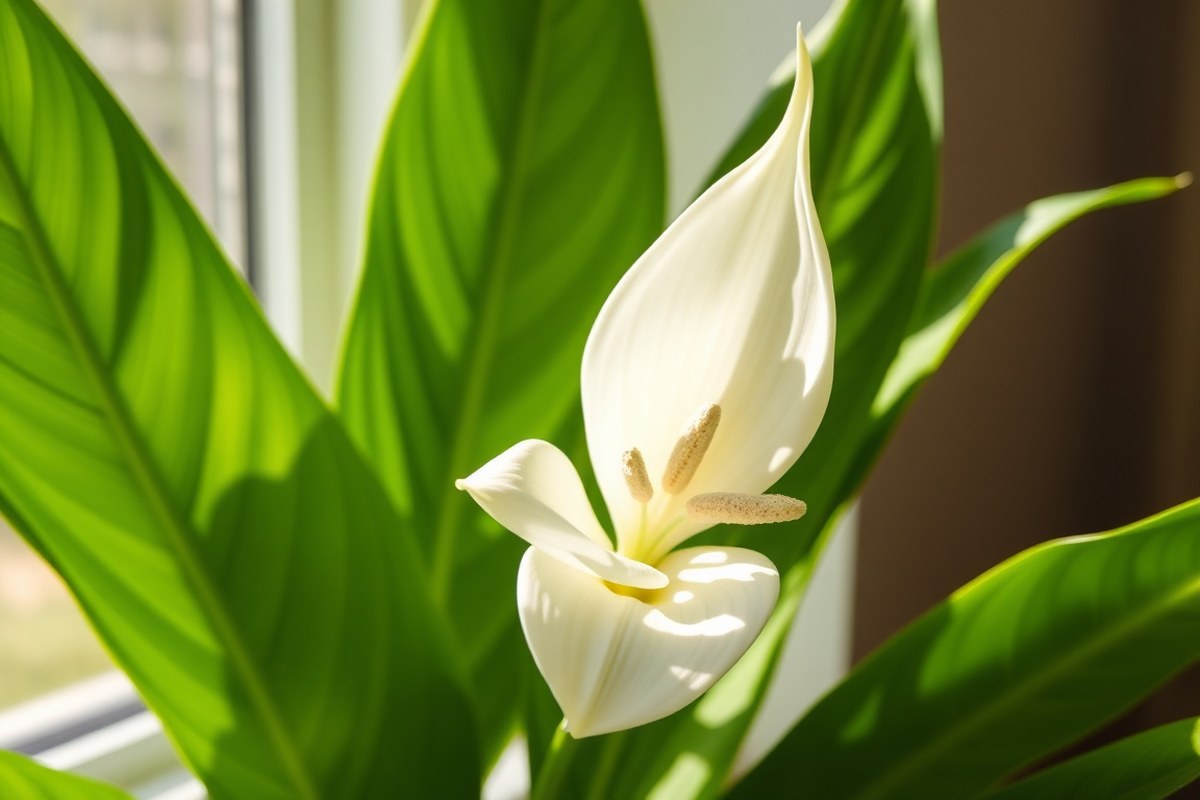
Peace lilies usually flower every 4 to 6 weeks indoors if conditions are right. They start blooming after about one year. With proper care, they will keep flowering regularly over time.
Once they bloom, peace lily flowers last between one and two months. Moderate to high humidity helps blooms stay fresh longer. Keep the plant away from cold drafts and chilly spots below 55°F.
Ideal temperatures for blooming range from 65 to 86 degrees Fahrenheit. Water the plant every 7 to 10 days and provide about 6 hours of indirect light daily. These steps support steady blooming.
The plant likes humidity around 50 to 60 percent. You can mist leaves or place a tray of water nearby. These simple tricks help your peace lily flower often and stay healthy.
Key Takeaways
- Expect peace lilies to bloom every 4 to 6 weeks indoors.
- Flowers last about one to two months on a healthy plant.
- Maintain temperatures between 65 and 86°F for best blooming.
- Keep humidity at 50-60% to support flower longevity.
- Water peace lilies every 7 to 10 days to avoid stress.
- Place the plant in bright, indirect light for roughly 6 hours daily.
How Often Does a Peace Lily Typically Flower Indoors?
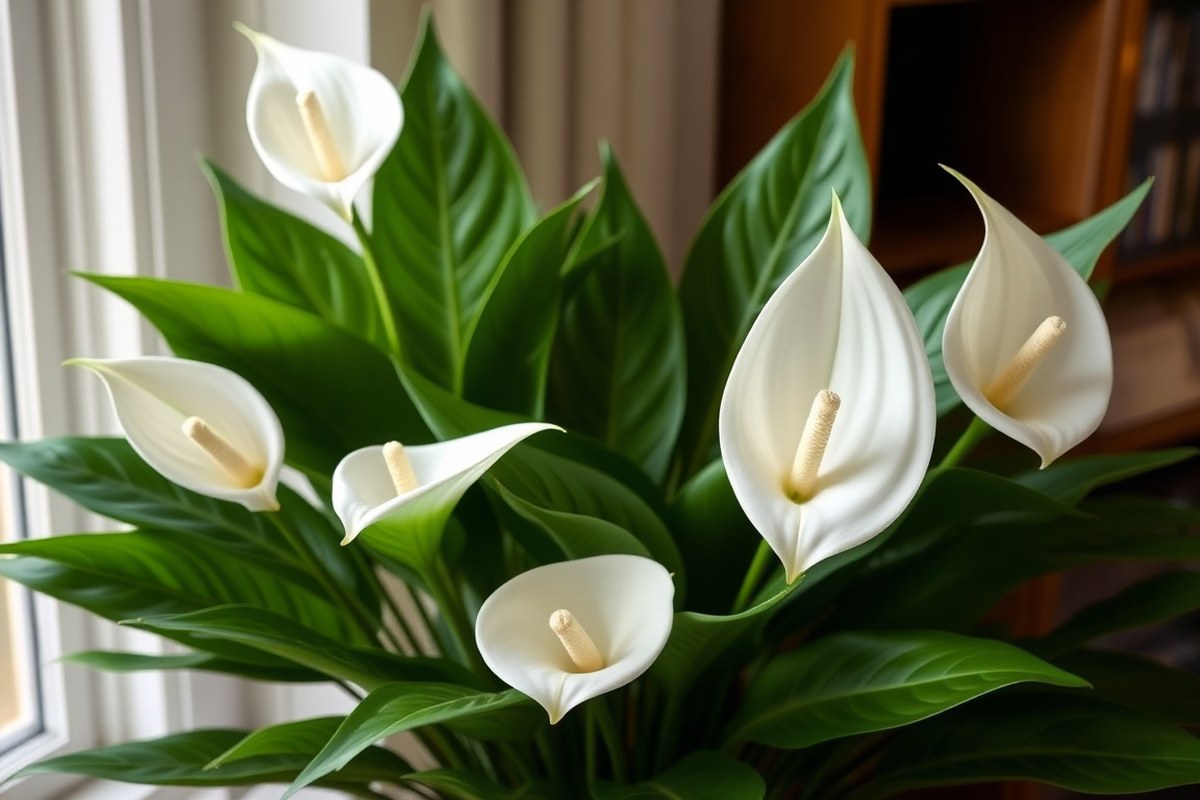
Peace lilies typically flower once or twice a year indoors. Most bloom in spring, with some producing a second bloom in fall if cared for well. These two flowering cycles match their natural growing season from Central and South American rainforests.
Getting a peace lily to bloom more than twice a year indoors is rare. It requires keeping temperatures steady between 65 and 86 degrees Fahrenheit and mimicking rainforest conditions closely. High light helps the plant build energy for flowering.
Consistent moisture supports healthy growth. Proper feeding gives the nutrients needed to flower multiple times.
Some varieties like S. ‘Mauna Loa’ or S. ‘Sensation’ can bloom up to four times annually indoors. Dwarf types like S. ‘Wallisii’ bloom less often but handle lower light better.
Most peace lilies do not bloom year-round indoors. But healthy plants can produce flowers lasting 1 to 2 months during their cycles.
How Long Do Peace Lily Flowers Last and How to Extend Bloom Life

Peace lily flowers typically last between 4 and 6 weeks after blooming. Keeping the environment warm and humid helps the flowers stay fresh. Proper care can extend their attractiveness well beyond the usual bloom time.
Normal Bloom Duration of Peace Lily Flowers
Peace lily blooms, or spathes, usually last from one to one and a half months. You’ll notice the flower’s white spathe opening and staying vibrant during this time. After about 6 weeks, the spathe starts to yellow and fade naturally.
The flower’s main role ends after about ten days of pollination. But the spathe remains decorative much longer.
Eventually, the bloom declines as the plant uses energy for new growth. This fading is a natural part of the plant’s cycle.
Why Peace Lily Flowers Fade Quickly
Low humidity, cold drafts, or too much direct sunlight can shorten flower life. Peace lilies prefer warm, humid rooms near indirect light. Sudden changes in temperature can cause the flowers to brown and drop faster.
Overwatering or poor drainage causes root issues, stressing the plant and fading flowers prematurely. Stress happens when the plant is underfed. It also occurs if the pot is too small.
Both affect plant health. All these factors rob energy the peace lily needs to keep blooms healthy.
How to Keep Peace Lily Flowers Fresh Longer
Maintain a consistent temperature between 65 and 80 degrees Fahrenheit to protect bloom life. A humidifier or a shallow tray with water and pebbles near the plant adds needed moisture. These simple steps can keep the flowers looking fresh for weeks.
Regularly wipe leaves and flowers gently to keep dust off, which improves air flow and appearance. Avoid floral preservatives or flower food, as they often harm peace lily roots. Use room-temperature water to water your plant.
Feed it lightly with balanced houseplant fertilizer. This helps blooms stay healthy.
Trimming and Deadheading Tips for Longevity
Remove faded or yellowing spathes carefully with scissors to encourage new blooms. Cutting away dead flowers prevents the plant from wasting energy on fading parts. This pruning helps keep the whole plant vigorous and ready for the next flower cycle.
Look at the base of old blooms. Cut the stem close to the leaf cluster. This stops damage to the plant.
Leave healthy leaves intact since they power the plant’s growth and blooming abilities. Timely trimming is a simple way to refresh the plant’s look and extend bloom quality.
Avoid sudden cold drafts and keep peace lily flowers humid to avoid quick browning.
Environmental Conditions That Influence Peace Lily Blooming Frequency
Peace lilies need bright but indirect light to bloom well. Placing your plant near an east-facing window or behind sheer curtains works best.
Too little light slows flower production. Direct sun can scorch leaves and harm buds.
Temperature affects blooming by signaling seasonal changes. Night temperatures between 62 and 65°F in winter encourage a brief dormancy that triggers flower growth. During spring and summer, daytime temperatures of 70 to 80°F support healthy bud development.
Avoid cold drafts below 55°F. Do not place your plant in hot spots. Both conditions stop flower formation.
Maintaining humidity above 40% helps blooms last longer and encourages repeat flowering. Dry rooms need extra care. Mist your plant often.
Use a humidifier if possible. Put plants close together to boost humidity.
Use a pebble tray with water under the pot. These steps raise local moisture easily.
Watering plays a big role in bloom frequency. Peace lilies like consistently moist soil but dislike being soggy or bone dry. Water thoroughly once a week, letting excess drain away.
Cut watering by about 25% in winter. This prevents root rot and mimics dry spells. Dry spells help blooming cycles.
Using the right soil is also important. Well-draining potting mix rich in organic matter keeps roots healthy and prevents waterlogging. Avoid heavy, compacted soils that hold moisture.
These soils reduce oxygen for roots. Low oxygen harms flower growth. Repotting every 1-2 years refreshes soil and encourages stronger blooming.
How to Get Your Peace Lily to Bloom Again: Practical Care Steps
To get your peace lily to bloom again, prune it carefully. Water and feed it properly.
You can also use mild stress methods and time repotting well. These steps help reset the plant’s energy towards new flowers.
Pruning Spent Flowers and Stems
Cutting away old flowers helps the plant focus energy on new blooms. Remove the entire flower stalk right at the base near the leaves. This prevents the plant from wasting resources on dying flowers.
Regularly check for brown or wilted flowers and prune them promptly. Healthy new stems can then develop, boosting your chances of repeat blooming cycles.
Adjusting Watering and Fertilizing for Rebloom
Keep the soil evenly moist but not soggy to avoid root problems. Water when the top inch of soil feels dry to the touch. Too much water can stop flower growth, while underwatering stresses the plant.
Feed your peace lily every 6 to 8 weeks in spring and summer. Use a balanced liquid fertilizer.
A 20-20-20 fertilizer diluted to half strength works well. Stop fertilizing in fall and winter to let the plant rest.
Controlled Mild Stress to Trigger Blooms
Brief, mild stress can signal your peace lily to bloom again. Keep temperatures around 60 to 65°F in winter for blooming. In spring, aim for a moderate heat of 70 to 75°F. Avoid sudden drops or extreme heat.
Another mild stress method is to slightly withhold water. Let the soil dry a bit before watering again.
Keep this gentle and short to prevent damage. The plant responds by growing new flowers.
Repotting During Non-Bloom Periods
Don’t repot when your peace lily is flowering or just starting to bloom. Doing so can shock the plant and cause flower loss.
Repot your peace lily every 1 to 2 years. Do it in late spring or early summer when resting.
Use fresh, well-draining potting soil for repotting. Pick a pot 1 to 2 inches larger than the old one.
Disturbing roots too much stresses the plant. After repotting, keep your peace lily in indirect light and steady temperatures for recovery.
- Inspect your plant weekly and prune spent flowers close to the base.
- Water your peace lily when the top inch of soil is dry, keeping moisture steady.
- Apply a balanced liquid fertilizer every 6 to 8 weeks during the growing season.
- Lower room temperature to 60, 65°F in winter to promote flower initiation.
- Allow the soil to dry slightly between waterings to encourage bloom reset.
- Repot only during non-blooming months using fresh soil and a slightly larger pot.
- After repotting, avoid fertilizing and keep the plant in indirect light to recover.
Common Reasons Peace Lilies Fail to Bloom and How to Fix Them
Peace lilies often fail to bloom because of low light. Your plant won’t flower without enough light in a dim corner. Move it near a bright window but avoid direct sun, which can scorch its leaves.
Temperature also makes a big difference. Peace lilies need room temperatures between 65°F and 80°F to bloom well. Winters that drop below 60°F can stop blooming entirely.
Notice no buds in cold months? Move the plant to warmth.
Nutrition plays a role but overfeeding can harm blooms. Use a balanced fertilizer once a month in spring and summer, not in winter. Too much fertilizer, especially high in nitrogen, pushes leaf growth instead of flowers.
- Poor light: Relocate to indirect bright light for 6+ hours daily
- Low temperature: Keep above 65°F, avoid cold drafts in winter
- Overwatering: Let top inch of soil dry before watering again
- Old plant: Replace if over 5 years old and stops blooming
- Lack of fertilizer: Feed monthly with balanced houseplant fertilizer
- Excess nitrogen: Use fertilizer with lower nitrogen or bloom booster
Watering issues often hide under leaf problems. Too much water causes root rot, which blocks nutrient flow and flower development. Allow the soil to dry slightly between waterings to avoid this.
Sometimes older peace lilies stop blooming naturally. Commercial growers may use hormones to trigger blooms initially. For older plants, repotting or dividing can boost growth and flowers.
Keep peace lilies away from cold drafts during winter to avoid bloom loss.
Differences in Blooming Habits Among Peace Lily Cultivars and Varieties
Peace lily varieties differ in flower size and how often they bloom indoors. Some types flower almost year-round, while others bloom primarily in spring. Larger, showier flowers usually develop on mature plants aged one to three years.
Choosing a peace lily variety depends on your flowering goals. Some popular cultivars are bred to produce bigger or more frequent blooms. These often require regular repotting every one to two years to support healthy growth and flowering.
Here’s a table with common peace lily types. It compares bloom frequency, flower size, and repotting needs. This data helps you pick the right plant for your indoor garden.
| Peace Lily Variety | Bloom Frequency | Flower Size (Approx.) | Repotting Interval |
|---|---|---|---|
| Common Spathiphyllum wallisii | Spring bloom mainly | 4, 6 inches | 1, 2 years |
| Mauna Loa | Year-round bloom possible | 6, 8 inches | Every 1 year |
| Domino (variegated leaves) | Spring bloom with care | 4, 5 inches | 1, 2 years |
| Sensation (large leaves) | Spring and summer blooms | 8, 10 inches | Every 1 year |
| Wallisii strong | Frequent blooming indoors | 5, 7 inches | 1, 2 years |
Mauna Loa thrives with blooms nearly year-round, making it ideal for constant flower lovers. It does well in bright, indirect light, which promotes better flowering. The Sensation variety offers bigger flowers but blooms mostly in warmer months.
The common Spathiphyllum wallisii is the most widespread, but expect mostly spring blooms. Regular repotting helps these plants stay healthy and bloom often.
Repot your peace lily to a bigger pot every one or two years. This prevents root crowding that lowers flower growth.
Month-By-Month Peace Lily Bloom Calendar and Seasonal Care Tips
Peace lilies usually bloom once a year, most often in spring or early summer. The flowering season depends on light, temperature, and feeding. Adjusting care by season helps your plant stay healthy and bloom on time.
Young peace lilies do not flower in their first year. In that time, focus on healthy growth with regular watering and some fertilizer.
Flowering shows up when they reach maturity, usually after a year. You will see blooms during their normal flowering time.
| Month | Activity/Phase | Seasonal Care Tips |
|---|---|---|
| January – February | Resting/Minimal Growth | Keep soil moist but reduce fertilizer; lower light levels |
| March – June | Active Growth and Flowering | Increase watering; provide bright indirect light; use balanced fertilizer |
| July – August | Post-Flower Rest | Maintain moderate watering; reduce fertilizer; keep plant shaded from harsh sun |
| September – December | Slow Growth | Cut back on water and fertilizer; keep in lower light to prepare for next cycle |
Spring and early summer are the best times to help peace lilies bloom. You should water regularly while avoiding soggy soil. Fertilizer applied every six weeks during this active phase gives the plant nutrients for flower production.
In the heat of summer, peace lilies need more shade and less fertilizer. Too much sun or feeding can stress the plant and stop blooms.
Water less during cool months and give less fertilizer. This helps the plant rest and prepare for the next bloom.
Environmental cues like longer daylight and higher temperatures trigger flowering. Providing stable temperatures between 65°F and 85°F supports the bloom cycle. Sudden changes in light or cold drafts can delay or stop flowers.
Effective Fertilizing Routines to Support Frequent Peace Lily Blooming
Peace lilies grow and bloom well when you feed them regularly with balanced fertilizer. Apply a 20:20:20 liquid fertilizer once every month during the plant’s active growing period. This method supports healthy blooms without damaging leaves or wasting nutrients.
Choosing the Right Fertilizer
Pick a water-soluble fertilizer with equal parts nitrogen, phosphorus, and potassium, like 20:20:20. This formula feeds roots, leaves, and flowers evenly. Avoid high-nitrogen fertilizers because they promote leaf growth over blooms.
Liquid fertilizers work well because you can apply them evenly and adjust the dose easily. Look for products labeled for houseplants or flowering plants. They usually cost between $5 and $15 for enough concentrate to last a season.
Fertilizing Schedule for Bloom Support
Feed your peace lily every four to six weeks between early spring and late summer. This matches its active growing and blooming period. Skip fertilizing during fall and winter when the plant rests.
Always water the plant before applying fertilizer to avoid root burn. Use the label’s recommended dosage, usually one teaspoon per gallon of water. Pour the solution onto the soil, not directly on the leaves.
- Start fertilizing in early spring as new growth appears
- Fertilize once every 4 to 6 weeks during spring and summer
- Stop feeding in fall and winter
- Water thoroughly before fertilizing
- Follow product directions for dosage
- Avoid applying fertilizer on dry soil
Consistent monthly feeding builds energy for fresh blooms. Overdoing fertilizer does more harm than good.
Adjusting Feed Based on Plant Health
Watch your peace lily for slow growth or dull leaves. These may mean it needs more nutrients or a different fertilizing schedule. You can increase feeding slightly but don’t exceed twice a month.
Your plant might grow well but bloom less. Try feeding every five weeks, not every four. Overfeeding causes fertilizer salt build-up and root stress, which reduces bloom quality.
Signs of Nutrient Imbalances
Too much fertilizer can cause leaf edges to turn brown or yellow and slow new growth. Leaves may also develop spots or feel crispy. These symptoms mean the roots are damaged or the soil is too salty.
Under-fertilized peace lilies often have pale leaves and few or no flowers. The plant looks weak and grows slowly. Change your feeding schedule if you notice problems.
Also, check your plant’s light and watering. Fix these together for better growth.
Never fertilize a stressed or drought-dry peace lily. It risks serious root damage.
Step-by-Step Action Plan for Encouraging Your Peace Lily to Bloom
Follow these steps to help your peace lily flower more often. Each step shows what to do and how to know it’s working.
- Day 1: Move your peace lily to a spot with bright, indirect light. Look for new leaves that stay healthy and firm.
- Week 1: Water the plant when the top inch of soil feels dry. Check if the leaves stay shiny and don’t droop.
- Week 2: Start fertilizing every 6 weeks with a balanced, water-soluble fertilizer. Watch for new shoot growth and buds forming.
- Month 1: Keep humidity around 50% by misting or using a tray of water nearby. Notice if the plant’s leaves look fresh and not crispy.
- Month 2: Trim any yellow or damaged leaves to keep the plant healthy. Your peace lily should look fuller and more vibrant.
- Month 3: Repot if roots are crowded or growing out of the pot. Growth and new buds usually improve after repotting.
- Season change: Adjust water and light as the seasons change to keep your plant comfortable. Watch for consistent growth and flower buds.
Frequently Asked Questions
How Often Does a Peace Lily Flower per Year?
Peace lilies typically flower two to three times a year indoors. Proper light and humidity boost blooming frequency and plant health.
Do Peace Lilies Flower More with Frequent Pruning?
Light pruning can encourage new growth, but it doesn’t directly increase flowers. Focus on light and soil nutrients instead.
Can Age Affect How Often a Peace Lily Blooms?
Yes, younger plants bloom less than mature ones. A mature peace lily is more likely to produce flowers regularly.
Does Repotting Influence Peace Lily Flowering Frequency?
Repotting refreshes soil and roots, which can support blooming. Avoid disturbing roots too often, as stress may delay flowers.
Can Using Plant Hormones Make Indoor Peace Lilies Bloom More?
Yes, commercial growers sometimes use flowering hormones to force blooms. This method is not common for home care.
Will a Peace Lily Bloom More If Kept in a Flowerpot Outside?
Outdoor conditions might encourage more blooms if temperature and light are right. Avoid extreme heat or cold for best results.
The Bottom Line
Your peace lily usually flowers every few months when conditions are right. Keep light, water, and feeding steady to boost blooming. Start with moving it to better light today and watch for new flowers soon.