Do Coleus Flower? What Happens When They Bloom and How to Manage It
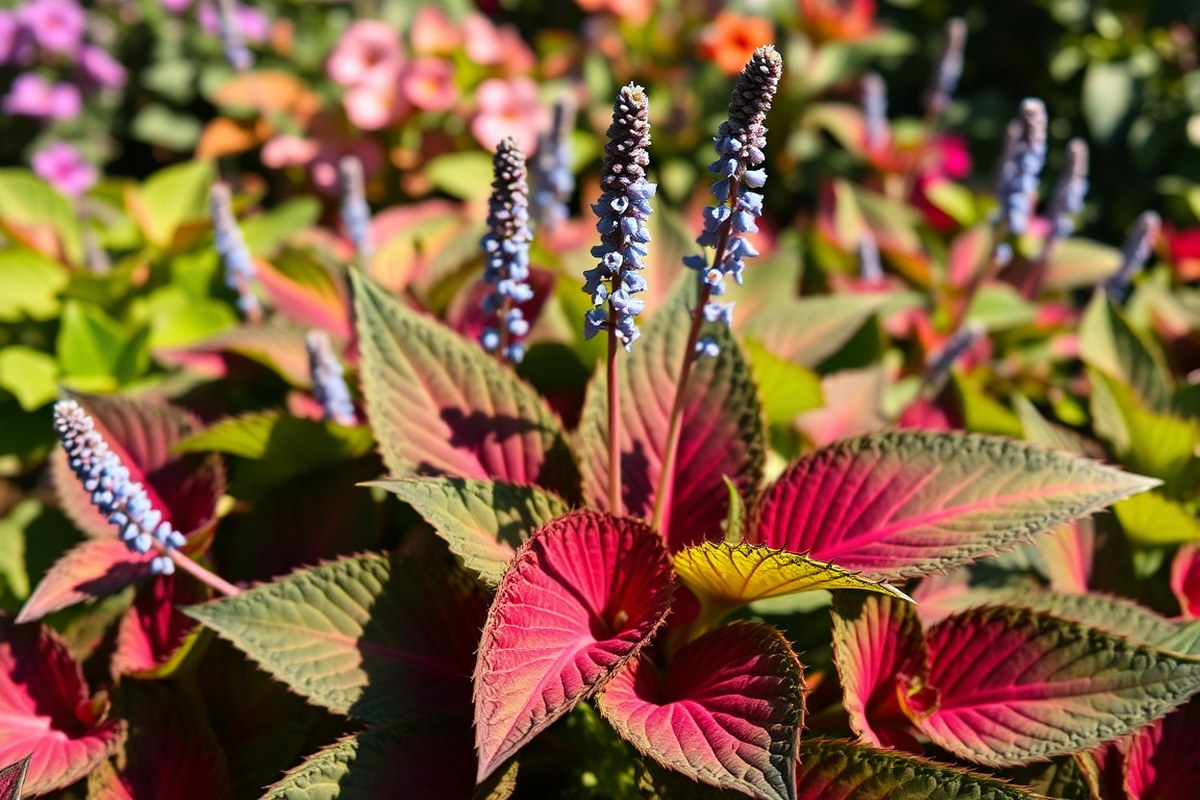
Yes, coleus plants do flower, though many grow them for colorful leaves. Flower spikes have tiny blooms that are often easy to miss. These spikes grow 4 to 12 inches tall and usually show up in summer.
Coleus blooms faster with about 16 hours of sunlight daily. A sunny south-facing windowsill works best for this light. Warm temperatures around 70 to 75 degrees Fahrenheit also help blooms appear.
Flower spikes can appear within weeks if conditions are right. Different coleus varieties flower at different speeds. More light and warmth speed up flowering.
Flowering uses the plant’s energy and can reduce leaf color. Pinch off flowers early to keep leaves bright and full. Let flowers grow if you want seeds; each choice changes the plant’s look.
Key Takeaways
- Coleus plants produce flower spikes with tiny flowers in summer, especially under long light exposure.
- Place coleus on south-facing windowsills to get 16 hours of natural or supplemental light for blooms.
- Maintain temperatures around 70 to 75 degrees Fahrenheit to encourage coleus flowering.
- Flowering can drain energy from coleus, causing less vibrant foliage if spikes grow unchecked.
- Pinch off flower spikes early to keep coleus leaves colorful and the plant healthy.
- Let flowers develop only if you want to save coleus seeds for future planting.
Do Coleus Plants Actually Produce Flowers?

Coleus plants do produce flowers. But they often don’t show up much in typical gardens. Many popular coleus varieties are bred for their leaves and may rarely develop full flower spikes.
The flowers are very small, usually under half an inch long. They grow in clusters on upright spikes. These spikes stand straight up from the plant.
These flower spikes can grow between 4 and 12 inches tall. Flowers usually appear in late summer or early fall. They need plenty of light to bloom well.
Around 16 hours of light a day can help flowering. The flower colors are typically white or shades of blue. They form slender spikes that rise above the colorful leaves.
Most gardeners grow coleus for the vibrant foliage. So the flower spikes might not be what you expect. You can keep your coleus in a warm, bright place.
A south-facing window works well during summer. Then you might see small flower spikes in weeks. Many coleus don’t flower indoors or in cold areas.
They grow as annuals and often don’t get big enough. The season ends before the plant can flower.
Why and When Do Coleus Plants Flower?

Coleus plants start to flower when they mature, usually after two years or more. Changes in day length and stress, like dry conditions or heat, also trigger blooming. These signals tell the plant to start reproducing.
Energy shifts from leaf growth to flower production. This change lets flowers develop instead of more leaves.
Light exposure plays a strong role in flowering. Coleus grown outdoors with over 14 hours of light daily have a high chance of blooming. Indoor light is often dimmer than outdoor light.
Stable light and temperature make plants keep leaves. This stops them from flowering indoors.
Temperature must range between 70 and 85 degrees Fahrenheit to encourage flowering. Warm days paired with cool nights often signal coleus to bloom. Indoor warmth tends to prevent flowers because it lacks the outdoor seasonal shifts they need.
Stress can push coleus plants to flower moderately. A short nitrogen shortage can trigger blooms. Stress from the environment sends a survival signal.
The plant then blooms and aims to make seeds. Different cultivars react differently; some have been bred for low flowering. So they stay colorful without blooms.
Pinch off flower spikes early for better leaves. Doing this keeps coleus growing leaf color and shape. It stops energy going to flowers instead.
Plant age is another factor in bloom timing. Younger plants under two years often stay vegetative, focusing on growing strong leaves. Older plants combined with the right light and temperature conditions will more likely show flowers.
Outdoors, day length increases in spring trigger blooming, especially with moderate to high light intensity. The cool nights common in fall also signal the plant to flower.
Indoors, poor seasonal cues usually mean no blooming. So adjust light hours if you want flowers.
Coleus flowers appear when plants mature or face certain conditions. They bloom in long days and temperatures of 70 to 85 °F. Stress can also cause flowering. Managing these factors helps you control whether your coleus blooms or stays leafy and colorful.
How Does Flowering Affect Coleus Foliage and Plant Health?
Flowering shifts a coleus plant’s energy from leaf growth to blooms and seeds. This drop in leaf production can cause the foliage to lose its vibrancy and appear weaker. You’ll see spindly, leggy stems after flowers start to form.
This shows the plant puts more energy into flowers than leaves. It’s a sign your plant is focusing on reproduction.
Pinching off flower buds helps keep your coleus fuller and healthier. Removing green flower spikes redirects the plant’s energy back into growing leaves and stems. Pinch the buds as soon as they first appear.
Cut just above a leaf node to stop blooms. This helps the plant grow fuller and branch out more.
Without pinching, a coleus will slow new leaf growth because it prioritizes making flowers and seeds. You might see duller colors and fewer new leaves over several weeks.
Keeping the plant’s roots moist and feeding it regularly won’t stop flowering. But pinching is the most effective way to keep foliage looking its best.
Lightly pinch up to 10% of new growth between spring and midsummer. This usually keeps most blooms from forming. It’s a simple way to encourage leaf growth.
Moderate pruning can stop some flower buds from growing. But the plant might stress and bloom later than usual.
Stress sometimes triggers late flower growth. Heavy pruning late in summer often triggers final flower spikes, as the coleus prepares for dormancy.
Consistent weekly pinching strongly suppresses flowering and promotes dense foliage. This works well for your coleus when you want vibrant, colorful leaves year-round. You can let some flower spikes grow if you want blooms or seeds.
Watch your plant to catch any leaf health problems early. Flower growth might lower leaf vitality over time.
Should You Let Coleus Flowers Grow or Pinch Them Off?
You can let your coleus flowers grow or pinch them off, depending on your goals. Flowering may add charm, but it can also cause legginess. Pinching the flower spikes encourages healthier, fuller foliage.
Benefits of Allowing Flowers
Letting coleus plants flower adds visual interest with tiny blooms. This can attract pollinators like bees, which helps the garden’s health. Some gardeners enjoy saving seeds from flowers to grow new plants.
Flowers show that your plant is mature and thriving. If you want to watch how your coleus completes its life cycle, letting flowers develop offers that chance. You may also appreciate the natural look flowers provide.
Drawbacks of Flowering
Flowering often causes stems to stretch and leaves to thin out. This legginess reduces the vibrant, dense foliage coleus is prized for. Once flowers appear, plants may redirect energy away from leaf growth.
Flower spikes can make your coleus look less compact and neat. This is especially an issue indoors, where space and light are limited. The overall plant shape may become sparse and less bushy.
Effects of Pinching Flower Spikes
Pinching flower spikes early keeps the plant compact and encourages fuller leaf growth. Removing the stem just above the flower bud activates new side shoots. This results in two new branches, making the plant bushier.
You can pinch off flower spikes as soon as they become visible. This simple step requires no tools, just your fingers to pinch the stem cleanly. Regular pinching in the first few months helps maintain a dense, healthy plant.
| Action | Effect on Coleus Plant |
|---|---|
| Allow flowers to develop | Adds bloom charm but can cause leggy growth |
| Pinch off flower spikes early | Encourages fuller foliage and compact shape |
| Pinch above flower bud node | Triggers two new outward-growing branches |
| Remove flowers regularly | Keeps energy on leaf growth and plant health |
| Ignore flower spikes | May result in sparse stems and thinner leaves |
Managing flowers is a tradeoff between blooms and leaf fullness. Pinching flower spikes early is usually best for keeping coleus lush and colorful.
How to Manage and Remove Coleus Flower Spikes Safely
Remove coleus flower spikes by pinching or cutting them just below the bloom. This keeps your plant bushy and keeps energy focused on colorful leaves. Deadhead regularly when flowers start to show for the best look and health.
Tools Needed to Pinch or Cut Flower Spikes
You only need a few everyday tools to remove flower spikes. Your fingers often work well for pinching off small blooms from coleus stems. For thicker flower spikes, use clean, sharp scissors or garden snips to avoid damaging the plant.
Keep your tools sanitized to prevent spreading disease. Rubbing alcohol and diluted bleach are easy ways to clean blades.
Use them before and after each use for best results. This stops spreading diseases between plants.
Step-by-Step Deadheading Process
Follow these steps to safely remove coleus flower spikes and maintain a tidy plant.
- Look for the green tip or flower bud emerging from the leaf clusters.
- Pinch or cut the flower stem just below the flower bud or bloom base.
- Work carefully to avoid pulling off surrounding leaves or damaging the main stem.
- Dispose of the removed flower spikes away from your garden to prevent unwanted seeding.
- Repeat checking your plant weekly to catch new flower spikes early.
Pinch flower spikes early to keep your coleus full and vibrant all season.
Timing Tips for Best Results
Remove flower spikes as soon as you see them to stop seed formation and energy drain. Regular weekly checks help catch new blooms before they open fully. Skipping deadheading can cause your coleus to grow leggy and lose leaf color.
Don’t have time to remove flowers often? Cut all flower spikes off a few times per growing season.
This helps keep your coleus healthy and neat. Doing this keeps plants compact without constant maintenance.
Do Coleus Flowers Produce Seeds and Can You Save Them?
Most coleus varieties make very few good seeds. They were bred mainly for leaf color, not for flowers. So, seed production is often very low.
Many cultivars have genetic traits that reduce or stop flower spikes from forming. So, you might see some flowers, but seed production is often low or unreliable.
Wait until the flower spikes turn brown and dry on the plant before harvesting seeds. That usually takes a few weeks after flowering. Carefully clip the dry flower spikes from the coleus.
Put them in a paper bag or envelope. Let them finish drying in a cool, dry place.
Once fully dry, gently rub the seed heads to release the tiny seeds. These seeds are very small, so handle them over a clean surface or tray. Store the seeds in an airtight container at room temperature until you’re ready to plant.
Start coleus seeds indoors 8 to 10 weeks before the last frost. Place seeds on moist potting mix without covering them because they need light to grow. Keep the soil warm at about 70°F and evenly moist to help seeds sprout.
Sowing saved seeds lets you grow new coleus plants with similar leaf color patterns. But keep in mind, saved seeds may not always produce plants identical to the parent. This happens because many coleus are hybrids, and seed-grown plants can vary.
You need patience and care to save coleus seeds. The plants make few seeds and the seeds are very small. This makes collecting and storing them a bit tricky.
Cuttings usually give plants that look more alike. Use cuttings if you want more consistent coleus plants. Still, collecting seeds is a good way to try growing coleus the old-fashioned way.
Which Factors Influence Coleus Flowering Most Strongly?
Coleus flowering depends largely on the environment and plant type. Cooler nights in autumn are well known to trigger flowers in some varieties. Indoor coleus under steady light may never flower unless stress causes it.
Different coleus varieties show distinct flowering habits. Some bloom readily.
Others are bred mostly for leaf color and resist flowering longer. Stress such as drought or sudden changes can also push coleus to flower early.
Watering and fertilizing play key roles in flowering control. After you plant coleus, soak the soil 6 inches deep. Keep soil moist for 7 to 10 days, which helps roots settle.
- Place coleus where it gets 4 to 6 hours of direct sunlight daily to delay flowering.
- Water daily or as needed to keep soil moist but not soggy.
- Use a balanced fertilizer moderately to avoid forcing bloom or leggy growth.
- Watch for leaf scorch from too much sun or uneven watering and adjust care.
- Pinch back flower spikes to prevent legginess and promote fuller foliage.
Warm outdoor climates naturally cycle coleus through flowering in the fall. Still, indoors under constant light, you must watch for stress triggers carefully. Avoid drought stress to keep plants looking vibrant without surprise blooms.
Choosing the right coleus variety fits your goals for leaf color or flowers. Varieties range widely with over 1,500 types available.
Adjust light, water, and pruning to manage flowering based on your chosen plant’s traits. This hands-on care lets you enjoy coleus the way you want them.
Popular Coleus Varieties Compared by Flowering Behavior
Different coleus varieties vary a lot in how often they flower. Some bloom regularly, while others were bred to rarely flower or stay sterile. Choosing a coleus based on flowering traits helps you pick one that fits your garden style.
Varieties Known for Frequent Flowering
Some coleus varieties bloom often and produce many flower spikes. These tend to be older or less bred for sterile traits. These types can flower in summer with colorful spikes.
The spikes add color but also mean you must trim. Trim if you want the plant to focus on leaves.
Frequent flowering coleus give you a chance to see blossoms. But the blooms may draw energy from the leaves.
This can slow leaf growth and change the look of your plant. Many gardeners enjoy the flowers but manage them carefully so the foliage stays bright and healthy.
Sterile and Reduced-Flowering Cultivars
Modern ornamental coleus often are bred to produce little or no flowers. These varieties are sterile or have a very low chance to bloom. The breeding focuses on strong, vivid foliage colors that last longer without needing flower spikes removed.
Such plants stay compact and keep their leaf colors at the front. They save you time from pinching flower spikes, which some gardeners find tedious. Sterile cultivars give a long-lasting leaf display.
They’re great in containers or indoor gardens. They keep leaves looking good longer.
Choosing Coleus for Foliage vs. Flowering
Pick sterile or low-flowering types for colors and leaves. These work well if flowers aren’t your focus. They keep the plant leaf-centered.
These plants keep their bright leaves longer and need less upkeep to stay looking fresh. They suit borders, pots, and indoor spots where you want rich colors year-round.
Choose varieties that bloom often if you want flowers. Those flowers add beauty to your garden’s look. This suits anyone seeking flowers too.
These coleus add interest during summer with flowers. You will need to manage flower stalks for health.
Managing keeps the plant healthy and vibrant. Think about what you prefer before buying, it can save effort later.
| Variety Type | Flowering Likelihood | Sterility | Best Use |
|---|---|---|---|
| Older or heirloom varieties | High | No | Flower interest and foliage |
| Modern ornamental cultivars | Low to none | Often sterile | Vivid foliage, low maintenance |
| Hybrid varieties bred for foliage | Very low | Yes | Long-lasting leaf color |
| Gardening mixes or unknown types | Variable | Variable | Depends on specific variety |
Review the seed or plant tag for flowering info before buying coleus. Many sellers note if a cultivar is sterile or bred specifically for leaf color. This helps you get a plant that fits your goals and gardening style.
Blooming changes with light and temperature conditions. This happens even within the same variety. Keep this in mind while caring for coleus.
Strong sunlight encourages coleus to flower more. So consider your light conditions when choosing a variety.
Step-by-Step Action Plan for Managing Coleus Flowering
Follow these steps to handle coleus flowering and keep your plant healthy.
- Before planting: Choose coleus varieties based on flowering traits you prefer, like non-flowering or showy flowers.
- Week 1: Plant in a spot with bright, indirect light to delay unwanted flowering.
- Weeks 2-4: Pinch off early flower spikes to encourage bushier leaves and better foliage growth.
- After 1 month: Notice if flowers keep trying to grow; continue pinching spikes regularly.
- During growing season: Water and fertilize properly to keep the plant healthy and reduce stress-triggered flowering.
- If you want seeds: Let some flowers mature, then collect seeds carefully once the flower heads dry.
- End of season: Cut back the plant to prepare for rest and pause flowering.
Frequently Asked Questions
Why Do Some Coleus Varieties Rarely Flower?
Many coleus types grow mainly for their leaves and bloom little. Plant breeders select leaf colors and patterns, cutting back flower growth.
Can Flowering Delay the Growth of New Coleus Leaves?
Yes, flowering uses energy that slows new leaf growth. Pinching flower spikes helps maintain vibrant foliage and faster leaf development.
How Long Does It Take for Coleus to Flower Indoors?
Coleus often flowers within weeks under 16 hours of light on a sunny windowsill. Supplemental lighting can speed up this process in low-light rooms.
Are Coleus Flowers Safe to Touch for People with Allergies?
Coleus flowers are generally not a common allergen. They produce small, inconspicuous blooms that rarely cause allergic reactions.
Can Flowering Coleus Survive Year-Round Indoors?
Flowering coleus can survive indoors if temperatures stay around 70 to 75 degrees Fahrenheit. Regular pruning of flower spikes helps maintain health.
Does Allowing Coleus to Flower Improve Seed Production Quality?
Some coleus flowers produce viable seeds, but many cultivars show reduced seed viability. Collect seeds only from plants that consistently bloom.
Wrapping Up
Coleus plants do flower. But you can control whether they bloom and how that looks.
Pinching flowers early helps keep leaves vibrant. Start by checking your plant daily for new flower spikes to pinch off easily.