What Is Coleus: A Complete Guide to Growing and Caring for Coleus Plants
What is coleus? It’s a colorful plant known for its bright, patterned leaves. Coleus is known for its many leaf shapes and bright colors.
Its leaves range from deep reds to bright greens. This variety makes coleus a standout plant.
You can grow coleus indoors or outside in warm weather. Start seeds indoors 8 to 12 weeks before the frost ends. Keep the temperature above 60 degrees Fahrenheit before moving plants out.
Coleus leaves can be wide or narrow. The plant size varies from 12 inches to 3 feet tall. Coleus thrives in bright, indirect light with medium humidity.
They do well in sunny windows or shaded garden spots. This makes coleus a flexible plant for different spaces.
Key Takeaways
- Begin your coleus seeds indoors about 8 to 12 weeks before the last frost. This timing helps them grow strong before you plant them outside.
- Keep soil temperatures consistently above 60 degrees Fahrenheit for planting outdoors.
- Coleus needs 4 to 6 hours of bright, indirect light daily indoors.
- Water needs vary by location; check soil moisture often.
- Fertilize coleus every 4 to 6 weeks with balanced, water-soluble fertilizer.
- Coleus cuttings root in water within 7 to 14 days for easy propagation.
What Is Coleus and What Makes It Unique?
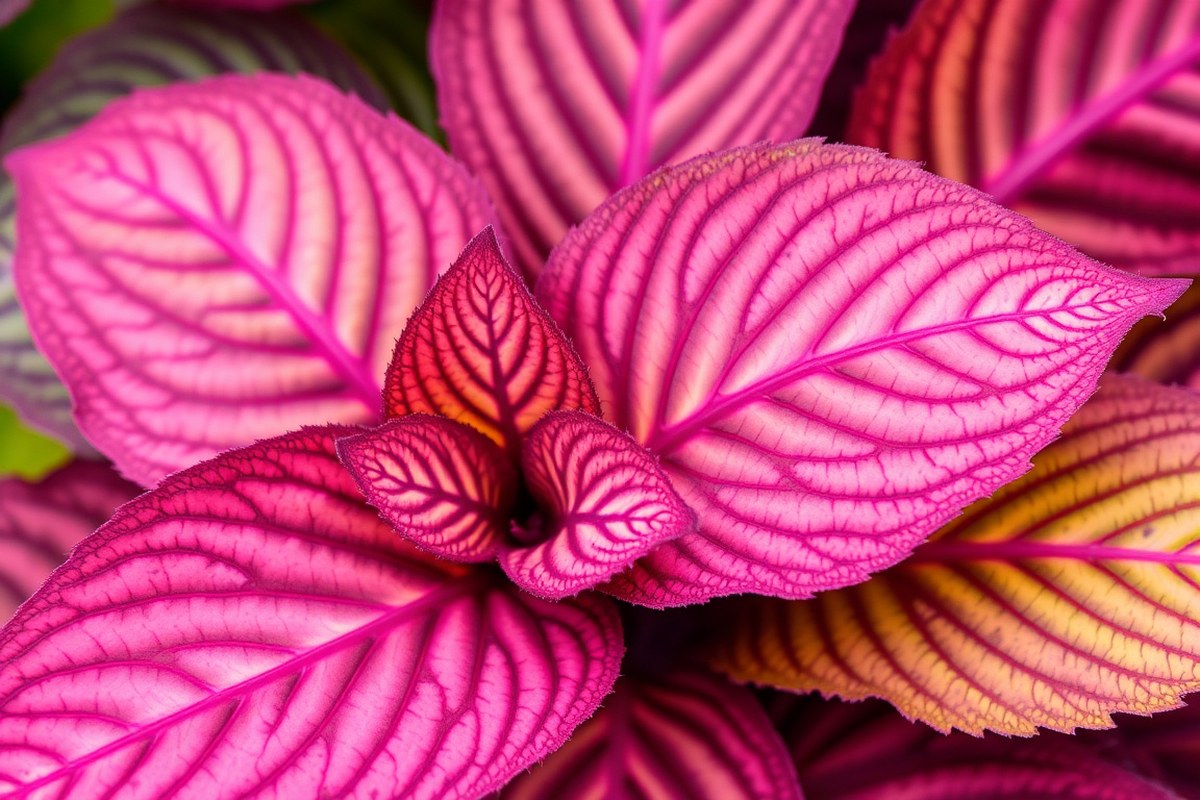
Coleus is a tropical herbaceous perennial whose botanical name is Coleus scutellarioides. It belongs to the mint family, Lamiaceae. Its leaves are bright and ornamental.
They come in many colors and patterns. Although it does produce flowers, coleus is mainly grown for its striking foliage rather than blooms.
Coleus leaves vary in shape and size. The colors create a vibrant garden display. They work well in containers too.
Many leaves have serrated or deeply cut edges. This adds texture to their look. Their colors include bright red, green, yellow, and purple.
The leaf colors can shift with light exposure. This means one plant may look different. The color intensity changes throughout the day.
Gardeners value coleus for its bold, long-lasting leaf color that brightens shady spots. Coleus loses some appeal once it blooms. Flowering causes the leaves to fade.
The plant also grows more leggy after flowering. That makes it a plant to enjoy primarily for the foliage throughout the growing season.
Coleus is easy to grow and propagate, which adds to its popularity. Coleus likes warm conditions above 55°F. It can stay small or grow tall. Some varieties reach up to three feet high.
Coleus adapts well and offers many colors. People use it for borders and containers. It’s also popular in hanging baskets.
What Are Popular Coleus Varieties and How Do They Differ?

Coleus varieties differ mainly by size, growth habit, leaf color, and light needs. Some stay low and trailing, ideal for containers.
Others grow tall with upright mounds. Choose the right type for your space and light conditions.
Compact and Trailing Varieties
Compact coleus typically reach 6 to 8 inches tall. They work well for edging garden beds or filling small containers. Trailing types spill over hanging baskets or mixed pots, adding color below the rim.
These low growers keep a controlled size without frequent pruning. They thrive in partial shade, where colors stay bright without leaf scorch. The trailing habit is less common but perfect for cascading displays.
Tall and Upright Varieties
Tall coleus can reach between 12 and 48 inches in height, forming mounded shapes. Upright plants like ‘Kong Rose’ grow about 18 to 24 inches tall and wide. They help create vertical interest in beds or larger pots.
These taller types often tolerate more sun than compact varieties. They require room to branch out and may need more frequent watering and feeding. Their fullness makes them a good focal plant in mixed backgrounds.
Sun-Loving vs Shade-Tolerant Types
Older coleus grew mostly in shade and dislike full sun. Newer cultivars can handle full sun if you provide enough water. Shade types prefer partial to full shade with 2 to 4 hours of morning sun.
Plants grown in the wrong light show color fading or leaf scorch. Sun-loving varieties keep vivid colors in stronger light. Shade types display better leaf texture and softer tones in protected spots.
Color and Pattern Highlights
Coleus shows nearly every leaf color but not true blue. Their patterns range from solid colors to edges, spots, or striking mosaics. Popular series like Color Blaze® include bright chartreuse, deep burgundy, and copper tones.
Many feature velvety, serrated, or pointed leaves, adding texture. Leaf color changes with light levels; too much shade dulls patterns. Choosing a variety with colors you love creates a stunning garden show.
The table below highlights popular coleus varieties grouped by size, light needs, and growth habit. It helps you pick a variety for your location and container type.
| Botanical Name | Hardiness Zone (USDA) | Size (Height × Spread) | Sun Exposure | Growth Habit |
|---|---|---|---|---|
| C. Scutellarioides ‘Kong Rose’ | 10-11 | 18-24 in × 15-18 in | Partial to full shade | Upright, mounded |
| C. Scutellarioides ‘Wizard Series’ | 10-11 | 12-14 in × 10-12 in | Full sun to part shade | Compact, upright |
| C. Scutellarioides ‘Fairway Mosaic’ | 10-11 | 8-10 in × 8-10 in | Partial to full shade | Compact, upright |
| Color Blaze® Lime Time® | 10-11 | Varies | Full sun to partial shade | Upright, mounded |
| Trailing coleus (general) | 10-11 | 6-8 in (height) | Partial to full shade | Trailing |
Use this guide to decide where to place coleus in your garden or containers. Match the sun exposure and size to avoid leggy or scorched leaves. The right variety keeps leaves bright and healthy all summer long.
Keep shade-loving coleus out of full sun or their leaves may burn quickly.
How to Plant and Propagate Coleus Successfully
Coleus plants start easily from seeds or stem cuttings. Seeds need warmth and light to sprout indoors, while cuttings root fast in water. Both methods let you grow new plants for indoor or outdoor use.
Starting Coleus Seeds Indoors
Begin coleus seeds indoors about 6-8 weeks before the last frost date. Seeds must stay on the soil surface because they need light to germinate. Keep the soil warm, at least 70°F (21°C), for best results.
Plant tiny coleus seeds on moist potting mix without covering them. Provide bright, indirect light and keep the soil evenly moist. Seedlings usually appear in 7-14 days.
- Fill a seed tray or small pots with a light, well-draining potting mix.
- Moisten the soil without soaking it.
- Scatter coleus seeds evenly on the surface, do not cover.
- Place tray in a bright location with indirect sunlight.
- Maintain room temperature around 70-75°F (21-24°C).
- Mist soil daily to keep it moist but not wet.
- Watch for seedlings to sprout in one to two weeks.
- Thin seedlings to one strong plant per pot after 2-3 weeks.
Taking and Rooting Stem Cuttings
Fall is the best time to take coleus cuttings indoors to overwinter plants. Cuttings root quickly in water within 7-14 days. Choose healthy stems and use clean scissors for a good start.
Snip 3-4 inch stem pieces just below a leaf node. Remove lower leaves before placing in water to encourage roots. Change the water every few days to prevent rot and watch roots form.
- Select healthy coleus stems about 4 inches long.
- Cut just below a leaf node with clean scissors.
- Remove leaves from the bottom half of each cutting.
- Place cuttings in a jar of clean room-temperature water.
- Put the jar in bright, indirect light.
- Change water every 2-3 days to keep it fresh.
- Wait 7-14 days for roots about 1-2 inches long to develop.
- Once rooted, transplant cuttings into pots with potting soil.
Potting Up Young Plants
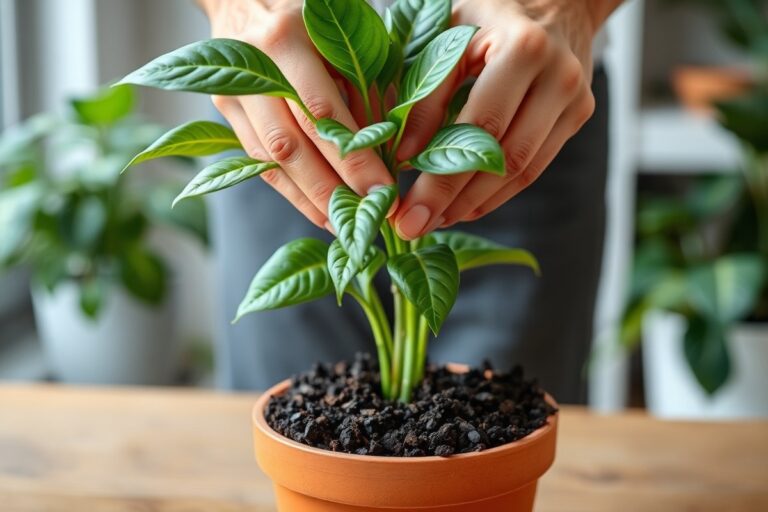
Start coleus plants in 4-6 inch pots filled with fresh potting soil. They grow to fill a 6-inch pot within 2-3 months if you keep them warm and bright. Feed them with fertilizer every 4-6 weeks during their growing season to stay healthy.
Use a high-quality potting mix that drains well. Water thoroughly after planting, then water when the top inch feels dry. Keep young plants on a windowsill with 4-6 hours of bright indirect light.
- Fill a 4-6 inch pot with well-draining potting soil.
- Make a hole in the soil to fit the seedlings or rooted cutting.
- Plant carefully and firm the soil around the stem.
- Water thoroughly until water drains from pot bottom.
- Place pot near a south- or east-facing window.
- Water when top inch of soil feels dry to the touch.
- Feed every 4-6 weeks with balanced, water-soluble fertilizer.
Hardening Off Before Outdoor Planting
Before moving coleus plants outdoors, gradually expose them to outdoor conditions. Start 1-2 weeks before planting outside. The goal is to avoid shock and help plants adjust to wind, sun, and cooler temperatures.
Begin by putting the pots in shade for a few hours each day. Slowly add more sun time and let them stay outside longer.
This helps plants get used to outdoor conditions safely. Bring plants back indoors or to shelter at night to protect from cold or strong wind.
- Place coleus pots in shady, sheltered outdoor spots for 2-3 hours daily.
- Increase outdoor time by one hour each day for 7-14 days.
- Introduce morning sun exposure first, then afternoon sun as tolerated.
- Bring plants inside at night or during bad weather.
- Check for pests and water needs during hardening off.
- Plant outdoors permanently when night temps stay above 60°F (16°C).
What Growing Conditions Does Coleus Need to Thrive?
Coleus plants thrive best in partial shade to full shade with temperatures above 60°F. They prefer well-draining soil with a pH between 6.0 and 7.5. Keep the soil consistently moist but not soggy. Feed them every 2 to 4 weeks with balanced fertilizer.
Light Needs for Coleus
Most coleus prefer partial to full shade, which helps keep their bright leaf colors vibrant. Some newer varieties tolerate full sun, but intense afternoon sun can bleach the leaves.
Place coleus near a north-facing window for indoor growing. Use filtered light to stop leaves from burning.
Shade coleus often develops stronger colors in softer light. Long daylight hours over 12 hours delay flowering.
This keeps plants bushy. It also helps maintain their colors longer.
Soil Type and pH Requirements
Coleus prefers soil that drains well and is rich in organic material like compost. Avoid clay or waterlogged soils to prevent root rot. The best soil pH is between 6.0 and 7.5, which is mildly acidic to neutral for nutrients.
Use a soil test meter to check pH before planting. You can add peat moss or leaf mold to the soil.
These improve soil texture and help hold moisture. Avoid adding too much, which can cause sogginess.
Watering Practices and Humidity
Keep coleus soil evenly moist, never letting it dry out completely. Water deeply when the top inch of soil feels dry. Bottom watering works by setting pots in water for 15 to 20 minutes.
This lets roots soak up moisture deeply. It helps prevent overwatering at the top.
Coleus prefers humidity above 40% for healthy leaf growth. In dry homes, increase humidity by misting leaves or placing a water tray nearby. Avoid overhead watering if possible to prevent fungal issues.
Temperature Preferences
Coleus thrives in temperatures above 60°F. They are sensitive to cold and do not tolerate frost. In USDA zones 10 through 11, you can plant coleus outdoors all year.
These zones have warm enough weather for year-round growth. Otherwise, grow them as annuals or bring them indoors before fall.
Ideal growing temperatures range from 65 to 75°F during the day and slightly cooler nights. Avoid sudden temperature drops or cold drafts, which can stress the plant and cause leaf drop.
Fertilizing Coleus
Feed coleus every 2 to 4 weeks with a water-soluble balanced fertilizer. A 10-10-10 or 20-20-20 fertilizer diluted to half strength works well. Too much fertilizer risks leggy growth and leaf burn.
Apply fertilizer during the active growing season from spring through summer. Stop feeding in fall when growth slows, especially if growing coleus indoors where light is lower.
- Light: partial to full shade, avoid harsh afternoon sun
- Soil: well-draining, organic-rich, pH 6.0 to 7.5
- Water: keep soil moist but not soggy, bottom watering preferred
- Humidity: above 40%, mist if air is dry
- Temperature: 65-75°F, frost sensitive, USDA zones 10-11 hardy
- Fertilizer: balanced, water-soluble every 2-4 weeks in growing season
- Pinching tips: pinch growing tips at 6 inches tall for bushiness
How to Recognize and Treat Common Coleus Pests and Diseases
Coleus plants often attract pests like aphids, whiteflies, and spider mites. These insects feed on soft, juicy leaves and can cause yellowing or curling. Look closely for tiny insects or sticky residue on leaves, which usually signals pest activity.
Fungal and bacterial diseases can also harm coleus. Common problems include root rot, downy mildew, botrytis, and fungal leaf spots. You might notice wilted, spotted, or powdery leaves, especially with overwatering or poor air circulation.
Treat pests by spraying with insecticidal soap or neem oil, covering all leaf surfaces. Repeat applications every 7 to 10 days help control outbreaks.
For fungal diseases, remove affected leaves and use a fungicide labeled for ornamental plants. Avoid wetting leaves when watering and water in morning hours.
- Check plants weekly for pests and leaf spots
- Keep humidity around 40-60% to reduce disease risk
- Space plants for good airflow and sunlight access
- Use well-draining soil to prevent root rot
- Prune leggy growth to improve air circulation
- Dispose of infected leaves away from the garden
- Follow label instructions on pesticides and fungicides
Proper watering is key to disease prevention. Overwatering stresses coleus and invites root rot and fungal diseases.
Let the top inch of soil dry before watering again. Pruning also keeps plants bushy and air flowing well.
Avoid spraying pesticides under direct midday sun to prevent leaf burn.
What Are Common Coleus Care Mistakes and How to Fix Them?
Wilting and yellowing leaves usually happen from watering problems or poor drainage. Overwatering can cause root rot, which makes stems mushy and leaves yellow. Wait until the top inch of soil feels dry to the touch.
Overwatering causes soggy soil that harms roots. Water the plant again only after soil dries.
Leggy, faded plants often mean your coleus isn’t getting enough light. These plants like bright, indirect light. Bring your coleus close to a bright window.
Keep it out of harsh direct sunlight. Strong sun can burn and scar the leaves.
Prevent root rot by using pots with drainage holes and well-draining soil. Water pooling at the pot’s bottom means soil is too wet. Long wet soil spells root rot risk.
Check drainage and water less to avoid it. Reduce watering if stems turn soft or plants wilt.
Repot the coleus with fresh, dry soil to help. These steps stop root rot from getting worse.
- Pinch back stem tips to prevent flowering and keep compact growth.
- Water when the top 1 inch of soil feels dry to touch.
- Place coleus in bright but indirect sunlight for 4 to 6 hours daily.
- Use well-draining potting mix with peat or perlite for better soil drainage.
- Remove any flowers promptly to promote leaf growth instead of blooms.
- Avoid watering leaves directly; water soil around the plant instead.
Coleus can bloom anytime and flowers steal energy from leaves. Prevent early flowering by pinching off flower spikes as soon as they appear. This encourages bushier growth and preserves leaf color and size.
Signs of overwatering may look like yellow leaves and wilting, which may seem confusing. The plant can’t absorb oxygen through waterlogged roots. Watering less often and improving pot drainage helps recover your coleus faster.
How Long Do Coleus Plants Live and How to Extend Their Lifespan?
Coleus plants live as short-lived perennials in warm zones but act like annuals in cooler areas. Outdoors, they usually last one growing season because frost kills them. In USDA zones 10 and 11, they can survive several years, sometimes up to five.
Indoors, coleus can live much longer. With proper care, they often thrive for two years or more as houseplants.
Older plants may lose vigor after about two years. So refreshing them by propagation helps maintain vibrant growth.
To extend coleus lifespan outdoors, avoid frost exposure by planting after the last spring freeze. You can also bring plants indoors at the first sign of frost. Regular pruning every one to two weeks helps your plant grow bushier.
Watering indoor coleus two to three times per week usually meets their moisture needs. Keep potting soil moist but not soggy.
Provide bright indirect light for best colors. Avoid letting the soil dry out completely, which stresses the plant and shortens its life.
Overwintering coleus indoors is a good way to keep them alive through cold months. Reduce watering and light intensity slightly but keep the temperature between 60 and 75°F. Pinch back leggy stems in early spring before new growth appears to renew the plant’s shape.
Repotting coleus when roots become crowded, every year or two, helps prevent decline. Use fresh, well-draining potting mix and a slightly larger container. This refresh gives nutrients and room to grow, supporting longer life indoors.
Is Coleus Toxic to Pets and People — Safety and Precautions
Coleus plants are mildly toxic to cats, dogs, and other pets. Their essential oils hold compounds that can upset your pet’s stomach. Pets may get sick if they chew on the leaves.
Keep pets away from coleus to be safe. Humans usually don’t have a problem, but skin irritation can happen for some people.
Signs of coleus poisoning include vomiting, diarrhea, drooling, and sometimes weakness in pets. Kids can also have skin irritation after touching the plant, especially if they are allergic. Watch for any unusual symptoms if you suspect ingestion or contact.
Here’s what to do if your pet or child swallows any part of a coleus plant:
- Remove any remaining plant material from the mouth carefully.
- Rinse the mouth with water to dilute the oils inside.
- Call your veterinarian or poison control center immediately for advice.
- Keep your pet or child calm and watch for worsening symptoms.
- Do not induce vomiting unless directed by a professional.
Keep coleus in places pets and children cannot reach, like high shelves or hanging baskets. You can also use deterrents like citrus peels nearby, which most pets dislike. Regularly check your plant for any leaf drop or damage, which might invite curious bites.
Place coleus away from pet paths and use barriers if needed to prevent accidental chewing.
Coleus looks great but its oils need care around pets. Curious kids should also avoid touching or tasting the plant. Handle coleus with caution in homes with pets or children.
Safe placement and quick action during accidental ingestion help avoid serious issues. Always have emergency numbers handy, including your vet and poison control.
Step-by-Step Action Plan for Growing Coleus
Follow these steps to start and care for your coleus successfully from home. You’ll see healthy leaves and steady growth as proof you’re on the right track.
- Day 1: Choose your coleus variety based on leaf color and size you like. Healthy, vibrant leaves show a strong plant.
- Week 1: Plant coleus in well-draining soil placed in partial shade to avoid leaf burn. New leaf shoots mean good soil and light conditions.
- Week 2: Water your plant regularly. Avoid soggy soil. Check if the top inch of soil is dry before watering again. Firm soil below confirms proper watering.
- Weeks 3-4: Pinch off growing tips to encourage bushier growth. New side shoots mean the plant is responding well.
- Month 2: Watch for pests like aphids and treat with insecticidal soap if needed. Dropped leaves or sticky spots suggest an infestation.
- After 3 months: Repot coleus if roots crowd the pot, using fresh soil. Plants that grow taller and leafier show success.
- Ongoing: Fertilize monthly with a balanced liquid fertilizer at half strength to boost growth. Healthy, deeply colored leaves indicate good nutrition.
Frequently Asked Questions
How Often Should I Fertilize Coleus Plants?
Fertilize coleus every 4 to 6 weeks during growing season. Use a balanced, water-soluble fertilizer for best results. Feeding regularly helps keep leaves vibrant and promotes steady growth.
Can Coleus Survive Heat Above 95°F?
Coleus wilts in 95°F heat but isn’t thirsty then. It suffers from heat stress and needs cooler conditions or shade. Avoid overwatering wilted plants in hot weather to prevent root damage.
When Is the Best Time to Start Coleus Seeds Indoors?
Begin growing coleus seeds inside 8 to 12 weeks ahead of the last frost. Giving seedlings this lead time helps them thrive outside later. Use seed trays and maintain moist soil to ensure good germination.
Do Coleus Plants Ever Stop Growing Tall?
Some coleus varieties can reach about 3 feet tall or more. Others stay compact under 15 inches, perfect for containers or hanging baskets. Plant choice affects size and shape significantly.
How Does Day Length Affect Coleus Flowering?
Long days with more than 12 hours of light delay coleus flowering. Supplemental lights indoors can help keep plants leafy longer before flowers appear. This technique keeps coleus looking fresh.
How Quickly Do Coleus Cuttings Root in Water?
Coleus cuttings usually root in water within 7 to 14 days. Keep cuttings in bright, indirect light and change water regularly. Rooted cuttings can then be potted for new plants.
The Bottom Line
Coleus adds bright, lively color to your garden or home. Start with checking your light and watering habits today. Watch your coleus thrive and brighten your space.