What Is Garden Lime Used for? A Complete Guide with Practical Tips
What is garden lime used for? Garden lime helps adjust soil pH by reducing acidity.
This makes the soil more friendly for plants, letting them absorb nutrients better. It’s a natural way to boost your garden’s overall health and growth.
You spread garden lime on the soil, then mix it in the top few inches. This helps the lime work faster by reaching roots where nutrients need to be.
Timing matters too. Fall is usually best to give lime months to change the soil before planting.
Lime mainly contains calcium carbonate or magnesium carbonate, which neutralizes acid in the soil. Different soils and plants need certain pH ranges.
So adding lime balances this for stronger plants. It’s a simple fix that can make a big difference in your garden’s success.
Key Takeaways
- Test your soil’s pH before using garden lime to know if you really need it.
- Apply lime in fall to let it adjust soil pH before spring planting.
- For quicker effects, blend garden lime well into the upper 4 to 6 inches of soil.
- Use 5 to 10 pounds of lime per 100 square feet for mildly acidic soil.
- For moderately acidic soils, apply 50 to 100 pounds per 1,000 square feet.
- Regular soil tests every 2 to 3 years help decide when to reapply lime.
What Exactly Is Garden Lime and What Does It Do?
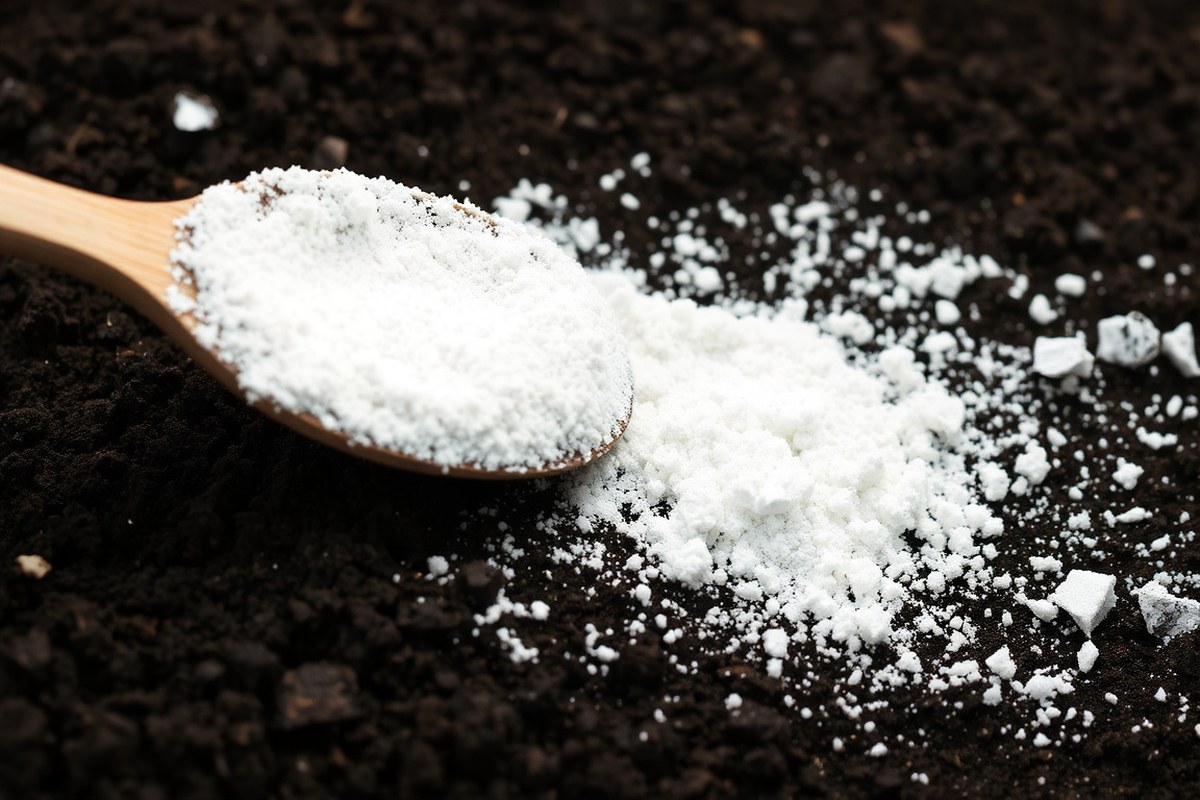
Garden lime is mainly calcium carbonate or a mix of calcium and magnesium carbonates. It differs from quicklime, which is calcium oxide and should never be used in gardens. The lime you buy for soil is called agricultural lime and is safe for your plants.
This lime helps balance your garden soil’s pH by reducing acidity. Acidic soil has too many hydrogen ions, which garden lime neutralizes.
Lime makes the soil less sour by raising its pH level. This change helps plants grow better in the soil.
Besides adjusting pH, garden lime adds calcium and magnesium to the soil. These minerals are important for healthy plant growth and nutrient uptake. For example, lime makes phosphorus, nitrogen, and potassium easier for plants to absorb.
Apply lime uniformly on vegetable plots or lawns, then work it into the top 6 inches of soil. Aim for about 50 to 100 pounds per 1,000 square feet, based on soil pH.
Adding lime to soil with a pH lower than 5.5 works well. But you need to avoid over-liming.
Soil with pH above 6.5 can trap nutrients, making them hard for plants to use. Testing your soil pH first is key to avoid this problem.
Garden lime also improves soil structure. It helps clay particles clump into looser aggregates.
So water drains better and roots grow easier. This means plants get air and nutrients more efficiently in the soil.
How Garden Lime Adjusts Soil pH and Boosts Plant Health

Soil pH measures how acidic or alkaline your garden soil is. Most plants thrive in a pH range of 6.0 to 7.0 because nutrients stay available in this zone. When soil gets too acidic, some nutrients get locked up.
Nutrients like phosphorus, calcium, and magnesium become hard for plants to absorb. This makes it harder for plants to grow well.
Garden lime neutralizes soil acidity by reacting with hydrogen ions, which cause acidity. It pulls these ions out of the soil solution, raising the pH closer to neutral.
The calcium or magnesium from the lime doesn’t just raise pH. It also feeds your plants directly, helping build stronger cell walls and supporting growth.
Once you apply lime, nutrient uptake improves because more nutrients become available to roots. This leads to healthier leaves, better flowering, and stronger fruit production.
However, putting too much lime can push pH too high, causing other nutrient problems. So follow soil test recommendations carefully.
After spreading lime, rake or till it into the top 3 to 4 inches of soil. This helps the lime work faster and spreads it evenly.
Lime usually takes a few weeks or months to change soil pH noticeably. So consider timing your application months before planting sensitive crops.
The amount of lime needed depends on your soil’s texture and acidity. Heavier soils like clay need more lime than sandy soils to adjust pH. A typical amount is 50 to 100 pounds per 1,000 square feet.
This amount works well to reduce moderate acidity in soil. It helps balance soil pH for better plant health. But testing helps you get it right.
Test your soil pH regularly after liming to avoid overcorrecting and maintain balanced nutrients.
Types of Garden Lime and How to Choose the Right One
Garden lime comes mainly in calcitic and dolomitic forms, with pelletized options also popular. Each type has a unique makeup and suits different garden needs. Avoid quicklime, as it’s too harsh and risky for home gardening.
Calcitic Lime and Its Uses
Calcitic lime is mostly calcium carbonate, which raises soil pH by neutralizing acidity. Use it if your soil lacks magnesium, since it only adds calcium. It works faster than dolomitic lime and suits most typical garden soils.
Applying calcitic lime is simple: spread it evenly and water it in shortly after. It can hide low magnesium symptoms over time, so test soil nutrients regularly. Gardeners often buy it in 20 to 40-pound bags for easy handling and coverage.
Dolomitic Lime Benefits and Considerations
Dolomitic lime contains calcium magnesium carbonate and adds magnesium to sandy or leached soils. This type is best for soils with low magnesium or where magnesium deficiency signs appear. It takes a little longer to react compared to calcitic lime.
Use dolomitic lime if your soil pH is below 5.5 and magnesium is needed too. It adjusts acidity while supplying two important nutrients to plants. Bulk bags or garden-sized packages are widely available depending on soil size.
Pelletized Lime and Quicklime Explained
Pelletized lime comes in small, compressed pellets of either calcitic or dolomitic lime. It’s easier and less dusty to spread, which suits small lawns or container gardens. Expect to pay more per pound but save time applying it without a mess.
Quicklime is calcium oxide or hydroxide. It reacts very fast. However, it is too strong for garden soils.
It can burn plant roots and irritate your skin or eyes easily. Avoid quicklime in your garden, as it’s mainly for industrial or emergency uses.
When and How Often to Apply Garden Lime for Best Results
Garden lime works best when added in fall or early spring. Applying it 3 to 4 months before planting lets the soil pH adjust well. Fall moisture helps lime break down and mix into the soil better.
Spread 5 to 10 pounds of lime per 100 square feet. Then, work it into the soil using a rake or tiller. This helps the lime start changing the soil pH faster.
This helps the lime reach the root zone where plants benefit most. Spreading lime evenly avoids patches of overly alkaline or acidic soil.
Most gardens only need lime once every 2 to 3 years. Soil tests will tell you if lime is needed. Applying lime too often can raise pH too much and hurt plants.
Applying lime early allows it to react with water and soil minerals slowly. That’s why lime often takes several months to raise soil pH noticeably. The slow process avoids sudden changes that shock plants and soil microbes.
Look for signs like greener grass and less moss as clues. Stronger vegetables also show when your soil pH improves. Use these signals to decide if you should lime again.
Your soil needs lime when the pH drops below 6 on a test. Apply lime carefully to bring the pH back to a healthy range.
Following test results helps avoid overliming and plant damage.0, it’s time for another application. Adjust timing if heavy rains or drought slow down lime’s effect.
How to Test Soil pH and Decide If Your Garden Needs Lime
Testing your soil’s pH helps you know if lime is needed. A pH below 6 usually means your soil is acidic and could use lime. You can test soil pH at home or send samples to a lab for detailed results.
Using a Home Soil pH Test Kit
Buy a soil pH test kit at a garden center or online. Kits like the Soil Savvy Test Kit work well.
They make testing soil pH simple to do yourself. These kits use sensor strips or probes that change color to show your soil’s pH.
Take samples from several spots around your garden, mix them, and follow the kit instructions carefully. Mix soil with distilled water first.
Then dip a test strip or use a digital meter. This shows your soil pH level.
Most kits cost under $20 and provide quick results, often in minutes. Test your soil every few years or before adding lime to track pH changes.
Laboratory Soil Testing Procedure
For accurate pH and nutrient data, send soil samples to your local Cooperative Extension Service lab. They test pH and recommend lime amounts based on soil type and existing mineral content.
Collect soil from several spots about 2 to 4 inches deep and mix into one sample. Follow the lab’s submission instructions carefully, including soil amount and packaging.
Labs charge about $10 to $30 for soil tests. They usually take 1 to 2 weeks to send results.
You get detailed info after waiting. These tests tell you if lime is needed and whether to use calcitic or dolomitic lime.
Interpreting Soil pH Values
A soil pH below 6 indicates acidic soil that could benefit from lime application. Aim to raise the pH to between 6 and 7 for most garden plants.
Applying too much lime can push pH too high, causing alkaline soil and damaging your plants. Reports often say how much lime to add.
They base this on your soil’s pH and type. Follow these amounts for best results.
Besides pH, tests may show magnesium levels; low magnesium means dolomitic lime is best. Always incorporate lime into the top 8 inches of soil for even distribution.
- Collect soil samples from multiple garden spots
- Use distilled water when testing at home
- Submit enough soil (usually 1 cup) for lab tests
- Follow lab or kit instructions closely
- Check pH results: below 6 means lime needed
- Apply lime according to test recommendations
- Retest soil every few years or after amendments
Don’t add lime without testing first. Too much lime can harm plants just like too little.
Calculating and Applying the Right Amount of Garden Lime
You need the right amount of garden lime based on your soil’s pH and texture. Applying too much can harm plants, while too little won’t fix acidity. Use a soil test and follow clear steps to spread lime evenly in your garden.
Amount Guidelines by Soil Texture and pH
Soil texture affects how much lime to use because clay, sand, and loam hold nutrients differently. Clay soil requires the most lime, sandy soil the least, and loam needs a moderate amount.
Start by testing your soil pH. Lower pH means you will need more lime to reach the ideal range of 6.0 to 7.0 for most plants.
The table lists approximate lime amounts based on soil type and pH. It shows how much lime you need to raise pH by one unit.
Use this as a general guide for your garden soil. Use this as a starting point before adjusting.
| Soil Texture | Current pH | Lime Needed (pounds per 100 sq ft) |
|---|---|---|
| Clay | 5.0 or below | 20 to 25 |
| Clay | 5.1 to 5.5 | 15 to 20 |
| Loam | 5.0 or below | 10 to 15 |
| Loam | 5.1 to 5.5 | 7 to 10 |
| Sandy | 5.0 or below | 5 to 10 |
| Sandy | 5.1 to 5.5 | 3 to 5 |
Remember, these amounts assume you want to raise pH by one full point. Adjust the lime amount to match your soil test’s specific pH difference. Measure the gap between current and target pH for accuracy.
Then add lime quantities accordingly. Using too much lime can cause nutrient imbalances and damage your plants.
Step-by-Step Application Method
First, spread lime evenly over the soil surface before planting or during early garden preparation. Avoid applying lime near new seedlings to prevent burn.
Spread lime evenly on the soil surface, then mix it well into the top 4 to 6 inches. Use a garden fork or tiller for best results. Proper mixing speeds up the lime’s effect in soil.
Water the garden lightly after spreading to start the chemical reaction, but don’t overwater. Follow up with regular soil testing after 3 to 6 months to check pH progress.
Tools and Safety Tips for Application
Use a spreader for even lime distribution across large areas. Hand spreaders work fine for smaller plots. Wearing gloves and a dust mask protects your skin and lungs.
Garden lime is a fine powder that can irritate eyes and airways. Avoid applying it on windy days to prevent spreading dust. Clean your tools after use to avoid residue build-up.
Unsure about how much lime to use or how to apply it? Reach out to a garden expert near you for advice.
Getting professional help can prevent mistakes and save time. Professional advice can save time and prevent costly mistakes.
Common Mistakes with Garden Lime and How to Avoid Them
Adding too much garden lime can raise your soil’s pH too high. This makes it hard for plants to absorb nutrients like iron and manganese. As a result, plants may look yellow or weak from nutrient deficiencies.
Some plants, like blueberries and azaleas, need acidic soil to grow well. Applying lime near these plants can harm them by making the soil too alkaline. You want to avoid liming areas with acid-loving plants to keep them healthy.
Soil testing before using lime is key. It tells you how much lime your soil needs or if any is needed at all.
Your lawn looks healthy and green. Adding lime could do harm.
- Test soil pH before liming to avoid over-application.
- Prepare soil by digging or plowing 20 to 30 centimeters deep.
- Apply lime only to soil with pH below 6.5 for most gardens.
- Keep lime away from acid-loving plants like blueberries.
- Use a spreader or hand apply evenly for consistent results.
- Water the soil lightly after applying lime to help it absorb.
- Apply lime in fall or early spring for best timing and effect.
Over-liming often happens from guessing without soil tests. This leads to wasted product and potential plant damage.
Lime changes soil chemistry slowly, so you won’t see quick effects. Limit applications to once every few years unless tests show otherwise.
Timing also matters. Applying lime in cold soil slows its reaction. Wet soil does the same.
You won’t see full benefits that season. Fall or early spring applications give lime time to adjust soil before growing season. Avoid liming right before planting acid-loving crops.
The best way to avoid mistakes is by using soil tests. Follow the instructions carefully. Treat only the areas and plants that benefit.
Correct applications support nutrient uptake and disease resistance. When done right, garden lime improves soil health without risking plants.
Safety and Environmental Precautions When Using Garden Lime
Handling garden lime requires care because the powdery dust can irritate your skin, eyes, and lungs. Wearing gloves is a must, along with a dust mask and safety glasses. Apply lime only on calm days.
This keeps it from blowing on you or plants. Avoid windy weather to prevent spreading issues.
Spread lime evenly over your soil. Check package directions to know how much to use. Use the amount based on your garden size.
Avoid overapplying since too much lime can raise soil pH excessively, harming some plants. Water the garden after application to help the lime soak into the soil. But avoid working the soil immediately.
Lime can take up to two years to fully change soil pH. It mainly affects the top two inches of soil. Be patient and do not expect quick results.
Garden lime changes soil chemistry, which may affect nearby water sources. Heavy use or placing lime near streams can cause problems. Use lime carefully around water.
Use it only on soils that need pH adjustment to reduce risks to the environment. Keep lime away from runoff areas and spots with standing water. This prevents too much lime from getting into waterways.
Protect your garden and local water sources. Store lime in a dry, secure place to avoid moisture absorption and accidental spills.
Apply garden lime on dry, calm days only. Wear gloves, a dust mask, and eye protection for safety. This helps prevent irritation to your skin and eyes.
Use a checklist for safe lime use: measure your garden, wear safety gear, apply the right amount, water lightly, and monitor soil health over time. Follow soil test or package instructions carefully. Do not use lime if your soil pH is already ideal or magnesium levels are high.
Applying lime in these cases can harm your garden. Avoid unnecessary treatments. Responsible use avoids wasting lime, protects your plants, and keeps the environment safe.
Step-by-Step Action Plan for Using Garden Lime
Use this easy plan to apply garden lime the right way. Follow these steps to improve your soil and plant health.
- Before you start: Test your soil pH with a kit. You can also send a sample to a lab for testing. Know your soil’s acidity level to decide if lime is needed.
- Week 1: Choose the right type of lime based on soil needs and availability. Read the label for particle size and purity for best results.
- Week 2: Measure your garden area and calculate how much lime to apply. Use the soil test recommendations for exact amounts.
- Week 3: Spread the lime evenly over the soil surface. Use a spreader for larger areas to avoid uneven treatment.
- Week 3-4: Lightly water the area to start lime reacting with the soil. Avoid heavy watering right after spreading.
- Month 2: Retest the soil pH to see if the lime worked. Wait at least 6 weeks for changes to show.
- Month 3 and beyond: Apply lime again only if soil remains too acidic. Maintain proper pH to support plant growth.
Frequently Asked Questions
Can Garden Lime Help Control Soil Pests?
Garden lime does not control soil pests. It mainly changes soil pH and nutrient levels.
It does not kill or push away insects or pests. The lime focuses only on soil improvement.
Can I Use Garden Lime on Acid-Loving Plants?
Avoid using garden lime on plants like blueberries or azaleas. They need acidic soil, so lime can harm them by raising pH too much.
Does Garden Lime Improve Soil Drainage?
Garden lime doesn’t directly improve drainage. It changes soil pH but won’t fix compacted soil or heavy clay that drains poorly.
Can Garden Lime Reduce Soil Toxicity?
Lime helps reduce aluminum toxicity in acidic soils. This benefit protects roots and improves plant growth in overly acidic conditions.
What Tools Do I Need to Apply Garden Lime?
Spread lime evenly using a shovel or spreader. Mix it well into the top 6 inches of soil. This helps the lime work more effectively.
Can Garden Lime Damage Plants If Overused?
Yes, too much lime can raise pH too high and harm plants. Apply only recommended amounts based on soil tests to avoid damage.
Key Points to Remember
Garden lime helps balance soil pH and supports healthier plants. Test your soil to know if lime is needed. Then apply it carefully following label instructions for the best garden results.