Does Lime Lower pH? A Complete Guide to How Lime Affects Soil pH
Does lime lower pH? Actually, it raises soil pH, making acidic soil less sour.
Lime reduces soil acidity by neutralizing hydrogen ions that cause low pH levels. This helps plants grow better in soils that are too acidic for their roots.
Lime works slowly but steadily. It takes a couple of months to start and can last a few years. You should till lime into the top 6 to 8 inches of soil for best results.
Right after spreading lime on your lawn, water it with about 0.25 inches of water. This washes lime dust off leaves and helps it work deeply in the soil. Avoid applying lime when strong fertilizers or chemicals are recent to prevent unwanted reactions.
Key Takeaways
- Lime raises soil pH, so it does not lower it.
- Use roughly 80 pounds of lime for every 1,000 square feet to reach a pH of 6.5.
- Tilling lime into the top 6-8 inches speeds its effect.
- Water lime with 0.25 inches immediately after application to improve uptake.
- Wait 6 months after heavy liming before testing soil pH again.
- It usually takes between 6 and 12 months for standard lime to work completely in soil.
Does Lime Lower Soil pH or Raise It?
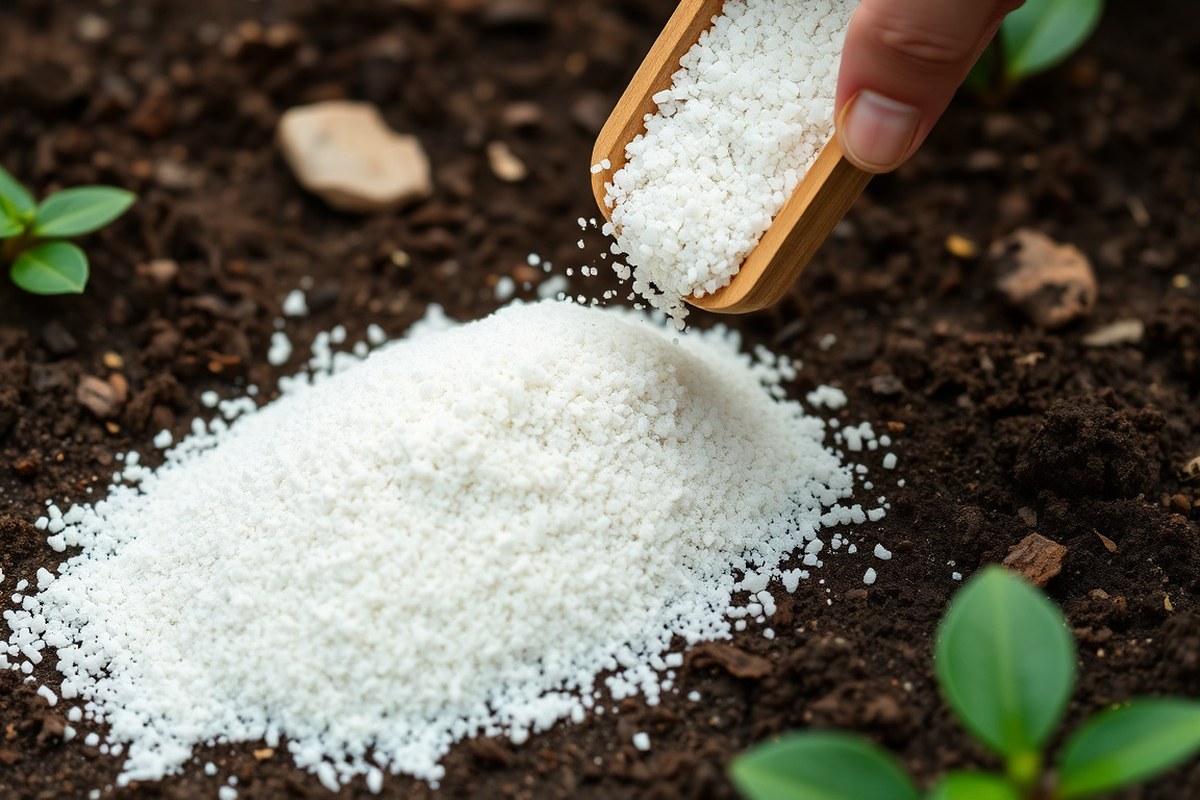
Lime does not lower soil pH; it raises it. Lime’s main use in gardening is to raise soil pH. It neutralizes acidic soil.
This helps plants grow better. Your garden soil has a pH less than 6.0, adding lime helps make it less acidic and more neutral.
Lime contains calcium carbonate or similar compounds that react with hydrogen ions in the soil. This reaction reduces the soil’s acidity and pushes the pH closer to 7.0, which is ideal for most plants.
It takes a few months for lime to work. The time depends on soil type and lime amount.
Lime will not make soil more acidic under normal conditions. It is designed to counteract acidity. So applying lime to already neutral or alkaline soil can cause problems but won’t lower pH.
Test your soil before adding lime. Add lime only if soil pH is below 6.0, to avoid over-correction and harming plants.
What Types of Lime Affect Soil Differently?

Lime comes in different types that change soil pH in various ways. Choosing the right lime depends on soil needs, cost, and how quickly you want results. Powdered, pelletized, and chemical limes vary in composition and reactivity.
Calcitic Lime
Calcitic lime mainly contains calcium carbonate (CaCO3). It raises soil pH by neutralizing acidity slowly and steadily.
Ground or pelletized forms are common. It usually takes 6 to 12 months for full reaction.
This lime suits soils that need calcium but not extra magnesium. Application rates range from 5 to 200 pounds per 1,000 square feet depending on soil tests. Pelletized lime spreads more evenly but costs more than pulverized powder.
Dolomitic Lime
Dolomitic lime has calcium carbonate plus magnesium carbonate. It helps raise pH and adds magnesium to the soil. Use it when soil tests show a magnesium deficiency to avoid nutrient shortage.
Like calcitic lime, dolomitic lime works best as a finely ground powder or pelletized form. It improves soil fertility and acidity slowly over several months. The choice between dolomitic or calcitic lime depends on your soil’s magnesium levels.
Quicklime and Hydrated Lime
Quicklime (CaO) and hydrated lime (Ca(OH)2) change soil pH faster than agricultural lime. They boost pH quickly but are harsher and need careful use. Home gardeners rarely use these types.
They can alter soil pH within days to weeks but risk burning plants if misapplied. Use them only with experience or professional advice. Quicklime costs vary, but handling safety gear is essential.
Here is a table comparing types of lime and their key traits:
| Type of Lime | Chemical Composition | Typical Form | Reactivity | Effect on Soil | Usual Application Rate (lbs/1000 sq. Ft.) | Cost Consideration |
|---|---|---|---|---|---|---|
| Calcitic Lime | Calcium carbonate (CaCO3) | Powder, pelletized | Slow (6-12 months) | Raises pH, adds calcium | 5-200 | Lower cost; pelletized costs more |
| Dolomitic Lime | Calcium carbonate + magnesium carbonate | Powder, pelletized | Slow (6-12 months) | Raises pH, adds calcium and magnesium | 5-200 | Similar to calcitic lime |
| Quicklime | Calcium oxide (CaO) | Powder | Fast (days to weeks) | Rapid pH increase | Variable, small amounts | Higher risk; safety gear needed |
| Hydrated Lime | Calcium hydroxide (Ca(OH)2) | Powder, slurry | Fast (days to weeks) | Rapid pH increase | Variable, small amounts | Higher risk; safety gear needed |
Choosing between pelletized and pulverized lime depends on your spreading method. Pulverized lime gives better soil contact but can blow away in wind. Pelletized lime is easier to spread evenly and less dusty but usually costs more.
Always wear gloves and eye protection when handling quicklime or hydrated lime. They can burn skin on contact.
How Does Lime Chemically Change Soil pH?
Lime changes soil pH by neutralizing acids present in the soil. When you add lime, it reacts with hydrogen ions, which cause soil acidity. This reaction lowers the number of free hydrogen ions and raises the soil’s pH toward neutral.
Lime, usually calcium carbonate, reacts with hydrogen ions. It forms water and carbon dioxide. This is the key chemical reaction.
This neutralization reduces acidity and increases pH. Lime also reacts with aluminum ions.
These ions become less soluble. They then become less toxic to plants.
Aluminum can injure roots when soil is too acidic. Lime causes aluminum to precipitate into a harmless form, improving plant growth conditions. The reduction in hydrogen and aluminum ions is why lime helps plants use nutrients better.
How much lime you add depends on your soil’s current pH and type. Clay soils hold more acidity and need more lime to adjust pH.
Sandy soils are less acidic. So they require less lime for the same pH change.
The process works best when lime spreads evenly and mixes into the top soil. This allows the neutralizing reactions to happen faster. Specialized lawn applicators speed these reactions.
You use less lime. Results show up sooner.
How Long Does It Take Lime to Change Soil pH?
Lime starts to change soil pH as soon as it reacts with the soil. Very fine lime or liquid lime can begin working within a few weeks. Coarser lime takes longer, up to a year for a clear pH shift.
The time lime takes to work depends mostly on the lime type and your soil. Fine lime dissolves faster, spreading its effect quicker. Heavy clay soils slow lime’s action; sandy soils speed it up.
You should till lime into the top 6 to 8 inches of soil. This helps it mix with soil and react better. Without good mixing, lime sits on the surface and works slowly.
About 2 tablespoons of lime per square foot raise soil pH by 1 point. Use this as a rough guide for adjusting soil acidity.
Softer soil or milder acidity means less lime and faster change. Strongly acidic or clay soils need more lime and patience.
Test soil pH a few months after applying lime, usually 3 to 6 months. That lets the lime fully react and avoid guessing.
Test your very acidic soil again in 6 to 12 months. Only then add more lime if needed.
Watch out for overliming, which can raise pH too high and lock up nutrients. Lime isn’t a quick fix. It’s a slow change to help soil health over time.
How Much Lime Should You Apply to Adjust Soil pH?
You usually need 20 to 50 pounds of lime per 1,000 sq ft. This amount raises soil pH by 1 point. Amount varies by soil type and condition.
The exact amount depends on your soil’s texture and starting pH. Clay soils need more lime than sandy soils because they hold more acid.
Testing Soil pH Accurately
Find out your soil’s exact pH before adding lime. You can get a soil test kit or send a sample to a local extension office. Testing shows how much lime you really need without guessing or wasting effort.
Do the test by mixing soil from several spots, about 6 inches deep. This gives a more even reading for your garden area. Follow the test kit instructions carefully to get a reliable pH value.
Calculating Lime Amounts Based on Soil Texture
Soil texture greatly affects how much lime is needed. Clay soils have a high buffering capacity, meaning they resist pH changes and require more lime. Sandy soils need less because their structure changes pH more easily.
You can use a simple approach to calculate lime needs:
- Get your soil’s current pH and target pH.
- Identify your soil type: sandy, loamy, or clay.
- Find the lime needed for your soil type per 1,000 sq ft. This raises pH by 1 point. Check a soil test for exact figures. For example, sandy soil requires around 20 pounds; clay may need 50 pounds.
- Calculate the pH difference: target pH minus current pH.
- Multiply the lime requirement by that difference.
For instance, if your clay soil pH is 5.0 and you want it to be 6.5, that’s a 1.5-point increase. Multiply 1.5 by 50 pounds, which means applying 75 pounds of lime per 1,000 square feet.
Applying Lime Evenly for Best Results
Spread lime evenly over the garden to help it react consistently with the soil. Use a broadcast spreader for large areas or apply by hand for smaller plots. Avoid piling lime in one spot, which can damage plants or create uneven soil pH.
After putting down lime, mix it into the top few inches of soil. You can water it in or lightly till the area. This helps lime work better.
This speed ups reaction time and avoids lime washing away. Apply lime in fall or early spring for best results.
Always follow soil test recommendations to avoid over-liming, which can cause nutrient imbalances.
When and How to Apply Lime for Best Results
Apply lime when soil conditions allow it to mix well and affect pH properly. You can spread lime on large areas or smaller spots, depending on your soil needs. Incorporate lime carefully for best results, especially before planting or during soil preparation.
Ideal Seasonal Timing
The best time to apply lime is early fall or late winter. Cooler temperatures and moist soil help lime dissolve and work effectively. For annual crops, apply lime in early winter after removing fall vegetables.
Applying lime before planting seeds gives the soil a chance to adjust. It takes time for lime to change soil pH, so early application is key. Avoid applying lime if soil is very wet.
Wet soil causes clumping. Frozen soil also prevents proper mixing.
Broadcasting or Spreading Techniques
Broadcasting lime means spreading it evenly across the soil surface. This method covers large areas quickly but offers less precision. It’s good for lawns and garden beds that need even pH adjustment.
You can broadcast lime by hand or use a spreader for accuracy. Check weather forecasts to pick dry days with low wind to avoid uneven distribution. After spreading, water can help lime start reacting with the soil faster.
- Wear a dust mask to protect from lime dust
- Use a drop or rotary spreader for consistent coverage
- Mark sections of your lawn or garden to guide your spreading
- Adjust spreader settings according to lime package instructions
- Clean spreader after use to prevent clogging
- Apply lime in two directions for more even coverage
- Avoid spreading on windy days to reduce drift
Topdressing with lime is a lighter variation, best for established lawns. Spread a thin layer without disturbing soil during gardening to allow gradual pH changes.
Incorporating Lime into the Soil
Mixing lime into the soil results in better contact and faster pH changes. Use a rake, tiller, or rototiller to blend lime 3 to 4 inches deep. This helps neutralize acidity around the root zone more effectively.
Incorporate lime shortly after spreading, especially for new gardens or before planting. Take care with equipment settings to avoid over-mixing and soil damage. This method requires more effort but gives more consistent results over time.
Common Mistakes and Risks When Using Lime
Applying too much lime can raise your soil’s pH too high. Over-liming makes nutrients like iron and manganese less available.
Plants may show nutrient deficiencies or growth issues. To avoid this, test your soil before every lime application and follow the recommended amount closely.
Uneven spreading is another common mistake. It creates patches of very different pH levels in your garden. This can stress plants and cause inconsistent growth.
Spread lime evenly using a shovel or broadcast spreader for better results. Water the soil after spreading to help lime dissolve and move into the soil.
Ignoring soil testing can lead to these problems. Every garden’s soil is different, and liming needs change over time. Test your soil at least once a year or every two years.
Check both pH and soil type. This helps you apply the right lime amount and avoid waste or harm.
- Only apply lime if soil pH is below 6.5 for most lawns
- Use a soil test kit or lab test before adding lime
- Apply lime uniformly across the area, don’t pile it up
- Water after liming to help it activate faster
- Avoid liming soils with heavy clay, which can worsen drainage
- Repeat liming every 1-2 years as soil pH naturally drops
- Watch for signs of poor plant health after liming
Some soils resist pH changes, needing more lime or repeated applications. Sandy soils react faster but require less lime, while clay soils often demand more.
Applying lime in wet seasons speeds up reaction time. Avoid liming when soil is dry and hard, as lime won’t dissolve well.
Applying too much lime can also disrupt soil structure. Heavy lime layers on clay soils might cause compaction. This reduces root growth and drainage.
To fix this, spread lime thinly and incorporate some organic matter. Keep testing your soil to track improvement and adjust liming accordingly.
How Lime Improves Nutrient Availability and Soil Health
Adding lime to soil does more than just raise pH. It releases calcium ions that improve soil structure. This helps soil hold nutrients better and allows plant roots to grow deeper.
Calcium from lime helps plants get key nutrients like magnesium. Lime also increases phosphorus availability, which plants need to thrive.
Lime reduces aluminum toxicity, a common problem in acidic soils. Too much aluminum stunts root growth and hurts plant health. Lime raises soil pH and changes aluminum to a safer form.
This lets roots grow larger. They take up water and nutrients better. You’ll notice healthier plants and greener lawns when this happens.
Lime also encourages microbial activity in the soil. Microorganisms break down organic matter and cycle nutrients, making them easier for plants to absorb. These microbes work best at a pH between 6.0 and 7.0.
So adjusting soil with lime boosts their activity. More microbes mean healthier soil and stronger plant growth overall.
Apply lime only to soils that test acidic to avoid nutrient imbalances and poor growth.
Signs lime works include fewer yellow leaves and stronger roots. Your lawn also grows more vigorously with lime treatment. Effects usually appear within two to three months and last several years.
Your soil test or a different amendment may be needed. Sometimes soil stays sour or plants look weak after liming.
Remember, lime’s benefits depend on applying the right amount and mixing it well into the soil. Excess lime can push pH too high, limiting nutrient uptake.
Use the lime type and amount your soil test suggests. This helps nutrients become available and avoids future problems.
Step-by-Step Action Plan to Adjust Your Soil pH with Lime
Follow these steps to raise your soil’s pH effectively using lime. Watch your soil and plants for signs of improvement.
- Before you start: Get a soil test kit or send soil to a lab. Check your soil’s pH and nutrient levels before adding anything. Testing helps you know what your soil really needs. This tells you the current acidity and what needs adjusting.
- Day 1: Calculate the lime amount needed based on your soil’s pH and type. Use product recommendations or soil test reports to guide you.
- Within the week: Spread lime evenly across your lawn or garden soil. Use a spreader or do it slowly by hand. Make sure every part of the soil gets some lime. Make sure to wear gloves and a mask to avoid dust inhalation.
- Week 2: Lightly water the soil to help the lime start reacting. Avoid heavy watering that might wash lime away.
- Month 1: Check your soil’s pH again to see if it’s moving toward the desired range. Adjust lime application if needed, but avoid adding more too soon.
- Months 3 to 6: Continue monitoring soil and plant health. Lime works slowly. So give it 3 to 6 months for full effects before reapplying.
- Annually: Test soil pH yearly to maintain balanced acidity. Add lime every few years based on test results and your plants’ needs.
Frequently Asked Questions
Does Lime Lower pH?
No, garden lime does not lower pH; it raises soil pH by reducing acidity. It is meant to make the soil more alkaline for better plant growth.
Can Lime Be Used on All Soil Types to Raise pH?
Lime works best on acidic soils and reacts slower in clay or sandy soils. Soil testing helps decide the right lime amount.
Is There a Difference Between Dolomitic Lime and Agricultural Lime?
Yes, dolomitic lime contains magnesium and calcium carbonates. Agricultural lime mostly has calcium carbonate. Choose based on soil nutrient needs.
Can Lime Damage Plants If Applied Incorrectly?
Too much lime can raise pH too high and harm plants. Apply based on soil tests to avoid nutrient imbalances.
How Often Should Lime Be Applied to Maintain pH Balance?
Usually, lime is applied every 3 to 5 years depending on soil acidification rates. Regular soil testing guides timing.
Does Adding Lime Affect Soil Nutrient Availability?
Yes, it improves availability of nutrients like phosphorus and nitrogen by balancing pH. Balanced pH helps roots absorb nutrients efficiently.
Before You Go
Lime does not lower soil pH; it raises it by reducing acidity. Applying the right amount at the right time keeps your soil healthy. Start with a soil test today to plan your next lime application.