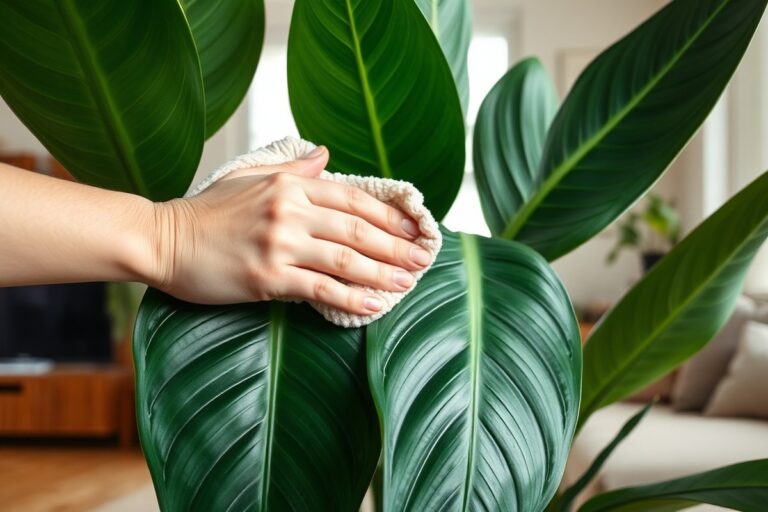
How to Trim a Rubber Tree Plant: Simple Steps for Healthy, Bushy Growth
Knowing how to trim a rubber tree plant helps you keep it healthy and full. Start by cutting back only a small part of the plant to avoid stress. You want to trim during the plant’s active growth to encourage bushier, stronger branches.
Begin trimming by removing any dead or damaged leaves first. Use clean, sharp tools to make smooth cuts that heal quickly. Pay attention to the plant’s natural shape and balance its growth as you prune.
Don’t remove more than a third of the foliage at once to prevent shock. Focus on stems several inches long having leaves and nodes. Follow these steps for a trimmed rubber tree that stays vibrant and attractive.
Key Takeaways
- Trim your rubber tree during spring or early summer for best results.
- Remove no more than 20-30% of leaves in one trimming session.
- Always prune dead, damaged, or yellowing leaves first.
- Use sharp, clean tools wiped with a bleach solution before trimming.
- Keep the plant balanced by trimming evenly on all sides.
- Choose stems 4, 6 inches long with leaf nodes for cuttings.
How to Properly Trim a Rubber Tree Plant Step-by-Step
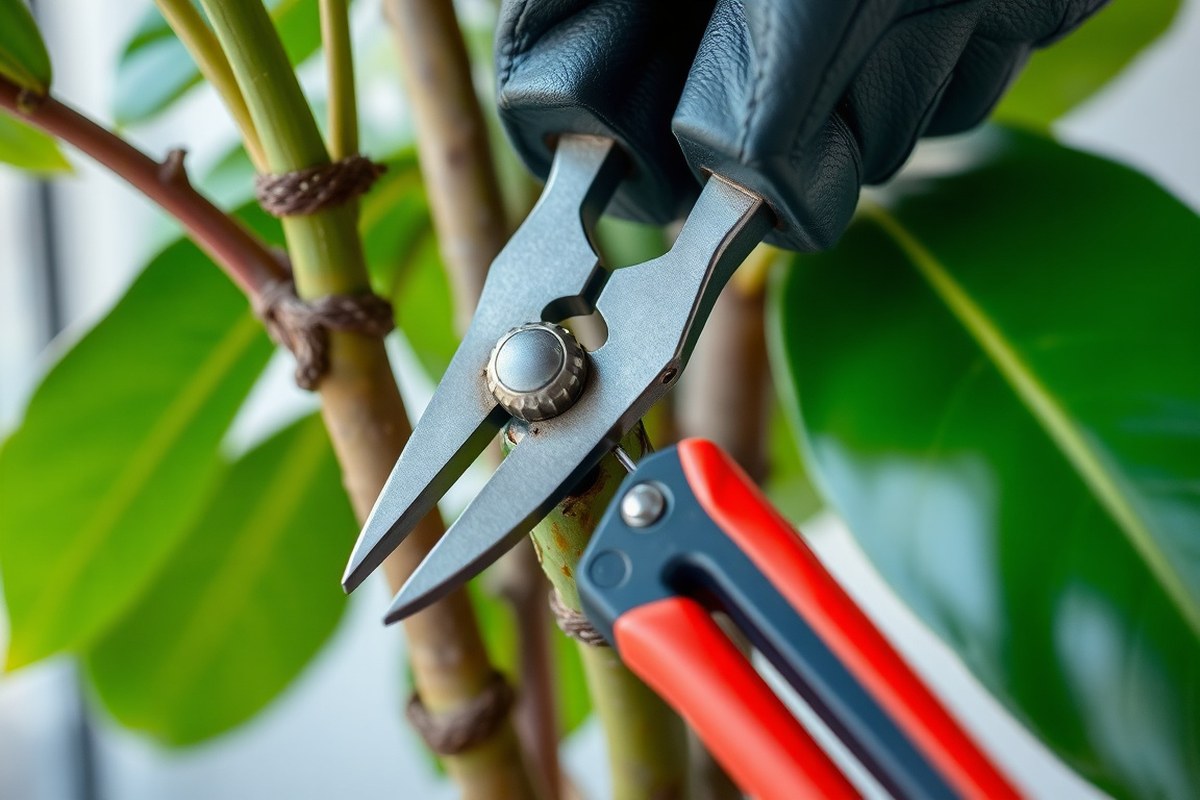
Trimming a rubber tree plant means cutting back some branches and leaves carefully. You want to remove no more than 20, 30% of the foliage at once. This keeps your plant healthy and helps it grow fuller and stronger.
Preparing Your Rubber Tree for Trimming
Begin by gathering your tools like sharp pruning shears and gloves. Rubber tree sap can be sticky and irritate your skin, so gloves protect you. Choose a spot with good light and clear space to work safely.
Wear protective goggles if you’re cutting overhead branches. Having clean, sharp tools helps you make neat cuts. Dull tools can damage stems and cause more sap to ooze.
Making the Right Cuts: Where and How Much
Target branches that look leggy, overgrown, or damaged for pruning. Cut just above a leaf node or bud to encourage new growth there. Avoid cutting too close to the node to prevent damage.
Do not remove more than 20, 30% of your plant’s foliage in one session. For size control, trim the top when the plant reaches about four feet tall. This helps keep it compact and well-shaped.
- Inspect your rubber tree and pick branches to remove.
- Make cuts just above a node or leaf stem.
- Trim long, leggy branches to encourage spreading growth.
- Remove any dead or damaged leaves fully at the stem base.
- Ensure you keep the overall shape balanced to avoid stress.
Handling Sap and Ensuring Clean Wounds
Rubber tree sap can leak from fresh cuts and irritate skin. Wipe off any sap immediately with a damp cloth or rubbing alcohol. This keeps your hands clean and stops sap from sticking to surfaces.
Make smooth, clean cuts to help your plant heal faster and avoid infection. Sawing or tearing the branches causes ragged wounds and more sap ooze. Sharp pruners create a neat cut that seals well.
When Is the Best Time to Trim Your Rubber Tree Plant?
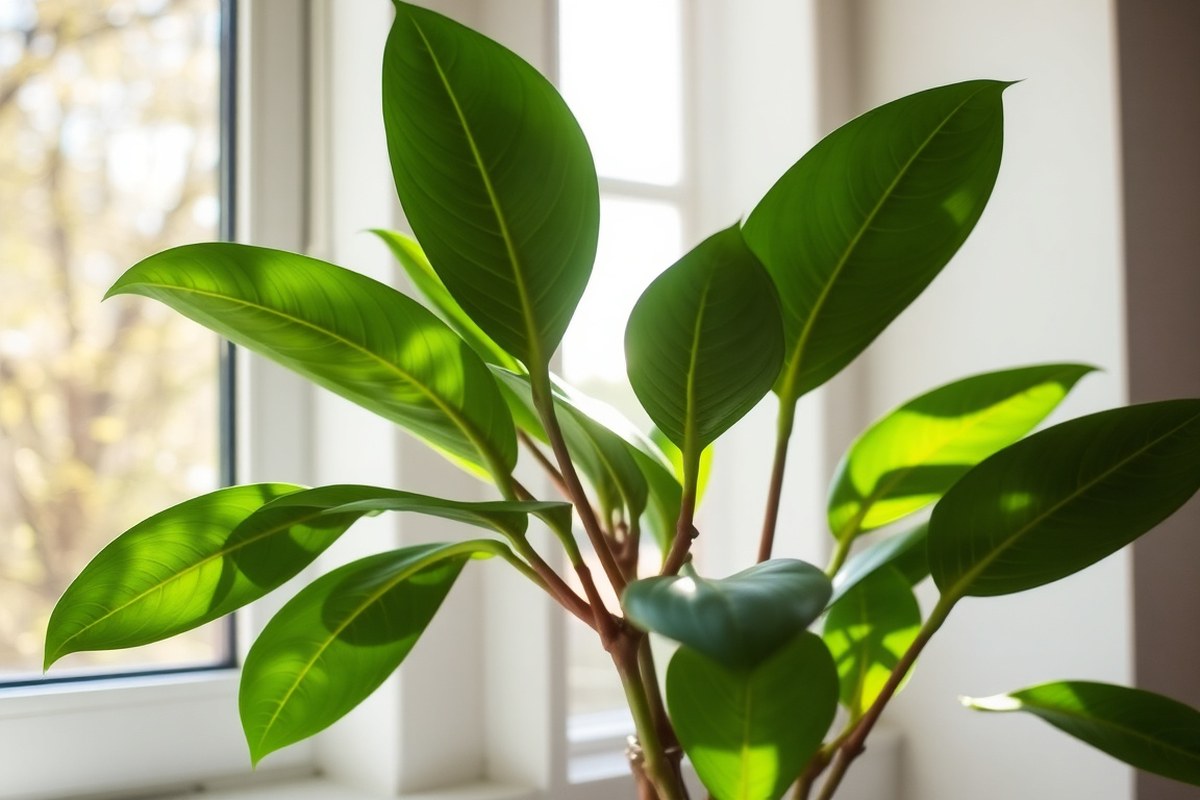
Trimming your rubber tree works best in spring or early summer. This matches the plant’s active growing phase. Avoid pruning in winter, when it slows down and struggles to heal.
Why Spring and Early Summer Work Best
Warm temperatures and longer daylight in spring boost new growth. Your rubber tree uses this time to recover and branch out. Pruning during this phase encourages strong, healthy shoots.
Cutting back in early summer gives the plant time to heal before cooler months. It reduces stress and helps leaves stay vibrant. This timing supports a fuller, balanced shape.
Why Avoid Winter Pruning
Rubber trees enter dormancy in winter and grow very slowly. Pruning now shocks the plant and delays new growth. Cuts made during winter take longer to close and may invite disease.
Leaves may drop and the plant looks weak if trimmed in cold. It’s safer to wait until your plant shows signs of active growth again. This approach helps keep your rubber tree healthy.
Checking Growth Before You Prune
Look for leaf buds and fresh growth tips as signs to prune. These appear in spring when your rubber tree wakes up from dormancy. Avoid trimming parts without active growth to prevent damage.
You can wait a few weeks if growth is slow after repotting or recent stress. The plant focuses on building roots before new shoots emerge. Prune only when growth is steady and mature.
How Timing Affects Healing and Shape
Cuts heal faster when sap flow is steady during warm months. Growth fills in bare spots and creates fuller branches after pruning. This reduces the risk of disease and keeps the plant attractive.
Trimming out old or leggy growth in spring reshapes your rubber tree nicely. Your plant responds by producing new stems and leaves. This method helps control size and encourages a bushier look.
Don’t prune too late in fall. Your rubber tree needs time to heal before winter dormancy.
Essential Tools and Safety Tips for Trimming
Sharp, clean tools make rubber tree trimming easier and safer. You’ll need a pair of pruning shears or secateurs with sharp blades for cutting branches cleanly. Sometimes, a pair of scissors or a small saw may help for thicker stems.
The sap from rubber trees is thick and sticky. It can irritate your skin or stain clothes. Wearing gloves and old clothes protects you.
Keep a damp cloth nearby to clean off sap from your hands. Wipe your tools quickly if they get sap on them. This stops the sap from hardening and making a mess.
- Pruning shears with sharp, rust-free blades
- Gardening gloves to protect your skin from sap
- Old towels or cloths to clean sap immediately
- Disinfectant like rubbing alcohol for cleaning tools
- Small saw for any thick or woody branches
- Container to collect trimmed branches and leaves
Cleaning your tools is key to healthy pruning. After trimming, wipe blades with rubbing alcohol or soapy water to remove sap and germs.
Dry them well to prevent rust. Regularly sharpen your pruning shears to keep cuts clean, which helps your plant heal faster.
Storing tools in a dry place also prevents rust. Check for damage like loose handles before each use. Proper maintenance saves you money and protects your rubber tree from infections spread by dirty blades.
Different Pruning Methods to Shape and Control Growth
Pruning your rubber tree helps control its shape and size. It also encourages stronger growth and fuller leaves. The main methods include trimming for size, structural shaping, and promoting bushiness by pruning lateral branches.
| Pruning Method | Purpose | How to Do It | Tips |
|---|---|---|---|
| Trimming for Size | Controls height and prevents legginess | Cut back vertical stalks by 6-12 inches | Use sharp shears; prune just above a leaf node |
| Structural Shaping | Shapes overall plant form and balance | Remove unwanted side branches or thin tall stems | Focus on thick stems; keep main trunk strong |
| Encouraging Bushiness | Stimulates lateral branch growth for fullness | Prune new side shoots regularly to boost branching | Trim lateral shoots to 2-4 leaves to promote growth |
| Converting to Bush Form | Creates compact shape from a tall tree form | Allow vertical stalks to grow, prune to shape bush | Gradually let stalks fill in middle; prune yearly |
Trimming focuses on cutting tall, thin stems to keep the plant manageable. You cut back 6 to 12 inches above a leaf node to stop legginess. It’s important to use clean, sharp shears to avoid damaging the plant.
Structural shaping means removing side branches or thin stems that throw off balance. This method helps maintain a strong trunk and even shape. Thick branches need bypass pruners for better control when you cut.
To get a bushier look, prune lateral branches regularly. Snip side shoots back to 2 to 4 leaves. This encourages new growth that fills the plant’s middle, preventing it from getting sparse.
Turning your rubber tree into a bush requires patience. Let vertical stalks grow as you prune them to form a compact shape. This step-by-step shaping happens mostly during the growing seasons and needs yearly maintenance.
How to Use Rubber Tree Cuttings for Propagation
You can propagate a rubber tree from healthy pruning cuttings. Select small branches with good leaf growth for best results. Root them in water or soil during spring or summer to encourage new plants.
Choosing the Right Cutting
Pick firm, green stems that have at least two leaves. Avoid cuttings with damaged or old-looking stems. Choose branches about 4 to 6 inches long for easier rooting.
The cutting should come from a mature part of the plant. Younger shoots might not root well. Look for stems with visible growth nodes where roots can form.
Preparing the Cutting for Rooting
Remove the leaves from the bottom two inches of the stem. This section will go under water or soil and must be bare. Making a clean cut just below a node encourages root growth.
Root cuttings in water or moist potting mix. Changing water every few days keeps it fresh. Using a rooting hormone can speed up the process but isn’t always necessary.
- Cut a 4- to 6-inch stem below a leaf node.
- Remove leaves at the bottom 2 inches of the cutting.
- Optionally dip the cut end in rooting hormone powder.
- Place the cutting in a glass with clean water or moist soil.
- Set the glass or pot in bright, indirect light.
- Change the water every 3 to 4 days if rooting in water.
- Wait 2 to 4 weeks for roots to develop before planting in soil.
Avoid letting cuttings sit in stagnant water; change it often to prevent rot.
Caring for New Rubber Tree Plants
Once roots reach 1 to 2 inches, prepare a small pot. Next, plant the cutting in soil inside this pot. Water lightly to keep the soil moist at first.
Use a well-draining potting mix designed for houseplants. Keep the soil moist but not soaked during the first few weeks.
Place the new plant in a warm, bright spot without direct sun. High humidity helps, so mist the leaves occasionally. Avoid fertilizing until the plant shows strong new growth.
Post-Pruning Care to Ensure Rubber Tree Health
After trimming, water your rubber tree carefully to keep the soil moist. Avoid overwatering since the roots may be weaker right after pruning. Water when the top 1 inch of soil feels dry to touch.
This usually happens every 7 to 10 days. Your home’s humidity affects how often you need to water.
Feed your plant two weeks after pruning. Use a balanced liquid fertilizer. Dilute it to half the usual strength.
This supports new growth without stressing the plant. Avoid fertilizing immediately after pruning because the roots need time to recover first.
Keep an eye on your rubber tree’s health for about four to six weeks after trimming. Look for new leaf buds and firm, green stems as signs of recovery. Yellowing leaves or dropping can mean too much water.
Cut back on watering right away. Also, check your plant for pests or diseases.
Place the plant in bright, indirect light to boost its healing process. Extreme heat or direct sunlight might stress it. A room temperature between 65°F and 75°F works best during recovery.
Large or heavily pruned rubber trees need more time to bounce back. It can take about six weeks to recover fully.
Smaller plants can bounce back in four weeks. Patience and gentle care during this time help it grow strong and healthy again.
How to Identify and Avoid Common Pruning Mistakes
Trimming too much of a rubber tree plant causes stress and leaf loss. Don’t cut more than 30% at once to keep it healthy.
Drooping leaves and slower growth show you’ve over-pruned. Give your plant less water and indirect light for recovery.
Many people cut branches at the wrong angle. Use a 45-degree angle cut just above a leaf node or branch junction. This angle lets water run off, which prevents rot and disease.
Cutting too flat or very close to the node can hurt the plant. It may also cause more sap to leak out. Careful cutting keeps the plant healthier.
The rubber tree’s sap is sticky and can irritate skin. Always wear gloves and wash any sap off your skin quickly to avoid rashes. To stop sap from oozing, dip your shears in water before cutting.
You can also apply a little natural sealant to the cut area. These steps help reduce sap loss.
- Don’t prune if your plant is stressed by pests or recent repotting.
- Avoid removing more than 30% of leaves or branches at once.
- Always cut branches at a 45-degree angle above a node.
- Wear gloves to protect skin from the milky sap.
- Disinfect pruning tools before and after cutting.
- Give your plant extra care after pruning to recover well.
After over-pruning, reduce watering a bit and place the plant in bright, indirect light. This helps it recover more quickly. Avoid fertilizing until new growth appears again.
Checking your rubber tree for pests before pruning helps prevent added stress. Regularly inspect leaves for spots or insects, and treat issues first.
The right pruning technique keeps your rubber tree full and healthy. Avoiding major mistakes like over-cutting, flat cuts, and ignoring sap lowers plant stress. Taking these small precautions saves you time and helps your indoor plant thrive.
Managing Pests, Diseases, and Damaged Leaves During Pruning
Look closely for any leaves or branches that are damaged, dead, or sick. Cut these areas off to stop problems from spreading.
Use sharp pruning scissors for leaves and larger pruners for thicker branches. This keeps the plant healthy and encourages new growth.
Remove only what is necessary. Never cut more than one-third of your rubber plant’s foliage at once.
Removing too much can shock the plant and slow its growth. After pruning, watch carefully for signs of pests or diseases to catch any issues early.
Pests often hide in damaged leaves. Getting rid of these parts helps stop them from spreading.
Wipe scissors with rubbing alcohol before and after cutting to prevent infections. Avoid trimming when your plant is wet since moisture can spread diseases faster.
Trim off yellow, brown, or spotted leaves. Check branches for soft spots or black marks that mean rot.
Cut infected parts about half an inch below the damage. Dispose of the cuttings carefully, as they can hold pests or diseases.
Always sterilize your pruning tools before use to reduce the risk of spreading infections between plants.
For minor damage, snip off just the affected leaf or branch tip. For bigger problems, remove entire branches that look unhealthy.
Healthy leaves should stay green and firm after pruning. When wilting or discoloration returns, you may need to repeat the treatment.
Prune regularly to keep your rubber tree tidy. This reduces hiding spots for pests. Cleaning dead leaves takes only a few minutes.
It helps your plant stay healthy. Removing dead foliage prevents bigger problems later. Good care keeps your rubber tree looking fresh and disease-free.
Step-by-Step Action Plan for Trimming Your Rubber Tree Plant
Follow these simple steps to trim your rubber tree plant effectively and safely. Each step helps your plant stay healthy and look great.
- Before you start: Gather clean pruning shears and gloves. Check your tools are sharp to avoid damage.
- Day 1: Remove any dead or yellow leaves. Healthy plants have bright green, firm leaves.
- Day 1: Decide on the shape you want. Trim branches to keep the desired size and style.
- Right after trimming: Wipe cuts with rubbing alcohol. This stops infections on open wounds.
- Day 2 to Day 7: Keep your plant in bright but indirect sunlight. Avoid direct sun to reduce stress.
- Week 2: Water moderately when the top inch of soil feels dry. Overwatering slows healing.
- Week 3: Check for new growth near trimmed areas. This shows your pruning worked well.
- After 1 month: Consider gentle feeding with diluted houseplant fertilizer. It supports strong new growth.
Frequently Asked Questions
How Often Should I Trim My Rubber Tree Plant?
Trim your rubber tree every few months or when it looks leggy. Frequent light pruning encourages fuller, bushier growth and keeps the plant healthy.
Can I Trim the Rubber Tree Plant Indoors Safely?
Yes, trimming indoors is safe with clean, sharp tools. Choose a well-lit area and place a drop cloth to catch clippings.
Should I Remove Yellow or Dead Leaves During Trimming?
Always remove yellow or dead leaves while trimming. This prevents disease and makes the plant look neat and healthy.
Can I Use Kitchen Scissors for Trimming a Rubber Tree?
Kitchen scissors can work but are not ideal. Use sharp, clean pruning shears for cleaner cuts and less plant damage.
How Do I Encourage My Rubber Tree Plant to Branch?
To get more branches, cut above leaf nodes on the main stem. This signals the plant to grow side shoots.
Is It Okay to Trim the Rubber Tree If It’s Not Growing?
Trimming a slow-growing rubber tree can stimulate new growth. Do it in spring or early summer when the plant is active.
Wrapping Up
Trimming your rubber tree plant keeps it healthy and looking good. Start by removing dead leaves and shaping carefully. Watch your plant’s response and adjust care as it grows back stronger.