Can I Plant a Peach Tree from a Pit? A Complete Guide for Beginners
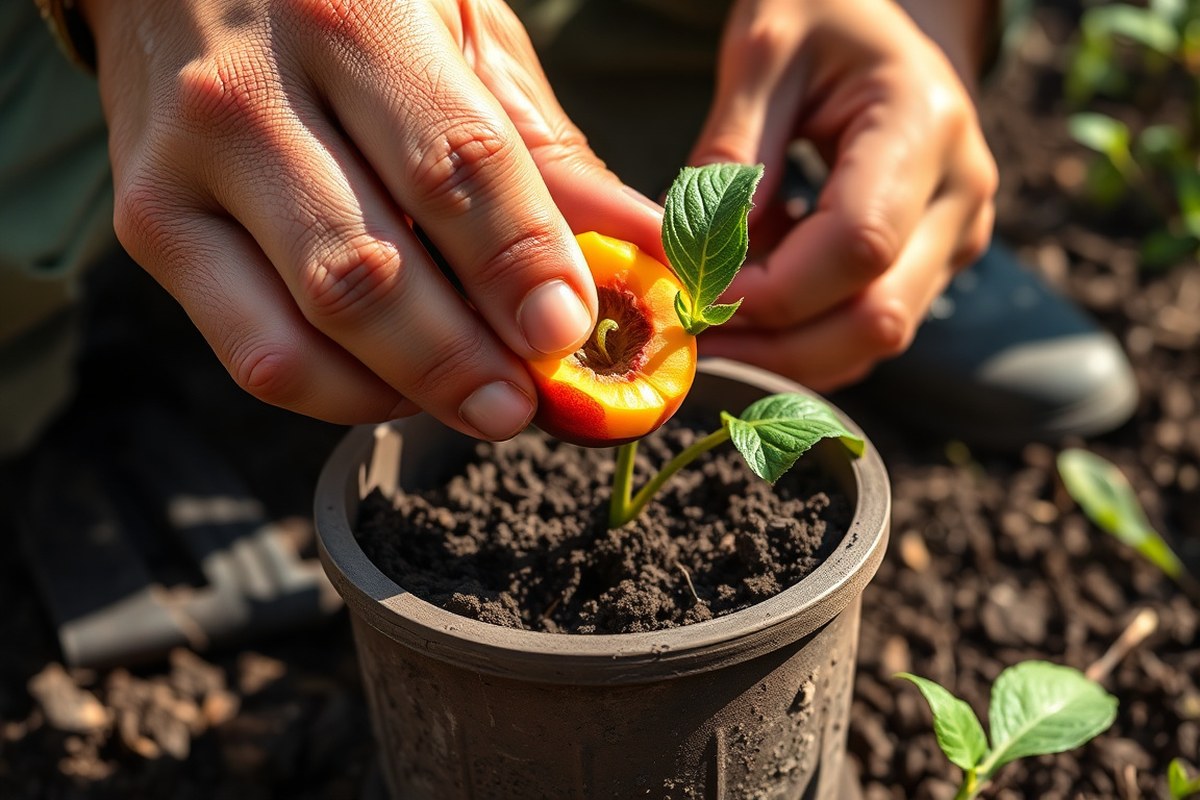
Can I plant a peach tree from a pit? Yes, you can grow a peach tree this way. It takes patience, but planting from the pit can work well for home gardeners.
Start by drying your pit thoroughly for at least 12 hours. Then, give it a cold period to wake up the seed. This step called cold stratification is key to getting the pit to sprout.
Plant the pit about 1 to 1 1/2 inches deep in moist soil. Watch for sprouts during the next 1 to 3 months to know it’s alive. Good care early on helps your peach seedling grow strong.
Key Takeaways
- Dry peach pits with a paper towel before starting cold stratification.
- Keep pits at 34 to 40°F for 8 to 12 weeks before planting.
- Plant pits 1 to 1 1/2 inches deep in moist soil or potting mix.
- Expect peach pits to sprout within 1 to 3 months under good conditions.
- Pot up seedlings when sprouts or roots reach about 3 to 4 inches long.
- Transplant outdoors after the last frost and when seedlings are 8 to 12 inches tall.
Can You Grow a Peach Tree Successfully from a Pit?

You can grow a peach tree from a pit, but expect some trade-offs. Peach seeds rarely produce fruit identical to the parent peach.
Your new tree might grow peaches that taste different. The fruit could be smaller, or you might get no peaches for years.
Planting a healthy, viable pit improves your chances of a strong tree. The process still takes patience. A peach tree grown from seed usually starts producing fruit in about three to five years.
This growth is slow, so see it as a fun project. Don’t expect a quick harvest.
Store-bought peaches’ seeds often come from hybrid varieties. So their pits may not grow true to type. You might end up with an ornamental tree or a surprise fruit.
Using a clean, cold-stratified pit from a ripe peach helps germination. It also encourages better early growth.
The soil, climate, and location affect your tree’s success too. Choose well-draining soil and a spot with full sun. Cold winters help peaches meet chill-hour requirements for flowering.
Growing in pots or the ground can work. But the tree needs enough space for roots and growth.
Expect the tree to look healthy before fruit appears. Leaves should be lush green by the second growing season.
Watch for pests and disease, which can stress young peach trees. Early care influences whether that slow wait for fruit will pay off in the end.
How to Prepare Peach Pits for Planting

Preparing peach pits properly helps you grow healthy seedlings. Pick good pits and clean off any leftover fruit. Let them dry well.
Decide if you want to crack the shell first. Doing this right improves your chances of sprouting a strong peach tree later.
Selecting Healthy Peach Pits
Pick peaches that are fully ripe and healthy for the best pits. Choose locally grown or organic fruit if possible since store peaches may be treated with chemicals. Those chemicals can reduce the pit’s chance of sprouting.
Pits from peaches pollinated naturally tend to grow trees with better fruit quality. Avoid fruit that seems underripe, bruised, or has mold. The pit inside them might not be viable.
- Choose a ripe peach you recently ate or buy local, organic fruit.
- Break open the peach gently to remove the pit carefully.
- Pick pits that feel heavy and intact, without cracks or holes.
- Discard pits that look shriveled, cracked, or have dark spots.
Use pits from ripe, healthy peaches only for better tree growth and fruit.
Cleaning and Drying Procedures
Remove all the fruit flesh from the pit with water and a soft brush. Fruit residue can cause mold or disease during storage and seedling growth. Rinse pits under warm running water until fully clean.
After cleaning, place the pits on a paper towel. Keep them in a warm, dry place to dry.
Let them air-dry for 24 to 48 hours to prevent mold growth. Avoid direct sunlight, which might dry out the seed inside.
- Rinse the peach pit under warm water to remove fruit pulp.
- Use a brush or your fingers to scrub off any stubborn bits.
- Spread the pits out on a clean paper towel or cloth.
- Leave them in a warm, dry place away from direct sun for 1-2 days.
- Check pits for dryness by feeling if the surface is no longer wet.
Dry pits completely before storing to avoid mold and rot during stratification.
Cracking the Pit: Pros and Cons
Cracking the peach pit shell can speed up germination but requires care. The shell protects the seed. So you only want to crack it slightly without damaging the seed inside.
Wrap the pit in a cloth before you tap it. Use a small hammer or nutcracker to tap gently.
Some growers avoid cracking pits and simply plant them whole to lower injury risk. Whole pits need a longer chilling period but have higher survival chances.
Cracked pits may sprout faster with care. But they can dry out or rot if exposed too long.
- Wrap the clean, dry peach pit in a thick cloth or towel.
- Tap gently with a hammer or use a nutcracker to crack the shell slightly.
- Stop cracking as soon as you hear a crack or feel the shell give way.
- Take care not to crush or split the seed inside.
- Plant cracked pits soon after cracking to prevent drying out.
Only crack pits if you feel confident; cracking can harm the seed inside.
Why Cold Stratification Is Essential for Germination
Yes, peach pits need chilling to sprout because cold stratification triggers germination. The pit requires 8 to 12 weeks at 34 to 40 degrees Fahrenheit to break dormancy. In warm climates, you must mimic winter by chilling the seed in a refrigerator before planting.
What Is Cold Stratification?
Cold stratification is a natural process where seeds experience a cold, moist period. This cold time breaks the seed’s dormancy, allowing it to sprout in spring. Peach seeds rely on this chill to start their biological growth.
Without cold, the pit’s hard seed coat stops it from sprouting. The seed also blocks growth inside. Both need cold to break dormancy.
You are recreating winter conditions by chilling seeds before planting. This helps the seed get ready for warmer temperatures.
Recommended Duration and Temperatures
Peach seeds usually need 8 to 12 weeks of chill to sprout. The ideal temperature for this chilling is between 34 and 40°F (1 to 4°C). This cold period triggers the seed to start growing.
Keep the seed moist but not soaked during this time. Too dry or too warm will slow or stop germination. Some peach pits may sprout as early as 10 weeks.
Stratification Methods and Alternatives
You can mimic cold stratification indoors by chilling pits in the refrigerator. Wrap the seed in a moist paper towel inside a plastic bag. Keep the bag in the fridge at 34 to 40°F.
In colder climates, simply plant the peach pit outside in fall. The ground’s natural cold will do the work through winter. Bury pits 2 to 3 inches deep, spaced 12 inches apart.
Making a small cut in the seed coat before chilling helps. It can shorten cold time by 1 to 2 weeks.
This step makes germination easier. This helps water penetrate, speeding germination.
Follow these steps to cold stratify your peach pit at home:
- Clean the peach pit and remove any fruit residue carefully.
- Lightly nick or sand one side of the seed coat to thin it.
- Soak the pit in water for 24 hours to hydrate it fully.
- Wrap the pit in a damp paper towel, not dripping wet.
- Place the wrapped pit inside a plastic bag with small holes for air.
- Store the bag in your refrigerator at 34 to 40°F for 8 to 12 weeks.
- Check the towel weekly to keep it moist and look for sprouting.
- When a root or sprout appears, plant the pit 1 to 1.5 inches deep outdoors or in a pot.
Planting Peach Pits: Timing and Techniques
Plant peach pits about 1 to 1.5 inches deep in loose, well-draining soil. Start seeds indoors early in the season or plant them outdoors in fall or early spring. Space trees at least 15 feet apart in the garden.
Give them 20 feet if you can. This space helps the trees grow well.
Ideal Planting Depth and Soil
Plant the peach seed about 1 to 1.5 inches deep into well-draining potting mix. The soil should be loose so roots can grow easily and avoid waterlogging. Avoid planting too deep, which can slow germination or cause the seed to rot.
Use a potting mix that holds moisture but drains fast. This balance helps keep the seed moist without drowning it. Well-draining soil prevents mold and root rot problems that kill young seedlings quickly.
Indoor Container Growing Tips
Choose a container at least 8 to 10 inches deep with holes for drainage. Peach seedlings need room for their deep taproot to develop properly. Use quality potting soil rather than garden dirt when planting indoors.
Place the container where it will get consistent sunlight, about six hours daily. Water only when the soil surface feels dry to avoid overwatering. Repot seedlings each year into a slightly larger container until you reach about 15 inches across.
Transplanting Outdoors and Spacing
Move seedlings outdoors about one month before the last expected frost for your area. This timing allows the seedlings to adjust without risk of freezing. Harden off young plants by exposing them gradually to outdoor conditions for 7 to 10 days.
Space peach trees 15 feet apart in your garden. Give about 20 feet for better growth. This space helps them spread out.
Proper spacing ensures good air circulation, which reduces disease risk. Crowding makes trees compete for nutrients, slowing their growth and fruit production.
Follow these steps to plant and grow peach pits successfully:
- Soak the peach pit overnight, then remove the hard shell carefully.
- Fill an 8 to 10-inch pot with well-draining potting mix.
- Plant the seed about 1 to 1.5 inches deep, cover lightly with soil.
- Place the pot in a sunny location with consistent moisture.
- Water only when the soil feels dry on top to prevent rot.
- Repot seedlings yearly, increasing pot size by 2 to 3 inches each time.
- About a month before last frost, harden off seedlings outdoors gradually.
- Transplant seedlings into the garden with 15 to 20 feet spacing.
First-Year Care for Peach Seedlings
For the first week, keep your peach seedling in bright, indirect light. After the seedling grows some true leaves, move it outside.
Choose a spot with full sun for the best growth. Seedlings need at least 6 hours of sunlight daily for healthy growth.
Water young peach trees deeply but let the soil dry a bit between waterings. Aim to keep the top 2 inches of soil moist, not soggy. Overwatering can cause root rot, while underwatering will stunt growth.
Once your seedling reaches about 6 inches tall, begin light fertilizing. Use a balanced, slow-release fertilizer with an N-P-K ratio like 10-10-10.
Use one tablespoon of fertilizer around the base every six weeks. Keep it away from touching the main stem directly.
Ideal temperatures for young peach trees range from 65°F to 85°F. Protect them from frost by covering with frost cloth if the temperature drops below 28°F. Young trees are more sensitive to cold and may get damaged if left exposed.
Watch for common pests like aphids and peach tree borers. Use insecticidal soap or neem oil as a safe treatment method. Keep the area around the tree free of fallen leaves and debris to reduce disease risk.
- Water deeply once or twice weekly, depending on rain.
- Move seedlings into full sun after the first true leaves appear.
- Fertilize lightly starting at 6 inches tall, every 6 weeks.
- Cover seedlings if temperatures approach 28°F or below.
- Inspect leaves weekly for pests or disease signs.
- Prune weak or dead branches in late winter before new growth.
- Train your tree to an open-center shape through selective pruning.
Pruning helps airflow and sunlight reach the tree’s center. In your first year, remove only dead or damaged limbs.
In late winter, trim the tree while it is dormant. Cut to space branches and avoid overcrowding for health.
Protect young peach trees from frost and avoid overwatering for best growth.
When and How to Transplant Seedlings Outdoors Safely
Move your peach seedling outdoors after the last frost risk ends. The seedling should be 8 to 12 inches tall with a woody base. At this stage, it will handle outdoor conditions better.
Pick a planting site with full sun and well-drained soil. Dig a hole about twice the size of the seedling’s root ball. This gives roots room to spread and grow strong.
Protect young seedlings from late frost and extreme weather. Cover them with a frost cloth or light blanket during cold spells. Removing covers every day lets sunlight reach the plants.
Follow these steps to transplant your peach seedling safely and give it the best start outdoors:
- Water your seedling well a few hours before transplanting to reduce stress.
- Dig a hole about twice the width and depth of the root ball.
- Gently remove the seedling from its pot, keeping as much soil around roots as possible.
- Set the seedling in the hole. Make sure the top of the root ball is even with the ground. Press soil gently around it.
- Fill the hole with soil, gently firming it to eliminate air pockets.
- Water thoroughly after planting to settle the soil and hydrate roots.
- Add a 2-3 inch mulch layer around the base of the seedling. Keep the mulch a few inches away from the stem. This helps prevent rot.
- Cover with frost protection on cool nights for about two weeks or until the plant acclimates.
This routine helps seedlings adjust to harder soil and outdoor temperatures. Well-drained soil avoids root rot from standing water. Mulch keeps soil moist and cool, reducing stress.
Watch your seedling closely for the first few weeks. Limp or yellow leaves may show transplant shock. Keeping soil slightly moist and shade at midday can help recovery.
How Long Before a Peach Tree Grown from a Pit Bears Fruit?
Peach trees grown from pits usually take 3 to 5 years before they bear fruit. Grafted trees start fruiting sooner, typically within 2 to 3 years. This difference happens because grafted trees combine mature scions with established rootstock, speeding up growth.
Fruit quality and yield also differ. Seed-grown trees may produce peaches unlike the original fruit.
They can vary in flavour, size, and texture. Grafted trees produce predictable fruit that matches the parent variety.
Growing conditions and the tree’s variety affect how soon you get fruit. Trees need the right chill hours and enough sun to develop well. Poor soil or drought slows fruiting and reduces yield.
| Type of Peach Tree | Time to First Fruit (years) | Fruit Quality | Tree Size and Predictability |
|---|---|---|---|
| Seed-grown from pit | 3 to 5 | Varies, different from parent peach | Can be larger, unpredictable growth |
| Grafted nursery tree | 2 to 3 | Consistent to named variety | Smaller size, controlled growth |
You get fruit faster with a grafted tree because it uses mature wood. Seedlings start as babies and take time to mature. Waiting for seed-grown peaches means accepting some unpredictability in timing and fruit quality.
To improve results, choose a site with good sun and soil drainage. Keep trees watered during dry spells. Expect to wait longer and plan for smaller, diverse fruit with seed trees.
Common Mistakes and How to Fix Them When Growing Peach Trees from Pits
Not stratifying peach pits properly is a common mistake. Without cold stratification for 6 to 8 weeks at 34 to 41°F, seeds often won’t sprout.
Skip this step. You may face poor or no germination, meaning all efforts go to waste.
Overwatering young peach seedlings causes root rot and fungal growth. The soil should stay moist but never soggy.
Let the top inch dry before watering again to avoid problems. Underwatering, however, weakens the tree and slows growth.
Watch out for pests like aphids and scale insects. They suck sap and stunt young trees quickly.
Check leaves and stems weekly and spray insecticidal soap if needed. Neglect leads to infestations hard to control later.
- Start pit stratification in the fridge using moist peat or paper towels.
- Water seedlings lightly every 3 to 4 days in warm weather.
- Inspect for small insects on stems and undersides of leaves.
- Prune thin, weak branches early to promote strong trunk development.
- Transplant seedlings outdoors in early spring after last frost.
- Use well-draining soil with organic compost for planting site.
Pruning helps build a strong tree shape and keeps growth healthy. Remove branches that cross or grow inward to increase air flow and sunlight. Do light pruning in early spring before leaves grow to avoid stress.
Monitor moisture closely, too much water invites rot, too little slows growth.
Transplant seedlings at the right time avoids shock. Plant young trees outside in early spring while the ground is workable but before buds swell. Late planting leads to weak roots and slower establishment.
Step-by-Step Action Plan to Start Growing Your Peach Tree from a Pit
Use these steps to grow a peach tree from a pit. Each part shows what to do and how to see if it’s working.
- Before you start: Choose a fresh peach pit from a ripe peach. Look for a hard, brown pit with no cracks or holes.
- Day 1: Clean the pit well to remove fruit flesh. Rinse under running water until no sticky residue remains.
- Week 1: Soak the pit in water for 24 hours. The pit should feel slightly softer after soaking.
- Week 2 to 8: Keep the pit cold by placing it in moist sand or a wet paper towel. Put it inside a sealed plastic bag for best results. Keep it in the fridge at about 40°F. Check weekly to keep it moist and watch for cracks or sprouting.
- Week 9: Plant the pit in well-drained soil about 2 inches deep in a pot. The soil should stay moist but not soggy.
- Weeks 10 to 16: Keep the seedling in a warm spot with plenty of indirect sunlight. Look for small green leaves to show the seedling is growing.
- After 3, 6 months: Transplant the seedling outdoors during mild weather. Choose a sunny, sheltered spot with good soil drainage.
- Year 1 and beyond: Water regularly but avoid waterlogging. Apply balanced fertilizer in early spring to encourage growth.
Frequently Asked Questions
Can I Grow a Peach Tree Indoors from a Pit?
Growing a peach tree indoors is possible but challenging. It needs plenty of sunlight, proper pots, and good drainage to thrive inside.
Do I Need to Crack the Peach Pit Before Planting?
You don’t have to crack the pit, but gently cracking it can speed germination. Just avoid damaging the seed inside.
What Soil Type Is Best for Planting a Peach Pit?
Well-draining, sandy loam soil works best. It prevents waterlogging and supplies nutrients your peach tree needs.
Can I Plant Peach Pits from Store-Bought Peaches?
Yes, but fruit from store-bought peaches might not be true to type. Your tree may bear different-tasting fruit.
How Often Should I Water a Peach Seedling from a Pit?
Water your seedling when topsoil feels dry. Overwatering can cause root problems, so keep soil moist, not soggy.
Is It Necessary to Fertilize Peach Trees Grown from Pits?
Yes, feeding young trees helps growth. Use a balanced fertilizer after the seedling forms true leaves.
Final Thoughts
You can grow a peach tree from a pit with patience and care. Start by preparing the pit properly and keep its environment right. Your next step is cold stratifying the pit to help it sprout successfully.