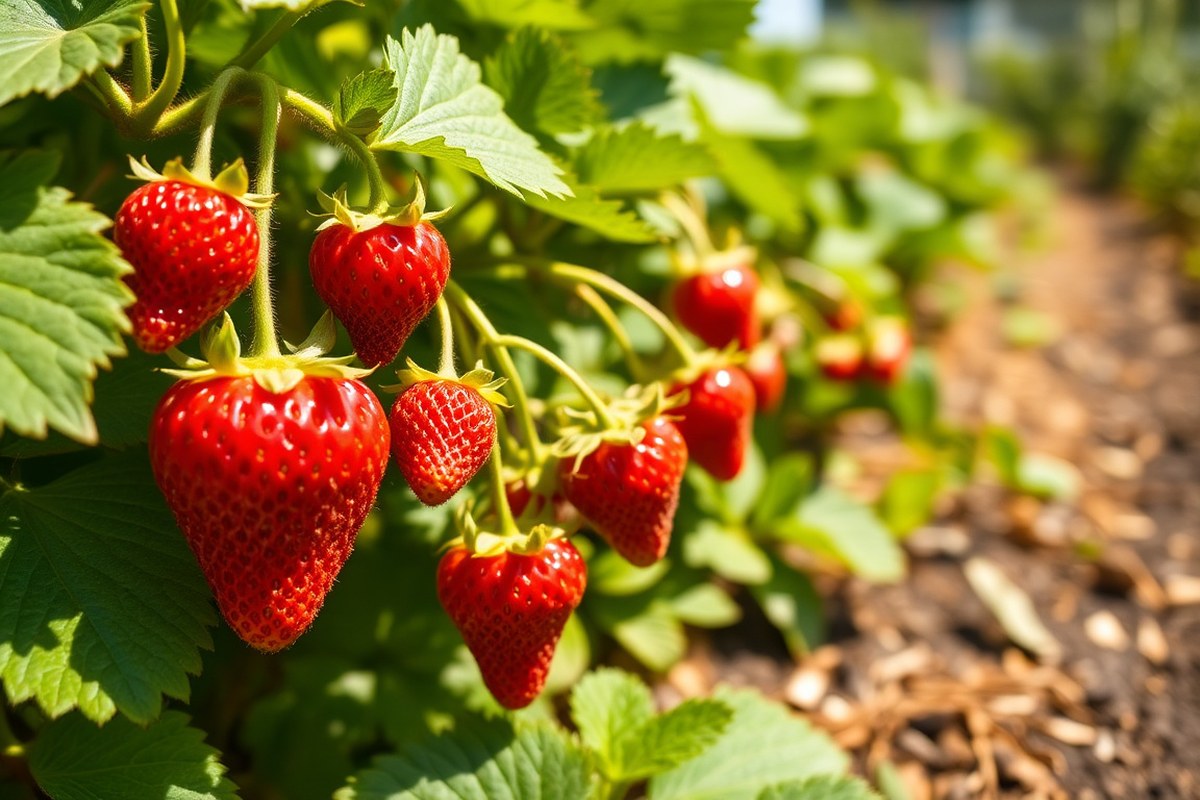
How Hard Is It to Grow Strawberries? A Complete Guide for Beginners
How hard is it to grow strawberries? It’s easier than you might think.
They don’t need fancy tools or huge spaces, just some basic care. Start by picking the right spot with plenty of sunlight.
Strawberries like at least 6 to 8 hours of direct light every day. Choose a well-drained spot or good-quality potting soil if indoors. Space the plants properly so air can move around them and stop diseases.
Keep the soil moist but not soggy to avoid root problems. Use mulch to keep weeds down and keep the fruit clean. Regular watering, especially during dry spells, helps berries develop fully.
Watch the temperature, too. Strawberries grow best between 60° and 80°F and hate late spring frosts.
Cover them if a freeze threat shows up when they’re flowering. That small effort saves your berries.
Key Takeaways
- Plant strawberries where they get 6 to 8 hours of sunlight daily.
- Space plants 12 to 18 inches apart to keep air flowing and reduce disease.
- Keep soil well-drained to prevent root rot and other problems.
- Water strawberries about 1 to 1.5 inches weekly, not soaking wet.
- Protect plants from frost when they bloom if temperatures drop below 30°F.
- Temperatures between 60° and 80°F help strawberries flower and fruit well.
How Hard Is It to Grow Strawberries Really?
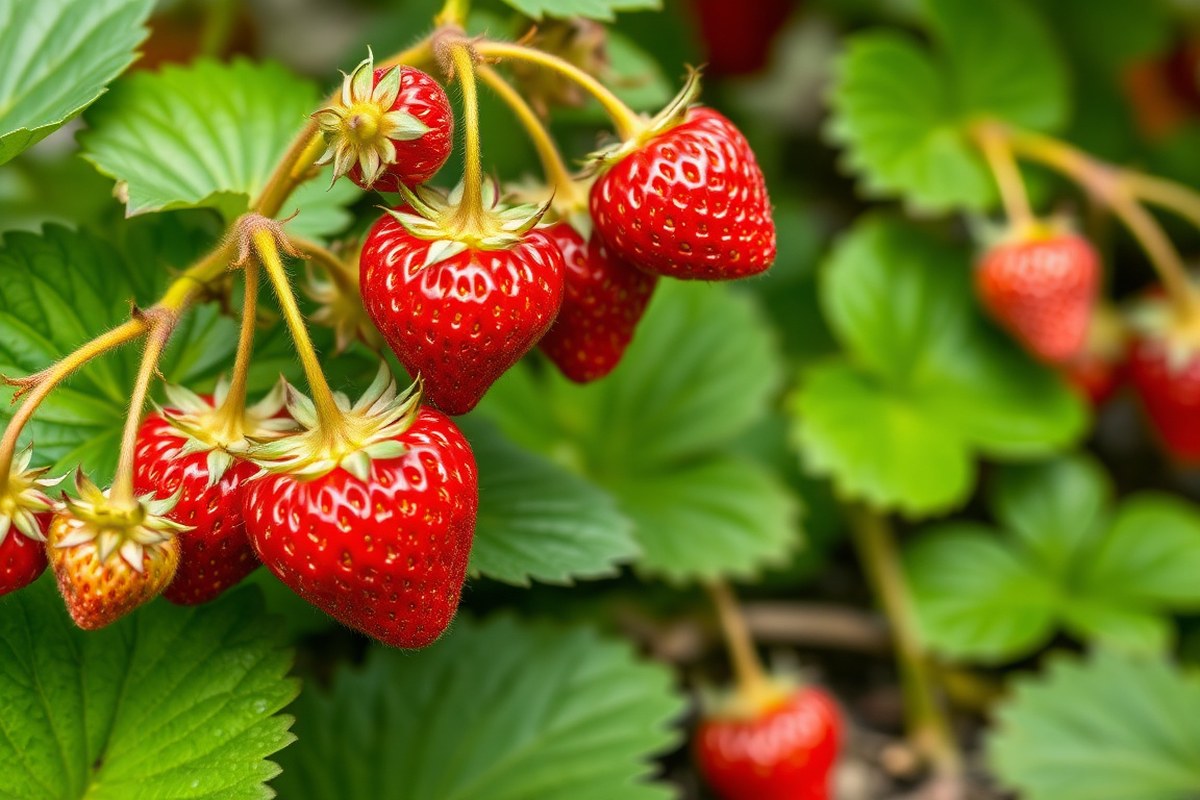
Strawberries are quite beginner-friendly, making them a good choice for new gardeners. They grow low to the ground and don’t need complicated care.
Many gardeners find it easy to start plants. They enjoy quick results in one growing season.
Strawberries are easy to grow because they spread on runners. These are long stems that form baby plants without extra effort from you. Space plants 12 to 15 inches apart.
This gives each plant room to grow. It also helps air flow between them. This spacing helps prevent disease and keeps the plants healthy.
Growing strawberries isn’t completely easy. They need well-drained soil and plenty of sunlight to thrive. Strawberries also don’t compete well if taller plants shade them.
So pick a sunny spot with little shade. This helps the plants stay strong and produce more fruit.
Another common challenge is keeping pests and diseases away. Bugs, mold, and mildew can affect fruit quality.
Watching plants closely and removing damaged leaves helps protect your crop. Using pots or raised beds can also reduce pest problems and improve drainage.
Growing strawberries from seeds can take longer and be trickier than starting with young plants. Seeds usually take 2 to 3 weeks to sprout.
Then plants need almost a full year before they bear fruit. Most beginners do better planting crowns or small starter plants for quicker harvests.
You can grow strawberries easily in containers, hanging baskets, or garden beds. Container growing fits small spaces or patios but may yield fewer berries. Healthy plants produce plentiful, sweet berries that taste fresh and bright.
Strawberries reward beginners who keep care simple. Grow them with steady, easy attention.
Which Strawberry Varieties Are Easiest for Beginners?

Easiest strawberries for beginners are day-neutral, everbearing, and june-bearing types. Day-neutral plants fruit steadily over the season. June-bearing ones give one big harvest each year.
June-Bearing Strawberries Characteristics
June-bearing strawberries produce one large crop in 3 to 4 weeks, usually in June. They are good for making jam or freezing because of the big harvest. It can take up to a year for these plants to bear fruit after planting.
These strawberries produce many runners, so spacing them 18 inches apart helps. They need careful nitrogen management to avoid excess leaves instead of fruit. The common varieties include Allstar, Jewel, and Earliglow.
Everbearing and Day-Neutral Varieties Explained
Everbearing strawberries produce two smaller crops: one in spring and another in fall. Day-neutral types are a type of everbearing strawberry.
They keep fruiting if temperatures stay between 35°F and 85°F. Fruit comes continuously in this temperature range. These produce berries steadily all season long without short breaks.
Pinching off flowers for the first 6 weeks helps everbearing and day-neutral plants build strong roots. Most day-neutral fruits appear within 10 weeks of planting. These varieties produce fewer runners than june-bearing types, so plants spread less aggressively.
Best Varieties for Home Gardeners
Some of the easiest beginner varieties include Seascape (day-neutral) for continuous harvests. Ozark Beauty (everbearing) is good for fresh eating across the season. For a big batch harvest, Allstar (june-bearing) is a dependable choice.
Home gardeners benefit from planting a mix of types. Day-neutral plants give quick fruit, while june-bearing ones provide a larger yield later. Varieties like Albion and Tristar also resist common pests better than older sorts.
| Type | Harvest Pattern | Best Varieties | Best For |
|---|---|---|---|
| June-bearing | One large crop in 3, 4 weeks (June) | Allstar, Earliglow, Jewel, Chandler | Preserves, jam, freezing, big batches at once |
| Everbearing | Two crops: spring and fall | Ozark Beauty, Fort Laramie | Fresh eating across the season |
| Day-neutral | Continuous light crop all season | Seascape, Albion, Tristar | Container growing, constant fresh supply |
Choosing the right strawberry type helps you balance harvest times and effort. Mixing varieties spreads fruit production across the growing season. Containers work well for day-neutral types because of their steady yield.
Clip runners to about 3 daughter plants each summer. This helps fruit grow bigger and plants stay healthy. Keep the count low for best results.
What Growing Conditions Affect Strawberry Success?
Strawberries need specific conditions to thrive, including enough sun, proper soil, consistent watering, and enough space. These basics ensure healthy plants and good fruit production. Temperature and mulching also matter for protecting the plants and boosting growth.
Sunlight and Temperature Requirements
Strawberries grow best with at least 8 hours of full sun daily. Too little sun can reduce fruit size and sweetness. In very hot climates, light afternoon shade might help prevent leaf scorch.
They prefer daytime temperatures between 60°F and 80°F, though they can tolerate colder winters when established. Protect flowering plants if frost dips below 30°F. Cover plants quickly to avoid damage to developing fruit and flowers.
Soil Preparation and pH Recommendations
Choose soil that drains well and is rich in nutrients for your strawberries. Aim for soil with a pH level between 5.5 and 6.8, which they prefer. Test your soil first so you can fix the pH if needed.
Add organic matter like compost or peat moss to improve soil texture and fertility. Avoid heavy clay or waterlogged spots, as poor drainage can cause root rot and wilting. Raised beds can help if drainage is a concern.
Watering and Mulching Best Practices
Strawberries need consistent moisture but dislike soggy soil. Water your strawberries to keep the soil moist but not soggy. About 1 inch of water each week works well during the growing season.
Use a rain gauge or soil moisture meter to track watering. Drip irrigation or soaker hoses prevent wet foliage and reduce disease risk.
Mulching around plants keeps moisture steady, stops weeds, and keeps berries clean. Use straw, pine needles, or shredded leaves. Mulch also protects roots from extreme temperatures and frost heaving during winter months.
- Apply mulch 2 to 3 inches deep around the base of plants
- Replace or add mulch each fall to protect plants over winter
- Remove excess mulch in early spring when new growth begins
- Use biodegradable mats or straw beneath berries to prevent rot
- Keep mulch a couple inches from crowns to avoid rot
Plant Spacing and Airflow Benefits
Space strawberry plants about 12 to 18 inches apart, depending on the variety. Closer spacing suits alpine types (6 to 8 inches).
Standard plants need 8 to 12 inches. Proper spacing avoids crowding and helps air circulation.
Good airflow around your strawberry plants keeps the leaves dry and lowers humidity. This helps prevent fungal diseases like powdery mildew and gray mold.
Space plants properly and prune to improve air circulation. Removing weeds and thinning runners can also improve airflow and keep your strawberries healthier.
How Long Does It Take to Get Strawberries to Fruit?
Strawberries grown from seeds usually take about 10 to 12 months before they bear fruit. Seeds need cold stratification and careful germination, which can be tricky. In most cases, you won’t see harvestable berries until the next growing season.
Planting strawberry crowns in spring speeds up fruit production. Crowns can produce berries within 4 to 6 weeks after planting. This method is faster and more reliable if you want fruit during the same year.
Runners from plants start producing berries the following year usually. You can also grow new plants by rooting runners.
But these new plants will fruit in their second year. Removing runners and flowers in the first season encourages stronger crowns and better yields later.
Variety matters a lot for the harvest timeline. June-bearing strawberries give one big harvest in early summer. Ever-bearing types produce two fruit flushes, one in early summer and another in late summer.
Day-neutral varieties fruit continuously all summer long, often within the first year. Many gardeners prefer day-neutral strawberries for quick harvests and longer harvest periods. Picking these can mean snacking on berries by midsummer.
For example, planting a day-neutral crown in March can lead to harvest by April or May. Crowns planted then establish fast and start flowering soon. Seed-grown plants started indoors in winter take longer to fruit.
They won’t produce fruit until late spring or summer next year. This timing is different from other growing methods.
Your soil and climate also affect timing. Cooler climates might delay flowering and fruit. Using containers with rich soil can help speed up production in some areas.
Is Growing Strawberries in Containers or Raised Beds Harder?
Strawberries can do well both in containers and raised beds. But each way has its own challenges. Containers require 8 to 10 inches of space for each plant.
They also dry out faster than raised beds. You need to water them more often. You’ll water more often and watch for roots circling the pot, which can limit growth.
Raised beds offer better drainage and cooler soil, which strawberries like. They also let you plant more at once. Raised beds let plants spread out easily across the mound.
This helps them produce more fruit. Many gardeners prefer raised beds for better yields. However, weeds like quack grass can invade beds and be tough to remove.
Choosing between containers and raised beds depends on your space, effort, and goals. Containers give you control over soil and location, making them great for balconies or small patios. Raised beds suit gardeners with more space and who want bigger harvests.
| Feature | Containers | Raised Beds |
|---|---|---|
| Space per plant | 8, 10 inches diameter per pot | Varies, plenty for spreading |
| Soil moisture | Dries out quickly; water daily or every other day | Stays moist longer; water less often |
| Drainage | Usually good if pots have holes | Excellent when beds are mounded or ridged |
| Weed problems | Minimal; easy to spot and control | Common; quack grass and bindweed hard to remove |
| Yield | Moderate, limited by pot size | High with proper care and space |
| Maintenance | More frequent watering, monitoring soil temperature | Less frequent watering, more weeding |
Plants in containers often need feeding every few weeks. Use water-soluble fertilizer to keep growth steady.
Raised beds can use compost layers on top, which feed plants slowly as they break down. Adding 2 to 4 inches of compost improves the soil and helps strawberries thrive.
Proper drainage stops strawberry roots from rotting. Clay soil or wet ground often leads to trouble.
Using raised beds or pots keeps roots from staying wet. Strawberries prefer soil with a pH level from 5.5 to 6.5.
Don’t let container soil dry out completely; consistent moisture keeps strawberries happy and productive.
How Do Pests, Diseases, and Weather Impact Growth?
Strawberries attract pests like strawberry clippers, tarnished plant bugs, sap beetles, and slugs. These insects damage flowers and fruit, reducing your harvest. To control them, check plants regularly.
Remove insects by hand. You can also use organic sprays.
Fungal diseases, especially botrytis or grey mold, thrive when plants are crowded. Make sure your plants have good air circulation by spacing them well. Avoid watering the leaves and water only at the base to keep the foliage dry.
Late frosts can kill strawberry flowers and ruin fruit set. Protect blooms by covering plants with frost cloths. Use old sheets too.
Do this if frost is coming. Do this overnight and remove covers once the temperature rises above 35°F.
- Plant strawberries with at least 12 to 18 inches of space between them for airflow.
- Water early in the day to let leaves dry before nightfall.
- Remove infected leaves or fruit right away to stop disease spread.
- Use mulch like straw to reduce soil splash and protect roots.
- Cover plants only during freezing nights, not constantly.
- Inspect for pests every few days during flowering and fruiting.
- Choose disease-resistant varieties when possible for easier care.
Fungal diseases spread in wet and crowded conditions, so keep these in check. Protecting flowers from frost early in spring ensures you get a full crop. Regular pest checks keep minor problems from becoming serious.
These steps only cost a little time. You need simple supplies like mulch and cloth. Careful watering tools also help.
What Common Mistakes Make Growing Strawberries Harder?
Poor yields often come from watering mistakes. Wetting the crown or fruit invites grey mould.
Water only the soil around the plant base. Avoid overhead watering in the morning or late evening to reduce fungal risks.
Spacing errors can stunt growth or invite disease. Plant strawberries 18 inches apart to give runners room to spread.
Rows should be 3 to 4 feet apart to help air flow. Crowded strawberries struggle for nutrients and space, hurting fruit size and quality.
Soil that’s too wet can kill young plants. Plant in early spring when soil is workable but not soggy.
Cold nighttime temperatures under 32°F harm seedlings. Using raised beds or well-draining soil helps prevent root rot.
- Check soil moisture with your finger to avoid overwatering.
- Space plants at 18 inches apart in rows 3 to 4 feet wide.
- Water 1 to 1.5 inches weekly during growing season.
- Avoid watering the plant crown and fruit directly.
- Plant early spring after frost risk ends and soil drains well.
- Replace strawberry plants approximately every 3 years for best fruit.
Replacing plants after three years reduces disease buildup. Older plants may yield fewer, smaller berries.
Dig up old plants and plant fresh ones in new soil. Moving strawberries to a different spot also lowers disease risks.
Failing to give strawberries enough sun or proper care slows growth. Keeping soil slightly acidic and rich in organic matter improves health.
Add compost before planting for stronger plants and bigger berries. Following these steps limits common mistakes and helps you grow more strawberries.
How to Propagate and Extend Strawberry Plants Effectively
Strawberries are usually grown from runners because it’s simpler and faster. You can also grow alpine strawberries from seed, but it’s slower and less reliable. Choosing how to grow strawberries depends on the type and your effort.
Different varieties need different methods. Your time and work also matter.
Propagation from Runners: Step-By-Step
Runners are the fastest way to get new strawberry plants. They are small offshoots that grow from the mother plant and root easily. This method works best with summer-fruiting and perpetual strawberry types.
- Choose healthy mother plants without pests or disease.
- Allow runners to develop roots while still attached.
- Locate a runner with 2 to 3 roots at least 1 to 2 inches long.
- Cut the runner stem close to the mother plant once roots are strong.
- Transplant the rooted runner into well-drained soil with good sunlight.
- Water the new plants immediately and keep soil moist.
- Space plants 12 to 18 inches apart to reduce crowding.
Only keep a few runners per mother plant to avoid crowding and weak fruit.
Growing Strawberries from Seed: Key Tips
Growing strawberries from seeds suits alpine varieties but takes patience. Seeds are tiny and need careful care for germination. This method is budget-friendly but may result in patchy growth.
- Start seeds indoors 8 to 10 weeks before the last frost date.
- Sow seeds on moist seed-starting mix without covering them; they need light.
- Keep soil temperature between 60°F and 75°F for best germination.
- Wait 2 to 3 weeks for seedlings to appear, keeping soil moist.
- Thin seedlings to avoid crowding once leaves form.
- Transplant to larger pots or outdoors after last frost, spacing 12 inches apart.
Seed-grown plants take longer to fruit and may vary in quality compared to runners.
Best Practices on Replanting and Renewal
Strawberries produce berries well for 3 to 5 years when cared for. After that, yields drop and plants get crowded. Renew your patch by planting new runners every few years for fresh growth and fruit.
Prune most runners, keeping a few healthy ones to produce new plants each year. Fertilize in early August to help runners grow. Use 4 to 6 pounds of ammonium nitrate per 1,000 square feet.
This amount helps boost growth. Overcrowded plants waste energy and reduce berry size.
Pull up old plants and replant runners every 3 to 5 years to keep harvests strong.
Step-by-Step Action Plan
Follow these steps to get your strawberry plants started right. Watch your plants closely to spot healthy growth and fruit.
- Before planting: Choose an easy variety like ‘Earliglow’ or ‘Albion’. Buy healthy plugs or bare-root plants.
- Day 1: Plant strawberries in raised beds or containers with well-draining soil. Check soil moisture after a few days.
- Week 2: Mulch around plants with straw to keep soil cool and reduce weeds. Make sure mulch stays dry.
- Month 1: Water evenly, about 1 inch per week. Avoid wetting leaves to prevent diseases.
- Month 2: Watch for pests like slugs and aphids. Use natural controls or pick pests off by hand.
- Month 3: Remove runners to focus plant energy on fruit. See fewer runners and stronger strawberries.
- Month 4-6: Fertilize lightly with a balanced fertilizer once or twice. New leaves should look green and healthy.
- After 6 months: Harvest ripe berries regularly to encourage more fruit. Berries should be bright red and firm.
Frequently Asked Questions
Are Strawberries Easy to Grow for Beginners?
Yes, strawberries are one of the easier fruits to grow for beginners. They need full sun, regular water, and well-drained soil to thrive and produce sweet fruit. How long does it take to get strawberries to grow? | Strawberries usually start producing fruit within the first year after planting.
You can harvest berries in late spring or early summer. It depends on the variety and growing conditions. Is it worth it to grow your own strawberries? | Growing your own strawberries is often worth the effort for fresh, juicy berries.
Homegrown strawberries taste better than store-bought. Plants can propagate themselves through runners for future crops.
Why is it so difficult to grow strawberries? | Growing strawberries can be tricky if you face pests, diseases, or poor soil conditions. Knowing proper spacing, watering, and sunlight needs helps prevent common problems and improve yields.
Can I grow strawberries indoors successfully? Yes, you can grow strawberries indoors. Give them six hours of sun near a south window.
Or you can use a grow light. Choose compact varieties suited for pots to get good results. How long do strawberry plants stay productive? | Strawberry plants usually produce fruit well for about three to four years.
After that, plant vigor and yields often go down. So replace them with runners or new plants.
Key Points to Remember
Growing strawberries isn’t too hard if you follow good steps early. Pick the right type of plant and care for it well. Start today by choosing a spot with full sun and good soil.