How to Grow Sweet Strawberries: 9 Steps for Juicy, Flavorful Berries
How to grow sweet strawberries starts with picking the right place and care. Strawberries need full sun, at least eight hours a day, for the best sweetness. You should plant them where the soil drains well, because soggy roots hurt berry flavor.
Prepare your soil to be mildly acidic with a pH range of 5.5 to 6.8. This level helps strawberries take in nutrients that boost sweetness and juiciness. Space each plant about 18 inches apart to allow runners room and encourage a good harvest.
Strawberries require roughly 1 to 1.5 inches of water per week. Keep the soil consistently moist to help berries grow sweet and juicy. Avoid letting the soil dry out, which causes bland or wilted fruit.
Key Takeaways
- Choose a sunny spot with at least 8 hours of direct sunlight daily.
- Choose soil that drains well and has a pH between 5.5 and 6.8 to maximize berry sweetness. This range supports nutrient uptake needed for tasty strawberries. Avoid soils that hold too much water or are too alkaline.
- Space strawberry plants 18 inches apart to allow runners room to spread.
- Water evenly to provide 1 to 1.5 inches each week for juicy fruits.
- Start planting seeds indoors 6 to 8 weeks before the last frost date.
- Select day-neutral varieties to get fruit continuously if temperatures stay right.
1. How to Grow Sweet Strawberries Successfully at Home
Growing sweet strawberries depends on the right spot, soil, water, and care. These berries need plenty of sunlight and steady moisture to bring out their flavor. Choosing the right container or bed gives you better fruit.
It helps grow berries with more natural sugar. This sets up a great harvest for you.
You can grow strawberries in garden beds, large pots, or growing bags. Choose a sunny and sheltered place that gets at least six hours of direct sunlight daily. This helps the plants make sugar, the secret to sweetness.
Water strawberries just enough to keep the soil moist without soaking it. Around 1 to 1.5 inches of water per week is good. Too little water makes berries sour while too much weakens the plants and flavors diluted.
Let’s get started with growing your strawberries now. Follow these basic steps to grow sweet strawberries from planting to harvest.
- Pick a well-drained spot or container: Find a place with full sun. The area should get at least six hours of light. Use a raised bed, large pot, or strawberry planter if your soil isn’t ideal.
- Prepare the soil or mix: Use compost-enriched soil with good drainage. Your strawberries will taste sweeter if you use potting soil in containers. This is especially true when garden soil is alkaline.
- Plant healthy strawberry starts: Plant bare-root or seedlings about 12 inches apart. Keep the crown at soil level to avoid rot.
- Keep water steady and consistent: Provide strawberries between 1 and 1.5 inches of water weekly. Water in the morning to keep leaves dry and reduce disease risk.
- Mulch around plants: Spread straw or pine needles to keep soil moist and fruit clean. Mulch also helps keep weeds down.
- Check plants often: Look for pests and wilting. Early treatment keeps berries healthy and sweet.
- Harvest berry when fully red: Pick strawberries at their peak color for the best flavor. Harvest every two or three days during fruiting.
This care routine helps develop sugar in the berries and protects plants from stress. Plants that get steady water and bright sun regularly make juicier and sweeter fruit. Watch for quick changes like wilting or pale leaves, they need attention fast to keep sweetness.
2. Choosing the Sweetest Strawberry Varieties and Types
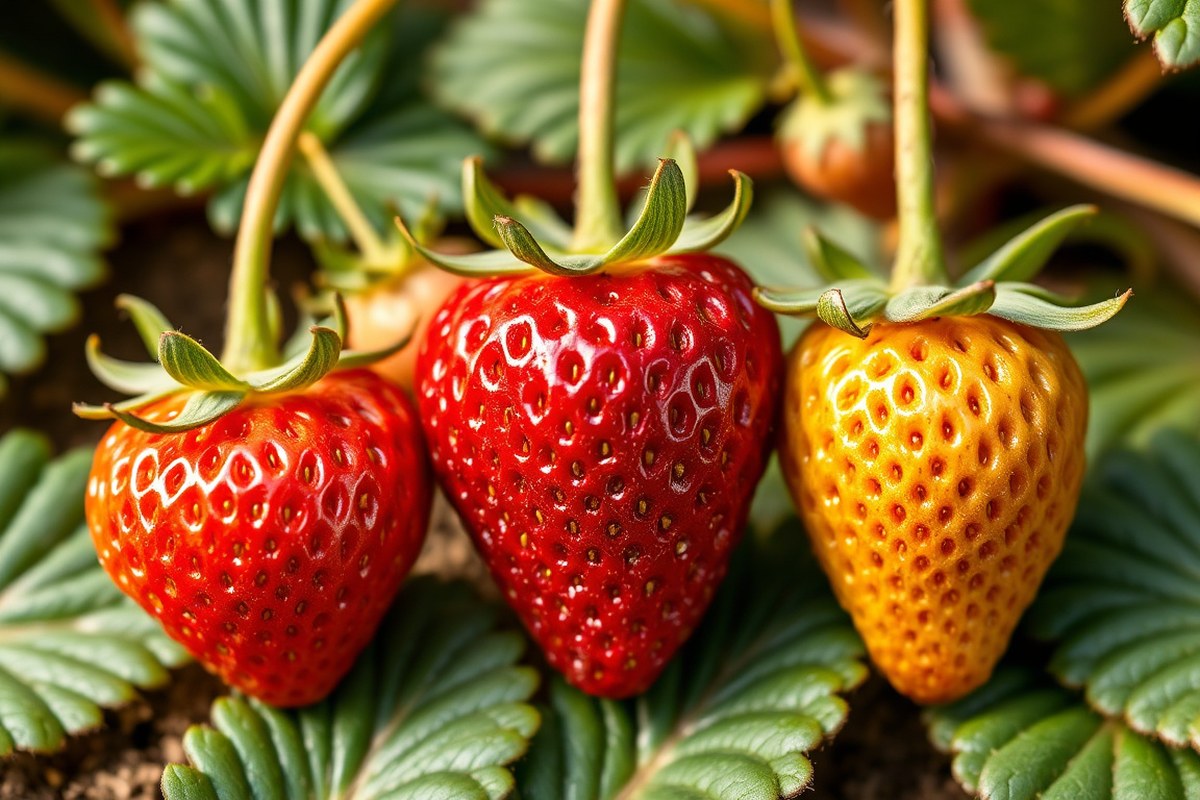
Choosing the sweetest strawberry starts with picking the right variety and type. Sugar content in strawberries is measured by the Brix scale.
The higher the Brix, the sweeter the berry. Varieties bred for shipping usually have lower Brix levels, between 5.7 and 6.2, because they focus more on durability than sweetness.
Strawberries fall mainly into three types: June-bearing, everbearing, and day-neutral. June-bearing strawberries have one big harvest in early summer. They often produce larger berries and are great for jams or freezing.
Everbearing strawberries crop twice a year, offering medium-sized fruit in small bursts. Day-neutral types bear fruit continuously from summer through fall if temperatures stay between 45°F and 90°F.
| Type | Fruit Size | Fruit Timing | Runner Production | Sweetness & Yield Notes |
|---|---|---|---|---|
| June-Bearing | Large | Single 3-week summer period | Vigorous runners | Higher yields, good for jam and freezing |
| Everbearing | Medium | Two crops per year | Few runners | Moderate yields, some fruit first year |
| Day-Neutral | Medium | Continuous fruiting summer to autumn | Moderate runners | Steady supply, fruits in most climates |
The best sweet strawberry varieties usually include day-neutral cultivars. They maintain fruiting across different temperatures, producing berries steadily.
They suit climates with mild summers and fall since they handle 35°F to 85°F well. June-bearing types prefer colder winters to trigger flowering and fruit buds.
For sweetest berries, clip runners to keep no more than three daughter plants per summer. Spacing each plant about 18 inches apart helps airflow and sugar concentration.
Avoid shipping-focused types like ‘Camarosa’ for sweetness at home. Choosing native or well-reviewed sweet varieties will typically bring better flavor and sugar content.
Harvest strawberries 72 hours after they turn fully red to maximize their sugar level.
3. Preparing and Optimizing Soil for Strawberry Sweetness
Strawberries grow sweetest in slightly acidic soil with good drainage and plenty of organic matter. Aim for a soil pH between 5.5 and 6.5 to unlock their best flavor. Improving soil texture and fertility helps your plants absorb nutrients and water evenly.
Testing and Adjusting Soil pH
Strawberries prefer soil with a pH from 5.5 to 6.5 for the best sweetness. Testing garden soil is easy with a home test kit. You can also send a sample to a local extension service.
Both ways give you useful soil info. You need to know the soil pH level.
This helps you add the right amendments. It makes the soil acidic enough without hurting your plants.
Your soil is too alkaline if the pH is above 6.5), add sulfur or ammonium sulfate to lower the pH. Sphagnum peat moss also helps acidify soil when mixed in before planting. Adding these materials gradually over weeks ensures even adjustment without shocking the plants.
Adding Organic Matter and Compost
Mixing compost into the soil feeds strawberry plants and improves soil structure. Use well-rotted garden compost, leaf mold, or rotted manure at planting time. Add about 2 bucketfuls (around 2 inches thick) per square yard for a nutrient boost.
Organic matter holds water and feeds helpful soil microbes. Adding compost or rotted manure improves sandy or poor soil. This adds nutrients and helps the soil keep moisture.
- Use aged compost to avoid burning roots
- Add leaf mold for soil softness and moisture retention
- Mix manure sparingly to avoid excess nitrogen
- Apply compost yearly to maintain soil health
- Keep compost moist and well-mixed into the top 6‒8 inches
Adding compost before planting results in healthier leaf and fruit development. Avoid using fresh manure or poorly broken-down organic matter.
It can harm young roots or attract pests. Use only well-rotted materials for safety.
Improving Drainage and Soil Texture
Strawberries dislike heavy, soggy soil, which can ruin sweetness by stressing plants. Clay soils benefit from mixing in at least 4 inches of compost to break up density. Rake soil into raised mounds to improve drainage and root aeration.
Sandy soils drain quickly but don’t hold enough nutrients or moisture. Adding organic matter like compost or leaf mold helps sandy soil hold moisture better. Cultivate lightly to remove weeds before working amendments in.
Well-drained, loose soil encourages strong root systems. Here’s a quick checklist for improving drainage and texture:
- Clay soil: add 4+ inches of compost and mound soil
- Sandy soil: mix in 1 inch of compost or rotted manure
- Work organic matter 6‒8 inches deep for best results
- Plant on gentle slopes or raised beds if possible
- Keep soil loose but firm around roots
Proper drainage stops water from sitting in the soil. It keeps roots healthy and prevents rot.
This helps strawberries taste sweeter and get steady nutrients. Poorly drained soil often leads to bland, watery berries.
4. Watering Techniques to Maximize Strawberry Flavor
Strawberries need 1 to 2 inches of water each week. Give the water in one or two deep sessions. This helps the soil soak well and roots grow strong.
Watering once or twice a week helps keep soil moist without overdoing it. Early in the growing season, keep moisture steady to support flower and fruit development.
About 15 to 25 days after flowers bloom, reduce water. Cut it back to about 75% of usual amounts. This helps the berries develop better flavor.
This controlled water stress boosts sugar buildup in the berries. During this time, reducing irrigation encourages the plant to concentrate sugars, making berries taste sweeter.
Stop watering the day before harvest to concentrate sugars further and avoid dilution of flavor. This dry-down reduces fruit water content and improves texture. Monitor Brix values if you can, to pick the sweetest berries.
Use drip irrigation or soaker hoses to keep water off leaves, crowns, and fruit. Wet plants risk fungal infections like grey mold, which spoil taste and yield. Watering at the soil level also helps roots soak up moisture more efficiently.
Avoid overhead watering, especially late in the day, because wet foliage overnight invites disease. Morning watering gives plants time to dry before evening. This practice keeps plants healthier and berries tasting fresh and clean.
Adjust watering during hot spells by checking soil moisture often. Strawberries like temperature around 75°F (24°C) for good sugar buildup. Heat stress with proper watering makes berries sweeter.
Avoid drought stress because it can hurt your plants. Good watering keeps plants healthy and tasty.
5. Providing Ideal Sunlight and Temperature for Fruit Sweetness
Strawberries need 8 hours of direct sun daily for sweeter fruit. Sunlight helps plants produce and store sugars in their fruit. Pick a sunny spot in your garden or containers for best growth.
The ideal temperatures during the day range around 75°F (24°C) with cooler nights near 55°F (13°C). A 31°F (12°C) day-to-night temperature change improves sugar levels. This difference also boosts the overall quality of the fruit.
Research shows this change helps strawberries taste better. Avoid extreme heat over 85°F (29°C) to keep sugar levels up.
High heat can also make strawberries smaller. Your plants do better with mild, steady temperatures.
Cold nights below 50°F (10°C) slow growth and delay ripening. Use shade cloths to protect plants during hot days. Cover them with row covers to keep warmth on chilly nights.
This helps strawberries grow well in tough weather. This helps keep fruit sweet and juicy. Pay attention to forecast and adjust your protection accordingly to keep conditions steady.
Choose a place that gets at least 8 hours of sunlight. More sun means your strawberries will be sweeter and fuller. Sun helps sugar build-up in the fruit.
6. Planting Distances and Managing Runners for Better Harvests
Space strawberries about 18 inches apart to give runners room to grow. Control runners to keep plants strong and the berries sweet. Proper spacing also improves airflow, which helps keep plants healthy.
Ideal Plant Distance
Plant strawberry crowns just at soil level with 18 inches between each. Leave about 4 feet between rows to make working the bed easier. This spacing stops plants from crowding, which can reduce berry size and sweetness.
For larger varieties, space plants 30 to 45 cm apart, keeping rows 75 cm wide. This room helps roots spread and supports better fruit development. Crowded plants compete for nutrients, causing smaller, less flavorful strawberries.
Runner Removal vs Propagation
Runners are long stems that grow new plants from your main strawberry. Removing runners stops the plant from wasting energy and boosts berry sweetness. Letting runners grow lets you propagate new plants for the next season.
Remove runners early in the growing season to keep your plants focused on fruit. If you want more plants, peg runners into soil beside the main plant until they root. Cut runners after they root and move the new plants to a different bed.
Maintaining Airflow and Plant Health
Good airflow helps prevent diseases like mold and mildew on strawberry leaves and fruit. Spacing plants and rows properly lets air move freely through the bed. Check plants regularly and thin crowded areas to improve airflow.
Removing excess runners also opens space around each plant, reducing humidity near the fruit. Dry plants produce sweeter berries and fewer diseases. Avoid watering from above during the evening to keep leaves dry and healthy.
Follow these steps for spacing and runner management to grow sweeter strawberries:
- Choose a planting site with good sun and well-drained soil.
- Space strawberry plants 18 inches apart in rows 4 feet apart.
- Plant crowns level with soil and firm soil around roots.
- Watch for runners as plants grow in spring and early summer.
- Remove runners by cutting or pinching if not propagating more plants.
- To propagate, peg runners into soil near the mother plant until rooted.
- After runners root, cut them from the main plant and transplant elsewhere.
- Thin crowded plants to keep airflow strong and check regularly for disease.
7. Fertilizing Strategies to improve Berry Size and Sugar Content
To boost berry size and sweetness, use the right fertilizer type, timing, and frequency. Focus on nutrients that increase sugar content and overall plant health. Applying fertilizer at key growth stages helps strawberries develop their best flavor.
Key Nutrients for Sweetness
Strawberries need nitrogen, phosphorus, and potassium for growth and fruit quality. Potassium, especially, plays a big role in raising sugar levels in the berries.
Calcium and magnesium also improve plant health and fruit firmness, which keeps berries juicy and sweet. Avoid too much nitrogen late in the season. Excess nitrogen can cause more leaves than fruit and lower sweetness.
- Potassium helps increase sugar and berry size.
- Phosphorus supports root development and flowering.
- Nitrogen is important early for leaf growth but reduce later.
- Calcium improves fruit texture and shelf life.
- Magnesium supports photosynthesis for sweeter fruit.
Use a balanced fertilizer with more potassium for fruiting stages, like 10-10-20 or 8-12-24. Organic options like composted manure or kelp meal can also provide these nutrients slowly.
Fertilization Timing During Season
Begin fertilizing strawberries early in spring as plants start new growth. Apply fertilizer once more before flowering appears. This supports healthy leaves for photosynthesis and strong fruit buds.
After the first harvest, give a lighter feeding to help plants recover. Stop fertilizing 4 to 6 weeks before the growing season ends. This pause helps berries develop their sugar without excess leaf growth.
This timeline suits both June-bearing and everbearing strawberries. Adjust for soil tests or plant appearance, avoiding overfeeding which can reduce sweetness.
Foliar Feeding Methods
Foliar sprays can quickly supply nutrients and boost sugar content during the growing season. Use a potassium-rich spray every 4 to 6 weeks from flowering through harvest.
Mix a water-soluble fertilizer with a potassium focus, like potassium sulfate or seaweed extract. Spray leaves lightly in early morning or late afternoon to avoid sunburn.
Foliar feeding can quickly fix nutrient shortages in your plants. It also helps increase Brix levels, which show sugar content in fruit.
This improves the fruit’s taste and quality. Avoid spraying during wet or windy weather to prevent runoff and plant stress.
8. When and How to Harvest Strawberries for Peak Sweetness
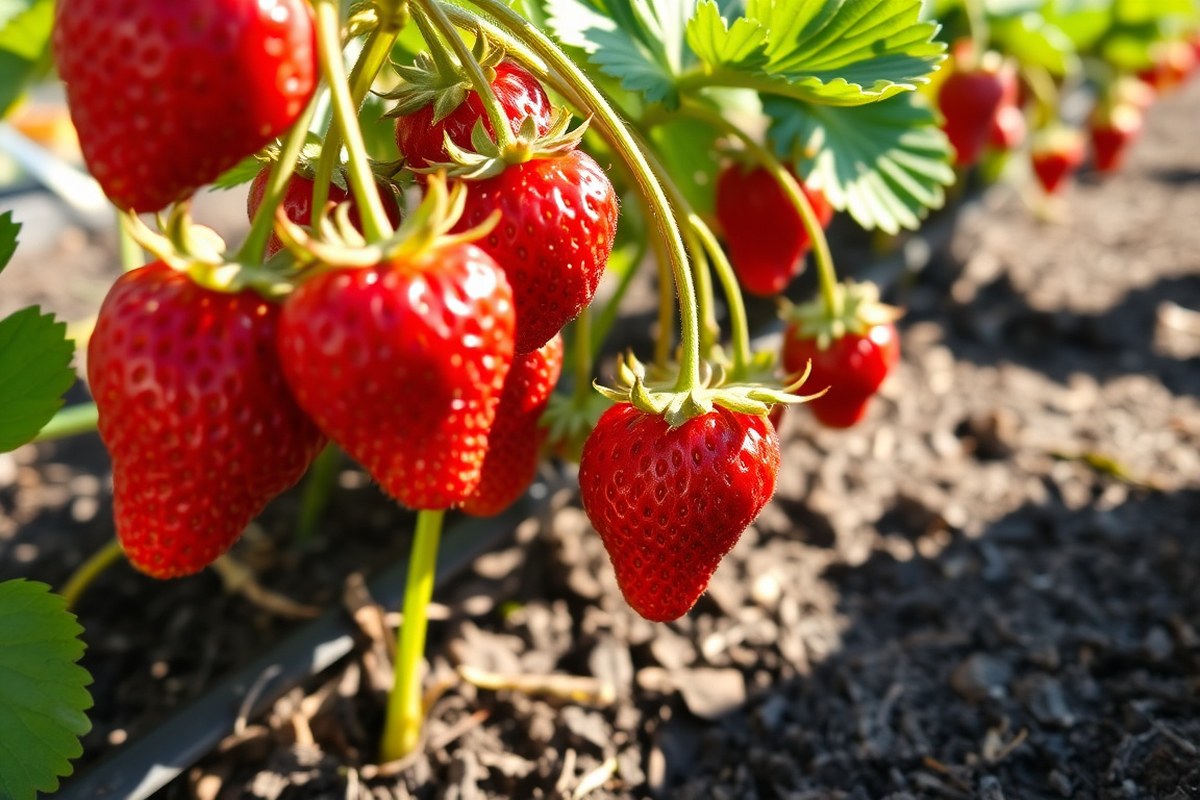
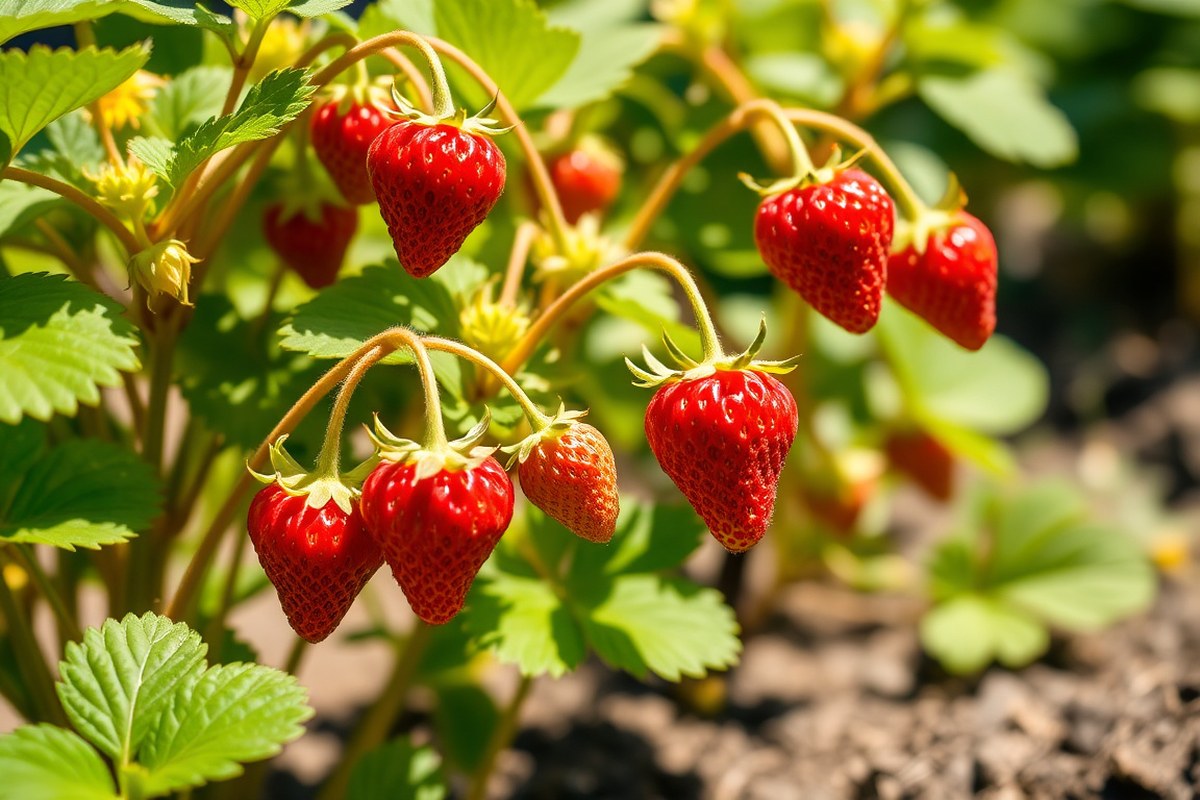
Sweetness peaks when strawberries turn fully red with no white or green spots. You want to pick the berries when they are ripe but still firm. Harvesting early can cause sour flavors; too late makes them mushy and less sweet.
The “3-day rule” means checking and harvesting ripe strawberries every three days. This keeps the fruit fresh and avoids overripe berries attracting pests or rotting. It also helps you enjoy each berry at its sweetest moment.
Handle strawberries gently to avoid bruises, which speed spoilage. Store them in the fridge right after picking. But don’t wash them until you’re ready to eat.
Moisture speeds mold growth. So keep them dry in a shallow container lined with paper towels.
- Look for fully red berries without white tips or green parts.
- Check your plants every three days during harvest season.
- Pinch berries off with stems intact to prevent damage.
- Place strawberries in a single layer in a dry container lined with paper towels.
- Store the container in the refrigerator at 32 to 36°F (0 to 2°C).
- Wash berries under cold running water just before eating or cooking.
- Use or freeze berries within two to three days for best sweetness and texture.
Picking too early or letting fruit sit unharvested reduces strawberry sweetness and quality.
9. Common Mistakes That Reduce Strawberry Sweetness and How to Fix Them
Bland or small strawberries often result from overwatering or poor soil pH. Waterlogged soil drowns roots, lowering sugar production in berries. Check your soil drainage and water only when the top inch feels dry to the touch.
Strawberries grow best in soil with a pH from 5.5 to 6.5. Nutrients don’t absorb properly if pH levels are outside this range.
Use a soil test kit to check pH, then add sulfur to lower or lime to raise it. Check soil pH every two years to maintain the right balance.
Pests and diseases damage plants and reduce fruit quality. Common problems like spider mites, aphids, and gray mold cut the yield and flavor.
Keep leaves dry and clean to stop fungal growth. Check plants weekly for bugs.
- Avoid excessive potassium; keep the potassium-to-nitrogen ratio below 1.6:1 to prevent diluted flavor.
- Water deeply but infrequently; let soil dry slightly between watering sessions.
- Plant strawberries in well-draining, loamy soil to avoid root rot.
- Use organic mulch to keep moisture steady and reduce weeds.
- Remove any diseased leaves immediately to prevent spread.
- Use insecticidal soap or neem oil for pest control when needed.
- Keep fruit and leaves dry by watering early in the day and using drip irrigation.
Checking potassium levels may require a soil test, which costs about $10 to $20. You can adjust fertilizer based on those results to protect flavor.
For watering, containers dry faster, so check soil daily in them. Garden beds can go a bit longer between watering.
With pest control, act quickly. Small holes in leaves or sticky residue hint at bugs.
You’ll notice tastier strawberries once you address these issues. Pests stress plants, making berries less sweet and smaller in size.
Step-by-Step Action Plan for Growing Sweet Strawberries
Follow these simple steps to start growing your own sweet strawberries at home. Each step helps you check that your berries are on track for flavor.
- Before planting: Choose a sunny spot with well-draining soil. Test soil pH between 5.5 and 6.5 for best sweetness results.
- Planting day: Space strawberry plants 12 to 18 inches apart. This keeps air flowing and reduces disease risk.
- Week 1: Water newly planted strawberries deeply but avoid soggy soil. Check soil moisture stays even but not wet.
- Month 1: Apply balanced fertilizer with moderate nitrogen. Watch leaves grow dark green and healthy, not too lush.
- After runners appear: Trim excess runners to focus energy on fruits. Make sure new plants can grow strong without competition.
- When fruit starts to form: Keep watering steady without overdoing it. Monitor berry size and slowly growing sweetness.
- At harvest time: Pick berries when fully red, bright, and firm. Taste one to ensure the flavor is sweet, not tart.
- After harvest: Remove old leaves and apply mulch to protect plants. This helps strawberries prepare for the next growing cycle.
Frequently Asked Questions
Can I Grow Sweet Strawberries Indoors?
Yes, you can start strawberries indoors under grow lights. Begin six to eight weeks before your area’s last frost. This gives seedlings a strong start before moving them outside for sun and warmth.
How Can Mulching Improve Strawberry Sweetness?
Mulching helps retain soil moisture and warmth. It prevents weeds that compete for nutrients. Both factors allow strawberries to grow sweeter and juicier by keeping roots happy.
Is It Better to Grow Strawberries from Seeds or Runners?
Both work but runners speed up fruit production. Seeds take longer to fruit but offer more variety. Choose runners if you want faster harvests and established plants.
Can Beneficial Insects Affect Strawberry Sweetness?
Yes, beneficial insects improve pollination quality. Better pollination leads to bigger, sweeter fruits. You can attract them using companion plants near strawberries.
Does Pruning Increase Strawberry Flavor?
Pruning removes old leaves and runners that drain energy. This redirects nutrients to fruit development. Healthier plants produce sweeter, larger berries.
Should I Remove Early Flowers to Get Sweeter Strawberries?
Yes, trimming first flowers lets plants focus on roots and leaves. It builds stronger plants that yield sweeter berries later. Wait until the second blooming for harvesting.
Before You Go
Sweet strawberries need good care from soil to harvest. Start small and watch how your plants respond week by week. Pick a sunny spot today and prep your soil to get your sweet berry garden going.