Does Garlic Deter Deer: What Actually Works for Effective Garden Protection
Does garlic deter deer from munching your garden plants? Garlic’s strong smell can help keep deer away. But it won’t stop them all the time.
Its garlic scent makes your plants less tasty. But you should expect some nibbling if deer pressure is high.
You get better results by using fresh garlic sprays or planting garlic close to vulnerable plants. Place garlic near the ground since deer smell best close to the soil. Garlic sprays lose strength after a few weeks.
Rain makes them weaker. So, you need to reapply often.
Garlic works best as part of a mix of strategies, not alone. Combining garlic with other repellents or physical barriers improves garden protection. This teamwork helps you guard plants without relying on chemicals.
Key Takeaways
- Crush 5-10 garlic cloves and soak them in warm water for 24 hours to make spray.
- Apply garlic spray near plant stems within 12 inches for strongest effect.
- Reapply garlic spray every 3 to 4 days during peak deer seasons like spring and fall.
- Rotate garlic with blood-meal or thiram repellents every 30 days to avoid deer habituation.
- Plant garlic cloves 4 inches apart in double staggered rows to create dense smell barriers.
- Use garlic spray first, then apply predator urine around your garden every 7, 10 days.
Does Garlic Really Deter Deer from Gardens?

Garlic can repel deer due to its strong, pungent smell, but it’s not foolproof. Some deer may avoid garlic, especially when they first encounter the scent. Still, its effectiveness varies with conditions like deer pressure and recent weather.
Use fresh garlic spray undiluted. Apply it early morning or late evening. This timing helps the spray work best.
Deer sense smells better at these times. The scent stays longer on plants.
This effect lasts after rain or in high humidity. Applying garlic regularly is key because its odor fades quickly, often within a few days.
Garlic alone rarely works every time. Deer that are used to your garden may ignore garlic smell over time. Combine garlic with physical barriers for better results.
Use other deterrents that smell or taste bad to deer. These tactics help keep deer away from plants.
How Garlic’s Scent and Chemistry Affect Deer Behavior

Deer smell garlic mainly because of sulfur compounds like allicin. These give garlic its strong, sharp smell that deer dislike. Deer have a very sensitive nose, about 60 times better than a human’s.
The allicin in garlic irritates a deer’s sensitive nose and acts as a natural warning. This strong odor masks the scents of nearby plants. Deer tend to avoid areas with garlic because the scent confuses their ability to locate food.
Garlic’s scent fades over time, especially after rain or heavy dew. The sulfur compounds quickly evaporate, reducing the odor’s strength. Garlic repellents lose their strength over time.
You need to apply them every few weeks. This keeps the scent strong enough to keep deer away.
In dry weather, concentrated garlic oil clips release the scent slowly. These clips can provide longer-lasting odor barriers compared to powders or sprays. Even then, factors like sun and wind speed affect how long the garlic scent lasts outdoors.
The garlic smell fades with time. You can use other tools too. Motion-activated sprinklers or predator urine help keep deer at bay.
Change garlic sprays with other repellents every 30 days. This stops deer from getting used to the smell. Rotate repellents to improve effectiveness.
Deer behavior changes by season. So timing applications to when deer are most active improves results.
Reapply garlic-based repellents every two to three weeks, especially after rain, to maintain effectiveness.
Best Ways to Use Garlic to Keep Deer Away
Using garlic to keep deer away works best when you try different methods together. You can spray your garden with a homemade garlic solution. Plant garlic bulbs around your garden too.
You can also hang garlic sachets nearby. Each method releases garlic’s strong smell to discourage deer from coming close.
Making Effective Garlic Spray
Garlic spray offers quick protection but needs regular reapplication, especially in rainy or windy areas. Using crushed garlic is better because it releases more scent than whole cloves. You can spray plants or garden edges directly to create a scent barrier.
Follow these steps to make your own garlic spray:
- Peel and crush 10 to 12 garlic cloves, releasing their oils.
- Place the crushed garlic in 1 quart of water in a jar or spray bottle.
- Let the mixture sit at room temperature for 24 hours.
- Strain out the garlic pieces to avoid clogging your sprayer.
- Add 1 tablespoon of mild liquid soap to help the spray stick to leaves.
- Shake well before each use to mix the ingredients.
- Spray the garlic solution around the garden perimeter or directly on vulnerable plants.
- Reapply every 3 to 5 days or after rainfall to keep the scent strong.
Planting Garlic Bulbs for Perimeter Protection
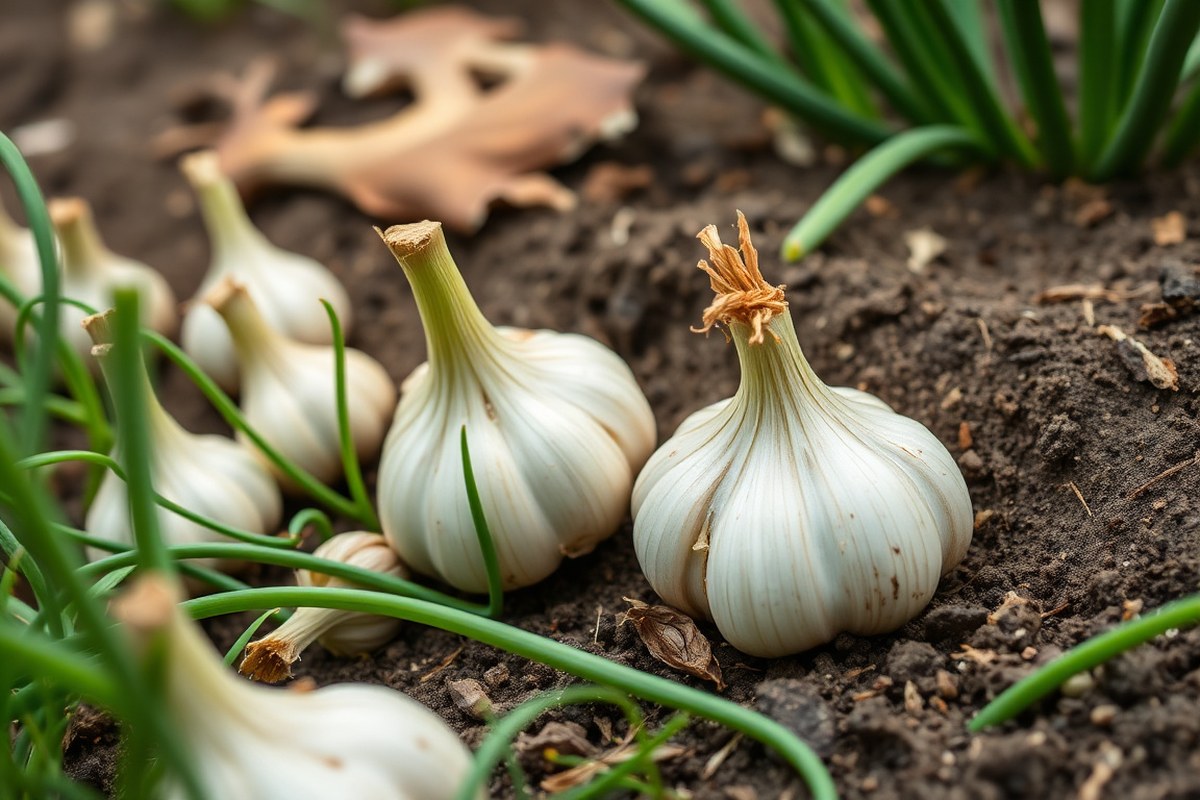
Planting garlic bulbs around your garden’s edge sets up a low-maintenance line deer tend to avoid. Garlic bulbs slowly release scent as they grow, creating a semi-permanent barrier. Plant them in fall to help bulbs establish before spring.
Space bulbs 4 to 6 inches apart in well-drained soil. Deer generally dislike walking or browsing near garlic’s strong smell. So a row of garlic can protect other plants inside your garden.
Preparing Garlic Sachets and Placement Tips
Garlic sachets are easy to make and useful where sprays wash away often. To make garlic sachets, fill a breathable bag with crushed garlic. Hang the bags around your garden.
This helps keep pests away. The smell lasts longer than liquid spray but requires occasional refreshing.
Use these steps to prepare garlic sachets:
- Crush about 20 garlic cloves to release strong oils.
- Fill small mesh bags or old nylon stockings with the crushed garlic.
- Tie the bags securely to keep garlic inside.
- Hang the sachets around garden edges or near vulnerable plants.
- Replace or refresh sachets every 2 to 3 weeks to keep scent fresh.
- Place sachets where wind can carry their scent across the garden.
How Often and When to Reapply Garlic Repellents
Garlic spray usually repels deer for a few days but needs regular reapplication. Rain washes away the smell, making it weaker quickly. Apply garlic when leaves and soil are dry, preferably in early morning or late afternoon.
Duration of Garlic Spray Effectiveness
Garlic spray creates a sulfur scent that deer dislike. This scent generally lasts two to four days under dry conditions. In areas with many deer, the scent may stop working fast.
Some deer get used to it after a while. This cuts down on its effectiveness.
Applying garlic powder around plants can keep a scent barrier longer if you add it often. After about a week without fresh application, deer might approach again. Applying garlic after rain helps maintain the barrier’s strength.
Impact of Rain and Humidity on Garlic Scent
Rain significantly reduces the garlic scent on plants and soil. It washes away the garlic oils, so you need to reapply after rain. Avoid spraying garlic repellent on wet or damp plants since the scent won’t set well.
Humidity slows drying time and can weaken garlic’s smell too. On humid days, plan to reapply garlic spray more often, maybe every 2 to 3 days. Dry weather stretches the scent’s lasting power, cutting down reapplication time.
Optimal Application Times and Frequency
Apply garlic spray early morning or late afternoon to avoid direct sun and heat. This timing helps the scent stick longer on plants. Apply before a rain-free period whenever possible to maximize effect.
Reapply garlic repellents every 3 to 4 days in dry weather. Do it again right after rain or strong winds blow. This keeps the repellent working well.
Early growing season needs more frequent application to protect new plants. In late season or low deer pressure, once a week may work.
Switch garlic repellents with other types like citrus sprays often. This stops deer from getting used to the garlic smell. Changing scents helps keep them away.
Spray the second deterrent a few hours after using garlic. This stops the smells from mixing too much. Layering scents carefully helps keep deer away.
Here’s a quick guide showing garlic repellent options with costs and rain resistance. Using products with higher rainfastness can reduce how often you need to reapply:
| Product / Method | Active Ingredients | Est. Cost per Ounce | Rainfastness |
|---|---|---|---|
| Nature’s Mace Deer Repellent | Garlic, Putrescent Egg, Mint | $0.11 | High (Polymer-coated) |
| Garlic Barrier (Liquid) | 100% Garlic Juice Extract | $0.24 | Low (Requires Surfactant) |
| DIY Garlic & Egg Emulsion | Raw Garlic, Egg Solids, Capsaicin | $0.03 | Medium (With Castile Soap) |
Using commercial products that resist rain saves time and effort. Homemade garlic sprays are cheaper but need more frequent reapplication, especially after rain. Plan your budget and time when choosing the right repellent for your garden.
Common Challenges and Mistakes When Using Garlic Against Deer
Garlic can fail to keep deer away if you use it wrong or miss key details. Over-diluting sprays often reduces garlic’s effectiveness. Applying garlic in wrong spots also works less.
Ignoring weather can make the spray less strong. You also need to vary repellents or deer may get used to garlic’s smell.
Over- or Under-Diluting Garlic Sprays
Using too little garlic in your spray weakens its smell, making it less effective. Over-diluting hides the strong sulfur odor that deters deer. Mixing garlic concentrate too strong can hurt plants.
It may cause leaf burn or stress. Use the right mix to avoid damage.
Mix 2 teaspoons of garlic powder or juice per quart of water. This makes a balanced spray. Use this ratio for best results.
Buy commercial garlic repellents? Follow the label instructions closely.
Use the product exactly as directed. This keeps your spray both safe and strong enough to repel deer.
Poor dilution shows when deer still eat sprayed plants. Leaves may turn yellow or get spots too.
These signs mean adjustment is needed. Adjust the mix or test on a few leaves before spraying extensively to avoid damage.
Incorrect Application or Placement
Spraying garlic too late in the day or in hard-to-reach areas reduces odor coverage. Deer may avoid sprayed spots but enter gaps left untreated. Garlic also won’t work well if you spray only once and expect long-term results.
Apply garlic spray early morning or late afternoon when deer actively forage outdoors. Cover all vulnerable plants evenly, especially new growth and borders. Repeat applications every 7 to 10 days or after heavy rain to maintain scent strength.
- Spray individual plants and surrounding soil to boost odor coverage
- Focus on young plants that deer prefer
- Use motion-activated sprinklers or barriers to close gaps
- Keep garlic sprays off plant flowers and fruits to avoid attracting insects
- Check for signs of deer tracks or fresh bites to find missed spots
Deer often test small areas, so incomplete application leaves opportunities for them to browse.
Ignoring Environmental Conditions
Rain or wind can wash away or disperse garlic scent too quickly to deter deer. Hot sun breaks down garlic compounds faster, reducing spray effectiveness. Wind blowing away from your garden lowers the chance deer will detect garlic’s odor.
Spray garlic repellents on dry days with light winds that carry smell towards your garden. Reapply after rain within 24 hours to restore protection. Shield sprayed plants from harsh sun to reduce burn risk and preserve scent time.
Deer also lose their aversion when food is scarce during drought or winter. They may ignore garlic and feed despite the smell if starving.
Always avoid spraying before heavy rain or strong wind to keep garlic scent active longer.
Failing to Rotate with Other Repellents
Repeated use of garlic alone lets deer get used to its smell. Deer can override their avoidance if garlic becomes predictable. This is called habituation and reduces garlic’s deterrent effect over weeks or months.
Mix garlic treatments with repellents like capsaicin sprays, predator urine, or physical barriers. Rotate these methods every few weeks to keep deer unsure and avoid scent fatigue. Commercial polymer-coated garlic sprays last longer during rainy months.
- Use garlic sprays and animal-based repellents in alternating weeks
- Install motion-activated sprinklers for sudden disturbance
- Apply DIY garlic-capsaicin emulsion to vulnerable plants during spring
- Plant deer-resistant species around garden perimeter
- Renew barriers and fences periodically
Combining strategies creates a more reliable defense against deer pressure.
Combining Garlic with Other Deer Deterrents for Better Results
Garlic works best when used with other deer deterrents. Combining garlic with physical barriers or scent-based repellents creates layers deer find tough to get around. This approach fits different levels of deer pressure and garden sizes.
Low fencing or netting creates a clear visual barrier for deer. Garlic sprays help block deer’s strong sense of smell. Combining both can improve deer protection around your garden.
Motion-activated sprinklers also help, especially in heavy deer areas. Interweaving these methods protects plants better than relying on garlic alone.
Dense garlic planting helps but isn’t enough by itself in high-pressure spots. Use a berm at least 3 feet deep and mix in wire fencing. This stops deer from pushing through and damages your garden less.
| Method | Best Use | Why It Works | Estimated Cost | Effectiveness Notes |
|---|---|---|---|---|
| Garlic Powder/Spray | All pressure levels | Strong sulfur scent that deer dislike | $10-$20 per application | Marginal alone; better when combined |
| Low Fencing/Netting (3-4 ft) | Low to moderate pressure | Visual barrier; physical block | $1-$3 per linear foot | Works well with garlic spray |
| Wire Fencing (8 ft poly-tape) | High-pressure areas | Strong physical barrier | $5-$10 per linear foot | Best with garlic berms |
| Motion-Activated Sprinklers | High-pressure, persistent deer | Startles deer away | $40-$70 per unit | Must be paired with garlic |
Mixing methods wisely depends on deer numbers and garden layout. In places with fewer deer, garlic plus netting can work well. For heavy deer zones, add tall fencing with garlic berms and sprinklers.
Rotate garlic sprays with other natural repellents if deer seem used to the smell. Applying garlic inside fenced areas boosts protection. That way, deer face smell and physical hurdles at once.
Choosing the Right Garlic Method Based on Your Garden and Deer Pressure
Planting garlic works best in small gardens or as a companion to other plants. It adds some scent that deer avoid but won’t fully stop heavy browsing.
Garlic spray gives stronger protection, especially during heavy deer pressure. It clings to leaves and provides a more direct repellent effect.
Large gardens need a plan that balances effort and coverage. Spraying every plant is costly and time-consuming. Instead, use garlic spray on the most vulnerable plants or in spots where deer enter.
Plant garlic near crop edges or along paths used by deer. This helps protect your garden without much extra work. It boosts overall defense against deer damage.
| Garden Size & Deer Pressure | Recommended Garlic Method | Details and Maintenance | Expected Protection Duration |
|---|---|---|---|
| Small garden, low deer pressure | Plant garlic as a companion | Simply plant cloves near crops, minimal upkeep | Marginal protection, continuous with growing garlic |
| Medium garden, moderate deer pressure | Combine planting with garlic spray | Spray weekly, plant garlic along garden edges | Spray lasts 2 to 3 weeks, reduced after rain |
| Large garden, heavy deer pressure | Use commercial repellent or capsaicin spray | Spray vulnerable plants every 1, 2 weeks | Repellent effective up to 2 weeks regardless of rain |
| Any size, very heavy deer pressure | Layer tactics: garlic spray plus other deterrents | Increase frequency and combine odors for stronger effect | Varies; can keep deer at bay if consistent |
Garlic spray works best when you apply it after rain and once every two weeks. Make your own by mixing crushed garlic with water and a few drops of dish soap. Use a pump sprayer to coat leaves fully.
Avoid relying only on garlic if deer visit daily. Commercial products with capsaicin often perform better under high pressure.
Planting garlic alone might look tidy, but deer often ignore it. Spray adds a fresh garlic smell that deters them more reliably.
Focus your spray on plants deer prefer, such as beans, lettuce, or young fruit trees. That way, you don’t waste effort on tough-to-reach spots or less tasty plants.
Safety, Environmental Impact, and Other Wildlife Considerations
Garlic is generally safe for pets and children when used carefully. Avoid letting pets eat crushed garlic or garlic powder, as it can irritate their stomachs. Choose commercial garlic sprays labeled safe if pets frequently visit your garden.
This plant does not harm the soil or your other plants. Garlic’s natural compounds break down quickly and don’t leave harmful residues. Be careful not to spray garlic juice on delicate plants.
It can cause slight burns sometimes. Spray only on tough plants or soil around them.
Besides deer, garlic’s strong smell may repel animals like rabbits but doesn’t attract harmful wildlife. It usually won’t bother bees, butterflies, or ladybugs, which are important for your garden’s health. Avoid spraying garlic directly on these beneficial insects to keep them safe.
Lines of garlic plants are rarely chewed by deer, as the smell helps protect them. To make a garlic barrier, crush the garlic first. Mix one part garlic juice with three parts water.
Use this mix to repel deer effectively. Spray garlic solution near sensitive plants in the early morning.
You can also spray late in the afternoon. Deer are more active at these times.
Protect garlic plant roots from being eaten by lining trenches with half-inch galvanized hardware cloth. Then backfill soil over this barrier.
So rabbits and deer cannot dig up the bulbs. This extra step costs a few dollars but helps keep your garlic and garden safe year-round.
Keep garlic-treated areas off-limits for pets and avoid spraying beneficial insects directly.
Step-by-Step Action Plan to Use Garlic Against Deer
Start using garlic as a deer deterrent with clear steps. Track results as you go to know if it works for your garden.
- Before planting season: Spray garlic-based repellent on your garden’s edge. Watch if deer avoid the area after the first few days.
- Week 1: Apply a fresh garlic spray directly on plants prone to deer damage. Check for signs of deer nibbling daily.
- Every 7 to 10 days: Reapply garlic sprays or shake garlic granules around plants. Notice if deer activity reduces in treated spots.
- During deer peak activity (dawn/dusk): Use garlic scent in combination with noise or motion deterrents. See if deer change their usual visits.
- Week 3: Move garlic plants or granules to new spots in the garden. Test if deer avoid these areas as well.
- After heavy rain: Reapply garlic treatments as rain can wash them away. Observe if deer come back soon after rainfall.
- Monthly: Replace garlic sprays with fresh homemade mixtures or store-bought repellents. Keep a journal of damage to track progress.
Frequently Asked Questions
Does Garlic Alone Reliably Stop Deer from Eating Plants?
Garlic alone is not a surefire way to stop deer. It can work sometimes.
Deer might get used to the garlic smell. Then, they keep eating your plants anyway.
Can Garlic Sprays Hurt My Garden Plants?
Garlic spray rarely harms plants if diluted properly before use. Always test a small area first to avoid leaf burn or stress.
How Long Does Garlic Scent Stay Strong Enough to Keep Deer Away?
Garlic scent lasts a few days after spraying before fading. Reapply after rain or every few days for best deer deterrence.
Will Deer Avoid Gardens with Garlic If They’ve Already Browsed There?
Deer that are used to a garden might ignore garlic smells. They learn where food is, so garlic alone often won’t keep them out.
Does Garlic Attract Other Unwanted Animals to My Garden?
Garlic may deter deer but can attract rabbits and rodents. These animals don’t mind garlic and might cause their own damage.
Is Fresh Garlic Better Than Dried for Keeping Deer Away?
Fresh garlic has stronger scent but dries out fast. Dried garlic powders last longer but might be less effective as a deer repellent.
Final Thoughts
Garlic can help reduce deer damage if you use it right and keep reapplying regularly. Start with sprays on the most vulnerable plants to see quick effects. Keep adjusting your approach for the best results in your garden.