Does Cedar Repel Insects? What Actually Works to Keep Bugs Away
Does cedar repel insects? Yes, cedar does help keep many bugs away.
Its natural oils produce a strong smell that insects dislike. Fresh cedar oil is what actually keeps bugs at bay.
To get the best results, use aromatic cedar heartwood. The scent is strongest when the wood feels fresh or after light sanding. However, if cedar mulch is too thick or wet, it can attract moisture-loving pests instead.
Cedar can repel insects like moths, mosquitoes, and some ants. The wood’s natural chemicals act as a deterrent to these bugs. This makes cedar a safer alternative to chemical sprays in homes.
Cedar’s bug-repelling power usually lasts from 3 to 12 months. How long depends on the conditions and how fresh the cedar remains. Keeping cedar products fresh and dry will give you the most protection.
Key Takeaways
- Use aromatic cedar heartwood for the strongest insect-repelling scent.
- Lightly sand cedar every 1, 2 years to release fresh oils and restore protection.
- Keep cedar mulch less than 3 inches thick and dry to avoid attracting pests.
- Replace or refresh cedar products every 2, 3 years to maintain effectiveness.
- Cedar repels bugs for 3 to 12 months depending on environmental conditions.
- Store cedar closet linings or chests away from excess moisture for best results.
Does Cedar Really Repel Insects? The Scientific Explanation
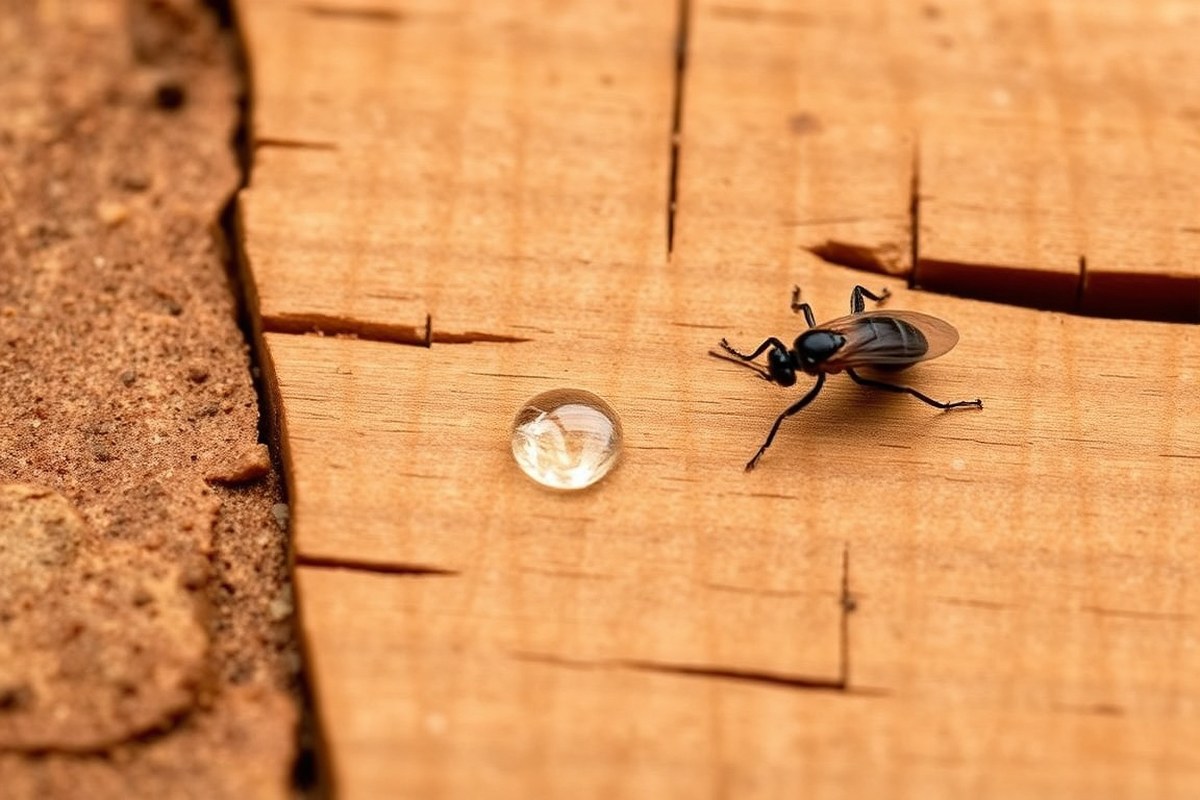
Cedar really does repel many insects because of the natural oils it releases. These oils contain a chemical called thujone, which bugs find unpleasant and sometimes toxic. This makes cedar a natural defense, discouraging insects from settling around it.
The repellent effect comes mainly from cedar’s volatile oils. When wood or mulch is fresh, these oils evaporate into the air. Bugs can sense cedar oils and usually stay away.
These oils mess with bugs’ nervous systems. They also confuse bugs’ sense of smell.
Not all cedar types repel insects equally. Eastern red cedar smells stronger than other types. It has more thujone, a natural pest fighter.
This makes it better against moths and ants. Spanish cedar, although not a true cedar, also contains similar aromatic compounds. So it’s useful for repelling insects and is often used in cigar storage.
Over time, cedar loses its strong smell because the oils evaporate. That means its ability to repel bugs fades after several months or years without refreshing. Using fresh cedar products or essential oils helps maintain a strong insect-free barrier for longer periods.
Keep in mind that while cedar repels many insects, it doesn’t work the same for all. Some insects like slugs, earwigs, and pill bugs might actually be attracted to damp cedar mulch. Use thin layers of cedar mulch to prevent issues.
Let the mulch dry fully between watering or rain. This keeps the mulch from staying too wet.
Insects That Cedar Repels Effectively and Those It Doesn’t

Cedar repels many common household insects such as ants, fleas, ticks, moths, and cockroaches. It works well against wood termites too, thanks to its natural oils that bugs find unpleasant. Some pests like carpenter bees still infest cedar wood.
Certain wood-boring beetles also can damage cedar despite its oils. These oils help but don’t stop all bugs.
Mosquitoes and bed bugs are largely unaffected by cedar alone. These insects rely more on human scents and carbon dioxide to find targets. The military developed cedar oil for insecticide blends.
Using just cedar wood won’t fully control these bugs. Cedar oil works best when mixed with other agents.
Moths respond to cedar’s scent, which irritates and deters them from laying eggs on clothes. Cedar chests and closets often help keep moths away for months. Still, the oils wear down over time.
You need to refresh cedar by sanding or applying oil. This keeps bugs away for longer periods. Otherwise, the protection fades over time.
| Insect Type | Cedar Effectiveness | Notes |
|---|---|---|
| Clothes Moths | High | Good for storage protection; oils fade after months |
| Wood Termites | Moderate to High | Oils repel but need regular maintenance |
| Ants | Moderate | Some species repelled, but varies by ant type |
| Fleas & Ticks | Moderate | Cedar oil used in blends for control, wood alone less effective |
| Mosquitoes | Low | Cedar scent alone insufficient to repel effectively |
| Carpenter Bees | Low | Can infest cedar despite its properties |
Effectiveness varies because cedar’s oil concentration depends on wood type and condition. Older cedar loses its scent and thus repellent power. This allows some insects, like beetles and carpenter bees, to settle and cause damage over time.
Keep cedar wood products in dry, well-ventilated places to maintain their insect-repelling oils longer.
Testing with fire ants showed cedar oil concentration impacts repellent success. When applied stronger, fewer ants appeared, proving cedar’s effectiveness relies on oil strength and freshness. Combine cedar with other pest controls for better results.
This helps against mosquitoes and bed bugs. Cedar alone doesn’t repel these bugs well.
How to Use Cedar Products for Maximum Insect Repellent Effect
Cedar products come in several forms to repel insects. Choose the right cedar for your needs, and place it wisely indoors or outdoors. Use cedar oil cautiously and apply mulch thick enough to work well.
Choosing the Right Cedar Wood and Oil
Cedar wood products repel bugs through natural oils and scents. Blocks, chips, and shavings release these oils slowly to keep insects away. Cedar oil is a stronger, concentrated version used in sprays and treatments.
Select aromatic cedar wood that has visible grain and scent. The oil should be pure cedar essential oil, not diluted or mixed with synthetic fragrances. Quality affects how well it works and how long the scent lasts.
Using Cedar Indoors: Closets, Chests, and Furniture
Indoors, use cedar trays or blocks in storage chests or closets to protect clothes from moths. Cedar hangers also help keep moths and other bugs away from fabrics. Keep the cedar near the items but never spray oil directly on clothing to avoid stains.
Good ventilation reduces the strong scent in enclosed spaces. Replace or lightly sand cedar surfaces yearly to refresh the oils. This keeps the smell effective without causing irritation.
Applying Cedar Mulch and Outdoor Uses
Spread cedar mulch at least 2 to 3 inches thick in garden beds and around patios. This thickness keeps the soil cooler and deters insects like mosquitoes and flies. Thin layers won’t last and won’t repel bugs well.
Cedar furniture outdoors repels bugs and lasts for years due to its natural oils. The scent is less lasting outdoors, so maintenance may be needed more often. Cedar wood chips work well as pet bedding, keeping insects away in outdoor kennels.
- Use solid cedar blocks or trays for indoor insect protection
- Spread cedar mulch 2 to 3 inches thick outdoors
- Replace or sand cedar wood products yearly to refresh scent
- Avoid spraying cedar oil directly on clothing or linens
- Apply cedar oil diluted with water for safe indoor sprays
Cedar Oil Sprays and DIY Methods
Mix cedar essential oil with water and a bit of mild soap to make a spray. Use about 2 teaspoons of oil per quart of water for effective insect repellence. Shake well before each use to keep the oil mixed properly.
Spray around door frames, windows, and outdoor seating areas to keep bugs away. Avoid spraying directly on plants or fabric to prevent damage. Reapply every few days or after rain to maintain protection.
How Long Does Cedar Stay Effective Against Insects and Why?
Cedar’s insect-repelling power lasts about three to five years when left untreated. Its strength comes from natural oils that evaporate slowly over time. Once these oils fade, cedar stops being effective at keeping bugs away.
Environmental factors speed up this process. Exposure to sunlight, rain, and heat makes cedar’s oils disappear faster. Indoor cedar items usually keep their scent and repellent ability longer than outdoor wood.
Light sanding every one to two years restores the cedar’s scent and bug-fighting power. Sanding removes the top dull layer and exposes fresh wood with more oils. Use fine-grit sandpaper and gently rub the surface until you can smell cedar again.
Sealing or finishing cedar with heavy varnishes or polyurethane reduces its ability to repel insects. These coatings trap the oils inside, preventing the scent from spreading. To keep bug-repellent traits, avoid thick finishes or pick light oil treatments.
Older cedar furniture or blocks older than five years often need refreshing to work well. You can lightly sand the surface or reapply natural cedar oil. Both methods help release more of the natural fragrances that bugs dislike.
The type of insect also affects how well cedar works. Some bugs are more sensitive to cedar oils than others. This means even fresh cedar might not repel every kind of pest equally.
For best results, keep cedar out of direct harsh weather without shelter. Store cedar blocks and chests indoors or in shaded areas. Outdoors, expect to sand or refresh cedar items about every one to two years.
Maintaining and Refreshing Cedar’s Insect-Repelling Properties
Keep cedar effective by sanding it every 1 to 2 years. This restores fresh oils that repel insects best. Replace old cedar items every 2 to 3 years to maintain protection.
Preparing Tools and Safety Precautions
Gather 120-grit sandpaper, a sanding block or electric sander, and a clean cloth. Work in a well-ventilated area to avoid breathing cedar dust. Wear a dust mask and safety glasses to protect yourself during sanding.
Prepare a small brush or cloth if you plan to apply cedar oil later. Keep your workspace clean and avoid ignition sources if using cedar oil. Cedar dust can irritate skin and lungs, so avoid direct contact.
Sanding Cedar Wood Surfaces Properly
Lightly sand cedar surfaces to expose fresh wood and boost the natural oils. Use 120-grit sandpaper for gentle abrasion without damaging the wood.
- Clean the cedar surface from dust or dirt with a dry cloth.
- Wrap the sandpaper around a sanding block for even pressure.
- Sand with light, even strokes along the wood grain.
- Cover all exposed cedar, focusing on dried or worn areas.
- Wipe the surface with a clean cloth to remove sanding dust.
- Allow the wood to air out for a few hours to release fresh oils.
Sand cedar closet linings or chests every 1 to 2 years. This refreshes the scent and insect-repellent properties. Avoid heavy sanding, which can remove too much wood.
Light sanding keeps cedar’s oils active; don’t over-sand or roughen the wood.
Reapplying Cedar Oil: When and How
Cedar oil loses potency over time and can be reapplied to boost repellency. Apply cedar oil every few months depending on use and exposure to air.
Use a clean cloth or small brush to apply a thin, even coat of cedar oil. Avoid soaking the wood as excess oil can cause staining or attract dust.
- Test cedar oil on a small hidden area for color changes.
- Apply a thin layer evenly on the cedar surface or items.
- Let the oil dry completely, usually 24 hours, in a well-ventilated spot.
- Repeat application every 3 to 6 months or as scent fades.
Cedar oil is considered a pesticide in some places. So check local rules before use. Avoid over-application to maintain a natural look and avoid sticky residue.
Reapply cedar oil only when the wood scent weakens; less oil means weaker repellency.
Replacing Old Cedar Products
Cedar loses insect-repelling power after 2 to 3 years as oils evaporate. Replace old cedar blocks, liners, or chests within that time frame for best results.
Inspect cedar products yearly for fading scent or visible wear and damage. Replace those that feel dry, brittle, or have lost aroma.
- Check the cedar’s aroma by smelling it closely.
- Examine wood for cracks, discoloration, or roughness.
- Remove and replace products showing weak scent or damage.
- Choose aromatic heartwood cedar to ensure long-lasting repellency.
Replacing cedar regularly keeps bugs at bay and prevents wood damage. Using fresh cedar pieces ensures you get the natural oils needed to deter insects well.
Common Mistakes and Myths About Cedar’s Insect-Repelling Power
Cedar does not repel all insects as some people think. Its insect-repelling power comes mainly from the natural oils that give off a strong smell. The scent fades as the oils evaporate over weeks or months.
This means cedar’s power isn’t permanent. You may need to refresh it regularly.
Outdoor cedar mulch sometimes attracts insects instead of repelling them. That happens because the mulch breaks down and becomes a cozy place for soil bugs. These insects live in organic matter.
They are drawn to decomposing cedar. This happens especially if you don’t replace the mulch often.
Sealing or finishing cedar with paint or varnish also reduces its ability to keep bugs away. The finish blocks the oils from releasing their smell. So the bugs won’t sense it.
To keep cedar effective, use it untreated. Let any finished wood weather off before use. Then expect the repellent effects to work.
Cedar alone won’t handle every pest problem either. It can slow down or prevent some insects like moths and flies.
But larger pests or those that don’t mind the scent keep coming back. You often need to combine cedar with other methods like traps or repellents for better control.
- Use fresh or recently replaced cedar mulch outdoors for best effect.
- Avoid sealing cedar surfaces if you want insect-repelling benefits.
- Check mulch depth and remove old layers to prevent bug buildup.
- Place cedar near problem spots but not as your only defense.
- Choose Eastern red cedar for stronger natural bug deterrent properties.
- Refresh cedar oils by lightly sanding or crushing wood before use.
- Combine cedar with other pest control methods for full protection.
Different types of cedar vary in strength. Western Red Cedar has more thujone. Thujone is toxic to many bugs.
Eastern red cedar is prized for stopping moths and some flies. No cedar product can replace good pest prevention habits. You still need to clean, seal entry points, and use traps.
When and How to Combine Cedar with Other Pest Control Methods
You can combine cedar with other pest control methods for better protection. Cedar works well with natural repellents and proper housekeeping. Using it alone may not stop serious infestations.
Natural Repellent Options to Pair with Cedar
Cedar oils and wood release chemicals that repel moths, silverfish, and some ants. Complement them with other natural deterrents like diatomaceous earth. Essential oils such as peppermint or lavender also confuse insect senses.
Bring these together for a balanced pest barrier. Spray a mix of 120 ml cedar oil in 770 ml water around closets or baseboards. Sprinkle diatomaceous earth near entry points but keep it dry, as moisture reduces its effect.
- Use fresh, untreated cedar blocks or shavings indoors
- Spray diluted cedar oil as a light mist every 2, 4 weeks
- Sprinkle diatomaceous earth around cracks and corners
- Place peppermint or lavender sachets in storage areas
- Keep closets and furniture dry and clean
- Seal clothing in airtight containers when not in use
- Vacuum closet floors regularly to remove insect eggs
Combining these methods helps disrupt insect senses and habitats. This reduces bugs’ chances to settle inside your home.
Safety Tips When Combining Treatments
Use cedar and other natural repellents following label directions carefully. Essential oils can irritate skin or pets if used in concentrated forms. Keep sprays away from food prep areas and children’s reach.
Wear gloves when applying diatomaceous earth to avoid inhaling dust. Don’t mix cedar oil with chemical pesticides, as it might reduce effectiveness or cause reactions. Stick to natural products for a safer indoor environment.
Signs Cedar Alone Isn’t Enough
Minor bugs near cedar don’t always mean failure. But a sudden rise in moth larvae, cockroaches, or ants despite cedar is a warning. Spots of damage on wood or fabric show insects are surviving.
You might see insects more often or find their droppings in stored clothing. These signs mean cedar’s repellents aren’t keeping pests out fully. At that point, you need added measures or professional help.
Hiring Professionals: When and Why
Call pest control experts if infestations grow severe or persistent. Professionals use targeted treatments that reach deep nests invisible to homeowners. Their skill ensures insect elimination without harm to people or property.
Outdoor cedared furniture won’t stop termite colonies near the foundation. For heavy infestations, treatments such as bait stations or spot sprays might be necessary. Experts can assess your situation and suggest solutions fitted to your home.
Think about professional help when you detect widespread cockroaches, silverfish, or persistent moth damage. Early intervention limits costly repairs and health risks.
Safety Considerations Using Cedar Wood and Cedar Oil for Bugs
Cedar oil is generally safe for pets and people when used as directed. The EPA classifies it as a minimum-risk pesticide.
So it doesn’t require harsh chemical registration. Still, watch for allergies, especially in sensitive skin or respiratory systems.
Using cedar oil indoors needs good air flow to avoid breathing irritation. Open windows or run a fan during and after applying the oil. Spray lightly and test a small area to check for any allergic reaction before widespread use.
Cedar wood and oil can leave stains on some surfaces. Avoid direct contact with fabrics or porous materials to prevent marks. Use cedar blocks or chips in containers or as drawer liners.
Avoid putting cedar oil directly on furniture or floors. This helps prevent damage and mess.
Keep cedar oil and wood away from young kids and pets. They might chew or swallow these items, causing harm. Always store them out of reach.
Though low risk, accidental ingestion or skin contact with concentrated oil could cause mild irritation. Store all products out of reach.
Applying cedar oil should be done with care. Wear gloves and avoid spraying near eyes or open wounds. To get the best indoor results, dilute cedar oil with water or carrier oil.
Always follow the instructions on the product label carefully. This keeps it safe and effective. This reduces the chance of irritation and staining.
Test cedar oil spray on a hidden spot first. Air out rooms well to reduce strong smells and prevent irritation. This helps avoid any unwanted reactions.
Step-by-Step Action Plan to Use Cedar for Insect Control
Follow these steps to start repelling bugs with cedar effectively in your home. This plan helps you see results and keeps pests away.
- Before you start: Choose the right cedar product, like chips or blocks, for your space. Look for a fresh scent to ensure it still works.
- Week 1: Place cedar products in common pest areas, such as closets or storage boxes. Check if bugs begin to disappear after several days.
- Week 2: Lightly sand or crush cedar blocks to release more oils. Notice stronger scent and fewer insects around those spots.
- Week 3: Spray diluted cedar oil on doorways and window frames. Watch for less insect traffic near these entry points.
- Monthly: Refresh cedar materials by sanding or replacing old pieces. An ongoing cedar scent means continuous insect repelling.
- After 1 month: Inspect treated areas for any signs of bugs returning. If insects persist, add other natural repellents or seal entry points.
- Seasonal check: Deep clean and replace all cedar products to maintain maximum protection. This resets your defense against insects.
Frequently Asked Questions
Can Cedar Repel Ants in the Garden?
Cedar can repel some ants due to its oils, but it is not foolproof. For heavy ant problems, you may need other control methods alongside cedar products.
Does Cedar Wood Protect Clothes from Moths Completely?
Cedar helps repel moths but does not offer complete protection. Regularly refreshing cedar blocks or chips is necessary for best results.
Is Cedar Oil Safe to Use Around Pets?
Cedar oil can be irritating to some pets, especially cats. Always use diluted cedar oil and avoid direct pet contact.
Can Cedar Repel Ticks on Outdoor Furniture?
Cedar can help reduce ticks on furniture, but it won’t eliminate them. Combine it with other tick prevention methods for safety.
Does Cedar Lose Its Scent and Repel Power Fast?
Cedar’s oils evaporate over weeks to months, reducing its scent. Refresh cedar blocks or chips regularly to keep repelling bugs.
Can You Use Cedar Mulch to Deter Mosquitoes?
Cedar mulch does not repel mosquitoes well because they breed in water, not wood. Focus on eliminating standing water for mosquito control.
The Bottom Line
Cedar can help keep many insects away if you use it right. Start by placing fresh cedar where bugs appear most. Keep your cedar fresh and watch your home become less buggy.