Do Perennial Flowers Come Back Every Year? A Complete Guide for Gardeners
Most perennial flowers come back every year. They grow, bloom, rest, and return in spring from the same roots. This means you don’t have to replant them each season like annuals.
Some perennials live only a few years, while others last decades. Their return depends on the variety, climate, and care.
Watering and soil quality also help perennials grow year after year. Choosing types suited for your zone gives them a better chance to thrive.
Start with healthy plants from a trusted nursery. Plant them at the right depth to help them come back strong.
Watch for extreme weather, pests, or diseases that can stop their return. Giving them some care before winter helps ready them for spring growth.
Key Takeaways
- Most perennials come back yearly from their established root systems.
- Choose perennials suited to your USDA hardiness zone for better survival.
- Water and soil quality directly affect perennial growth and return.
- Plant freshly purchased perennials at the correct depth and spacing.
- Short-lived perennials may only last 2 to 3 years before needing replacement.
- Protect perennials from harsh weather and pests to help their return.
Do Perennial Flowers Come Back Every Year?
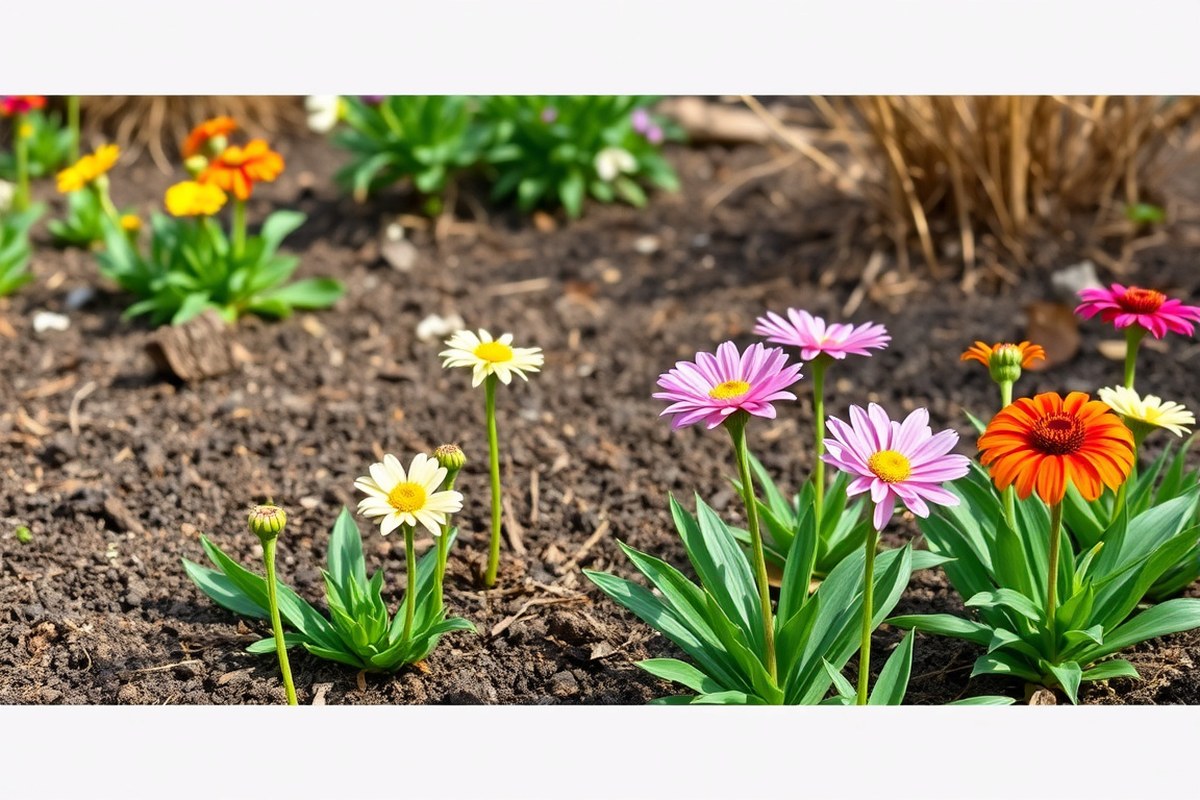
Perennial flowers do come back every year. But they need the right conditions to do so.
These plants grow from the same roots each spring after dying back in winter. This cycle means they can live and bloom for many years.
A perennial flower grows and blooms over multiple seasons. In winter, perennials often die back to the ground, leaving roots and crowns alive underground. When spring arrives, those roots push new growth upward, bringing flowers back without replanting.
This growth cycle is different from annual plants. Annuals grow from seed to flower in one season. They complete their life quickly.
Annuals die after their single bloom. So you must plant new seeds or seedlings every spring. Biennials need two years to complete their cycle.
The first year they grow leaves and roots. The second year, they flower and then die.
Perennials come back every year, saving you time and money. Annuals must be bought new each season. This makes perennials cheaper in the long run.
Keep in mind, some perennials may need division or special care to keep blooming well. Hardy perennials can survive cold winters in zones 3 to 9.
They return each spring healthy and ready to grow. This makes them reliable for many gardens.
Choosing the right perennial for your climate and garden spot helps ensure it returns. These plants often prefer specific light, soil, and moisture conditions. If planted well, perennials like yarrow or blanket flower bloom yearly.
They can keep blooming for several seasons. This gives long-lasting color in your garden.
Watching for their natural growth cycle helps you plan garden care. You might see perennial leaves dying back in fall, but the roots stay alive. Patience and proper planting make perennials rewarding additions that come back year after year without reseeding.
How Long Do Perennial Flowers Typically Live?
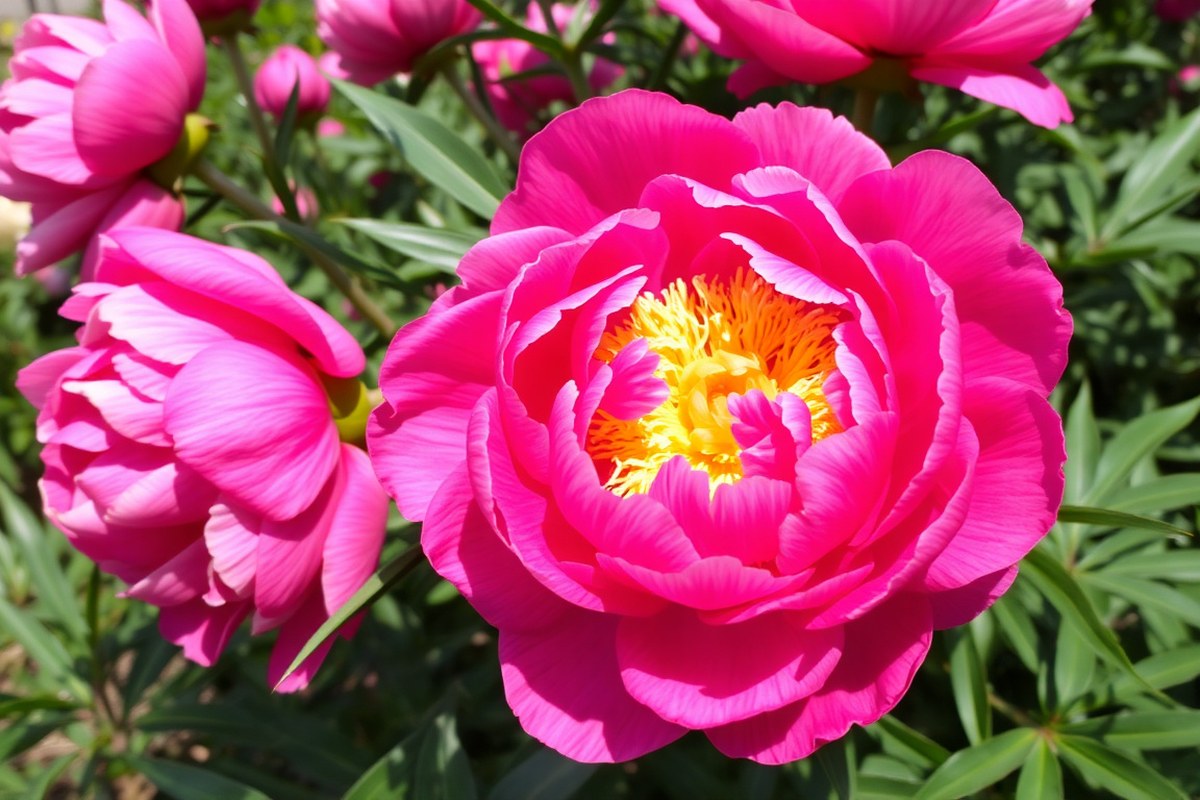
Perennial flowers live for different amounts of time. Some last only a few years. Others can live several decades.
Some perennials like black-eyed Susan live about 2 to 3 years. They come back each season.
They bloom bright flowers every year. Others, such as coneflowers and Baptisia, can thrive for 20 years or more with proper care.
Choosing longer-lived perennials means investing once and enjoying flowers for many seasons. Many long-living types produce durable blooms and maintain healthy foliage with minimal effort. Shorter-lived perennials often bloom heavily but may need replacing or dividing after a few years.
- Black-eyed Susan: short-lived, blooms summer to early fall
- Catmint: blooms late spring to early fall, lasts several years
- Coneflower (Echinacea): long-lasting, 5+ years, up to decades
- Baptisia: can live for decades, blue-lavender flowers
- Hardy Geraniums: moderate lifespan, great groundcover
- Astilbe: thrives 5-7 years, loves damp shade
- Gaura: airiness adds long-season interest, lasts several years
Planting perennials that match your local USDA Hardiness Zone helps them live longer. They’re usually slow to establish, growing stronger each year by the second or third season. Some perennials develop semi-woody stems, which resist winter dieback and boost lifespan.
Pick perennials suited to your climate and soil to avoid replacing them quickly.
Long-lived perennials often have special traits like fragrant or bold flowers, which reward patience. For example, moonbeam Gaura offers pale yellow blooms that last all summer. Shorter-lived plants may give a fast show but fade after a few years without maintenance.
Key Factors That Affect Perennial Survival and Return
Picking perennials that match your USDA Hardiness Zone helps them survive winter. Zones show the typical lowest temperatures in winter.
Plants rated for your zone usually grow back in spring after care. For example, a perennial rated 4 to 9 can survive and thrive in those zones.
Sunlight also shapes perennial success. Full sun means at least six hours of direct light, essential for sun-loving plants like coneflowers.
Shade lovers need fewer hours and different positioning. Matching your plant to the right light conditions from the start boosts growth and bloom quality.
Soil quality and drainage matter greatly. Most perennials prefer well-drained soil to avoid root rot, which happens when soil stays soggy.
Adding organic matter improves soil texture and supports healthy roots. Before planting, check soil pH and adjust if needed for specific plants.
Watering routines can make or break perennial returns. Overwatering causes root problems and slows growth.
Drought stresses plants and may stop them from surviving winter. Water deeply but infrequently, about 1 inch per week during dry spells, to encourage deep roots.
Planting depth affects regrowth, too. Set growth buds roughly 1 to 2 inches below soil surface.
Too deep planting can stunt shoots, too shallow leaves roots exposed. Mulching in late fall helps protect roots from temperature swings and retains moisture through winter.
Seasonal care like removing dead stems in early spring opens space for new shoots. Clearing debris reduces disease risk and promotes healthy air flow. These small steps create better growing conditions for your perennials.
Meeting each plant’s needs helps them come back every year. This improves your chances to enjoy them season after season.
Best Perennial Flowers That Come Back Every Year
Several perennials reliably come back every year with the right care and conditions. They vary in sunlight needs, bloom times, and how long they live. So choosing the right one depends on your garden’s spot and your style.
Some like full sun. Others do better in shade. A few even bloom more than once in a season.
For shade gardens, plants like Hosta and Bleeding Heart stand out. They grow well with little or no direct sunlight. They add beauty with lush leaves or delicate flowers.
Shasta Daisy and Lavender like full sun. They need at least six hours of sunlight daily.
Daylily and Bee Balm do well in sun or partial shade. They give you more planting options.
Multiple blooming perennials such as Catmint and Pinks bring color throughout summer and into fall. These keep your garden lively longer without replanting.
The table below compares common perennials by zones, sunlight, bloom times, and lifespan. This helps you choose the right flowers for your garden.
| Perennial | Sunlight Needed | Bloom Season | USDA Zones | Lifespan (Years) |
|---|---|---|---|---|
| Shasta Daisy | Full sun (6+ hours) | Summer | 3, 9 | 3, 5 |
| Lavender | Full sun | Early summer | 5, 9 | 5, 7 |
| Hosta | Partial to full shade | Summer | 3, 9 | 5+ |
| Pinks | Full sun to part shade | Summer | 3, 8 | 4, 6 |
| Daylily | Full sun to part shade | Summer | 3, 10 | 5, 7 |
| Bee Balm | Full sun to part shade | Mid to late summer | 3, 9 | 4, 6 |
Choose perennials matched to your USDA zone to improve survival and bloom quality. Soil type matters too; most prefer well-drained soil. But some like Bleeding Heart need moisture.
You’ll get the best results by planting perennials in spots with their preferred light and soil. Expect them to improve each year, filling out and blooming stronger without extra fuss.
Once established, many perennials support your garden’s look with little help. Keeping them in the right conditions means flowers will reliably reappear year after year.
Picking the right perennials for your care and conditions gives steady blooms. You get varied colors and nice garden texture too.
When and How to Plant Perennial Flowers for Best Results
Plant perennials in fall or spring for best success. Fall planting lets roots settle before winter.
Spring planting suits colder regions, avoiding frost damage. Soil prep and correct planting depth help plants thrive and come back strong.
Ideal Planting Seasons by Region
In most areas, fall planting works best. The soil is still warm, which helps roots grow deeply. You should plant four to six weeks before the first frost arrives.
Spring planting suits colder climates where frost lasts longer. Wait until the soil thaws and warms around 50°F. Planting too early risks freezing young plants.
The southern states may have longer growing seasons. Here, early fall or late winter works well. This timing balances warm soil and mild air temperatures.
Preparing Soil for Long-Term Perennial Success
Soil preparation boosts root growth and plant health. Start with testing your soil’s pH and nutrient levels. A pH near 6.0 to 7.0 suits most perennials comfortably.
Loosen soil to at least 12 inches deep. Remove rocks, roots, and debris. Adding 2 to 4 inches of organic matter improves drainage and fertility.
Well-drained soil prevents rotting crowns. Avoid planting in waterlogged areas. If drainage is poor, raise beds or add sand and compost.
Don’t plant perennials in tight, heavy clay without soil amendment. Roots can suffocate and rot quickly.
Correct Planting Depth and Spacing Guidelines
Plant crowns and bulbs at a depth about twice their height. For example, a 2-inch bulb goes in 4 inches deep. Planting too deep delays growth; too shallow risks drying out.
Space perennials to fit their mature size. This helps air flow and reduces disease. Check seed packets or plant tags for spacing advice, usually 12 to 24 inches apart.
Cover roots gently but firmly with soil. Water thoroughly right after planting. This settles soil around roots and removes air pockets.
Follow these planting steps for perennial flowers:
- Choose a site with good sun or shade as needed by the plant.
- Test and amend soil, aiming for loose, fertile ground with organic matter.
- Dig a hole twice as wide and deep as the root ball or bulb.
- Place the plant in the hole at recommended depth (twice bulb height).
- Fill soil back in, firming gently to remove air pockets.
- Water deeply to settle soil and start root growth.
- Add mulch around plants to retain moisture and reduce weeds.
Seasonal Care to Help Perennials Return Year After Year
Perennial flowers need regular care through the seasons to come back strong year after year. You’ll prune, feed, mulch, and protect them to support healthy growth. Knowing when to do each task helps perennials thrive and bloom well.
Spring Cleaning and Pruning
Remove dead leaves and stems in early spring to make room for new growth. Use sharp garden shears to cut away faded foliage at the plant’s base.
Avoid cutting healthy green or woody parts. Wait until they show signs of dying back.
Pruning too early or too hard can stress perennials and reduce flowers. Wait until growth starts to show before trimming back last year’s dead material.
Cut back old leaves of clumping perennials like daylilies. Leave about 6 inches of stem to help new shoots grow.
- Clear out dead stems and leaves from beneath plants.
- Use clean, sharp shears to trim dead material.
- Cut back clumping perennials to about 6 inches high.
- Avoid cutting green, healthy stems early in the season.
- Remove any damaged or diseased parts to stop spread.
- Clean tools after pruning to prevent infection.
Summer Feeding and Watering Tips
Perennials benefit from feeding twice a year: once in spring and once in early fall. Use an organic compound fertilizer in spring to boost growth. In fall, apply a high nitrogen fertilizer to help plants store energy for winter.
Watering depends on weather and soil type but aim to keep soil moist, not soggy. Deep watering once a week is better than daily light sprays. Mulch around plants conserves moisture and cools roots during hot months.
Fall Mulching and Winter Protection Steps
After cutting back dead stems, add mulch around perennials in late fall. Use a 2- to 3-inch layer to protect roots.
Mulch insulates roots from freezing temperatures and moisture loss. Use straw, shredded leaves, or bark chips for best results.
In regions with harsh winters, add extra mulch to protect tender roots. Avoid piling mulch directly against stems to prevent rot.
Perennials such as scabious or peonies can get winter damage. Stake them before snow falls to support the stems.
Fall care sets perennials up for healthy sprouts next spring. Mulching and pruning protect them from winter stress.
How to Diagnose Why a Perennial Didn’t Come Back
Perennials may fail to come back because of cold damage, dry soil, or pests. They sometimes look dead but are just resting underground. Check dormancy by digging gently near the base.
Look for firm roots or buds there. This shows the plant is still alive.
Look for green or firm plant tissues inside stems or at the base. Everything feels brittle and dry. The plant probably didn’t survive.
Wait until early spring to dig a little soil away. It helps spot any new growth starting beneath.
- Check soil moisture; too dry or soggy harms roots.
- Look for signs of winter kill like brown, mushy stems.
- Inspect for insect damage or disease on remaining stems.
- Smell the soil; a sour odor can mean root rot.
- Gently scratch stems to see if green tissue appears.
- Use a knife to cut lower stems and inspect inside.
- Compare with healthy neighboring perennial plants as reference.
Sometimes perennials die due to poor soil drainage or spending too much time in soggy soil. They usually need some balance. Take switchgrass, for example.
It survives with one hard cutback every winter and little else. Living perennials usually show some green when scratched gently.
Experts recommend waiting until late winter or early spring to check for regrowth. You risk damaging a dormant plant if you poke too early. Watch how the plant looks, the soil feels, and the timing.
These help you find the real problem. Then you can decide what to do.
Special Care: Dividing, Propagating, and Container Growing
Dividing perennials helps them live longer and stay healthier. You can propagate perennials by seeds, cuttings, or division. Many perennials also grow well in containers with the right soil and care.
When and How to Divide Perennials
Dividing helps crowded perennials grow better and bloom more. Most perennials need dividing every 3 to 5 years, usually in early spring or fall. Choose a cool, cloudy day to reduce stress on the plants.
Follow these steps to divide your perennials:
- Dig up the entire plant carefully to keep the roots intact.
- Shake off or gently wash dirt from the roots.
- Use a sharp spade, knife, or garden fork to cut the root clump.
- Make sure each division has at least one healthy growth bud and roots.
- Trim any dead or damaged parts from the divisions.
- Replant the divisions promptly, spacing them according to their needs.
- Water the new plants well and add mulch to keep moisture.
Don’t divide perennials too often. It can weaken the plants instead of helping them.
Choosing Containers and Soil for Perennials
Many perennials do well in containers, especially flowers like Agastache. Pick containers with drainage holes. This prevents waterlogging, which can hurt roots.
Use a mix of potting soil and organic compost to keep moisture and nutrients balanced. Avoid garden soil, which may not drain well or bring pests. Place containers where plants get enough sunlight for their species.
Water containers regularly, as they dry out faster than garden beds. Apply fertilizer every 4 to 6 weeks during active growth for best results.
Propagation Methods: Seeds, Cuttings, and Division
Propagation boosts your perennial garden without extra cost. Division is quick and reliable for mature plants. It works for varieties like Hyssop and many others.
Cuttings also help, especially on herbaceous perennials. Take stem cuttings in spring or early summer. Root them in moist soil or water until they develop roots, then transplant.
Growing perennials from seeds takes longer but helps you start new plants from scratch. Some perennials need cold stratification or soaking before planting to improve seed germination.
Use clean tools and containers to avoid spreading diseases when propagating plants.
Step-by-Step Action Plan for Yearly Perennial Success
You want your perennial flowers to come back strong every year. Follow these simple steps to make it happen.
- Before Planting: Choose hardy perennials suited to your zone. Check the tag or a local guide to confirm your region. This gives them the best start.
- Planting Season: Plant in early spring or fall to give roots time to settle. Watch for firm new growth to know they’re establishing.
- First Summer: Water regularly but don’t overdo it; soil should stay moist, not soggy. Wilting leaves usually mean they need more water.
- End of Season: Cut back faded stems to ground level after frost or bloom ends. This helps the plant store energy for next year.
- Early Spring Next Year: Apply mulch to protect roots from freezing. If you see fresh shoots, your plants are waking up.
- Late Spring: Divide crowded plants every 3-4 years to keep clumps healthy and blooming. New shoots and more blooms confirm better growth.
- Summer Care: Feed perennials with a balanced fertilizer once a year to boost growth. Watch for vibrant leaves and flower buds as a good sign.
- Ongoing: Check for pests or disease regularly and treat promptly. Healthy leaves and firm stems show your plants are thriving.
Frequently Asked Questions
Can Perennial Flowers Fail to Come Back After Winter?
Yes, perennials may not return if you plant them in poor conditions. Soil, sun, or water issues can stop their growth next year.
Do Perennials Bloom Every Year Without Replanting?
Most perennials bloom yearly from the same roots without replanting. Good care helps maintain their blooming cycles.
Can I Grow Perennials Indoors to Come Back Yearly?
Some perennials can grow indoors but need bright light and proper care. They may behave differently than outside.
Which Perennials Tolerate Drought and Still Come Back?
Plants like golden marguerite handle drought well and return yearly. Choosing tough varieties saves water and effort.
Do All Perennial Flowers Spread or Multiply over Time?
Some perennials spread, but many stay in the same spot. Division in spring or fall helps control their size.
Are Topsoil or Mulch Important for Perennial Survival?
Yes, mulch protects roots and retains soil moisture, aiding perennials’ yearly return. Adding good topsoil improves growth.
Wrapping Up
Perennial flowers usually do come back every year if cared for right. Taking simple steps at planting and through the seasons makes a big difference. Start with picking the right plant for your area today.