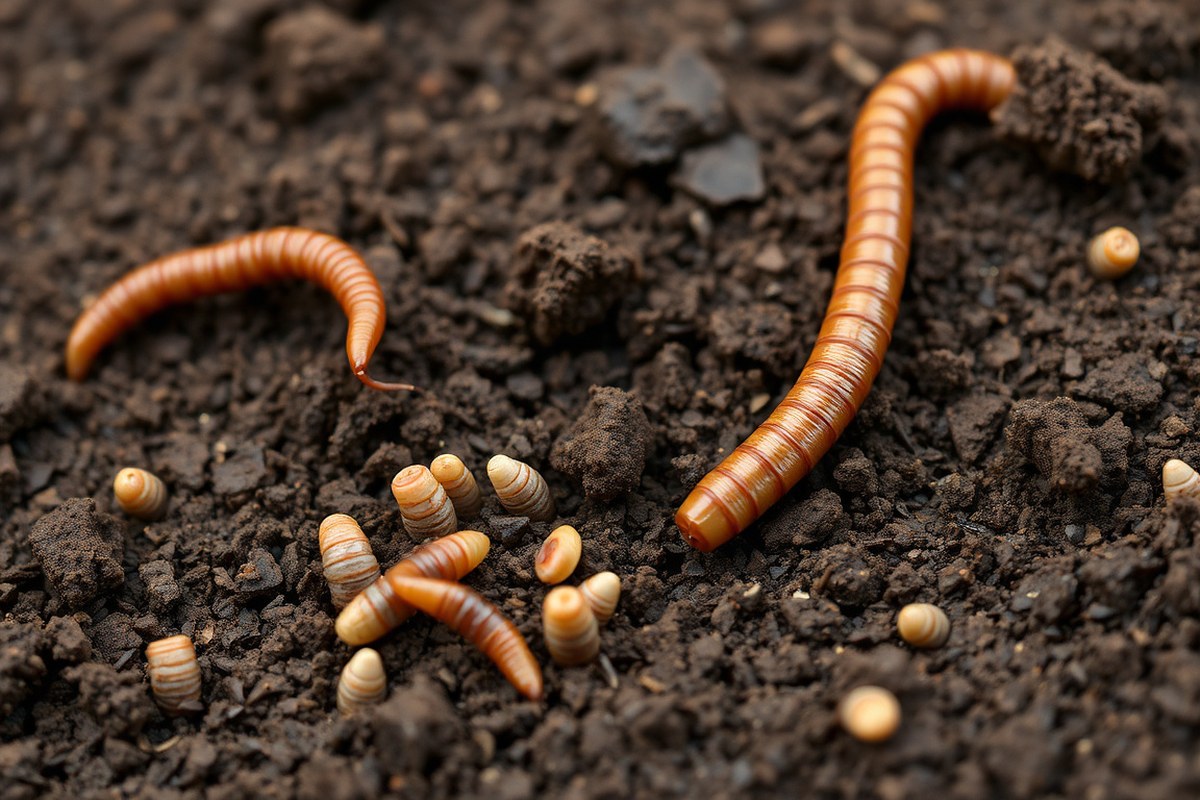
Is Dirt Worm Poop? What Worm Poop Really Is and How It Benefits Soil
Is dirt worm poop? The short answer is no. Dirt mostly has minerals, air, water, and organic stuff.
Worm poop makes up only a small part of this mix. Worm castings are a tiny part of soil. They have a strong effect on soil health.
Worm poop, or castings, is very rich in nutrients and microbes. It helps soil hold water and improves plant growth by adding beneficial microbes. The soil you see outside is mostly minerals and air, not just worm castings.
To help your garden grow, sprinkle worm castings on top of the soil. Don’t expect dirt to be mostly worm poop.
Worm castings hold water well and support soil life. Keep them out of strong sunlight to last for months.
Key Takeaways
- Dirt is mainly minerals and air, not worm poop.
- Worm castings make up a small part but enrich soil greatly.
- Adding worm castings boosts nutrients and beneficial microbes.
- Worm castings can absorb and store a lot of water, up to 90% of their weight.
- Keep worm castings out of UV light to preserve quality six months or more.
- Use 25% or less worm castings or manure in your soil mix.
Is Dirt Really Made of Worm Poop?
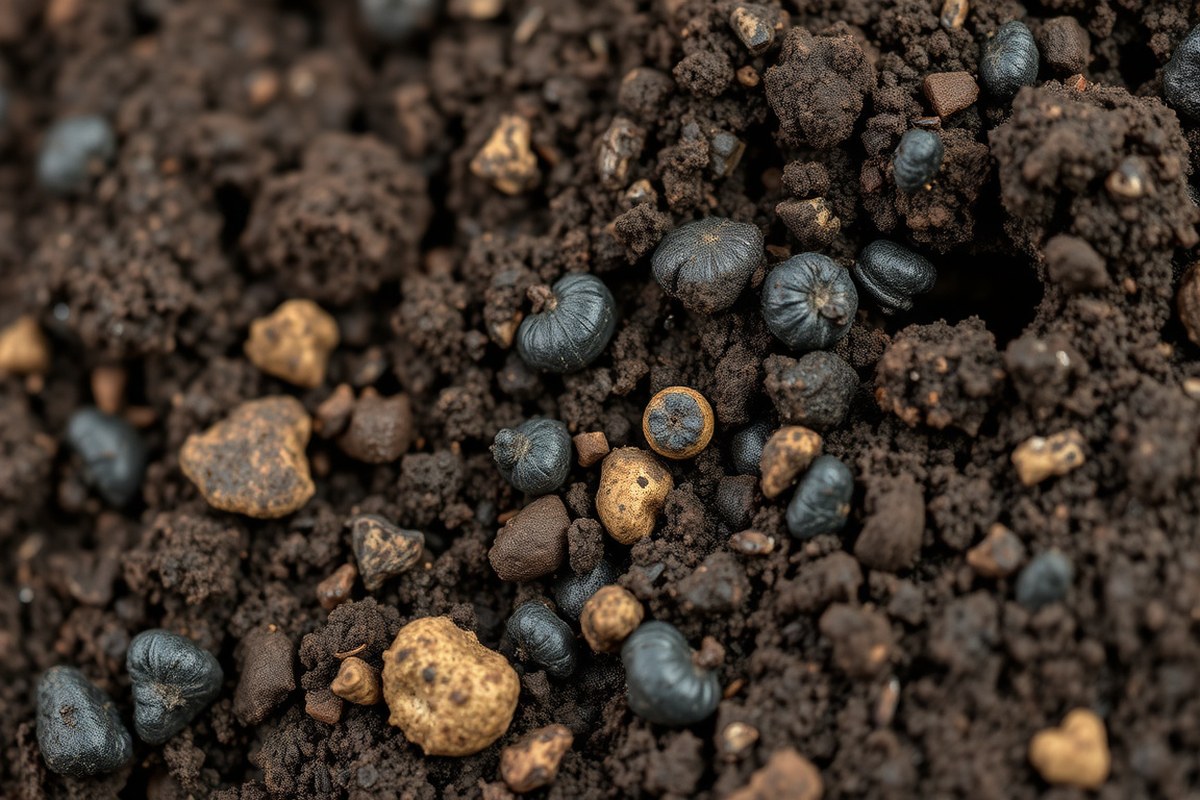
Soil isn’t just worm poop. It’s a mix of organic matter, minerals, air, and water in balance. Worm castings make up only a small part of this mix.
Worm castings include undigested bits and soil particles. Worms eat soil and organic material, then excrete nutrient-rich castings. These castings improve soil health but don’t form the entire soil volume.
In healthy soil, worm castings might make up less than 25% of the total. Buying 100% worm castings is rare because soil always contains other materials. Using more than 25% manure or castings can unbalance the soil and harm plants.
Other things in soil include decomposed plant matter, minerals like sand and clay, and microbes. All these work together to create fertile ground for plants.
Worm castings add nutrients and help retain moisture. But soil relies on a variety of components.
Worms can process huge amounts of soil. In temperate zones, they handle 75 to 250 tons of soil per hectare yearly. That shows worm activity shapes soil quality but doesn’t replace the whole soil content.
What Are Worm Poop and Worm Castings?
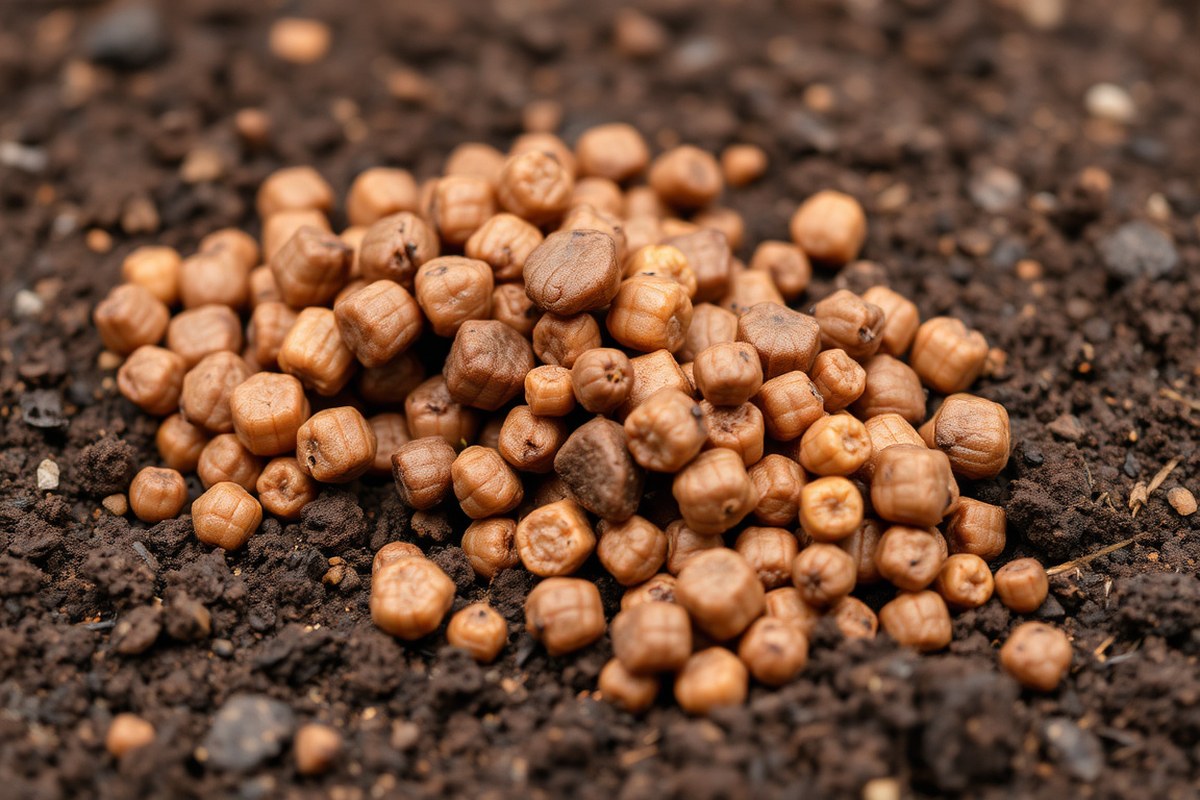
Worm castings are worm poop, also called vermicast. Worms eat soil and organic matter, digesting it all inside their bodies. As they digest, they mix food, earth, and microbes into nutrient-rich poop.
The material they leave looks lumpy and soil-like. It has tiny bits of processed earth. That’s what makes it look like soil.
Inside their gut, worms break down food with enzymes and helpful bacteria. This process turns tough plant material into simpler nutrients plants can use.
Worm castings hold many millions of beneficial bacteria per gram, boosting soil life. They also contain humus, a dark, organic material that helps soil hold water and stay loose.
Worm castings can hold up to nine times their weight in moisture, helping keep soil damp. They often have 10 to 20 times more microbial activity than normal topsoil without worms. Nutrient levels depend on what the worm ate.
But they usually contain nitrogen, phosphorus, potassium, and trace minerals. Worm castings also improve aeration, letting plant roots breathe better.
Make sure worm castings are fully broken down and screened to avoid spreading worm eggs accidentally.
You need a group of worms to make worm castings. They must feed daily on scraps or compost. The worms break down the organic material.
A worm can eat about half its weight each day. So more worms mean more castings over time.
Worm bins let you collect castings easily by separating fresh material from worm bedding. This process takes a few weeks, depending on temperature and food supply.
How Worm Poop Improves Soil and Plant Growth
Worm castings boost plant health by providing essential nutrients. These castings contain nitrogen, phosphorus, potassium, and micronutrients plants need. They also carry beneficial microbes that help nutrients become more available to roots.
Castings improve soil structure by binding soil particles into small clumps. This creates air pockets and allows water to penetrate better. Well-aerated soil helps roots breathe and supports healthy microbial life.
The porous nature of soil with worm castings means it holds water better. About half of soil volume should be pore space, split between air and water. Castings help maintain this balance so roots get enough moisture and oxygen.
You can mix worm castings directly into garden soil or potting mix. For best results, start with about 10% to 20% castings by volume. This level improves soil without overwhelming plants or altering pH too much.
Using worm castings also helps plants survive dry spells. The castings retain moisture longer than plain soil, reducing watering needs. This moisture-holding ability supports steady nutrient supplies during drought or hot weather.
Besides helping water flow, worm castings make soil more disease-resistant. Soils rich in castings tend to reduce fungal infections common in gardens. This benefit encourages stronger, healthier plant growth without extra chemicals.
Microbes found in castings play a key role in breaking down organic matter. They release nutrients slowly, feeding plants steadily over time. This slow release avoids nutrient overload and reduces feeding frequency for you.
Adding castings also encourages earthworms and other helpful soil organisms. These creatures improve soil health further by aerating and mixing it naturally. Your garden soil becomes richer and more alive with ongoing use of worm castings.
What Does Worm Poop Look, Feel, and Smell Like?
Worm poop, or worm castings, looks like rich, dark soil. It has a crumbly texture that feels soft and loose between your fingers. Worm castings have a fine, uniform grain.
You won’t see big chunks or plant bits. This is different from regular dirt.
You can tell worm castings apart by their scent. They don’t smell bad or like manure. Worm castings don’t smell strong or bad.
They are almost odor-free. Cow manure or garden compost usually has an earthy smell. This makes worm castings easier to handle and use indoors or around edible plants.
The texture of worm poop is one of its best features. It’s moist, but not wet or muddy. It should break apart easily when squeezed, leaving you with a soft powdery feel.
The castings might be too dry and dusty. This could mean they’re old or over-processed.
If the castings feel soggy, they may have too much water. Worms might not have fully processed them yet.
- Dark brown to almost black color
- Fine, crumbly texture with no large particles
- Soft and powdery or slightly moist to the touch
- No foul or strong odor; nearly smell-free
- Feels lighter than typical garden soil
- Doesn’t clump into hard balls when squeezed
- Free of visible bits of food or manure
Regular soil varies a lot in look and feel. It often has bits of sand, clay, or organic chunks. The smell is earthy or musty, not bad.
Manure, by contrast, usually smells stronger and can look wetter with fibrous pieces inside. Worm castings don’t have these drawbacks, which helps explain their popularity among gardeners.
Knowing how worm poop looks, feels, and smells helps you check its quality. You want castings to be moist enough to hold together lightly but crumble when squeezed.
Also, good worm castings don’t emit strong odors, which shows the worms fully processed the material. Poorly made castings might still smell like decomposing matter or feel slimy.
Different Types of Worms and Their Poop Variations
Different worms produce varied castings that impact soil quality differently. Common earthworms and red wigglers stand out in gardening. Their poop varies in texture and nutrient content, affecting how well soil improves.
Common Earthworm Species
Earthworms are the most common soil worms you’ll encounter. They live underground and burrow deeply into the soil. Red wigglers, also called red worms, prefer shallow, organic-rich areas like compost bins.
Earthworms are hermaphrodites, meaning each has both male and female parts. This lets them reproduce easily in the right habitat. You might also find nightcrawlers, which are larger and come to the surface mostly at night.
Variations in Castings by Worm Type
Castings from red wigglers are usually finer and rich in nutrients. These worms digest organic matter faster, producing dark, crumbly castings excellent for plants. Earthworm castings tend to have balanced fungal and bacterial activity, helping soil health over time.
The larger nightcrawler produces bigger, coarser castings that aerate and loosen soil. They mix deeper soil layers with nutrients, improving drainage and root growth. Castings’ quality depends on the worm species’ diet and how long they digest material.
Worms’ Role in Soil Ecosystem
Worms breathe differently but all help move air and water underground. Their burrowing creates channels for roots and oxygen. This movement improves soil structure and plant access to nutrients.
Earthworm castings are called “black gold” because of their rich plant nutrition. Adding castings to soil mixes boosts fertility and microbial life. Keep castings out of direct sun to preserve nutrients for 6 months or more.
Store worm castings in a shady, cool spot to keep their nutrients alive longer.
How to Collect and Use Worm Poop for Gardening
Harvesting worm castings and using worm poop can boost your garden’s health. Collecting them needs careful handling to avoid stressing your worms. Applying them correctly helps seeds sprout and plants grow strong in lawns, beds, and containers.
Setting Up a Worm Compost Bin
Choose a basic storage bin or a commercial worm farm for your castings. Keep it in a shaded, cool spot where temperatures stay between 55 and 77°F. Add shredded newspaper, cardboard, and small food scraps as bedding and food.
Make sure the bin has drainage holes and enough airflow for healthy worms. About one pound of worms fills a 10-gallon bin well for steady casting production. Keep the bin moist like a wrung-out sponge to help worms thrive.
Harvesting Worm Castings Safely
Harvest castings carefully so you don’t lose worms or damage the system. Pile fresh food on one side of the bin. This will make worms move to the other side.
It keeps them away from fresh scraps. It may take a week for most worms to migrate.
- Scoop out the castings from the side without worms using a small shovel.
- Separate any partially decomposed material to reintroduce to the bin.
- Minimal worm disturbance helps keep your worm population healthy.
- Repeat feeding and harvesting every 3 to 6 months depending on bin size.
Ways to Apply Worm Poop in the Garden
Mix worm castings with seed starting mix. Use 1 part castings to 2 parts soil. Stir well for even blending.
This provides nutrients and beneficial microbes to young plants. Spread 0.5 to 1 pound of castings per square foot in garden beds.
Mix it lightly into the topsoil. This helps feed your plants.
Use worm poop on lawns by top-dressing with about ¼ inch of castings. Water afterward to help nutrients soak in. Mix castings into potting soil for containers.
Or sprinkle a thin layer on top every few months. Either method supports healthy growth.
Storage Tips for Worm Castings
Keep castings in a breathable container to prevent moisture buildup and bad odors. Store them in a cool, dry place away from direct sun. Check moisture levels if storing castings over a month.
Break up any clumps now and then. This keeps castings fresh and usable.
Worm castings lose some microbial life over time. So use them within six months for best results. Avoid airtight containers unless you plan to rehydrate and refresh the castings before using them.
Differences Between Worm Castings, Compost, and Manure
Worm castings, compost, and manure all enrich soil but differ in nutrients and safety. Worm castings come from earthworms and have stable nutrients.
Compost results from decomposed organic matter and can vary nutrient-wise. Manure depends on the animal’s diet and how it’s managed, with some risks.
Worm castings are usually safer than raw manure. Raw manure may carry pathogens like E. Coli or salmonella. Proper composting kills most pathogens, making compost safer.
Worm castings have little odor and are gentle on plants. Manure often smells stronger and can burn plants if fresh.
These differences affect how you use each product in your garden. Worm castings can be added directly to soil or plants. Use about 20 to 30 pounds for every 100 square feet.
This helps improve soil quality and plant growth. Compost may need a few months before use and apply similarly. Manure often requires careful aging or composting and dilution to avoid damage.
| Feature | Worm Castings | Compost | Manure |
|---|---|---|---|
| Nutrient Content | Balanced, rich in nitrogen, phosphorus, potassium | Varies, depends on input materials | Varies widely; depends on animal & diet |
| Pathogen Risk | Very low, worm digestion kills most pathogens | Low if composted properly (130°F+ for 3 days) | Higher risk if raw; requires composting or aging |
| Odor | Earthy, mild | Variable; usually mild if mature | Strong, especially when fresh |
| Usability | Safe to use directly with plants | Needs to be mature to avoid plant damage | Usually requires aging or composting |
| Application Rate | 20, 30 lbs per 100 sq. Ft. | Varies; typically similar to worm castings | Dilute or mix before use; varies by source |
Using worm castings is easier since they are stable and safe. Compost offers flexibility but check if it’s fully processed.
Manure takes more care and can harm plants if fresh or improperly handled. Consider what your garden needs and the time you have for preparation.
Common Misconceptions and What to Avoid with Worm Poop
Not all dirt is worm poop, and worms don’t fart to affect soil. Some worm castings you buy might be poor quality or fake.
Knowing what to expect helps you avoid problems. It also helps you find the best soil booster for your garden.
Myth: All Dirt Is Just Worm Poop
Dirt is a mix of minerals, organic matter, air, and water. Worm poop, or castings, is just one part of healthy soil.
It makes up a tiny portion of the soil. But it’s packed with nutrients that help plants grow.
Thinking dirt is all worm poop oversimplifies how soil works. Soil forms from broken down rocks and dead plants over hundreds of years. Worms speed up that process but don’t create the whole soil.
Misunderstanding Worm Physiology
Worms don’t fart like you and me. They release gases through their skin to breathe.
The idea that worm flatulence affects soil nutrients isn’t true. This comes from confusion about their biology.
Worm castings come from what worms eat, not from gases they release. Their poop has nutrients and microbes that improve soil but no gas impact. Focus on the castings’ quality, not supposed worm gas effects.
Identifying Quality Worm Castings
Good worm castings look dark, crumbly, and smell earthy. They won’t be slimy, wet, or have a strong ammonia or rotten odour. You want material that feels light and helps soil drain easily.
Check these points to spot quality castings:
- Dark brown to black color, not gray or white
- Fine, crumbly texture without large bits
- Earthy, pleasant smell, not sour or chemical
- Moist but not soggy or sticky
- Free of visible contaminants like plastic or large food scraps
- Contains tiny worm skins or cast material, not just soil
Good castings boost plant health quickly and keep soil healthy longer. Bad castings might harm roots or have weed seeds and chemicals.
Avoiding Contaminated or Fake Castings
Some sellers mix regular compost or soil with castings and call it pure. Others include fillers to bulk up the product, lowering its value. Check for honest sellers and labels detailing the source.
To avoid buying fake or poor castings:
- Buy from local worm farms or reputable garden centers
- Ask for a sample before a big purchase
- Look for certifications or lab tests if offered
- Check online reviews and ask gardeners in your area
- Beware of unusually cheap or very light products
- Store castings in a cool, dry place to avoid mold
Fake or poor worm castings can harm your plants, so buy carefully.
Step-by-Step Action Plan to Use Worm Poop in Your Garden
Start adding worm poop to your soil slowly and watch your plants respond. Follow these steps to get the best results from worm castings.
- Before you start: Gather clean worm castings from your compost bin or a garden supply store.
- Week 1: Mix one to two cups of worm poop into a small pot’s soil. Watch for healthier leaves and stronger stems.
- Week 2: Spread a thin layer of worm castings over your garden beds. Notice if the soil feels softer and smells earthy.
- Week 3: Soak one cup of worm castings in five gallons of water overnight. Next, use this worm poop tea to water your plants. This helps feed and nourish your soil naturally. Plants should look greener and more vibrant.
- Month 1: Look for better drainage around your plants. Check if pests are fewer than before. Worm poop helps soil breathe and fight bugs.
- Ongoing: Add worm castings every few weeks while plants grow. This keeps the soil rich and healthy. Keep up this routine throughout the growing season.
- Seasonal: Store extra worm castings in a dry, cool place. Rotate fresh batches in each season to maintain soil nutrition.
Frequently Asked Questions
Can Worm Poop Harm Plants If Used in Excess?
Worm poop is safe but can burn plants if used too thickly. Use it sparingly mixed with other soil to avoid nutrient overload.
Does Worm Poop Attract Pests in the Garden?
Worm poop rarely attracts pests because it lacks strong odors. Proper storage keeps it fresh and pest-free.
How Often Should You Add Worm Poop to Your Garden Soil?
Add worm poop every few weeks or before planting seasons. It’s a gentle way to feed plants without overdoing nutrients.
Can Worm Poop Improve Soil Drainage?
Yes, worm poop helps soil hold moisture while improving drainage. It creates a good balance for roots to breathe.
Is Worm Poop Sterile or Does It Contain Microbes?
Worm poop contains beneficial microbes that help break down organic matter. These microbes boost soil health naturally.
Can Pets or Children Safely Handle Worm Poop?
Worm poop is generally safe but wash hands after handling. Keep it out of reach of young kids to avoid dirt ingestion.
Key Points to Remember
Worm poop is a powerful natural ingredient, but it’s not the same as dirt. Use worm castings to boost soil health and support plant growth. Start by mixing a small amount in your garden soil today and see the difference yourself.