When Do Strawberries Bloom: A Complete Guide with Varieties and Timelines
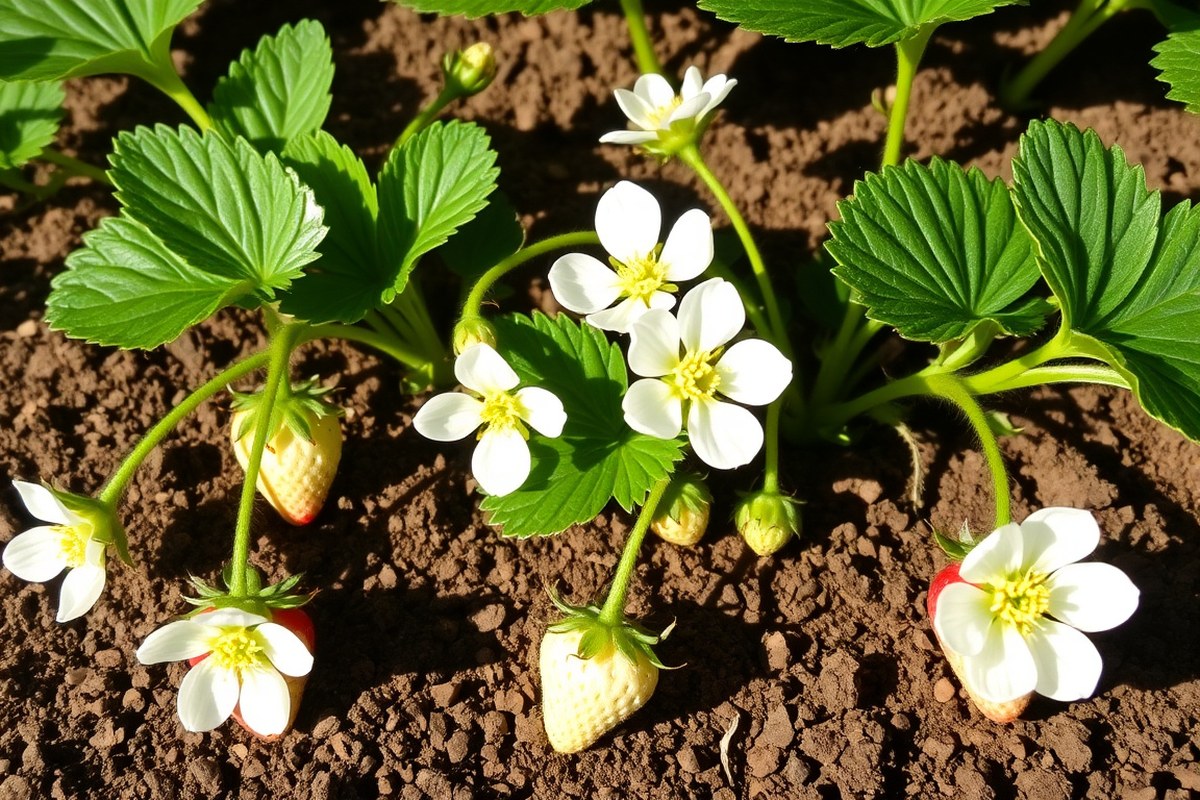
Wondering when do strawberries bloom? They usually start flowering in early spring. This happens once daytime temperatures hold above 60°F consistently.
You’ll notice the first flowers appear, marking the start of fruit production. The timing can shift slightly depending on your local climate and strawberry variety.
The first bloom is the heaviest. New blooms come every 4 to 6 weeks. This happens if conditions are right.
Each flower will turn into fruit in about 28 to 35 days. Keeping temperatures steady and watering well helps maintain this cycle. Too much heat or drought can slow flowering or reduce the number of flowers.
Day-neutral strawberry types bloom differently. They flower almost continuously while temperatures stay between 35°F and 85°F. This variety can give you fresh berries for a longer season.
They don’t rely on day length like June-bearing strawberries. So your picking window extends well into summer or fall.
Key Takeaways
- Strawberries typically begin blooming in spring when daytime temps pass 60°F.
- The first bloom is the most abundant, with smaller flushes every 4-6 weeks.
- Flowers turn into berries in about 28 to 35 days after they open.
- Day-neutral strawberries bloom continuously if temperatures stay between 35°F and 85°F.
- Keep soil moist but avoid overwatering; aim for 1 to 1.5 inches per week.
- Plant strawberries 18 inches apart to give runners space and reduce crowding.
When Do Strawberries Usually Bloom and How Long Does It Last?

Strawberries usually start flowering about 4 to 6 weeks after winter dormancy ends. For June-bearing varieties, blooms appear in early to mid-spring, often between March and May. These strawberries have one heavy bloom period lasting about 2 to 3 weeks before fruit sets.
Everbearing strawberries show two or sometimes three bloom periods each year. The first bloom shows up in late spring. You’ll see one or two shorter blooms later.
These happen in late summer and early fall. Each bloom typically lasts 2 to 3 weeks, producing moderate harvests throughout the season.
Day-neutral types bloom continuously from spring through fall as long as temperatures stay below 80°F. Instead of one big fruiting flush, they offer small pickings every few days. This ongoing bloom continues for several months, giving you fresh berries long after others finish.
Timing varies with local climate conditions, like chill hours and frost dates. Strawberry buds grow during the previous fall, mostly for June-bearers. They need 200 to 300 chilling hours.
This helps them bloom on time. When spring arrives, these buds break dormancy, usually signaling the flowering start.
The typical bloom duration ranges from 4 to 6 weeks for most strawberry plants. Blooming happens during longer daylight hours, as cultivated strawberries respond to day length.
Your climate can shorten this chill period. That makes flowering and harvest happen closer together.
Types of Strawberry Plants and Their Distinct Blooming Cycles
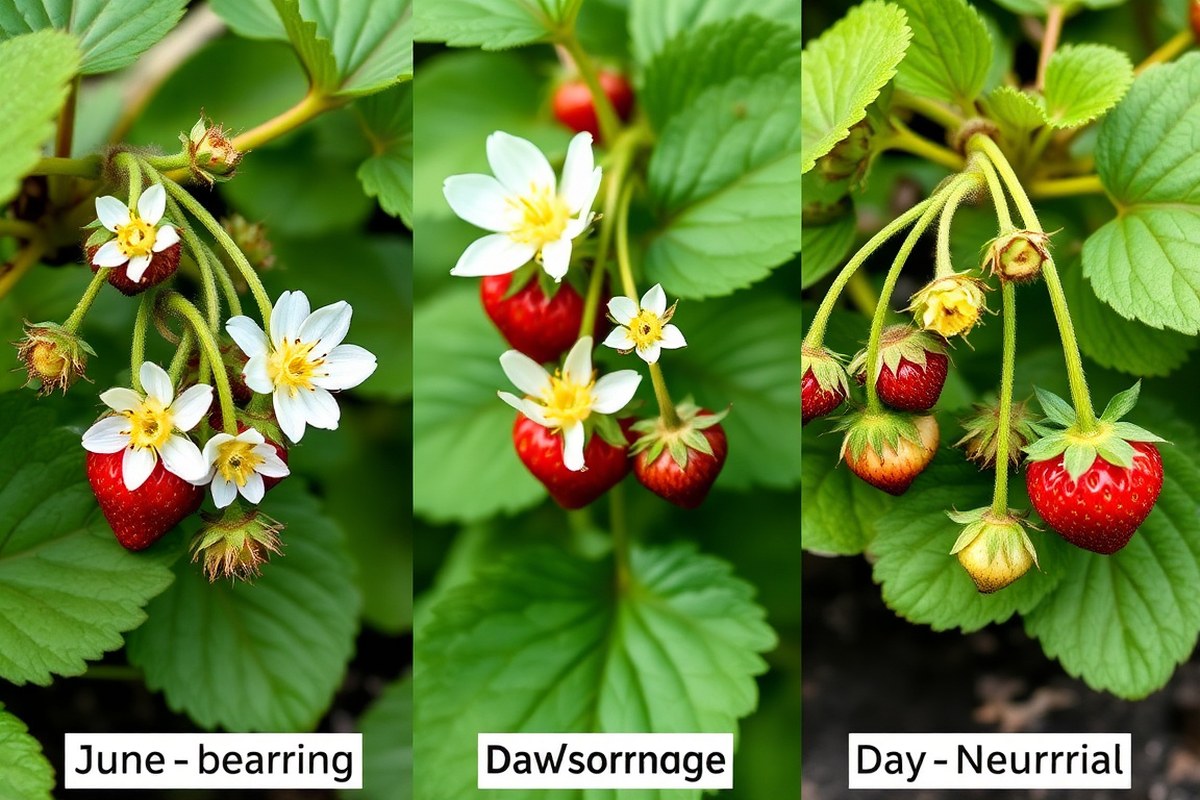
Strawberry plants bloom and fruit differently based on their type. June-bearing strawberries bloom once a year in spring.
Everbearing types have two main bloom periods. Day-neutral varieties flower steadily from spring until fall when temperatures allow.
June-Bearing Strawberry Bloom Characteristics
June-bearing strawberries bloom earliest, usually starting in March. They produce one big harvest that lasts 2 to 3 weeks. This happens from late spring to early summer.
These plants grow strong before they start to fruit. It can take up to 6 months to harvest.
Their bloom period is concise, making timing critical for gardeners wanting to optimize fruit pick. After fruiting, many June-bearers send out runners to form daughter plants. Controlling runners helps maintain plant health and future yields.
Everbearing Strawberry Bloom Characteristics
Everbearing strawberries bloom later than June-bearers and produce two main harvests. The first bloom and fruiting come in early summer with a second around early fall. These plants grow more slowly at first but spread out their harvest over time.
It usually takes 3 to 4 months for everbearing plants to start producing fruit. They also produce runners, though less aggressively than June-bearers. Limiting runners to about three daughter plants per summer can improve fruit quality.
Day-Neutral Strawberry Bloom Characteristics
Day-neutral strawberries bloom from spring through fall. They bear fruit when temperatures are 40°F to 85°F. This leads to flowers and fruit for many months.
These strawberries start to produce fruit after 3 to 4 months. They often fruit earlier than everbearing types.
They grow fewer runners and need more space. Keep plants 5 to 9 inches apart for best growth.
Here’s a simple comparison of strawberry types with their bloom and fruiting patterns:
| Strawberry Plant Type | Fruiting Pattern | When They Produce | Growing Notes |
|---|---|---|---|
| June-Bearing | Once per year | Late spring to early summer | Strong growth before fruiting; large single harvest |
| Everbearing | Two main harvests | Early summer and early fall | Slower early growth; smaller, spread-out harvest |
| Day-Neutral | Fruit in cycles | Spring through fall | Fruits as long as temperatures stay mild |
The flowering schedule affects how you plan and maintain your strawberry patch. June-bearers need careful attention for their short bloom time. Everbearing and day-neutral types reward patience with multiple fruitings across the season.
Cut most runners to limit new plants to three per summer. This helps improve fruit quality for everbearing and day-neutral types.
How Temperature and Daylight Influence Strawberry Flowering
Strawberries usually begin to bloom when soil temperatures reach about 60°F (15°C). This temperature signals the plants to start forming flower buds. Soil temperatures below this slow down growth, delaying or stopping blooms.
Day length also plays a clear role. When daylight pushes past 10 hours daily, strawberry plants move into their flowering stage. Shorter days keep most varieties dormant or focused on leaf growth rather than flowers.
Plants known as day-neutral strawberries are different. They can bloom in temperatures from 35°F to 85°F (2°C to 29°C).
Blooming happens no matter how long the day lasts. This means they keep flowering throughout the season, even in cooler or brief daylight conditions.
Most strawberry types depend on longer days and warmer soil to bloom well. When days lengthen in spring and soil warms, plants flower. This usually occurs about 3 to 4 weeks after new leaves grow.
Your area can stay cool or have less than 10 hours of daylight. This may cause blooming to slow down or stop.
In colder climates, strawberries often go dormant in winter. They resume flowering once conditions improve, higher temps and longer days.
Gardeners in warmer zones might see blooms as early as February. Cooler regions wait until April or later.
To see if strawberry plants will bloom, watch soil temperature. Also track how many daylight hours there are. Soil above 60°F and days longer than 10 hours mean flowering is near.
Your plants will likely start blooming soon. Avoid planting where soil stays too cold or shaded. This can delay or stop blooming.
Soil, Nutrients, and Watering Practices to Encourage Strawberry Blooms
Strawberries thrive in soil with a pH from 5.5 to 6.5, which is mildly acidic. This range allows roots to take in nutrients important for flowers. The soil must stay loose and rich in organic stuff to keep plants healthy and stop water from pooling.
Too much nitrogen can make strawberry plants focus on leaves, not flowers. During the flowering stage, use a balanced fertilizer with lower nitrogen and higher phosphorus and potassium. This helps push the plants to bloom and produce fruit instead of just growing leaves.
Strawberries have shallow roots mostly in the top 6 inches of soil. That means watering should keep this zone moist but not soggy.
Overwatering may cause root rot and fungal problems, which harm flowering. Water deeply about 1 inch per week, adjusting for rainfall.
- Keep soil pH at 5.5 to 6.5 for best nutrient uptake
- Apply balanced fertilizer low in nitrogen at bloom time
- Water strawberries about 1 inch per week, focusing on shallow roots
- Avoid soggy soil or drought stress during flowering
- Use mulch to maintain soil moisture and temperature
- Remove weeds that compete for nutrients and water
Feed your strawberries every 4 to 6 weeks starting after the plants begin growing leaves. Use a fertilizer formula like 10-20-20 or one labeled for blooms and fruits. In spring, stop using nitrogen-heavy feeds to avoid leafy growth over blooms.
Water in the early morning to reduce fungal disease risk. Check soil moisture by sticking your finger 2 inches in soil.
The soil needs watering when it feels dry to the touch. Keeping soil steady but not wet helps flowers grow and reduces pest problems.
Timeline and Milestones from Planting to First Strawberry Bloom
Strawberries usually bloom about four to six weeks after planting. The plants first grow roots and leaves before making flowers. Bare root and plug plants follow a similar pattern but differ slightly in timing.
Initial Planting and Vegetative Growth
The first stage after planting is vegetative growth. Your strawberry plants will focus on growing roots and healthy green leaves. This step is important because strong roots help support flowers later.
Bare root plants planted in early April usually show leaves within two weeks. Plug plants bring established leaves but still need to develop roots for about two weeks. During this time, keep soil moist and weed-free.
Early Spring Conditions Leading to Bloom
Stable temperatures near 55 to 70°F encourage growth leading to flower development. Day length increasing in spring signals plants to prepare flower buds. Ever-bearing varieties start forming buds soon, while June-bearers take a bit longer.
Young plants start making flower buds about three to four weeks after vegetative growth begins. Cover rows with frost guards to protect buds from spring chill. Proper watering of about one inch per week helps buds expand healthy.
First Flower Appearance and Fruit Set
Flowers appear roughly 4 to 6 weeks after planting for most varieties in Zone 6. For example, April 1 planting leads to first blossoms in early May. The first flowers are white with yellow centers.
Bees and other insects must visit the flowers to enable fruit set. Ever-bearing strawberries might bloom again in late summer to early fall. Day-neutral types can flower and fruit throughout your growing season.
Follow these steps for your strawberries to bloom well:
- Plant bare root or plug plants in early spring, spacing them 18 inches apart.
- Water well right after planting and keep soil consistently moist during growth.
- Watch for healthy leaf growth in the first two weeks.
- Apply frost covers in late spring to protect young flower buds.
- Maintain one inch of water weekly during bud development and flowering.
- Encourage bee activity nearby for effective pollination.
- Expect flowers 4 to 6 weeks after planting, depending on variety and weather.
Avoid overwatering early plants; soggy soil weakens roots and delays blooming.
Common Flowering Problems and Fixes for Non-Blooming Strawberry Plants
Strawberry plants often fail to bloom when they’re crowded and stressed. Crowding limits air flow and steals nutrients. Thin your plants to 6 to 8 inches apart for better space and health.
Another common cause is the plant sending energy to runners instead of flowers. Runners spread the plants but reduce blooms.
Use a garden spade to remove runners outside the main bed. Keep beds narrow, about 12 inches wide, so mother plants get enough sunlight.
Removing runners helps plants focus their energy on making more flowers. You can also manage bloom by pruning flower buds early in the season. Cutting some flowers off at first helps the plant build strength for better fruit later.
- Thin plants to 6, 8 inches apart for air and nutrients
- Remove runners beyond the 12, 18 inch bed to stop spread
- Keep beds narrow (12 inches) for sunlight access
- Cut early flowers to boost plant energy for fruiting
- Check for pests or frost damage that delay blooms
- Plant runners about 18 inches apart for space
Watch the weather, especially frost during early bloom. Frost can damage flower buds and stop fruit.
Cover plants or delay planting till after the cold. Pest damage also stops flowering, so control slugs, aphids, and birds early.
Look for pale leaves or slow growth to find nutrient problems. Strawberries need rich soil with balanced fertilizer.
Avoid too much nitrogen, which causes leaves but no flowers. Feed with fertilizer lower in nitrogen and higher in phosphorus and potassium.
When you see runners, cut them if you want berries. But if you want more strawberry plants, let some runners grow.
Balance your goals by deciding when and how much to prune. Pruning runners and flower buds takes 5 to 10 minutes per plant during the growing season.
Pollination and Care During Strawberry Bloom for Better Fruit Set
Strawberries can self-pollinate, but pollination by insects improves fruit quality and yield. You can help pollination by attracting pollinators or hand-pollinating flowers. Proper care during bloom ensures flowers stay healthy and your fruits develop well.
Strawberry Flower Structure and Pollination
Strawberry flowers have both male and female parts in each bloom. This means they can self-pollinate without needing another plant nearby. Still, insect pollinators like bees move pollen around, which helps fruit grow bigger and fuller.
The pollen must reach the center of the flower to fertilize the ovules. Poor pollination can cause fruits to be misshapen or small. Use a soft paintbrush to brush flowers gently.
This moves pollen between flowers. Do this especially indoors where there are few insects.
Attracting Pollinators to Your Plants
Planting white alyssum nearby draws bees and beneficial insects toward your strawberries. These insects carry pollen from flower to flower, boosting fruit set naturally. Avoid pesticides during bloom because they can harm pollinators and cut your harvest.
Make sure your garden gets plenty of sunlight. Sunlight helps strong blooms grow. It also keeps pollinators active.
Flowers open fully in the sun, which makes pollen easier to access. Hand-pollinate flowers by touching their centers with a small brush.
Do this every 2 to 3 days. Light touches work best.
Watering and Pest Management While Blooming
Keep strawberries watered evenly, aiming for about 1 to 1.5 inches each week. Well-watered plants keep their flowers alive and fruits growing steadily.
Avoid wetting leaves directly to reduce disease risk. Watering at the base early in the day works best.
Watch for common pests like aphids or spider mites during bloom. Use insecticidal soap or neem oil carefully to keep pests down without hurting pollinators. Removing damaged or diseased leaves promptly also helps flowers get enough nutrients and energy.
How Local Climate Zones Affect Strawberry Bloom Timing and Duration
Strawberry bloom times really depend on where you live. In warmer zones, strawberries can bloom earlier and longer than in colder zones. Knowing your USDA zone helps you pick the right planting time.
It also helps you choose the best variety. This leads to better blooms and fruit.
Most strawberries bloom between March and May in temperate zones. In zones 8 to 10, some day-neutral types bloom lightly. Ever-bearing types can bloom in mild winters too.
The blooming is lighter than usual. You might even get a third bloom in early winter if conditions stay mild.
Planting time shifts too. In zones 7 and warmer, fall planting works well. It helps you get an early spring bloom.
This timing sets you up for success. Zones 6 and colder do best with spring planting to let plants root before winter freezes. Matching your planting to the zone makes a huge difference in bloom health.
| USDA Zone | Typical Bloom Time | Planting Season | Notes |
|---|---|---|---|
| 6 and below | March to May | Spring | Spring planting lets roots develop before winter |
| 7 to 8 | March to May; may extend into fall | Fall or spring | Fall planting sets up earlier bloom next year |
| 8 to 10 | Year-round light bloom in winter; main bloom in spring | Fall for cool season annuals or perennial growth | Some varieties bloom lightly during mild winters |
| 9 to 10 (coastal/warm) | Cool season bloom spans fall to spring | Fall | Harvest is earlier and lasts longer |
To get the best bloom timing, find a strawberry variety suited for your climate. Look for ever-bearing or day-neutral types if you want winter blooms in warmer zones. In colder zones, choose varieties that handle frost well.
Check your local frost dates before planting. Planting too early risks frost damage and poor blooms. You can lift healthy plants in September if your zone supports it.
Then replant them for a fresh crop. This refreshes your strawberry harvest.
Always match your strawberry type and planting time to your zone. Doing this gives the best bloom and fruit results. It helps your plants thrive.
Maintaining temperatures between 45 and 86°F helps your plants bloom healthy. Temperatures wildly outside this range reduce flower count. Plan for steady watering and good soil nutrition according to your zone to keep blooms strong.
Step-by-Step Action Plan to Encourage Strawberry Blooms
Follow these simple steps to help your strawberry plants bloom on time. Watch the changes to know each step worked.
- Before planting: Choose the right strawberry type for your climate. This ensures blooms will match local daylight and temperature.
- Day 1 of planting: Plant strawberries in well-drained soil with balanced nutrients. Healthy soil supports strong root growth and flower buds.
- Week 2: Water plants deeply but avoid soggy soil. Check soil moisture to keep it damp, not wet.
- Weeks 3-6: Add a balanced fertilizer with nitrogen, phosphorus, and potassium. This helps flower development.
- When leaves fully open: Mulch around plants to keep soil temperature steady and reduce weeds. Look for less leaf damage.
- Start of bloom period: Ensure good pollination by inviting bees or hand-pollinate flowers. Successful pollination will boost fruit set.
- During bloom: Keep watering consistent and avoid over-fertilizing nitrogen. Watch for bloom wilting or leaf yellowing.
- After harvest: Remove old leaves to prepare plants for next blooming cycle. Healthy leaves mean good future blooms.
Frequently Asked Questions
How Does Pruning Affect Strawberry Blooming?
Pruning removes old leaves and runners, helping strawberries focus on flowering. You should trim plants after harvest to encourage new growth and better blooms next season.
Can Mulch Influence the Timing of Strawberry Blooms?
Yes, mulch helps regulate soil temperature and moisture, which supports early blooming. Using straw or pine needle mulch keeps roots cool and moist during warm months.
What Role Does Soil pH Play in Strawberry Flowering?
Strawberries bloom best in slightly acidic soil with pH between 5.5 and 6.5. If your soil is too alkaline, blooms might be delayed or reduced.
Can Container-Grown Strawberries Bloom Differently Than Garden-Grown Ones?
Container strawberries often bloom later due to temperature and root space limits. Use larger pots and place containers where they get full sun all day.
How Does Fertilizing After Bloom Affect Strawberry Plants?
Fertilizing after bloom can support fruit development but too much nitrogen delays fruit ripening. Use balanced fertilizer according to package instructions to avoid overfeeding.
Do Strawberries Bloom Differently in Shady Versus Sunny Areas?
Strawberries bloom best in full sun with at least six hours of light daily. Shade lowers bloom quantity and delays flowering, reducing your overall fruit harvest.
Final Thoughts
Strawberries bloom according to plant type, climate, and care. Watching soil and water closely can help blooms start strong. Next, check your local climate zone and pick the best plant type for your garden.