How Long for Tomato Seeds to Sprout: A Complete Guide for Fast, Reliable Germination
Wondering how long for tomato seeds to sprout? Most fresh seeds take about 5 to 10 days to germinate when conditions are right. You can get them to sprout faster.
It sometimes takes only 3 days. Keep the soil warm at about 80°F and moist.
Start by planting your seeds in a light, moist seed-starting mix. Keep the soil temperature consistent and avoid drying out the seeds. Fresh seeds sprout quicker, so check their age before planting.
Slow or failed germination often means the soil is too cold or dry. Don’t let the soil get soggy either, as that can cause seeds to rot. Proper warmth and moisture are the key to quick and reliable sprouting.
Key Takeaways
- Tomato seeds usually sprout within 5 to 10 days under good conditions.
- Keep soil temperature between 70°F and 85°F for fast germination.
- Maintain steady soil moisture without letting it become soggy.
- Soaking seeds is optional but can improve germination slightly.
- Plant seeds about ¼ inch deep for best results.
- Use fresh seeds stored in cool, dry places for higher success.
How Long Do Tomato Seeds Take to Sprout Under Ideal Conditions?

Tomato seeds usually sprout within 5 to 10 days when conditions are right. The typical soil temperature for this is between 70 and 80 degrees Fahrenheit. Keeping the soil warm and moist helps most seeds break through the surface quickly.
Tomato seeds may begin to sprout in just 3 days. Others might need around 5 days before growth starts. Germination speed varies based on care and environment.
Maintaining the soil temperature at about 80 degrees helps. Fresh seeds improve the chances of quick sprouting. A heat mat helps keep soil warmth steady and speeds germination.
Tomato seeds may take up to 14 days to sprout. Cooler or worse conditions slow down the process. Seeds need warmth and moisture to germinate faster.
When soil temperature is below 65 degrees or moisture is uneven, seeds grow slower. Sprouting may also happen unevenly in these conditions. Maintaining warmth and steady moisture helps seeds sprout well.
Some seeds in these conditions might take up to three weeks or more. But if no sprouts appear around 21 days, it usually means the seeds won’t sprout.
What Temperature and Moisture Levels Optimize Tomato Seed Germination?

Tomato seeds sprout fastest when soil stays warm and evenly moist. Aim for soil temperatures between 65 and 85 degrees Fahrenheit. Keep the soil damp.
Avoid soaking it. These conditions help seeds soak up water and start growing fast. They stop seeds from rotting or drying out.
Optimal Temperature Ranges for Germination
Seeds start sprouting best when soil temperature is between 65°F and 85°F. Around 80°F works great for fast germination, usually taking 5 to 6 days. Cooler soil delays sprouting and can cause patchy results.
Keeping soil temperature steady helps all seeds sprout at the same time. You can use a seed heating mat or move containers to a warm spot.
Maintaining Consistent Soil Moisture
Tomato seeds need constant moisture to swell and start growing. Soil should stay damp like a wrung-out sponge, not wet and soggy. Dry soil will stop germination and kill seeds.
Water seeds gently once per day or every 36 hours to keep soil moist. Use misting or bottom watering to avoid washing seeds away.
- Use a spray bottle for gentle, even watering.
- Cover seeds with plastic wrap or a dome to keep humidity high.
- Check soil surface daily for dryness.
- Use a loose, well-draining seed-starting mix.
- Avoid overwatering that causes puddles or soggy soil.
Soil that stays moist but drains well lets seeds absorb water without rotting.
Avoiding Excess Heat or Dryness
Soil hotter than 85°F can dry out seeds or cook them, which stops germination. Too much heat also evaporates water quickly, making it hard to keep soil moist. Seeds that dry out early die quickly.
Always monitor soil temperature, especially on sunny windowsills or greenhouses. Move seeds to a cooler spot if soil gets too warm.
Keep soil moist but never let it sit in water. Soggy soil can rot seeds fast.
Should Tomato Seeds Be Soaked or Pre-Treated Before Sowing?
Soaking tomato seeds is not necessary. But it can speed up sprouting and improve germination rates.
Soaking helps seeds absorb water faster, which kick-starts their growth. You can soak seeds for just a few hours to get these benefits.
Benefits of Soaking Tomato Seeds
Soaking tomato seeds softens the seed coat, making it easier for sprouts to emerge. This process helps seeds take in moisture fast. It can cut germination from 7 to 5 days.
Seeds start growing quicker this way. It also can boost germination rates, so more seeds start growing.
Some gardeners soak seeds in weak tea first. This speeds up softening of seed coats. It also helps lower disease risks.
Fermentation can break down seed coat chemicals and bacterial contaminants. This method also mimics how seeds naturally prepare after passing through a fruit or animal.
How to Soak Tomato Seeds Properly
Soaking tomato seeds takes just a few simple steps. Use clean, lukewarm water and soak between 4 and 12 hours.
But no longer than 24 hours. Over-soaking can drown seeds and reduce their viability, so timing matters.
Here’s a step-by-step pre-soaking guide before you plant your tomato seeds:
- Fill a clean cup or bowl with lukewarm water, about 70°F (21°C).
- Add your tomato seeds to the water.
- Let them soak for 4 to 12 hours, overnight is fine.
- After soaking, drain the water carefully.
- Pat seeds dry on a paper towel or plant them immediately.
- You can soak seeds in cooled, weak tea. This option adds some extra benefits. It works instead of just water.
Alternatives to Soaking: Paper Towel Germination
Using a damp paper towel to germinate tomato seeds is another reliable method. Wet the towel until it’s damp, not soaking wet, to avoid mold. Then spread seeds evenly, ensuring they don’t touch one another.
This method lets you watch for sprouting closely and test seed viability. After seeds sprout, transfer them to soil carefully. Paper towel germination lets you watch seed sprouting clearly.
It avoids variables from soil conditions. This method helps you track growth speed.
| Method | Time to Use | Pros | Cons |
|---|---|---|---|
| Soaking | Before planting (4-12 hours) | Speeds up sprouting, softens seed coat, easy | Risk of over-soaking, extra step |
| Paper Towel | Before planting (until sprouting) | Monitors germination, tests seed viability | Needs careful moisture control, extra transplant step |
| Direct Planting | Seed planting time | Simplest, no soaking needed | Slower sprouting, lower germination rate possible |
How Deep and How Many Tomato Seeds Should Be Planted for Best Results?
Plant tomato seeds about 0.25 inches (0.64 centimeters) deep. That’s roughly twice the width of a tomato seed.
Covering seeds too deeply can stop them from sprouting. Planting them too shallow may leave them dry or exposed.
Place just one seed per pot or cell to avoid crowding. Tomato seeds generally germinate well, so one seed usually gives you a healthy seedling.
When more than one seed sprouts, trim weaker ones early. This helps keep space for the strongest plant.
Sowing seeds at the right depth helps keep soil moist without drowning seeds. It also protects them from drying out or being washed away.
Use a finger or small tool to press soil gently. Then water lightly to help the seedset in place.
Do Tomato Seeds Need Light to Germinate, and What Lighting Is Best?
Tomato seeds do not need light to germinate and often sprout better in darkness. You should provide light only after the seedlings emerge. For young tomato plants, bright, natural or artificial light helps them grow strong and healthy.
Light Requirements During Germination
Tomato seeds can sprout fine in darkness. Most seeds germinate underground and rely on stored energy.
So light is not needed at this stage. Placing seed trays in a warm, dark spot speeds up sprouting without interfering with development.
Once the seeds sprout and the tiny green shoots show, introducing light becomes important. These young seedlings need light to begin photosynthesis and avoid spindly growth. That’s when you should move them to a well-lit window or under grow lights.
Best Light Sources for Seedlings
Natural light from a sunny south-facing window works well after germination. Seedlings need about 12 to 16 hours of light daily for the best growth. Rotate your containers every few days.
This helps all plants get even light. It stops them from leaning toward the window.
Artificial lights such as fluorescent or LED grow lights also work well. They provide the right light spectrum and intensity without overheating seedlings. Keep the lights 2 to 4 inches above plants.
Raise them higher as seedlings grow. Adjust the height often to fit plant size.
- Use full-spectrum LED or cool white fluorescent bulbs.
- Place lights 2, 4 inches above seedlings.
- Set timers for 12, 16 hours daily light.
- Keep seedlings 65 to 75 °F under lights.
- Rotate trays to prevent leaning.
These simple steps help tomato seedlings develop strong stems and healthy leaves ready for transplanting.
Managing Light Duration and Intensity
Seedlings grow best with consistent light and dark cycles similar to natural day and night. Avoid leaving grow lights on 24/7.
This stresses plants and wastes energy. Instead, set a timer for about 14 hours of light and 10 hours of darkness daily.
Adjust light intensity if seedlings stretch or bend toward the light source. Increase brightness or lower the light fixture closer to plants. Seedlings scorched or pale?
Raise the light fixture. You can also cut back light time a bit.
Too little light after sprouting makes seedlings weak and leggy. Too much light can dry them out quickly.
How to Recognize and Fix Common Tomato Seed Germination Problems
Tomato seeds may fail to sprout due to a few usual problems. Planting seeds too deep can stop sprouts from reaching the surface. Seeds need to be no more than ¼ inch below soil or potting mix.
Temperature issues also slow or block germination. Seeds won’t sprout if soil is colder than 50°F or hotter than 95°F. Keep soil warm but not baking hot. Uneven temperatures can cause some seeds to sprout late or not at all.
Moisture is another big factor. Soil that’s too dry prevents germination. Too wet, and seeds may rot before sprouting.
Use moist, not soggy soil for best results. Check moisture daily, especially indoors.
- Check planting depth and adjust to ¼ inch maximum
- Use a thermometer to ensure soil stays between 70°F and 85°F
- Keep soil consistently moist but not waterlogged
- Thin seedlings if they crowd each other after sprouts appear
- Use fresh seeds, as older ones lose viability after a few years
- Give seeds at least 14 days before deciding they won’t sprout
- Discard seeds after 40 days if no sprout appears
Uneven sprouting often happens with temperature or moisture shifts. A heating mat or gentle warmth can improve uniformity. Avoid opening the seed tray often to keep moisture steady.
Slow germinators may recover by improving conditions. Raise soil temperature or water lightly if dry. Watch for mold, which means you should reduce moisture or increase airflow.
Buy fresh seeds from a reputable supplier to avoid poor germination. If most seeds fail after 40 days, it’s better to start fresh. Saving time early means strong plants later.
What Is the Step-By-Step Timeline from Seed Planting to Seedling Transplant?
- Plant your tomato seeds in small containers filled with loose, well-draining soil. Use a depth of about 1/4 inch for planting. Keep the soil moist but not soggy.
- Wait for germination, which usually occurs in 5 to 10 days under warm conditions. Days 1 to 7 are mostly quiet as the seed absorbs water and starts growing underground.
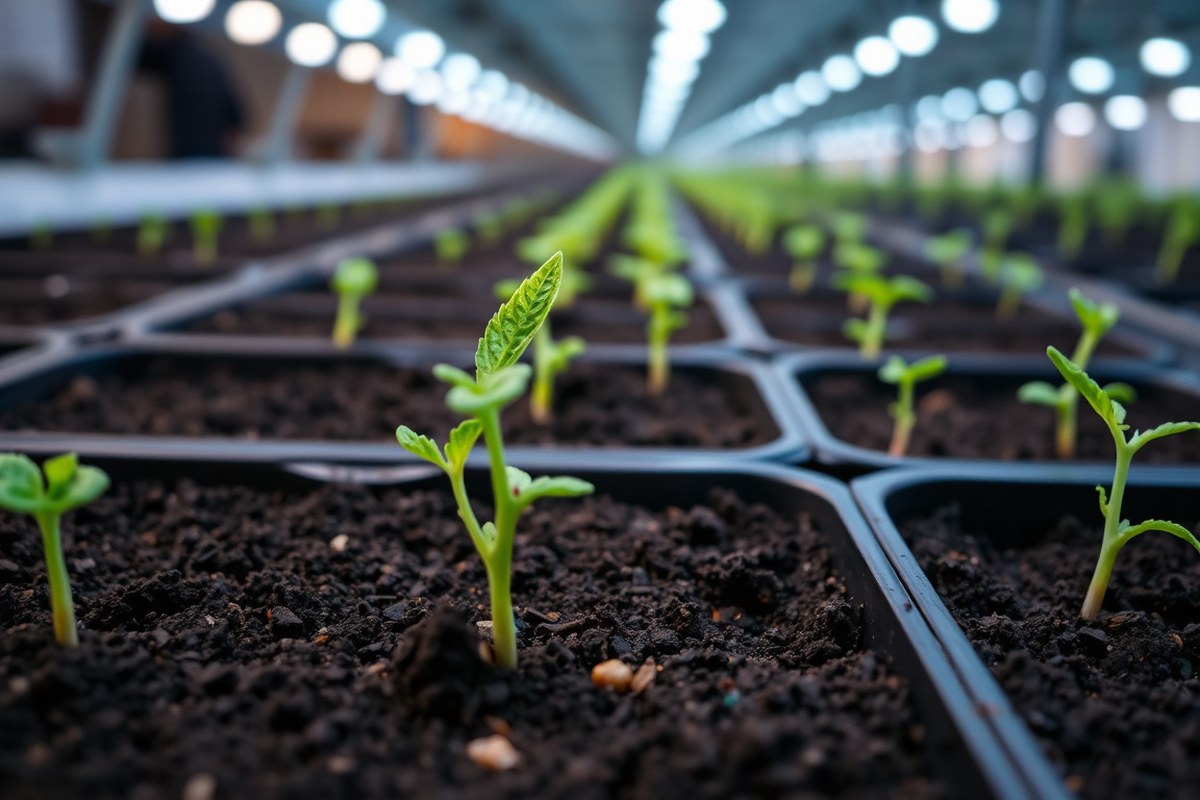
- Watch for the first sprouts poking through the soil. This usually happens between days 5 and 10. Check your seeds daily to spot sprouting early. These tiny seedlings are delicate and need steady moisture and warmth.
- Let your seedlings grow for about a week. True leaves should appear between days 8 to 14. These leaves look different from the first ones. These first true leaves have serrated edges and look like classic tomato leaves.
- Provide good light during the seedling stage to keep plants compact and healthy. Avoid overly wet soil to prevent damping-off disease, which can kill seedlings.
- Wait until seedlings have 2 to 3 sets of true leaves. This happens 3 to 4 weeks after planting. Start hardening them off before moving outside. This means gradually exposing them to outdoor conditions for a week.
- Transplant seedlings outdoors after hardening off, usually about 5 to 7 weeks after planting seeds. Choose a sunny spot with warm soil above 60°F for best results.
Following this timeline helps you plan from seed to transplant confidently. Small containers ease watering and root care. You’ll know the right moment to move seedlings outside by spotting those true leaves.
Trying to transplant too early can stunt growth. Being patient ensures strong, well-rooted plants. Keep soil temperatures steady for good germination, or sprouts may be delayed.
What Containers and Soil Mix Are Best for Germinating Tomato Seeds?
Tomato seeds need containers that drain well but hold moisture. Small seed trays, peat pots, or plastic cells work best.
Avoid deep containers; shallow ones keep soil moist and let roots grow evenly. Drainage holes are essential to prevent water buildup and rotting seeds.
The soil should be light, loose, and sterile to stop disease. Use seed-starting mix or a fine potting blend with peat moss, vermiculite, or perlite.
This keeps the mix airy and holds enough water for young roots. Regular garden soil is too heavy and can harbor fungus.
Sterilized soil lowers the risk of damping-off, a common seedling disease. You can buy seed trays and mixes that are pre-sterilized. They are available at garden centers.
You can also sterilize soil at home by baking it at 180°F for 30 minutes. This kills pathogens but takes care to avoid overheating, which hurts beneficial microbes.
| Container Type | Pros | Cons |
|---|---|---|
| Plastic seed trays | Inexpensive, reusable, good drainage | Needs monitoring for moisture loss |
| Peat pots | Biodegradable, good airflow | Dry out quickly, limited reuse |
| Plastic cells in flats | Individual space for each seed, easy transplant | More expensive, requires trays |
Use around a quarter inch of soil above each seed. This depth helps seeds sprout without drying out or rotting.
Keep the soil moist but not soaked to avoid fungus. Placing containers in a warm spot near a sunny window speeds sprouting.
Always use clean containers and fresh seed-starting mix to reduce disease risks for young tomato plants.
How to Speed Up Tomato Seed Germination Safely and Effectively
Heat mats can help tomato seeds sprout faster by keeping the soil warm and even. Set the heat mat to 70°F to 80°F, where tomato seeds germinate best. Too much heat, above 85°F, can stress the seeds and slow growth.
Soak tomato seeds for 4 to 6 hours before planting. This softens the seed coat. It helps them germinate faster.
Avoid soaking more than 12 hours; seeds may rot or lose viability. Light exposure during germination is less important than warmth and moisture. But indirect light after sprouting helps seedlings grow strong.
Never overwater seeds or leave them in soggy soil. Consistently wet soil oxygen-starves seeds and encourages mold or rot. Also, planting seeds too deep can delay sprouting or prevent it.
Plant seeds about 1/4 inch deep. This shallow planting helps seedlings push through soil. It gives them a better start.
- Use a heat mat with adjustable thermostat for steady warmth.
- Soak seeds in room-temperature water between 4 and 6 hours.
- Plant seeds about 1/4 inch deep in well-draining soil.
- Keep soil moist but not waterlogged to avoid fungal issues.
- Provide indirect light only after seeds sprout above soil.
- Avoid planting seeds in very cold or drafty areas.
- Check seeds daily once planted to catch drying or overwatering.
Gentle warmth and steady moisture help seeds go from dormant to growing fast. Constantly check soil and heat source to keep conditions just right for a quicker start. Seeds that don’t sprout after two weeks usually have trouble and may not recover.
Step-by-Step Action Plan for Tomato Seed Germination
Follow these steps to get your tomato seeds sprouting strong and healthy. Each phase builds on the last for best results.
- Day 0: Prepare Your Seeds and Soil. Use a light seed-starting mix and soak seeds in warm water for 6 hours. This jumpstarts germination and softens the seed coat.
- Day 1: Plant Seeds Properly. Sow seeds about ¼ inch deep, placing 2 seeds per cell or spot. Cover lightly and water gently.
- Day 2-7: Maintain Warmth and Moisture. Keep soil at 70°F to 80°F and moisture steady but not soaked. Cover with plastic wrap or a dome to hold humidity.
- Day 7-10: Check for Sprouts. Remove cover once seedlings appear. Thin to one healthy seedling per spot by snipping weaker ones.
- Week 2: Provide Bright, Indirect Light. Place seedlings under a fluorescent or LED grow light 12 to 14 hours daily. Keep lights 2 to 3 inches above plants.
- Week 3-4: Begin Hardening Off. Start moving seedlings outdoors for short periods in shade. Increase time outside daily to prepare for transplant.
- After Week 4: Transplant Seedlings. Move tomatoes to larger pots or your garden after the last frost date. Handle roots carefully to avoid damage.
Frequently Asked Questions
Why Are My Tomato Seeds Not Sprouting?
Your tomato seeds may not sprout due to cold soil or old seeds. Keep soil between 70 and 85°F for best results.
Use fresh seeds stored in a cool, dry spot. Proper seed and soil conditions help plants grow well.
How to Get Tomato Seeds to Sprout Faster?
To speed up sprouting, keep soil temperature near 80°F and moist but not soggy. Using a seedling heat mat helps reach this ideal range quickly.
What Is the Best Month to Start Tomato Seeds?
Find your last frost date first. Start seeds indoors 6 to 8 weeks before then.
Timing depends on local climate and frost schedules. For many areas, this means starting seeds around late winter or early spring.
Can I Just Throw Tomato Seeds in the Ground?
You can plant seeds outside after the last frost. Make sure soil is warm and moist first.
Cold or dry soil can stop seeds from growing. Germination may be slower and less consistent than starting indoors.
How Long Do Tomato Seeds Stay Viable?
Tomato seeds usually stay good for 4 to 5 years if stored cool and dry. Using older seeds can slow sprouting or reduce germination rates.
How Soon Should I Transplant Tomato Seedlings After Sprouting?
Transplant seedlings when they have 2 to 3 sets of true leaves. This usually occurs about 3 to 4 weeks after seeds sprout.
Wrapping Up
Tomato seeds usually sprout within 5 to 10 days under good conditions. Keep soil warm and moist, and provide the right light to help seedlings grow. Get your seed-starting mix ready first.
Then, find a sunny spot. You can also use a grow light to start your tomato garden.