How to Plant Parsley: Simple Steps for Fast, Reliable Growth
Start parsley seeds indoors in late winter or early spring. This should be 4 to 6 weeks before transplanting outside. It helps seedlings get a good head start.
Choose full sun and well-draining soil that feels loose, rich, and slightly acidic. Parsley does best with soil temperatures near 70°F but can sprout between 50 and 80°F. Space seedlings 6 to 8 inches apart for healthy root growth.
Keep the soil moist but not soggy to maintain steady water. Move seedlings outdoors when they reach 6 to 8 inches tall and soil is at least 50°F. Avoid planting before the chance of frost ends to protect young plants.
Parsley grows best between 60° and 65°F and dislikes heavy clay soil. Warmer, loose soil helps develop strong roots and supports fast growth.
Key Takeaways
- Sow parsley seeds indoors 4 to 6 weeks before outdoor planting.
- Choose loose soil that drains water well for growing parsley. Aim for soil pH between 5.5 and 6.7. This creates the right environment for healthy plants.
- Keep soil moist and provide 10-11 hours of supplemental light if indoors.
- Space parsley plants 6 to 8 inches apart for healthy root growth.
- Transplant seedlings outdoors after soil warms to 50°F and frost danger passes.
- Maintain air temperatures between 60° and 65°F for best growth.
How to Plant Parsley Seeds Indoors and Outdoors
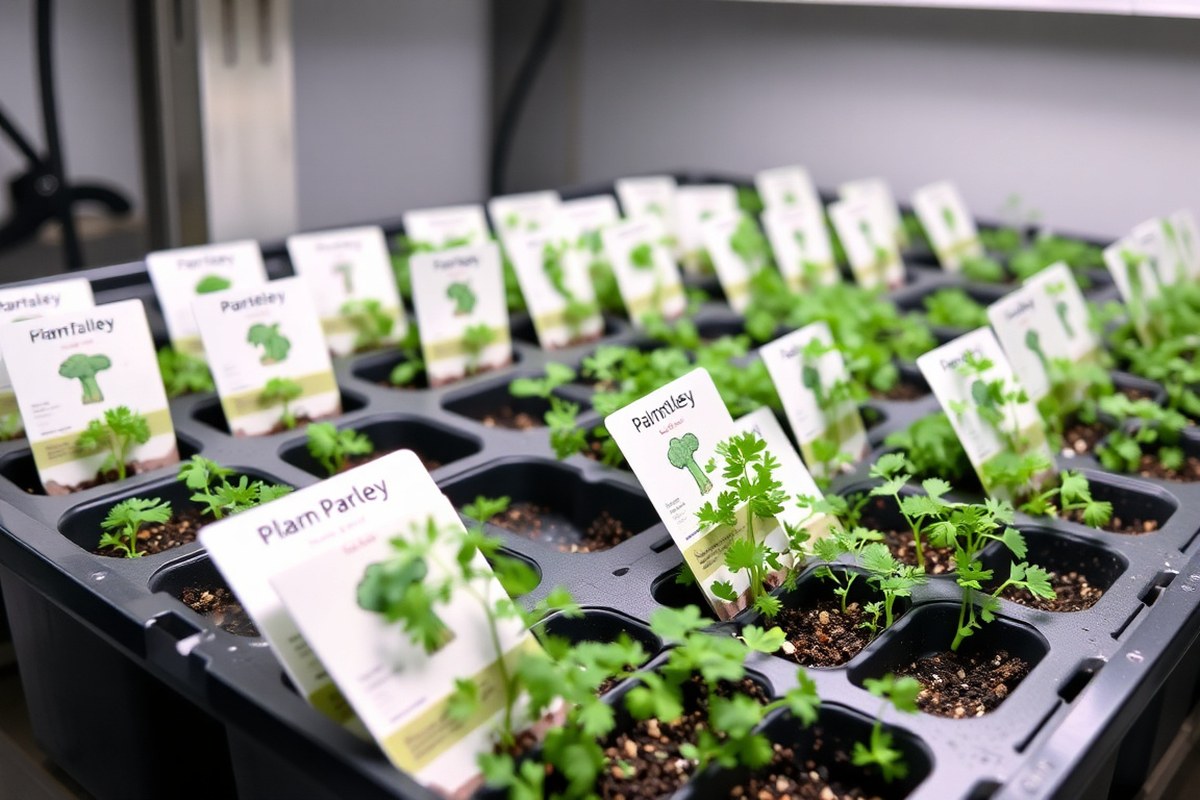
Parsley seeds sprout slowly, but soaking them helps quicken this. Place seeds in hot water for about one to one and a half days. This breaks down the outer shell and aids in sprouting.
Start parsley indoors 4 to 6 weeks before moving plants outside. Use a seed-starting mix in containers with drainage holes. Sow seeds ¼ inch deep and space them 1 to 2 inches apart.
Outdoor planting is best after the last frost, when soil warms to about 50°F. Sow seeds ½ inch deep, 6 to 8 inches apart in rich, well-drained soil. Parsley likes full sun and needs 6 to 8 hours of light daily.
Expect seedlings to show up in 5 to 6 weeks. Parsley can be slow, so planting densely then thinning works well. Thin to keep plants 6 to 8 inches apart to grow big and healthy.
- To help parsley seeds sprout faster, immerse them in hot water. Leave them there between 24 and 36 hours before planting. This softens the outer coat for better growth.
- Fill pots or trays with a light seed-starting mix that drains well.
- Sow seeds ¼ inch deep, spacing about 1 to 2 inches apart indoors.
- Keep soil temperature near 70°F for fastest germination indoors.
- Water gently to keep soil moist but not soaked.
- After frost risk passes, sow parsley outdoors ½ inch deep, 6 to 8 inches apart.
- Plant in full sun with nutrient-rich, well-drained soil, spacing in rows 30 cm apart.
- Wait 5 to 6 weeks for seedlings to emerge, then thin crowded seedlings as needed.
Choosing the Right Soil and Light Conditions for Parsley

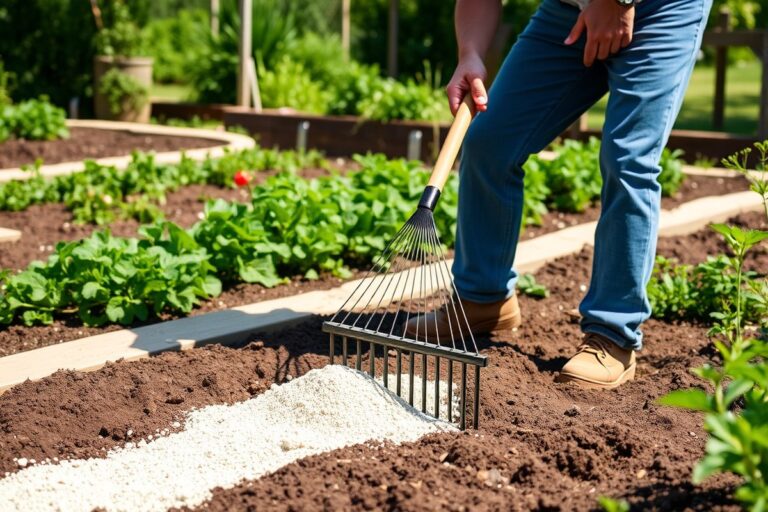
Parsley thrives in soil that drains well and has a pH of 6.0 to 7.0. This pH range lets parsley take up nutrients easily. Mixing store-bought compost into your garden soil boosts texture and nutrients.
Soil that’s too acidic needs lime powder to raise its pH. Use about 5 pounds of lime per 100 square feet. Add lime before you plant for best results.
Fix sandy or poor soil by adding compost or aged manure. Both help with drainage and add nutrients.
Mix them well into the soil before planting. Avoid heavy clay that holds water; it can suffocate roots and cause rot.
Parsley needs at least eight hours of direct sunlight daily for strong leaves and steady growth. In hotter areas, afternoon shade can protect it from stress and reduce bolting. Container-grown parsley also thrives with this sunlight but may benefit from supplemental lighting.
Keep grow lights about 6 inches above your parsley plants inside. Provide light for 10 to 11 hours each day. This gives your plants steady, enough light.
Put container-grown parsley where it gets full sun in the morning. It should have some shade in the afternoon heat. This helps parsley grow well in warm spots.
Keep the soil moist but not soggy, as pots dry faster. Good drainage in pots is critical. Make sure containers have holes to avoid waterlogging, which harms parsley roots.
Always test your soil’s pH before planting. Too much acidity or alkalinity lowers nutrient availability for parsley.
When and How to Transplant Parsley Seedlings Successfully
Transplant parsley seedlings outdoors after the soil is workable in spring. Prepare the soil well and harden off seedlings for about a week. Space plants 10 to 12 inches apart for healthy growth.
Timing the Transplant
Parsley seedlings can go outside once the soil thaws and becomes workable. This usually happens in early spring, depending on your region. Avoid planting before the last frost date to protect young plants.
Seedlings should have several sets of true leaves before moving outdoors. This means they are strong enough to handle outdoor conditions. Keep an eye on your local calendar for the last frost and soil readiness.
Hardening Off Seedlings
Hardening off means slowly exposing parsley seedlings to outdoor conditions. This process takes about 7 days. It helps seedlings adjust to temperature changes, wind, and sunlight.
Start by placing seedlings outside in a shaded area for a few hours. Increase the time and sunlight exposure each day. Bring plants indoors at night to protect them from cold temperatures.
A glassed-in porch or unheated sunroom works well for this stage. Avoid sudden full sun or cold nights to prevent shock and stress.
Planting and Spacing Procedures
Prepare your garden soil by loosening and adding compost for nutrients. Choose a sunny spot, as parsley needs at least 6 hours of light daily. Space your seedlings 10 to 12 inches apart for proper airflow.
Before transplanting, thin seedlings to 3 to 4 inches apart if they are crowded. Use scissors to snip weaker seedlings at the soil line. This supports stronger plant growth and reduces competition.
Plant each seedling at the same soil depth it grew in its container. Firm the soil gently around the roots to remove air pockets. Water well to settle the soil and help roots establish.
Follow these steps for a smooth transplant and stronger parsley plants:
- Check local last frost date and soil readiness for planting.
- Begin hardening off seedlings about two weeks before transplanting.
- Expose seedlings gradually to outdoor sun and wind over seven days.
- Prepare garden soil with compost and loosen to about 8 inches deep.
- Thin seedlings to 3-4 inches apart before transplanting if needed.
- Plant seedlings 10-12 inches apart in sunny garden spots.
- Firm soil gently around each seedling and water immediately.
| Planting Step | Spacing |
|---|---|
| Seedlings in garden | 10 to 12 inches apart |
| Thinning seedlings indoors | 3 to 4 inches apart |
Selecting Parsley Varieties and How They Affect Planting
Parsley comes mainly in two types: curly leaf and flat-leaf (Italian) varieties. Each type differs in growth, height, and leaf shape, which affects spacing and care. Choosing the right variety depends on your cooking needs.
Also, think about your space. This includes containers or garden beds.
Curly Leaf Parsley
This type has finely divided, ruffled leaves that grow 8 to 12 inches tall. It’s often used as a garnish because of its decorative texture. Curly parsley needs about 6 to 8 inches between plants.
This spacing helps air flow. It also supports healthy growth.
Curly leaf parsley prefers cooler spots and regular watering to avoid early bolting. It has a milder flavor than flat-leaf parsley but adds a nice touch to dishes visually. Plant seeds or transplants at the soil depth they came in.
Keep the same depth from their container. This helps them grow well.
Italian (Flat-Leaf) Parsley
Flat-leaf parsley, also called Italian parsley, grows taller than curly types, reaching 18 to 24 inches. Its flat, bright green leaves are thicker and have a stronger flavor preferred for cooking.
This variety needs 10 to 12 inches between plants. It allows room for a larger rosette of leaves.
It grows best in well-watered, partly shaded locations to keep it from bolting in hot weather. Italian parsley is a good choice for container growing and fresh kitchen herbs.
Start harvesting when plants reach 6 inches tall. Cut only one-third of the outer stems for best growth.
Other Popular Varieties
Common flat-leaf types include ‘Giant Italian’ and ‘Giant of Naples.’ For curly parsley, try ‘Moss Curled’ and ‘Extra Curled.’ ‘Giant’ varieties grow taller and produce more leaves. They need more space and extra care. Moss Curled parsley has thicker, frilly leaves and can grow up to 14 inches tall.
Italian parsley, also known as single parsley, can reach 18 inches high. It suits both garden beds and pots, depending on your needs. Picking leaves regularly encourages growth and makes the plant fuller.
Here’s a quick comparison of common parsley varieties to help with planting decisions:
| Variety | Height | Spacing | Preferred Use |
|---|---|---|---|
| Curly Leaf Parsley | 8, 12 inches | 6, 8 inches | Garnish, mild flavor |
| Italian (Flat-Leaf) Parsley | 18, 24 inches | 10, 12 inches | Cooking, stronger flavor |
| Moss Curled Parsley | Up to 14 inches | 8, 10 inches | Garnish, decorative |
| Giant Italian Parsley | 18 inches | 10, 12 inches | Cooking, high leaf yield |
Spacing depends on how tall and bushy the variety grows. Allowing enough room prevents crowded plants, which can cause diseases and slow growth. Choosing a variety that fits your garden or container space makes care and harvesting easier.
Ideal Temperature, Watering, and Fertilizing for Parsley Growth
Parsley grows best between 60 and 65°F, thriving in cool conditions. It can survive light frosts but struggles in heat above 75°F, which causes it to bolt. Gardeners in warmer zones such as 8 and above should plant parsley in fall.
This helps avoid heat stress during the hot summer months. Fall planting keeps the plants healthy and growing strong.
Water parsley regularly to keep soil moist but not soaked. Water deeply about once or twice a week, depending on rainfall.
Check soil by touching it. Water if the top inch feels dry to avoid drought stress and root rot from overwatering.
Fertilize parsley lightly every 4 to 6 weeks during the growing season. Use a balanced, all-purpose fertilizer with equal nitrogen, phosphorus, and potassium, such as a 10-10-10. Follow the fertilizer label directions carefully.
Use about one tablespoon per square foot of soil. Too much fertilizer can harm your parsley plants.
Do not let parsley soil dry out completely. Dry soil stresses plants and invites bolting.
Step-by-Step Guide to Harvesting and Pruning Parsley Correctly
Start harvesting parsley when the plants reach about six inches tall. Cut the outer stems at the base to encourage new growth. Harvest regularly, about every one to two weeks, to keep the plant productive and bushy.
When to Start Harvesting
Parsley is ready to harvest once it grows at least six inches tall. At this stage, the leaves should have their signature three segments. Waiting this long lets the plant build enough leaf mass for continuous growth.
You can continue harvesting parsley steadily throughout the growing season. Regular picking prevents the plant from flowering too early. Most parsley grows as an annual, so frequent harvesting keeps leaves fresh and tasty.
Proper Cutting Techniques
Use sharp scissors or garden shears to snip the stems near the base. Harvest only the outer leaves first, taking care not to damage the center growth buds. This encourages the plant to develop bushier, fuller foliage.
A good rule is to cut no more than one-third of the plant at once. Taking too much can stress parsley and slow its growth. Focus on mature stems and leave young shoots alone to keep the plant healthy.
- Hold the parsley stem near the base, close to the soil.
- Cut selectively, removing outer stems first to protect inner growth.
- Avoid tearing leaves; use a clean, sharp tool for clean cuts.
- Leave about two-thirds of the plant so it can keep growing.
- Discard any yellow or damaged leaves during harvesting.
- Repeat harvesting every one to two weeks for steady growth.
Maintaining Plant Health After Harvest
After cutting, water parsley well to reduce stress. Fertilize lightly if you plan to harvest often during the season. Regular feeding helps replenish nutrients lost during leaf growth.
Pruning outer leaves encourages new shoots from the center. This practice creates a denser plant with more usable leaves. Cutting only mature stems helps avoid damage to the crown, which would stop growth.
Keep an eye out for pests or any leaves eaten by caterpillars. Remove damaged parts promptly and adjust care if growth slows. Healthy parsley plants can produce fresh leaves for several months before replanting is needed.
Growing Parsley in Containers and Small Spaces
Choose a container at least 8 to 10 inches deep and wide to support parsley’s roots. Use a high-quality potting mix that drains well and holds moisture. Avoid using garden soil alone in pots.
It holds too much water. This can cause root rot.
Mix half garden soil with half seed-starting mix. Or use commercial potting mix. Choose one made for herbs.
This blend provides nutrients and drainage. Your container should have drainage holes to avoid soggy soil, which parsley does not like.
Place the container in an area that receives full sun, around six hours a day. A south-facing window is ideal for indoor parsley during winter.
But supplement with a grow light if natural light is weak. Parsley can thrive indoors year-round with enough light.
Water your parsley when the top inch of soil feels dry. Water parsley often to keep soil moist but not soggy. Aim for an inch of water a week.
This suits most climates. Containers dry out faster than garden beds. So check soil moisture twice a week in warm weather.
Fertilize parsley in containers every six weeks. Use a balanced liquid fertilizer. Fish emulsion or mild all-purpose works.
Use half the recommended strength to prevent burning roots. Regular feeding helps container parsley grow lush and green without exhausting the soil.
Pinch back leaf stems to keep parsley tidy. Remove any yellow or dead leaves. This helps your plant stay healthy.
This encourages fuller growth and delays bolting. Move outdoor pots inside during cold months.
Or grow parsley in a water-based system. This ensures a steady harvest.
For winter, gardeners often take cuttings from garden parsley and root them in pots indoors. This method keeps plants healthy during colder months when outdoor growth slows. Using biodegradable pots lets you plant the entire pot in garden beds later, reducing transplant shock.
Preventing and Managing Common Parsley Pests and Diseases
Parsley usually resists many pests. But aphids, spider mites, and parsley worms often show up. Aphids look like tiny green, black, or white bugs gathering on new growth.
Spider mites make fine webs on leaves. Parsley worms are green caterpillars with black stripes eating the foliage.
Check leaves for spots or powders to spot fungal diseases. Leaf spots show as brown or yellow dots surrounded by yellow rings.
Powdery mildew looks like white powder on the leaf surface. These issues appear more in wet, crowded, or poorly ventilated spots.
To keep pests off, spray plants gently with water to knock aphids off every few days. For caterpillars, pick them off by hand carefully. Move them to local wild plants.
Queen Anne’s lace works well for this. Neem oil or insecticidal soap can reduce pests safely.
These options don’t harm your plant. They also protect helpful insects.
Don’t overwater parsley; soggy soil invites fungal problems. Water only when the top inch of soil feels dry, early in the morning. Use organic mulch like straw or shredded leaves.
Mulch keeps moisture steady for your plants. It also stops weeds from growing.
| Problem | Natural Control | Chemical Option | When to Use Chemicals |
|---|---|---|---|
| Aphids | Water spray; neem oil; insecticidal soap | Pyrethrin-based insecticide | When infestation persists after natural methods |
| Parsley Worms | Handpicking and relocating | Bacillus thuringiensis (Bt) | Heavy infestation harming plant growth |
| Fungal Diseases | Proper spacing; watering soil not leaves; mulch | Fungicides (copper-based) | Leaf spots spread rapidly, act quickly to control them. Remove affected leaves to slow the disease. Applying a fungicide may help reduce damage. |
Rotate parsley plantings each year to avoid soil-borne diseases. Inspect plants at least twice a week to catch problems early. Pests or diseases spreading beyond home remedies need expert help.
Contact a local garden expert for advice. They can suggest safe treatment options.
Quickly remove and discard any diseased leaves to prevent spread and keep your parsley healthy.
Step-by-Step Action Plan for Growing Parsley
Follow these steps to start and grow parsley successfully right at home. Watch for signs at each step to track your success.
- Day 1: Sow parsley seeds indoors in seed trays with moist, well-draining soil. Seeds should swell within a week, showing you’re on track.
- Week 2: Keep the seed trays under a grow light or near a sunny window. Seedlings should appear by the end of week two, indicating they got good light.
- Week 3: Thin the seedlings so the strongest plants have space. They should stand about 1, 2 inches tall and look healthy.
- Week 6: Transplant seedlings outdoors after the last frost date. Gently move them to soil that drains well and gets full sun or partial shade.
- Week 7 to 10: Water parsley regularly, keeping soil moist but not soggy. The plants will grow fuller and get darker green if watering is right.
- Week 8: Feed parsley with a balanced liquid fertilizer every three weeks. You’ll notice faster growth and healthy leaves.
- Week 10 and onward: Start harvesting by snipping outer leaves near the base. The plant should keep producing new leaves for months with proper pruning.
Frequently Asked Questions
Can I Start Parsley Seeds in Water Before Planting?
Yes, soaking parsley seeds in water for 24 hours improves germination. It softens the seed coat and helps faster sprouting.
How Long Does Parsley Take to Germinate?
Parsley seeds usually sprout in 2 to 3 weeks. Keeping soil moist and warm around 60° to 65°F speeds up this process.
Is It Better to Grow Parsley in Shade or Sun?
Parsley grows best in full sun with six to eight hours daily. Partial shade is fine in hot climates to protect leaves.
Should I Prune Parsley Before It Flowers?
Yes, prune parsley regularly to keep leaves fresh and prevent flowering. Flowering causes leaf loss and reduces the plant’s usable life.
Can Parsley Survive Winter Outdoors?
Parsley is biennial and may survive mild winters in Zones 8 and warmer. You can plant in fall for cooler growing.
How Deep Should I Plant Parsley Seeds?
Plant parsley seeds about 1/4 inch deep in soil. This depth lets seeds access moisture but avoids drying out.
Wrapping Up
Parsley grows best with patience and regular care. You can start by planting your seeds indoors this week. Give it the right light and water to see your parsley thrive.