How to Keep Squirrels Out of Raised Garden Beds: 8 Effective Methods That Work
Understanding ways to prevent squirrels from entering raised beds reduces harm fast. Using solid barriers such as fencing or hardware cloth works best. These barriers keep squirrels from climbing over or burrowing into your plants.
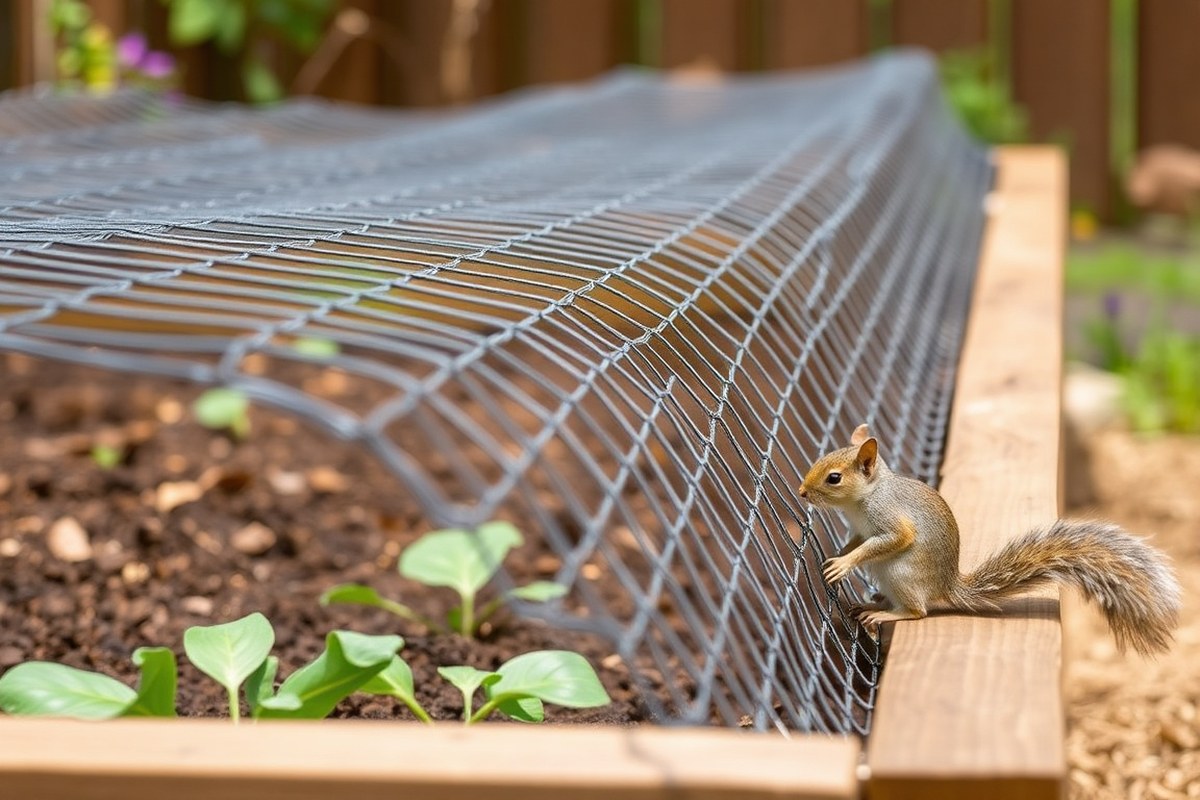
Create a fence at least 2 to 3 feet tall to keep squirrels off. Bury wire mesh six inches underground to stop them from digging under it. Attach covers or netting to protect plants from above, so squirrels can’t jump in.
Start by checking your garden for easy squirrel launch spots near fences or yard decorations. Trim these back about 8 to 10 feet away and consider adding smooth guards to poles. This cuts off their access and prevents jumping into beds.
Key Takeaways
- Install a 2-3 foot high fence using chicken wire or hardware cloth around beds.
- Bury edges of wire mesh at least 6 inches below the soil for digging squirrels.
- Cover raised beds with garden netting attached securely using metal clips.
- Keep trellises, fences, and yard decor at least 8-10 feet from garden beds.
- Add smooth baffles to feeder poles to stop squirrels climbing them.
- Rotate deterrent methods regularly to reduce squirrels’ habits to one tactic.
1. Physical Barriers: Build Secure Fences and Covers

Keep squirrels out of raised beds with barriers like hardware cloth or garden netting. Bury fence edges 6 to 12 inches deep to prevent digging under. Use fences or covers about 2 feet tall or higher to block squirrel jumps.
Choosing the Right Barrier Materials
Pick wire mesh with openings between 1/4 inch and 1/2 inch. Smaller holes stop squirrels from squeezing through or reaching in. Hardware cloth is tougher and lasts longer than chicken wire, which may bend or break.
Garden netting works well for covering beds but needs a sturdy frame or support. Avoid flimsy materials that squirrels can tear or push down. Choose rust-resistant wire or plastic-coated mesh for durability.
Installing Buried Hardware Cloth Correctly
Dig a trench about 6 to 12 inches deep around your raised bed edges. Place hardware cloth vertically inside a trench. Fold a 6-inch apron outward under the soil.
This stops squirrels from digging under the barrier. This apron stops squirrels from digging under and sneaking in.
Backfill the trench tightly to hold the cloth firm and flush with soil. Test the barrier by digging nearby to check for gaps. Add landscape staples or stakes to secure hardware cloth against wind or animal pressure.
- Measure the perimeter of the raised bed for enough hardware cloth.
- Dig a trench 6 to 12 inches deep and 6 inches wide along edges.
- Press hardware cloth vertically into trench, bend bottom apron outward.
- Backfill soil firmly over apron and against wire mesh.
- Secure the hardware cloth top edges to raised bed frame with staples.
- Check for loose spots or holes and repair promptly.
Fencing Height and Support Tips
Build fences or covers about 2 feet tall to block squirrels’ jumping ability. Taller fences may be needed if squirrels jump from nearby trees or structures. Use sturdy posts spaced every 4 to 6 feet for good support.
Make sure fence tops are stable and gap-free to prevent squeeze-through spots. Install a vertical lip 3 to 6 inches below soil along fence bases. This closes gaps where squirrels could dig.
It strengthens fence protection. Match the fence footprint exactly to the bed edges for best coverage.
Covering Raised Beds with Netting or Cages
Build a wood or PVC frame over your raised bed. Wrap it tightly with 1/4-inch hardware cloth mesh. This keeps squirrels out while letting sunlight in.
Snap-on or hook-and-eye latches on the frame let you open it easily for planting and harvesting. Pick clearance height based on plant size.
Use 6 inches for small plants. Use 18 inches for taller vegetables.
Use netting over hoops for quick garden covers. Watch out for sagging netting that squirrels can slip under. Tighten netting to keep squirrels out.
Tighten netting edges and weigh them down or fasten with landscape staples. Replace torn or damaged sections quickly to keep squirrels out long term.
2. Natural Repellents and Scents That Squirrels Hate
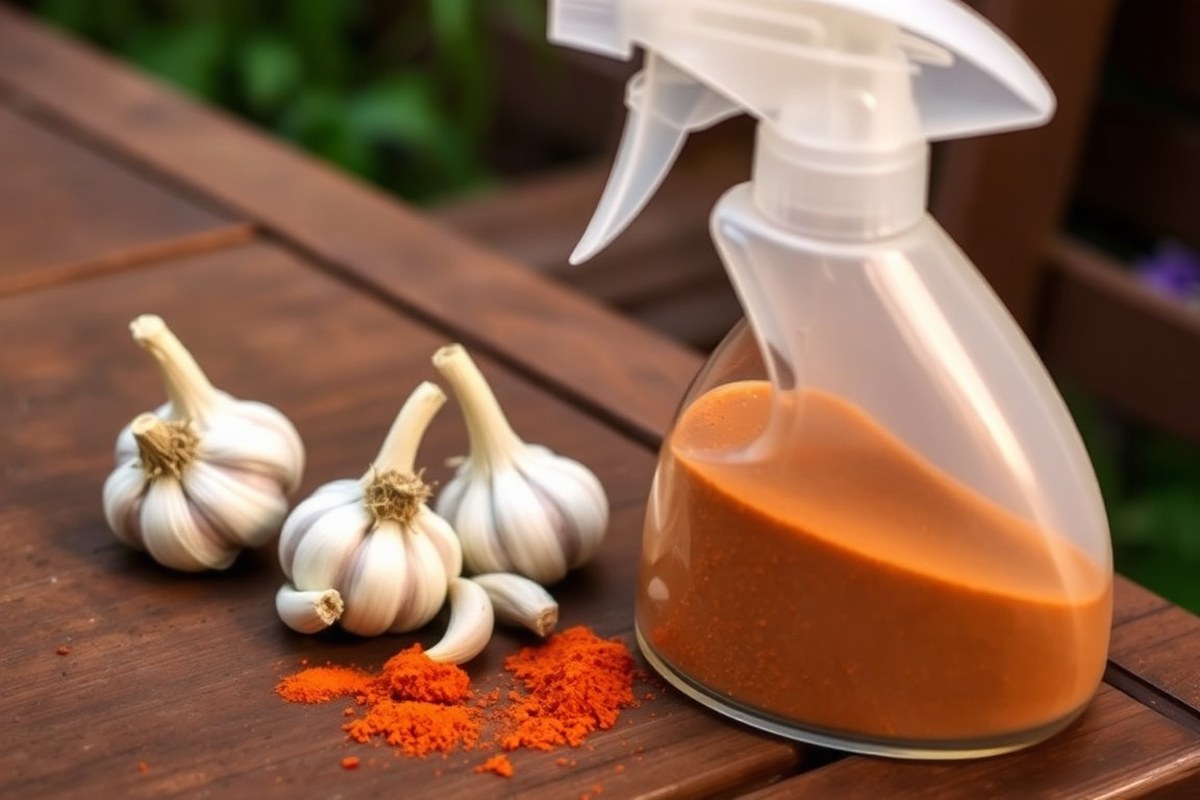
Squirrels dislike strong natural scents like peppermint, garlic, and chili peppers. You can sprinkle hot pepper flakes around your raised garden beds to deter them.
Capsaicin comes from chili peppers and irritates squirrels’ noses. It keeps squirrels away without hurting your plants.
Essential oils, such as peppermint, clove, and eucalyptus, work well to repel squirrels. Mix 10 to 15 drops of oil with 2 cups of water. Add a teaspoon of mild dish soap and stir well.
Spray the mixture around your raised bed edges once a week for best results. Reapply after heavy rain to keep the scent strong.
Another homemade spray combines crushed garlic cloves and chili powder. Crush 10 garlic cloves and add 1 tablespoon of chili powder. Soak them in 2 cups of water overnight.
Strain the mixture to remove solids. Spray carefully on soil and stems.
Avoid spraying edible plant parts directly. This blend provides a lasting, natural squirrel deterrent.
Rotate different repellents weekly to avoid squirrels getting used to any one scent. Start by applying your spray or flakes around the perimeter, then extend coverage as needed.
You’ll see fewer bite marks and less disturbed soil in about a week. This happens if squirrels don’t like the smell.
Keep in mind that strong scents might irritate pets or kids nearby. Always put deterrents where squirrels can’t reach. Avoid spraying on plants you use a lot for cooking.
Most natural repellents don’t harm plants. But test the spray on a small leaf first to ensure no damage.
Store essential oils in a cool, dark place. Never apply undiluted oils near edible plants or pets.
3. Identifying and Interpreting Signs of Squirrel Activity
Squirrels often leave clear signs when they invade raised garden beds. Look for digging spots where soil appears freshly turned or scattered. These critters target seeds, bulbs, and vegetables, especially around the edges or loose soil spots.
Bite marks on fruits, vegetables, and seedlings are another strong hint. Squirrels have sharp front teeth. Their bites look smooth and clean.
Other pests, like rabbits, leave ragged edges. You’ll also find tiny footprints or tail drag marks in soft soil or mud nearby.
They dig in loose, easy soil. Squirrels work mostly early morning. They also dig late in the afternoon.
These periods let them avoid heat and predators. Damage intensity can grow fast since squirrels are persistent, returning multiple times a day if undisturbed.
- Freshly dug soil or small holes scattered on raised bed surfaces
- Clean bite marks on fruits, bulbs, and plant stems
- Small squirrel footprints or tail drag marks near beds
- Chewed seed casings or empty holes where seeds were planted
- Scattered plant debris, especially near corners or edges of the bed
- Unexplained missing bulbs or seedlings
- Scratches on wooden frames or nearby tree branches used as launch pads
Spotting these signs quickly lets you act before the damage grows. Start by checking your garden early and late each day.
When you see fresh digging or bite marks, cover plants or add barriers immediately. Closing off launch pads like nearby trees or poles reduces new visits.
Distinguishing squirrels from other pests matters. Rabbits leave ragged munch marks, while birds peck more than dig.
Chipmunks dig too, but they prefer scattered small holes, unlike squirrels’ focused patches. This helps decide the best method to protect your raised beds.
4. Planting Strategies: Squirrel-Resistant and Companion Plants
Lavender and rosemary are two plants squirrels tend to avoid because of their strong scents. Including these plants near your raised garden beds can help keep squirrels away. You can plant them along the edges or corners to create a natural scent barrier.
Companion planting works well when you place squirrel-repelling plants next to vulnerable vegetables. Alliums like garlic and onions give off smells squirrels dislike. Planting these near lettuces or beans can reduce squirrel interest.
Mint and catnip also work, but they spread fast. So plant them in pots or contained areas.
Some vegetable varieties attract fewer squirrels. Squirrels often avoid hot peppers and snap peas. Incorporate these into your garden mix to lower damage risk.
Adding flowers like marigolds and daffodils around your raised bed acts as a scent barrier, too. Marigolds, in particular, have a strong smell that many small animals find annoying.
Plant your deterrent plants early in spring, right when you get your garden ready. This timing lets their smells get strong as your main crops grow. Doing this means squirrels encounter those scents first and think twice about coming near.
Arrange your garden with a mix of repelling plants along the edges, especially in raised beds. For example, plant lavender at each corner and garlic in rows beside your vegetables.
Adding marigolds around the outside of the bed helps block squirrels from jumping in. Keep mint or catnip in containers nearby, so they don’t overtake your space.
Don’t expect a single plant to stop squirrels completely. Use these together with other methods for best results.
When plants are healthy and mature, their scents get stronger and protect better. Young plants may still be at risk until they grow bigger.
5. Using Electronic and Motion-Activated Deterrents
Motion-activated sprinklers, ultrasonic devices, and lights can help scare squirrels away from raised garden beds. Each works differently and fits some setups better than others. Using these devices with other methods gives the best chance to protect your plants.
Motion-Activated Sprinklers
These sprinklers use sensors to detect squirrel movement near your garden bed. They spray water suddenly, which startles squirrels and makes them leave. You plug them in or use batteries, and they only activate when something moves.
Position sprinklers where squirrels most often enter or run near your garden. Point the water spray toward paths, not directly on plants to avoid damage. They work best where squirrels have clear paths and no easy hiding spots.
Motion-activated sprinklers cost about $40 to $70 and need refills if they hook to a hose. They may stop working if squirrels get used to the water. Weather can also block the sensor’s performance.
Both situations reduce the device’s effectiveness. Running all day in wet seasons also might waste water.
Ultrasonic and Sound Devices
Ultrasonic devices emit high-frequency sounds that squirrels find annoying, driving them away. These sounds are mostly inaudible to humans.
So they won’t bother you or your neighbors. You plug some devices in, while battery models offer flexible placement in your garden.
Place ultrasonic devices near raised beds or known squirrel entry points. Aim for open spots so sound travels without obstacles like thick leaves or walls. You may need several units to cover larger gardens or block all paths squirrels use.
These devices cost between $30 and $80. Their success varies; squirrels can get used to the sound over time.
Ultrasonic devices work better paired with physical or scent barriers. They’re less helpful for gardens surrounded by thick foliage blocking sound waves.
Lighting and Visual Scare Tools
Motion-sensor lights can surprise squirrels at night but are less effective during bright daylight. Flashing lights or reflective objects may also scare some squirrels temporarily. These tools help most when combined with sprinklers or sound devices.
Place lights where squirrels travel or near entry points. Bright LED floodlights work well for nighttime activity. Reflective tape or old CDs hung near plants add extra visual disturbance during the day.
Visual deterrents cost from a few dollars for tape to $30 or more for motion lights. These tools often work best as part of a bigger squirrel control plan. They rarely keep squirrels out on their own for long periods.
Below is a simple table comparing electronic deterrents. It shows how these devices work. It also shows the best places to use them.
| Device Type | How It Works | Best for | Drawbacks | Approximate Cost |
|---|---|---|---|---|
| Motion-Activated Sprinklers | Sprays water when motion detected | Clear paths, light cover areas | Can waste water, squirrels may get used to it | $40, $70 |
| Ultrasonic Devices | Emits high-frequency sound to annoy squirrels | Open areas, few obstacles | Effectiveness varies; squirrels can habituate | $30, $80 |
| Lighting and Visual Tools | Surprises or confuses squirrels with lights or reflections | Nighttime and daylight visual disruption | Less effective alone; works best combined | $3, $30+ |
For best results, place motion deterrents carefully where squirrels most often pass. Combine different devices and physical barriers to stop squirrels from adapting. Turn off sprinklers or sound devices during heavy rain or windy days to save resources.
Test your devices in the evening or early morning. Those are the times squirrels are most active. This helps check if the coverage is good.
6. Preventing Attraction: Remove Food and Launch Pads
Squirrels go after raised garden beds because they find easy, nutritious food there. These beds often hold seeds, veggies, and fruits that squirrels love. They climb in quickly because the beds are off the ground.
This makes it easy for them to reach snacks. They waste no time getting inside.
Clearing away spilled food and seed from the garden area cuts down squirrel visits. Bird feeders nearby can scatter seeds, which attract squirrels even more. Removing drop seeds or switching feeders to ones with squirrel-proof designs helps a lot.
Place feeders at least 10 feet away from fences or trees. This keeps squirrels from jumping and reaching the food easily. Measure carefully to keep them out.
Nearby jumping points make reaching raised beds simple for squirrels. Branches, fences, or garden furniture close by serve as “launch pads.” Trim tree branches so none hang within 4 to 6 feet of your raised beds.
Keep fences and other structures more than 10 feet away from beds. You can also block off nearby structures to stop squirrels. This prevents them from jumping in.
Keeping your garden’s perimeter well maintained also stops squirrels. Regularly rake up fallen fruit, nuts, and plant debris to deny squirrels leftover snacks. A maintenance schedule every week or two saves you time and effort later.
Sweep up seed spills, fallen leaves, and nut shells around the garden. This reduces how much squirrels are attracted to the area. Keep the garden tidy to help.
Some gardeners spray a mix of water and natural repellents around beds to discourage squirrels. This adds another layer of protection where food remnants can’t be removed fully. With consistent cleaning and trimming, raised beds become less tempting and harder for squirrels to access.
7. Best Practices for Timing and Garden Planning
Start your squirrel-proofing by early spring as bulbs begin to sprout. Rotate crops each season to reduce squirrel interest and stress your plants less. Apply repellents and check barriers regularly, especially after weather changes or plant growth shifts.
Starting Early Before Planting
Begin protection in mid to late winter by setting up barriers before soil warms. Most US areas suit planting bulbs and seedlings from late February. This period lasts to mid-March.
It’s good for early crop success. This timing keeps squirrels from settling in and damaging plants once they start growing.
Setting up deterrents early lets squirrels learn your garden is off-limits. Early protective measures can reduce visits during peak spring planting. Prepare decoy food spots far from raised beds to redirect squirrels safely.
Mid-Season Maintenance and Reapplication
Inspect fences and repellents every few weeks during the growing season. New plant growth can break barriers or reveal gaps squirrels exploit. Replace repellents and natural sprays when their smell fades.
This usually happens every 2 to 4 weeks. Resetting keeps them working well.
Crop rotation discourages squirrels by changing the food supply rhythm. Rotate nuts and fruits with vegetables squirrels like less to avoid attracting consistent activity. Keep decoy feeding stations stocked to keep squirrels away from crops.
End-of-Season Cleanup and Prep
After harvesting, remove fallen fruits and nuts that attract squirrels through fall. Clear away decoy stations to avoid drawing squirrels near your garden in winter. Store repellents properly for reuse next season.
Prepare beds for next spring by repairing fences and updating planting plans. Remove any damaged screens or stakes to prevent squirrels from exploiting weak spots next year. Early prep reduces damage during the next growing cycle.
- Install physical barriers and set up decoy feeding stations before planting.
- Apply natural repellents or sprays early, about two weeks before seedlings emerge.
- Inspect barriers biweekly during the growing season for holes or sagging.
- Reapply repellents or scents every 2 to 4 weeks for continued effect.
- Rotate crops each season, alternating nuts, fruits, and vegetables.
- Clear garden debris and fallen fruits promptly after harvest to remove attractants.
- Store repellents and repair fences during the off-season.
- Plan for early protection next spring based on notes from the past season.
8. Common Mistakes and How to Fix Squirrel-Proofing Failures
Gaps in fencing or netting often let squirrels slip into raised garden beds. Check corners, edges, and places where fencing meets the ground. Even small openings under 1 inch wide can give squirrels a way in.
Repellents often lose their punch if you apply them only once or in dry weather. Many scents fade within a few days, especially after rain or watering. Rotate repellents weekly and reapply after heavy rain to keep squirrels guessing.
Look for signs like dug-up soil spots or fresh gnaw marks to find weak points. Test suspected gaps by trying to push a stick or narrow tool through. Seal holes tightly with hardware cloth or strong mesh for lasting defense.
Combining a sturdy fence with frequent repellent use often blocks most squirrels effectively.
- Secure all fencing tightly, bury edges 3 to 6 inches underground
- Inspect daily for new holes or loose spots, especially after storms
- Reapply repellents weekly, especially after rain or irrigation
- Use a mix of physical barriers and repellents to avoid reliance on one method
- Remove nearby branches or structures squirrels use as launch pads
- Adjust coverage gradually; increase barriers if squirrels keep returning
Repeat visits mean you may need to add layers of protection. Adding motion-activated deterrents between the fence and garden can help.
Change repellent types if the squirrels stop reacting. So they don’t get used to one scent or taste.
Keep track of which methods you try and their timing. That way you spot patterns and gaps in your approach. Outsmarting about 25 squirrels in your neighborhood takes persistence.
These squirrels could visit your garden every day. Keep at it to protect your plants.
Step-by-Step Action Plan to Keep Squirrels Out of Raised Garden Beds
Follow this plan to secure your garden and stop squirrel damage fast. Each step shows when to act and how to check success.
- Before you start: Clear all food scraps and store seeds in sealed containers. This removes easy squirrel food and attracts fewer pests.
- Day 1: Build a wire mesh fence at least 3 feet high around your raised beds. Check that it has no gaps wider than 1 inch to block squirrels.
- Day 2: Install motion-activated sprinklers or lights around your garden edge. Watch for fewer visits in the next 3 days.
- Day 3: Plant squirrel-resistant herbs like rosemary and mint between your vegetables. Note if squirrels avoid those areas after a week.
- Week 2: Sprinkle natural repellents like cayenne pepper or garlic powder on soil and plant bases. Check plant damage after several days.
- Week 3: Cover your beds with bird netting. Use wire mesh covers too. These block squirrels from reaching your plants. Confirm no fresh digging or bite marks.
- After 4 weeks: Inspect the whole setup weekly for weak spots or new squirrel signs. Repair fences and reapply repellents as needed.
- Monthly: Maintain the garden by removing fallen fruit or spilled birdseed. This keeps squirrels from coming back.
Frequently Asked Questions
What Is the 5 7 9 Rule for Squirrels?
The 5 7 9 rule means spacing your plants in groups. Use groups of 5, 7, or 9 plants together.
This helps confuse squirrels trying to get at them. This helps keep squirrels from easily finding and digging up seeds in raised garden beds.
What Do Squirrels Hate the Most in the Garden?
Squirrels hate strong smells like garlic, cayenne pepper, and peppermint in the garden. Using these scents around your raised garden beds can help keep squirrels away naturally.
What Repels Squirrels Immediately?
Motion-activated sprinklers repel squirrels immediately by spraying water when they get near. This sudden surprise makes squirrels avoid your raised garden beds quickly.
What Repels Squirrels from a Vegetable Garden?
Natural repellents like hot pepper spray and predator urine usually deter squirrels from vegetable gardens. Applying these around raised garden beds discourages squirrels from digging and eating plants.
Can Squirrels Climb Raised Garden Bed Fences?
Yes, squirrels are good climbers and can scale low fences easily. Use a fence that’s at least 3 feet tall around your garden.
Make sure its surface is smooth to stop squirrels. A smooth fence slows squirrels down and keeps them out.
Do Squirrel Repellents Harm Beneficial Insects?
Most natural squirrel repellents don’t harm bees or ladybugs. Harsh chemical sprays can harm helpful insects in your garden.
It’s better to use mild sprays on raised garden beds. Mild deterrents protect your plants without hurting good bugs.
Before You Go
Stopping squirrels means combining several smart steps and staying consistent. Start by securing food and building your fence today.
Keep checking and fixing. Your garden will stay safer for your plants and your peace of mind.