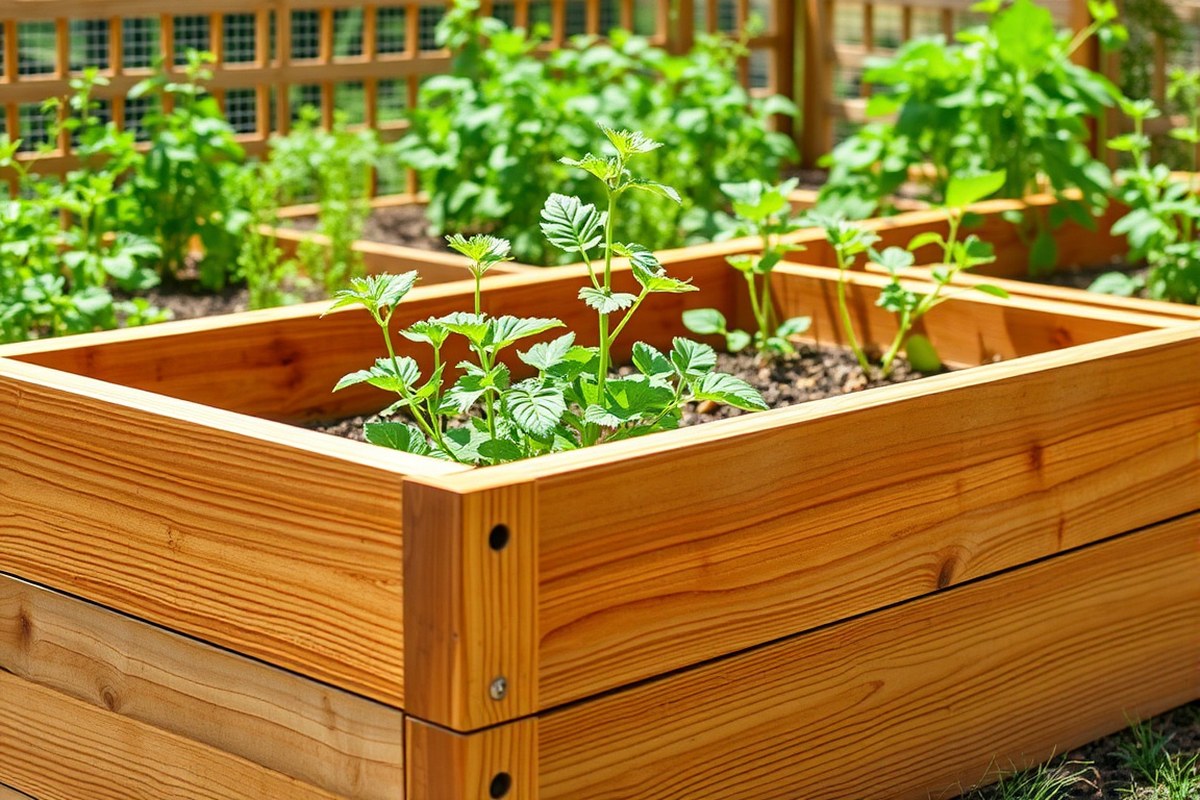
Is Treated Wood Safe for Gardens? A Complete Guide with Key Safety Tips
Is treated wood safe for gardens? Yes, modern treated wood is generally safe to use around plants and soil. The Environmental Protection Agency banned arsenic-based chemicals in 2003.
They replaced those with copper-based treatments. These new treatments are less harmful. This means you can use pressure-treated wood in raised beds with less worry than older materials.
Still, treated wood contains chemicals to resist rot and insects, so take precautions. Avoid letting wood touch edible parts directly or using it where roots grow heavily. Sealing the wood helps stop chemicals from leaching into soil.
Lining the bed with plastic also helps. Both methods reduce chemical exposure in your garden.
Picking the right type matters. Wood treated with ACQ or copper azole lasts 20 to 40 years in garden use. Knowing this helps you plan for durability and safety at the same time.
Key Takeaways
- Use modern ACQ or copper azole treated wood for safer garden beds.
- Seal treated wood or line garden beds to reduce chemical contact.
- Avoid direct contact between treated wood and roots or edible plants.
- Look for wood rated UC4A or UC4B for ground contact durability.
- Replace traditional untreated wood every 5 to 8 years to prevent rot.
- Understand that older treated wood may contain arsenic and avoid using it.
Is Treated Wood Safe for Vegetable Gardens and Raised Beds?

Modern pressure treated wood is safe for vegetable garden beds. This especially applies to types labeled ACQ or copper azole. The EPA banned arsenic-based CCA wood in 2003 due to health risks.
ACQ and copper azole contain copper compounds. They are not hazardous, according to agricultural extension services.
You can safely build raised beds with these modern treated woods if you take some precautions. Line the inside of the garden bed with heavy plastic. You can also use landscape fabric.
This goes before adding the soil. The barrier helps lower the chance of chemicals leaking into your soil. This protects where your vegetables grow.
Many gardeners worry that treated wood might contaminate plants or soil. Copper treatments can release small copper amounts over time. Using a lining and changing soil helps keep levels safe.
Washing your homegrown fruits and vegetables before eating is easy. This lowers risks from any dirt residues.
Using older CCA treated wood in vegetable gardens is not recommended because of the arsenic content. Avoid any treated wood made before 2004. This includes used or reused boards.
Modern treated wood costs about $15 to $30 per 8-foot board. Price varies with size and wood grade. It suits most raised bed projects.
Some gardeners skip treated wood entirely to avoid chemicals altogether. But modern treatments offer good durability and protection against rot. Raised beds using ACQ or copper azole wood last 10 to 20 years.
Proper care helps them last that long. Untreated wood may rot faster, costing more to replace over time.
You can safely use modern pressure treated wood in gardens. Just choose current chemical types and add a soil barrier. Avoid older treated wood.
Take care to wash produce from raised beds. Replace soil periodically for the best results.
How Do Treated Wood Chemicals Affect Soil and Plants?

Treated wood often contains chemicals that help protect it from rot and insects. Older wood used chromated copper arsenate (CCA), which contains arsenic. This chemical can leach into soil and pose risks to plants and humans.
Modern treated woods usually use alkaline copper quaternary (ACQ) or copper azole (CA). These chemicals are less toxic than CCA but still can leach copper into the soil. The amount of copper varies but can increase near the wood edges.
Copper buildup can affect soil quality by potentially harming delicate soil microbes. Plants growing close to treated wood may absorb small amounts of these chemicals. Root vegetables, which grow in direct soil contact, are at higher risk of contamination.
Leaching depends on soil type, moisture, and age of the wood. Wet soils encourage more chemical leaching.
Acidic soils may also increase leaching compared to alkaline soils. The risk lessens as the wood ages and chemicals wash out.
Stapling heavy plastic inside your raised bed helps keep chemicals from reaching your soil and plants.
For edible plants, avoid using wood treated with CCA or old railroad ties treated with creosote. These contain harmful compounds that can contaminate produce. Choose wood labeled safe for ground contact.
Look for types like ACQ or CA. These lower risks for your garden.
Line garden beds with thick plastic or landscape fabric. This adds a barrier. It protects soil and roots.
This method keeps plants safe while still allowing you to use treated wood for structure. Expect this extra step to add around $10 to $20 for plastic sheeting depending on size.
Treated wood slowly leaches chemicals into nearby soil over time. Using barriers reduces contamination but does not always eliminate it completely. Grow sensitive or root crops?
Pick untreated or naturally decay-resistant wood. This protects your harvest.
Common Types of Treated Wood and Their Garden Safety
Treated wood used for gardens comes in a few main types. Some are safer for garden beds, while others you should avoid completely. Knowing what type of wood treatment you have is helpful.
It guides how you protect your plants and soil. Handling your wood correctly keeps garden soil safe.
Chromated Copper Arsenate (CCA) and Its Risks
CCA was once the most common type of treated wood for outdoor uses. It contains arsenic, chromium, and copper, which are toxic chemicals that can leach into soil. This makes CCA unsuitable for vegetable or flower beds.
The EPA banned residential use of CCA-treated wood in 2003 because of those risks. You should never use old CCA wood in garden beds, or anywhere near edible plants. It’s safer to remove and properly dispose of any CCA wood you find in your yard.
Alkaline Copper Quaternary (ACQ) and Copper Azole (CA)
Modern treated wood often uses ACQ or CA chemicals instead of arsenic. Both rely on copper compounds that protect wood from fungi and insects. They’re widely sold for decks, fences, and garden beds.
Use ACQ or CA wood in raised beds with care. Line inside walls with plastic or landscape fabric first. This stops chemicals from reaching your garden soil.
This barrier limits direct soil contact to keep chemicals from leaching. Also, seal any cut ends with paint or wood sealer to reduce exposure.
Other Types: Micronized Copper Azole and Alternatives
Micronized Copper Azole, or MCA, is like ACQ and CA. It uses very fine copper particles to soak deep into wood. This helps protect the wood longer.
It’s considered about as safe for garden use as the other copper-based types. All copper-based treated woods benefit from lining and sealing when used in beds.
You can choose cedar, redwood, or recycled plastic lumber. These options avoid the chemicals in treated wood. They also last well outdoors.
These often last well outdoors without treatment and remove any chemical leaching concern. Metal or concrete blocks also work for sturdy beds.
Here’s a quick look at common treated wood types and their garden safety:
| Treatment | Typical Label or Use | Garden Takeaway |
|---|---|---|
| ACQ (Alkaline Copper Quaternary) | Ground contact, deck, fence | Treated wood is okay for garden beds. Adding a plastic or fabric liner protects the soil from chemicals. Liners keep your plants safe. |
| CA or MCA (Copper Azole, Micronized CA) | Ground contact, deck, fence | Fine for beds; line walls and seal cut ends |
| MCQ (Micronized Copper Quats) | Ground contact | Similar to ACQ in use and care |
| CCA (Chromated Copper Arsenate) | Industrial posts, pilings | Keep out of food beds entirely |
| Creosote ties | Railroad ties | Not recommended for garden use |
You can use ACQ, CA, or MCA treated wood safely. Just add liners inside the bed walls. Also, seal any wood cuts to stop leaks.
Avoid CCA and creosote-treated wood entirely for planting areas. Be careful when working with treated wood.
Wear a mask when cutting to avoid breathing in dust. Handling wood safely protects your health.
How Long Does Treated Wood Last in Garden Applications?
Treated wood can last between 10 and 40 years in garden use. ACQ pressure-treated wood rated for ground contact typically holds up for 20 to 40 years. Wood type and environmental exposure are the main things that shape how long it lasts.
For example, cedar and redwood resist rot well and last about 10 to 20 years outside. Black locust is hardwood and can endure 20 to 30 years without treatment. Composite lumber also lasts long, often 25 to 50 years.
But it costs more than wood. Proper maintenance like sealing extends life further.
Wood exposed directly to soil and harsh weather breaks down faster without care. Moist, humid conditions speed up rot and insect damage. Using a sealant slows decay in treated wood.
Adding a plastic liner between wood and soil helps too. This limits chemical leaching into the ground. Without these steps, pressure-treated wood may last only 10 to 20 years in harsh garden conditions.
Sun, rain, and temperature swings cause wood to expand, crack, and degrade over time. A shaded, protected spot usually keeps wood in better shape.
Raised beds using treated wood with liners last longer since soil stays off the wood’s surface. This slows moisture absorption and insect attacks.
Choosing the right type of wood for your garden project helps balance cost and durability. Softwoods like pine need treatment to last in gardens.
Hardwoods like black locust last 20 years or more untreated but cost more upfront. Treated wood’s lifespan is usually much longer than untreated lumber, often by 10 to 40 years.
Best Practices for Using Treated Wood Safely in Gardens
You can use treated wood safely in your garden with a few simple steps. Always protect soil from direct contact by using liners. Seal any cut ends on your wood.
Keep the wood well maintained. This helps extend its life and lowers risks.
Lining the Bed and Sealing Cut Ends
Place a thick plastic liner inside your raised beds to stop chemicals from touching soil. Use pond liner or heavy plastic sheets, leaving drain holes at the bottom. Cover soil contact areas completely to block preservative migration.
Seal all cut or drilled ends with a water-based end-grain wood sealer. Reapply sealer whenever you refresh or extend the bed. It protects vulnerable wood parts from absorbing moisture and chemicals.
Using a liner and sealing cut ends keeps both plants and soil safer. This step lowers chances of preservative chemicals leaching into your garden soil over time.
Choosing the Right Fasteners and Fixings
Use hot-dip galvanized or stainless steel screws and nails with treated wood. These resist rust and corrosion better than regular steel fasteners. Matching your fastener type to the wood’s preservative helps avoid early failure.
Pick exterior-grade fasteners labeled safe for use with pressure-treated lumber. Avoid plain steel or iron fasteners that may corrode and weaken structures. Using the right fixings makes your beds last longer and stay stable.
Regular Maintenance and Resealing Tips
Check wooden beds at least once a year for splits, damage, or signs of wear. Repair damaged sections promptly to prevent water ingress and decay. Sand rough or splintered areas before resealing to prepare surfaces.
Reapply an outdoor-rated sealant or water repellent every 2 to 3 years. Focus on exposed faces and cut ends. Proper resealing keeps moisture out and slows wood breakdown in your garden beds.
Maintain liners carefully and replace if they tear or degrade. Good upkeep reduces risks and helps your treated wood last up to 15 years or more.
Use liners that fit snugly inside the bed and remember to leave drainage holes.
Follow these steps to prepare treated wood beds carefully:
- Measure and cut your treated wood pieces to size.
- Apply an end-grain sealer to all cut or drilled wood ends.
- Install a heavy plastic or pond liner inside the bed frame.
- Leave drainage holes in the liner to prevent water pooling.
- Assemble the wooden frame with galvanized or stainless fasteners.
- Place soil over the liner, avoiding direct wood contact.
- Inspect the bed yearly for damage and reseal wood surfaces.
- Replace liners if damaged to maintain a safe barrier.
Safer Alternatives to Treated Wood for Garden Structures
Choosing materials for garden structures means balancing safety, durability, and cost. Natural woods like cedar, redwood, and fir resist decay without chemicals, making them good options.
These woods can last several years in soil without treatment. But they often cost more than treated lumber.
Composite materials mix wood fibers with recycled plastics. They look like real wood and won’t leach chemicals into the soil.
These boards need sturdy framing because they can bow when holding wet soil. Concrete blocks are another alternative, great for durability but less flexible in shape and style.
Alternatives make sense when you want to avoid chemical exposure near edible plants. Also consider them if your area restricts treated wood for organic gardening.
Natural rot-resistant wood fits well in beds for flowers or shrubs. Composites suit decorative or heavier structures.
| Material | Rot Resistance | Chemical Risk | Durability (Years) | Typical Cost | Suitability |
|---|---|---|---|---|---|
| Western Red Cedar | High | None | 15-20 | $$$ | Raised beds, edging |
| Redwood | High | None | 15-25 | $$$ | Raised beds, planters |
| Douglas Fir (untreated) | Moderate | None | 5-10 | $$ | Temporary garden beds |
| Composite Boards | Very High | None | 20+ | $$$ | Raised beds, garden edging |
| Concrete Blocks | Very High | None | 30+ | $$ | Retaining walls, raised beds |
To pick the right alternative, decide how long your garden structures must last. Cedar and redwood cost more but hold up well without chemicals. Composite boards last longest and avoid all chemical worries but need good support to avoid warping.
Concrete blocks provide maximum durability but require more effort to stack and secure. Use untreated fir if you want to save money. It may last only a few years.
You might need to replace your beds more often. Pick a material that matches your garden’s style.
Also, consider how much upkeep you want. Choose something that fits your time and look.
How to Identify and Avoid Unsafe Treated Wood in Garden Projects
Old treated wood with CCA can be harmful in your garden. You can spot it by its color, age, and labels that show chemical use. Buying wood with clear garden-safe marks helps you avoid risks and protect plants.
Recognizing Color and Age Clues
Old CCA-treated wood usually has a greenish tint from copper chemicals. It may fade or show rusty spots where the chemicals react over time. Fresh treated wood often looks brown or tan, not greenish.
Wood made before 2004 likely contains CCA, so check its age if you can. Weathered pieces from decades ago often mean higher chemical risks. Avoid using that wood inside raised beds that hold vegetables.
Understanding Labeling and Certifications
Find labels that say “safe for garden use” or specify “ground contact” treated wood. Look for tags with AWPA (American Wood Protection Association) or EPA compliance codes. These confirm the wood meets legal safety standards.
Safe garden wood uses newer treatments like ACQ or CA, not CCA. The label should list the chemical type or say “low environmental impact.” Don’t use wood without these clear notes for any food-growing project.
Buying Tips for Reputable Sources
Buy pressure-treated wood from large home improvement stores or garden centers. They usually stock wood tested and approved for outdoor plant use. Avoid secondhand or unknown sources unless you confirm treatment type and age.
Ask the seller about treatment chemicals and look for printed info on the wood or packaging. Some suppliers sell wood marked specifically for vegetable gardens or raised beds. These options cost a bit more but are safer for your plants.
- Check for the greenish tint to spot older CCA wood
- Confirm the manufacture date or ask if unsure
- Look for AWPA or EPA certification labels
- Choose wood labeled “safe for garden use” or “ground contact”
- Buy from trusted garden centers or big home stores
- Avoid unknown sources without clear chemical info
- Prefer newer treatments like ACQ or CA for safety
Safe wood protects your garden soil and plants from harmful chemicals. Take time to check colors and labels before you buy. Using the right wood avoids costly garden problems and health concerns later.
Disposal and Environmental Concerns with Treated Wood in Gardens
Do not compost treated wood scraps in your garden compost. The chemicals in treated wood can leach into your compost and harm plants. Keeping compost chemical-free protects your soil and crops from contamination.
Burning treated wood releases toxic chemicals and heavy metals into the air. These pollutants are harmful to humans, pets, and wildlife. It’s safest to avoid burning treated wood altogether to reduce health risks and environmental damage.
Dispose of treated wood at your local landfill. Make sure the site accepts construction materials. You can also use a recycling center that handles treated wood.
Some areas offer special drop-off events for treated wood disposal. Always check with your local waste authority for specific rules and fees, which can vary widely.
Before disposal, seal any cut ends of the treated wood with a brush-on end sealer. This prevents chemical leaching during storage or transport. Handling treated wood like this reduces environmental risks and keeps chemicals contained.
Never burn treated wood. It releases chemicals that are dangerous to breathe and pollute the air.
Step-by-Step Action Plan for Using Treated Wood in Your Garden
Follow these steps to use treated wood safely and wisely in your garden beds and structures. Each step helps you protect your plants and soil while getting lasting support from the wood.
- Before You Begin: Choose untreated or safer treated wood types like ACQ or CA-C. Check the label or ask the supplier.
- Day 1: Lay a heavy plastic liner between soil and the treated wood in raised beds. Look for full coverage without gaps.
- Week 1: Seal exposed wood edges and cut ends with paint or waterproof sealant. Check for even coverage and dryness before planting.
- Month 1: Avoid planting root vegetables directly next to treated wood. Move root crops at least 12 inches away and confirm plant health.
- Ongoing: Monitor soil near wood for changes in plant growth or soil condition. Adjust watering and mulch as needed.
- Before Disposal: Remove soil and organic debris from wood surfaces. Dispose of treated wood according to local hazardous waste rules.
Frequently Asked Questions
Can Treated Wood Leach Chemicals into Water Used for Garden Irrigation?
Some treated wood can release small amounts of chemicals. Use a water barrier or avoid direct water contact with the wood. This helps keep irrigation water safe for plants.
Does Treated Wood Affect Earthworms and Beneficial Soil Insects?
Modern treated wood tends to have minimal impact on earthworms. Still, avoid decaying or old treated wood that may harm helpful soil creatures. Healthy soil insects improve garden growth.
Is It Safe to Compost Soil Near Treated Wood Structures?
Composting near treated wood is usually safe with modern wood types if kept dry. Moisture may increase chemical leaching, so placing compost away from wood prolongs safety. Check wood type before composting nearby.
Can Treated Wood Be Sealed to Improve Garden Safety?
Yes, sealing treated wood reduces chemical exposure to soil and plants. Reapply sealant every 1 to 2 years, especially after heavy rain. This adds a protective layer and extends wood life.
Does Weathering Reduce Chemical Risk from Treated Wood in Gardens?
Weathering can reduce surface chemicals over time, but it doesn’t eliminate deeper residues. Use barriers or liners between wood and soil to manage risk long term. Weather exposure alone isn’t enough.
Should Treated Wood Be Avoided for Garden Projects with Children?
Treated wood labeled safe for gardens is generally okay if handled well. Teach kids not to eat soil near wood or chew the wood. Proper care reduces exposure to chemicals.
Wrapping Up
Treated wood can be safe for your garden beds and structures. You must pick the right type for garden use. Handle it carefully to avoid any risks.
Protect soil and plants by lining beds and sealing wood surfaces. Start with finding safer wood and plan your garden layout around it.