What Is Plant Food: Complete Guide to Feeding Plants for Healthy Growth
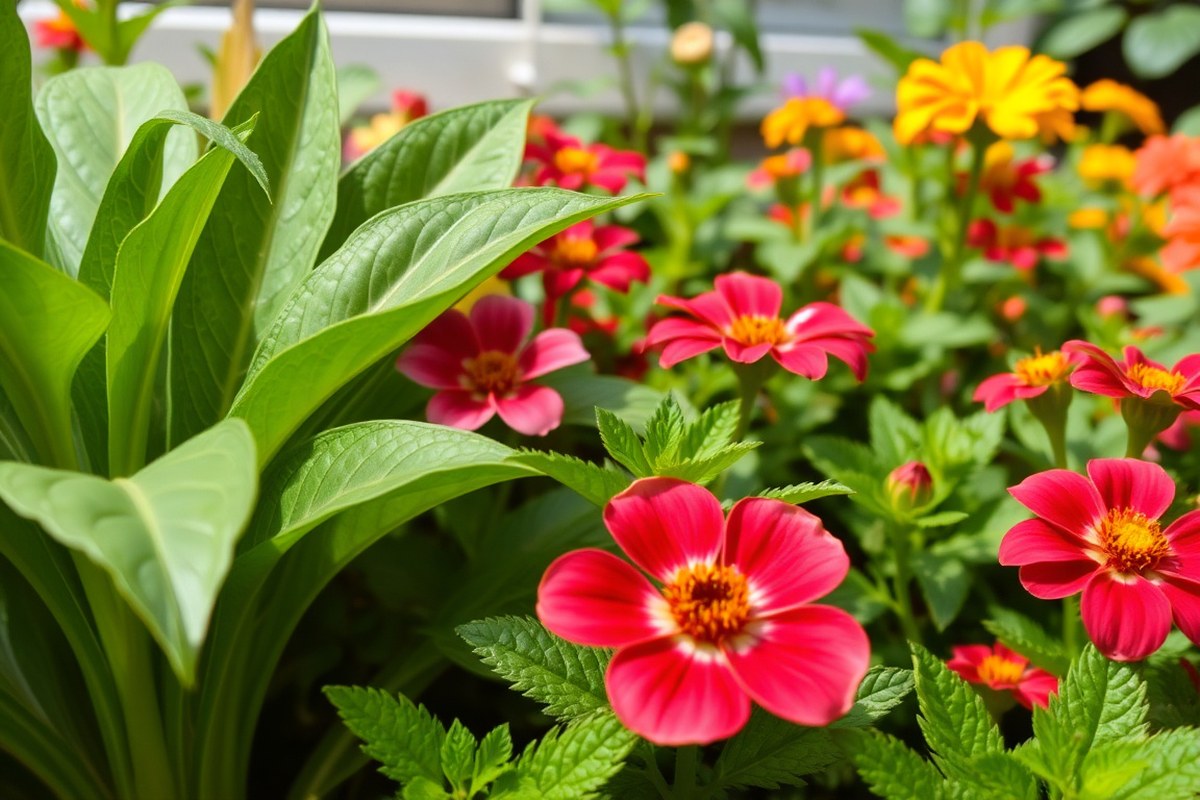
Wondering what is plant food? Plant food provides essential nutrients that plants need to grow healthy. It usually contains nitrogen, phosphorus, and potassium.
These help plants grow strong roots, leaves, and flowers. They support the overall health and color of plants.
Plants don’t eat like animals; instead, they absorb these nutrients from soil or water. This process gets better when you feed plants nutrients. Use fertilizers or natural foods like compost.
Both help plants grow faster and healthier. Start by picking the right type based on your plant’s needs and growth stage.
Plant food only supports growth with good soil moisture. Temperature also must be right for plants to benefit. Without these, nutrients won’t work well.
Dry or cold soil slows nutrient uptake, so watering and temperature matter. Feed container plants more often, because nutrients wash out faster in pots.
Key Takeaways
- Plant food contains nitrogen, phosphorus, and potassium for healthy growth.
- Plants absorb nutrients through roots from soil or water solutions.
- Use compost or balanced fertilizers depending on your plant’s growth phase.
- Keep soil moist and warm to help plants absorb nutrients better.
- Feed container plants every 7 to 14 days because they lose nutrients faster.
- Granular plant foods feed plants slowly, lasting up to three months.
What Is Plant Food and How Plants Produce It
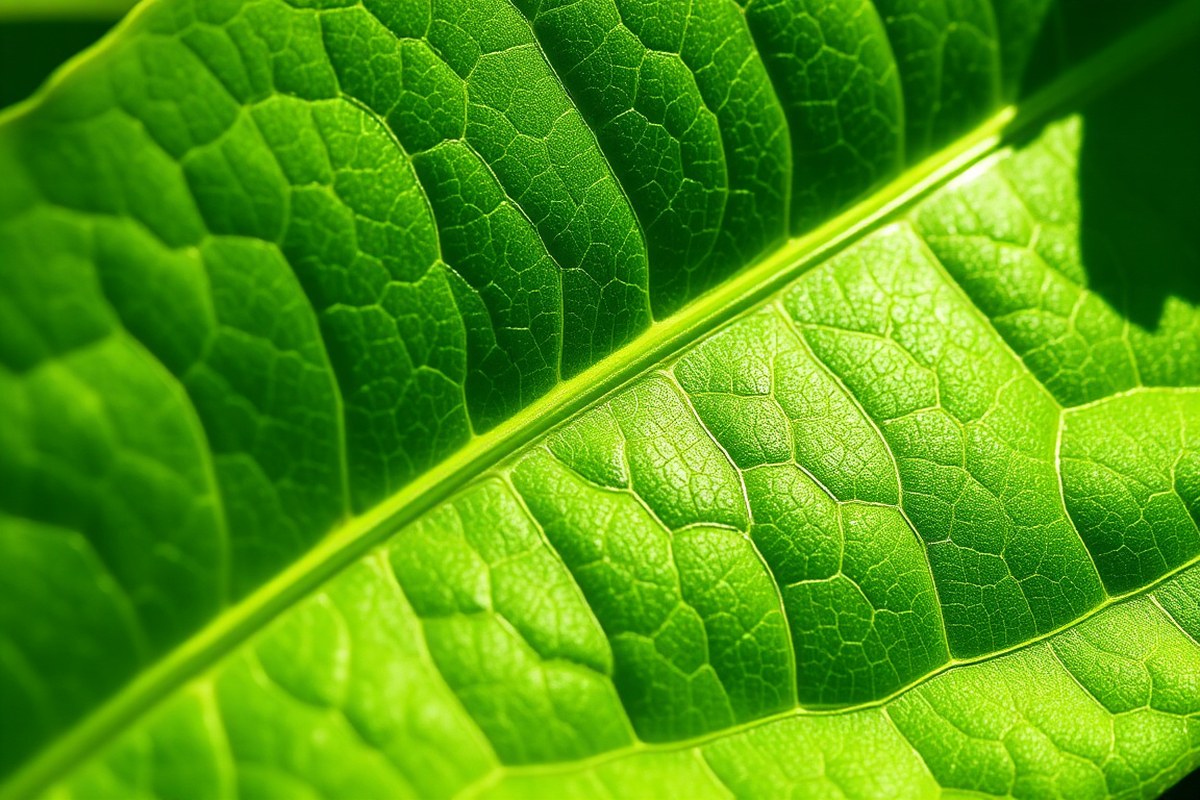
Plant food is the energy that plants create using sunlight, water, and carbon dioxide. This process, called photosynthesis, happens inside the leaves. Plants convert these ingredients into sugars and carbohydrates that fuel their growth and repair.
Photosynthesis uses the sun’s light energy. Plants take in water through roots. They also absorb carbon dioxide from the air.
These combine to form glucose, a type of sugar that plants use for energy. Oxygen is released as a byproduct. This means plants actually make their own food rather than relying on something added from outside.
Many gardeners get confused about plant food because stores sell products labeled as “plant food.” Such products are fertilizers that contain nutrients like nitrogen, phosphorus, and potassium. These do not feed plants directly.
Instead, they restore nutrients in the soil. Plants then use nutrients to make food.
Your soil’s health affects how well plants make their food. Fertile soil with the right minerals supports strong photosynthesis. Plants use up soil nutrients over time.
Adding fertilizer helps keep nutrients balanced. This supports steady, healthy plant growth.
To keep plants healthy, gardeners usually add fertilizers during the growing season. This helps replace nutrients plants consume.
You cannot buy the actual sugars plants make. But feeding your soil well supports plants’ natural food-making process.
How Plant Nutrients Support Growth and Health
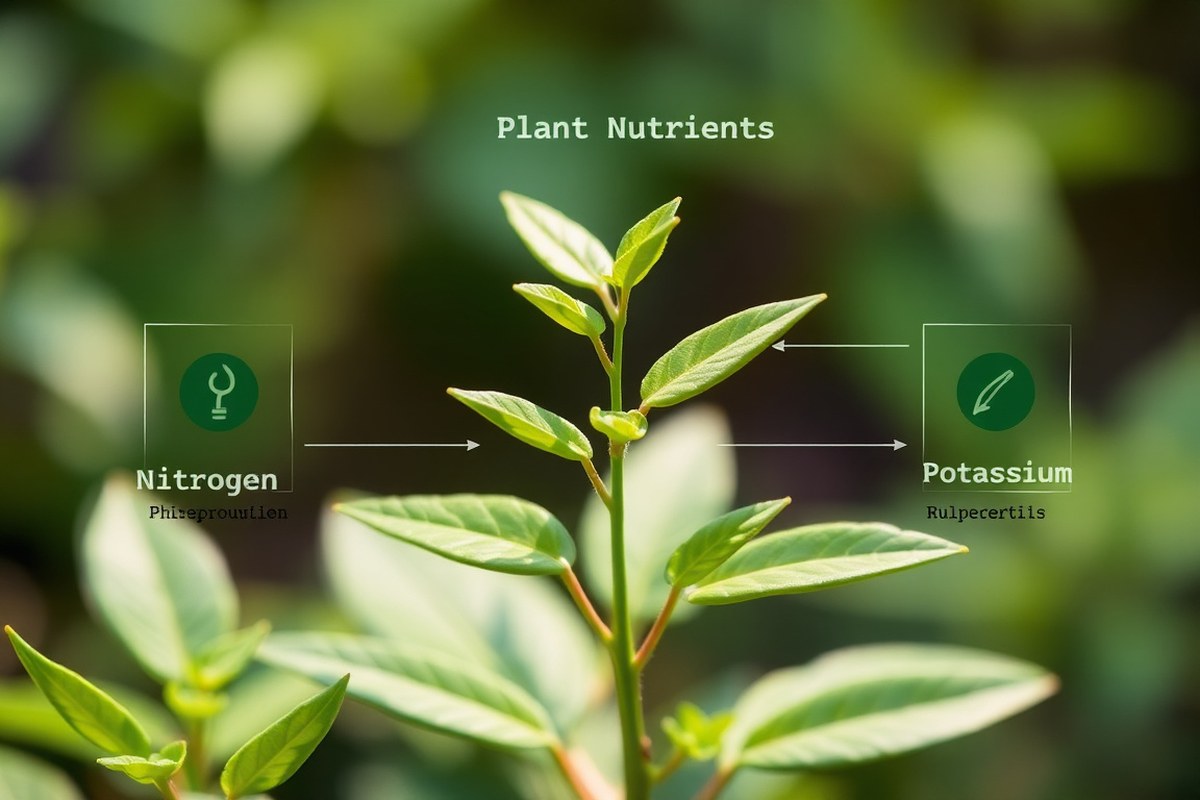
Plants need certain nutrients to grow and stay healthy. The three main ones are nitrogen, phosphorus, and potassium, called macronutrients. These nutrients help plants grow leaves, develop roots, and stay strong overall.
Nitrogen mainly supports leaf growth. Without enough nitrogen, leaves turn yellow and stems get thin. Phosphorus is key for root development.
So lacking it can make leaves look purple and reduce fruit size or amount. Potassium helps the whole plant stay healthy, making stems strong and keeping leaf edges from burning.
Besides these, plants also need smaller amounts of micronutrients like iron and magnesium. These help with specific processes but aren’t needed in large quantities. A plant lacking nutrients may grow slowly, look unhealthy, or produce poor fruit or flowers.
Plants take up nutrients from the soil, but soil conditions matter. The pH level must be right, or the plant can’t absorb nutrients well. Using a balanced fertilizer with nitrogen, phosphorus, and potassium often fixes nutrient gaps.
The fertilizer packaging shows the NPK ratio. So choose one that fits your plant’s needs.
Check your soil’s pH before feeding plants. Nutrients won’t absorb properly if the pH is off.
Use fertilizers exactly as directed. Feeding plants too much or too little can harm them. Follow instructions carefully for both indoor and outdoor plants.
Overfeeding can burn roots or cause weak growth. Yellow leaves, purple tints, or weak stems can mean nutrient problems. Your plant might need a specific nutrient adjustment.
Giving the right nutrients regularly helps plants grow fuller leaves. It also makes stems stronger and improves fruits or flowers.
Nutrient deficiencies often show early on leaves, so catching problems fast keeps plants healthy. Healthy soil and correct feeding work together to support plant growth and long-term garden success.
Differences Between Plant Food and Fertilizer
Plant food and fertilizer often mean different things but get mixed up a lot. Real plant food is what plants make naturally using sunlight, water, and air. Fertilizers are products you add to soil to give plants extra nutrients they may lack.
Many products called plant food are really fertilizers. Companies use this name to sound clearer to buyers. Fertilizers add nutrients that support plant growth, like soil boosters, not true food.
Natural plant food is made inside plants through photosynthesis. Fertilizers come as liquids, granules, or organic types. They include nutrients like nitrogen, phosphorus, and potassium.
These help plants get what they need. Both help plants, but in very different ways.
The table below compares natural plant food to fertilizers. It also shows how product labels may confuse people. This helps understand the differences.
| Aspect | Natural Plant Food | Commercial Fertilizer (“Plant Food”) |
|---|---|---|
| Definition | Produced by plants via photosynthesis | Soil additive with nutrients |
| Source | Sunlight, water, air | Manufactured or organic materials |
| Purpose | Provides energy and carbon | Replenishes soil nutrients |
| Common forms | Glucose and other sugars inside plants | Granules, liquids, powders |
| Labeling | Not sold or labeled | Often called “plant food” to simplify |
This labeling confusion matters when choosing products. Use fertilizer when your soil lacks nutrients or plants look unhealthy. Natural plant food needs sunlight and water, no product can replace that inside the plant.
Pale leaves on your indoor plant need balanced fertilizer. Use one with nitrogen, phosphorus, and potassium.
Apply moderate doses to see improvement. Read the label carefully to avoid overfeeding, which can harm roots and growth.
Types of Plant Food and Fertilizers Available
Plant food and fertilizers come in many forms: organic, synthetic, liquid, and slow-release. Each type has unique features and suits different plant needs and gardener preferences. Picking the right one depends on how fast you want nutrients.
It also depends on your plant care style. Choose what fits you best.
Organic Plant Food Options
Organic plant food comes from natural sources like compost, manure, and bone meal. It releases nutrients slowly, which helps soil health over time. These products improve soil structure, encourage beneficial microbes, and lower chemical buildup.
Organic options often cost more and act slower than synthetic fertilizers. You can use them in vegetable gardens or potted plants to avoid chemical residue.
Keep in mind, results take weeks to show. So start early in the growing season.
- Compost and worm castings add nitrogen and organic matter.
- Bone meal supplies phosphorus for strong roots and flowers.
- Fish emulsion offers quick nitrogen and trace minerals.
- Manure boosts soil with multiple nutrients and organic material.
- Seaweed extracts help with plant stress and nutrient uptake.
Organic products need good soil moisture to break down and release nutrients. They suit gardeners wanting natural, long-term soil care and slower nutrient delivery.
Liquid vs Granular Fertilizers
Liquid fertilizers deliver nutrients quickly because plants absorb them almost immediately. They mix easily with water and spread evenly, making them popular for indoor or container plants. You’ll need to apply them every 7 to 14 days to keep plants fed.
Granular fertilizers last longer, releasing nutrients slowly over 6 to 8 weeks. These come as pellets or granules you sprinkle on soil surface or mix in. They require less frequent feeding but may take longer to show results.
- Liquid fertilizers move with water underground to reach roots fast.
- Granular types break down gradually for steady nutrient supply.
- Liquid is best for fast growth or correcting nutrient deficiencies.
- Granular excels for outdoor beds or long-term feeding needs.
- Granular fertilizers can sometimes stay on soil surface without rain.
Choose liquid for quick fixes and granular for low-maintenance care. Your plant’s growth stage and watering habits guide the best choice.
Slow-Release Fertilizers Explained
Slow-release fertilizers are special granules that feed plants gradually for weeks or months. They reduce the risk of overfeeding because nutrients come out steadily. These fertilizers suit busy gardeners or long-term outdoor plants.
You can spread slow-release pellets around your plants at the season’s start. They work well for perennials, shrubs, and lawn grasses, needing less frequent attention. Keep soil moist so pellets dissolve slowly and feed roots continuously.
- Feeds plants continuously for 2 to 6 months depending on type.
- Less frequent application saves time and reduces nutrient runoff.
- Good for containers, flower beds, and vegetable plots.
- May cost more upfront but lower effort balances this out.
- Protects plants from fertilizer burn by avoiding nutrient spikes.
Slow-release is best when you want steady growth without daily care. Avoid near newly planted seeds since nutrients can slow germination.
How to Feed Plants: Timing, Frequency, and Methods
Feed indoor plants every two to four weeks using a balanced fertilizer. Outdoor plants generally need feeding every four to six weeks during their growing season. Adjust how often you fertilize based on plant type and size.
Also consider if plants grow in containers or ground. Both affect fertilizer needs.
Feeding Schedule for Indoor Plants
Indoor plants in containers often need more frequent feeding than outdoor plants. Use a balanced fertilizer, such as 10-10-10, every two to four weeks while they grow actively. Keep houseplants on a light feeding schedule in fall and winter because they slow down then.
Too much fertilizer can burn roots, so follow label instructions carefully. Container size influences feeding too; smaller pots generally need feeding more often. A small succulent in a 4-inch pot needs less fertilizer.
Larger indoor trees in 12-inch pots require more. Pot size matters for amount.
Best Practices for Outdoor and Vegetable Plants
Outdoor plants and veggies benefit from fertilizer every four to six weeks. This applies mostly in spring and summer. Regular feeding helps growth.
Pick a fertilizer that matches your plant’s nutrient needs. Use high nitrogen for leafy plants.
Use flower boost fertilizer to support blooms. Spread fertilizer evenly around the plant base, avoiding direct contact with stems or leaves.
Soil quality also affects feeding time and amount. Plants in nutrient-rich soil may need less fertilizer. Vegetable gardens do well with feeding before planting.
Feed again at mid-growth to support stronger yields. Timing helps crops thrive.
Adjusting Feeding by Season
Feed plants mainly during active growth seasons, usually spring through early fall. Stop or reduce feeding in late fall and winter, as most plants enter dormancy. Excess fertilizer in off-season can lead to salt buildup and root damage.
Warmer weather speeds nutrient uptake, so you might feed more often during hot months. Cooler, slower growth periods require fewer nutrients. Watch your plant’s color and growth for feeding clues.
If it looks weak, you might need to feed more. Healthy plants might need less.
Follow these steps to feed your plants safely and effectively:
- Choose the right fertilizer based on your plant type and growth stage.
- Check the fertilizer label for recommended amounts and frequency.
- Apply fertilizer evenly around the root zone, not on leaves.
- Water plants after fertilizing to help nutrients reach roots.
- Reduce feeding in fall and winter, when growth slows.
- Adjust feeding amount if plants show signs of overfeeding or deficiency.
- Use liquid feed for quick absorption or slow-release granules for steady nutrition.
- Remember smaller pots may require more frequent feeding than larger ones.
Always measure fertilizer carefully; overfeeding can harm plants and soil health.
Signs Your Plant Needs Food or Is Overfed
Your plants show clear signs when they need feeding or have been overfed. Yellow leaves, slow growth, or brown spots usually mean nutrient shortages. Brown leaf tips, wilting, or salt buildup on soil often point to overfeeding.
Symptoms of Nutrient Deficiencies
Plants lacking nutrients grow slowly and look pale or sickly. Leaves turn yellow first, especially older ones, which signals nitrogen deficiency. New leaves might curl or change colors when nutrients drop.
Magnesium or iron shortages cause these strange signs in plants. Watch for yellowing or curling on new growth closely.
Other signs include weak stems and poor root spread. Some plants develop brown spots on leaves if they miss potassium. Wilting during hot days might also mean they need extra food or water.
Common Overfeeding Issues
Too much plant food causes leaf burn, with brown, crispy edges or tips. Soil can get white crusts from fertilizer salts, which harm roots. Overfed plants may wilt or drop leaves even when soil is moist.
New growth might slow down or stop, and sometimes roots turn dark and mushy. Overfertilization stresses plants and invites pest or fungus problems. This happens more if you use strong fertilizers or feed too often.
Steps to Correct Feeding Problems
First, flush the soil with water if you see salt buildup or brown leaf edges. Use about twice the pot’s volume of water to wash excess fertilizer away. Let the soil dry slightly before watering again.
Next, reduce feeding frequency and dilute your plant food to half strength. Check your plant label for recommended amounts and stick to those. Test soil or use a simple kit to detect nutrient levels for tailored feeding.
- Look for yellowing on older vs. Newer leaves to identify missing nutrients
- Flush soil if you spot white crusts or leaf tip burn
- Feed plants once a month during growing season, less in winter
- Use a balanced, water-soluble plant food at half strength first
- Watch plant response for 1 to 2 weeks after adjusting feeding
- Consider repotting if roots stay mushy and soil smells bad
Regular checks prevent most feeding problems and keep plants healthy. Problems that keep happening should get a local expert’s look. Try calling a nursery or extension service for advice.
Risks and Safety Tips for Using Plant Food and Fertilizer
Too much fertilizer can harm your plants by causing salt buildup in the soil. When salts accumulate, they pull moisture away from roots, leading to plant burn or wilting. Avoid this by following package instructions carefully and never exceeding recommended amounts.
Always wear gloves when handling fertilizers to protect your skin. Work in a well-ventilated space to avoid inhaling dust or fumes from dry or liquid fertilizers. Store all fertilizers out of reach of children and pets to prevent accidental poisoning.
To reduce environmental harm, apply fertilizer only where plants need it. Avoid fertilizing right before heavy rain because runoff can carry nutrients into waterways, causing pollution. Using slow-release fertilizers helps minimize nutrient leaching and saves you time with fewer applications.
For indoor plants, use diluted liquid fertilizer to reduce the risk of salt buildup. Flush soil sometimes with water to wash away excess fertilizer. Do this especially if you see white crusts on the pot.
Also flush when crust appears on the soil surface. This keeps the roots healthy and prevents fertilizer burn.
Outdoor gardeners should test soil every few years to understand nutrient levels before adding fertilizer. Knowing soil needs prevents overfeeding, which can harm plants and the environment. It also saves money by targeting only the nutrients your garden lacks.
Follow specific feeding schedules for each plant type and season to avoid stress or damage. Most plants need fertilizer more during active growth in spring and summer.
Less or none in dormancy. Proper timing helps plants absorb nutrients efficiently without waste.
How Soil and Environment Affect Plant Food Effectiveness
Soil pH controls how well plants absorb nutrients. Most nutrients are available in a pH range of 6.0 to 7.0. Soil that is too acidic or alkaline makes nutrients harder to absorb.
Adjusting soil pH means adding lime to raise it or sulfur to lower it. Testing soil pH costs about $10 to $20 for home kits. Proper pH ensures your fertilizer feeds the plant, not the soil bacteria or weeds.
Moisture affects nutrient movement from soil to roots. Water dissolves nutrients, helping plants absorb them. Don’t wait long to water after adding fertilizer for best results.
Overwatering can wash nutrients away and reduce oxygen in soil. That slows root growth and nutrient intake. A balanced watering routine keeps soil moist but not soggy, maximizing feeding success.
Soil temperature also plays a key role. Nutrient uptake slows when soil is below 50°F. Cold soil makes roots less active and fertilizer less effective.
Wait until the soil warms in spring or use plastic mulch to raise temperature. Warmer roots absorb nutrients faster, making feeding quicker and more efficient. Ideal soil temperature for feeding is usually 65°F or above.
Use your finger or a meter to check soil moisture first. Only feed plants if the soil isn’t too wet. Too much water can wash away nutrients you just added.
Step-by-Step Action Plan to Feed Your Plants Right
Follow these steps to feed your plants safely and boost their growth. Watch for signs of improvement to know you’re on the right track.
- Before planting: Test your soil with a kit to check nutrient levels. This helps pick the right plant food and avoid overfeeding.
- Week 1: Apply a balanced fertilizer according to package directions. Look for strong new leaves as a sign of success.
- Week 3: Check your plants for yellowing leaves or slow growth. These might mean they need more nutrients.
- Week 4: Change feeding to every 2 or 4 weeks. It depends on your plant type. Also consider your soil quality.
- Monthly: Flush potted plants with water to prevent salt buildup from fertilizers. This keeps roots healthy.
- During growing season: Use liquid plant food for a quick nutrient boost. Watch plants perk up within days.
- After signs of overfeeding: Cut back fertilizer and water the soil well. Look for leaf color returning to normal.
Frequently Asked Questions
Can Homemade Compost Be Used as Plant Food?
Yes, mature compost works well as plant food. It releases nutrients slowly and improves soil health over time.
Is Plant Food Safe for Edible Plants Like Vegetables?
Most plant foods are safe for vegetables if used correctly. Follow package instructions to avoid harmful buildup.
How Often Should Plant Food Be Reapplied for Houseplants?
Reapply every 1 to 3 months depending on the plant food type. Slow-release granules last longer than liquid feeds.
Can Overfeeding Plants with Plant Food Cause Damage?
Yes, too much plant food can harm roots and leaves. Watch for yellow or brown spots as warning signs.
Are Organic Plant Foods Better Than Synthetic Fertilizers?
Organic plant foods usually improve soil and water retention. They release nutrients more slowly than synthetic options.
Do Plants Need Different Food During Flowering Versus Growth?
Yes, plants need more phosphorus and potassium when flowering. Use bloom-specific fertilizers at that stage.
Before You Go
Plants get what they need from a good balance of nutrients and correct feeding. Your next step is to pick the right plant food for your soil type. Start feeding carefully and watch your plants grow healthier every week.