How to Grow Vegetables in Planters: A Complete Guide for Beginner Gardeners
Wondering how to grow vegetables in planters without wasting time or space? Start with choosing the right container and soil so your plants can thrive. Planters give you control over soil quality, drainage, and sunlight for healthier veggies.
Pick containers with proper depth based on your vegetable’s roots. Six to twelve inches often works well. Make sure the planter has drainage holes to avoid water buildup that harms roots.
Use soil that drains well yet holds moisture without getting soggy. A mix of potting soil with compost or perlite helps maintain balance. Good drainage prevents root rot and encourages steady growth.
Place your planters in spots getting at least eight hours of sun daily. Full sun is key for most vegetables to produce tasty, abundant harvests. Move planters with the changing seasons to follow the sun’s path outside.
Key Takeaways
- Use containers at least 6 inches deep for leafy greens and herbs.
- Root vegetables like carrots need planters 12 inches deep minimum.
- Choose soil that drains well but stays moist for best growth.
- Ensure your planter location receives at least 8 hours of sunlight.
- Water consistently but avoid overwatering to prevent root rot.
- Start with dwarf or compact vegetable varieties suited for containers.
How to Grow Vegetables in Planters Successfully

Growing vegetables in planters calls for proper prep and steady care. Start by readying the container and soil to suit the vegetable type.
Then, plant seeds or seedlings at the right time and depth. Keep an eye on watering needs and adjust as your plants grow.
Here’s a clear set of steps to help you grow vegetables well in containers:
- Clean and prepare your container. Make sure it has drainage holes. Rinse it if reused to avoid pests or disease.
- Fill with quality potting soil. Use soil made for containers, about 6 to 12 inches deep. Root veggies like carrots need at least 12 inches.
- Choose suitable vegetables. Pick those that fit your container size and sunlight. Leafy greens and herbs work well in smaller containers.
- Plant at the right time. For example, start pepper seeds indoors 6-8 weeks before last frost. Plant sweet potatoes when soil reaches 65°F.
- Sow seeds or transplant seedlings. Plant seeds about ½ inch apart in rows. For dense crops like carrots, space 1, 2 inches apart. Transplants go at garden depth.
- Place planters in full sunlight. Most vegetables need 6 to 8 hours of sun daily. Move pots as needed for sun exposure.
- Water regularly but avoid waterlogging. Check soil moisture daily, especially in hot weather. Water deeply until it drains.
- Monitor growth and thin plants if crowded. Thin seedlings after a few weeks, leaving the strongest ones. This improves air flow and growth.
Containers warm up faster than garden beds, so you can plant earlier in spring. Make sure your container fits the plant roots.
Cucumbers need containers at least 12 inches wide and deep. Starting indoors or buying seedlings can give heat-loving crops a head start.
Good care means checking soil moisture and adjusting water based on weather. Avoid overwatering, which causes root rot. Crowding plants leads to poor growth and disease, so keep spacing in mind.
Choosing the Right Containers for Your Vegetables

Choose containers that match your vegetables’ space needs and support healthy roots. Size, material, and drainage all affect how well your plants grow. Pick containers that keep soil moist but drain well to avoid root problems.
Container Size Recommendations by Vegetable Type
Small herbs and leafy greens do fine in containers as small as half a gallon. Larger plants like cucumbers, beans, and cabbages need at least one gallon.
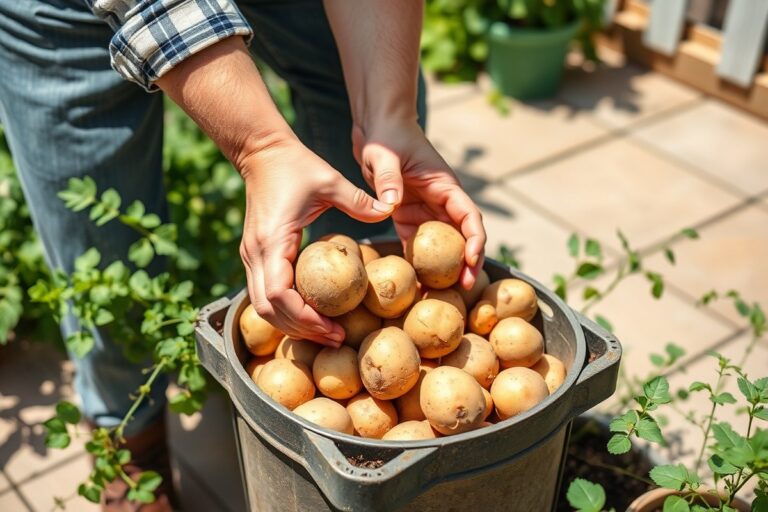
For deep-rooted veggies and potatoes, containers should be 15 to 20 gallons or 24 inches deep. Don’t crowd plants; adequate space prevents disease and poor growth.
| Container Size | Plant Type | Spacing/Planting | Recommended Varieties |
|---|---|---|---|
| Half-gallon | Parsley | 1 plant | Dark Moss Curled, important |
| One gallon | Cabbages | 1 plant | Any |
| One gallon | Cucumbers | 2 plants | Salad Bush, Bush Champion, Spacemaster |
| One gallon | Green beans | 2-3 plants | Topcrop, Tendercrop, Derby |
| One gallon | Leaf lettuce | 4-6 plants | Green Ice, Salad Bowl, Red Sails, Black Seeded Simpson, and Butterhead are all lettuce types that grow easily. |
For most vegetables, 3-5 gallon pots or grow bags work well. Use larger containers for root crops and sprawling plants. This prevents roots from becoming cramped and keeps plants healthier.
Material Pros and Cons (Plastic, Ceramic, Fabric)
Plastic containers are lightweight and affordable. They hold moisture longer but can sunwarp and crack in cold or heat.
They often cost $5 to $20 depending on size. Use plastic if you move containers often.
Ceramic pots look good but are heavy and pricey, usually $15 or more. They dry out faster and may break if dropped. Choose ceramic for stable, attractive spots like patios or balconies.
Fabric grow bags let roots breathe and drain well. They cost about $10 to $25 depending on size.
Bags dry out faster, so water your plants more often. They help keep roots cooler during hot weather.
Drainage Best Practices
Use containers with holes in the bottom for drainage. Without good drainage, water pools and roots rot. Your planter needs drainage holes.
Drill some carefully if it doesn’t have any. Use a drill bit sized 1/4 to 1/2 inch.
Place a layer of coarse gravel or broken pottery at the bottom to improve water flow. Avoid blocking drainage holes with dense soil or liners. Use pots with built-in saucers to catch excess water and protect surfaces.
Waterlogged soil smells bad and looks soggy. Roots turn brown and mushy when they drown. Good drainage keeps plants healthy and growing strong.
Always check drainage holes before planting and clear any clogs promptly to keep roots safe.
Selecting and Preparing Soil for Container Vegetables
Pick a high-quality potting mix designed for containers to grow vegetables well. Look for mixes with compost, pumice, or perlite. These ingredients help soil drain but hold moisture and nutrients without getting soggy or compacted.
Use a potting mix labeled organically rich for better vegetable growth. Avoid regular garden soil; it packs too tightly in containers. Lightweight, soilless mixes keep roots healthy by allowing air and water to move through easily.
Add compost or fresh organic material if reusing old potting soil. Mix old soil half and half with new compost to refresh nutrients. This mix improves soil texture and adds beneficial microbes to support plants.
Check your potting soil’s fertilizer content. Some brands don’t include nutrients, so add a balanced, slow-release fertilizer at planting. This feeds vegetables steadily, helping leaves and roots grow strong.
Prevent soil compaction by stirring the mix before filling your containers. Fill pots just below the rim, leaving an inch or two for watering space. Compact soil blocks small roots from spreading and cuts oxygen supply.
Adding soil polymers like Broadleaf P4 helps retain moisture in pots you water by hand. These polymers slowly release water to avoid the wet-dry cycle that stresses plants. Find these at most garden centers for about $10 to $15 per pound.
For large containers, spread three or four ½-gallon-per-hour irrigation emitters across the soil surface. Smaller pots may need only one emitter. This setup keeps soil evenly moist, reducing root rot risks.
Some types of vegetables grow best in deeper pots with rich soil. For instance, chard needs a 12-inch-deep container, with one plant per pot to avoid crowding. Lettuce can grow in smaller 8-inch pots spaced 6 to 8 inches apart.
Peat has been common in potting mixes but try peat-free options for an eco-friendly choice. Peat-free mixes often use coconut coir or composted bark. These alternatives work well and break down slower, keeping soil light and airy.
Before filling the pot, place plant stakes if needed, to avoid disturbing roots later. Fill the pot with the prepared soil mix around the stake. This helps avoid root damage when supporting tall or vining vegetables.
Positioning Planters for Optimal Sunlight and Climate
Vegetables usually need at least six hours of direct sunlight each day to grow well. Most do best with eight or more hours of full sun. Some plants, like lettuce and certain herbs, tolerate partial shade.
They still need at least four hours of sun daily. Morning or afternoon sun is best for them.
Pick a spot for your planters that gets enough sun based on the vegetable’s needs. South-facing areas often receive the most sunlight during the day. Avoid places with lots of shade from trees, buildings, or other structures that block the light.
Planters on terraces or rooftops get plenty of sun. These spots can also have more heat and wind to handle. That intense afternoon sun may stress some vegetables.
So try using shade cloth to protect plants during the hottest hours. You can also move containers to a shadier spot during peak heat periods.
Wind can dry out soil quickly and damage plants in containers. Position planters near walls, fences, or dense shrubs to shield them on windy days.
Heavy winds can tip over lightweight pots. So setting heavier containers down or adding weight inside helps keep them steady.
Temperature extremes matter too. In cold weather, placing planters close to a sunny south-facing wall can help keep roots warmer. Grouping pots during hot days creates a cooler microclimate.
It shades soil and reduces water evaporation. This helps keep plants healthy.
Choose the right place for your vegetables, and they’ll grow stronger and healthier. Moving planters as the season changes can adjust for shifting sunlight and weather conditions. This way, you make the most out of your space and protect your plants from stress.
Watering Vegetables in Containers: How Much and How Often?
Water vegetables in containers when the soil feels dry 1 to 2 inches deep. Water more often in hot summer, less in cooler months. Use slow, deep watering methods to avoid runoff and keep moisture steady.
Signs Your Plants Need Water
Check soil moisture by sticking your finger about 1 to 2 inches into the soil. If it feels dry, the plant needs water. Leaves drooping or curling often show underwatering too.
Watch for yellowing leaves or soft, mushy stems; these signs mean overwatering. Too much water can suffocate roots.
So avoid watering just because the surface is moist. Soil that stays soggy for hours is a red flag.
Seasonal Watering Schedules
Water container veggies every day or every other day during hot summer days above 85°F. In mild spring or fall weather, watering twice a week usually works. Cool winter months need even less, sometimes once a week, depending on temperature and rain.
Adjust more if you grow thirsty plants like tomatoes or peppers, which need consistent moisture. Plants in self-watering containers often require less frequent checking because they have reservoirs. Remember that wind and sun exposure dry soil faster and affect frequency.
Watering Tools and Techniques
Using a drip irrigation system with a timer makes watering easy and consistent. This method delivers water slowly at the soil level, reducing waste and disease risks. A watering can with a fine rose works well for small or delicate plants.
Self-watering containers save time and water by supplying moisture through reservoirs below the soil. Avoid overhead watering if possible; it can promote fungal diseases on leaves. Check containers for drainage holes to prevent water buildup.
- Use a finger test or moisture meter to check soil dryness.
- Water deeply until it drains out the container bottom.
- Water early in the morning to reduce evaporation losses.
- Place containers where sun and wind dry faster to plan watering.
- Avoid puddles on soil surface to prevent root rot.
- Adjust water volume for plant size and container volume.
- Use mulch like straw or wood chips to cut water loss.
Too frequent watering can harm your plants by drowning roots. Let soil become just dry enough before adding more water.
Fertilizing Planter Vegetables for Maximum Growth
Use a balanced fertilizer with equal parts nitrogen, phosphorus, and potassium. Slow-release granules work well for steady feeding over weeks. Liquid fertilizers feed vegetables faster but need reapplying every 1 to 2 weeks.
Apply fertilizer once plants develop their first true leaves. Use slow-release fertilizer every 3 to 4 weeks for best results. Liquid fertilizers should be applied every 7 to 14 days.
This helps keep plants fed consistently. Stop feeding 2 weeks before you plan to harvest to avoid leftover chemicals in your vegetables.
Mix fertilizer into the top inch of soil to prevent root burn. Water thoroughly right after applying to help nutrients soak in. Avoid overfertilizing, which can cause leaf burn, poor growth, or overly soft vegetables.
Vegetables in containers use up nutrients faster because of limited soil volume. That’s why regular feeding is key to keep growth strong. Container plants dry out quicker, so don’t let soil stay dry when fertilizing.
Organic options like compost tea or fish emulsion add nutrients and improve soil health gently. Use these every 2 weeks as a liquid feed. They pose less risk of burning but need more frequent application than synthetic fertilizers.
Use a fertilizer with higher phosphorus content for root crops like carrots and beets. Leafy greens like lettuce and spinach benefit from fertilizers with extra nitrogen. Adjust your feeding based on what you grow to get the best results.
Check fertilizer labels for recommended rates and don’t exceed them. More fertilizer won’t always mean bigger plants. Excess can wash out of containers and harm nearby plants or pollute water.
Keep soil temperature above 60°F before starting nutrient feeding. Cooler soil slows plant growth and nutrient uptake. Use a thermometer to check planter soil, especially in early spring.
Best Vegetables to Grow in Planters and How to Space Them
Some vegetables grow very well in containers because they don’t need deep soil. Greens like leaf lettuce and kale are easy to start and don’t take much space.
Root veggies like radishes and turnips only need about 1 square inch. They work great when your space is tight.
Spacing seeds or seedlings properly helps plants get enough air and nutrients. For example, a seed packet may say 6 to 9 inches apart. Pick the closer spacing in containers.
Transplants usually like 12 to 18 inches between them. This depends on the veggie type and container size.
Companion planting works well even in containers. Some plants help each other grow or keep pests away. For example, tomatoes and basil grow well side by side in a planter.
You can also plant some herbs like mint separately in small pots. So they don’t crowd the main veggies.
| Vegetable | Space Between Plants | Notes |
|---|---|---|
| Leaf Lettuce (Cut and Come Again) | 3 to 4 inches | Harvest leaves continuously for longer yield |
| Kale | 12 inches | Needs deeper containers but grows well in pots |
| Radishes | 1 inch | Quick to mature; good for tight spaces |
| Turnips | 1 square inch | Grow fast and fit well in small planters |
| Tomatoes (Transplants) | 18 inches | Use larger containers for good root growth |
| Peppers (Transplants) | 12 inches | Keep warm and well-watered |
Using these space guides, you can fit more plants without crowding and hurting growth. After the first harvest, your planter will have room for new vegetables.
Plant pairs that help each other do better together. Try tomatoes with basil or peppers with onions for fewer bugs.
Troubleshooting Common Planter Vegetable Problems
Growing vegetables in containers often faces problems like pests, diseases, and care mistakes. Spotting these early helps save your plants and boost your harvest. Here’s how to identify issues and fix them quickly.
Common Container Gardening Mistakes
Many gardeners overwater or underwater their vegetables. Containers dry out quickly and need consistent watering. Another frequent error is using poor soil that drains badly or lacks nutrients.
Sunlight is important. Placing planters in too much shade slows growth and invites disease. Also, using containers without drainage holes traps water, causing root rot.
- Overwatering or underwatering containers
- Using heavy or poor-quality soil
- Placing planters in low light
- Ignoring temperature extremes, too hot or cold
- Using containers without drainage holes
- Failing to feed plants during growing season
- Planting vegetables too close together
These slip-ups stunt plants and invite fungal problems. Choose light, well-draining soil and move containers to sunny spots. Water only when top inch of soil feels dry.
Pests and Diseases to Watch For
Common pests include aphids, spider mites, and whiteflies. Look for sticky leaves or tiny moving dots. Diseases like damp-off, leaf spots, and wilts affect many vegetables in containers.
Early signs of disease show as yellowing, spots, or wilting leaves. Root rot happens if soil stays soggy. Nematodes, tiny worms, attack roots causing poor plant growth but need lab tests to confirm.
| Problem | Signs | Treatment |
|---|---|---|
| Aphids | Sticky leaves, curled new growth | Spray soapy water, introduce ladybugs |
| Spider mites | Fine webbing, yellow speckles | Use neem oil, increase humidity |
| Damp-off | Seedlings collapse, wet soil | Use sterile soil, avoid overwatering |
| Leaf spots | Black or brown spots on leaves | Remove affected parts, improve airflow |
| Root rot | Wilting, mushy roots | Ensure drainage, reduce watering |
Check your plants daily for changes. Early spotting means easier fixes.
Fixes for Poor Growth or Yield
Yellow leaves often signal nutrient shortage or overwatering. Feeding vegetables regularly with balanced fertilizer solves this. Use an all-purpose fertilizer every two to three weeks during growing season.
Poor growth can result from crowding. Thin seedlings or transplant to bigger pots. Container plants need room to spread roots.
Soil can get compacted over time. Loosen surface soil gently to help air and water reach roots better. Keep winter frost in mind; move containers indoors if temperatures fall below 40°F.
Step-by-Step Action Plan to Start Growing Vegetables in Planters
Follow these simple steps to set up your vegetable planters and watch them grow. Each step helps you check your progress and adjust as needed.
- Before you start: Choose containers with drainage holes and fill them with a ready mix soil. Your soil should be loose and moist but not soggy.
- Day 1: Plant seeds or seedlings according to spacing recommendations on the seed packet. Make sure the soil supports the roots firmly but gently.
- Week 1: Water your plants daily, keeping the soil evenly moist. When the soil is dry a half inch down, water your plants.
- Week 2: Add a balanced liquid fertilizer every two weeks, following label instructions. Look for vibrant leaf color and steady growth as signs it works.
- Month 1: Place your planter where it gets plenty of sun. Make sure your vegetables get at least 6 hours of sun each day. You should see healthy, strong stems and leaves.
- Month 2: Watch for pests and diseases like yellow spots or holes on leaves. Use organic pest spray if needed, and prune damaged leaves promptly.
- After 2 months: Harvest veggies as they ripen. Enjoy fresh taste and keep picking often to encourage more growth.
Frequently Asked Questions
How to Grow Vegetables in Planters?
Choose a large pot with good drainage. Use quality soil and water regularly to keep plants healthy. Position the planter where it gets enough sunlight daily.
What Are the Easiest Vegetables to Grow in a Planter?
Radishes, lettuce, and potatoes are top easy choices for planters. They grow quickly and need less space, making them perfect for beginners.
What Are the Steps for a Beginner to Grow Vegetables in Pots?
Start with the right-sized pot and good soil mix. Plant seeds or seedlings, water daily, and rotate pots to keep sunlight balanced.
What Vegetables Should Not Be Grown in a Raised Bed?
Large root crops like carrots and parsnips often don’t do well in raised beds. They need deep, loose soil harder to maintain in raises beds.
What Is the Most Common Mistake with Container Plants?
Overwatering is a common mistake that can cause root rot or mold. It’s better to check moisture before watering again.
How Often Should I Repot or Refresh Soil in Vegetable Planters?
Refresh soil every year to keep nutrients fresh for plants. Repot if roots outgrow the container or soil drains poorly.
Wrapping Up
Growing vegetables in planters gives you fresh produce even in small spaces. Keep checking your soil moisture and sunlight daily. Start by picking your container and soil tonight to get going tomorrow.