What Vegetables Can Be Grown in Containers: A Complete Guide for Beginners
Wondering what vegetables can be grown in containers? You can grow many fresh veggies right on your balcony or patio. About 35 different types thrive well in containers, giving you a steady supply throughout the year.
Many container veggies grow fast, some ready in just 20 to 30 days. Leafy greens and small peppers are great quick options you can start with. Just remember to choose containers with enough space for roots to grow well.
Most vegetables need at least 4 to 6 hours of sunlight and rich potting soil. Start with pots that hold 5 to 7 gallons or larger, depending on the plant. This helps keep roots happy and plants healthy.
Key Takeaways
- Leafy greens grow well in wide, shallow containers 6-8 inches deep.
- Carrots require deep containers at least 12 inches to develop properly.
- Choose pots with good drainage and fill with nutrient-rich soil.
- Most veggies need 6 hours or more of sun daily for best growth.
- Use slow-release fertilizer mixed into potting soil to feed plants.
- Heavy containers can weigh about 100 lbs; use plant caddies to move them.
Which Vegetables Thrive Best in Containers?

Lots of vegetables grow well in containers if you pick the right size. Leafy greens like lettuce and spinach fit shallow containers because their roots don’t go deep. Root vegetables like carrots and radishes need deeper containers so roots grow properly.
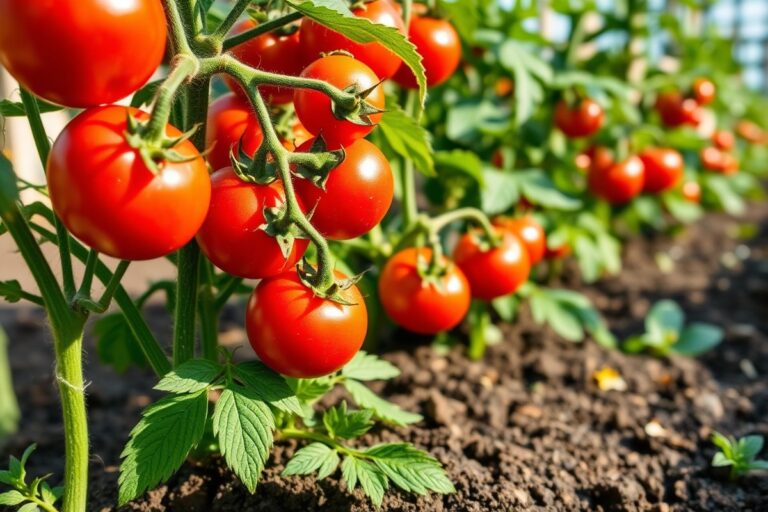
You can grow fruiting vegetables like tomatoes and peppers in containers, too. They usually require larger pots that hold at least five gallons of soil. Dwarf or compact veggie types suit small spaces best.
They take up less room and still produce many fruits. This makes them perfect for container gardens on balconies or patios.
| Vegetable | Container Size | Plant Spacing | Sunlight | Growing Style |
|---|---|---|---|---|
| Tomatoes (dwarf) | 5 gallons | 18-24 inches | Full sun | Fruiting |
| Lettuce | Shallow container | 10-12 inches | Sun to partial shade | Leafy |
| Peppers (including jalapeños) | Medium-large pot (3-5 gallons) | 18-24 inches | Full sun | Fruiting |
| Radishes | Medium-depth pot (8-10 inches) | 2-3 inches | Sun to partial shade | Root |
| Carrots | Deep container (at least 12 inches) | 2-3 inches | Full sun | Root |
| Green onions | Small pot (6-10 inches) | 2-3 inches | Sun to partial shade | Bulbing/leafy |
| Spinach | Shallow-medium pot | 3-4 inches | Partial shade to sun | Leafy |
Shallow containers work well for leafy greens, which grow quickly and don’t need much soil. Root vegetables like carrots must have pots at least 12 inches deep. This depth helps roots grow straight and healthy.
Shallow containers can cause misshaped or stunted roots. Fruit-producing plants need more sunlight and larger containers.
Bigger pots stop stress that can lower fruit yield. Providing enough sun and space keeps those plants healthy and productive.
Choosing compact or dwarf versions lets you grow several plants even in limited space. For example, jalapeño peppers fit nicely in 2-3 gallon containers and produce well.
Pay attention to plant spacing to keep air flowing and reduce disease risk. This simple step improves growth and helps avoid problems like mold or pests.
How to Choose the Right Container Size and Type
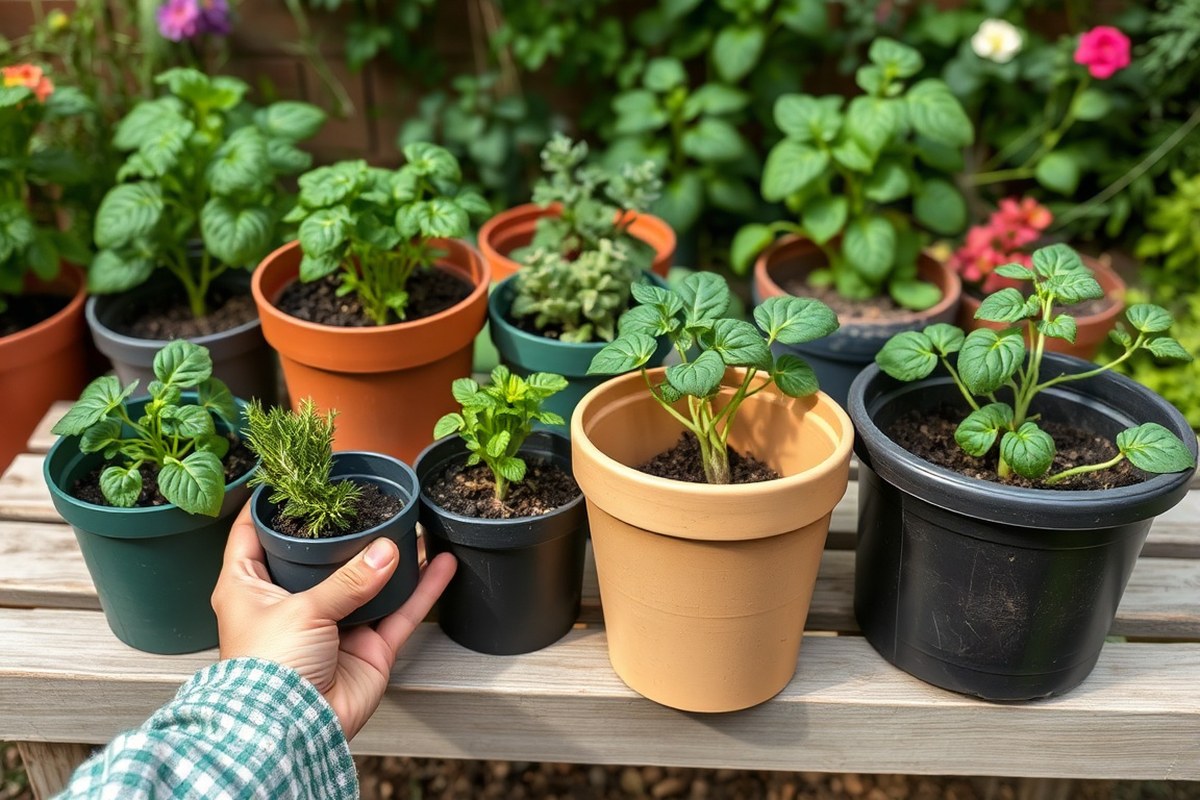
Choose containers based on root depth and plant width to keep vegetables healthy. Carrots need deep pots at least 12 inches deep to allow roots to grow straight. Onions need containers 10 to 12 inches deep.
They also require about 8 inches wide. This space helps their roots spread comfortably.
Leafy greens like lettuce or spinach do well in shallow containers. These should be about 6 to 8 inches deep. Tomatoes grow large root systems.
They need containers at least 12 to 18 inches deep. The width should match the depth. Broccoli grows bigger and needs room.
Use pots about 18 inches deep. Space them 18 inches apart to avoid crowding.
Drainage is key for all container vegetables. Make sure your pots have holes at the bottom to stop water from pooling.
Adding a layer of gravel at the container base can improve drainage too but is optional. Using saucers helps keep your growing area clean and can hold excess water for later use.
- Plastic containers are lightweight, retain moisture well, and cost less.
- Clay pots breathe better but dry out faster and weigh more.
- Fabric grow bags offer excellent air circulation and root pruning benefits.
- Choose container size based on the vegetable’s root depth and spread.
- Always check for drainage holes to avoid root rot.
- Use a saucer or self-watering container for water retention and mess control.
Be mindful not to overfill containers. A 20-inch pot can weigh 100 pounds when moist, making it tough to move.
Think about container placement before buying. Heavy types like clay can be hard on balconies. Choose lighter options for easier handling.
Plastic and fabric containers are lighter and easier to move. They let you change your plants’ locations easily.
Adjust for sunlight changes this way. Make sure to fill containers with nutrient-rich soil to support healthy root growth and plant vigor.
Sunlight and Soil: Growing Conditions for Container Vegetables
Vegetables grow best with the right sunlight and soil. Warm-season crops like tomatoes need 6 to 8 hours of direct sun daily to produce well. Cool-season vegetables like lettuce need about 3 to 5 hours of sun.
They can handle some shade without problems. These plants do well in cooler weather.
Good soil is light, grainy, and rich in organic matter. Use high-quality potting soil mixed with compost and slow-release fertilizer for nutrient-rich planting media. Avoid garden dirt since it can compact and drain poorly in containers.
Here’s a quick look at sunlight needs for container vegetables. Use this to plan where you put your containers. This will help you grow them better.
| Vegetable Type | Example Vegetables | Sunlight Needed (hours/day) |
|---|---|---|
| Warm-Season | Tomatoes, Peppers, Eggplant, Squash | 6-8 |
| Cool-Season | Lettuce, Spinach, Asian Greens | 3-5 |
Fertilizing container vegetables regularly keeps nutrients available. Use a balanced fertilizer every 2 to 3 weeks during the growing season. Follow a schedule adjusted to vegetable type, like this:
| Vegetable Type | Fertilizer Frequency | Fertilizer Type |
|---|---|---|
| Warm-Season (Tomatoes, Peppers) | Every 2 weeks | Slow-release plus liquid feed |
| Cool-Season (Lettuce, Spinach) | Every 3 weeks | Balanced liquid fertilizer |
You can reuse container soil but refresh it each season. Mix in compost or new potting soil to restore nutrients and improve texture. Fresh fertilizer is important too, or plants will suffer from nutrient depletion.
Place containers where they get the right sun. Use loose, organic-rich potting soil with slow-release fertilizer mixed in.
Then stick to the fertilizing schedule for your vegetables. This approach keeps plants healthy and productive all season long.
Fast-Growing Vegetables Perfect for Containers
Some vegetables grow so fast in containers, you can harvest in 20 to 30 days. These quick growers give you fresh food without a long wait. Planning your container garden for fast harvests lets you enjoy more crops all season.
Quick Leafy Greens
Lettuce grows fast and needs little root space. It’s perfect for container gardens. Many gardeners pick it first.
You can start harvesting baby leaves in about 30 days. Spinach also grows quickly and does well in containers with moist soil.
Microgreens grow extra fast. You can pick them in 10 to 14 days. They’re leafy and tender.
Sow seeds densely in shallow trays. Harvest when they reach one or two inches. Use them fresh for salad.
Rapid Root Vegetables
Radishes are among the fastest root vegetables for containers, maturing in as little as 30 days. They don’t need deep soil and can do well in small pots on balconies or patios. ‘Chioggia’ beets mature in about 55 days and can handle full sun or some shade.
Keep container soil moist and choose lightweight plastic containers for easy movement outside or inside. Radishes and beets fit well into succession planting because of their short harvest time.
Fast Fruiting Plants
‘Thai Hot’ peppers grow on small plants just 8 to 12 inches tall, ideal for containers. They start producing peppers quickly, letting you enjoy spicy fresh fruit without waiting long. Peas grow well in containers.
They need a trellis to climb. This saves floor space.
These vegetables provide variety beyond greens and roots. Small plants mean fewer space demands and faster yields for balcony or patio gardeners.
To keep fresh vegetables coming throughout the season, succession planting in containers works well. Here’s how to do it step-by-step:
- Choose quick-growing varieties like radishes, lettuce, or baby spinach.
- Start seeds every 2 to 3 weeks in new containers or replace harvested plants.
- Keep soil moist but well-drained to encourage steady growth.
- Use containers with drainage holes to prevent root rot.
- Place containers where plants get enough sunlight, at least 4-6 hours daily.
- Thin seedlings early to avoid overcrowding and poor growth.
- Harvest baby leaves or roots when they reach usable size for best flavor.
- Rotate between leafy greens, roots, and small fruiting plants for variety.
Vertical and Space-Saving Growing Techniques
Maximizing small spaces means growing vegetables vertically. Using trellises and companion plants helps you fit more veggies in your containers. Hanging pots add another layer of growing area on balconies or patios.
Climbing and Vining Vegetables
Vegetables that naturally climb or vine do well on vertical supports in pots. Peas, climbing beans, and certain tomato varieties use these supports to grow upward. This keeps plants healthy and frees ground space for other crops.
Here’s a checklist of vegetables suited for vertical growing:
- Snap peas and shelling peas
- Pole beans such as Kentucky Wonder
- Indeterminate tomatoes
- Cucumbers, especially smaller varieties
- Climbing gourds or small melons
- Winter squash with sturdy supports
These plants climb trellises or bushes well. Use pots that hold 3-5 gallons.
Make sure the pot is big enough for the plant. This setup helps them get plenty of sunlight and air circulation.
Trellising Setup for Pots
Start by choosing a container no smaller than 5 gallons. Fill it with good potting soil mixed with compost. Insert a sturdy trellis into the soil or attach it to the container’s edge.
Follow these steps to install a trellis for peas or beans:
- Pick a lightweight trellis made of wire or wood, around 4-6 feet tall.
- Place it firmly inside the container’s soil, pushing it at least 6 inches deep.
- Plant seeds close to the base of the trellis, spacing about 2 inches apart for peas.
- Water gently but regularly to keep soil moist during germination.
- Train seedlings by gently tying vines to the trellis as they grow.
Secure trellises prevent plants from flopping over and protect delicate vines. You can move containers indoors or to shade easily because the setup is lightweight.
Make sure trellises are stable; loose supports stress climbing plants.
Herbs for Container Companions
Companion planting improves health and yield of container vegetables. Herbs can repel pests, attract pollinators, or boost flavors. Plant small herbs around your pots or in separate containers nearby.
Here are some good herbs to grow with vegetables in containers:
- Basil helps tomatoes and repels flies
- Chives deter aphids around leafy greens
- Mint keeps pests away but needs its own pot
- Parsley attracts beneficial insects for beans
- Cilantro supports cucumber and squash plants
- Dill draws pollinators and improves cabbage-family crops
Choose herbs that match the sunlight and watering needs of your vegetables. Keep mint in separate pots to prevent it from spreading aggressively. Mixed container gardens save space and add variety to your harvest.
Seasonal Tips for Growing Vegetables in Containers
Start container vegetables in spring as soon as temperatures stay above 50°F. This lets you grow warm-season plants like tomatoes and artichokes. Planting in fall works well for cool-weather crops like kale.
These crops handle mild frost. They also extend your harvest.
Winter-hardy vegetables such as kale, spinach, and some root crops thrive in pots. Use insulated containers or move pots to a sheltered spot to protect plants from freezing. Adding mulch on top of the soil helps keep roots warmer during cold spells.
Protect containers from extreme heat by shading them during peak sun hours. Some pots need watering every day during hot, dry weather to prevent stress. Using light-colored pots also lowers soil temperature in summer.
- Plant spring vegetables after last frost, around late April to early May
- Start fall vegetables in mid to late summer, by late July or August
- Use 15-gallon containers or bigger for crops like artichokes
- Water daily in hot weather, especially for small or porous pots
- Mulch containers in winter to protect roots from frost
- Move sensitive pots indoors or to sheltered spots during freezes
- Shade containers during afternoon heat to prevent plant stress
Winterizing containers includes draining excess water to avoid cracking. Cover plants with frost cloths if temperatures drop below 28°F. Stress from heat makes plants weak.
So check water needs often. Using slow-release fertilizer helps steady growth without burns or nutrient swings.
Common Container Gardening Mistakes and How to Fix Them
Watching your plants is the best way to catch watering mistakes. Overwatered leaves look yellow and wilt even when the soil is wet. Underwatered plants have dry, crispy edges and the soil pulls away from the pot.
To fix watering problems, touch the top inch of soil before adding water. If it feels dry, water deeply until it drains from the bottom. Avoid tiny, frequent watering; it keeps soil soggy and starves roots of air.
Using too small a container causes root bound plants. Roots circle tightly and stop growing. This stunts growth and lowers yield, making your veggies look weak or stop flowering.
Pick containers at least 12 inches deep and wide for most vegetables. When plants outgrow pots, transfer them to a bigger container or prune roots carefully every spring. This gives roots room to expand and get nutrients.
Poor growth or no flowers often mean lack of sunlight or nutrients. Most veggie containers need 6 to 8 hours of direct sun daily. Check the spot for shade and move containers if needed.
Feed plants with balanced liquid fertilizer every two weeks. Use a mix with equal parts nitrogen, phosphorus, and potassium for steady growth and blooms.
Pests and diseases thrive in crowded, wet pots. Avoid overcrowding by placing just one plant per pot unless it’s a small herb. Remove dead leaves and check plants regularly for bugs.
Keep plant leaves dry when watering to limit fungal diseases. Use neem oil or insecticidal soap if pests appear, following label instructions carefully. Good air flow helps stop problems before they start.
Here’s a table showing common container mistakes and how to fix them:
| Mistake | Signs | How to Fix |
|---|---|---|
| Overwatering | Yellow, limp leaves; soggy soil | Water only when top 1 inch is dry; ensure good drainage |
| Underwatering | Dry, crispy leaves; soil pulling from pot sides | Water deeply until it drains; check soil moisture regularly |
| Too small container | Stunted growth; circling roots | Choose pots 12″ or larger; repot annually or prune roots |
| Insufficient sunlight | Slow growth; few or no flowers | Provide 6-8 hours of sun; relocate to sunnier spot |
| Pest and disease buildup | Discoloured leaves; insect presence | Space plants well; remove dead material; use organic pest controls |
Watch plant health signs often and act fast if something seems wrong. A quick check for root crowding or pests every week can save your harvest. Caring for containers takes a little attention but pays off with better growth and tastier vegetables.
Best Vegetable Varieties for Container Growing
Choosing dwarf, bush, or compact vegetable varieties makes container gardening easier and more successful. These plants stay small and fit well in pots from 1 to 20 gallons. Each crop has specific varieties bred to thrive in limited space.
Dwarf Tomato Varieties
Dwarf and determinate tomatoes suit small to medium pots, usually 5 to 20 gallons. They grow about 2 to 3 feet tall.
They stop producing after one main crop. This makes them easy to manage and save space.
Popular varieties include cherry tomatoes like ‘Tiny Tim’ and ‘Patio Princess.’ These reach less than 2 feet tall and bear fruit in 55 to 65 days. Determinate types include ‘Husky Cherry Red’ and ‘Bush Early Girl.’
They grow compact. They ripen in 60 to 70 days.
- ‘Tiny Tim’ – 12 to 18 inches tall, cherry tomatoes, harvest in 55 days
- ‘Patio Princess’ – 18 to 24 inches tall, good for 5-gallon pots, harvest in 60 days
- ‘Husky Cherry Red’ – 3 feet tall, determinate bush, harvest at 60 days
- ‘Bush Early Girl’ – 2-3 feet tall, early harvest at 60-65 days
These tomatoes need full sun and regular watering for best fruit. A 5-gallon container provides enough room for roots and nutrients.
Compact Pepper Cultivars
Many peppers grow well in 1 to 5 gallon pots, especially dwarf and hot pepper varieties. They stay small and produce plenty of pods without sprawling.
Dwarf bell peppers like ‘Red Mini Bell’ fit nicely in smaller containers. Hot peppers like jalapeños, Serranos, and Thai chili stay compact.
They also yield well in pots. These peppers usually take 60 to 90 days to harvest.
- ‘Red Mini Bell’ – sweet, compact, grows 12-18 inches tall
- Jalapeño – hot, 12-24 inches tall, harvest in 70-85 days
- ‘Chili Red Demon’ – spicy, compact, good for sunny balconies
- Thai chili – small, bushy, 12-18 inches tall
Peppers thrive in full sun with well-drained soil. Use pots with drainage holes to prevent root rot and keep soil moist.
Make sure peppers get at least 6 hours of direct sun daily to develop strong fruit.
Bush Beans and Mini Cucumbers
Bush beans are best for containers because they stay compact and do not need support. They grow about 1 to 2 feet tall and produce pods within 50 to 60 days.
Cucumbers bred for containers also stay small and vining but manageable. Mini cucumber varieties grow well in 5-gallon pots if given vertical support like a small trellis.
- Bush beans – 12-18 inches tall, ready in 50-60 days
- Mini cucumbers (e.g., ‘Bush Champion’) – compact vine, 3-5 feet with trellis
- Dwarf summer squash types – smaller leaves, less sprawling growth
- Compact pole beans – need trellis but stay confined
For bush beans, a 3-gallon pot is usually enough. Mini cucumbers do best with at least 5 gallons and vertical space. Avoid overcrowding to keep air flowing.
Step-by-Step Action Plan for Growing Vegetables in Containers
Follow these simple steps to start your container vegetable garden. Track your progress at each phase to stay on course.
- Before you start: Select containers and pick vegetables that suit your space and sunlight. Choose varieties labeled as good for containers.
- Day 1: Fill containers with high-quality potting mix. Check it drains well by watering; water should run through quickly.
- Week 1: Plant seeds or seedlings according to directions on the seed packet. Confirm they look healthy and upright after planting.
- Week 2: Place containers in a spot receiving 6, 8 hours of sunlight. Ensure leaves show no signs of sun scorch or shade stress.
- Week 3: Water regularly, keeping soil moist but not soggy. Check soil moisture with your finger about an inch deep.
- Week 4: Use a balanced liquid fertilizer every two weeks. Look for vibrant leaf color and steady growth.
- Week 6 and beyond: Start harvesting fast-growing veggies like lettuce and radishes as leaves mature. Remove harvested leaves to encourage more growth.
Frequently Asked Questions
What Vegetables Grow Well in Small Containers?
Leafy greens like lettuce and spinach grow well in small pots. Only shallow roots are needed, so they fit better in limited space containers.
Can Root Vegetables Really Grow in Containers?
Yes, root vegetables like carrots need deep containers at least 12 inches deep. This depth lets roots grow straight and wide.
Are Fruiting Vegetables Good Choices for Containers?
Many fruiting vegetables like bell peppers and tomatoes can thrive in containers. They need regular sun and watering for fruit production.
Can Spicy Peppers Grow in Container Gardens?
Yes, jalapeños and compact hot peppers do well in containers. They are perfect for small spaces and need consistent sunlight.
Do All Container Veggies Need the Same Soil?
Most container veggies thrive in well-draining potting mix with added compost. Avoid garden dirt which can compact and harm roots.
Can I Grow the Same Vegetables in Containers Every Year?
Yes, many container vegetables can be grown year after year with good care. Proper soil replacement and pest control support ongoing growth.
Wrapping Up
Growing vegetables in containers is practical and rewarding. Start by picking the right containers and plants for your space. Then, try planting your first container garden this week and watch it grow.