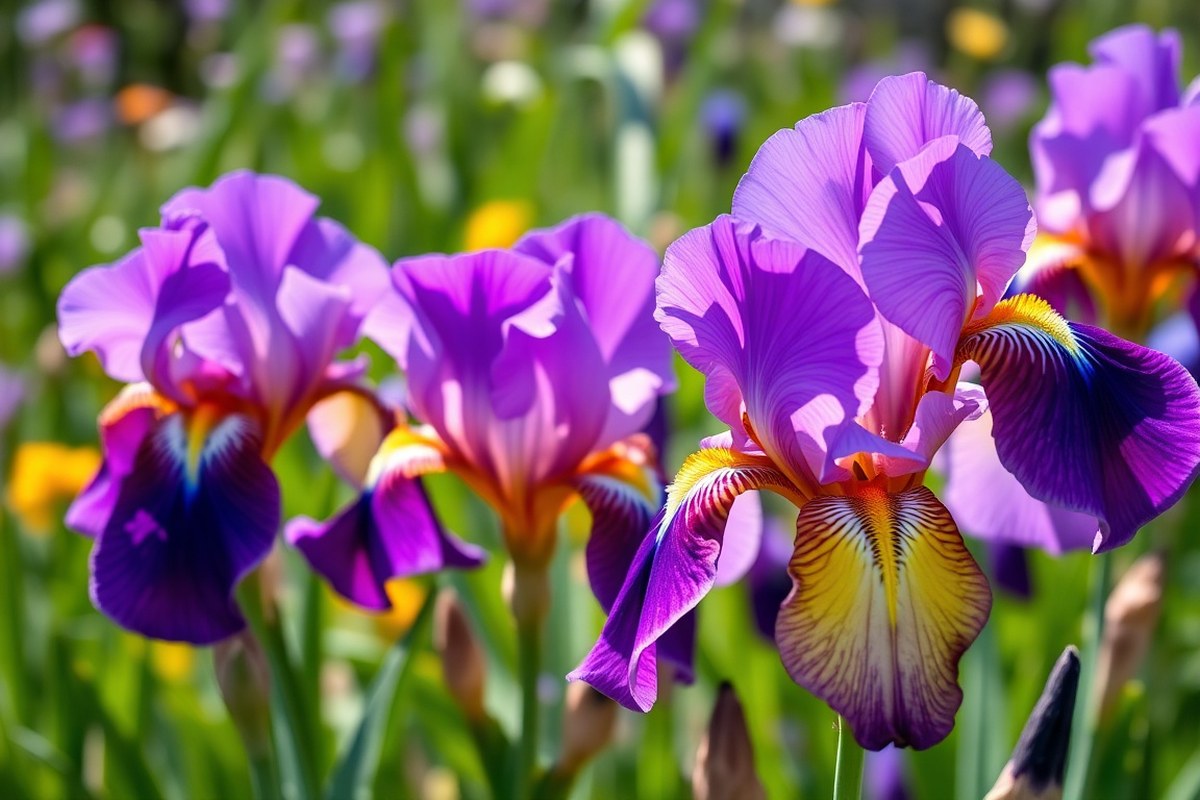
What Does the Iris Symbolize? A Complete Guide to Its Meanings by Color and Culture
What does the iris symbolize? The iris often means communication, hope, and faith. This flower connects to messages, royalty, and strong emotions in many cultures.
It also represents wisdom and courage, shining through its rich history and meanings. Many people choose the iris to express heartfelt feelings and positive intentions.
Iris colors shape its meaning, from purple’s royalty to blue’s calm. Yellow irises stand for passion and friendship, while white ones symbolize purity and innocence. The flower also marks special times like 25th anniversaries and certain holidays, adding a touch of tradition to celebrations.
History and myth link the iris to divine messengers and kings. The Greeks associated it with Iris, the messenger goddess, connecting heaven and earth. In Europe, the iris often appeared in royal coats of arms and architecture, showing power and grace everywhere it grew.
Key Takeaways
- The iris symbolizes messages and communication, tied to ancient myths.
- Purple iris flowers represent the 25th wedding anniversary.
- The iris is the birth flower for February in the U.S.
- In Japan, the iris appears during the Boys’ Festival on May 5th.
- King Clovis I adopted the iris emblem after a major victory.
- The iris stands for royalty, seen in historical fleur-de-lis symbols.
What Does the Iris Symbolize Across Cultures and History?
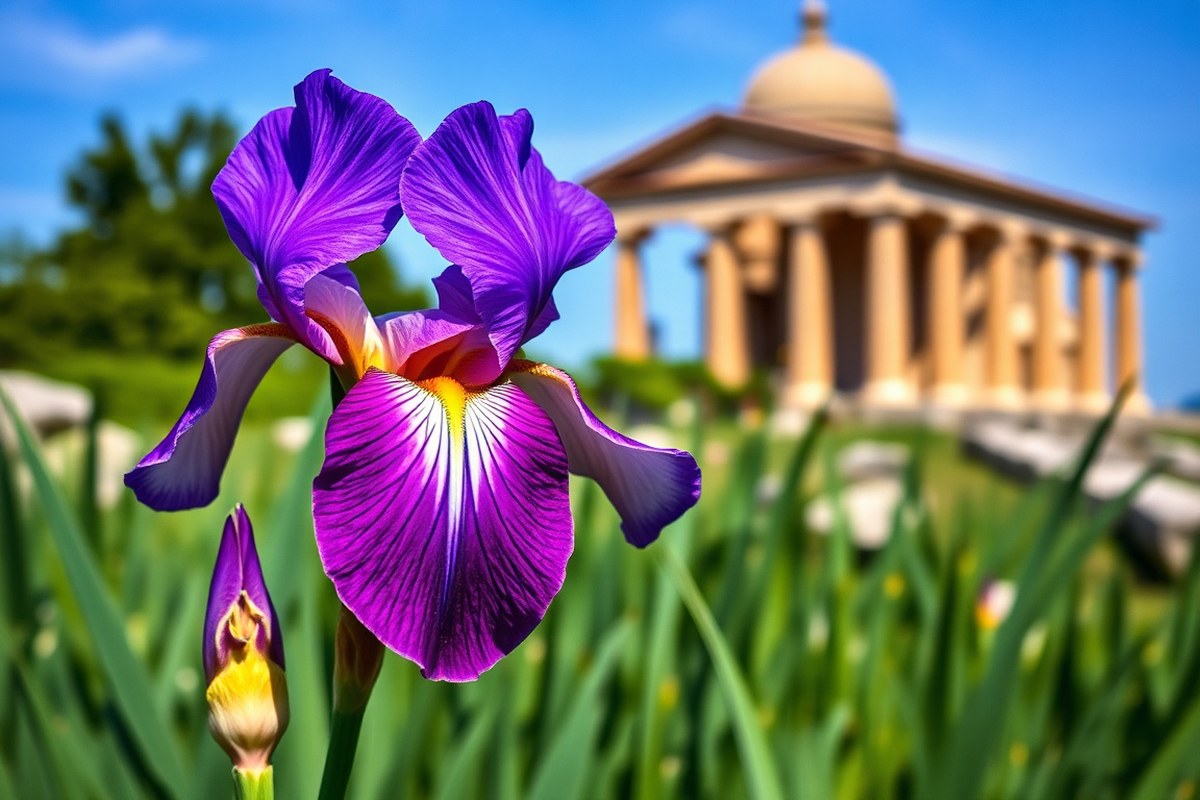
The iris flower generally symbolizes hope, faith, wisdom, and courage. Its three petals often stand for faith, valor, and wisdom across many cultures. This creates a rich layer of meaning whenever you see or gift an iris.
In ancient Greek culture, the iris represented divine messages and protection. It symbolized the link between heaven and earth. The goddess Iris was often involved.
She acted as a messenger in stories. This made the flower sacred and a sign of guidance.
Christian symbolism also embraced the iris, associating its three petals with the Holy Trinity. It sometimes represented the Virgin Mary, highlighting purity and devotion. White irises carry this purity meaning, often used in bridal bouquets to express a pure heart.
Other cultures add unique meanings to the iris. For example, in some areas, it marks 25 years of marriage, symbolizing lasting commitment. Chinese culture sees the flower as a symbol of hope.
It also means renewal. This makes it a sign of positive energy.
Colors affect iris symbolism, too. While yellow flowers usually mean friendship, yellow irises break that rule and symbolize passion instead.
Blue and purple irises often represent wisdom and respect. This variety makes the iris versatile when you want to express specific feelings.
This wide range of meanings helps the iris stand out as a meaningful flower worldwide. Its long history, diverse symbolism, and beauty make it a favorite for gardens, gifts, and art. Choosing an iris connects you to a rich tradition.
It involves hope and courage. This tradition spans many cultures.
The Spiritual and Mythological Meanings of the Iris

The iris flower carries deep spiritual and mythological meanings tied to divine communication. In ancient Greek mythology, it represented the messenger goddess Iris who linked heaven and earth. This connection gave the flower symbolic roles in hope, wisdom, and spiritual insight.
Iris as the Messenger of the Gods
The iris takes its name from Iris, the Greek rainbow goddess. She served as a messenger between gods and humans using rainbows. This made the iris a symbol of divine communication.
The Greeks saw the iris as a bridge connecting mortal life to the sacred world above. This symbolic link made the flower a sign of clarity and revelation. You can embrace the iris’s meaning to invite insight in your daily spiritual practice.
Spiritual Symbols in the Iris Flower
The center of the iris often includes yellow tones, which symbolize Divine Light and sacred meetings. This color represents the spiritual connection between people and higher powers. The broader flower also stands for hope, faith, and valor in many spiritual traditions.
Contemporary beliefs draw on the flower’s history as a symbol of open communication with the divine. The iris invites you to stay receptive to messages or guidance from spiritual sources. It can remind you to trust your intuition and remain hopeful.
Mythological Roots and Cultural Influence
Greek mythology gave the iris its lasting role in spiritual symbolism. Other cultures also adopted similar meanings inspired by this story.
Egyptians saw the iris as a sign of their heavenly ties. Greek beliefs influenced this symbolism.
The flower’s mythical story continues to influence how iris symbolism appears in art and tattoos. Iris designs often represent growth, spiritual insight, and new beginnings drawing from this deep mythological past.
Spiritual Meaning Beyond Greece
In Japanese culture, the iris symbolizes protection, vitality, and seasonal change rather than divine messages. This shift shows how spiritual symbolism can change based on cultural beliefs. Even so, the flower still carries positive spiritual energy worldwide.
The iris’s link to divine communication remains strongest where Greek mythology influences spirituality. The iris often stands for hope in many spiritual paths. It also represents receiving sacred messages.
When using iris symbolism spiritually, focus on its message of open communication and insight.
How Iris Flower Colors Influence Their Symbolism
The color of an iris flower changes its symbolic meaning a lot. Purple iris shows royalty and wisdom.
Yellow iris signals passion and creative energy. Each color adds a clear emotional or cultural message.
Purple Iris Symbolism
Purple iris flowers represent royalty and wisdom. Their deep shade has made them a symbol of admiration for centuries. People often choose purple iris to show respect or to highlight special, noble moments.
This color also connects to intuition and psychic awareness. The iris is very symbolically powerful, especially in ceremonies. It is also a state symbol, like the flower of Tennessee.
Blue Iris Symbolism
Blue iris carries meanings of faith, hope, and trust. It links back to ancient myths and goddesses tied to inspiration. True blue flowers are rare.
This makes the blue iris special. People use it for spiritual or romantic gifts.
The blue iris encourages feelings of calm and belief in brighter futures. People often use it in bouquets to express trust and lasting hope.
Yellow and White Iris Meanings
Yellow iris symbolizes passion and creative energy. Unlike many yellow flowers, it carries a positive fiery meaning. It often represents warmth and friendship, making it a popular gift among close friends.
White iris stands for purity and innocence. It suits bridal bouquets and ceremonies. White iris brings a clean, peaceful tone and often appears at events marking new beginnings.
Orange, Pink, and Black Iris Insights
Orange iris flowers express enthusiasm and warmth. They bring energy and courage to a space or occasion. This color is great for boosting motivation and creative projects.
Pink iris represents love, compassion, and emotional healing. It fits romantic gifts or self-care moments well. Black iris, rare and mysterious, hints at reflection and hidden truths, often used for deep meditation.
Summary Table of Color Symbolism
The table below sums up the main meanings of the most recognized iris colors. Each carries a unique emotional, spiritual, or cultural message you can use when choosing flowers.
| Color | Meaning | Notes |
|---|---|---|
| Purple | Royalty, wisdom, admiration | The most symbolically powerful iris; state flower of Tennessee |
| Blue | Faith, hope, trust | Linked to goddesses; rare true blue color |
| Yellow | Passion, creative energy | One of few yellow flowers with a passionate meaning |
| White | Purity, innocence | Common in weddings and ceremonies |
| Orange | Enthusiasm, warmth, energy | Brings motivation and creative inspiration |
| Pink | Love, compassion, emotional healing | Used in romantic gifts or self-care rituals |
| Black | Mystery, reflection, hidden truths | Ideal for meditation and deeper self-awareness |
Knowing these color meanings helps you pick the right iris for your message. They add a thoughtful layer to your gift or decor choice.
The Iris and Royalty: History of the Fleur-de-Lis Symbol
The iris flower became linked to royalty and power in France during the 11th century. French monarchs adopted it as the fleur-de-lis, a symbol pointing to purity and noble blood. This stylized iris appeared on royal banners, seals, and coats of arms throughout the Middle Ages.
The fleur-de-lis, which translates to “lily flower,” actually represents the iris species. It symbolized the French monarchy’s authority and the divine right to rule. This emblem marked official documents and royal armor.
It made the iris a clear sign of noble status. It also stood for leadership.
| Time | Use of Iris in Royalty |
|---|---|
| 11th Century | French royalty adopted the iris as the Fleur-de-Lis symbol. |
| Middle Ages | Iris used widely in heraldry to represent power and wealth in France. |
| Modern Era | Fleur-de-lis remains a heraldic symbol representing nobility worldwide. |
European royals used iris symbolism mainly on flags and seals. The design persists in many coats of arms today, highlighting connections to royal heritage. It also represented valor, wisdom, and a link to the divine during ceremonial occasions.
Understanding the iris’s role helps you see how flowers shaped visual identity and status. When you see the fleur-de-lis, it shows royal power.
It links to cultural tradition that goes back centuries. It still stands as a symbol of honor and nobility in heraldry around the world.
Cultural Symbolism of the Iris in Different Regions
The iris symbolizes different things across various cultures around the world. The iris has unique meanings in Egypt, Greece, Japan, and the US.
These meanings connect to history and rituals in each place. These meanings often focus on protection, divine connection, or celebration.
Ancient Egyptian Iris Symbolism
In ancient Egypt, the iris represented power and magical protection. It often appeared in art and hieroglyphs as a symbol to guard against serpents.
These serpents symbolized royal and divine power. This made the iris a symbol that protected pharaohs.
The iris likely came to Egypt through Mediterranean trade. This happened before the Greeks gave it a formal name. Egyptian myths say the iris grew from Isis’ tears.
This links the flower to a bond between heaven and earth. This connection made the flower important in spiritual and royal contexts.
Greek Mythology and Iris
In ancient Greece, the iris was linked to the goddess Iris. She was the messenger of the gods.
She was seen as a link between heaven and earth, using the rainbow as her bridge. The flower carries the symbolism of communication and divine messages.
Greeks planted purple irises on women’s graves. This showed the flower’s role in guiding souls.
The iris also symbolized a trinity concept related to its shape. This added layers of spirituality and protection to its meaning.
Japanese Iris Festival and Traditions
In Japan, the iris means protection. The Ayame Matsuri, or Iris Festival, takes place on May 5th.
The flower’s leaves are believed to protect the soul and ward off evil spirits. Japanese woodblock art often features irises in this joyful, ritualistic context.
On the same day, the Boys’ Festival uses iris leaves. People bathe with them to gain strength and health. These customs reflect the flower’s importance in safeguarding family wellbeing and growth.
Iris in American Culture and Symbols
In the US, the iris often symbolizes faith, hope, and wisdom due to Christian influences. The iris also symbolizes passion and positivity.
Yellow irises are often given as gifts for this reason. These give the flower a diverse role in personal expression.
The iris is widely used in art and floral arrangements to signify respect and admiration. The iris adds a bright message to celebrations and remembrance. It’s a popular flower in many social settings.
Here is a clear comparison of how different regions use iris symbolism:
| Region | Symbolism | Common Uses | Associated Traditions |
|---|---|---|---|
| Ancient Egypt | Power, magical protection | Art, hieroglyphs, royal imagery | Protection against serpents, divine authority |
| Greece | Messenger of gods, guiding souls | Funeral rituals, spiritual guidance | Planting purple irises on graves |
| Japan | Protection, health, soul guidance | Ayame Matsuri (Iris Festival), Boys’ Festival | Baths with iris leaves, warding off evil spirits |
| United States | Faith, hope, passion | Art, gifts, floral arrangements | Expressions of respect and admiration |
These uses show how one flower carries many meanings. The local culture shapes how the iris is celebrated or honored. Paying attention to these details helps you choose the right iris for rituals or gifts.
Use fresh iris leaves in water baths for protective rituals. Avoid using wilted or rotten leaves to prevent skin irritation.
What the Iris Means When Given as a Gift
Giving an iris flower means showing admiration, hope, and respect. Its royal and wise image suits special moments where meaningful messages matter. You can pick irises for weddings or anniversaries.
They’re also great for birthdays. You might give them as a thank-you gift to a teacher.
Different iris colors carry different messages, so picking the right shade is key. Blue iris represents faith and hope, making it perfect for weddings and new beginnings. Purple suggests wisdom and compliments, ideal for mentors or teachers you appreciate deeply.
Yellow irises bring cheer and friendship, a good choice for birthdays or casual gifts. White irises symbolize purity and innocence, fitting for anniversaries or weddings with a classic theme. Combining colors can add layers of meaning to your gift, especially for significant milestones.
- Pick blue iris for weddings or fresh starts
- Choose purple iris to honour a mentor or teacher
- Yellow iris is cheerful for birthdays and friendships
- Offer white iris for purity at anniversaries or ceremonies
- Mix colors to send multiple messages in one bouquet
- Present irises fresh, ideally in the morning, for longest life
- Use potted iris plants for lasting gifts beyond cut flowers
Irises can cost from $15 to $40 per bouquet, depending on size and variety. Dutch irises usually last up to 7 days in a vase. They need good trimming and water to stay fresh.
Proper care helps them live longer. Present flowers early in the day to keep them fresh through celebrations.
Flowers without thought to color or occasion can lose meaning or confuse recipients. Avoid gifting iris during somber occasions, as its vibrant symbolism doesn’t fit grief well. Picking the right iris color adds meaning to your gift.
Timing also makes your gift feel personal. This makes your message clear and thoughtful.
Artistic and Modern Uses of Iris Symbolism
The iris often appears in art as a symbol of personal growth and transformation. Artists use it to show emotions like hope, love, and resilience. To interpret iris symbolism in art, start by looking at its color.
Purple or blue irises usually stand for faith and courage. Brown ones suggest stability and strength.
Notice if the iris is part of a larger scene. That helps explain if it means peace, protection, or change.
Next, consider the context of the artwork. Does it show struggle, calm, or nature? A peaceful setting with irises can mean inner peace or healing.
Rough or dark backgrounds with irises might hint at resilience or fighting through difficulty. Check for repeated flower images, which can emphasize transformation or ongoing growth. The iris paired with swords or rain adds meanings like protection or renewal.
In tattoos, the iris often expresses ideas tied to personal growth and protection. People get iris tattoos to mark life changes. They also remind themselves to stay strong.
Purple and blue iris tattoos especially highlight faith and courage. Owners sometimes add elements like water or leaves to symbolize mental wellness or defense.
A small iris tattoo usually costs between $100 and $300. The price depends on size and detail.
Contemporary spirituality finds the iris meaningful for mental wellness and connection to nature. Some people use iris imagery in meditation to boost resolve and personal transformation. The sword-shaped leaves of the iris connect to warrior virtues.
They help focus on protection and inner strength. Wearing iris-inspired jewelry or keeping the flower close during spiritual work can deepen personal growth. This practice requires little cost beyond purchasing the flower or an item with its design.
Practical Symbolic Uses and Historic Applications of the Iris
The iris has a long history of use in funerals, medicine, protection, and ceremonies. Its symbolism goes beyond beauty, connecting deeply to spiritual journeys and protection. People have used it to mark endings, guard spaces, and support healing in various cultures.
In funerals, the iris often represents the soul’s journey after death. Its presence comforts mourners by symbolizing hope and remembrance.
Placing irises in arrangements or graves signals respect and the passage to the afterlife. This use is common with the Iris germanica or bearded iris, which holds strong funeral symbolism.
- Used in funeral bouquets to honor the departed
- Decorating altars during spiritual ceremonies
- Warding off evil when planted near homes
- Incorporated in herbal remedies and folk medicine
- Given as a gift to express hope and courage
- Used in rituals for protection and bravery
The iris’s sword-like leaves carry a practical role in protection. People believed these leaves shaped like blades keep evil spirits at bay. Many place iris plants by doors or windows for this reason.
In ceremonies, the iris adds a symbolic layer of bravery and safety. These uses often come with specific color choices, as blue irises stand out in spiritual meaning.
Medicinally, parts of the iris have served in folk remedies. These practices vary widely, often extracting roots or flowers for poultices and tinctures. While not common in modern medicine, folk traditions credit the iris with soothing properties.
Anyone wanting to try these remedies should get advice first. Some iris types can be toxic without the right prep. Be careful when handling these plants.
Always check plant safety before using irises medicinally to avoid harmful effects.
The iris’s continued use today shows how its symbolism works practically. Iris flowers send clear messages for guarding homes or honoring the dead. They also add meaning to many rituals.
The iris plays a role in tradition as a sign of respect. It also acts as protection you can see and feel.
Step-by-Step Action Plan for Using Iris Symbolism
Use this plan to apply iris symbolism in gifts, decor, or art. Follow these steps to make your choices meaningful.
- Day 1: Choose an iris color based on its meaning. For example, blue means hope, purple means wisdom.
- Day 3: Find a florist or artist who understands iris symbolism. Check if they can explain the flower’s story well.
- Week 1: Decide how you’ll present the iris. A bouquet suits gifts, while a painting fits decoration.
- Week 2: Give or display the iris with a note about its meaning. Notice if the receiver appreciates the symbolism.
- Month 1: Observe reactions. Adjust your use of iris colors or forms for future gifts or art.
- After 2 Months: Explore iris symbolism in other cultures for fresh ideas. Add more layers of meaning.
Frequently Asked Questions
What Does the Iris Symbolize in Ancient Greek Culture?
In Greek culture, the iris represents a messenger of the gods. It symbolizes communication between heaven and earth, often linked to the goddess Iris who carried messages.
Why Is the Iris Associated with Faith, Wisdom, and Valor?
The three petals of the iris flower stand for faith, wisdom, and valor. This symbolism reflects qualities admired in many cultures, especially in medieval Europe.
What Does a Brown Iris Flower Represent?
Brown irises symbolize stability, strength, and reliability. They are less common and often chosen to convey steady and grounded traits.
How Did the French Monarchy Use the Iris Symbolically?
French royalty adopted the iris as a symbol of sovereignty and purity. It became the basis for the fleur-de-lis, representing royal power and light.
What Spiritual Meanings Are Linked to Iris Flowers?
Iris flowers symbolize hope, growth, and spiritual insight. People often use them in art and tattoos to express transformation and renewal.
How Is the Iris Used in Modern Literature?
Modern authors use the iris to symbolize personal growth and change. It often marks a character’s journey toward insight or transformation.
The Bottom Line
The iris carries rich meanings you can share through gifts or art. Use its colors and stories to connect with others. Start by picking an iris that speaks to the feeling you want to convey.