
Is Coconut Considered a Fruit? A Complete Guide to Its True Classification
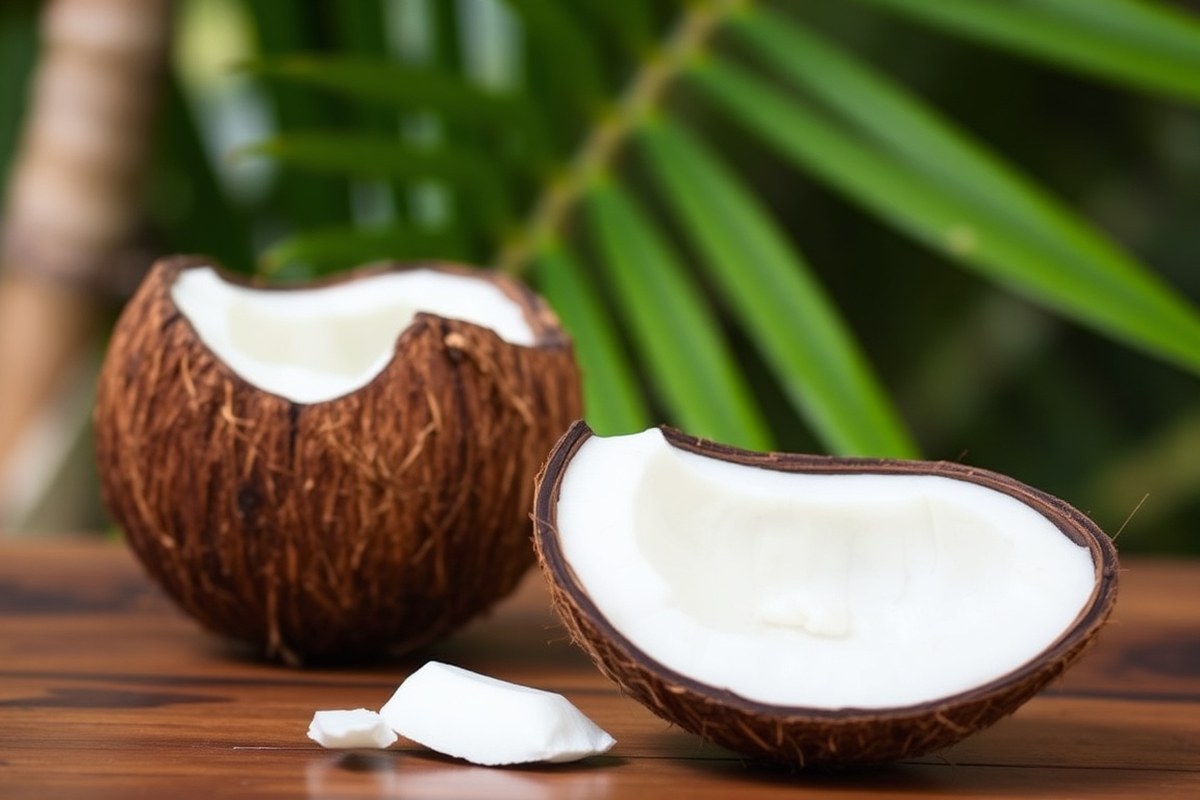
Is coconut considered a fruit? Yes, a coconut is botanically a fruit, specifically a drupe.
It contains the seed from which a new coconut palm grows. This makes it more than just a nut or seed in classification terms.
Coconuts don’t fit the typical nut category because their shell opens to release the seed inside. They have a hard covering protecting a single seed, which is typical of drupe fruits. This unique structure helps to identify coconuts properly.
A coconut is a fruit. It is also a seed. It can sprout.
This dual nature is why coconuts confuse many people about their true classification. Knowing this can help you understand coconut better in cooking and science.
Key Takeaways
- A coconut is a drupe, a one-seeded fruit with a hard outer shell.
- The shell of a coconut opens to release the seed, unlike true nuts.
- Coconuts serve as both fruit and seed because they can germinate.
- Unlike typical nuts, coconuts have a fibrous outer husk and hard inner shell.
- Allergies linked to tree nuts can rarely include coconut but are uncommon.
- Coconut oil has over 90% saturated fat and about 120 calories per tablespoon.
Is a Coconut Botanically a Fruit or a Nut?
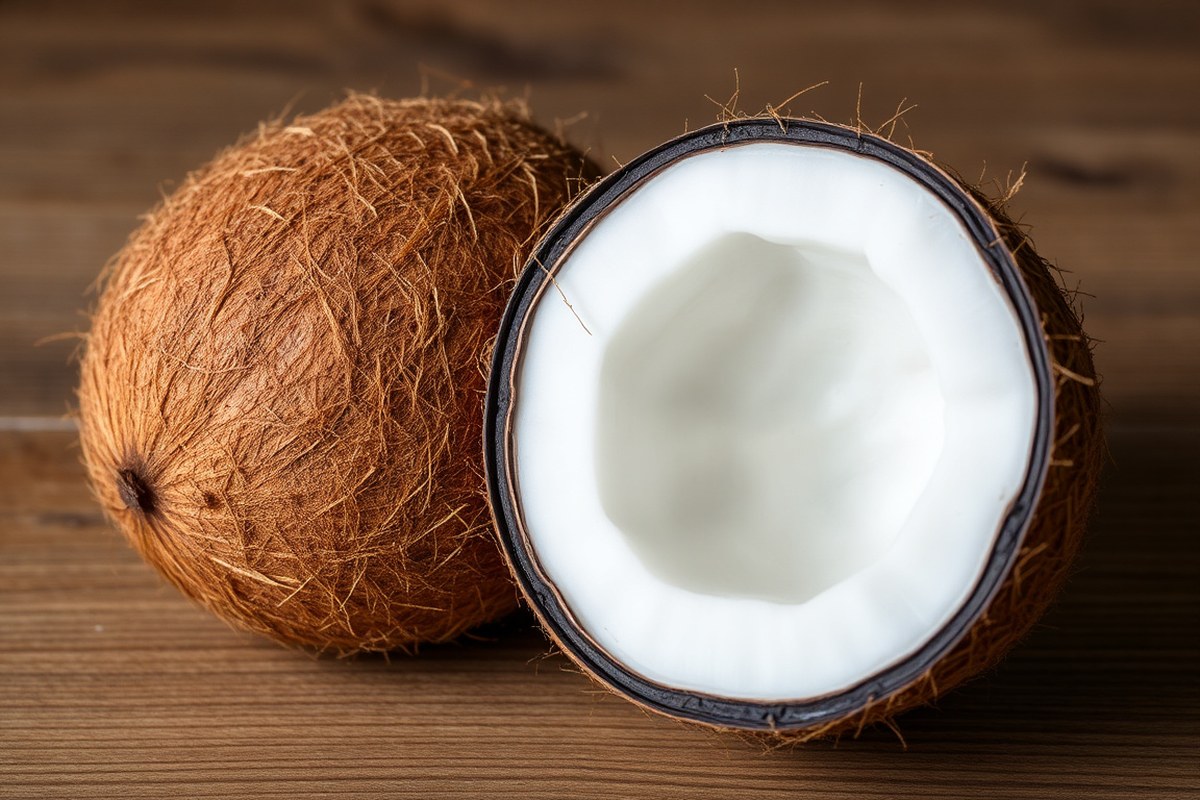
Coconuts are botanically classified as fruits, not true nuts. They belong to the drupe category. This means they have a fleshy outer layer.
Inside, a hard shell protects a seed. True nuts don’t have a fleshy outer layer.
They remain hard all the time. This makes their structure different from drupes.
The coconut’s hard shell and single seed inside make it a one-seeded fruit. This fits the botanical definition of a drupe perfectly. We call it a nut and use it that way in cooking.
The fruit grows from the flower’s ovary after pollination. It ripens over time.
Calling the coconut a nut happens mostly in cooking and food labeling. It has a high fat content, similar to almonds or cashews. Chefs often call it a culinary nut because of this.
The USDA counts coconuts as tree nuts for allergy labels. This is because coconuts grow on trees and fit their broad rules.
A coconut can be a seed, fruit, or nut. It depends on your perspective and how you define these terms.
How Does Coconut Qualify as a Drupe Fruit?

Coconuts belong to a group of fruits called drupes. A drupe has three layers: outer skin, fibrous middle, and hard shell around a seed. This layered setup defines coconuts and links them to fruits like peaches and olives.
Layer 1: Exocarp – the Outer Skin
The exocarp is the thin outer skin covering the coconut. At first, it looks green or yellow while the coconut grows on the tree. Over time, it changes to brown and becomes dry as the coconut matures.
This layer protects the coconut from bugs and rough weather. It also signals when the coconut is ripe enough to harvest. Unlike peaches, the exocarp on a coconut is firm, not soft or juicy.
Layer 2: Mesocarp – the Fibrous Husk
Under the skin, the mesocarp forms a thick, fibrous husk. This part is what you see as the coconut’s hairy outer shell. Many people don’t realize this husk makes coir, a strong rope and matting material.
This fibrous layer cushions the inner shell during falls or storms. It also helps the coconut float on water to spread across islands.
Other drupes, like peaches, have a soft, fleshy mesocarp. But coconuts have a dry, fibrous one.
Layer 3: Endocarp – the Hard Shell Enclosing the Seed
The endocarp is the hard, woody shell you crack open. It surrounds and protects the seed inside. This tough shell is thicker and harder than drupes like olives, which have thinner shells.
Inside that shell, you find the seed and the white coconut meat. The meat feeds the seed as it grows.
This solid endocarp is a key feature of almost all drupes. It varies in thickness and hardness.
Handling coconuts requires care. The hard endocarp can crack but doesn’t easily break apart, making manual opening a challenge.
Why Is a Coconut Also Considered a Seed?
A coconut is called a seed because it holds an embryo. This embryo can grow into a new tree. The coconut seed has the white meat inside it.
It also holds the coconut water. When the coconut falls and conditions are right, it can germinate and start a new palm.
The Role of the Embryo Within the Coconut
The embryo lives inside the coconut’s hard shell, surrounded by the white meat and water. It is the small part responsible for starting a new coconut palm. The white meat, called the endosperm, provides energy and nutrients to the embryo during germination.
Coconut water feeds the embryo in its early stages. It helps before the seedling gets nutrients from soil.
This combination of water and endosperm is unique and supports the seed’s growth. Without the embryo, a coconut would be just a fruit without the ability to reproduce.
Germination Process of the Coconut Seed
The coconut begins germination once it falls from the tree and the shell cracks. The embryo begins sprouting through a natural hole in the shell.
This hole is called the germination pore. This process can take a few weeks to a few months depending on temperature and moisture.
During germination, the embryo grows roots first. These roots come out of the shell to hold the seed. Then a shoot forms, eventually breaking through the husk to reach sunlight.
The white meat shrinks as the plant uses it for fuel. The seedling develops leaves and a trunk next.
Ecological Importance of the Seed Function
The coconut’s seed can travel long distances over water, helping spread coconut palms to coastal areas. The tough shell protects the embryo during ocean travel and rough conditions. This natural seed dispersal helps coconuts grow in tropical beaches and islands worldwide.
Coconut palms provide important habitats and food for animals and people in tropical regions. Knowing a coconut is a seed shows its full life cycle.
It explains how new palms grow naturally. This seed role also explains why coconuts can regenerate without human planting if conditions are right.
How Does Coconut Differ from True Nuts?
A true nut is a dry fruit with one seed. It stays closed and doesn’t split open when ripe. Examples include acorns and chestnuts, which keep the seed tightly sealed inside the shell.
Coconuts don’t fit this definition. They are a drupe with three layers. First, an outer husk covers it.
Then, a hard shell surrounds the inner seed. This structure lets the coconut open and release its seed.
True nuts stay closed. Coconuts do not.
| Feature | True Nut (e.g., Acorn) | Coconut |
|---|---|---|
| Fruit type | Dry, hard shell | Drupe with fibrous husk and hard shell |
| Seed release | Does not open; seed stays inside | Splits open to release the seed |
| Number of seeds | One seed | One seed |
| Growth source | Grows on trees | Grows on trees |
| FDA allergen status | Tree nut allergen | Previously a major tree nut allergen, dropped in 2025 |
Even though coconuts aren’t true nuts, they’re called tree nuts because they grow on trees. The FDA calls coconut a tree nut allergen. This helps people avoid reactions.
Food products must label it. This label changed in early 2025, removing coconut from the major tree nut allergen list.
Most people allergic to tree nuts don’t react to coconut. This is because coconut’s biology differs from nuts like walnuts or almonds. You can see coconut as a unique seed from a drupe.
It is not a regular nut. This explains the difference.
Is Coconut a Tree Nut Allergen? What You Should Know
Most people with tree nut allergies can eat coconut without a problem. The proteins in coconut differ from tree nuts like almonds and walnuts. That means coconut usually doesn’t trigger the same allergic reactions.
The FDA labels coconut as a tree nut allergen. This classification exists because some people might react to coconut, even though such allergies are rare. It addresses safety issues and requires food labels for coconut allergy.
Anyone with allergies to tree nuts should talk to a doctor before eating coconut. Some with macadamia nut allergies might also react to coconuts, though that is uncommon. Consulting a healthcare professional helps assess risks and prevents surprises.
Try coconut in small amounts at first to watch for any symptoms. Look for itching, swelling, or stomach upset. Avoid coconut if you notice any of these signs or if your doctor advises against it.
Talk to an allergist before eating coconut if you have nut allergies.
Nutritional Benefits of Coconut Meat, Water, and Oil
Coconut offers a range of nutrients depending on the part you use. The meat provides healthy fats and minerals.
Its water hydrates and offers electrolytes. Coconut oil delivers energy and skin benefits.
Nutritional Profile of Coconut Meat
Coconut meat contains healthy fats, mostly saturated fatty acids called medium-chain triglycerides. These fats are easier to digest than other saturated fats. It also has dietary fiber, which promotes digestion and fullness.
The meat provides minerals like manganese and copper. Manganese supports bone health and metabolism.
Copper helps with iron absorption and antioxidant defense. Compared to many fruits, coconut meat has more fat and fewer sugars.
One cup of fresh coconut meat has about 283 calories. It also contains 27 grams of fat and 7 grams of fiber.
It is richer in fats than most nuts. But less dense than oils like olive oil.
Benefits and Uses of Coconut Water
Coconut water is the liquid inside a young green coconut. It serves as a natural hydrator with electrolytes like potassium and magnesium. This makes it a popular drink after exercise or in hot weather.
The sugar content in coconut water is low compared to fruit juices. But it still offers a slight sweetness. Drinking about 1 cup provides hydration without the heavy calories of soda or juice.
People often choose fresh coconut water over bottled options for better taste and less processing. To enjoy it, puncture the coconut eyes and pour the water directly into a glass. Refrigerate any leftovers within 24 hours to keep it fresh.
Health Aspects of Coconut Oil
Coconut oil is extracted by cooking and pressing the grated coconut meat. It contains about 120 calories per tablespoon and is mainly saturated fat. Unlike other oils, it has medium-chain fats that your body may convert to energy quickly.
This oil is widely used in skincare and hair products. It can moisturize dry skin and protect against minor irritation. Using it on the skin typically requires a small amount, like a pea-sized dollop.
Coconut oil adds a distinct flavor in cooking. It works well as a substitute for butter or olive oil.
Using 1 to 2 tablespoons per recipe balances taste without too many extra calories. Keep in mind that coconut oil is solid below 76°F. So warm it gently before use if needed.
Culinary Uses and Common Mistakes Using Coconut
Coconut appears in many dishes worldwide, especially in tropical cuisines. You find coconut milk in curries. Shredded coconut appears in baked goods.
Fresh coconut water is a refreshing drink. Each form offers a unique flavor and texture for cooking and baking.
People often mix up coconut oil with other oils. Coconut oil solidifies below 76°F (24°C). So it needs gentle heating before use in recipes.
Using shredded coconut instead of coconut flour is a common mistake. It changes the texture a lot. It also affects moisture levels.
When fresh coconut isn’t available, canned coconut milk works well. Dried shredded coconut is also a good option. Both last longer and save prep time.
However, canned milk can be sweeter or thicker depending on the brand. So check labels to match recipe needs.
- Use coconut milk in soups and curries for creamy texture
- Add shredded coconut to granola or baked goods for crunch
- Substitute coconut oil for butter in sautéing or baking, with slight flavor change
- Avoid using shredded coconut instead of coconut flour, as they differ in moisture
- Store coconut oil in a cool cupboard to keep it solid but spreadable
- Use dried coconut in place of fresh if rehydrated in warm water first
- Check canned coconut milk labels for added sugars and consistency
Using the right kind of coconut helps keep recipes on track. For example, coconut flour absorbs more liquid. So recipes using it need extra eggs or oil.
Beginners might skip these adjustments and get dry baked goods. Coconut oil also adds a mild coconut taste, which can change sweet or savory dishes subtly.
Storing coconut parts properly extends their shelf life. Fresh coconut meat lasts about a week refrigerated after cracking.
Coconut oil can sit at room temperature but might cloud or solidify, which doesn’t affect quality. Opening canned coconut milk calls for using it within a few days in the fridge.
How Coconut’s Botanical and Culinary Classifications Differ
Coconuts are confusing because botanical and culinary labels don’t match. Botanically, a coconut is a fruit. It grows from a flower.
The flower is on the coconut palm tree. It has a seed inside a hard shell, which fits the fruit classification. Culinary terms often call it a nut.
This is due to the tough shell. The shell holds an edible kernel inside.
In kitchens and grocery stores, “nut” describes hard shells with edible seeds. So coconuts fit this idea even if it’s not exact.
Across cultures, coconuts take on many roles affecting their classification. In tropical areas, people eat coconuts like fruit. They drink the water inside.
They also eat the soft meat. Elsewhere, coconut meat is dried or pressed for oil, resembling nuts or seeds in cooking. This variety in use makes a single label tough.
Think of almonds, often called nuts in cooking but botanically seeds. The coconut behaves the same way, blurring lines between fruit, nut, and seed.
Take a shopping example. You’ll find coconuts in the bulk nut section or near fruits. This shows the dual view in practice.
Botanists study how the coconut grows. They call it a fruit with a seed. This is the official classification.
Culinary use prioritizes texture and preparation, calling it a nut for cooking purposes. Knowing both views helps you understand recipes and labels better. It’s not just naming; it reflects how coconuts serve different purposes.
Always read allergy labels carefully. Coconut isn’t a true tree nut. Still, it can cause reactions in some people.
How to Use Your Coconut Knowledge Everyday
Follow these steps to get the most from coconuts. See results by using and storing coconut properly.
- Day 1: Identify coconuts as drupes, not true nuts, and explain this to someone. This helps build clear understanding.
- Week 1: Try cooking with fresh coconut meat or water. Notice the texture and flavor changes versus dried coconut.
- Before cooking: Check allergy labels carefully if you or guests have nut allergies. Coconut is not a tree nut allergen for most people.
- In your kitchen: Use coconut oil as a cooking fat. But watch for its low smoke point. Use it for medium heat or baking.
- After 2 weeks: Try recipes that show off coconut water’s sweetness. Use it in smoothies or light drinks. They taste fresh and natural. See how it improve flavor.
- Monthly: Store leftover coconut meat in an airtight container in your fridge. It will keep fresh for up to a week.
- When shopping: Pick coconuts with a heavy feel and no cracks to ensure freshness. This improves taste and safety.
Frequently Asked Questions
Is a Green Coconut Also Considered a Fruit?
Yes, a green coconut is an immature fruit. It develops into the mature brown coconut we commonly see.
Can You Eat the Coconut Husk?
No, the tough outer husk is not edible. People usually discard it or use it for fiber products.
Does the Coconut Water Come from the Fruit or the Seed?
Coconut water is the liquid inside the fruit’s hollow cavity. It’s not part of the seed itself.
Is Coconut Flour Made from the Fruit or the Seed?
Coconut flour comes from dried coconut meat, which is part of the fruit. It’s rich in fiber and low in carbs.
Are Coconuts Grown on Bushes or Trees?
Coconuts grow on tall palm trees, not bushes. These trees can reach 80 feet or more in height.
Is Coconut Water High in Calories?
Coconut water is low in calories. It contains natural sugars and electrolytes but less fat than coconut meat.
Wrapping Up
Coconut is botanically a fruit called a drupe, not a true nut. It also functions as a seed. Begin by cooking with fresh coconut meat or water.
This lets you taste and feel the texture. Use them in simple meals first.


