What Are the Benefits of Parsley? A Complete Guide with Safe Use Tips
What are the benefits of parsley? Parsley is a powerful herb full of vitamins and antioxidants. It supports your bone, heart, and immune health effectively.
This herb also contains vitamin K, which is essential for blood clotting and bone strength. Adding just a few tablespoons to your diet daily can boost your nutrition.
Parsley helps the body by acting as a natural diuretic and detoxifier. This improves kidney function and lowers blood pressure naturally.
It also has compounds like flavonoids that protect cells from damage. Drinking parsley tea or juice can gently increase urine output without harsh side effects.
Start with small amounts, like one to four tablespoons of fresh parsley daily. Avoid parsley right before surgery because it affects blood clotting.
Using fresh or dried parsley can both provide health benefits. But fresh has more vitamin C. Parsley also offers a mild anti-inflammatory effect, supporting overall wellness.
Key Takeaways
- One cup of fresh parsley gives nearly 90% of your daily vitamin C need.
- Two tablespoons of parsley powder offer over 150% of the daily vitamin K value.
- Parsley’s antioxidants increase when air-dried at low temperatures up to 48 hours.
- Eating parsley regularly can help maintain healthy blood pressure and kidney function.
- Parsley juice supplies about 23% of daily vitamins and antioxidants per cup.
- People planning surgery should stop using parsley at least 1-2 weeks prior.
Main Health Benefits of Parsley Explained
Parsley provides important health benefits because it contains many vitamins, minerals, and antioxidants. Its vitamin A and beta-carotene content support eye health by protecting your vision. Plus, vitamin C in parsley helps boost your immune system and supports skin health.
Bone health also gets a boost from parsley’s calcium and vitamin K. These nutrients help maintain strong bones and reduce the risk of fractures. Eating 1 to 4 tablespoons of fresh parsley daily helps your health.
It offers benefits without harmful side effects. You can add it easily to meals.
Heart health improves thanks to parsley’s flavonoids, natural compounds that help reduce inflammation. These antioxidants may lower the risk of cardiovascular problems by protecting blood vessels. Eating parsley regularly can add these protective compounds to your diet.
Parsley has natural compounds that work as mild antibiotics. They also act as diuretics. This helps fight infections and flush excess fluids.
These effects support kidney health and reduce bloating. Using fresh parsley in meals or juices is an easy way to tap into these benefits.
Parsley’s antioxidants protect your cells from free radical damage. Free radicals can lead to diseases like diabetes and skin cancer. This helps reduce long-term health risks.
The anti-inflammatory properties may also calm skin irritations and improve overall skin condition. Adding parsley to smoothies or salads boosts your daily antioxidant intake naturally.
Key Nutrients in Parsley That Boost Health

Parsley has vitamins, minerals, and antioxidants. These support your health in many ways. They work together to benefit your body.
Parsley is rich in vitamins A, C, and K. It also has minerals like calcium, iron, and potassium. It contains antioxidants such as apigenin and luteolin. These nutrients boost your immune system and protect your skin.
They also support heart and bone health. Together, they help your body stay strong.
Vitamins: A, C, and K
Parsley provides about 133 mg of vitamin C per 100 grams. Vitamin C protects your cells from damage. It also supports your immune system.
It also delivers plenty of vitamin A, which is important for healthy skin and eyes. Parsley has a good amount of vitamin K. This vitamin is key for blood clotting. It also helps keep your bones strong.
Fresh parsley offers the best vitamin content. Cooking or drying can reduce vitamin levels. Eating it fresh keeps more nutrients intact.
Add a few tablespoons of fresh parsley to salads. Use it raw in meals to get more vitamins. This is an easy way to add nutrition.
Minerals: Calcium, Iron, and Potassium
Calcium in parsley, about 138 mg per 100 grams, supports your bones and teeth. The iron content, at 6.2 mg per 100 grams, helps your blood carry oxygen efficiently and prevents fatigue. Parsley has around 554 mg of potassium per 100 grams.
Potassium helps control blood pressure. It also keeps your muscles working well.
Parsley contains magnesium, phosphorus, zinc, and manganese too. These minerals help skin health and your metabolism. They give your body extra support.
Use parsley as a garnish or in smoothies. This boosts your nutrient intake without many calories. It’s a healthy, low-calorie addition.
Antioxidants: Apigenin, Luteolin, and Myristicin
Parsley contains flavonoid antioxidants such as apigenin, luteolin, and myristicin that combat oxidative stress and inflammation. Apigenin in parsley has strong antioxidant effects. It may help protect your heart.
Lab studies suggest it might lower cancer risk. Luteolin offers anti-inflammatory and antibacterial benefits.
These antioxidants also support liver enzymes that help detoxify your body. Fresh or gently dried parsley provides better antioxidant activity. Avoid overheating or long cooking times as they can reduce some antioxidant levels.
Add parsley fresh at the end of cooking. This keeps vitamins and antioxidants from breaking down. Eating it raw in salads works well too.
How Parsley Supports Bone, Heart, and Immune Health
Parsley helps strengthen bones mainly because it’s loaded with vitamin K. This vitamin plays a big role in bone mineral density and blood clotting. You can add about a quarter cup of chopped fresh parsley daily.
Mix it into salads or sauces. This helps support your bone health.
Besides vitamin K, parsley also contains folate, which helps lower heart disease risk. Folate supports proper blood flow and prevents harmful buildup in arteries. Using parsley instead of salt adds flavor to your meals.
This keeps your dishes heart-friendly by lowering sodium. Try it in cooking often.
Parsley’s antioxidants, including vitamin C, fight free radicals that hurt your heart and immune system. Studies show foods rich in flavonoids, like parsley, help reduce risks. They lower chances of heart disease and type 2 diabetes.
Eating them helps your health. Add a handful of fresh parsley to your meals daily.
Over time, it may benefit your heart and immune system. Keep this habit up regularly.
Certain compounds in parsley can help manage blood pressure. Animal studies found parsley extract helped lower blood pressure. It increased urine output and balanced sodium and potassium.
These effects support healthy blood pressure. Human studies on parsley are limited so far.
But adding parsley to meals is safe. It may help support healthy blood pressure with other lifestyle steps.
Your immune system also benefits from parsley’s vitamins A and C. Vitamin A maintains skin and mucous membranes, your body’s first defense. Vitamin C boosts white blood cell function and speeds healing. Adding parsley regularly to your diet feeds your immune defenses with these essential nutrients.
Keep in mind, consuming parsley fresh maximizes its nutrient intake. Dried or cooked parsley still offers benefits but less vitamin C and some antioxidants. Mixing fresh parsley into soup or omelets is easy.
This simple daily habit provides key nutrients. It costs little and takes almost no effort.
Parsley’s Role as a Natural Diuretic and Detoxifier
Parsley acts as a natural diuretic by increasing urine production. It helps your kidneys release extra fluid. This flushes out extra water and salt.
It supports your body’s natural cleaning process. This process can relieve water retention and reduce bloating, which often causes discomfort in the abdomen.
Drinking parsley tea or adding fresh parsley to your meals can support this effect. Take a handful of fresh parsley leaves. Steep them in hot water.
Do this for 5 to 10 minutes to make tea. Enjoy this once or twice daily to encourage urine flow and detoxification. But avoid excessive intake to prevent dehydration.
Parsley’s diuretic properties also benefit kidney health. It makes you pee more, helping clear toxins. This reduces acidity in your body.
Lower acidity means fewer kidney stones can form. Studies suggest parsley may improve urinary pH and support the body’s natural detox pathways.
Using parsley regularly could ease mild fluid buildup caused by conditions like edema. It gently draws fluid out of tissues, easing puffiness without harsh effects. Talk to your healthcare provider before eating more parsley.
This is important if you have kidney problems. They can guide you safely.
Parsley also helps flush unwanted germs from the bladder and urinary tract. This cleansing action supports overall kidney and urinary system health. Fresh parsley juice or tea helps keep you hydrated.
It also supports waste removal from your body. It’s a natural, gentle way to stay healthy.
To use parsley safely for these benefits, start with small amounts. Add two tablespoons of finely chopped parsley to salads or smoothies daily.
Alternatively, drink one cup of parsley tea made with 2 teaspoons of dried parsley leaves. Regular, moderate use provides the mild diuretic and detoxifying effects without upsetting your body’s balance.
Effective Ways to Use Parsley in Your Daily Diet
Parsley works well in foods and drinks to boost your health daily. You can eat it fresh, make tea, or take supplements. The amounts you choose matter for safety and benefits.
Incorporating Fresh Parsley into Meals
Adding fresh parsley to your meals is easy and tasty. Chop two to three tablespoons of parsley. Sprinkle it on salads.
Use it also on soups or pasta for fresh flavor. A single tablespoon of fresh parsley already covers over 70% of your daily vitamin K needs.
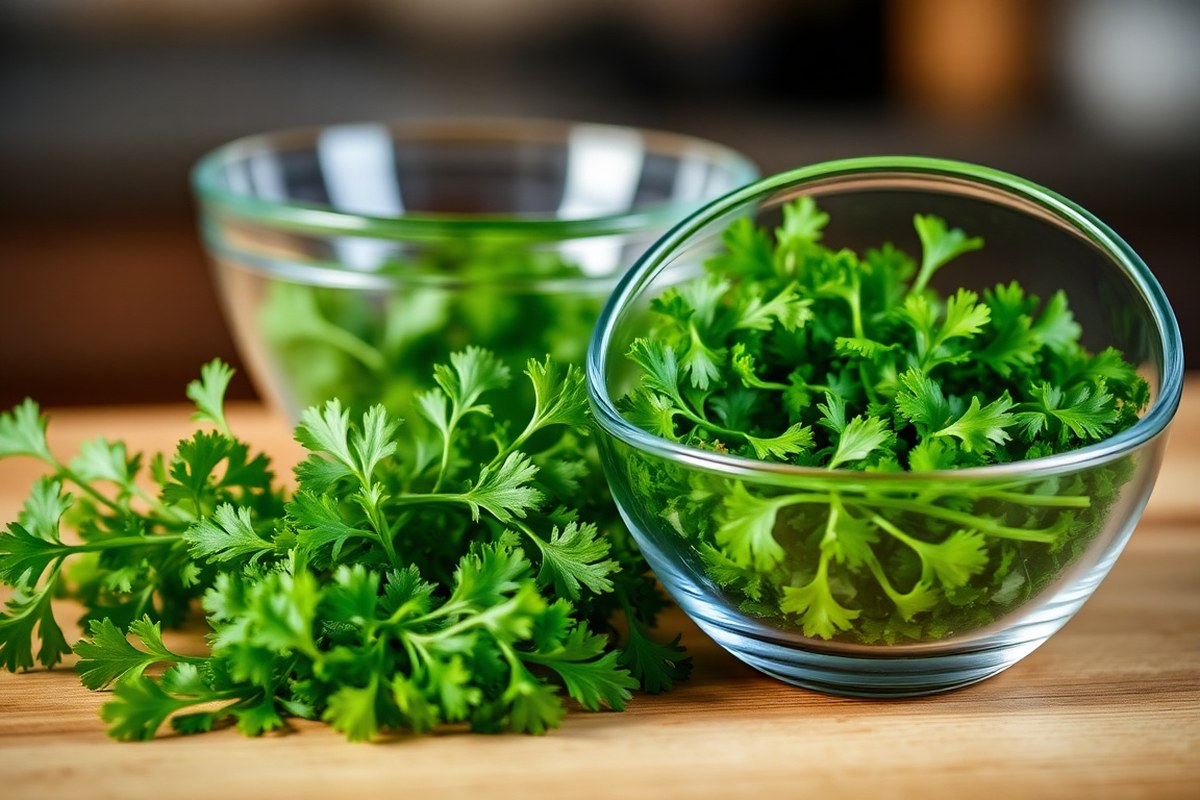
Mix parsley into sauces, marinades, or even scrambled eggs. Chewing fresh leaves after meals may help reduce bloating and freshen your breath. Keep parsley fresh by placing it in a glass of water.
Store it in the fridge like flowers. This way it lasts up to a week.
Preparing Parsley Tea for Health
Parsley tea is simple to make and can aid digestion and reduce bloating. Steep 1/4 cup of fresh parsley in hot water for 5 to 7 minutes, then strain. Drinking 1 to 2 cups daily can deliver these benefits safely.
You can swap fresh for dried parsley, steeping it about 10 minutes instead. Avoid steeping too long to prevent a bitter taste.
Drinking parsley tea after meals is common. But don’t exceed two cups daily to stay safe.
Avoid parsley tea if you are pregnant. Don’t use it with liver or kidney problems. Always get medical advice first.
Using Dried Parsley and Powder Supplements
Dried parsley is useful when fresh isn’t available, though it has slightly less vitamin content. Use dried parsley in cooking when you want a milder herb flavor that lasts longer.
Parsley powder supplements give more vitamins. Two tablespoons provide over 150% of daily vitamin K. This packs a strong vitamin punch.
Organic parsley leaf powders or superfood blends are easy supplements. They add parsley benefits without cooking. Use them for convenience.
Check labels and follow dosage instructions carefully. Supplements should not replace fresh foods but can complement your diet.
Recommended Daily Intake Guidelines
A good daily amount for most adults is two to three tablespoons of fresh parsley. This amount offers plenty of nutrients without risk. Parsley tea drinking should stay at 1 to 2 cups per day.
Kids, pregnant women, and people with serious liver or kidney disease should ask a doctor. Check before you increase parsley intake.
High doses might cause issues in sensitive individuals. Moderation helps you enjoy the benefits safely every day.
Who Should Avoid or Limit Parsley Intake and Why
Most people can enjoy parsley without any issues at normal amounts. Some people should be careful or avoid parsley.
Surgery, pregnancy, medicines, or allergies can cause risks. Talk with a healthcare provider if you’re unsure.
Parsley and Surgery: Timing and Risks
Parsley contains vitamin K, which helps blood clotting. Eating parsley before surgery can interfere with blood thinners used during operations.
You should stop eating parsley and parsley supplements 1 to 2 weeks before surgery. This reduces the risk of excessive bleeding during and after the procedure.
Pregnancy and Parsley Consumption
Normal food amounts of parsley are generally safe during pregnancy and breastfeeding. There isn’t strong research on side effects from typical culinary use.
Concentrated parsley supplements or essential oils could cause uterine contractions. Pregnant or breastfeeding women should avoid large doses.
Check with your healthcare provider before using parsley. Small amounts in food are usually fine.
Interactions with Blood Thinners and Other Medications
Parsley is high in vitamin K, which can reduce blood thinner effectiveness. Talk to your doctor before eating more parsley if you take blood thinners.
Parsley’s diuretic properties may also interact with blood pressure meds and other diuretics. Keep your healthcare provider informed if you use parsley supplements while on these drugs.
Allergic Reactions and Overconsumption Risks
Some people allergic to celery or carrots may also react to parsley. Watch for itching, swelling, or breathing issues and get medical help if these occur.
Eating more than 200 grams of parsley daily may cause problems. Side effects include low blood sugar and upset stomach.
Stick to smaller amounts for safety. Stick to moderate amounts, about 30 grams daily, for safe use.
How Drying and Processing Affect Parsley’s Nutritional Value
Fresh parsley packs the highest levels of nutrients and antioxidants. For example, 100 grams of fresh parsley contains significant amounts of vitamins A, C, and K. It also offers enzymes and essential oils that give a bright flavor and health benefits.
Drying parsley reduces its water content and shrinks its leaves. This process concentrates some nutrients but lowers others, especially heat-sensitive antioxidants like vitamin C. Dried parsley can have up to 17 times more antioxidants by weight. This happens because drying concentrates the nutrients.
That’s more than fresh parsley contains. Still, dried parsley loses potency and flavor over months. So it works best in cooked dishes where its fresh taste is less critical.
Powdered parsley is simply dried parsley that’s ground fine. Dried parsley keeps antioxidant density well. However, it loses much of the fresh taste.
Some heat-sensitive nutrients also break down. Use about one teaspoon of dried or powdered parsley to replace three tablespoons of fresh parsley. Powdered parsley is convenient for long storage but doesn’t fully match fresh leaves’ nutritional impact.
Extracted parsley products, like juices, offer nutrients in a more bioavailable liquid form. One cup of parsley juice gives about 23% of your daily vitamin C. It also provides nutrients that support liver detox. The juice helps kidney cleansing too.
Fresh parsley juice keeps most nutrients because it isn’t dried. You must refrigerate it to keep it fresh. It also doesn’t last as long as dried parsley.
To preserve parsley’s nutrients, chop fresh leaves right before eating or cooking. Avoid exposure to heat and light for long periods. Dry parsley at home using low heat between 95 and 115°F. Keep the drying time under 12 hours.
This helps keep antioxidants from breaking down. Store dried parsley in airtight containers away from light and heat to slow degradation.
Fresh parsley tastes best and has a good nutrient balance. It has a short shelf life, though. It also tends to cost more.
Dried and powdered parsley last longer and are easy to use. They lose some vitamin C in the process. They also don’t taste as fresh.
Parsley extracts and juices give quick nutrient boosts but require fast use and careful storage. Using each type wisely depends on your cooking style and nutrient priorities.
Top Antioxidants in Parsley and Their Health Effects
Parsley contains powerful antioxidants like apigenin, luteolin, and myristicin. These compounds help fight oxidative stress, which happens when free radicals damage your cells. Apigenin and luteolin are types of flavonoids.
They help reduce inflammation. They may also slow aging signs.
Apigenin might kill cancer cells. Studies tested this on animals. It also helped shrink tumors in those tests.
Luteolin protects cells by neutralizing harmful molecules and calming inflammation. Myristicin also adds anti-inflammatory effects, supporting overall cell health.
These antioxidants reduce oxidative stress by stabilizing free radicals. Free radicals harm DNA and proteins, contributing to aging and chronic diseases like cancer. Eating parsley increases your intake of these antioxidants, helping your body fight this damage.
You can add about 1 to 2 tablespoons of fresh parsley leaves. This boosts your antioxidant intake. Use it daily in meals.
For example, chopping parsley into salads or sprinkling it on cooked dishes works well. Using fresh rather than dried parsley preserves more antioxidants, though dried still offers benefits.
Evidence for parsley’s role in cancer prevention mostly comes from lab and animal studies. Apigenin has shown promise in reducing tumor growth, but human studies are limited. Still, regular consumption of antioxidant-rich foods like parsley could support your body’s defense against cancer development.
Fresh parsley is best for antioxidant benefits. Store it wrapped in a damp paper towel in the fridge for up to five days.
Step-by-Step Action Plan for Adding Parsley to Your Diet
You can start enjoying parsley’s health benefits with these simple steps. Follow this plan to build parsley into your meals safely and easily.
- Day 1: Add a tablespoon of fresh chopped parsley to your salad or sandwich. Notice if it adds fresh flavor and mild peppery taste.
- Week 1: Steep a handful of fresh parsley in hot water. Let it sit for 5 minutes. Drink the tea daily for best results. Check how your digestion feels after drinking it.
- Week 2: Blend fresh parsley into your morning smoothie or soup. See if it boosts the taste and gives you a fresh green color.
- Week 3: Use parsley as a natural garnish when cooking fish or chicken twice a week. Notice how it brightens flavors and looks on your plate.
- Month 1: Replace dried parsley with fresh in most recipes to maximize nutrients. Observe if you feel more energetic or notice subtle health benefits.
- Ongoing: Limit parsley to half a cup fresh each day. This is important if you have kidney or liver problems. Keep intake low to stay safe. Monitor for any unusual symptoms like increased urination or allergies.
Frequently Asked Questions
What Are the Benefits of Parsley for Digestion?
Parsley can improve digestion by reducing bloating and gas. Its natural compounds support healthy enzyme production and gut motility.
Can Parsley Help Reduce Inflammation in the Body?
Yes, parsley contains antioxidants that help lower inflammation levels. This may ease chronic inflammation-related discomfort.
Is Parsley Useful for Improving Skin Health?
Parsley provides vitamin C and antioxidants that support skin repair. Using fresh parsley in your diet may help your skin glow.
Does Parsley Aid in Weight Loss?
Parsley is low in calories and high in fiber, which helps control appetite. Including it in meals can support healthy weight management.
Can Parsley Boost Energy Levels Naturally?
Parsley offers iron and B vitamins that help fight fatigue. It supports red blood cell production for sustained energy.
How Much Parsley Should I Eat Daily for Health Benefits?
Eating 1 to 4 tablespoons of fresh parsley daily provides health benefits. This amount balances nutrition without risk of side effects.
Wrapping Up
Parsley offers many health perks with few downsides when used thoughtfully. Start with small amounts and enjoy its fresh flavor every day. Add parsley to your meals today and see how it fits your lifestyle.