
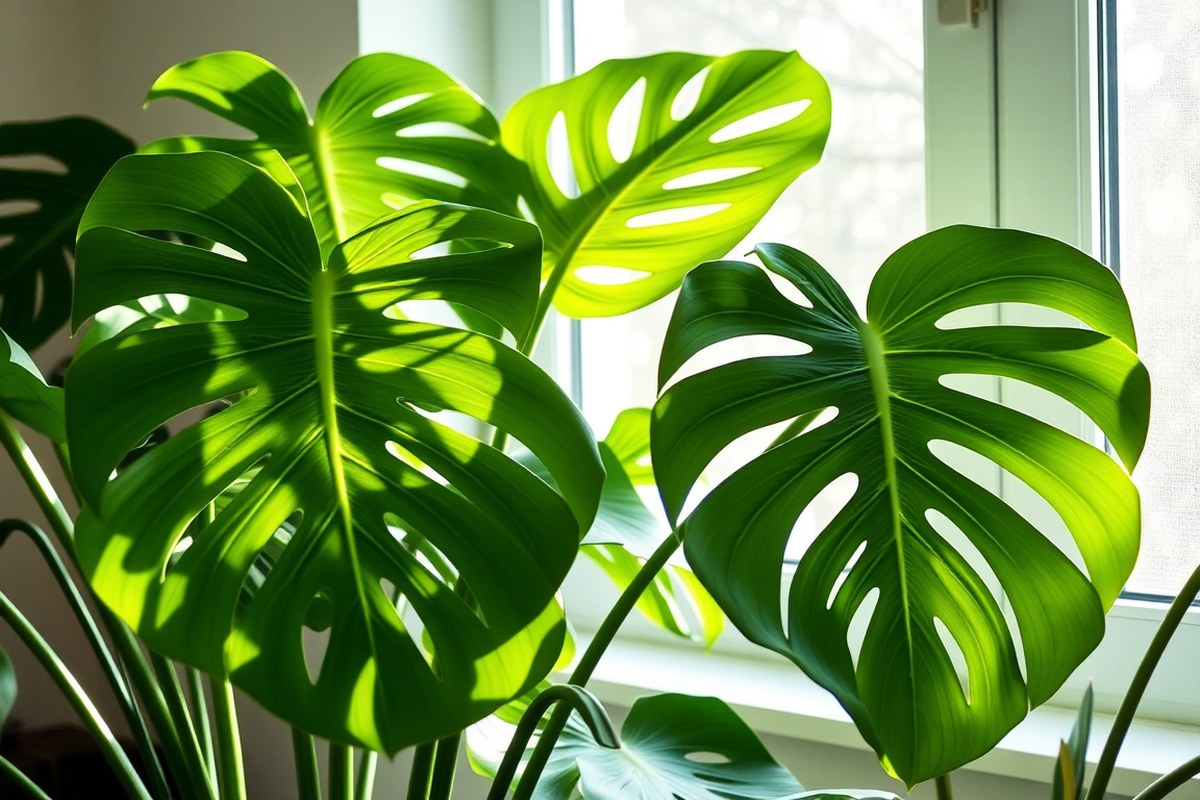
How to Grow Monstera Deliciosa: Complete Care Guide with Proven Tips
Knowing how to grow Monstera deliciosa means providing bright, indirect light and well-draining soil. This plant thrives in humidity around 60% and temperatures between 65 and 85°F. Start with a pot 2 to 4 inches larger than the root ball to give roots enough room.
Water when the top 2 to 3 inches of soil dry out to avoid overwatering. Overwatering can cause root rot, a common problem. Rotate the pot 90 to 180 degrees weekly to encourage even leaf growth.
Support fast vertical growth with a sturdy stake or moss pole. This reduces how often you need to repot, usually every 4 to 5 years. Keeping the plant in a stable, humid spot encourages strong, vibrant leaves.
Key Takeaways
- Use a large pot 2-4 inches wider than the Monstera’s root ball.
- Place your Monstera in bright, indirect light for best growth.
- Water only when the top 2-3 inches of soil feel dry.
- Raise humidity to around 60% to mimic its tropical habitat.
- Keep indoor temperatures between 65°F and 85°F for comfort.
- Turn the pot regularly for balanced leaf growth in every direction.
How to Grow Monstera Deliciosa Indoors Successfully
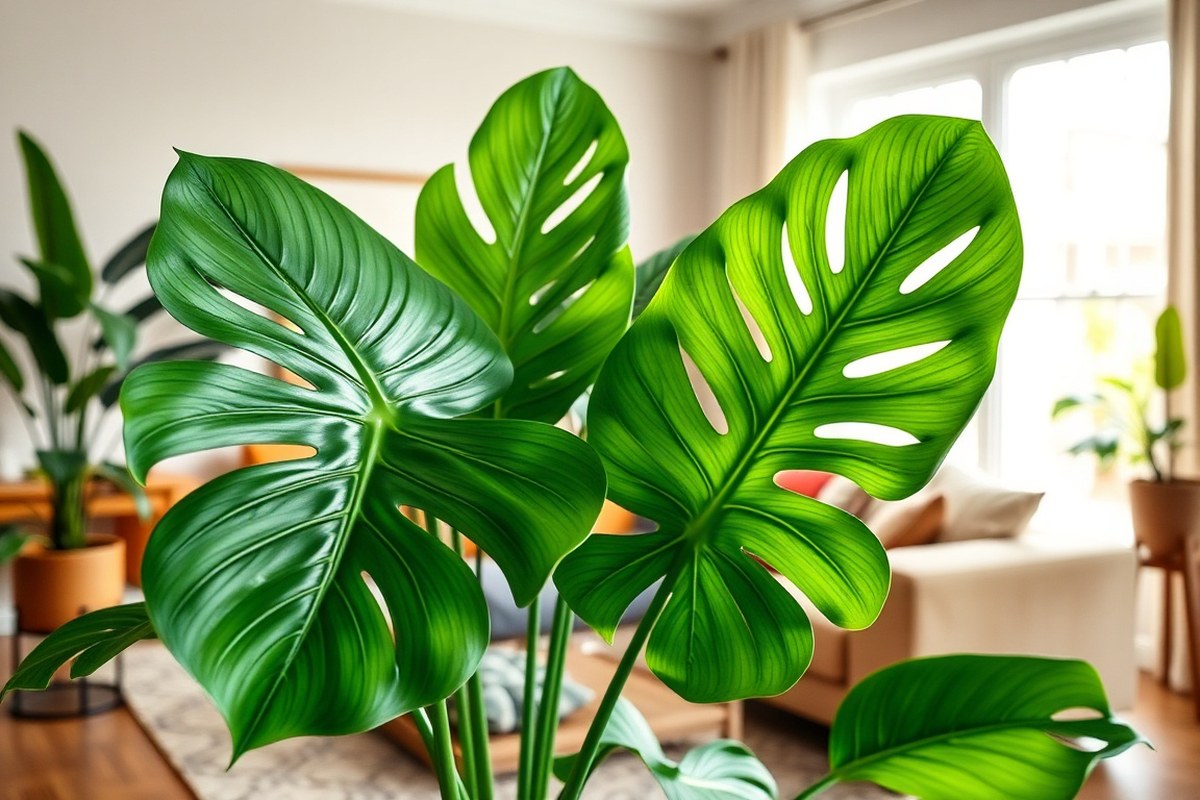
Monstera deliciosa thrives best with bright, indirect light for at least 12 hours daily. Placing it near an east or north-facing window works well. Avoid direct sunlight, which can scorch the leaves and stunt growth.
Use soil that drains well and stays a bit moist. Let the top 2 to 3 inches dry before watering. Check soil moisture regularly to avoid overwatering.
A peat-rich, loamy mix with a pH around 5.5 to 7.0 fits these needs. Letting soil dry partially helps prevent root rot while maintaining enough moisture for steady growth.
Keep room humidity around 40 to 60 percent; 60 percent is ideal. Use a humidifier or mist the leaves often in drier rooms. Monstera plants can grow up to 10 feet tall indoors.
Use a moss pole or stake for support. This helps the plant grow large, split leaves.
Maintain indoor temperatures between 65 and 85 degrees Fahrenheit for best growth. Avoid drafts and sudden temperature changes that stress the plant. Cut watering by 30 to 50 percent during winter.
Stop fertilizing unless the plant shows new growth. This avoids stressing the plant in cold months.
Check soil moisture once a week for basic Monstera care. Feed the plant monthly when it grows actively. Prune leaves to help new ones sprout quicker.
Pruning can increase new growth by up to 40 percent within weeks. Rotate the plant regularly to keep growth even and healthy.
Choosing the Right Soil, Pot, and Location for Your Monstera

Pick a pot that is 1-2 inches bigger than your Monstera’s current one. Use a soil mix that drains well but keeps moisture for healthy roots. Position your Monstera in bright, indirect light, avoiding direct sun to boost growth.
Ideal Soil Composition for Drainage
Monstera deliciosa needs soil that’s airy and drains fast to prevent root rot. A good mix includes potting soil plus chunky materials like perlite or orchid bark.
Try this soil mix: use 2 parts good potting soil. Add 1 part perlite.
Then mix in 1 part orchid bark or coco coir. This blend stops water from sitting while holding enough moisture for roots.
Mix these ingredients well and fill the pot around the loosened roots after repotting. Avoid purely peat-based soils because they stay too wet and cause rot risks.
Selecting Pot Size and Material
Choose a pot 1-2 inches wider than the old one. This size prevents the soil from staying soggy and encourages steady root growth. A pot that’s too big slows growth by holding excess moisture.
Terracotta pots are popular because they let the soil dry faster due to their porous walls. Plastic pots hold moisture longer but keep the roots warmer, which some owners prefer indoors.
Make sure any pot has drainage holes to stop water buildup. Repot your plant every 1-2 years.
Also repot if roots show from holes. Or if soil dries too fast between watering.
Check drainage holes frequently, water pooling at the bottom invites root rot.
Best Indoor Placement and Light Sources
Put your Monstera near bright, indirect light. This helps leaves grow well.
It also encourages fenestrations to form. Avoid direct sunlight, which can scorch leaves quickly.
A north- or east-facing window usually provides suitable light without harsh rays. Use a grow light with LED bulbs if light is low.
Keep it on for 10-12 hours a day. This helps your Monstera grow.
Turn your plant 90 to 180 degrees weekly. This keeps leaves growing evenly.
It stops the plant from leaning toward light. Keep humidity above 50% when possible to mimic the tropical feel.
- Bright, indirect light spot near an east or north window
- Avoid direct midday sun to prevent leaf burns
- Rotate weekly to balance growth on all sides
- Use a grow light if home has low natural light
- Keep humidity levels above 50% for best leaf health
Watering Monstera Deliciosa: When and How Much
Your Monstera needs water when the top 1 to 2 inches of soil feel dry. Water deeply until excess drains out the pot’s holes. Avoid watering on a set schedule to prevent root rot or drying out.
Testing Soil Moisture with Fingers or Tools
Checking the soil moisture guides your watering. Stick your finger about 2 inches deep into the soil.
Your Monstera needs water when the soil feels dry to the touch. When the soil is still moist, check again after a few days.
You can also lift the pot to feel its weight. Dry soil makes the pot feel much lighter.
Wet soil adds weight and means watering isn’t needed yet. A moisture meter is a tool that shows exact moisture levels for more accuracy.
Watering Frequency by Season and Environment
Monsteras demand less water in fall and winter when growth slows. Water every 2 weeks or so in cooler months. In spring and summer, water roughly every 1 to 2 weeks depending on light and heat.
Homes with higher humidity or cooler rooms reduce watering frequency. Warmer, drier places increase how fast soil dries. Always check the soil before watering, especially during seasonal changes.
Proper Watering Technique to Avoid Root Issues
Water your Monstera thoroughly to moisten all the soil in the root zone. Water until you see water draining out the bottom of the pot. This ensures roots absorb enough moisture without leaving soggy soil.
Use pots with drainage holes to prevent water pooling. Avoid letting your Monstera sit in standing water, which causes root rot. Water in the morning to let excess moisture evaporate during the day.
Here’s a step-by-step watering routine to follow:
- Check the top 1 to 2 inches of soil with your finger or a moisture meter.
- Lift the pot to feel if it feels light, indicating dryness.
- Choose room-temperature water to avoid shocking roots.
- Pour water evenly over the soil surface to soak the root ball.
- Continue watering slowly until water flows from the drainage holes.
- Let excess water drain completely before placing the pot back on its tray or saucer.
- Wipe off any moist soil from the pot to stop mold growth.
- Wait to water again until the soil is dry to the touch at the top.
Supporting Vertical Growth and Rotating Your Plant
Supporting your Monstera as it grows upward keeps it strong and healthy. Using moss poles or trellises holds the plant upright and helps leaves grow bigger. Turn your plant regularly so leaves develop evenly on every side.
Common Support Options: Moss Poles, Trellises, Stakes
Moss poles filled with Sphagnum moss are popular for Monsteras. They hold moisture and encourage aerial roots to attach and grow. This makes your Monstera climb naturally and develop bigger leaves with deep splits.
Trellises let your plant spread out a bit more. They take up less room than a moss pole but don’t hold moisture for roots. Stakes are simple and cheap but offer less support if your Monstera gets tall or heavy.
- Moss poles: Encourage natural climbing and aerial root growth, cost $15-$30.
- Trellises: Allow more spread, good for smaller spaces, cost $10-$25.
- Wooden stakes: Easy to add, inexpensive but less stable for tall plants.
- Coiled wire supports: Adjustable size, may damage stems if too tight.
- Velcro plant tape: Gentle on stems, holds vines to poles without harm.
Choose a moss pole if you want a tall, neat look with bigger leaves. Try trellises for a bushier shape. Stakes work best for young Monsteras or smaller spaces.
Benefits of Regular Rotation and How to Do It
Rotating your Monstera helps every leaf get enough light. It prevents the plant from leaning toward one side and growing unevenly. Turn your pot about a quarter turn every week or two for balanced growth.
Watch how your Monstera reacts. Rotate more if the plant reaches toward a window heavily.
Less rotation is fine if light comes from all sides. Consistent turning keeps leaf shape uniform and stops one side from getting leggy.
Training and Tying Stems Without Damage
Train your Monstera gently by tying stems to supports with soft ties. Use plant tape or fabric strips to avoid cutting into the stem. Start supporting when your plant reaches about 12 to 18 inches tall.
Guide the stems upward slowly, attaching them every 6 to 12 inches. Mist moss poles sometimes so aerial roots grab hold. Trim back overly long stems to 6-12 inches to keep size manageable and encourage new growth.
Check ties regularly to loosen them as the stem grows. Avoid wrapping too tightly since this can hurt your plant and slow growth. With care, your Monstera will climb nicely and spread its leaves evenly as it matures.
Maintaining Optimal Humidity and Temperature for Growth
Monstera deliciosa thrives best in humidity levels between 50% and 60%. This range mimics the plant’s tropical roots, promoting healthy, glossy leaves. Levels below 40% may cause brown tips or curled leaves, signaling stress.
Indoor air often gets dry, especially in winter or with heating systems on. To raise humidity, you can use several simple methods suited for various budgets and spaces.
- Place a humidifier near your Monstera for consistent moisture boost.
- Set the pot on a tray filled with water and pebbles to increase local humidity.
- Group several plants together to create a microclimate that holds more moisture.
- Mist the leaves lightly once or twice daily, but avoid soaking them.
- Keep your Monstera away from vents, heaters, or air conditioners that dry out the air.
Temperature also plays a big role in Monstera health. Ideally, it should stay between 65°F and 85°F. Below 55°F, growth slows, and the leaves may curl or turn black. Staying in this range keeps your plant growing well without temperature shock.
Watch for signs your Monstera is stressed by temperature or humidity. Brown crispy edges or curly leaves suggest very dry air.
Leaf blackening or slowed growth often means it’s too cold. Acting at the first sign helps prevent damage before it spreads.
Keep your Monstera away from cold drafts and dry heating to avoid stress symptoms.
Propagating Monstera Deliciosa: Methods and Best Practices
| Attribute | Stem Cuttings | Air Layering |
|---|---|---|
| Ideal Conditions | Bright, indirect light; high humidity | Bright, indirect light; high humidity |
| Tools Needed | Pruning shears, rooting hormone (optional), water or soil container | Pruning shears, sphagnum moss, plastic wrap, rooting hormone |
| Time to Root | 2 to 6 weeks | 2 to 6 weeks |
| Common Challenges | Low humidity, poor light, improper cutting technique | Maintaining moisture in moss, securing wrap tightly, low humidity |
Monstera deliciosa is easy to propagate using stem cuttings or air layering. Stem cuttings are quick and straightforward. Air layering takes a bit more prep but helps grow larger roots before cutting.
The best time to propagate is in spring when the plant actively grows. Your cutting or air layer needs bright, indirect light and high humidity to root well. Avoid direct sun that can dry out your cutting or moss.
Caring for your cutting involves keeping it moist and warm. Roots usually appear within 2 to 6 weeks.
Once roots are at least 2 to 3 inches long, you can transplant to soil. Young plants may need repotting every spring for the first three years.
Follow these steps to propagate Monstera using stem cuttings:
- Choose a healthy stem with at least one node, an aerial root, and a leaf.
- Use clean pruning shears to cut just below the node.
- Optional: Dip the cut end in rooting hormone to promote root growth.
- Place the cutting in water or moist potting mix. Keep humidity high around the cutting.
- Set the cutting in bright, indirect light away from direct sun.
- Check weekly for root development. Change water regularly if rooting in water.
- Plant the cutting in soil once roots reach 2, 3 inches.
For air layering, wrap moist sphagnum moss around a stem section just below a node. Secure it with plastic wrap to hold moisture.
Check moss every few days to keep it damp. Once roots grow through the moss, snip below them and pot the new plant.
Rooting failures often happen due to low humidity or poor light. Also, cutting without a node or damaging aerial roots delays or stops rooting. Giving your cutting gentle care like weekly misting helps its progress.
Fertilizing and Pruning for Vigorous Monstera Growth
Feed your Monstera every 4 to 6 weeks in spring and summer. Use a balanced liquid fertilizer for best results.
Look for a water-soluble fertilizer labeled 10-10-10 or 20-20-20. These numbers show equal amounts of nitrogen, phosphorus, and potassium, which support leaf and root growth.
Reduce feeding in fall and winter as growth slows. Use grow lights all year. Keep fertilizing as you normally would.
Applying too much fertilizer can burn roots. So dilute liquid fertilizer to half the recommended strength. This keeps your plant healthy and prevents damage.
- Fertilize every 4, 6 weeks in spring and summer
- Use balanced liquid fertilizer (10-10-10 or 20-20-20)
- Dilute fertilizer to half strength before applying
- Stop or reduce fertilizer in fall and winter
- Keep temperatures near 75 °F (24 °C) to help nutrient uptake
- Use clean, sharp scissors for pruning to avoid disease
- Prune just above a leaf node to encourage new shoots
Pruning helps keep your Monstera shaped and full. Cut back leggy or damaged leaves to open space for new growth. Always prune with clean, sharp scissors to avoid infections.
Trim leaves just above a node to promote healthy branching. Removing yellow or dead leaves also improves airflow and plant health. Prune regularly during growth months to maintain shape and encourage bushier growth.
Good pruning gives a balanced plant with big green leaves. New shoots should grow near the trimmed areas.
Avoid cutting too close to the stem to prevent stress. Don’t prune too heavily in winter, so your plant can rest and recover naturally.
Identifying and Troubleshooting Common Monstera Problems
Pests like spider mites, scale insects, and mealybugs commonly affect Monstera deliciosa. You’ll spot them as tiny dots, webbing, or white cottony clusters on the leaves and stems. Wipe the leaves with a damp cloth every 7 to 10 days.
Use insecticidal soap during this time until the pests go away. Repeat until you no longer see pests on the leaves.
Yellow leaves often show up with overwatering or poor drainage. The soil should feel just moist, not soggy, and the pot needs drainage holes.
Brown, crispy edges usually mean underwatering or low humidity. Adjust watering habits or move the plant near a humidifier.
Leaves without fenestrations rarely get enough bright, indirect light. The plant needs several hours of filtered daylight to develop split leaves. Try moving your Monstera closer to a north- or east-facing window.
Avoid direct noon sun because it can scorch the leaves. Watch how the light changes through the day.
- Spider mites cause tiny webs and leaf speckling; treat with insecticidal soap.
- Scale insects appear as small, round bumps. Remove them with rubbing alcohol on a cotton swab.
- Mealybugs look like white cotton spots; spray with neem oil.
- Yellow leaves from overwatering need a water break and better drainage.
- Brown edges signal underwatering or dry air; increase humidity or watering.
- Poor fenestrations call for more bright, indirect light over weeks.
Spotting widespread leaf yellowing or pests means you should act fast. Responding quickly helps protect your Monstera from serious harm. Isolated spots can be monitored for a week.
But multiple damaged leaves mean you need to intervene in days. Severe cases with rapid decline require a repot, trimming dead leaves, and thorough pest control.
Problems that last after treatment need a plant specialist’s advice. Getting help can stop damage from becoming permanent.
Check your Monstera regularly for pests and moisture issues. Early action prevents costly plant health problems.
Step-by-Step Action Plan for Growing Monstera Deliciosa Indoors
Follow this plan to get your Monstera happy and growing strong indoors. Check how the plant responds to each step before moving on.
- Day 1: Choose a pot with drainage holes and fill it with well-draining soil. Your Monstera should look stable and not sit in water after watering.
- Week 1: Place your Monstera near a bright window with indirect light. Watch the leaves for signs of sunburn or droopiness as you adjust placement.
- Week 2: Water the plant when the top 1-2 inches of soil feel dry. Check for soil moisture before watering again to avoid overwatering.
- Week 3: Mist the leaves or use a humidity tray to keep humidity around 60%. Notice if the leaf edges stay healthy and don’t brown.
- Month 2: Add a balanced liquid fertilizer every 4-6 weeks during growing seasons. Look for new growth and darker, larger leaves as signs of success.
- Month 3: Support your Monstera with a moss pole or trellis. Stems should use the support and grow upright without bending.
- Month 4 and beyond: Rotate your plant every week for even growth. Prune any yellow or damaged leaves to keep it healthy. Keep checking regularly to maintain its shape. Check regularly for pests or other issues.
Frequently Asked Questions
How Fast Does Monstera Deliciosa Grow Indoors?
Monstera deliciosa can grow up to 10 feet long indoors. It’s a fast grower if you provide enough light and space.
Can Monstera Deliciosa Survive Low Light Conditions?
Monstera survives in low light but grows slower with smaller leaves. Bright, indirect light is better for healthy growth.
How Often Should I Repot Monstera Deliciosa?
You should repot Monstera every 2 to 3 years unless it’s growing along vertical support. Support can extend repotting to 4-5 years.
Is It Necessary to Fertilize Monstera Deliciosa Year-Round?
Fertilize mainly during spring and summer when Monstera grows actively. Avoid heavy feeding in fall and winter.
Can I Grow Monstera Deliciosa from Seeds?
Growing from seeds is possible but slow and less common. Propagation from stem cuttings is easier and faster.
Are Monstera Deliciosa Leaves Edible?
Young Monstera leaves and fruits must be cooked before eating. Raw parts contain irritating calcium oxalate crystals.
Before You Go
Growing Monstera deliciosa indoors takes patience and the right care. Start by giving your plant good light and moderate watering. Watch your Monstera each week and adjust based on what it needs next.


