Do Earthworms Carry Diseases? Complete Guide to Risks and Safe Handling
Earthworms can carry some bacteria and parasites. But risks to people and pets are very low.
Most earthworms don’t carry germs that cause illness. They might pick up harmful microbes if they consume manure from sick animals.
Earthworms actually reduce many harmful microbes in soil by digesting organic matter quickly. Their fast digestion, usually one to two days, limits germ growth inside them. This makes earthworms mostly safe to handle.
Always wash your hands after touching earthworms, especially if you use manure-rich compost. This helps prevent any germs from spreading to your skin. Pets rarely get sick from eating earthworms.
Risks for pets rise if worms have consumed disease-causing bacteria or parasites. Infections are still uncommon. Prevent risks by stopping pets from eating dirt, worms, or animal waste in unsafe soil.
Key Takeaways
- Earthworms can carry bacteria but are unlikely to infect healthy humans.
- They reduce harmful soil pathogens by speeding up organic matter breakdown.
- Worms in manure-rich compost may carry E. Coli O157:H7 and require caution.
- Wash hands thoroughly after gardening or touching earthworms to avoid infection.
- Pets eating earthworms rarely face health risks unless the worms carry parasites.
- Prevent pets from eating earthworms from contaminated or poorly composted soils.
Do Earthworms Carry Diseases Harmful to People or Pets?

Earthworms generally do not carry diseases that harm people through normal contact. Their bodies host some bacteria and parasites, but these rarely infect humans. The main worry is eating raw or undercooked earthworms.
This could carry a parasite risk. Serious illness is rare.
Pets, such as dogs and cats, can sometimes get parasites that pass through earthworms first. These worms carry parasite larvae inside them. Pets can get infected if they eat the worms.
Still, the chance of infection depends on the parasite type and local environment. So the risk is not the same everywhere.
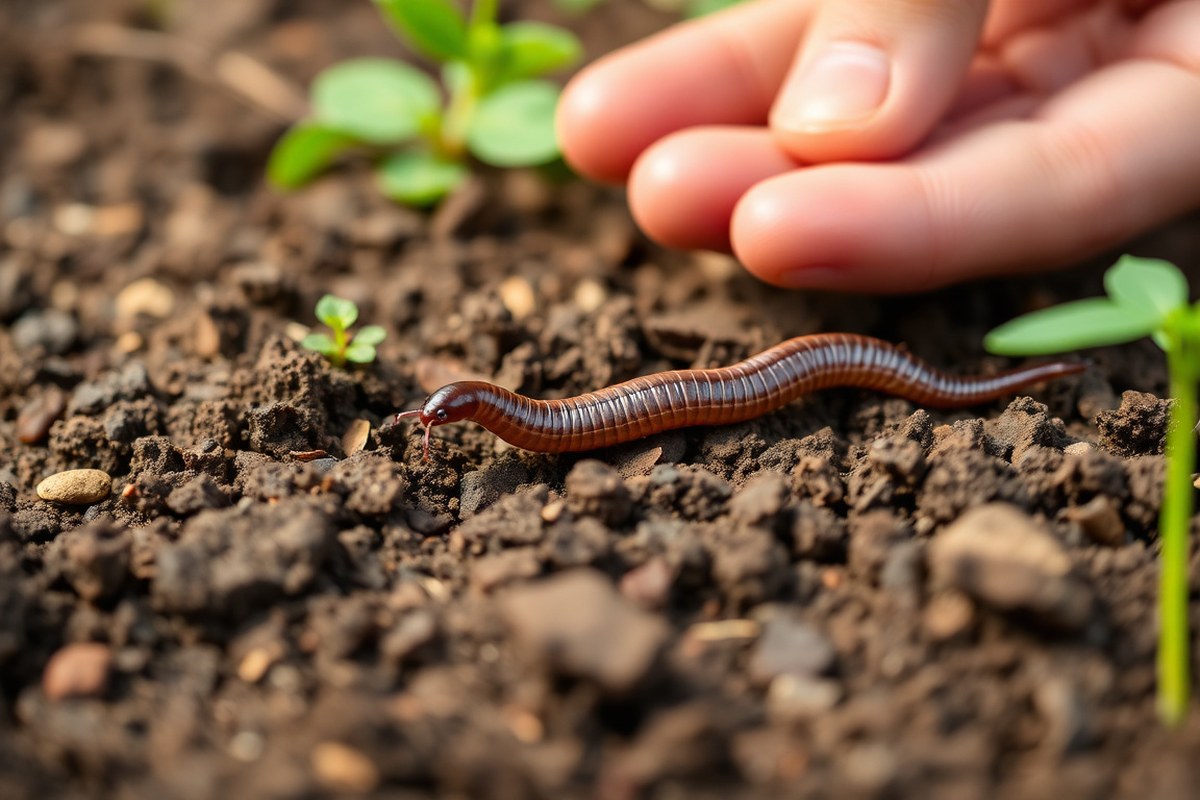
Children can safely touch earthworms during gardening or outdoor play. The chance of getting disease from touching worms is very low. Earthworms don’t live on human skin.
They don’t cause infections this way. Washing your hands after handling earthworms is a smart habit. It helps avoid germs from soil and other sources.
What Harmful Bacteria and Parasites Can Earthworms Harbor?

Earthworms can carry some harmful bacteria like Escherichia coli O157:H7 and parasites. They usually don’t host these parasites to complete their life cycles. Instead, earthworms move the parasites through the soil.
This helps spread the parasites around garden areas. Knowing which pathogens earthworms carry helps keep gardening and pet care safe.
Common Bacteria Found in Earthworms
One of the main bacteria found on earthworms is Escherichia coli O157:H7. This strain can cause serious foodborne illness in humans. This strain shows up on the worm’s skin and inside its gut.
You can also find it in the worm casts left after feeding. The worms get it from manure that has this strain.
Earthworms can also ingest Rhodococcus equi, which causes disease in horses. Earthworms help reduce some harmful germs in compost and sewage. But they can increase other germs during digestion.
That’s why handling worm-processed material carefully is important. This makes composting with earthworms a useful but imperfect way to break down waste.
Parasites Associated with Earthworm Hosts
Earthworms act as obligatory intermediate hosts for parasites like gapeworms. The parasites need earthworms to complete their life cycle. However, it’s rare for earthworms to carry parasites that infect humans directly.
Dogs and cats sometimes contract parasites by eating earthworms. Invertebrates like earthworms serve as a food source and a parasite carrier for these pets. Being aware of local worm species and their risks helps prevent such infections.
Pathogen Survival and Reproduction Inside Earthworms
Earthworms don’t have the biology to host many human pathogens long-term. Many bacteria get killed during gut transit. Still, some pathogens survive and exit in worm casts, spreading through soil.
Earthworms can move bacteria through soil columns by their burrowing and feeding. They absorb metals like cadmium and mercury, which can affect their health and reproduction. These factors influence the balance of microbes earthworms carry and spread.
Here is a summary of pathogens and their connection with earthworms:
| Pathogen or Parasite | Role of Earthworms | Relevance |
|---|---|---|
| Escherichia coli O157:H7 | Carried on skin, gut; spread in casts | Foodborne illness risk, especially with manure |
| Rhodococcus equi | Ingested from soil; can carry virulent strains | Horse disease risk |
| Gapeworms (A worm species) | Earthworm is obligatory intermediate host | Important in birds’ parasite lifecycle |
| Various zoonotic parasites | Earthworms serve as prey for dogs, cats | Risk of parasitic infection via predation |
Keep your compost and garden tools clean after handling earthworms to reduce any bacterial risks.
How Do Earthworms Affect Soil Pathogens and Compost Safety?
Earthworms influence soil pathogens mainly through their feeding and burrowing activities. They break down organic matter and mix soil layers well. This helps reduce harmful bacteria by exposing them to predators.
Oxygen also helps kill bad bacteria in the soil. This process lowers pathogen numbers and improves soil health for your plants.
Using earthworms in vermicomposting encourages pathogen reduction too. As earthworms digest organic waste, their gut can destroy many harmful microbes.
Studies show that vermicomposting cuts down pathogens like E. Earthworms reduce harmful bacteria like E. Coli and Salmonella. This makes compost safer than raw manure or kitchen scraps.
Still, earthworms can also bring some risks. Earthworms can carry parasite eggs in the soil. These eggs can cause illnesses like visceral larva migrans in children.
Avoid feeding earthworms manure or waste that may have parasite eggs. This helps stop contamination. Handling earthworms with clean hands and washing afterward adds a layer of safety.
Research on farming soils shows earthworms don’t increase disease risks overall. Earthworms act like tiny bulldozers in soil. They mix and aerate the soil well.
This helps beneficial microbes fight pathogens. However, in backyard settings with poultry, earthworms might transmit parasites like gapeworm. So caution is needed if you keep chickens.
For home gardeners, the key to vermicompost safety is controlling what goes into the worm bin. Avoid using manure or materials with harmful bacteria or parasites. This keeps compost and your garden safe.
Earthworms generally reduce disease risk by improving soil conditions and cutting pathogen levels. But careful management prevents unwanted contamination.
What Immune Defenses Do Earthworms Have Against Pathogens?
Earthworms have a strong immune system that fights off pathogens. Their immune cells, called coelomocytes, detect and attack many harmful microbes. These cells have immune-receptor-like molecules that sense bacterial parts, such as flagellin, triggering defense responses.
Their gut transit time is quite fast, typically 24 to 48 hours. This rapid movement stops many pathogens from settling in the worm’s body. Instead of growing inside earthworms, some germs get destroyed during digestion.
Some pathogens can survive on or inside earthworms a bit. Most, however, don’t last long there. For example, swine lungworm larvae can be found in earthworms.
But these worms do not spread other pig diseases like mycoplasmal pneumonia. This shows earthworms are not carriers of all soil pathogens.
Can Handling Earthworms Cause Infections or Allergic Reactions in Humans?
Handling earthworms rarely causes infections. But soil or worm contact can carry bacteria or parasites.
Allergic reactions are possible but uncommon. Washing your hands carefully after gardening removes most risks.
Possible Human Reactions from Earthworm Contact
Earthworms themselves do not usually cause infections. The risk comes from soil and organic matter on their bodies. Soil can hold bacteria, parasites, or fungi that irritate skin.
These can cause illness if they get into your mouth or cuts. Always avoid touching your face after handling soil.
Gardening in clean soil reduces risks. Worms from compost or contaminated soil may carry more pathogens. Contact with earthworms might occasionally cause mild skin irritation or redness for sensitive people.
Wearing gloves lowers exposure to soil organisms and contaminants. This is especially recommended for cuts or if you have sensitive skin.
Proper Hand Washing and Hygiene Tips
Washing hands after handling earthworms and soil is the simplest step to prevent infection. Use warm water and soap and scrub all hand surfaces for at least 20 seconds. Rinse thoroughly and dry with a clean towel.
Avoid touching your face, mouth, or eyes before washing hands. This limits the chance of ingesting pathogens picked up from soil or worms. Clean your fingernails well, as dirt often hides underneath.
- Use warm water and soap, scrub for 20 seconds
- Clean under fingernails and between fingers
- Rinse thoroughly and dry with a clean towel
- Wash hands after gardening, petting animals, or handling soil
- Avoid touching your face before cleaning hands
Gardening gloves should also be cleaned or replaced regularly to avoid buildup of contaminants.
When to Use Gloves in Gardens with Earthworms
Gloves protect your skin from dirt, cuts, and organisms in soil. Use them if you have open cuts or sensitive skin. Gloves help when you work with compost or soil.
Compost can have animal droppings or waste that’s unsafe. Wearing gloves lowers your infection risk.
For routine gardening in clean, healthy soil, gloves are optional. Some gardeners prefer bare hands but must practice thorough hand washing afterward. Using gloves also lowers risk of skin irritation caused by worm slime or soil fungi.
Wear gloves if handling compost or soil suspected of contamination from manure or sewage waste.
Change gloves if they tear or become heavily soiled. Lightweight garden gloves cost around $5 to $15 and often last a gardening season.
Allergy Symptoms Related to Earthworms
Some people can develop allergic reactions after touching earthworms or soil. Signs include itching, redness, or mild swelling on the skin. These reactions are rare but possible if you are sensitive or handle worms frequently.
Severe allergies are uncommon. Symptoms like rash, wheezing, or difficulty breathing require medical attention. Avoid handling worms if you notice persistent skin irritation or suspect an allergy.
Washing hands and changing clothes after gardening can reduce exposure to allergens. Store garden tools and gloves in a dry, clean place.
This stops mold and fungi buildup. Mold and fungi can cause allergic reactions in some people.
Are Earthworms a Health Risk for Pets That Eat Them?
Pets like dogs and cats often eat earthworms, which can expose them to parasites and bacteria. Earthworms sometimes carry parasitic worms like hookworms and roundworms. These parasites can cause gastrointestinal infections in pets.
Earthworms can also transport bacterial microbes from one soil spot to another. This occasionally leads to bacterial infections in animals that eat them. Earthworms rarely spread serious diseases like mycoplasmal pneumonia.
This comes from a pig study. Such cases are uncommon.
Free-ranging chickens eating earthworms can pick up gapeworm infections where the parasite is common. Pets in such areas face similar risks. Wild boars eat earthworms and might increase bacteria nearby.
These bacteria could affect your pets. Watch out in areas where boars roam.
Keep your pets from eating earthworms, especially in worm-infested areas. This helps protect them from bacteria. Check your yard regularly.
Monitor your pets’ outdoor activity and discourage digging in soil where worms thrive. Keep your yard clean of feces that could attract worms with parasite eggs.
Regular veterinary checkups help catch infections early. Vets can recommend deworming schedules based on your area’s risks. Take your pet to a vet quickly if it eats many worms and gets sick.
Digestive problems need fast care. Don’t delay getting help.
Keeping your pets on a parasite control plan lowers infection chances. Use flea and tick treatments that also target worms if advised by your vet. Don’t assume earthworms spread parasites without checking local risks.
Infection rates differ by place and environment. Always verify to stay safe.
How to Safely Handle Earthworms During Gardening and Farming
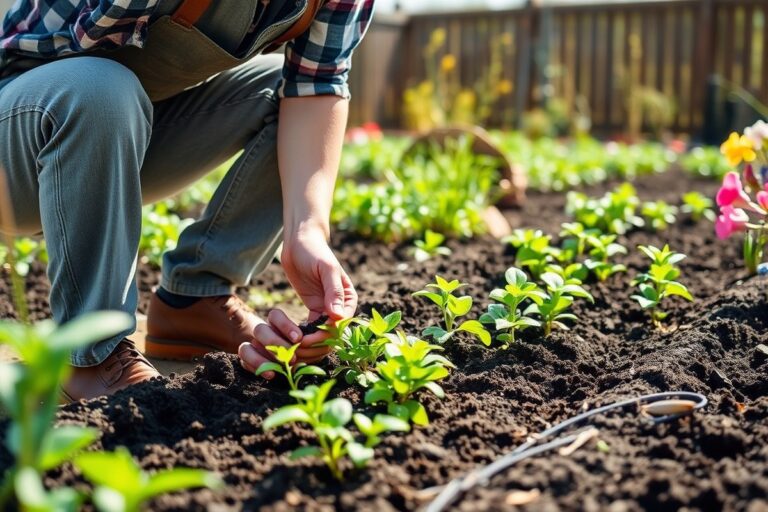
Handling earthworms safely helps avoid infections or contamination. Wear gloves to protect your skin from soil bacteria. Wash your hands well after gardening to remove any germs.
Essential Safety Steps for Gardeners
Always wear durable gardening gloves when working with soil and earthworms. Gloves stop harmful bacteria or parasites from reaching small cuts on your hands. Keep your nails short to prevent dirt build-up under them.
After gardening, wash your hands with soap and warm water for at least 20 seconds. This removes any microbes picked up from soil or earthworms. Avoid touching your face until your hands are clean.
Here are key steps to handle earthworms safely:
- Wear gloves every time you dig or handle soil
- Keep cuts or scrapes covered with waterproof bandages
- Use clean tools instead of bare hands when possible
- Wash hands thoroughly right after gardening
- Change out of soiled clothes and wash them frequently
- Store earthworms in clean, ventilated containers if relocating them
Best Practices for Children’s Interaction with Earthworms
Children should wear gloves or use scoops to pick up earthworms. Their skin is more sensitive, and they tend to touch their face more. Teach kids to wash hands well after playing in the dirt.
Supervise closely to prevent children from putting earthworms or dirt in their mouths. This reduces risks of infections or parasite exposure. Keep first aid supplies handy to quickly treat any scrapes or bites.
Handling Earthworms in Contaminated or Farm Settings
Earthworms in polluted soil may carry harmful metals or bacteria. Avoid contact if soil comes from old industrial sites or heavy pesticide use. Pregnant women, young children, and people with weak immunity should take extra care.
Farmers should regularly test soil and water for contaminants before handling earthworms. Wear gloves and change clothes after work on farms to reduce contamination. Wash tools and containers well to avoid spreading bacteria like R. Equi, common in farm soils.
Seek medical advice if you have a skin infection after handling earthworms or soil. Early treatment can prevent complications from soil-borne germs.
Common Myths and Facts About Disease Risks from Earthworms
Earthworms do not bite or infect humans and have no interest in doing so. They are harmless creatures that live in the soil and help break down organic material. People often confuse earthworms with parasitic worms, but they belong to different biological groups.
Parasitic worms can cause disease because they live in or on animals or humans. Earthworms do not share this lifestyle. They lack the traits needed to live inside us.
They can’t survive well inside our bodies. They also don’t spread diseases directly to us. The risk of getting sick from earthworms is very low to nonexistent.
The confusion happens because both earthworms and parasitic worms look like “worms.” However, they have different diets, lifecycles, and habitats. Unlike parasitic worms, earthworms never invade living tissues or bloodstreams.
| Worm Type | Lifestyle | Disease Risk to Humans | Do They Bite? |
|---|---|---|---|
| Earthworms | Soil dwellers, decomposers | Very low; no direct disease spreading | No |
| Roundworms (parasites) | Inside animals or humans | Can cause serious diseases | Some can cause irritation but do not bite |
| Tape worms | Intestines of hosts | Yes, causes infection | No |
| Hookworms | Soil, then hosts’ bodies | Yes, can cause anemia and skin issues | Can penetrate skin but don’t bite |
The key to knowing if a worm is risky is understanding its type and lifestyle. Earthworms stay in the earth and don’t need humans to survive. Parasitic worms depend on hosts and can spread infections by living inside them.
Always wash your hands after gardening to avoid picking up any soil-borne pathogens.
Because earthworms do not bite and don’t carry human diseases, they pose almost no health risk. Handling earthworms safely mainly involves basic hygiene. You prevent issues by cleaning your hands after working outside or touching soil and worms.
Step-by-Step Action Plan for Safe Earthworm Handling
Follow these simple steps to work safely with earthworms in your garden or farm. This helps protect you, your pets, and your soil health.
- Before you start: Wash your hands thoroughly with soap to prevent germs from spreading. Clean hands mean less risk of infections.
- Day 1: Use gloves when digging or handling compost with earthworms. Check gloves for dirt and replace if torn or heavily soiled.
- Week 1: Observe your soil and compost for harmful smells or visible mold. Healthy compost should smell earthy, not sour or rotten.
- After 2 weeks: Keep pets away from earthworms or soil that might contain parasites. Watch for unusual pet behavior or signs of illness.
- Week 3: Clean all gardening tools and gloves after use, avoiding cross-contamination. Tools should look clean and dry before storing.
- Every month: Check your garden for signs of pests or unusual soil conditions. Early spotting helps stop any health problems.
- Seasonal: Replace compost regularly to prevent buildup of harmful bacteria or parasites. Fresh compost looks dark and crumbly without bad smells.
- Ongoing: Educate family and friends about safe earthworm handling to reduce risks. Everyone should know basic hygiene and safety steps.
Frequently Asked Questions
Can Earthworms Transmit Diseases to Humans Through Soil Contact?
Earthworms rarely transmit diseases through soil contact. Washing hands after gardening reduces any small risk. This practice helps you avoid germs from soil or earthworm castings.
Do Earthworms Act as Carriers for Parasites Affecting Pets?
Yes, earthworms can carry parasite larvae harmful to pets. Animals eating earthworms risk infections from these parasites. Keep pets from eating soil or earthworms to lower this risk.
Can Earthworms Spread Harmful Bacteria Like E. Coli in Gardens?
Earthworms can carry E. Coli, especially in manure-rich soil. They may spread bacteria in compost or farm soil. Proper composting and hygiene reduce this bacterial risk.
Are There Health Concerns from Breathing Dust Stirred by Earthworms?
Dust from earthworm activity rarely carries disease-causing agents. However, dusty soil may irritate sensitive lungs or allergies. Wearing a mask helps if you feel dust affects your breathing.
Do Earthworms Contribute to Controlling Harmful Soil Pathogens?
Earthworms help break down organic matter, reducing some soil pathogens. Their activity promotes healthy soil but does not eliminate all risks. Healthy soil practices support garden safety.
Is It Safe to Release Earthworms from Other Regions into Local Soil?
Introducing non-native earthworms can disrupt local ecosystems and spread unknown pathogens. Local earthworms are best for your garden’s health. Avoid moving earthworms between regions to protect soil balance.
The Bottom Line
Earthworms are mostly safe and even helpful for your garden health. Handle them with simple hygiene and care to avoid rare risks. Start by using gloves and washing your hands after gardening today.