When Should I Start My Garden? A Complete Guide with Timing Tips
The best time to start your garden depends on frost dates and soil temperature. These factors help you pick a safe planting window for seeds or seedlings.
First, find your average last frost date. This shows when frost risk usually ends in your area. Also, check soil temperature because some crops need warmer soil than others.
Most vegetable seeds need soil at least 50°F to germinate well. Peppers and tomatoes prefer 65°F to 85°F soil temperatures. A soil thermometer helps you know the right time to plant outdoors.
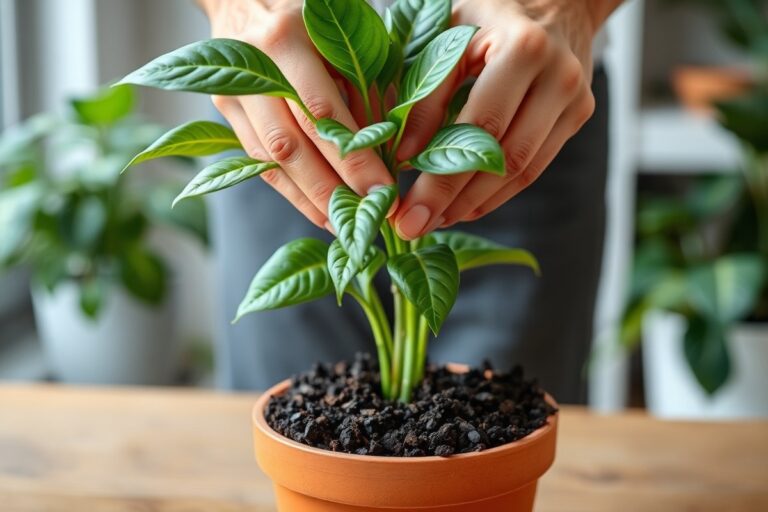
Starting seeds indoors weeks before transplanting gives plants a head start. Harden off seedlings by slowly exposing them to outdoor light and weather. Increase outdoor time daily for one to two weeks to boost survival.
Key Takeaways
- Find your average last frost date before planning your garden start.
- Check soil temperature; tomatoes need 60°F soil to thrive outdoors.
- Start seeds indoors 4-6 weeks before last frost for most vegetables.
- Harden off seedlings by gradually increasing outdoor sunlight and time.
- Plant cool-season crops once soil reaches 40°F, before last frost date.
- Use peat pots for cucurbits to avoid transplant shock.
When Is the Best Time to Start Your Garden?
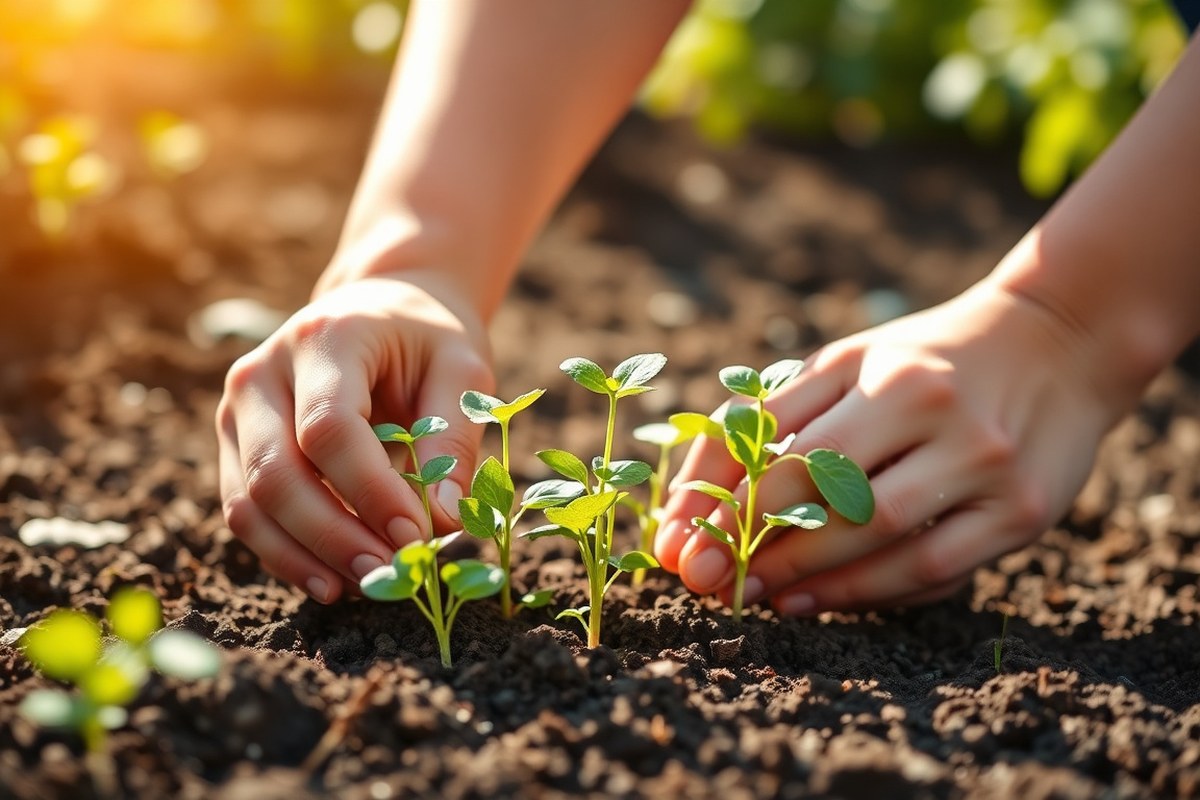
Begin your spring garden by tracking frost dates and soil warmth. Plan to sow peas about four weeks before the last frost date. Hold off on planting tomatoes outside until the soil hits 60°F for best results.
For fall gardens, know your first frost date, the average day temperatures drop to 32°F. Plan your planting so crops mature just before this date, usually between late September and November. This timing helps plants avoid damage from early freezes.
Soil temperature plays a key role. Peas can germinate once soil warms to 40°F. Tomatoes need soil around 60°F or warmer. Cold soils slow seed germination and stunt seedlings, causing poor growth or loss.
In mild winter areas, starting a garden in fall or winter is possible. Just avoid frozen or waterlogged soil, which kills seeds and roots. Plenty of sun and good drainage keep fall crops growing well.
Use a soil thermometer to check temperatures at seed planting depth, usually 2 to 3 inches. Check your area’s average frost dates online or from local extension offices. This helps you avoid planting too early or late, saving time and seed costs.
How to Determine Your Frost Dates and Hardiness Zone
Last and first frost dates tell you when to expect freezing temperatures in your area. The last frost date is the average day spring frost ends.
The first frost date is when fall frost usually begins. USDA hardiness zones show how cold winters get, helping you pick plants that survive your climate.
Finding Your Last Frost Date Online
Knowing your last frost date helps plan when to plant. It marks the point after which frost is unlikely. This date varies by location, affecting which plants thrive and when to start seeds.
Look up your last frost date using reliable online tools. Local extension websites, gardening sites, and the National Oceanic and Atmospheric Administration (NOAA) offer free data.
These sources show the “median last frost” date. It means a 50% chance no more frost occurs.
Follow these steps to find your last frost date online:
- Go to NOAA or your state extension office website.
- Enter your zip code or city to find local frost dates.
- Note the median last frost date for spring.
- Write down the first frost date for fall too.
- Check several sources to confirm the timing.
- Use this info to schedule seed starting and planting.
Remember, frost dates can shift several days each year. Keep an eye on local weather forecasts near planting time.
Identifying Your USDA Hardiness Zone
The USDA hardiness zone tells you your area’s coldest winter temperature range. It helps select plants that can survive your winters. Zones range from 1 (coldest) to 13 (warmest).
Find your zone on the USDA Plant Hardiness Zone Map online. Enter your location to get your zone number and details. This zone guides what to grow and when, especially for perennials and hardy vegetables.
Use these steps to identify your hardiness zone:
- Visit the USDA Plant Hardiness Zone Map website.
- Input your zip code to get your zone number.
- Research plants rated for your zone’s temperature range.
- Choose seeds and plants suited for your zone.
- Match planting dates with your zone’s frost schedule.
Tracking Local Frost Dates Annually
Frost dates can change each year, even within the same city. Tracking them helps you adjust planting times yearly. Keep a garden journal or planner for your observations.
Record the first and last frost as they occur around your garden. Over a few years, you’ll see your local average frost dates. This personal data helps you time seed starting and outdoor planting better than averages.
Here are steps to track frost dates annually:
- Mark the date of the last frost in spring when it happens.
- Note the first frost date in fall each year.
- Save these dates in a garden journal or calendar.
- Compare yearly frost dates to notice trends or shifts.
- Adjust your garden schedule based on your records.
- Use local weather alerts to watch for unexpected frost.
Don’t rely only on predicted dates. Local microclimates can cause frost early or late in your garden.
When to Start Seeds Indoors Versus Direct Sow Outside
Some vegetables need to start indoors before going outside. Others grow better when you plant seeds directly in the garden. Timing depends on the vegetable and your local frost dates.
Vegetables Best Started Indoors with Timing
Warm season crops like tomatoes, peppers, and eggplants grow best when started indoors. They need a longer head start to reach maturity during a short season. Start seeds 6 to 8 weeks before the last frost date.
Onions, leeks, and celery take even longer indoors. Begin these 10 to 12 weeks before the last frost so they can develop strong roots. This gives them a better chance outside.
| Vegetable | Weeks Before Last Frost |
|---|---|
| Tomatoes, Peppers | 6-8 weeks |
| Lettuce, Spinach | 3-4 weeks |
| Onions, Leeks, Celery | 10-12 weeks |
Starting seeds indoors helps control temperature and moisture. It also gives fragile seedlings a safer place to grow.
Crops Recommended for Direct Sowing Dates
Cool-weather vegetables like peas, lettuce, spinach, carrots, and beets thrive when planted outdoors straight into the soil. Plant them early in spring once soil is soft enough to work, normally 2 to 4 weeks before the last frost. This ensures they get a good start in cooler temperatures.
Radishes and other quick-growing vegetables also prefer direct sowing. They sprout fast and can stand light frosts. This saves time and prevents transplant shock.
To harvest in fall, plant cool-season crops outdoors roughly 8 weeks before the first expected frost. This schedule helps crops grow fully while avoiding harm from frost. Timing it right boosts their chance to mature well.
Transition Windows from Indoor to Outdoor Planting
Once seedlings are strong and the danger of frost has passed, move them outside. This usually happens right after your last frost date. Hardening off seedlings for 7 to 10 days lowers transplant shock risk.
For warm season crops started indoors, wait for soil temperatures near 60°F before transplanting. Cool season seedlings like lettuce and spinach can go out earlier. They tolerate a bit of chill.
Watch for full leaves and sturdy stems on seedlings before transplanting. Weak or leggy plants struggle outside. Proper timing and careful hardening off ensure healthy growth.
How Soil and Air Temperatures Affect Planting Time
Seeds need the right soil temperature to start growing. Cool-season crops like lettuce and spinach germinate well when soil hits 40 to 50°F. Warm-season crops like tomatoes and peppers need warm soil.
They do best when soil is about 60°F or warmer. This helps them survive and grow well.
Air temperature also matters once seedlings sprout. Frost can kill young plants. So wait until after your last frost date to plant outdoors.
Seedlings grow strong with air temperatures around 65 to 70°F. This is especially true for warm-season plants after germination. Keep the air warm for the best results.
Soil readiness means more than temperature. It also needs the right texture and moisture level to work well. Soil should be crumbly and slightly damp but not muddy.
You can press the soil into a ball easily. It should fall apart when you poke it. This means the soil is ready for planting.
Working soil too early can cause clumping and damage its structure. That leads to poor root growth and slow germination.
Use a soil thermometer to check temperature before planting. They cost about $10 to $20 and give quick, accurate readings.
Good results show as seeds sprouting within days and steady growth afterward. Soil temperatures below 40°F usually delay or stop seeds from sprouting. Planting too early risks seed rotting or seedlings dying from cold snaps.
Different plants have different temperature needs, so timing varies with your crops. Cool-season veggies like peas and radishes can handle cooler soil. Warm-season crops should wait until soil reaches at least 60°F to avoid stress and poor yields.
Steps to Prepare Soil and Harden Off Seedlings for Transplant
Get your garden soil ready by loosening and enriching it. Then, slowly expose seedlings to outside conditions over about a week. This ensures stronger plants that thrive when you transplant them.
Soil Preparation Essentials Before Planting
Start by clearing your garden area of weeds and debris. Good soil drains well but holds moisture, so check soil texture. Adding compost or aged manure boosts nutrients and improves structure.
Test soil pH and nutrient levels with a home kit or local extension service. Adjust acidity using lime for acidic soil or sulfur for alkaline soil. Avoid working the soil when it’s too wet, as it compacts easily and harms structure.
Focus on making the soil crumbly and loose down to about 8 inches deep. This helps roots grow and water drain properly. Rake the area smooth and ready for planting seedlings.
Hardening Off Seedlings: Timing and Methods
Hardening off means slowly adjusting seedlings to sun, wind, and cooler temperatures outside. Start when nighttime lows stay above 30°F to avoid frost damage. For heat-loving plants, wait until daytime temps rise above 60°F before transplanting.
This process takes 7 to 10 days. Start by spending a few hours outside in the shade. Add more time outside each day.
Gradually increase the sun exposure too. Bring seedlings indoors at night until they can handle full outdoor conditions.
Watch for signs of stress like wilting or leaf burn. Adjust exposure if needed by reducing sun time or shielding with a light cloth. This steady change builds tough plants ready for garden life.
Signs Seedlings Are Ready for Transplant
Seedlings should have several sets of true leaves and look healthy. Leaves are dark green and firm, not yellow or floppy. Stems need to be sturdy enough to stand alone without bending.
The roots should fill the seedling container but not be root-bound. Avoid planting if they look crowded, as this can stunt growth shortly after transplant. Weather should be consistently mild without late frost threats.
After hardening off fully, seedlings feel perkier and adapt to outdoor light. Transplant on a cloudy day or late afternoon to reduce shock. Water well immediately after planting to settle soil around roots.
- Clear weeds and loosen soil about 8 inches deep.
- Add 2 to 3 inches of compost, then mix into soil.
- Test soil pH and adjust if necessary.
- Place seedlings outside in the shade for 2 hours on day one.
- Increase outdoor time by 1 to 2 hours daily, adding more sun.
- Bring seedlings indoors each night during hardening off.
- Look for healthy, sturdy leaves and stems as signs of readiness.
- Transplant seedlings after the hardening off period when weather is stable.
Don’t skip gradual outdoor exposure. Seedlings shocked by sudden sun or wind often wilt or die.
Creating a Personalized Planting Schedule for Your Garden
Find your local last frost date by ZIP code to build your schedule. Count backward from that date to start seeds indoors. Say your last frost date is May 15.
Start seeds indoors six weeks earlier. Plant those seeds on April 3.
Succession planting helps extend your harvest by sowing seeds every one to two weeks. Plan multiple rounds starting before and after the last frost date. This way, you get fresh vegetables throughout the season, not just once.
Check soil temperature and weather forecasts each week to adjust planting times. A cold snap is coming.
Delay transplanting seedlings or direct sowing for now. You can move seed starting indoors earlier if the outdoor soil stays too cool.
Build your calendar by listing crops, seed start times, and spacing them out over weeks. Start cool-season greens six weeks before frost.
Then sow easy crops like beans after frost. This timeline avoids crowding and accounts for crop growth differences.
Poor timing shows in stunted seedlings or plants that won’t mature. Cold soil or late plants are warning signs. Notice these signs?
Check your planting dates and local weather reports. Adjust seed starting dates by one or two weeks the following year to improve your timing.
How Microclimates and Garden Location Influence Start Time
Your garden’s microclimate means the small variations in temperature and conditions around your yard. It creates spots that are warmer, cooler, wetter, or drier than the general area. These differences can extend or shorten your growing season by one to several weeks.
For example, a south-facing slope gets more sun and warms up earlier in spring. It lets you plant cold-sensitive crops sooner there.
A shaded low spot might hold frost longer. This can delay planting by weeks.
To find your garden’s microclimates, start with simple temperature tests. Put outdoor thermometers or data loggers in different spots.
Use open sun, shade, near walls, and low areas. Record temperatures each morning for at least a week before your usual planting date.
Look for differences in low overnight temperatures. One spot that stays 3 to 5 degrees warmer lets you plant frost-sensitive seeds sooner.
Another spot that stays cooler means you should delay planting there. Choose cold-tolerant crops for that area.
Watch how long snow or frost stays in different parts of your yard. This helps decide planting times.
That gives clues about which areas warm up quicker. Check for wind protection too; sheltered spots may reduce cold stress for seedlings.
Using microclimates boosts your garden’s success by matching plants to conditions. Try placing cold frames or row covers in cooler spots to push the season earlier. You don’t need fancy gear; basic outdoor thermometers cost under $20 at garden centers.
Finally, keep a simple garden journal. Note when you planted in each microclimate zone and how plants did.
Over a few seasons, you’ll learn which spots work best and get timing just right. This effort helps avoid losses from early frost or heat stress.
Common Timing Mistakes and How to Avoid Them
Starting seeds too early often leads to weak, leggy seedlings. Indoor light usually provides just 2 to 4 hours of direct sun. Plants need much more sun, about 14 to 16 hours daily.
Grow lights can help, but without enough light, seedlings stretch and become floppy. Starting too late means you could miss the growing season.
It may cause lower yields from your plants. Seeds might sprout during a heat wave or after frosts, which stresses young plants.
Late frosts are a common challenge after early planting. Protect seedlings using row covers or hoops. They create a small protective dome to block frost.
Frost cloths work well too, especially in late spring. Secure these covers tightly over your plants every night until frost danger passes.
Removing covers during the day avoids overheating and allows sunlight in. These tools usually cost $20 to $50 but save your plants from frost damage.
Unexpected weather shifts call for quick action. Shade cloths can shield plants from sudden heat waves, preventing wilting and sunburn. Cover plants in the evening if frost is forecasted.
Take off covers after the temperature rises. You might move small pots into a sunny window or a sheltered porch overnight. Check local weather updates often to avoid surprises.
Plan your planting using the latest forecast info. This helps keep seedlings healthy and safe.
To avoid common timing mistakes, start seeds indoors on a clear schedule. Track the last frost date and count backward for each plant’s indoor start time. Use a garden trowel to transplant seedlings gently to reduce root damage.
Morning or late evening watering keeps soil moist without wasting water to evaporation. Follow these steps to keep your garden on track. Your plants will resist cold nights and heat spells better.
Always remove protective covers during sunny days to avoid overheating your seedlings.
Your Step-by-Step Garden Starting Plan
Follow these key steps to start your garden at the right time. Use these tips to set your garden up for success.
- 2-3 weeks before last frost: Start seeds indoors for cold-sensitive plants. Check that seedlings have healthy leaves and stems before moving on.
- 1 week before last frost: Start hardening off seedlings. Put them outside for a few hours daily. Seedlings should look sturdy and not wilt when brought in.
- After last frost date: Prepare your garden soil by adding compost and turning it thoroughly. Soil should feel loose and moist but not soggy.
- 1-2 days after soil prep: Sow hardy seeds directly outdoors. Make sure the soil temperature is above 50°F. Seeds should show signs of sprouting within the expected days.
- After hardening off: Move seedlings to the garden. Do this on a cool, cloudy day or in the evening to reduce shock. Plants should settle in without drooping the next day.
- Weekly after transplant: Monitor garden temperature and moisture. Water deeply when soil feels dry 1 inch down. Healthy growth and no leaf burning mean you’re on track.
- During growing season: Adjust watering and add mulch to keep soil moist and cool. Watch for pests and diseases, acting quickly if needed.
Frequently Asked Questions
What Signs in Your Garden Soil Show It’s Time to Start Planting?
Soil should be warm and crumbly, not wet or frozen. Check moisture by feeling the soil with your fingers. It sticks like damp clay or breaks into small crumbs.
Can Starting a Garden Too Early Harm the Plants?
Yes, planting too soon can stunt growth or kill seedlings. Cold soil slows root development; waiting helps plants establish faster once the weather warms.
How Can Using Cold Frames Help in Starting My Garden Sooner?
Cold frames trap heat and protect seedlings from frost. They raise soil and air temperature a few degrees, extending your growing season by weeks.
Why Is Hardening Off Seedlings Before Transplanting so Important?
Hardening off strengthens seedlings for outdoor conditions. Gradually exposing them to sun, wind and cooler temps reduces transplant shock and improves survival.
What Vegetables Are Best to Start Directly Outside Without Indoor Seedlings?
Root vegetables like carrots and beets can be planted in the garden. You can also sow peas and beans there. They handle cooler soil and don’t transplant well.
How Does a Garden’s Microclimate Affect When to Start Planting?
A microclimate may be warmer or cooler than the general area. South-facing slopes or sheltered spots warm soil faster, letting you plant weeks earlier safely.
The Bottom Line
Your garden’s best start depends on timing, location, and plant needs. Begin now by checking your local frost dates and deciding which seeds to start indoors. This simple step puts you ahead for a healthy, productive garden season.