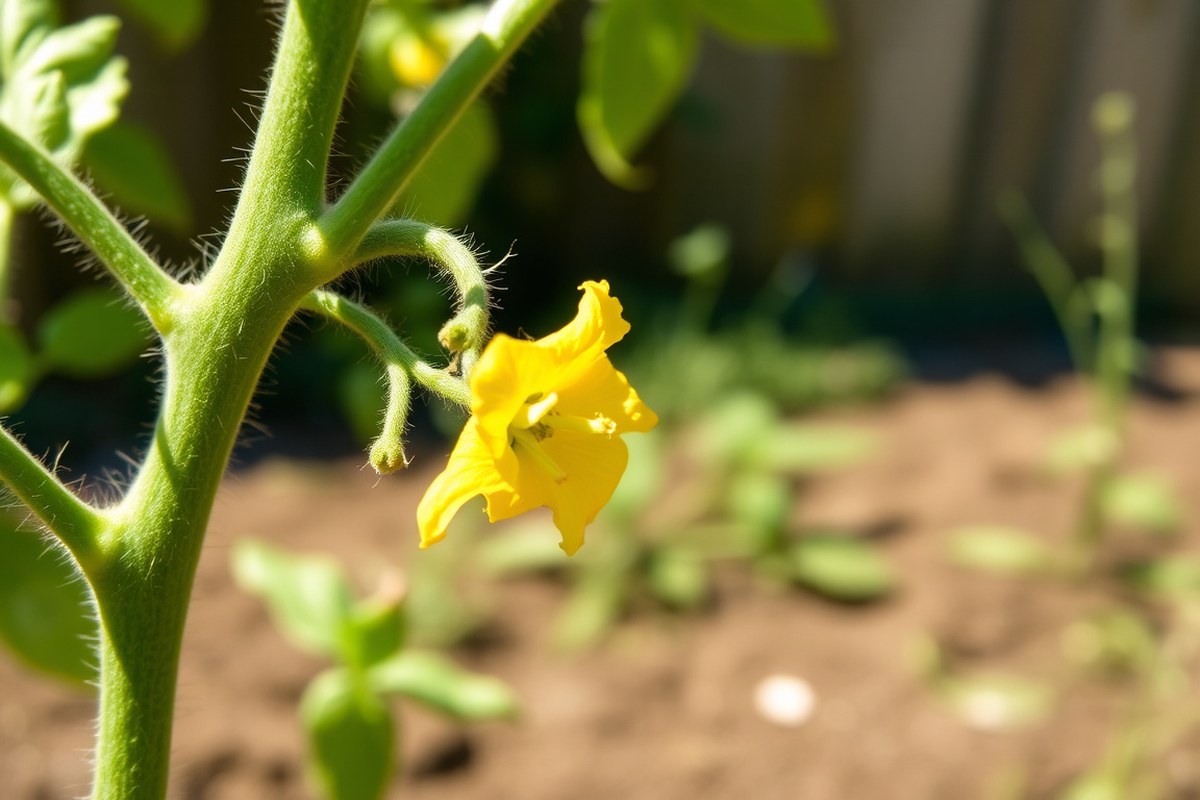
When Do Tomato Plants Flower: Timing, Tips, and Troubleshooting Explained
When do tomato plants flower? Most start showing flowers 45 to 60 days after transplanting. The timing depends on the variety and how well conditions suit them.
Determinate tomatoes usually flower earlier, often around 45 days, since they grow to a set height and stop. Indeterminate types keep growing and flowering all season long, which can last several months. Monitor your plants until they reach 12 to 18 inches tall, then watch for the first yellow flowers.
Tomatoes need 6 to 8 hours of direct sunlight daily to bloom well. Without enough light, flowering slows down or stops completely. Optimal temperatures are above 60°F, with 70 to 85°F best for early flowering and strong growth.
Too much heat above 85°F can delay or drop flowers, reducing fruit. Consistent watering and good soil drainage also support timely flowering. Avoid over-fertilizing with nitrogen, since it promotes leaves but limits blooms.
Key Takeaways
- Expect tomato plants to flower 45, 60 days after transplanting seedlings.
- Determinate varieties flower sooner than indeterminate ones.
- Make sure your plants get direct sunlight for 6 to 8 hours each day. This helps them grow strong and healthy.
- Keep daytime temperatures between 65°F and 75°F for optimal flowering.
- Tomatoes need to be 12 to 18 inches tall before flowering.
- Temperatures above 90°F can stop tomato plants from flowering properly.
When Do Tomato Plants Typically Start to Flower

Tomato plants usually start flowering about 45 to 60 days after you transplant them outdoors. This timing can change based on the tomato variety. Determinate types often flower earlier, while indeterminate plants keep flowering all season long.
From seed to flower, expect roughly 70 to 90 days total. It takes about 3 to 4 weeks from seedling stage to transplant size.
Then, the plant needs another 6 to 8 weeks after transplanting to show blossoms. This depends on growing conditions like temperature and sunlight.
Your tomato plant usually grows 12 to 18 inches tall first. Then, the first flower clusters start to show up. This signals the plant is ready to bloom.
When you see small yellow flowers, the plant is changing. It’s moving from growing leaves to making fruit. This means fruiting season has begun.
Keep temperatures above 60°F for good flower growth. The plant also needs 6 to 8 hours of sun each day. Both help the flowers develop well.
How Tomato Varieties Influence Flowering Time and Pattern
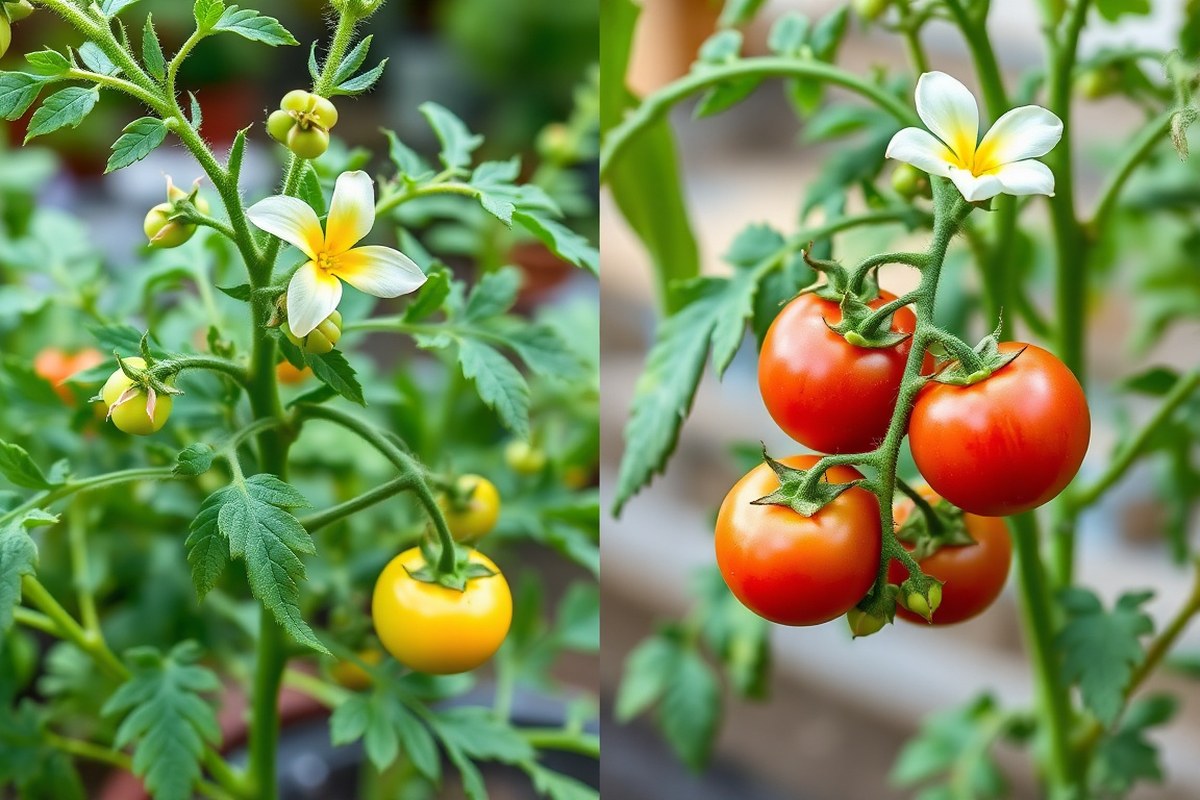
Tomato plants flower differently depending on their variety type. Determinate tomatoes bloom earlier and set fruit all at once. Indeterminate types flower later but keep producing flowers and fruit all season.
Determinate Varieties: Early Flowering and Concentrated Fruit Set
Determinate tomatoes grow to a set size and then stop. They usually flower and produce fruit quickly over a few weeks. This fast process makes them a good choice for gardeners who want an early, big harvest.
Because they stop growing taller, determinate types focus energy on flowers and fruit. Their flowers appear earlier than indeterminate types, often within 50 to 60 days after planting. This leads to a shorter but concentrated harvest period.
Usually called “bush” tomatoes, they require less pruning and staking. This makes them easier for beginners or those with limited space.
Indeterminate Varieties: Continuous Flowering and Fruit Production
Indeterminate tomatoes grow like vines and can reach six feet or more tall. They take longer to start flowering, often beyond 60 days. However, they keep flowering and producing fruit until frost ends the season.
This continuous production means smaller, spaced-out harvests. You can pick fresh tomatoes over many weeks instead of all at once. These types need staking or cages to support their long stems and fruits.
These plants suit gardeners wanting a steady supply of tomatoes. They need enough space and a support system for growth.
Example Flowering Timelines by Popular Varieties
Here’s a comparison of how determinate and indeterminate tomatoes perform. You can use this to match your flowering needs and garden space.
| Variety Type | Growth Habit | Flowering Start (Days) | Flowering Pattern | Fruit Set Duration |
|---|---|---|---|---|
| Determinate | Bush | 50, 60 | All at once | 3, 4 weeks |
| Indeterminate | Vine | 60+ | Continuous | All season |
This table helps you pick the right type based on your harvest goals. Determinate varieties give a quicker, concentrated crop. Indeterminate give longer-lasting, smaller harvests.
Tip: Use determinate tomatoes for canning or salsa when you want a large batch at once.
Key Environmental Conditions That Affect Flowering
Tomato plants need 6 to 8 hours of sunlight each day to flower well. Bright light triggers flower buds to form and keeps the plants healthy. Indoor gardeners should use grow lights when natural light is low.
Aim for 12 to 16 hours of artificial light each day. This helps your plants grow strong indoors.
Temperature plays a big role in flowering. Daytime temperatures between 70°F and 85°F (21°C to 29°C) work best.
Cooler soil or air below 65°F (18°C) can delay flowers or stop them altogether. Using shade cloth can lower temperatures by about 10 degrees if it gets too hot.
- Keep soil pH near 6.0 to 6.8 for best nutrient uptake
- Avoid overwatering to prevent root issues that delay blooming
- Use a balanced fertilizer, not too high in nitrogen, to encourage flowers
- Water consistently but allow the soil’s top inch to dry between watering
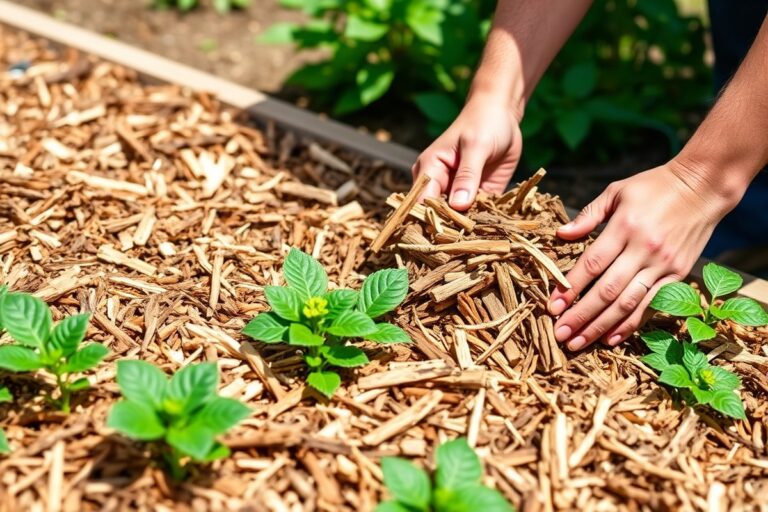
- Mulch to manage soil temperature and retain moisture
Water stress can slow flower development, so keep soil moist but not soggy. Too much nitrogen in soil makes leaves grow big but can stop flowers from forming.
Soil that’s either too acidic or too alkaline also hinders flowering. Testing your soil pH and adjusting it with lime or sulfur can help.
Indoor tomato plants must have stable temperatures, enough light, and gentle airflow for pollination. Outdoors, watch for temperature swings that stress plants.
A steady environment encourages timely flower buds and better blooms. Your care choices directly affect how soon and well your tomato plants start flowering.
Common Reasons Tomato Plants Don’t Flower and How to Fix Them
Tomato plants may not flower if nitrogen is too high. Pruning the wrong way can stop flowers too. Temperature problems and pests also cause this issue.
Excess nitrogen encourages leafy growth but delays flowers. High heat above 85°F or cold below 55°F also stops flowers from forming. Pests and diseases stress plants and prevent blooms.
Fix these issues step by step to get your tomato plants flowering again. Check soil nutrients and cut back on nitrogen-rich fertilizers like blood meal or fast-acting chemical feeds. Adjust pruning so you remove suckers but don’t strip too much leafy material.
Keep plants in a spot with at least 12 hours of sunlight. Use shade cloth to protect plants on hot days. Move indoor tomato plants to warmer spots if cold.
This helps avoid temperature swings. Look for pests such as aphids or whiteflies and treat with insecticidal soap or neem oil.
- Test your soil for nitrogen with a home kit. You can also send a soil sample to your local extension. This helps know nutrient levels.
- Switch to a balanced fertilizer with a ratio like 10-10-10, and stop high-nitrogen feeds.
- Prune carefully by pinching off side shoots only when they grow larger than 2 inches. Avoid heavy pruning.
- Ensure full sun exposure for at least 6 hours daily. Move container plants if needed.
- Manage temperature by shading tomato plants in hot afternoons. Use row covers when night temps drop under 55°F. These steps protect against stress.
- Inspect for pests and diseases weekly and treat early with insecticidal soap or neem oil spray.
- Plant at the right time when nights stay above 55°F. This usually means 1 to 2 weeks after the last frost. Proper timing helps plants flower well.
Carefully following these steps often restores flowering within 1 to 3 weeks. Keep a close eye on your plants during heat waves or cold snaps. Avoid over-fertilizing again once you see flower buds forming to maintain healthy blooms and fruit set.
Understanding Tomato Flower Drop and How to Prevent It
Flower drop happens when tomato plants lose their blossoms before fruit forms. This happens when plants get stressed by too much heat or cold.
Poor watering or weak pollination can also cause this. Losing flowers means fewer tomatoes, so preventing drop is key for a strong harvest.
Temperature plays a big role in flower drop. When daytime heat goes over 90°F (32°C), flowers often drop off. They may also fail to turn into tomatoes.
Night temperatures below 55°F (13°C) can cause the same problem. Keep plants in steady temperatures around 65°F to 85°F. This helps flowers stay on the plant.
Too much or too little water can also cause blossom drop. Overwatering leads to weak roots and stressed plants. Drought causes them to save energy and drop flowers.
Water deeply but only when the top two inches of soil feel dry. This approach strengthens roots and helps flowers stay healthy.
Good soil nutrition is important too. Imbalanced nutrients, especially excess nitrogen, promote leaf growth but reduce flowers.
Use a balanced fertilizer formulated for tomatoes and follow label directions. Feeding every two to three weeks during flowering encourages fruit set without stressing plants.
Pollination affects flower drop since unfertilized flowers often fall off. Outdoors, wind and insects usually handle pollination.
For indoor plants, gently shake vines or use a small brush to transfer pollen between flowers. This boosts fruit formation and stops flowers from dropping.
Keep tomato plants shaded or cooled if temperatures rise above 90°F to avoid losing flowers.
How to Recognize and Support Flowering in Indoor Tomato Plants
Tomato plants can flower indoors if you manage light, temperature, and airflow well. They need enough bright light, proper warm temperatures, and some way to move pollen between flowers. Indoor tomatoes often need your help to pollinate since there are no bees or wind.
Providing Sufficient Light with Grow Lights
Tomato plants need 12 to 16 hours of strong light each day to flower well. Natural window light usually isn’t enough, so many gardeners use grow lights. Full-spectrum LED or fluorescent lights work best for indoor tomatoes.
Keep grow lights 6 to 12 inches above the plants. Adjust the height as the plants grow to avoid burning leaves. Timer switches help give consistent daily light without you needing to track it.
- Use full-spectrum LED or fluorescent grow lights
- Provide 12, 16 hours of light per day
- Keep lights 6, 12 inches above the plants
- Use a timer for consistent on/off cycles
- Rotate plants weekly for even light
- Replace bulbs every 6 months for full brightness
Consistent light makes tomato plants produce flower buds faster and more reliably. Plants that grow tall with thin stems usually need stronger or closer light.
Maintaining Optimal Indoor Temperatures
Tomatoes flower best between 70°F and 75°F during the day. Night temperatures should stay above 55°F to keep buds from dropping. Cold or fluctuating temps inside can stop flowers from forming.
Use a room heater or heating mat nearby in cooler homes to keep temps steady. Avoid placing plants near drafts, air conditioners, or cold windows. A simple indoor thermostat can help you track daily highs and lows.
Avoid temperatures above 85°F since heat stress can cause flowers to fall off. Your home might get hot during summer. Use a fan for cooling and shade during the hottest hours.
Manual Pollination Techniques Indoors
Without wind or insects, indoor tomato flowers need you to transfer pollen manually. This helps flowers develop into fruit. Use a small brush or a cotton swab to gently rub inside each flower.
Do this once or twice a day when flowers are fully open. You can tap the flower cluster lightly to help pollinate.
Shake the plant gently as a natural pollination trick. These steps improve fruit set and fruit quality.
- Use a small, soft brush or cotton swab
- Gently rub inside each open flower’s center
- Pollinate once or twice daily
- Tap flower clusters lightly for natural pollen drop
- Shake the plant gently to spread pollen
- Wear gloves if you have any skin irritation
Manual pollination usually takes 5 to 10 minutes for a few plants. Without it, many indoor tomatoes won’t form fruit, even if flowers appear healthy.
The Role of Pollination in Tomato Flower and Fruit Development
Tomato flowers usually self-pollinate because they contain both male and female parts. Pollen must move from the anthers to the stigma. This happens on the same flower.
It allows fruit to form. This process often happens on its own. But it still needs some movement to spread the pollen.
Pollen transfer is essential for the flowers to set fruit. Without enough pollen reaching the stigma, the flower may drop off or fail to develop tomatoes.
About 10 to 30 percent of flowers become fruit in fields. This shows pollination limits fruit growth.
In outdoor gardens, wind and bees usually move the pollen between flowers. But indoors or on calm days, you might need to step in and help. Gently shaking the plant can mimic wind and encourage pollen spread.
Shake flower stems for 10 to 15 seconds each time. Do this several times a week. It helps get good fruit results.
Using a small paintbrush or a cotton swab works well too. Lightly brush the inside of one flower, then touch the next flower’s stigma to move pollen.
Do this once or twice a week when you see flowers starting. It requires only a couple of minutes each time but improves fruit set significantly.
Fruit can fail to set if soil temperatures stay too cold. Tomatoes start blooming before soil warms enough in some areas, which delays fruit development. Keep soil above 60°F for better pollination.
Use mulch or warming mats in cool spots. These speed up fruit growth too.
Feeding your plants the right fertilizer helps flowers become strong. Use a balanced fertilizer with higher phosphorus, the middle number in N-P-K. It helps flowers bloom and fruit set. Nutrient deficiencies weaken flowers and reduce how much fruit you get.
Adding these simple steps can make a noticeable difference in your tomato harvest. Watching flowers closely lets you know when to help pollination. More fruit means better use of your plant’s energy and growing space.
Timeline from Flowering to Tomato Fruit Harvest
Tomato plants usually show fruit about 45 to 60 days after they flower. This depends on the tomato variety and the care you give the plants. Knowing this timeline helps you plan your harvest and care routine better.
Average Days from Flower to Fruit Set by Variety
Different tomato types take varying times from flowering to fruit set. Early varieties get fruit faster, while heirlooms take longer. This means your harvest dates can shift significantly based on the plants you grow.
| Variety | Days to Maturity | Flowering Time (Approximate) |
|---|---|---|
| Early Girl | 50-60 days | 6 weeks |
| Roma | 75-80 days | 8 weeks |
| Brandywine | 80-100 days | 10 weeks |
This table helps you guess when your tomatoes may be ready. Use the blooming date to check the estimated ripening time. It shows roughly how long tomatoes take from bloom to harvest.
Early varieties like Early Girl mature quicker, good for shorter seasons. Heirloom types like Brandywine need more time, so patience is key.
Typical Fruit Maturity Timelines
After flowers form, expect fruit to start swelling within 1 to 2 weeks. The full ripening period then lasts from 3 to 6 weeks depending on variety.
Warmer weather speeds up this process. So your harvest could come earlier in hot climates.
Southern California’s climate often shortens flowering and fruiting times. Long sunny days and warm temperatures push plants through stages faster. Still, all tomatoes need at least 45 days after flowering to develop enough flavor and size.
Tips to Speed Up Fruit Development
Keep your plants steady with regular watering and mulching to hold moisture. Consistent care helps flowers set fruit properly and reduces stress that can slow growth. Support plants well to avoid branches breaking under developing fruit.
Pick ripe tomatoes quickly to encourage the plant to make more fruit fast.
Avoid letting tomatoes overripen on the vine, which can reduce further production. Limiting plant stress by feeding balanced nutrients also improves fruit size and ripening speed. Proper airflow and pest control prevent problems that stop fruit from maturing well.
Step-by-Step Action Plan to Encourage Tomato Flowering
Follow these steps to get your tomato plants flowering strong and healthy. Check each sign to know your plants are on track.
- Before planting: Choose a tomato variety suited to your climate. You’ll see flower buds earlier with early-maturing types.
- Week 1 after planting: Give plants full sun, at least 6-8 hours daily. Watch leaves stretch toward light well.
- Week 2-3: Start feeding with balanced fertilizer, low in nitrogen but higher in phosphorus. Look for flower buds forming.
- Week 4: Check soil moisture regularly. Keep it moist but not soggy to support flower growth.
- Week 5 and onward: Help indoor plants with gentle hand pollination. You should see fruit setting on flowers soon.
- Throughout the growing period: Monitor for pests or diseases. Clean damage keeps flowers healthy and prevents drop.
- During hot spells: Provide shade or increase watering. Avoid flower drop caused by heat stress.
- At harvest time: Pick ripe tomatoes regularly to encourage continued flowering and fruiting.
Frequently Asked Questions
How Does Transplanting Time Affect When Tomato Plants Flower?
Tomato plants usually flower 45-60 days after transplanting. Transplanting at the right stage helps avoid stress and supports timely flowering.
Can Pruning Affect the Flowering Time of Tomato Plants?
Yes, pruning can speed up flowering by focusing energy on the main stems. Removing suckers lets the plant grow flowers sooner.
Are There Specific Fertilizers That Encourage Tomato Plants to Flower Faster?
Fertilizers high in phosphorus support flower growth in tomato plants. Using a balanced fertilizer with some phosphorus at planting helps.
Does Watering Frequency Impact When Tomato Plants Start to Flower?
Overwatering or underwatering can delay flowering in tomatoes. Keep soil evenly moist but not soggy for best flower timing.
Do Tomato Plants Flower Differently If Grown in Containers Versus the Ground?
Tomato plants usually flower at the same time but containers dry out faster. Container plants need more frequent watering for good flowering.
Can Poor Soil Quality Delay Tomato Plant Flowering?
Yes, nutrient-poor soil slows flowering in tomato plants. Adding compost or balanced fertilizer can boost nutrients for timely flowering.
The Bottom Line
Tomato plants usually flower between 5 to 7 weeks after planting. Flowers need good light, balanced feeding, and steady care. Start adjusting your care now to see those blooms and fruits soon.