What Herbs to Plant: Best Options, Growing Tips, and Care Guide
Wondering what herbs to plant that are easy and useful? Start with basics like basil, chives, and mint. They grow well inside or outside with minimal fuss and add great flavor to dishes.
Most herbs need at least 6 hours of sun each day to thrive. So pick a sunny spot.
If space is small, use pots around 8 to 12 inches wide with good drainage. Water only when the top 2 inches of soil feel dry.
Choose perennials like sage or thyme if you want herbs that come back year after year. For quick results, annuals such as basil work well and let you experiment each season. Plant seeds or seedlings after the last frost outside, or anytime indoors under good light.
Key Takeaways
- Pick easy herbs like basil, chives, and mint to start your garden.
- Give most herbs 6 to 8 hours of direct sun daily for best growth.
- Use pots 8 to 12 inches wide with drainage if space is limited.
- Water only when top 2 inches of soil feel dry to avoid overwatering.
- Choose perennials like sage for long-lasting plants in your garden.
- Plant seeds outside after the last frost for strong early growth.
Which Herbs Are Best to Plant for Beginners?

Some herbs are perfect for beginners because they grow fast and need little care. Mint, thyme, chives, lemon balm, and sage are top choices that you can’t easily kill. These herbs grow well in many sun and soil types.
They work great indoors and outdoors. That makes them very reliable for gardening.
Mint spreads quickly and tastes great in teas and desserts. Thyme is hardy and can thrive in pots or garden beds. Chives bring mild onion flavor to dishes and regrow quickly after cutting.
Lemon balm adds a lemony scent and helps with relaxation when brewed as herbal tea. Sage is versatile and used both for cooking and natural remedies.
- Mint: easy to grow, spreads quickly, great for teas and salads
- Thyme: drought-tolerant, good in pots, perfect for seasoning
- Chives: fast-growing, mild onion flavor, useful fresh or cooked
- Lemon Balm: grows well indoors or outside, calming herbal tea
- Sage: hardy, evergreen leaves, used for cooking and health
- Basil: popular in many dishes, especially Italian, loves warm weather
- Parsley: nutritious, lively taste, grows well in most conditions
Basil and parsley are also beginner-friendly and add freshness to many recipes. Basil needs at least 6 hours of sun each day. It also likes warm soil above 70°F. These conditions help it grow best.
Regular pinching of basil leaves helps it stay bushy and full. Parsley grows fine in pots or in the ground.
It takes longer to sprout than some herbs. Usually, it appears in 2 to 4 weeks.
Buying nursery plants can speed things up. Starts for woody herbs like rosemary and lavender cost more but get you harvesting sooner. Keep in mind: mint needs a separate container since it can take over your garden.
Watch for wilting or yellow leaves, they signal overwatering or poor drainage. These easy herbs give you fresh flavor fast.
They also bring natural health benefits. You can enjoy both right from your garden.
How to Choose Herbs for Indoor and Outdoor Gardening
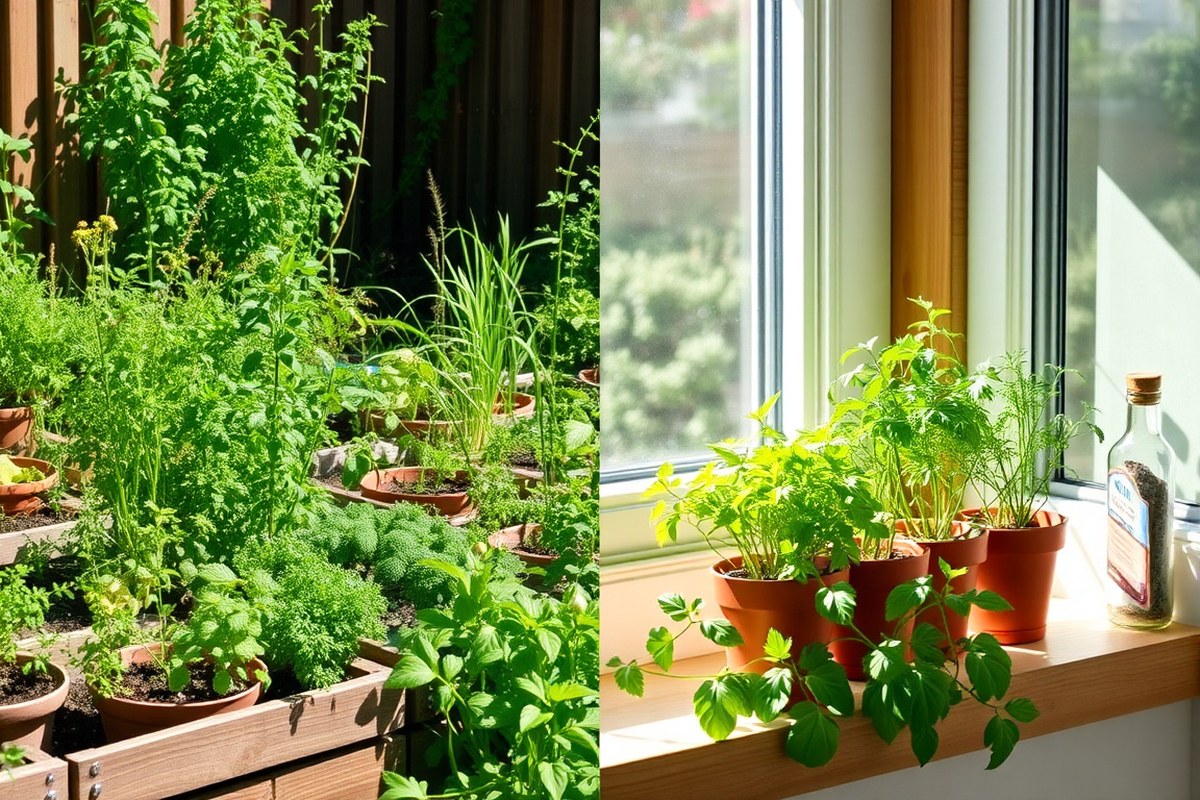
Choosing the right herbs for indoors or outdoors depends on sunlight, temperature, and space you have. Herbs with lower light needs do better indoors, while sun-loving herbs thrive outside. Your local climate and the space you use influence what grows best where.
Herbs Suited for Indoor Growing
Choose tender, leafy herbs that grow fast and handle lower sunlight for indoor gardening. Chives and parsley work well in pots and tolerate limited sun by your kitchen window. Cilantro and dill grow okay with less light, making them good indoor choices.
Most herbs need at least 4 to 5 hours of sunlight daily. A sunny windowsill or grow lights can help meet this indoors. Keep pots roomy enough so plants don’t crowd and ensure good drainage to avoid root issues.
| Herb | Sunlight needed | Space needed | Notes |
|---|---|---|---|
| Chives | 4, 5 hours | Small pot | Tolerates limited sun |
| Parsley | 4, 5 hours | Small pot | Grows well indoors |
| Cilantro | Low to moderate | Small pot | Handles lower light |
| Dill | Low to moderate | Medium pot | Likes cooler indoor temps |
| Lemon balm | Moderate | Medium pot | Needs some shade if outdoors |
Indoor herbs do best in pots with good drainage and moderate temperatures between 65°F and 75°F. Avoid spots near cold drafts or strong heat sources that stress plants.
Herbs need at least 4 hours of bright indoor light daily. Use sunny windows or place grow lights nearby. This light helps herbs grow strong and healthy.
Herbs Best Planted Outdoors
Full sun herbs like sage and rosemary thrive in garden beds or large pots outside. They need six or more hours of direct sunlight daily for healthy growth. Well-draining soil is important to avoid soggy roots.
Sage grows large and needs space, so plant it where it can spread comfortably. Rosemary and thyme like dry, well-drained soil and perform well in warm gardens or terracotta pots.
| Herb | Sunlight needed | Space needed | Notes |
|---|---|---|---|
| Sage | Full sun (6+ hours) | Roomy garden bed | Large, woody plant |
| Rosemary | Full sun (6+ hours) | Large pot or garden | Evergreen shrub |
| Thyme | Full sun | Medium garden bed | Thrives in well-drained soil |
| Oregano | Full sun | Medium to large bed | Perennial in most zones |
Plant outdoor herbs 4 to 6 weeks before the last frost in well-draining soil. Water about 2 inches per week and avoid locations where soil stays soggy.
Warning: Avoid planting outdoor herbs in shady, damp spots or they may not thrive.
Climate and Zone Factors
Your local climate shapes what herbs can thrive outdoors versus indoors. Perennials survive cold zones if the plant matches your hardiness zone. Otherwise, treat them as annuals or move pots indoors for winter.
Hot, dry climates favor rosemary and thyme outdoors. Cool or shady areas suit herbs like mint if you give them plenty of moisture. Indoors, you can grow tender herbs year-round if you meet light and temperature needs.
Use your USDA hardiness zone to pick suitable garden herbs. Indoors, keep temperatures steady between 65°F and 75°F. This stability helps herbs adjust and produce well.
What Soil, Sunlight, and Water Conditions Do Herbs Need?
Most culinary herbs need around six to eight hours of sunlight daily. They thrive best in loose, well-drained soil with a slightly acidic pH near 6.5. Water needs vary, with woody herbs liking drier soil and tender herbs requiring more consistent moisture.
Sunlight Requirements for Common Culinary Herbs
Basil, rosemary, and thyme need full sun to grow well. Choose a place with at least six hours of direct sunlight daily. Mint can handle some shade but won’t grow as strongly.
Indoor herbs need bright light, ideally from a south-facing window or under a grow light. Lack of sunlight causes leggy growth and weak leaves. Providing enough light helps keep plants healthy and flavorful.
Ideal Soil Types and pH Levels
Loose, well-drained soil is best for herbs to avoid root rot. You can improve drainage by mixing in sand or perlite. Most herbs prefer soil with a pH around 6.5, which is slightly acidic.
Test your soil with a simple kit to check acidity and texture. Amend the soil with compost to add nutrients and keep it loose. Avoid heavy clay or compacted soil, which holds too much water.
Watering Frequency for Woody vs Tender Herbs
Woody-stemmed herbs like sage and rosemary prefer to dry out between waterings. Water only when the top two inches of soil feel dry to the touch. This helps prevent overwatering and root damage.
Tender herbs such as basil and cilantro need more regular watering to stay moist. Water herbs when the topsoil starts to feel dry. This usually means watering every day or every other day.
Warm weather makes plants need water more often. Always check soil moisture before watering indoors.
Overwatering leads to yellow leaves and weak roots. Underwatering causes droopy leaves and slow growth. Adjust water based on your climate, pot size, and indoor vs outdoor conditions.
When and How to Plant Herbs for Best Results
Plant herbs in spring after the last frost for outdoor gardens. Start indoors several weeks before spring to get a jump on the season. Choose the method that fits your budget and space: seed, cuttings, or transplants.
Starting Herbs from Seed
Growing herbs from seed saves money, but it requires patience and care. Seeds need warmth and moisture to start growing. They also need the right light.
Sprouting can take days or even weeks. Fast-germinating herbs like basil and cilantro can be sown directly outdoors after frost risk passes.
Follow these steps to start your herb seeds effectively:
- Fill seed trays or small pots with a seed-starting mix, not regular soil.
- Moisten the mix evenly but avoid soggy conditions to prevent rotting.
- Sprinkle seeds on the surface; cover with a thin layer of mix.
- Place containers in a warm, bright spot, around 65-75°F (18-24°C).
- Keep the soil moist by misting daily or covering with plastic wrap.
- Remove cover once seedlings appear to prevent mold issues.
- Thin seedlings as they grow to avoid overcrowding by snipping excess plants.
- Harden off seedlings outdoors for 7-10 days before planting outside.
Using Cuttings and Layering
Cuttings and layering get new plants faster than seeds. Many herbs root easily from soft stem cuttings taken in spring or summer. This method gives you genetically identical plants and saves germination time.
To root herb cuttings, take 3-4 inch stems and remove lower leaves. Place cuttings in moist potting mix or water. Roots usually form in 2-4 weeks.
Layering means bending a low stem down to the soil. You pin it to keep it in place. It roots before you separate it.
Selecting Containers and Planting Beds
Choose containers with drainage holes to avoid waterlogging. Small herb pots should be at least 6 inches wide for one plant.
Pots 10 to 12 inches wide hold several herbs well. Raised beds or garden plots benefit from well-amended soil for good drainage and nutrient supply.
Add a handful of compost or aged manure to your soil. This gives your plants extra nutrients. Use it in containers or garden soil.
Add gritty materials like vermiculite or perlite to improve drainage. Remember that container soil drains faster and needs more frequent watering and feeding than garden beds.
Which Herbs Grow as Perennials, Annuals, or Biennials?
Herbs vary by how long they live and grow in your garden. Annual herbs finish their life cycle in one season. You must replant them each year for continuous harvest.
Perennial herbs come back year after year. They take a full growing season to establish well. After that, you can enjoy their leaves for many seasons without replanting.
Biennial herbs take two years to complete their life cycle. They grow leaves the first year, then flower and produce seeds the second year.
After that, they die off. Knowing this helps you plan which herbs will need replacing and which will return.
| Herb | Life Cycle | Harvest Notes |
|---|---|---|
| Basil | Annual | Harvest leaves regularly; replant yearly |
| Mint | Perennial | Grows back each year; trims promote fresh growth |
| Thyme | Perennial | Establishes in one year; harvest all year |
| Parsley | Biennial | Leaves first year; flowers second year then dies |
| Dill | Annual | Replant yearly; harvest leaves and seeds |
To manage your garden well, group herbs by their life cycle. Plan to replant annuals every spring.
For perennials, invest in good soil and water the first season. That helps them grow strong and produce more harvest later.
Harvesting affects growth too. Picking basil often stops it from flowering and keeps leaves flavorful.
Leaving biennial herbs unharvested in year one lets them grow enough to flower year two. Perennials do best if you prune them lightly but don’t cut all the way down.
Regularly harvest your herbs to stop them from growing leggy. Picking often also keeps them from flowering too early. This helps keep their flavor strong.
How to Harvest Herbs Correctly and Promote Growth
Harvest herbs just before they flower for the best taste. You should cut leaves and stems roughly 15 centimeters from the top to encourage bushy growth. Always cut just above a leaf pair to help the plant grow new branches.
Never take more than one-third of an herb at once. Overharvesting can weaken or kill your plant. For young or new plants, only harvest lightly to let them store energy for growth.
Regular cutting of outer leaves keeps herbs tender and productive. Removing the growing tips when plants reach about 15 centimeters encourages them to get fuller. This especially works well with basil and many other common herbs.
Pull off flower buds as soon as you see them forming. Flowers use the plant’s energy and can cause leaves to turn woody and less tasty. Each time you trim, the plant will branch out more and provide leaves for longer.
For herbs like cilantro, chop about a third of the stems near the ground. This supports continued growth and a longer harvesting season. Chives also benefit from regular trimming to stay lush and healthy.
Cutting leaves regularly in winter is possible in mild climates. Plants stay healthier and grow more by spring. Avoid too much cutting when the plant is cold or wet.
It may struggle to recover if you do. Cut less in those conditions for better growth.
Use clean, sharp scissors or garden shears to avoid harming the plant. Cut with a quick, clean motion to reduce damage and disease risk. Keep the soil well-drained and the plants in full sun for faster healing and growth.
Common Mistakes to Avoid When Growing Herbs
Too much water causes leaves to yellow and roots to rot. Watch for wilting, but soggy soil means you are overwatering. Water your herbs deeply but less often to let roots grow strong.
Herbs need enough sunlight to stay healthy. Without enough light, they get leggy and weak, stretching toward the window. Get 4 to 6 hours of direct sunlight each day.
Use a grow light when growing herbs indoors. Both methods help herbs grow well.
Crowding herbs invites pests and diseases by blocking airflow. Give each plant enough space so air can flow freely around leaves.
Usually, 6 to 12 inches between herbs works well. But check the seed packet for specifics.
- Water deeply once or twice a week, depending on your climate
- Check soil moisture with your finger before watering
- Place herbs in a sunny spot or use a grow light for 6 hours daily
- Space herbs 6 to 12 inches apart to avoid fungal problems
- Choose containers with drainage holes for indoor herbs
- Remove dead leaves to help air circulation
Overwatering herbs like thyme, rosemary, and oregano can kill them fast. Let the top inch of soil dry before watering again. Thin leaves or yellowed tips often mean watering is off.
Too little light also slows growth and reduces leaf flavor. Herbs grown in low light become spindly and may drop leaves.
Rotate plants regularly to ensure all sides get sunlight. This helps plants stay healthy when light is weak.
Proper spacing stops diseases that thrive in damp, crowded spots. Overcrowded herbs often get mold or mildew, which can ruin herbs fast. Leaving enough room helps them dry after watering and keeps bugs away.
Which Herbs Grow Well Together and in Small Spaces?
Growing herbs together in containers or raised beds saves space and keeps your garden tidy. Group herbs with similar water and sunlight needs, like Mediterranean types, to avoid over or underwatering. For small spaces, choose compact or slow-growing herbs to fit more plants comfortably.
Some herbs spread aggressively in the garden. Mint, for example, does better in containers to prevent it from taking over. Large pots like a half wine barrel or metal tub work well.
They let you grow several herbs together without crowding. This saves space and keeps plants healthy.
Hydroponic or water-only setups can work for herbs like basil, mint, or parsley. They need constant nutrients and clean water. This method works if you don’t have much soil space.
It lets you grow herbs quickly indoors. But it needs more careful upkeep than regular soil.
| Herb Group | Best Companion Herbs | Growth Habit | Container Tips |
|---|---|---|---|
| Mediterranean | Thyme, Rosemary, Oregano | Woody perennials, slow spreaders | Use well-drained soil, sunny spot |
| Mint Family | Mint (alone recommended) | Fast spreader, aggressive | Plant in a pot to control growth |
| Aromatic Annuals | Scented Geranium, Basil | Annuals, fragrant leaves | Needs moderate watering, partial sun |
| Compact Herbs | Chives, Parsley, Cilantro | Small, non-invasive | Ideal for small containers or windowsills |
Plant seedlings in small pots and transplant to larger containers as they grow. Maintain 6 to 12 inches between plants to avoid overcrowding. Raised beds can hold dozens of herbs while keeping soil rich and drainage good.
Do not plant mint with other herbs directly in the garden. Its fast roots crowd out neighbors.
To maximize space, use vertical planters or tiered systems. Grouping herbs with similar care needs limits the risk of overwatering or underfeeding. Your small herb garden can produce fresh leaves year-round if you match plants and conditions right.
Step-by-Step Action Plan for Growing Your Herbs
Follow these steps to start planting and caring for your herbs. Each step helps you check that your herbs are healthy and growing well.
- Before you start: Choose herbs that fit your space and cooking style. Pick 3 to 5 types to keep care simple.
- Day 1: Prepare soil using a mix that drains well but holds moisture. Check that it feels light and crumbly.
- Week 1: Plant seeds or seedlings following the instructions. Keep soil moist but not soaked to help seeds sprout.
- Week 2: Place outdoor herbs in a sunlit spot or find a bright window indoors. Watch for new leaves as a sign of growth.
- Week 3: Start watering deeply once or twice a week. Avoid soggy soil by feeling it before watering again.
- Week 4: Pinch off the tips of basil or mint herbs. This makes them grow bushier with more leaves.
- After 6 weeks: Begin harvesting a few leaves at a time. Make sure you leave enough for the plant to keep growing strong.
- Monthly: Check for pests or diseases. Use simple solutions like water spray or natural remedies if needed.
Frequently Asked Questions
Can I Plant Herbs in Containers on a Balcony?
Yes, herbs grow great in containers on balconies. Use good potting soil and containers with drainage holes to prevent water buildup and root rot.
How Often Should I Prune Herb Plants?
Prune herbs regularly to keep them bushy and productive. Cutting back helps the plant focus on new growth and increases your harvest.
Are Deer or Rabbits a Threat to Herb Gardens?
Most herbs resist deer and rabbits naturally. You might still want to use physical barriers if pests are a big problem.
Can I Grow Herbs from Kitchen Scraps?
Yes, some herbs like basil or green onions regrow from kitchen scraps. Place cut stems in water until roots form, then plant in soil.
Will Herbs Attract Beneficial Insects to My Garden?
Yes, herbs often attract pollinators like bees and butterflies. This helps your whole garden by improving pollination for other plants.
Do Herbs Need Fertilizer to Grow Well?
Herbs usually need little fertilizer if grown in good soil. Overfertilizing can reduce leaf flavor and aroma, so use lightly and only when needed.
The Bottom Line
You now know which herbs suit your space and how to care for them. Start by planting a small group of herbs today. Watch them grow and enjoy fresh herbs in your kitchen soon.