How to Plant Money Tree: Simple Steps for Healthy Growth Every Time
Knowing how to plant money tree correctly helps it grow strong and healthy. Start by choosing good soil with proper drainage and a pot that fits your plant’s size. Plant seeds or cuttings in moist soil.
Place the pot in bright light. Use indirect sunlight for best growth.
Keep the temperature warm for your money tree. Also, maintain fairly high humidity levels. This helps your plant grow well.
Avoid overwatering by letting the soil dry out halfway before watering again. This keeps roots from rotting and helps your plant establish quickly.
Planting money tree is simple if you pick the right spot and soil. Young money trees do well indoors.
Keep temperatures between 65 and 80°F. Aim for humidity at 50 percent or more. Keep these factors steady to encourage steady growth and fewer problems.
Key Takeaways
- Use well-draining soil to prevent root rot in money trees.
- Pick a pot slightly larger than the root ball for healthy root growth.
- Water your money tree when the top half of soil feels dry.
- Keep your money tree in bright, indirect light without direct sun.
- Maintain indoor temperatures between 65°F and 80°F for comfort.
- Raise humidity near 50% to mimic the tree’s natural environment.
How to Plant a Money Tree from Seeds or Cuttings

Planting a Money Tree from seeds or cuttings both work. But cuttings sprout faster and root more reliably.
Seeds take longer, sometimes several weeks to germinate. Cuttings already have some growth potential, so they often establish sooner.
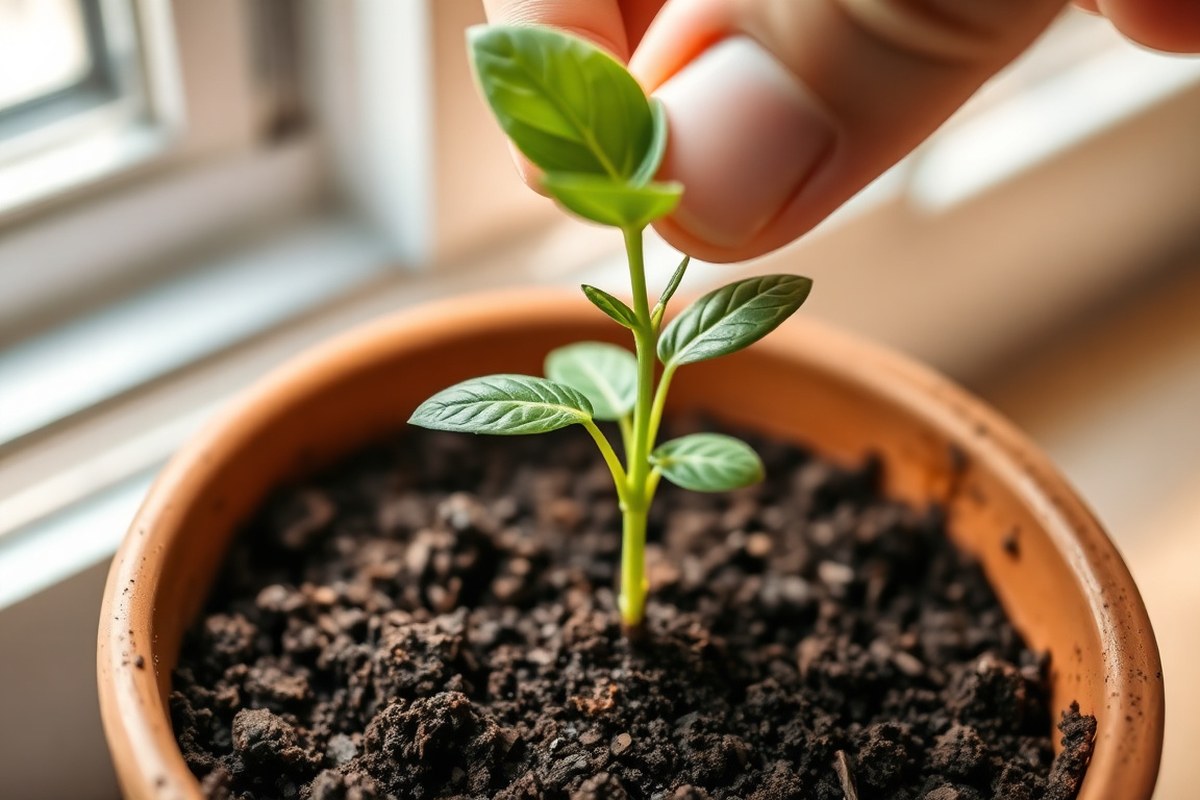
For cuttings, use a healthy stem 4 to 6 inches long. Remove the lower leaves and dip the cut end in rooting hormone. This helps roots grow quicker instead of rotting.
Seeds should soak in water for 24 hours before planting. This softens the tough outer shell. It helps seeds sprout easier.
Plant seeds about ½ inch deep in seed-starting mix. Cuttings around 1 to 2 inches deep in moist potting soil.
Both need warm temperatures around 70°F to 75°F and indirect sunlight to start growing well. Keep the soil lightly moist but not soggy.
- Choose a healthy cutting or seed from your Money Tree plant.
- For cuttings, trim 4 to 6 inches of stem and remove lower leaves.
- Dip the cutting’s cut end in water, then rooting hormone powder.
- Fill a small pot with seed-starting mix or potting soil.
- Plant seeds ½ inch deep or cuttings 1 to 2 inches deep in soil.
- Water the soil lightly to settle it around the seed or cutting.
- Place the pot in a spot with indirect light and keep soil moist.
- Wait 2 to 8 weeks for seedlings or roots to form before repotting.
Starting a Money Tree from cuttings costs little beyond rooting hormone, usually under $10. Seeds often cost less but demand more patience.
Both need steady warmth and moisture at first. Avoid deep planting to prevent rot and poor root development.
Roots should feel firm and show slight growth after a few weeks. Seeds usually sprout above soil slowly.
Cuttings that wilt or turn dark might have rotted. So check soil moisture and reposition the pot for better light if needed.
Choosing the Best Soil and Pot for Planting Money Trees
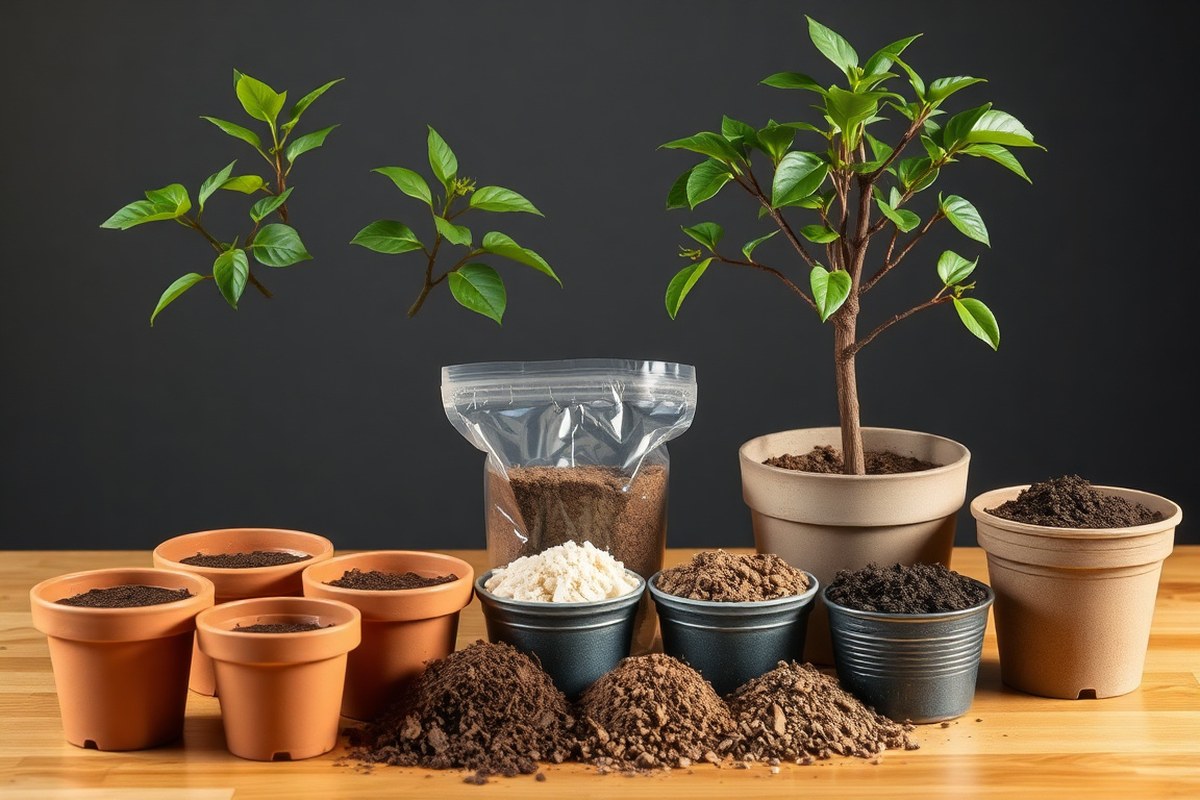
Use a well-draining soil mix that holds some moisture when planting your Money Tree. Choose a pot with drainage holes to avoid water buildup. This helps keep roots healthy and encourages steady growth.
Commercial vs DIY Potting Mix Options
You can buy a tropical or cactus potting mix, which drains well. Mixing in 20% perlite improves drainage further for these store mixes. Alternatively, make your own by mixing equal parts peat moss, perlite, and orchid bark.
This DIY mix retains moisture but prevents soil compaction and waterlogging. It suits indoor conditions where humidity often runs lower. Both options work well, but the DIY gives you control over texture and drainage.
Pot Material and Size Recommendations
Start seedlings in small pots about 4 to 6 inches wide. Choose pots made from breathable materials like terracotta for better air flow. Plastic pots retain moisture but can cause roots to stay wet too long.
You can move to 8- to 10-inch pots as your plant grows. Bigger pots hold more moisture but risk overwatering. Pick a pot just a couple of inches bigger than the root ball.
This size helps balance plant growth and moisture hold. Avoid going much larger than that.
Drainage Improvement Tips for Pots
Drainage holes in your pot reduce root rot risk. Place a layer of small pebbles or broken pottery shards at the bottom before adding soil. This boosts water flow away from roots.
Check pots regularly. Water should flow freely out the drainage holes after watering. Water pooling or soggy soil means your potting mix or pot needs changing.
Never skip drainage holes or add too much material at the pot’s bottom. This can trap water and harm your plant’s roots.
Mix Additives for Moisture and Aeration
Adding perlite to soil gives space for air and speeds drainage. Orchid bark prevents soil from getting heavy and compacted. Peat moss keeps the mix moist while still letting air through.
Use about one-third each of these ingredients for a balanced soil. This mix feels light but holds water when you squeeze a handful.
Let the soil dry at least an inch or two below the surface. Only water the plant again once it feels dry there.
| Care Factor | What Money Trees Need |
|---|---|
| Light | Bright, indirect light |
| Water | Water when top 1, 2 inches of soil is dry |
| Potting Mix | Loose, well-draining houseplant soil mix |
| Temperature | Average household temperatures, avoid cold drafts |
| Humidity | Average household humidity, prefers extra humidity |
| Fertilizer | Feed during active growth |
This chart shows key factors to keep your Money Tree healthy. Soil and pot choices directly affect watering and root conditions. Matching the pot and soil to these needs helps prevent leaf yellowing and drooping.
Optimal Light, Temperature, and Humidity for Newly Planted Money Trees
Newly planted Money Trees need bright, indirect light and steady warmth. Keep temperatures between 65 and 80 degrees Fahrenheit to avoid stress. Humidity should stay around 50% or higher to support root and leaf growth.
Choosing the Right Light Intensity and Duration
Money Trees grow best in bright, indirect sunlight. Direct sun can scorch leaves, while dim light makes them leggy and weak. Aim for about 6 hours of indirect light daily to encourage healthy growth.
Place your tree near an east-facing window where morning light is soft. When sunlight is too strong, use sheer curtains to soften it. Your home may lack natural light, so try artificial options.
- Bright, indirect light for 6 hours daily
- Avoid direct noon sun to prevent leaf burn
- Use sheer curtains to soften harsh sunlight
- Rotate the tree every two weeks for even growth
- Move slowly to brighter spots to avoid shock
Notice the leaves stay a rich green with no stretching toward light. Leaves turning pale or stems stretching mean more light is needed.
Maintaining Ideal Indoor Temperatures
Money Trees prefer steady warmth between 65 and 80 degrees Fahrenheit. Avoid cold drafts or sudden temperature changes that stress the plant. Temperatures below 60 degrees can slow growth and damage roots.
Place the plant away from air conditioners, heaters, and drafty windows. A consistent environment helps roots settle quickly and leaves stay healthy. During colder months, keep indoor temps steady above 65°F.
Boosting Humidity Without Overwatering
High humidity of 50% or more encourages thicker leaves and better root development. Dry indoor air, especially in winter, can cause leaf edges to brown and curl. Use simple tricks to raise humidity around your tree.
Set a shallow tray with water and pebbles under the pot. Mist the leaves lightly every day but avoid soaking the soil. Group your plant near other houseplants to create a mini humid microclimate.
- Use a humidity tray filled with water and pebbles
- Mist leaves once a day with room temperature water
- Keep moist soil, but avoid waterlogging
- Cluster plants to raise local humidity naturally
- Use a humidifier if indoor air is very dry
Using Grow Lights for Low-Light Spaces
Grow lights help maintain good growth when natural light is limited. Choose full-spectrum LED lights to supply the right wavelengths for photosynthesis. Position lights about 12 to 18 inches above the tree.
Run grow lights for 10 to 12 hours a day to mimic daylight. Use a timer to maintain a consistent schedule. Watch for new leaf growth and no color loss as signs it’s working well.
- Select full-spectrum LED grow lights with 20-40 watts power
- Place lights 12-18 inches above the Money Tree canopy
- Set timers for 10, 12 hours daily
- Rotate the plant periodically to promote even growth
- Monitor leaves for signs of too much or too little light
Watering Rules for Newly Planted Money Trees
Water your money tree right after planting by giving it a good soak. Enough water should flow out of the drainage holes to ensure the soil is evenly moist. This helps settle the soil around the roots without drowning them.
Let the top 2 inches of soil dry out before watering again to avoid root rot. This usually means watering every 1 to 2 weeks.
But it depends on room temperature and humidity. In winter, when the plant’s growth slows, reduce watering since it uses less water then.
Water deeply rather than lightly. A slow, thorough soak promotes strong root growth and prevents the soil from drying out unevenly. Avoid letting water sit in the saucer under the pot.
Pooled water kills roots because they can’t get air. Empty the saucer after watering.
To tell if you’re overwatering, watch for yellowing leaves and soggy soil. When you underwater, leaves may curl or drop.
The soil might pull away from pot edges. Check soil moisture with your finger before watering to stay on track.
Your money tree needs less water in shaded spots. The soil stays wet longer there. Water less often to avoid soggy soil.
Increased light speeds up water use. So plants near a bright window will need watering more often. Adjust your schedule based on these conditions.
Keep your plant far from heating vents. Vents dry soil too fast and lower humidity. That can hurt your money tree.
Your tree’s swollen trunk acts as a water storage, helping it survive some missed waterings. Still, aim for consistent, even moisture without sogginess.
When and How to Fertilize Young Money Trees After Planting
Wait to fertilize a young Money Tree until the roots settle. This helps prevent stress to the plant. Give it time to adjust first.
Begin feeding about 3 to 4 months after planting. Using the right fertilizer and applying it safely helps your plant grow strong without damage.
Timing for First Fertilizer Application
Wait at least 3 to 4 months after planting before adding fertilizer. This delay lets the Money Tree’s roots establish well in the new soil. Fertilizing too early can stress the plant or cause fertilizer burn.
After the first feeding, continue fertilizing only during the growing season. Skip fertilizer in fall and winter when the Money Tree rests. This timing helps the plant take up nutrients efficiently without waste.
Types of Fertilizers Suitable for Seedlings
Pick a balanced fertilizer that dissolves in water. Look for equal parts nitrogen, phosphorus, and potassium.
A 10-10-10 mix is a good choice. Balanced formulas provide steady nutrients that young plants need for healthy leaves and roots.
Slow-release granular fertilizers also work well. They release nutrients gradually, reducing the risk of overfeeding. Avoid high-nitrogen products or strong chemical fertilizers as they can overwhelm new roots.
Frequency and Quantity Guidelines
Fertilize your Money Tree about once a month during spring and summer. Use half the suggested fertilizer amount for young Money Trees. That’s about half a teaspoon per gallon of water.
This keeps feeding gentle and safe. Too much fertilizer can harm roots and stunt growth.
You can skip fertilizing in fall and winter when the plant’s growth slows. Growing indoors might mean slight adjustments because of lower light. Keep to the low end of the dose range to avoid fertilizing stress.
Safe Fertilizing Practices
Apply fertilizer by mixing it in water before watering the plant to avoid direct root contact. This method spreads nutrients evenly and reduces the risk of burns. Always water the Money Tree well before fertilizing to keep roots moist.
Monitor your plant’s response after fertilizing to catch any signs of stress early. Yellowing leaves or scorched edges can mean fertilizer burn. Stop fertilizing and flush the soil with water if this happens.
- Wait 3, 4 months after planting before fertilizing
- Use balanced, water-soluble or slow-release fertilizer
- Feed once a month in spring and summer only
- Mix fertilizer with water, never apply dry near roots
- Use half the recommended dose for young plants
- Water before and after fertilizer application
- Watch for leaf burn and reduce fertilizing if needed
Don’t fertilize if the plant looks weak or recently repotted; let it recover first.
Common Planting Mistakes and How to Avoid Them
Overwatering is the top mistake when planting a Money Tree. It makes roots sit in wet soil, which causes root rot. Water your Money Tree only when the top inch of soil is dry.
Use a pot that has drainage holes to help. This prevents overwatering and root problems.
Another common error is poor drainage. Without good drainage, extra water stays in the pot and harms the roots.
Place a layer of small stones or broken pottery under the soil to help water escape. Avoid pots without holes unless you use a plastic grower pot inside them.
Lack of proper light can stress your new Money Tree. Too much direct sun burns leaves.
Too little makes it grow tall and sparse. Keep the plant in bright, indirect light, like near a north or east-facing window.
- Overwatering: let soil dry between waterings
- Poor drainage: add stones or use a grower pot inside
- Direct sunlight: protect from harsh rays with sheer curtains
- Low humidity: mist leaves or place near a humidifier
- Ignoring early stress signs: check leaves and stems often
Yellow or brown leaves and soft stems often mean overwatering or root rot. Spot these signs? Cut back on watering right away.
Move your plant to better light nearby. You can also remove damaged leaves and improve airflow around the plant to help it recover.
Soft stems are warning signals. They mean the plant is too wet or not getting enough light. Change the spot to somewhere brighter, but avoid direct sunlight.
Repot your plant if the roots smell bad. Also repot if the soil stays too wet. This means the water isn’t draining or drying properly.
How to Know Your Money Tree Is Establishing Roots Successfully
Healthy root growth usually shows up within two to three weeks after planting. You’ll see tiny white root hairs if you gently pull back some soil at the base. Those hairs show the roots looking for water and nutrients.
This helps your Money Tree get comfortable in its spot. The roots use these hairs to grow better.
Look for new shoots or leaves growing above soil as another sign roots are working. Leaves may look glossy and firm rather than droopy or yellowing.
Your Money Tree looks lively because its roots are well settled. Healthy roots mean the plant gets good nutrients and moisture.
It’s okay to check roots, but do it carefully about a month after planting. Lift the plant gently from its pot without disturbing the roots too much.
You want to see if roots grow about 2 to 3 inches long with fine hairs. That’s the time to repot or care for the plant more deeply.
Roots not growing or looking weak means soil needs fresh nutrients. Add nutrient-rich soil to help your Money Tree’s roots grow.
Repotting this way feeds roots and encourages stronger growth. Also, avoid overwatering since soggy soil can slow root development and lead to rot.
Sometimes roots appear from drainage holes. That’s a good sign your plant is ready for a bigger pot. Your Money Tree might dry out quickly if roots fill the pot.
So watch for that change. One trunk in the braided tree dying means treat trunks as separate plants. Care for each trunk on its own to help revival.
Keeps roots healthy by giving your Money Tree time and the right soil. It’s normal for root development to vary by plant and environment. Watch soil moisture and plant signs closely to decide your next step in care.
Seasonal and Location Considerations When Planting a Money Tree
Plant your Money Tree indoors any time, but spring is best outdoors. It thrives when soil temperatures stay above 60°F. Cooler climates with frost kill or damage the tree if planted outside. Pick a frost-free area if you want a long-lasting outdoor tree.
For outdoors, choose a shady location near existing trees. They protect your Money Tree from harsh sun and strong wind.
A spot with rich, well-drained soil helps roots grow steady. Indoor Money Trees need bright spots but avoid direct sunlight that scorches leaves.
Moving your Money Tree from indoors to outdoors works well in summer. Bring it back inside before temperatures drop below 60°F at night.
Outdoor planting in cooler zones requires careful seasonal moves to protect it from cold stress. Keep it away from drafty windows or vents indoors.
Strong new growth and fuller leaves show your tree is in the right spot. Growth weakens or leaves fall often. Try brighter light or move it.
A grow light works well in winter. Use it 12 to 14 hours daily. It can replace natural light for your plant.
| Condition | Best Location | Temperature Range | Light Needs |
|---|---|---|---|
| Indoors year-round | Near south or west-facing window | 65-75°F | Bright, indirect light |
| Outdoor planting in frost-free climates | Shady area under big trees | Above 60°F soil temperature | Filtered sunlight |
| Seasonal indoor-outdoor | Move indoors before cold snaps | Above 60°F at night | Avoid direct midday sun |
Rotate your Money Tree when watering to encourage even growth. Improve small plants on stands for better display and airflow. These simple steps improve your tree’s health and appearance over time.
Too much sun can burn your Money Tree’s leaves quickly. Shady spots are safer outdoors.
Step-by-Step Action Plan for Your New Money Tree
Follow these steps to plant your Money Tree and encourage healthy roots. Check each step for signs of success before moving on.
- Before you start: Choose a pot with drainage holes and use well-draining soil. You’ll see water drain easily after watering.
- Planting day: Plant your seed or cutting in soil, leaving a small space at the top. The soil should feel moist but not soggy.
- First week: Place the pot where it gets bright, indirect light. You should notice no leaf burn or wilting.
- After one week: Water the soil lightly whenever the top inch feels dry. Check that the soil stays slightly damp, not wet.
- Two to four weeks: Look for new leaf growth or firmness in cuttings. This shows roots have started to form.
- After one month: Apply a half-strength balanced fertilizer once a month. Watch for steady green leaves and no yellowing.
- Ongoing: Keep humidity around 50-60% by misting or using a humidity tray. Leaves should stay vibrant and not dry out.
Frequently Asked Questions
How Often Should I Repot My Money Tree?
Repot your Money Tree every 2-3 years to refresh soil and give roots room. Repotting also helps stimulate new growth when the pot gets crowded or soil compacts.
Can I Prune My Indoor Money Tree Like a Bonsai?
Yes, you can prune your Money Tree regularly to shape it as a bonsai. Pruning helps maintain its health by removing dead or damaged branches and encourages fresh growth.
How Tall Can a Money Tree Grow Indoors?
Indoors, a Money Tree can reach about 6 to 8 feet tall over time. Its size depends on light levels, pruning, pot size, and overall care conditions.
What Does Money Tree Seedling Care Involve?
After your seeds sprout, water sparingly and keep seedlings in bright, indirect light. Young plants need gentle care for 6-12 months before growing strong.
Can Money Trees Flower Indoors, and How Do I Encourage It?
Money Trees can flower indoors if they stay healthy with good light and proper care. Encouraging overall plant health through watering and pruning supports possible flowering.
Is Pachira Aquatica the Same as All “Money Plants”?
No, “money plant” names vary and don’t always mean Pachira aquatica. Make sure your plant is the true Money Tree for correct care.
Wrapping Up
Planting a Money Tree needs steady care and the right conditions for roots to grow. Check your plant’s progress often and adjust its care. Start today by picking the right pot for your Money Tree.
Choose soil that gives your plant a strong start. These two things help your tree grow well.